9 Oregon Garden Plants That Look Better After A Spring Rain
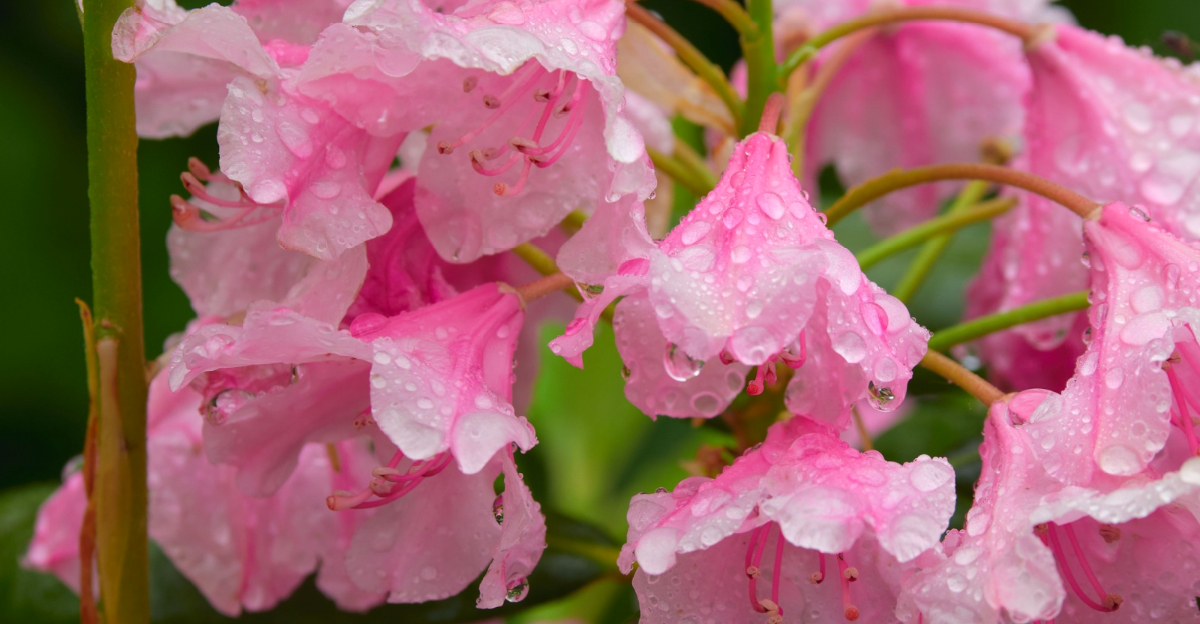
Oregon spring rain has a talent for making the garden look freshly polished, like someone came through overnight and gave every leaf a gentle shine.
One soft shower can deepen greens, brighten textures, and make the whole yard feel a little more dramatic in the best possible way.
Honestly, some plants seem to know they look especially good when the clouds show up. In Oregon, that damp, misty stretch of spring does more than water the garden.
It wakes up glossy shrubs, freshens woodland favorites, and gives leafy plants a rich, almost glowing look that dry weather just cannot quite match. That is part of the fun of gardening here.
You do not just watch plants grow, you watch them glow after a rainy day. And when the light comes back out, a few of them look downright unforgettable by noon.
1. Camellia Shines With Rain-Fresh Glossy Leaves
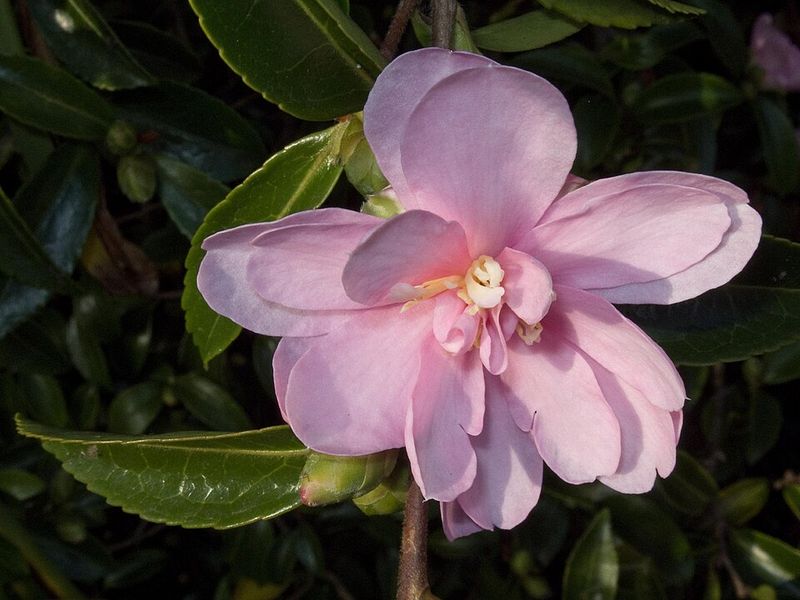
Few garden shrubs catch the eye quite like a camellia right after a spring shower passes through.
The large, waxy leaves seem to collect rainwater in just the right way, holding small droplets on their surface while the deep green color deepens noticeably in the soft post-rain light.
In Oregon, camellias are a popular choice for sheltered spots along fences, under overhanging eaves, or near the edges of woodland borders where they receive filtered light.
Camellias prefer well-drained, slightly acidic soil, which Oregon’s naturally acidic soils often provide without much amendment.
They tend to do well in spots protected from harsh afternoon sun, especially in the Willamette Valley where spring temperatures can swing between warm afternoons and cool, wet evenings.
The combination of rain and mild temperatures is genuinely where camellias seem most at home.
After rain, the foliage can look almost lacquered, which makes the whole plant feel lush and tropical even in a temperate Oregon garden. Gardeners who position camellias near paths or entryways often enjoy that fresh, clean look each time a spring storm clears.
Planting one near a window lets you appreciate the rain-washed effect from indoors too.
2. Oregon Grape Looks Extra Fresh After Spring Rain
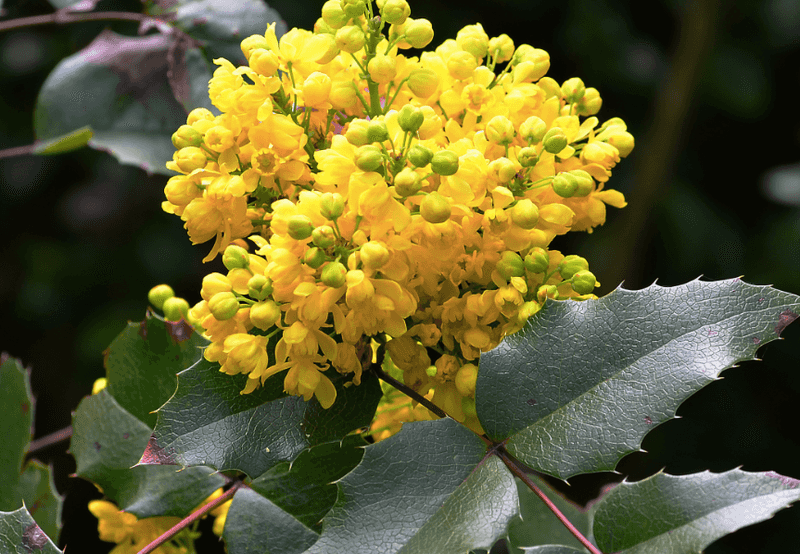
Named for the state itself, Oregon grape has a bold, architectural presence that rain seems to amplify rather than soften.
The spiny, holly-like leaflets shift from a matte, sometimes dusty appearance to something that looks genuinely polished after spring moisture rolls through.
Clusters of bright yellow flowers in early spring and blue-black berries later in the season make this plant a year-round contributor to Oregon landscapes.
Oregon grape is native to the Pacific Northwest, which means it is well adapted to the wet winters and dry summers that characterize much of Oregon.
It handles both sun and shade reasonably well, though it tends to develop its richest leaf color in partial shade.
Low-growing varieties like creeping Oregon grape work beautifully as ground cover along shaded slopes, while taller forms make excellent informal hedges or woodland border plantings.
After a spring rain, the leaf surfaces catch and hold water in a way that makes each leaflet stand out individually. The contrast between the spiny leaf edges and the smooth, rain-wet surface creates a texture that feels lively and fresh.
Your Oregon Garden Changes Every Week. Your Plan Should Too.
Gardening in Oregon changes quickly throughout the season. Every Friday you’ll receive a simple weekly plan showing exactly what to plant, prune, fertilize, harvest, and protect so you never miss the right timing.
For Oregon gardeners who want a native plant that rewards wet weather, Oregon grape is one of the most reliable options available.
3. Evergreen Huckleberry Glows With Polished Foliage
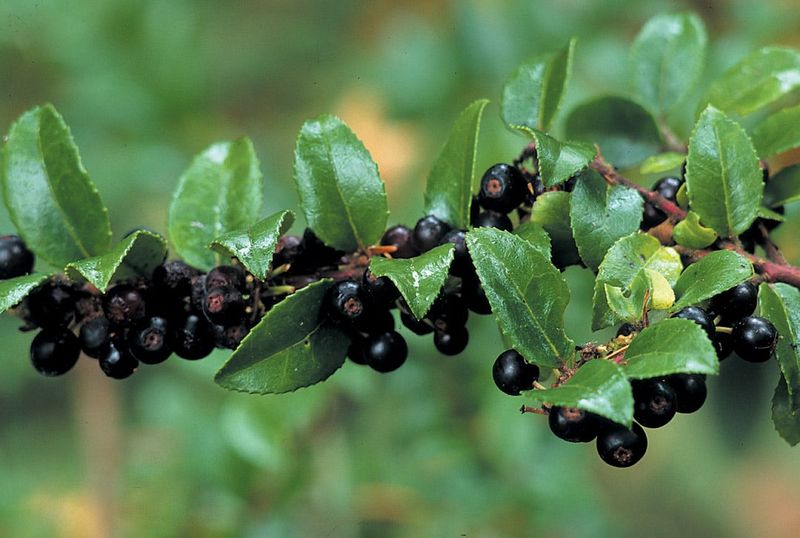
Rainwater has a way of drawing out the best in evergreen huckleberry, a native shrub that grows wild along Oregon’s coast and in shaded inland forests.
The small, oval leaves are naturally glossy, but after a spring rain they take on a deeper, almost luminous quality that makes the whole plant look freshly polished.
Evergreen huckleberry is one of those plants that looks genuinely at home in Oregon’s wet spring conditions rather than merely tolerating them.
In garden settings, this shrub tends to thrive in partial to full shade with well-drained but consistently moist soil.
It fits naturally into woodland garden designs, shaded borders, and native plant gardens where it can spread gradually into a soft, layered understory planting.
The small pink or white flowers in spring and edible dark berries in late summer and fall add seasonal interest beyond the foliage.
One thing Oregon gardeners often appreciate about evergreen huckleberry is how low-maintenance it can be once established. It rarely needs much pruning and tends to fill in gracefully over time.
After a spring rain, the glossy canopy of small leaves reflects soft light beautifully, creating that fresh, rain-washed garden look that makes Pacific Northwest landscapes feel so distinct and appealing through the wet season.
4. Rhododendron Brings Lush Beauty After A Shower
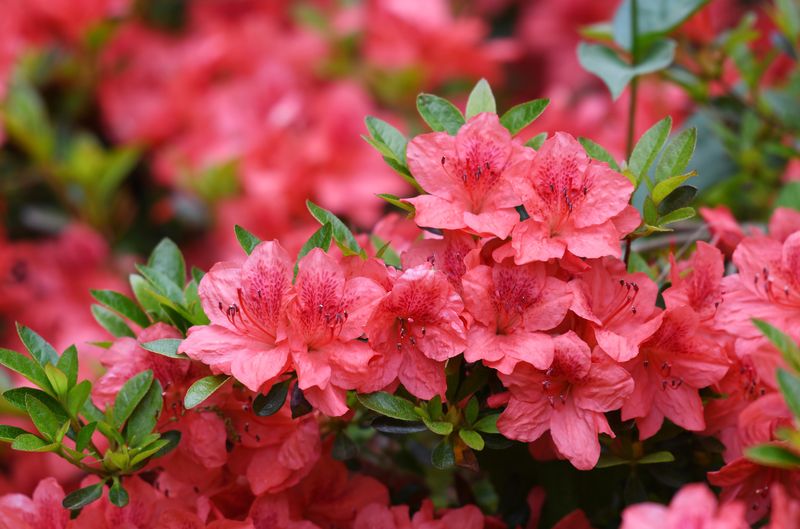
Walk past a rhododendron right after an Oregon spring shower and you will notice how dramatically the broad, leathery leaves change in appearance.
The rain seems to saturate the color, turning already-deep greens into something richer and more vibrant while the leaf surfaces take on a subtle sheen.
When rhododendrons are in bloom, the combination of wet foliage and heavy flower clusters can make them look almost impossibly lush.
Oregon’s climate suits rhododendrons well, particularly in the Willamette Valley and along the coast where mild temperatures, consistent spring moisture, and naturally acidic soils create conditions where these shrubs can reach impressive sizes over time.
They prefer filtered light or morning sun with afternoon shade, and they benefit from protection against strong winds that can dry out the large leaves.
Rhododendrons work well as anchor plants in mixed borders, as informal screens along property edges, or as focal points in woodland-style gardens. Their size and presence mean they tend to define the character of a space rather than simply fill it.
After rain, the foliage holds moisture long enough that even a brief shower transforms the plant’s appearance for hours, giving the garden a refreshed, deeply satisfying look that Oregon gardeners come to look forward to each spring.
5. Hellebore Shows Off Its Rich Evergreen Leaves
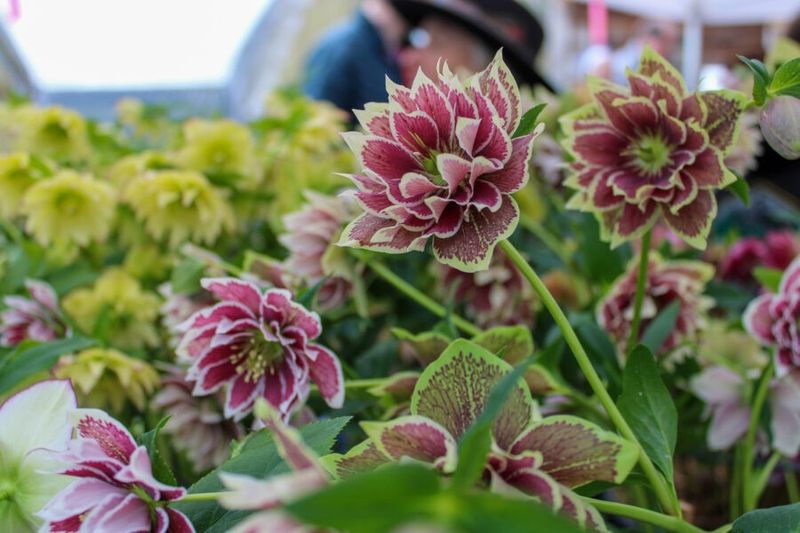
Most gardeners discover hellebores because of their nodding winter and early spring flowers, but the bold, leathery foliage is reason enough to grow them in Oregon gardens.
After a spring rain, those large, dark green leaves look especially striking, holding water droplets along their deeply veined surfaces while the color shifts to a richer, more saturated tone.
The texture becomes more visible in wet conditions, giving each leaf a sculptural quality that dry weather tends to flatten out.
Hellebores prefer shaded or partially shaded spots with well-drained, humus-rich soil, which means they fit naturally under deciduous trees or along the north-facing edges of borders where Oregon’s spring rains keep the ground consistently moist without waterlogging.
They are slow to establish but tend to become more impressive with each passing year, gradually forming dense, weed-suppressing clumps of foliage.
One of the most appreciated qualities of hellebores in Oregon gardens is their year-round presence. The evergreen leaves carry the garden through winter and remain attractive well into summer.
After a rainy spring day, the foliage seems to absorb the soft, diffused light of Oregon’s overcast skies in a way that makes the shaded corners of the garden feel intentional and well-composed rather than simply dark and empty.
6. Pacific Bleeding Heart Looks Right At Home In Rain
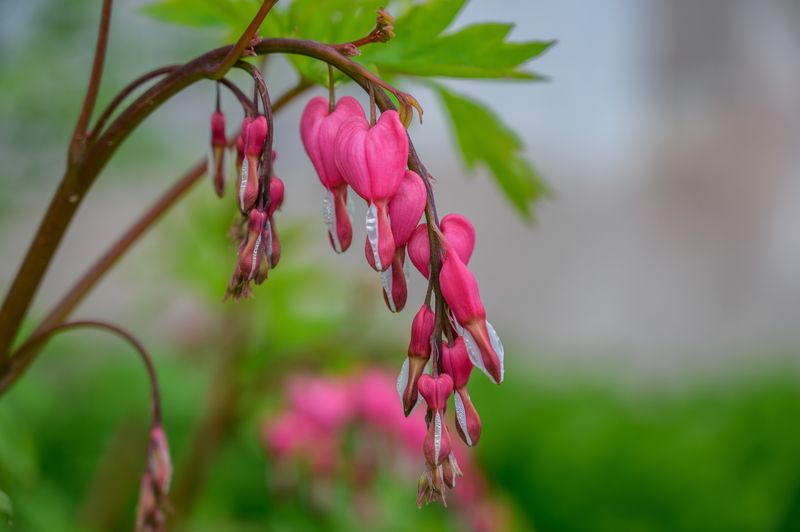
Something about a spring rain seems made for Pacific bleeding heart. The soft, blue-green ferny foliage catches moisture beautifully, and the delicate pink heart-shaped flowers look even more graceful when the whole plant is lightly wet.
This native Oregon woodland plant has a quality that feels genuinely connected to the Pacific Northwest’s rainy spring character, as if it was designed specifically for cloudy skies and wet soil.
Pacific bleeding heart grows naturally along stream banks, in moist woodland clearings, and on shaded hillsides throughout Oregon and the broader Pacific Northwest.
In garden settings, it fits well under tall trees, along shaded borders, or in naturalistic plantings where the soil stays consistently moist through spring.
It tends to go dormant by midsummer, especially in drier spots, so pairing it with summer-active companions helps fill the space it leaves behind.
The foliage itself is one of the most appealing parts of this plant. The finely cut, almost lacy leaves have a soft, powdery texture that holds rainwater in tiny droplets along each segment.
After a spring shower in an Oregon garden, Pacific bleeding heart looks like something out of a woodland painting, with moisture-laden foliage and gently swaying flowers that seem to belong exactly where they are planted.
7. Fringecup Adds Soft Woodland Charm After Rain
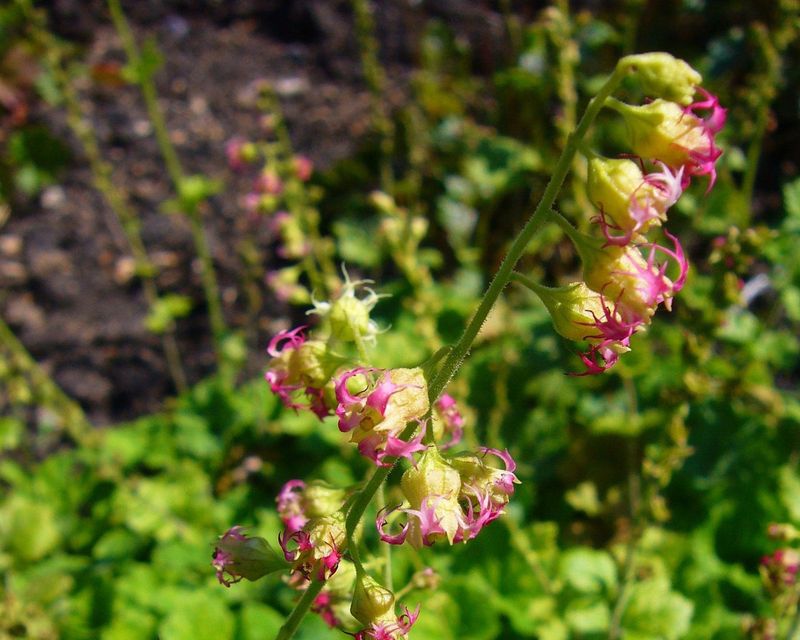
Fringecup is one of those quietly beautiful plants that tends to go unnoticed in dry conditions but becomes genuinely captivating after a spring rain.
The broad, softly hairy leaves hold moisture in a way that makes the whole plant look freshly alive, and the tall, slender flower stems with their tiny fringe-edged blooms take on a delicate, almost translucent quality when wet.
In Oregon’s shaded woodland gardens, fringecup has a natural ease that feels right at home.
Native to moist, shaded habitats in the Pacific Northwest, fringecup grows well under trees, along stream edges, and in the shadier corners of garden borders where the soil stays reliably moist through spring.
It spreads gently by seed, which can be welcome in a naturalistic garden setting where a soft, ground-level layer of foliage is desirable.
Oregon gardeners who want to fill shaded areas with low-maintenance native plants often find fringecup a useful and rewarding choice.
After spring rain, the velvety leaf texture becomes more pronounced as water beads and spreads across the surface rather than running off cleanly. The plant takes on a lush, mossy quality that suits Oregon’s woodland aesthetic particularly well.
Placed near darker-leaved companions, fringecup’s soft green foliage provides a lighter, more textural contrast that rain tends to make even more apparent.
8. Sword Fern Looks Even Better With Spring Moisture
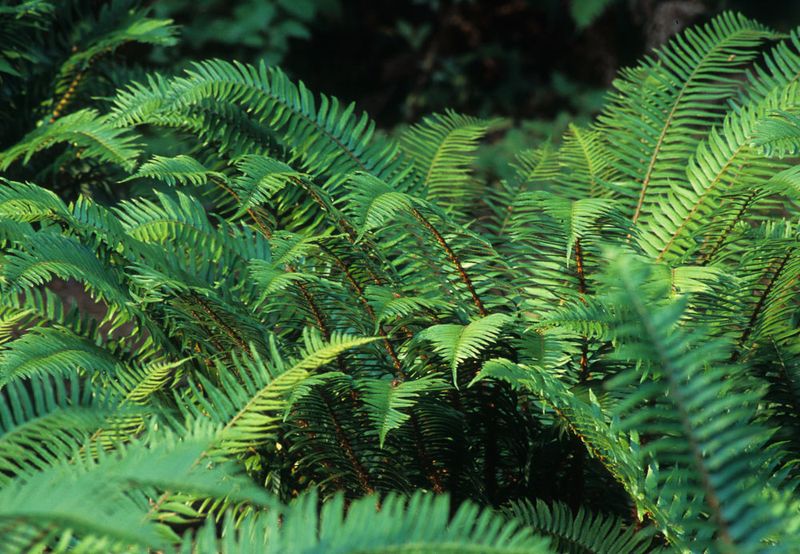
Sword fern is one of the most recognizable plants in Oregon’s native landscape, and spring rain brings out the very best in its long, arching fronds.
The deep green color seems to intensify after moisture, and the individual leaflets along each frond catch water droplets in a way that makes the whole plant shimmer slightly in filtered light.
In shaded Oregon gardens, a cluster of sword ferns after a spring shower can look like something straight from the forest floor.
Western sword fern handles a wide range of conditions, from dry shade to consistently moist spots under conifers, making it one of the more adaptable native plants for Oregon home gardens.
It tends to do especially well in the cool, shaded conditions that Oregon’s spring weather provides, and established clumps can become quite large and impressive over time.
The evergreen fronds remain attractive through winter, adding structure to the garden even in the quieter months.
For Oregon gardeners who want low-maintenance texture in shaded areas, sword fern is a dependable choice. Pairing it with lighter-colored companions like fringecup or bleeding heart creates a layered, naturalistic look that rain genuinely enhances.
After a wet spring morning, the fronds hold moisture long enough to keep that fresh, forest-like quality through most of the day, which makes the garden feel alive and deeply satisfying.
9. Deer Fern Stands Out In Fresh Rainy Weather
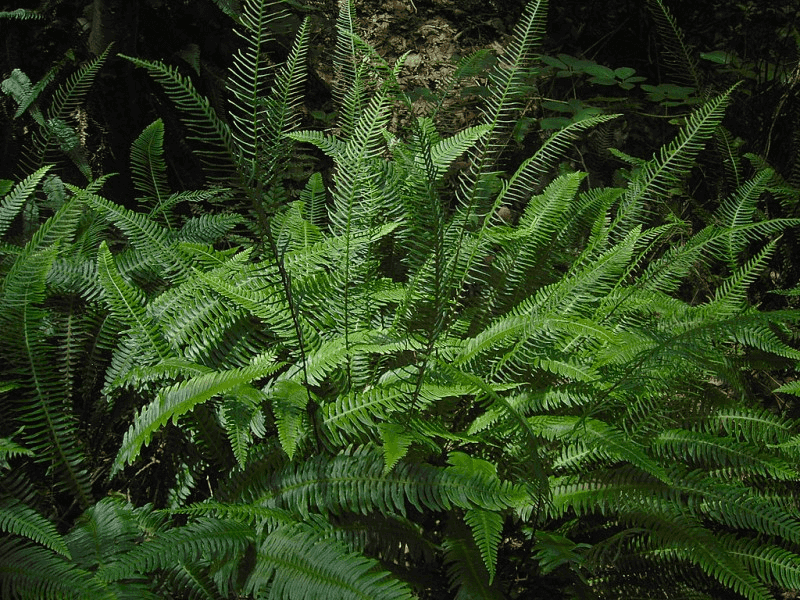
Deer fern has a distinctive two-part structure that makes it easy to spot in Oregon’s woodland gardens, with shorter, spreading evergreen fronds forming a low rosette and taller, upright fertile fronds rising from the center.
After spring rain, the contrast between these two types of fronds becomes even more visible, as moisture deepens the color of both and gives the plant a fresh, layered presence that dry conditions tend to mute.
Few ferns look more at home in a rainy Pacific Northwest garden.
In Oregon, deer fern grows naturally in moist, shaded forests and along stream banks where the soil stays cool and consistently damp.
In garden settings, it performs well in deep to partial shade with humus-rich, well-drained soil that retains moisture through the spring season.
It tends to stay relatively compact compared to sword fern, which makes it a good option for smaller shaded borders or garden corners where scale matters.
After a spring shower, the glossy surface of the spreading fronds reflects soft light in a way that makes the plant look almost luminous against darker soil or mossy ground cover.
Oregon gardeners who grow deer fern near rocks, logs, or other woodland-style features often find that rain enhances the naturalistic quality of the whole planting, creating a scene that feels genuinely rooted in the Pacific Northwest landscape.