The Reason Sunflowers Deserve A Spot In California Gardens
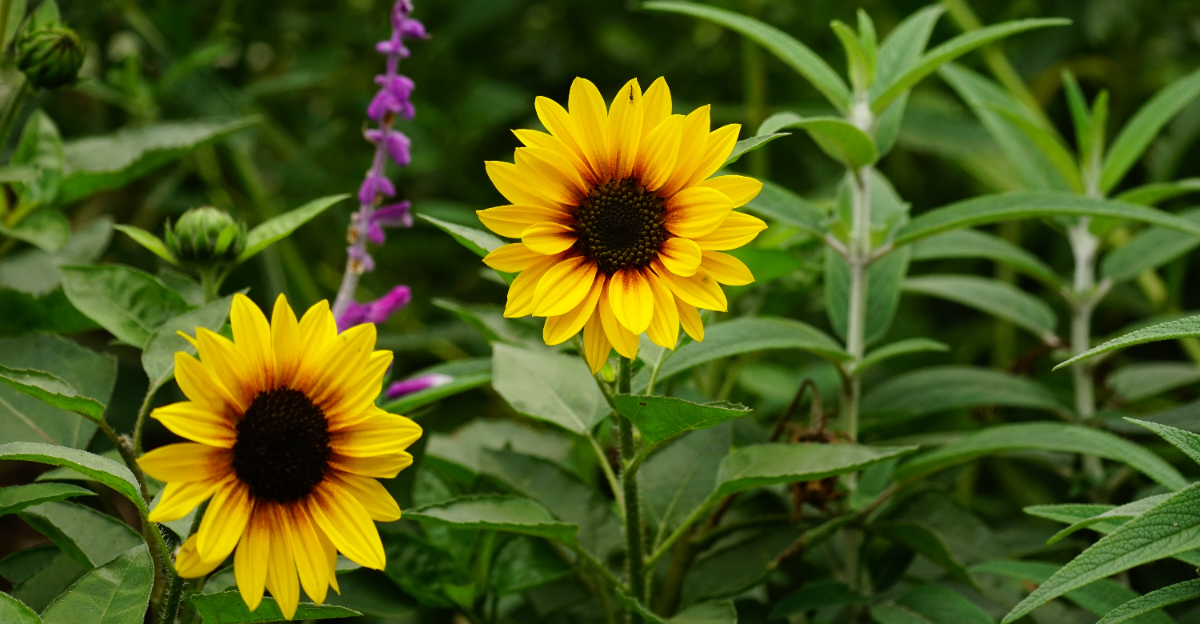
Sunflowers have a reputation problem. People think of them as the beginner plant, the easy choice, the flower you grow with kids to prove that gardening is not that hard.
And sure, they are easy. But writing them off as a novelty means completely missing what a sunflower actually brings to a California garden, and the list is longer than most people expect.
A sunflower is not just a pretty face on a tall stem. It’s a pollinator magnet, a bird feeder, a natural trellis companion, a soil improver, and one of the most architecturally interesting plants you can put in the ground.
California’s sunshine and long growing season push sunflowers to their absolute peak potential, producing plants that grow taller, bloom bigger, and produce more seed than almost anywhere else in the country.
There’s a reason farmers have grown them commercially here for generations. It might be time for your garden to figure out what they’ve already known.
They Thrive In California Sun
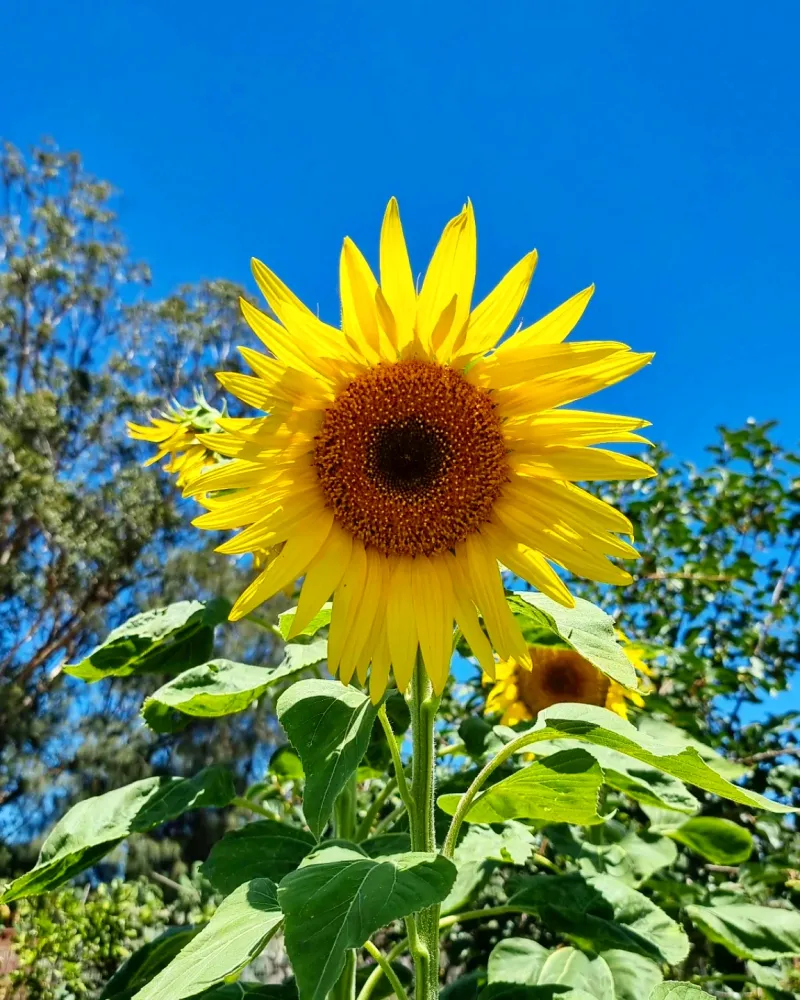
Few plants feel as at home in California as sunflowers do. These bold, golden flowers were practically made for long, hot days and plenty of sunshine.
In most parts of California, the growing season stretches from late spring all the way through early fall, giving sunflowers plenty of time to reach their full height.
Sunflowers follow the sun throughout the day, which is a behavior called heliotropism. Young sunflowers actually turn their heads from east to west as the sun moves across the sky.
This helps them absorb as much light as possible and grow faster than many other garden plants.
In California’s warm climate, sunflowers can grow incredibly fast. Some varieties shoot up several inches in just one week.
They love well-drained soil, which is common in many California regions. You do not need to fuss over them much.
Just plant them in a sunny spot, water them regularly, and watch them take off. Even beginner gardeners in California find sunflowers easy to grow and rewarding to care for all season long.
Bees Love The Big Blooms
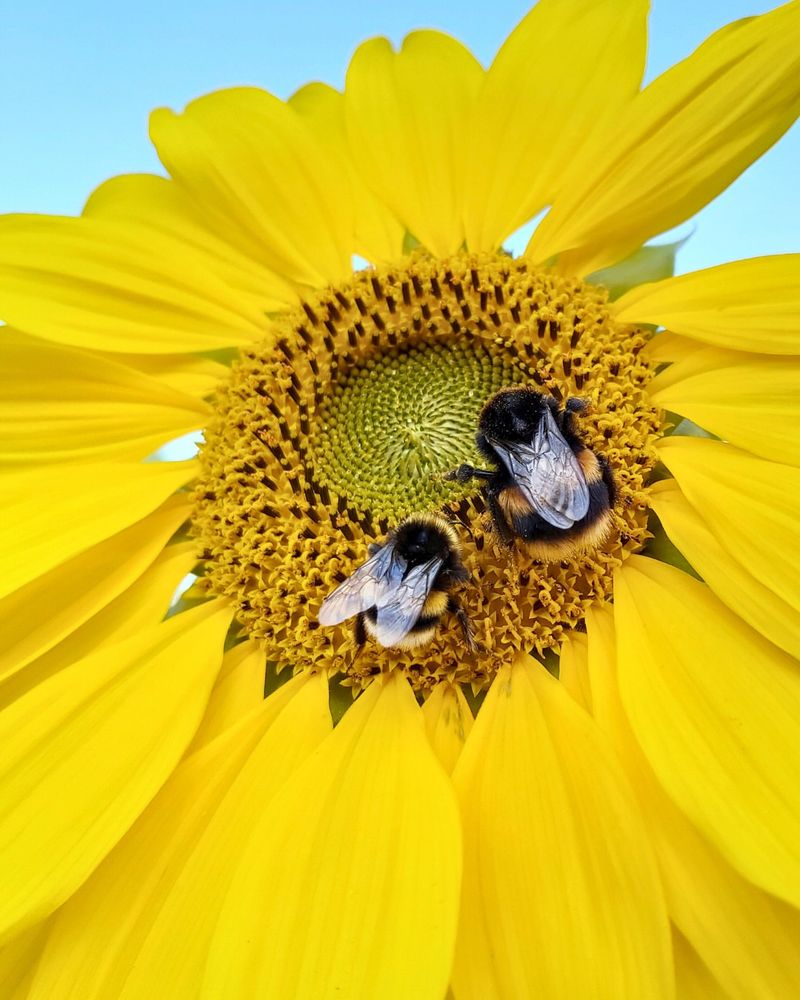
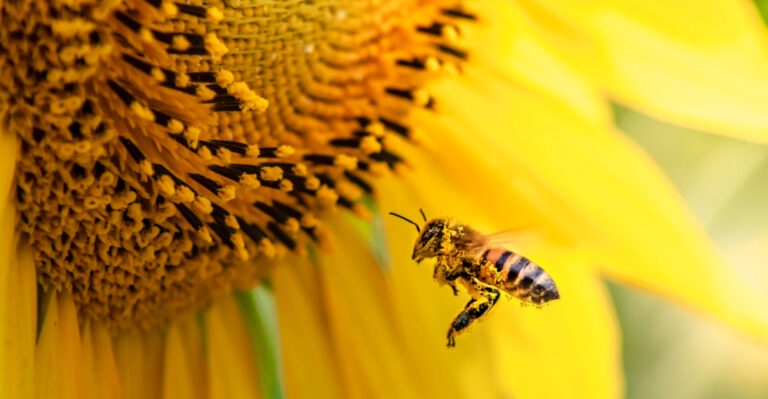
Walk past a sunflower in full bloom and you will almost always hear a familiar buzzing sound. Bees are wild about sunflowers, and for good reason.
The large, open flower heads make it easy for bees to land, move around, and collect pollen without much effort. That is a big deal for busy pollinators.
California is home to hundreds of native bee species, and many of them depend on flowering plants to survive. Sunflowers produce a generous amount of pollen and nectar, which makes them one of the most valuable plants you can add to any California garden.
Planting sunflowers is one simple way to support local bee populations that are so important to our food supply.
Did you know that some sunflower varieties produce more pollen than others? If your goal is to attract as many bees as possible, choose open-faced varieties rather than double-petaled types.
Double-petaled sunflowers can be harder for bees to access. Native sunflower species are especially attractive to local California bees.
Your California Garden Changes Every Week. Your Plan Should Too.
Gardening in California changes quickly throughout the season. Every Friday you’ll receive a simple weekly plan showing exactly what to plant, prune, fertilize, harvest, and protect so you never miss the right timing.
Adding just a few sunflower plants to your yard can turn your garden into a buzzing, lively ecosystem that benefits the entire neighborhood.
Butterflies Stop By Often
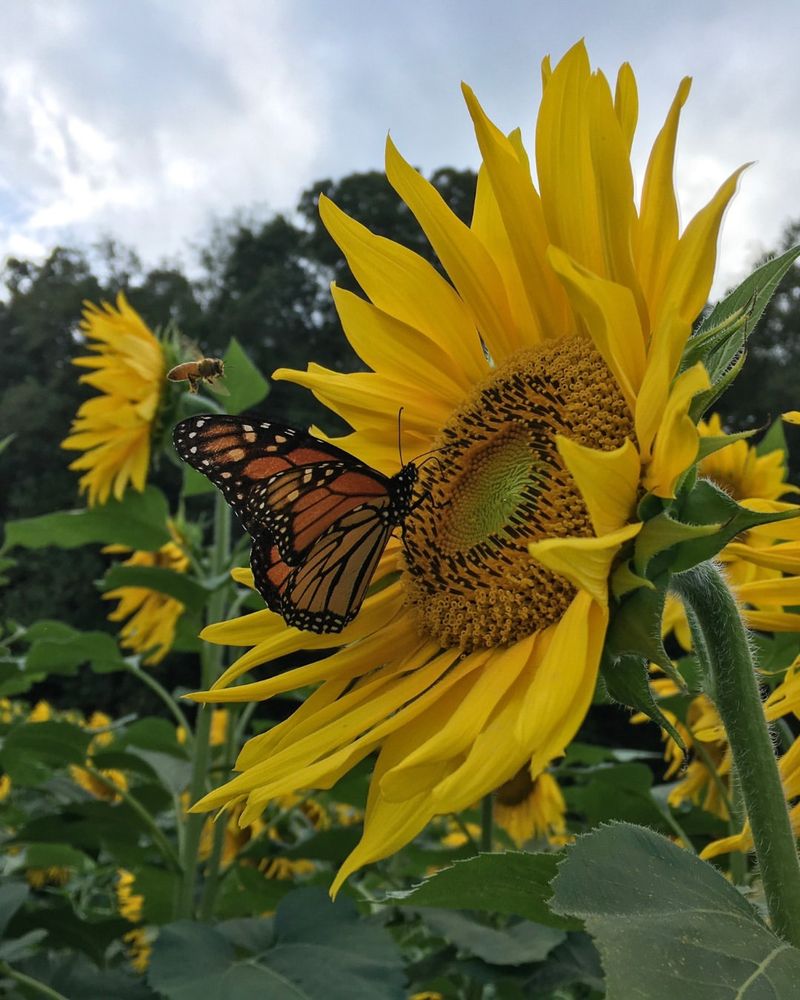
There is something magical about watching a butterfly drift across a garden and land softly on a sunflower. It happens more often than people realize, especially in California where many butterfly species are active throughout much of the year.
Sunflowers act like a landing pad for these beautiful insects.
Monarch butterflies, painted ladies, and swallowtails are just a few of the species that visit sunflowers regularly in California gardens. These butterflies are drawn to the bright yellow petals and the rich nectar that sunflowers provide.
Because California has such a mild climate, butterflies can be spotted visiting gardens from spring all the way into October or even later in some regions.
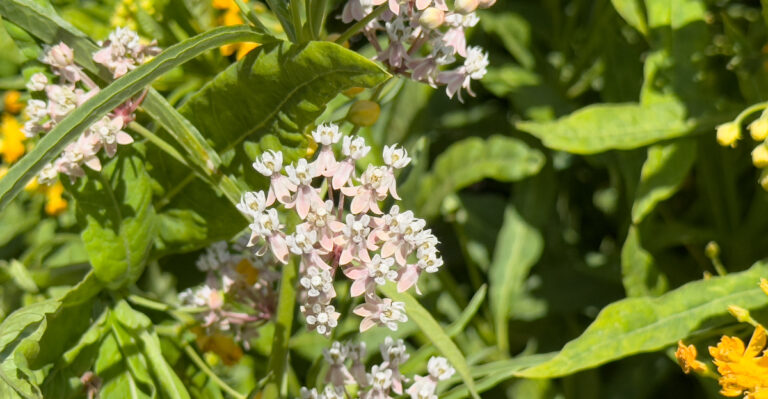
Sunflowers work especially well when planted alongside other pollinator-friendly plants like lavender, milkweed, or coneflowers. Together, these plants create a garden that stays active with butterfly visits for months.
If you want to help struggling butterfly populations in California, sunflowers are a smart and colorful choice. They require minimal care but offer maximum benefit to the butterflies that rely on healthy, flowering plants to complete their life cycles and continue moving through the state each season.
Seeds Feed Backyard Birds
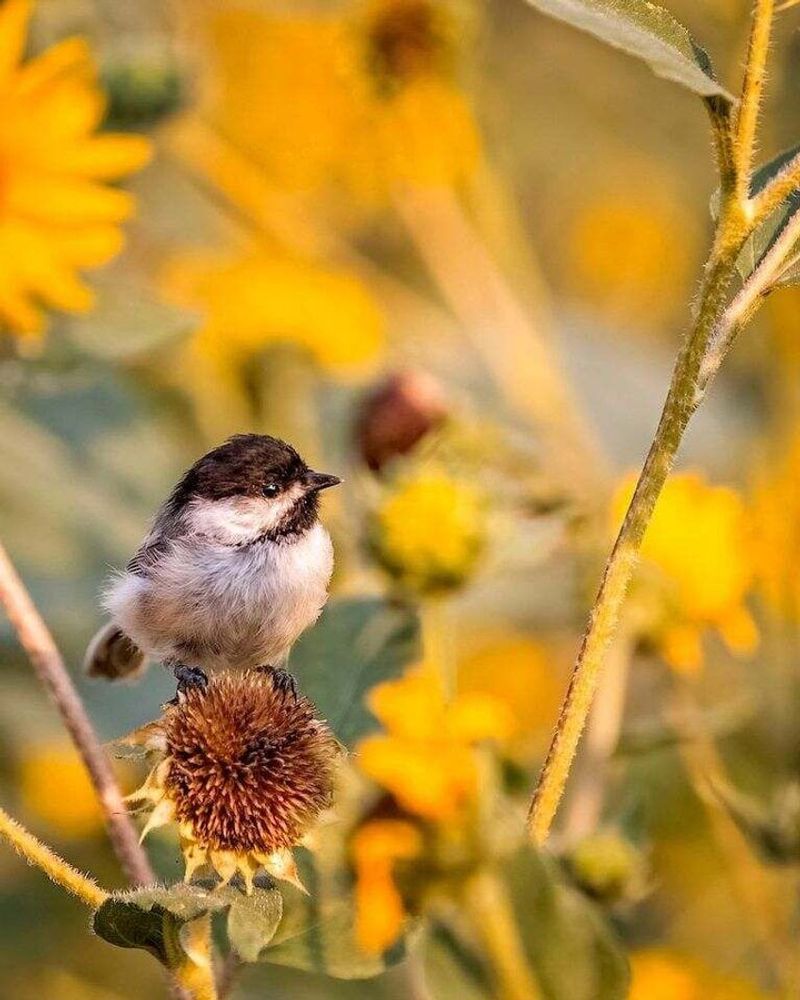
Once sunflowers finish blooming, the real party is just getting started for backyard birds. The large seed heads that form after the petals fall off become a natural bird feeder right in your own yard.
Birds flock to them with enthusiasm, and watching them feed is one of the best parts of growing sunflowers in California.
American goldfinches absolutely love sunflower seeds. So do house finches, chickadees, nuthatches, and even some woodpecker species found across California.
Instead of buying bags of birdseed from the store, you can simply let your sunflowers go to seed at the end of the season. The birds will find them on their own and return again and again throughout fall and early winter.
To get the most out of your sunflower seed heads, leave them standing in the garden rather than cutting them down right away. This gives birds more time to feed and gives you more time to enjoy watching them.
You can also cut a few heads and hang them near a window for a closer view. Growing sunflowers in California is one of the easiest and most rewarding ways to support local bird populations naturally.
Tall Stems Add Summer Drama
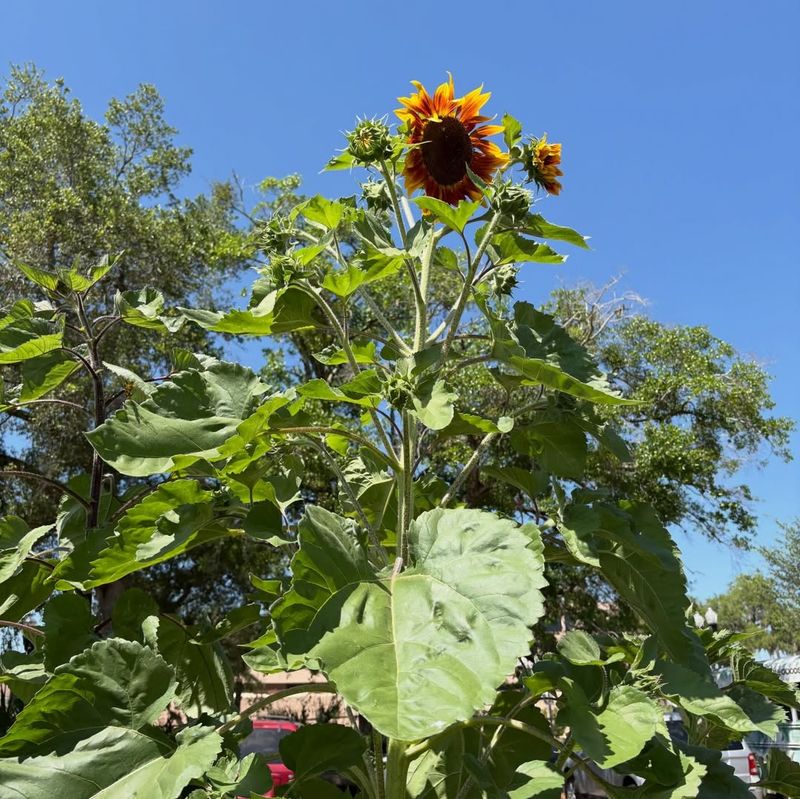
Not many plants can stop people in their tracks the way a row of towering sunflowers can. Some varieties grow over ten feet tall, creating a wall of gold that transforms an ordinary California backyard into something truly eye-catching.
That kind of visual impact is hard to get from almost any other annual plant.
Tall sunflower varieties like Mammoth Russian or American Giant are popular choices for California gardeners who want to make a statement. These giants grow quickly during the long California summer and can reach impressive heights by midsummer.
Plant them along a fence, near a wall, or at the back of a garden bed for a dramatic backdrop that draws every eye.
Beyond their good looks, tall sunflower stems also serve a practical purpose. They can provide shade for smaller, more delicate plants that might struggle in California’s intense summer heat.
They also act as a natural privacy screen between yards. Kids love measuring themselves against the towering stalks as the season goes on.
Growing tall sunflowers in California is a fun, family-friendly project that rewards everyone with one of the most stunning summer garden displays you can create.
Roots Help Improve Soil
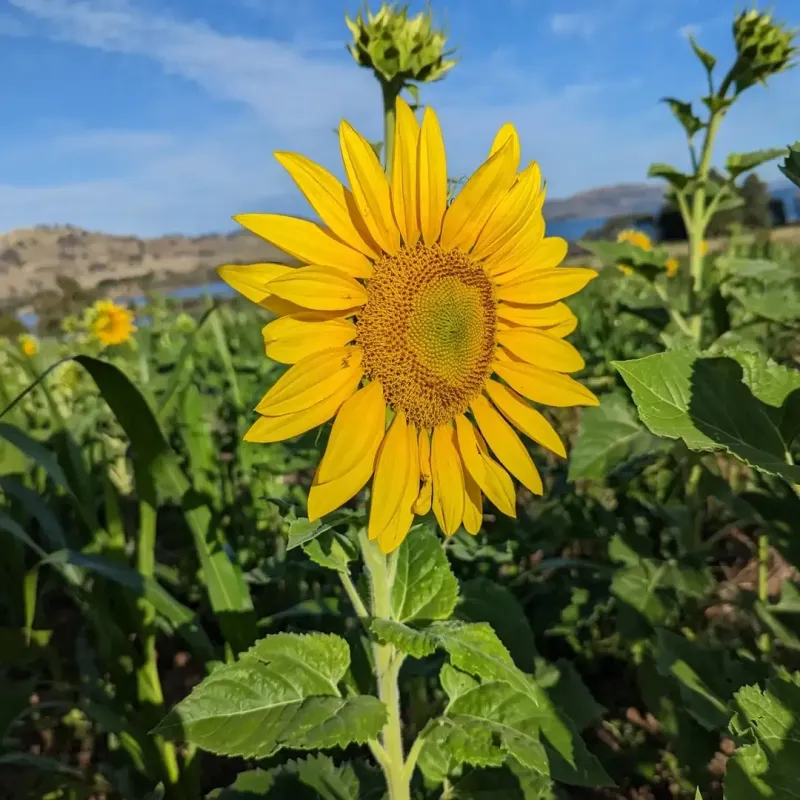
Most people focus on what sunflowers do above the ground, but what happens below the surface is just as impressive. Sunflowers have deep, strong root systems that help break up compacted soil over time.
In many California yards, especially in drier inland regions, the soil can become hard and difficult to work with. Sunflowers naturally help loosen it up.
Sunflowers are also known as phytoremediation plants, which means they can absorb certain toxins and heavy metals from the soil. Scientists have actually studied using sunflowers to help clean up contaminated land.
While your backyard likely does not need that level of cleanup, the principle still applies on a smaller scale. Growing sunflowers regularly can gradually improve the overall quality of your garden soil.
As sunflower roots break down after the season ends, they add organic matter back into the soil. This improves drainage, supports beneficial microorganisms, and makes the ground more fertile for whatever you plant next year.
California gardeners who rotate sunflowers into their planting schedule often notice healthier soil over time. It is a natural, low-effort way to invest in the long-term health of your garden without spending money on expensive soil treatments or amendments.
They Grow With Little Fuss
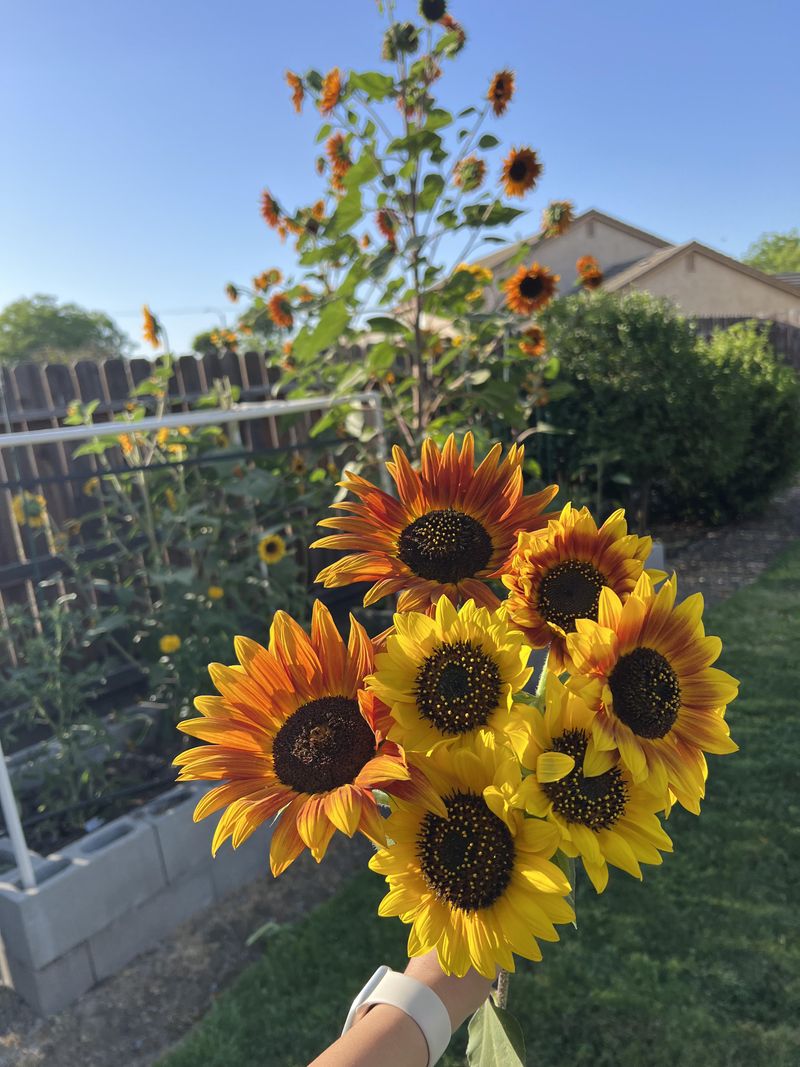
Some plants make you work hard for every single bloom. Sunflowers are not like that at all.
They are one of the most forgiving and low-maintenance plants you can choose for a California garden. Even if you forget to water them for a few days during a busy week, they bounce back without much drama.
Sunflowers grow well in almost any type of soil, though they prefer well-drained ground with full sun exposure. California’s long warm seasons and abundant sunshine create nearly perfect natural conditions for them.
You can start seeds directly in the ground after the last frost, and most varieties will sprout within a week or two. No complicated techniques, no special equipment needed.
For best results, water sunflowers deeply but not too frequently. Once a week is usually enough in most California climates, though hotter inland areas may need a bit more during peak summer heat.
A light layer of mulch around the base helps hold moisture in the soil between watering days. Sunflowers are a wonderful choice for beginners, kids, and anyone who wants a beautiful, productive garden without spending hours on complicated plant care.
They simply grow, bloom, and make your California yard shine all season long.