Oregon Gardeners Are Making This One Yard Change And Eliminating Rat Activity Completely
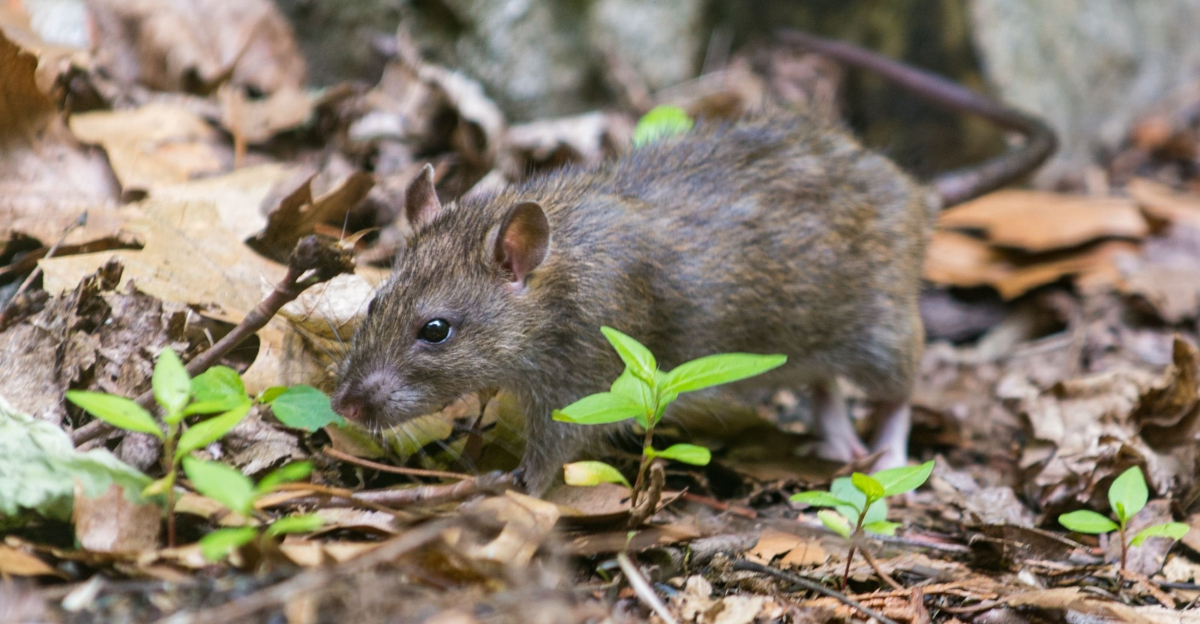
Rats in an Oregon yard are rarely a random occurrence, and that is actually good news because it means there are real, practical things you can do about it. Most of the time these unwanted visitors are not showing up by accident.
They found something worth coming back for, and they will keep coming back until that something goes away.
Birdseed on the ground, pet food left out overnight, fallen fruit rotting under a tree, a compost bin with loose-fitting lid, a cluttered corner behind the shed.
Any one of these can be enough to put your yard on the regular rotation.
The most impactful thing Oregon homeowners can do is remove reliable outdoor food sources, but that works best as part of a broader approach that also tackles shelter, water, and entry points around structures.
1. The Yard Change That Starts With Removing Food
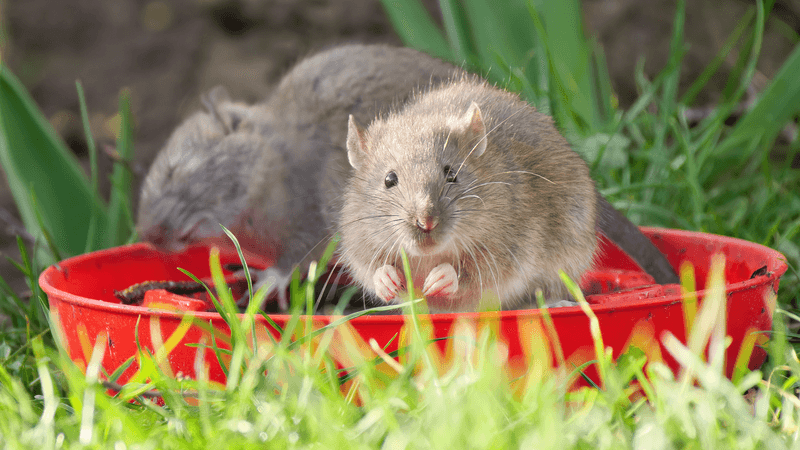
Most Oregon homeowners are surprised to find that their yard was quietly feeding rats for weeks before any signs showed up. The real shift is not about setting traps or buying products.
It is about stopping the unintentional feeding that happens when outdoor food sources are left accessible every day.
Rats are opportunistic. When food is easy to find and reliably available, they will return to the same yard again and again.
Spilled birdseed, uncovered compost, fruit on the ground, and pet food left on a patio can each serve as a daily meal. When several of these exist together in one yard, the problem builds quickly.
The foundational change Oregon gardeners can make is a simple audit of every outdoor food source. Walk the yard and ask honestly what a rat could eat tonight.
Seed under feeders, scraps near compost, and crumbs around a patio table all count. Cleaning these up consistently, rather than occasionally, is what starts to reduce activity.
No single fix removes every rat, but cutting off easy food makes a yard far less appealing over time.
2. Bird Feeders Need A Cleaner Setup
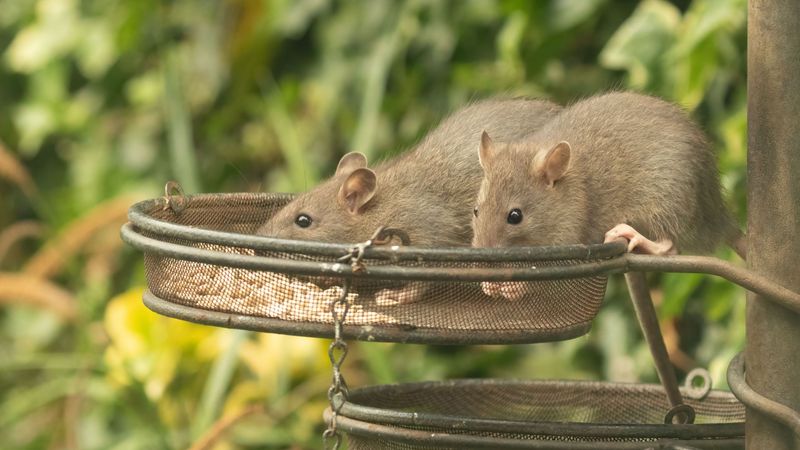
Spilled seed scattered under a feeder is one of the most common and overlooked reasons rats show up in Oregon backyards. The birds eat during the day, but what falls to the ground stays there through the night, and that is exactly when rats are most active.
A feeder that looks harmless in the afternoon can become a reliable food stop by evening.
Switching to a seed-catching tray attached beneath the feeder helps reduce what reaches the ground. Choosing seed types that birds consume more cleanly, such as hulled sunflower or safflower, can also cut down on waste.
Avoid mixes with a lot of millet or cracked corn, which tend to scatter widely and attract more ground feeding.
When rat activity is already high around a feeder area, temporarily removing the feeder for a week or two can help break the pattern.
Once the area has been cleaned thoroughly and other food sources around the yard have been addressed, the feeder can return with better ground management in place.
Your Oregon Garden Changes Every Week. Your Plan Should Too.
Gardening in Oregon changes quickly throughout the season. Every Friday you’ll receive a simple weekly plan showing exactly what to plant, prune, fertilize, harvest, and protect so you never miss the right timing.
Keeping the zone under and around the feeder raked and clean on a regular schedule makes a meaningful difference in reducing rodent interest.
3. Pet Food Should Move Indoors After Meals
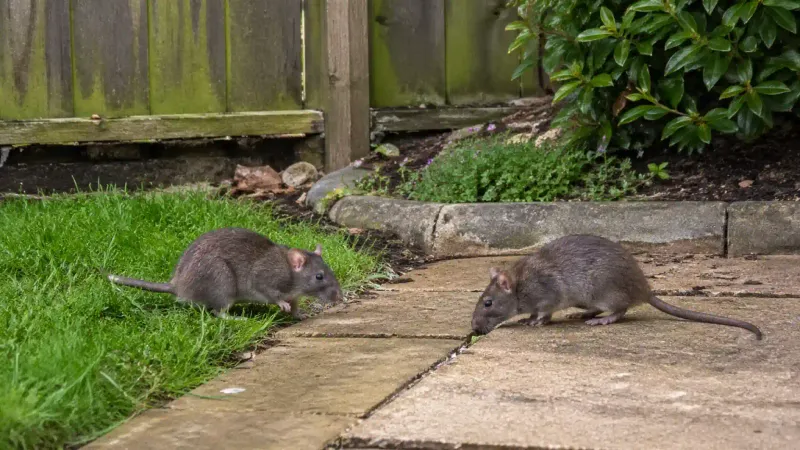
A pet bowl left on the patio after dinner is an easy overnight meal for rats. Many Oregon homeowners feed their dogs or cats outside without thinking about what happens to the leftovers after the pet walks away.
Even a small amount of kibble sitting in a bowl through the night can be enough to keep rats returning to that spot regularly.
The fix is straightforward. After each meal, bring the bowl inside.
If feeding outside is necessary, pick up whatever the pet did not finish within about 20 to 30 minutes. Avoid leaving water bowls out overnight as well, since standing water in a pet dish adds to the attractiveness of the area.
For households with multiple pets or pets that graze slowly, using a timed automatic feeder that closes after a set period can help reduce exposure.
Storing dry pet food in sealed, hard-sided containers rather than in the original bag keeps it secure and removes the chance of rats chewing through packaging in garages or sheds.
In Oregon, where mild and wet seasons keep rats active for much of the year, this habit change is one of the simpler and most effective steps a household can take.
4. Fallen Fruit Needs A Daily Cleanup

An apple tree dropping fruit in an Oregon backyard can become one of the most active rat feeding sites on the property without the homeowner realizing it. Fruit hits the ground, splits open, and sits there fermenting while rats move in after dark.
When fruit accumulates over several days, the problem compounds quickly.
Daily pickup is the most practical solution. Walking the yard each evening or morning to collect fallen fruit and place it in a sealed bin or compost system that rats cannot access removes the food before it becomes a problem.
Leaving fruit on the ground even for a day or two during peak drop season gives rats a reliable reason to visit.
For homeowners with multiple fruit trees, such as plum, pear, apple, or cherry, the volume of fallen fruit can feel overwhelming during harvest season. Picking fruit from the tree before it falls helps, and using a fruit picker tool makes the job faster.
Any fruit that is too damaged to eat or compost should go directly into a sealed garbage bin with a locking lid.
In Oregon yards where fruit trees are common, this single daily habit can significantly reduce the attractiveness of the yard to rodents during fall months.
5. Garbage Lids Should Lock Down Tight
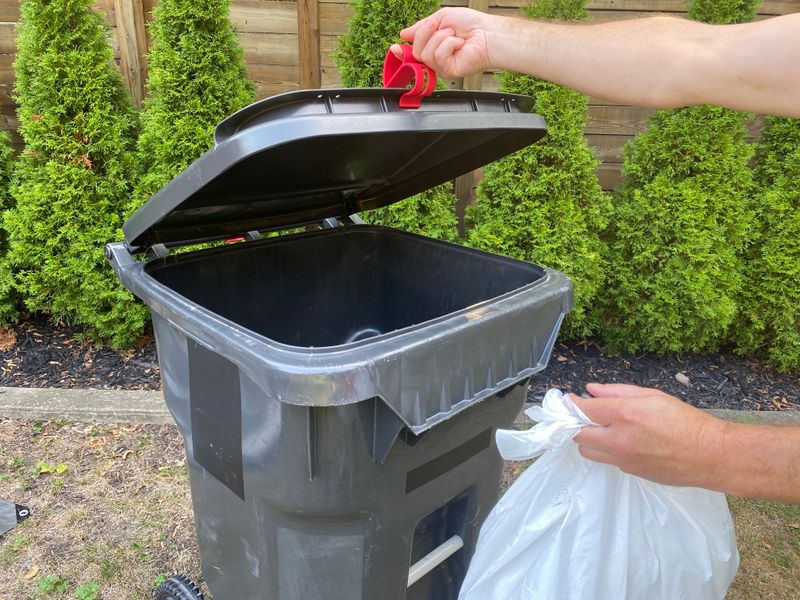
A garbage bin with a loose, cracked, or ill-fitting lid is one of the most reliable food sources rats can find in a neighborhood.
Food scraps, packaging with residue, meat wrappers, and general kitchen waste create a strong scent trail that draws rodents in, especially in the evenings when bins are left outside after collection day.
Oregon homeowners should inspect their bins regularly for damage. Lids that do not seal properly, cracks along the bottom or sides, and bins stored in areas with low foot traffic are all vulnerabilities.
Replacing damaged bins and using models with locking or clamping lids makes access significantly harder for rats and other wildlife.
Placement matters too. Bins stored near fences, dense shrubs, or structures give rats a sheltered path to reach them without much exposure.
Moving bins to more open areas or inside a garage until collection day reduces the opportunity. Rinsing bins periodically to reduce odor helps cut down on the scent signal that attracts rodents from a distance.
In Oregon neighborhoods where garbage pickup is weekly, the days between collection are when loose bins create the most risk, so keeping lids secure during that window is especially worth the attention.
6. Compost Needs Less Access And More Structure
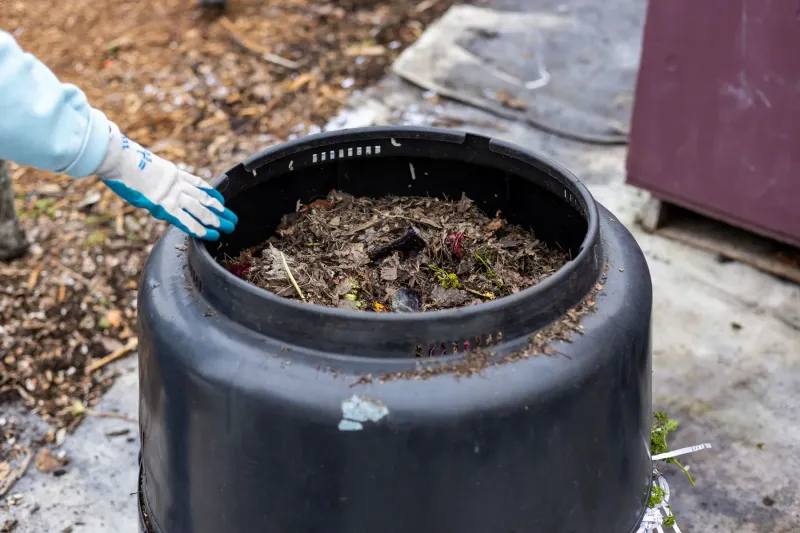
Compost bins that are open, loosely covered, or placed directly against a fence line can quietly support rat activity in Oregon yards.
Food scraps added to an accessible compost pile, especially items like vegetable peels, eggshells, bread, or cooked food, provide a consistent and attractive food source that rats can reach without much effort.
Structuring the compost setup to reduce rodent access is the key adjustment. Using a bin with a solid base and a fitted lid, rather than an open pile or a loosely covered container, makes it harder for rats to get in from the bottom or sides.
Turning the compost regularly and keeping the moisture level balanced also helps speed up decomposition so food scraps break down faster and become less appealing.
Avoid adding meat, dairy, or cooked foods to backyard compost if rat activity is already a concern, since those materials attract rodents more strongly than plant-based scraps.
Placing the bin away from fence lines and dense vegetation removes the sheltered access points rats prefer.
Compost is a valuable part of Oregon gardening, and managing it thoughtfully means homeowners do not have to choose between sustainability and rodent control. A well-managed bin can do both.
7. Chicken Feed Needs Rodent-Proof Storage
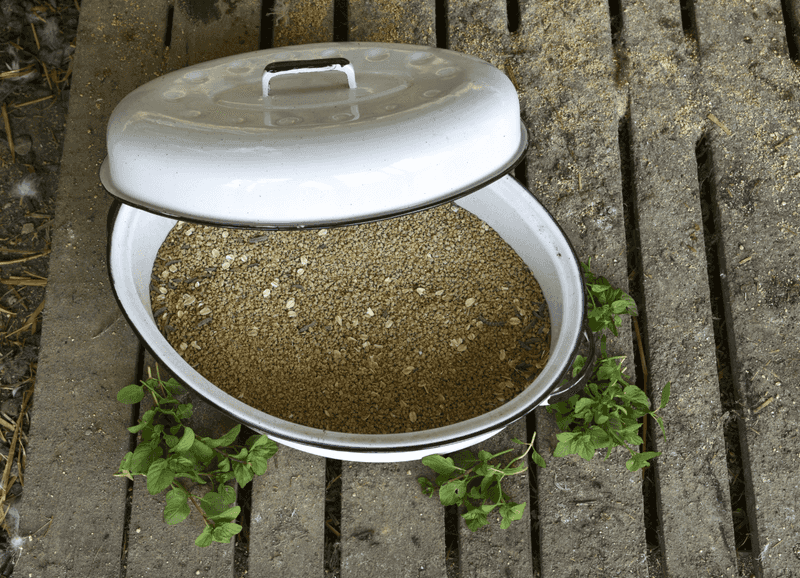
Backyard chicken keeping is popular across Oregon, and chicken coops can become one of the most active rat-attracting setups on a property if feed management is not taken seriously.
Spilled feed around the coop, open feed bags stored in a shed, and feeders that allow hens to scatter grain onto the ground all contribute to rat activity near the coop and sometimes inside it.
Storing poultry feed in hard-sided, sealed containers, such as metal bins with secure lids, prevents rats from chewing through bags and accessing stored grain. This applies to feed kept in sheds, garages, or storage areas near the coop.
Even a small amount of grain left accessible overnight can support regular rat visits.
Cleaning up around the coop each evening, collecting uneaten feed, and using feeders designed to reduce scatter help cut down on the food available to rodents after dark.
Hanging feeders at a height that chickens can reach but that limits how much spills to the ground is one practical adjustment many Oregon chicken keepers find helpful.
Addressing spilled feed does not mean chickens go without food. It means managing how and when feed is available so the coop area stops functioning as a nightly rat feeding station.
8. Water And Shelter Make Food Problems Worse
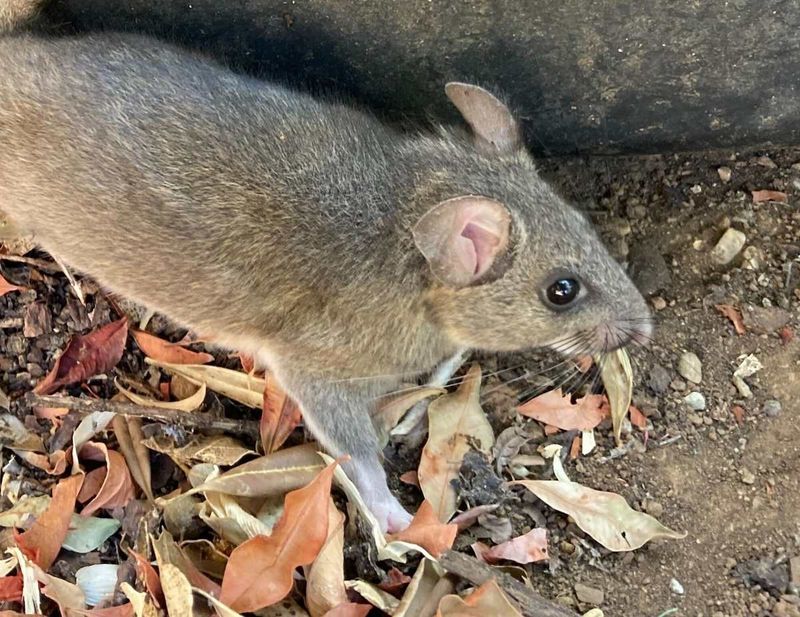
Standing water in a pet dish, a clogged gutter draining near the foundation, a low spot in the yard that holds rain, or a leaky outdoor faucet can all add to the appeal of a yard that already has food available.
Rats need water regularly, and in drier parts of Oregon summer, a reliable water source can be just as attractive as food.
Shelter matters alongside water. Dense shrubs growing close to the house, woodpiles stacked directly against a wall, cluttered corners in a side yard, and piles of debris near a fence all give rats places to hide, rest, and nest close to food sources.
A yard that offers food, water, and cover in the same general area is much more difficult to manage than one where those elements are separated or reduced.
Trimming back dense vegetation from foundations and fences, stacking firewood away from structures, and fixing drips or leaks around the yard removes layers of comfort that make the space more inviting.
These changes work alongside food removal rather than replacing it.
In Oregon, where rainy seasons push rats to seek drier shelter near homes, reducing clutter and standing water during wet months helps limit how settled rats become in a yard.
9. Exclusion Keeps Rats From Moving Indoors
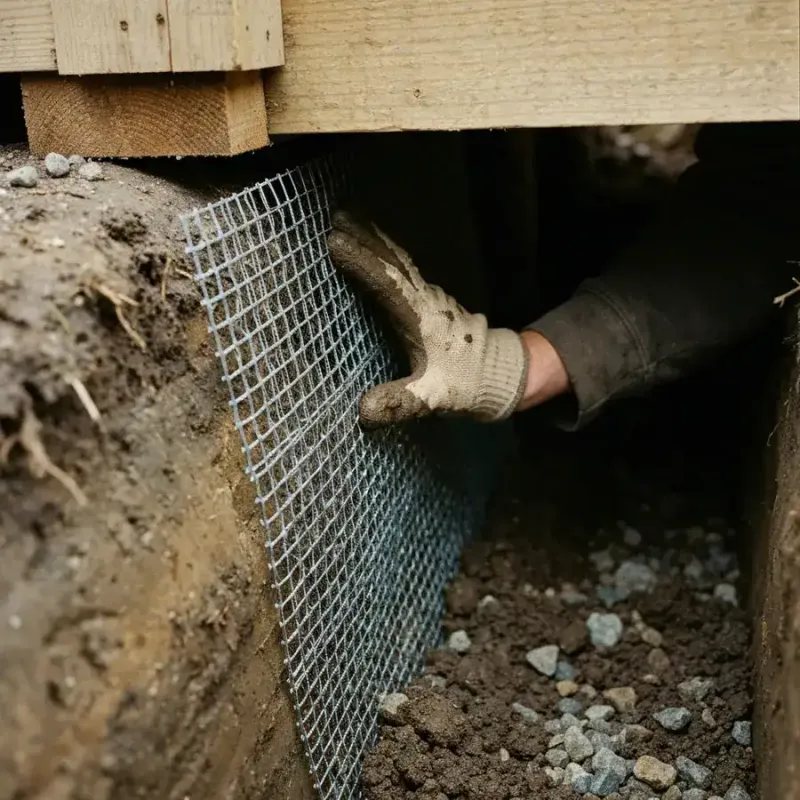
Reducing food outside is a strong first step, but when rats are already active near a home, they will often look for ways to move indoors as outdoor conditions become less comfortable.
Gaps under sheds, cracks around garage doors, openings near crawlspace vents, and spaces where pipes or wires enter the foundation are all potential entry points that deserve attention.
Walking the exterior of the home and outbuildings to identify gaps, cracks, and openings is a practical starting point.
Areas where different building materials meet, where utility lines pass through walls, and where door sweeps have worn down are worth examining closely.
Sealing openings with appropriate materials, such as wire mesh, hardware cloth, or caulk depending on the location, can reduce the chance that rats move from the yard into the structure.
Exclusion does not have to be a complicated project to be effective. Addressing the most obvious gaps around sheds, crawlspace covers, and garage doors first makes a meaningful difference.
In Oregon, where fall and winter weather encourages rodents to seek warmer shelter, completing exclusion work before the rainy season gives homeowners an advantage.
Combined with outdoor food removal and shelter reduction, exclusion rounds out a well-balanced approach to keeping rat activity from becoming a larger indoor problem.