Oregon Gardeners Can Plant These Border Picks To Make Ticks Less Comfortable
Oregon ticks do not need much encouragement.
Give them a shaded path edge, damp leaf litter, tall grass, and brushy cover, and suddenly the border becomes less “woodland charm” and more “tiny ambush zone.” That is the part most people miss.
Sprays can knock ticks back for a while, but habitat decides whether they keep returning. A border that stays humid, tangled, and shady gives ticks the exact conditions they prefer. Change that edge, and the whole situation starts to shift.
Low, open, sun-loving plants can make paths, fence lines, and play areas feel cleaner, brighter, and less comfortable for ticks without turning the yard into a bare strip of gravel.
So which Oregon border plants help create that drier, airier edge?
Start with tough, tidy growers that keep foliage low, let sunlight reach the ground, and replace shaggy cover with something useful, attractive, and much less tick-friendly.
No magic required. Just better habitat math.
1. Creeping Thyme Keeps Edges Low

A sunny path edge planted with creeping thyme barely gives a tick anywhere to hide.
This low-growing herb spreads in a flat, dense mat that rarely reaches more than three inches tall, which means it leaves almost no shaded, humid layer between the soil and open air.
That kind of structure is exactly what you want at a border where people walk regularly.
Creeping thyme, known botanically as Thymus serpyllum, thrives in full sun and well-drained soil across much of Oregon, from the Willamette Valley to drier eastern slopes.
It handles foot traffic surprisingly well, releases a pleasant herby scent when brushed, and produces tiny pink to purple blooms that pollinators absolutely love.
OSU Extension recommends low, open ground covers for path edges as a practical step in tick habitat reduction.
Plant it along gravel walkways, between stepping stones, or at the front edge of a sunny border. Space plants about twelve inches apart and let them knit together over one season.
Skip the extra fertilizer since rich soil pushes leggy stems instead of the tight, flat growth you want.
Creeping thyme is drought-tolerant once established, which means dry summer borders stay looking sharp without much fuss.
For a border that works hard and looks good doing it, few plants match this one’s combination of charm and practical structure.
2. Lavender Likes It Sunny And Dry
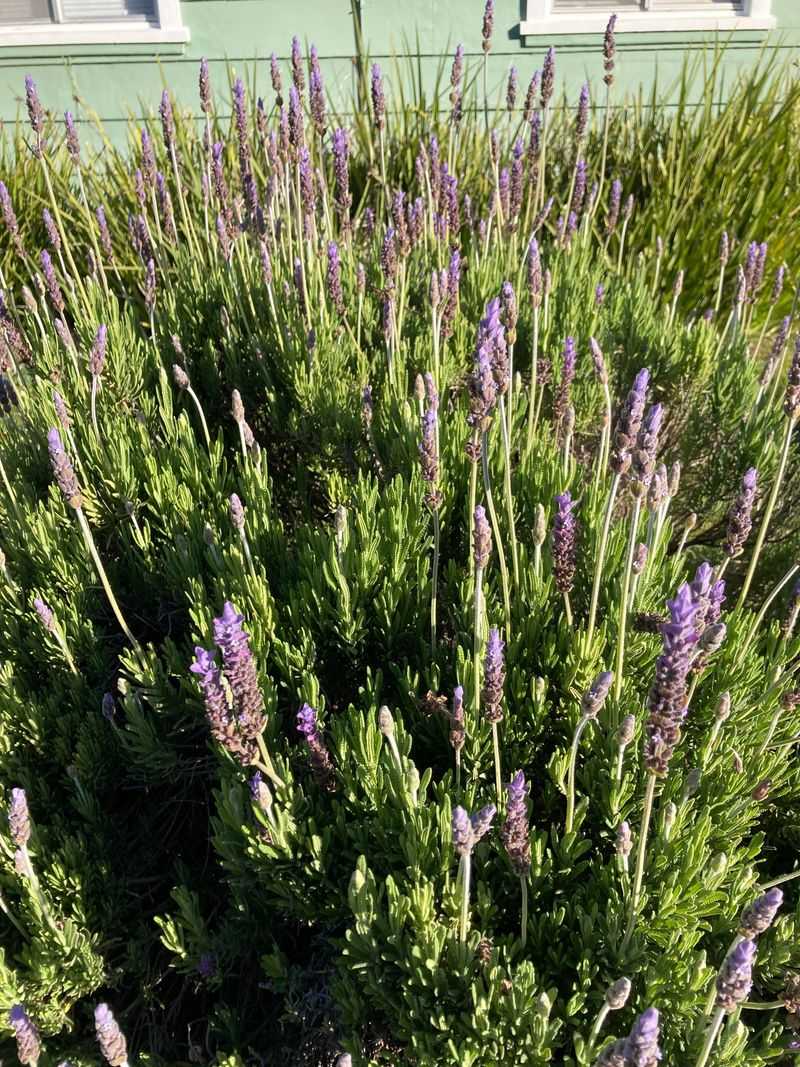
A gravel strip running along the south-facing side of a fence is practically a lavender advertisement.
Lavender thrives in exactly the conditions that ticks find least appealing: full sun, dry soil, good airflow, and very low ambient humidity.
Planting it along a path edge is one of the most straightforward ways to keep that zone open and inhospitable to tick-friendly moisture.
Lavandula angustifolia and its many cultivars perform well across western Oregon when given sharp drainage and a sunny spot.
The silvery foliage reflects heat, the upright flower spikes create vertical interest without dense low cover, and the whole plant stays fairly open at the base when pruned correctly.
That open base is the key detail. A lavender hedge with good airflow at ground level does not trap the damp, still air that ticks need to stay hydrated and active.
Your Oregon Garden Changes Every Week. Your Plan Should Too.
Gardening in Oregon changes quickly throughout the season. Every Friday you’ll receive a simple weekly plan showing exactly what to plant, prune, fertilize, harvest, and protect so you never miss the right timing.
Prune lavender back by about one-third right after flowering each year.
This keeps plants from getting woody and splaying open in the center, which would create exactly the kind of sheltered pocket you are trying to avoid.
Use coarse gravel or crushed rock as a mulch around the base instead of bark chips, since bark holds moisture.
English lavender varieties like Hidcote and Munstead are reliable performers in the Willamette Valley. They look polished, smell wonderful, and keep your border firmly in the dry-and-sunny category where tick comfort is low.
3. Yarrow Opens The Path Edge
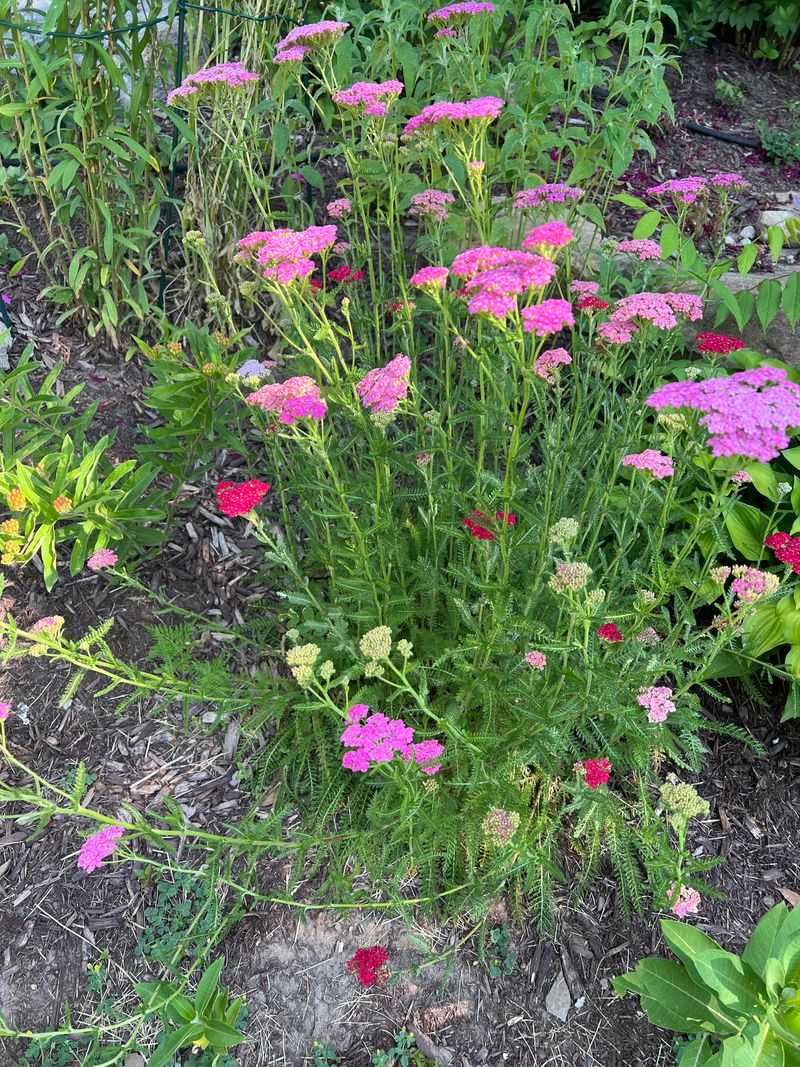
Few plants open up a border quite like yarrow.
Its ferny, finely cut foliage and flat-topped flower clusters create an airy, upright presence that never bunches into the kind of dense, shaded mat where ticks prefer to wait.
Achillea millefolium is native to Oregon and grows across the state in sunny, well-drained spots from coastal bluffs to dry inland meadows.
Yarrow’s structure is part of what makes it useful here.
The stems are upright and the foliage is open enough that air and light reach the soil surface easily. There is no thick layer of trapped humidity at ground level, which is a meaningful difference from denser ground covers.
Pollinators are big fans of the broad flower heads, so you get habitat value along with the tidier border structure.
OSU Extension lists native yarrow as a low-maintenance choice for dry, sunny Oregon borders.
Plant common yarrow or one of its cultivated varieties, like the salmon-toned Paprika or the bright yellow Coronation Gold, along path edges in full sun.
It spreads by rhizome, so divide clumps every two to three years to keep growth tidy and prevent flopping into neighboring plants.
Yarrow tolerates lean, dry soil without complaint, which makes it a natural fit for gravel-edged paths where richer plants would struggle.
4. California Poppy Leaves Little Cover
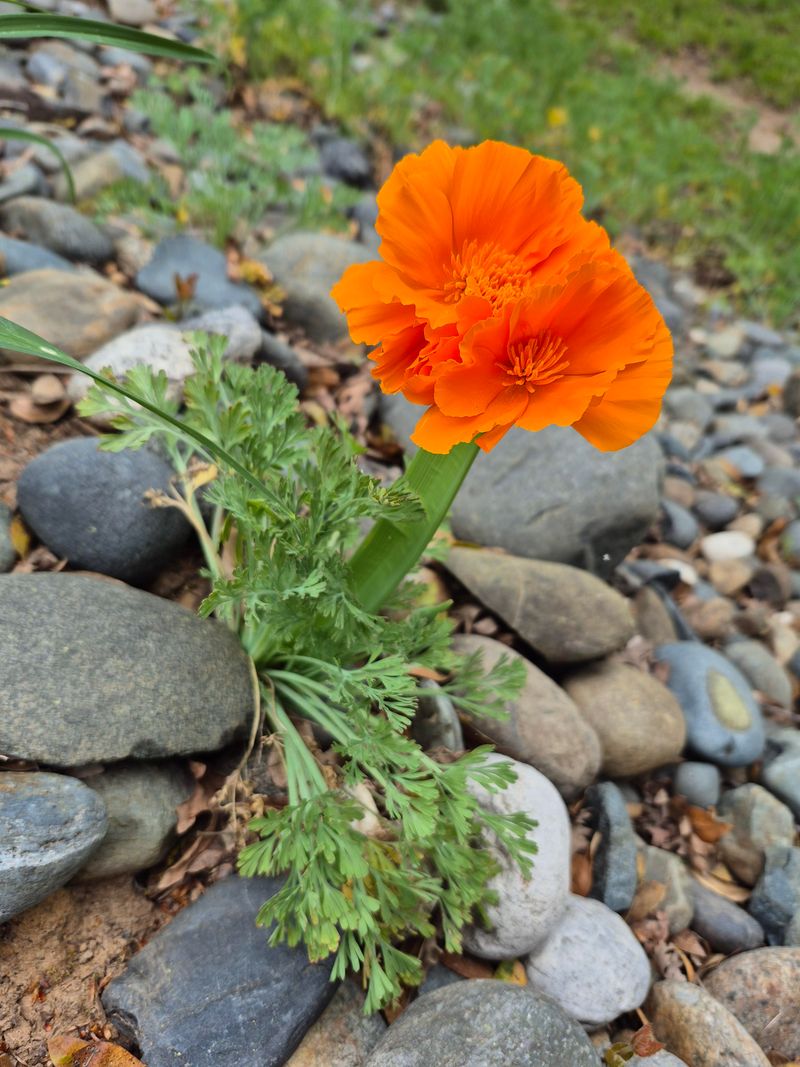
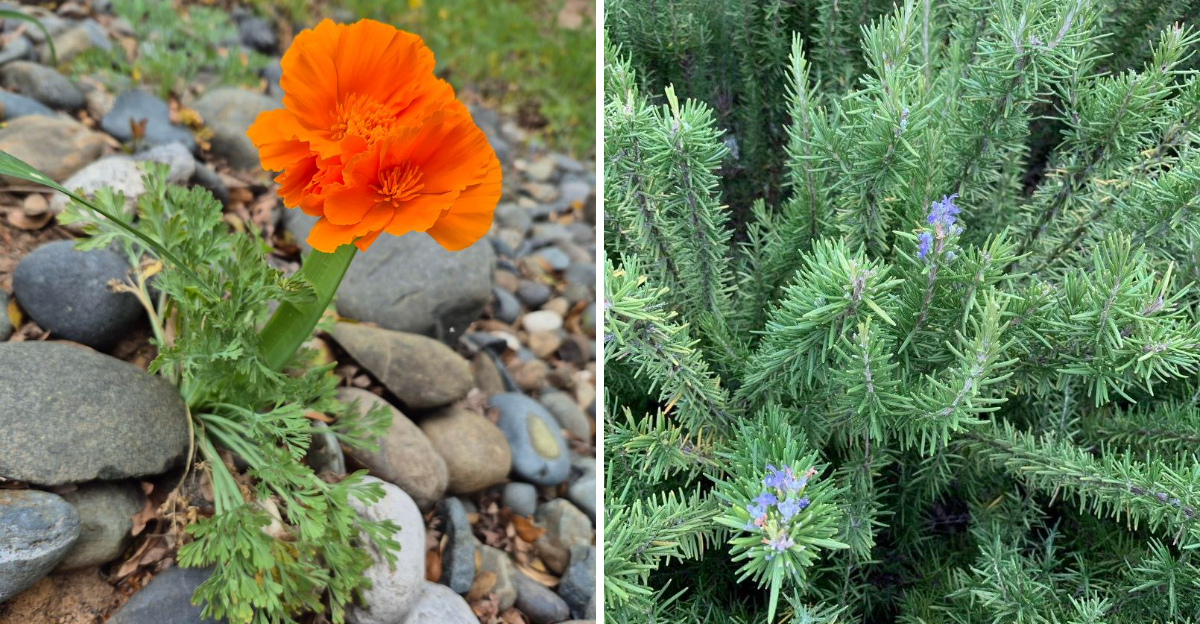
Lean soil and a sunny path edge are all California poppy needs to put on a show.
Eschscholzia californica naturalizes happily throughout Oregon in dry, open spots with minimal soil nutrition.
It grows as a cool-season annual in much of the state, sprouting in fall, overwintering as a low rosette, and flowering from late spring into early summer before the heat arrives.
The growth habit is the real advantage here.
California poppy produces a low, airy rosette of blue-green, finely divided foliage that sits close to the soil without creating dense cover.
The plants space themselves naturally when direct-sown, leaving open patches of bare, dry soil between them.
Bare, dry, sunny soil is not a welcoming surface for ticks. They need moisture and shade to stay active, and an open poppy planting provides neither.
Scatter seed directly onto a prepared, well-drained border in early fall or late winter and let the plants do the rest.
Do not amend the soil with compost or fertilizer since rich soil pushes leafy, floppy growth instead of the tidy, upright flowering plants you want.
Once established, California poppy self-sows reliably, returning each year without replanting.
The vivid orange blooms are a cheerful bonus, and the whole planting costs almost nothing to maintain.
5. Blue Fescue Keeps Clumps Tidy
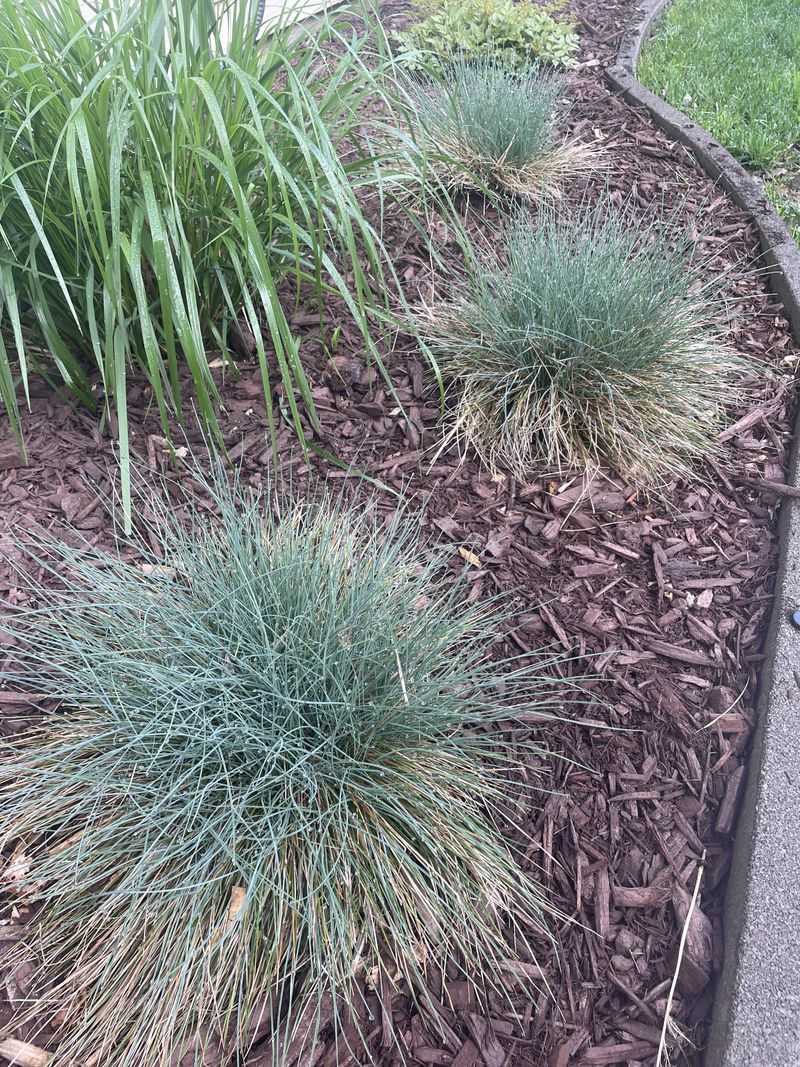
Neat, rounded clumps of blue fescue sitting along a gravel path look almost architectural.
Each plant stays in a tight, symmetrical mound roughly eight to twelve inches tall and wide, with no sprawling runners or creeping stems reaching out to create the kind of tangled low cover that ticks use as staging ground.
The structure stays honest all season, which is more than you can say for a lot of ornamental grasses.
Festuca glauca and its cultivars, including the popular Elijah Blue, thrive in Oregon’s sunny, dry conditions once established.
The fine-textured, silvery-blue foliage is striking, and the tidy clump habit means each plant keeps its own defined footprint.
Space them twelve to fifteen inches apart so air moves between plants and the soil surface between clumps stays exposed, dry, and open. That exposed ground is a feature, not a gap to fill.
Blue fescue needs very little attention beyond a hard comb-through or trim in late winter before new growth starts.
Use your fingers or a hand rake to pull out dead foliage from the center of each clump, which keeps the interior open and prevents the damp, matted core that can develop in neglected clumps.
Full sun and lean, fast-draining soil are the recipe for the tight, upright form that makes this grass both beautiful and border-smart.
6. Rosemary Handles Dry Walkway Heat
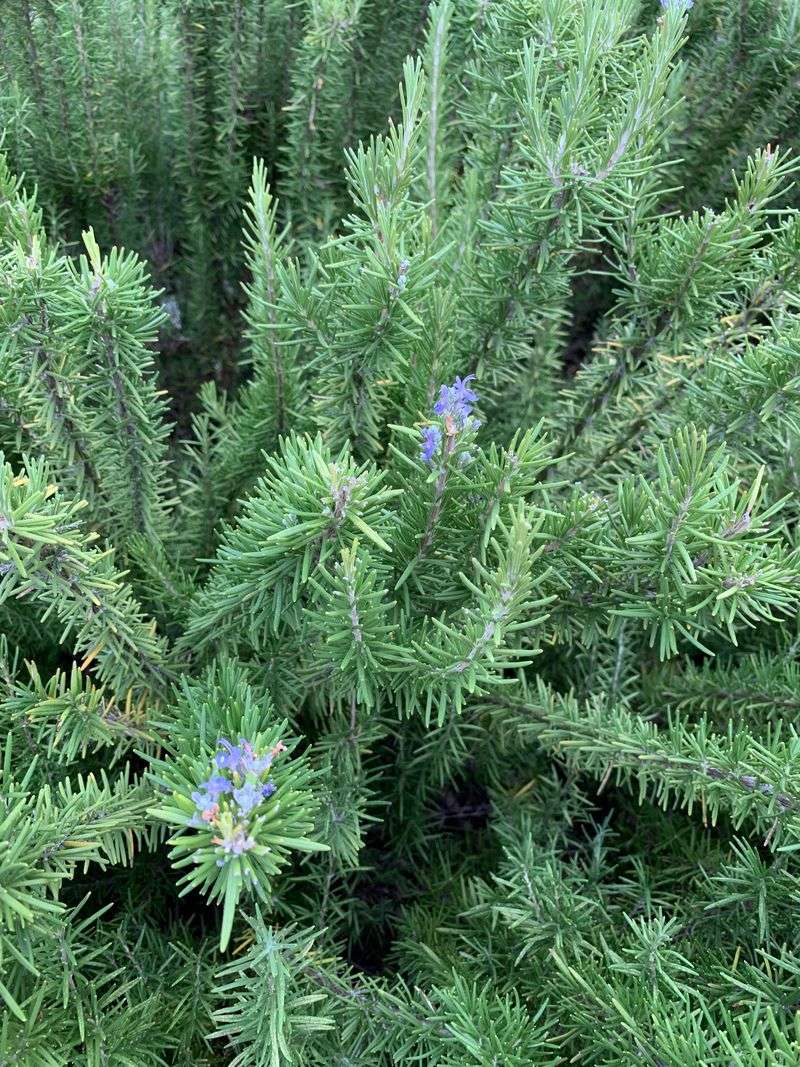
The strip of ground beside a south-facing concrete walkway can get brutally hot in an Oregon July, and rosemary takes it without complaint.
Salvia rosmarinus is one of the toughest aromatic shrubs available for dry, sunny Oregon borders.
Its upright, woody structure and narrow, resinous leaves create an open, well-ventilated plant that does not trap humidity at ground level.
That open base is worth protecting with regular pruning.
Left unpruned, rosemary can develop a dense, woody interior that shades the soil and holds moisture, which is the opposite of what you want along a tick-exposure zone.
Prune the lower third of each plant lightly each spring to keep the base open and airy. Remove any branches that are touching the ground and clear away fallen needles, since those can build up into a small layer of moist litter over time.
Upright varieties like Tuscan Blue grow tall enough to serve as a low informal hedge along a walkway, while prostrate forms like Huntington Carpet work better as a spreading low border.
Both tolerate the reflected heat from pavement and gravel admirably.
Rosemary is hardy to about ten to fifteen degrees Fahrenheit, which means it overwinters reliably in most of western Oregon and in protected spots east of the Cascades.
Fragrant, structural, and genuinely tough, rosemary earns every inch of border space it occupies.
7. Sedum Keeps Borders Lean
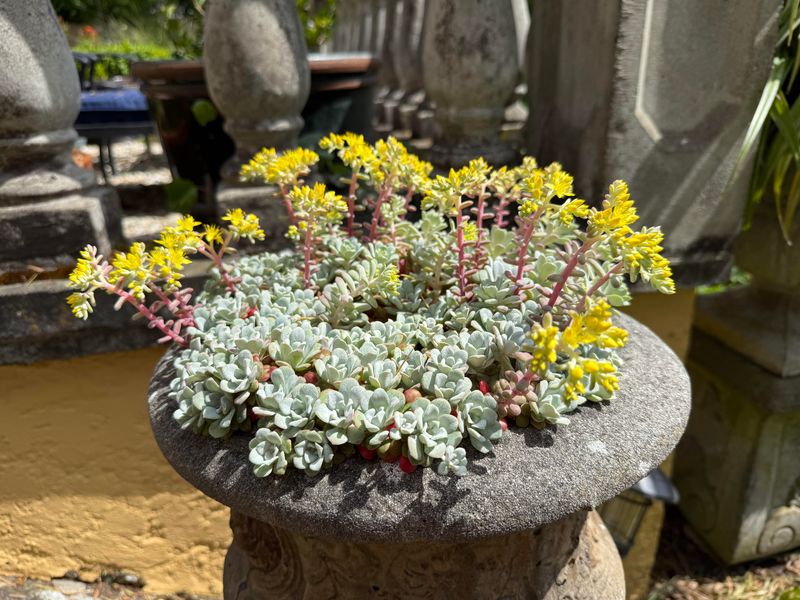
A dry gravel border planted with sedum practically announces that it has no interest in holding moisture.
Sedums are succulents that store water in their thick, fleshy leaves, which means they thrive in the lean, fast-draining conditions that are naturally inhospitable to ticks.
They keep the soil surface dry, open, and sun-baked, which is a very different environment from the cool, damp, leafy cover that ticks seek out.
Low-growing types like Sedum spurium, Sedum album, and Sedum rupestre work beautifully as border edging along gravel paths.
They spread slowly into a shallow, open mat that rarely exceeds three to four inches in height.
The mat is not dense enough to create a shaded microclimate at soil level, and the fleshy foliage dries out quickly after rain, which keeps the surface dry between precipitation events.
Plant sedums in full sun with excellent drainage and skip the organic mulch.
Gravel or crushed stone works far better around these plants and reinforces the dry, open border character you are going for.
Taller border sedums can anchor the back of a border with upright clumps and broad flower heads that attract late-season pollinators.
Cut the spent flower stalks back to the base in late fall and clear away any fallen debris to keep the border clean going into winter. Sedum rewards minimal care with maximum structure and a reliably lean, dry edge.
8. Oregon Sunshine Brightens Dry Edges
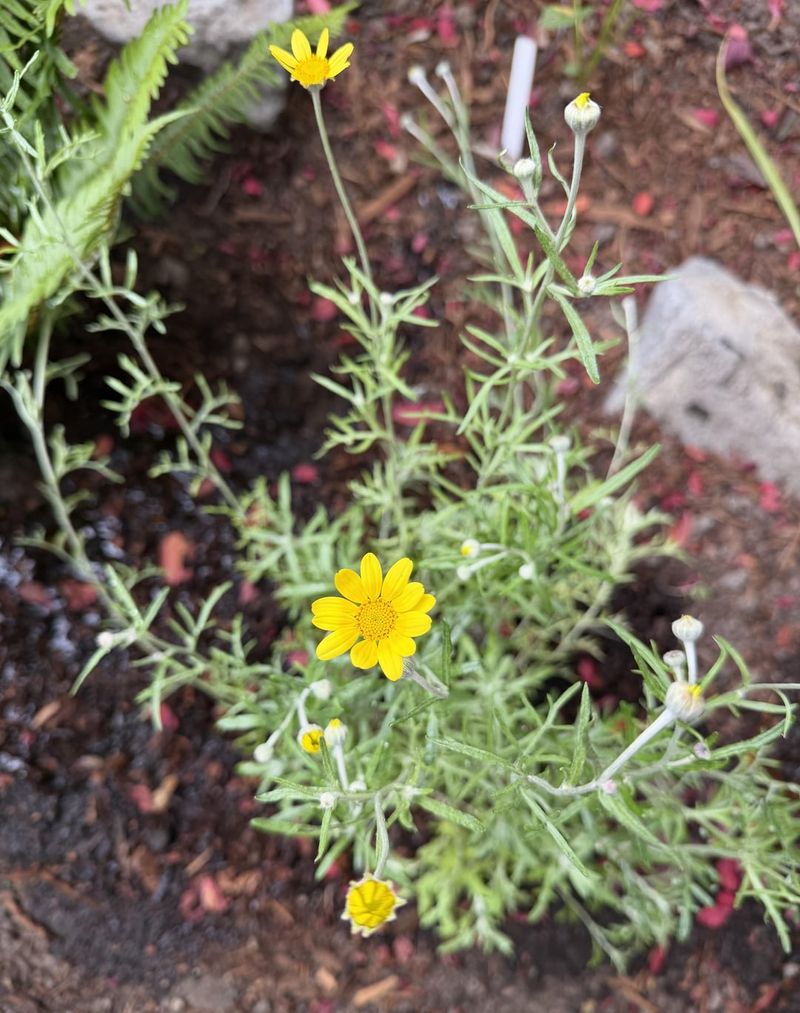
There is something satisfying about using a plant named after the state itself to solve a state-specific problem.
Oregon sunshine, Eriophyllum lanatum, is a native perennial wildflower that grows in dry, open, rocky, and gravelly spots throughout Oregon, from the coast to the Cascades.
Its silvery, woolly foliage reflects light, sheds moisture quickly, and creates a bright, open presence along a border edge that looks native and intentional at the same time.
The plant grows in low mounds twelve to eighteen inches tall and wide, covered in cheerful yellow daisy-like flowers from late spring through midsummer.
The woolly leaf surface does not hold water the way smooth foliage does, so the plant dries out fast after rain.
That quick-drying character, combined with the open, airy growth habit, makes Oregon sunshine a genuinely smart choice for a dry border where you want to reduce the damp, shaded cover that ticks depend on.
Plant it in full sun with sharp drainage and absolutely no supplemental summer water once established.
It is adapted to Oregon’s dry summers and actually performs worse with extra irrigation, developing root problems in poorly drained or overwatered sites.
Pair it with other dry-border natives like yarrow, blue fescue, or creeping thyme for a cohesive planting that celebrates regional flora.
A plant that earns its name and then some, Oregon sunshine brightens the edge while keeping the border habitat honest.