The Best Time Of Day To Water Massachusetts Tomatoes For Healthier Fruit
Watering your tomato plants at the wrong hour can quietly undo weeks of careful growing. Massachusetts summers swing between thick humidity and sudden dryness. Your plants sense that shift long before you notice.
Timing decides whether thirsty roots drink water or quietly struggle each day. Deep, consistent watering trains your tomato roots to grow deeper, regardless of time of day.
Afternoon watering increases the risk of fungal issues and softer fruit skins. Soil across Massachusetts ranges from heavy clay to sandy loam. Each variation changes how fast roots absorb needed moisture.
Success depends entirely on reading conditions, never on guessing blindly. Skipping this step can reduce flavor, yield, and plant vigor. Nothing about growing ripe tomatoes stays still once summer heat truly arrives.
Conditions shift hourly, so your strategy must shift too. Guessing wastes water, stresses roots, and weakens fruit fast.
Precision now prevents disappointment later in the season. A single overlooked habit could quietly determine your entire harvest.
The Best Time Of Day To Water Tomatoes
Morning light hits the garden and something magical happens. Watering your tomatoes between 6 and 10 a.m. gives them the best start possible.
Early watering lets the soil absorb moisture before the afternoon heat arrives. The sun then dries the leaves naturally, which lowers the risk of fungal problems.
Wet leaves at night are a recipe for disease. Watering in the morning keeps foliage dry by evening, which protects your plants while they rest.
Afternoon watering may seem convenient, but it is less effective in hot conditions. The heat causes rapid evaporation, so the roots never get a deep, satisfying drink.
Evening watering is generally less ideal than morning watering. Moisture sits on leaves overnight, inviting mold and rot to settle in.
Consistent, deep watering also trains your tomato roots to grow further down. Deeper roots mean stronger plants that handle dry spells without drama.
New England summers can swing from cool and foggy to blazing hot in a single week. Morning watering gives your plants a stable routine they can count on.
Think of early watering as a daily handshake with your garden. Your tomatoes will respond with strong stems, lush foliage, and fruit worth bragging about.
The best time of day to water Massachusetts tomatoes is a simple habit that pays off big. Start tomorrow morning and watch your garden transform.
Why Timing Affects Blossom End Rot
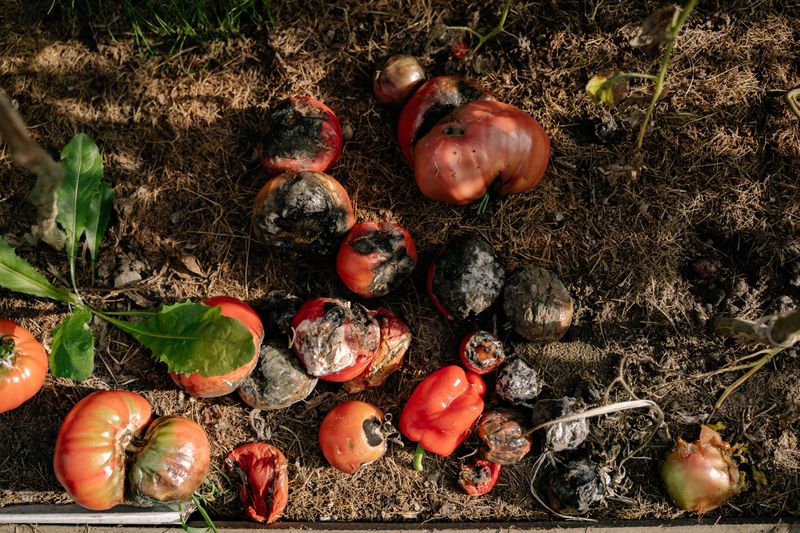
Blossom end rot appears as a dark, sunken patch on the base of the tomato. That dark, leathery patch makes the fruit inedible in that spot.
The culprit is not a bug or a disease. It is actually a calcium deficiency caused by inconsistent watering habits.
Tomato plants absorb calcium through water moving up from the roots. When watering is irregular, that flow stops and the fruit shows the consequences.
Skipping a day and then flooding the soil causes stress on the plant. That stress interrupts the steady calcium delivery your tomatoes desperately need.
Watering at the wrong time of day makes this problem worse. Afternoon heat causes quick evaporation before roots can pull in enough moisture.
Your Massachusetts Garden Changes Every Week. Your Plan Should Too.
Gardening in Massachusetts changes quickly throughout the season. Every Friday you’ll receive a simple weekly plan showing exactly what to plant, prune, fertilize, harvest, and protect so you never miss the right timing.
Morning watering keeps soil moisture consistent throughout the hottest part of the day. That steady supply keeps calcium flowing right where it belongs.
Sandy or rocky soil, where present, drains fast, which makes timing even more critical. A morning routine helps compensate for soil that does not hold water well.
Mulching around your plants after morning watering locks in that precious moisture. A two-inch layer of straw or wood chips makes a noticeable difference within days.
Fixing blossom end rot starts with fixing your schedule. Water deeply every morning and watch that ugly dark patch stop showing up on your fruit.
Signs Your Tomatoes Need A Watering Change
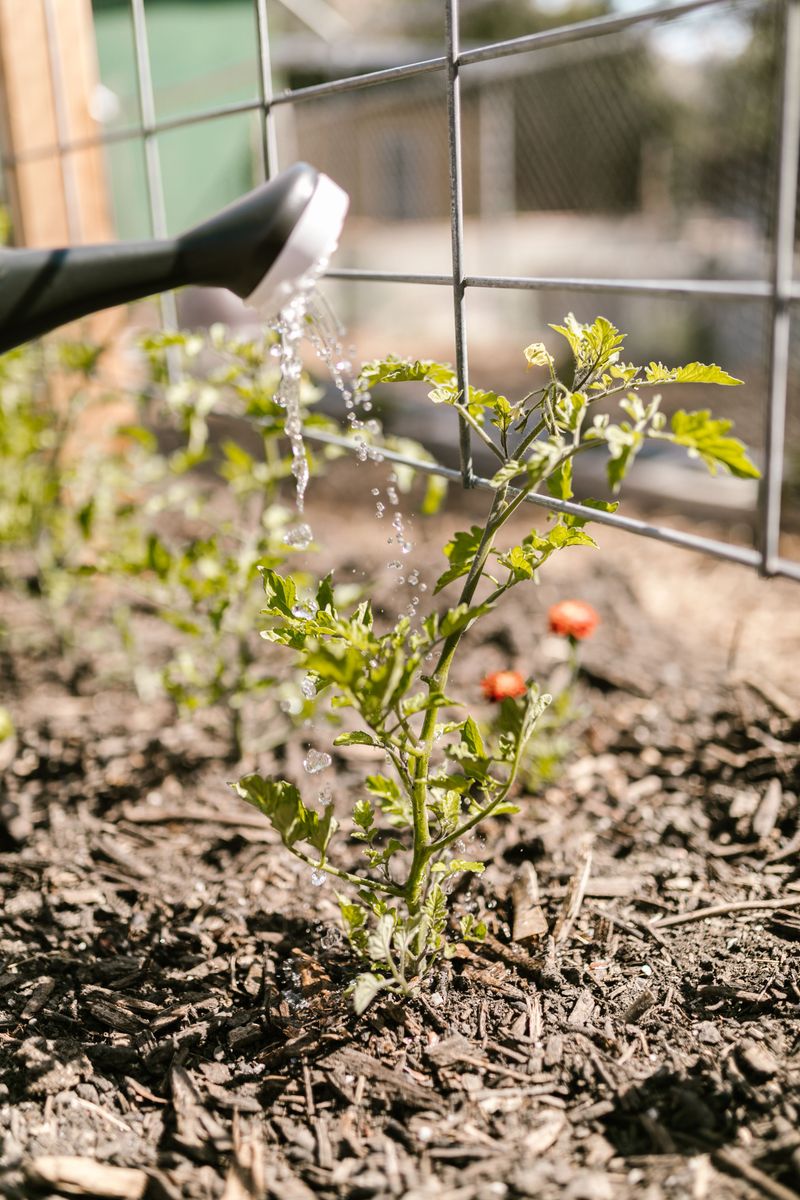
Your tomato plants are always talking to you. The trick is learning how to listen before things get out of hand.
Wilting leaves in the afternoon can be normal on a hot day. But if they are still drooping in the early morning, that is a serious red flag.
Cracked fruit is another loud signal from your garden. When the soil dries out and then gets flooded, the tomato skin splits from the sudden rush of water.
Yellowing lower leaves sometimes point to overwatering. Soggy roots cannot breathe, and that stress shows up first on the oldest leaves near the bottom.
Curling leaves that feel stiff and papery mean your plants are thirsty. They curl inward to protect themselves from losing more moisture through their surface.
Check the soil about two inches down with your finger. If it feels dry at that depth, it is time to water immediately, no matter what time it is.
Brown, crispy leaf edges are a sign of heat stress combined with drought. This often happens when evening watering misses the mark and roots stay parched overnight.
Stunted fruit growth is one of the slowest but most telling signs. Plants under water stress put their energy into survival, not into making big, juicy tomatoes.
Catching these signals early saves your harvest. Adjusting your watering time and depth can turn struggling plants into thriving ones within just a few days.
How Massachusetts Weather Impacts Watering Needs
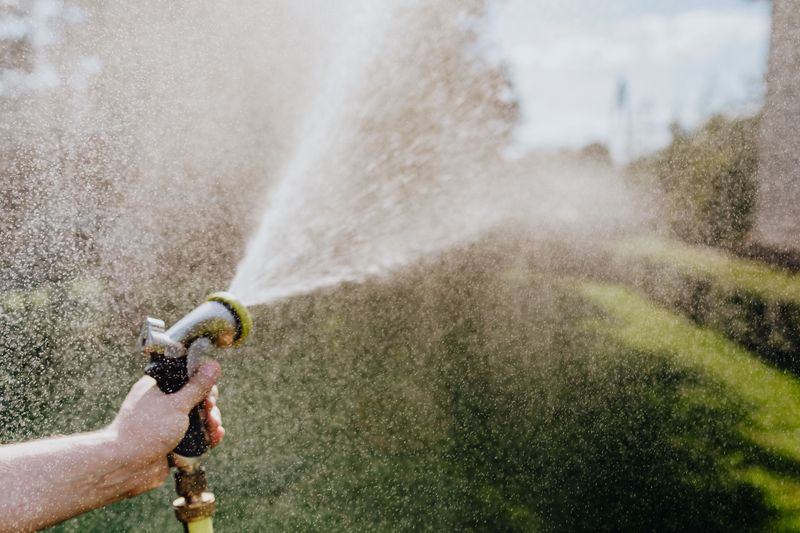
New England weather does not play by the rules. One week brings cool fog rolling in from the coast, and the next brings a scorching heat wave.
That kind of unpredictability makes watering tomatoes here more challenging than in drier climates. Your schedule needs to flex with the forecast, not fight it.
Humid days in July and August slow down evaporation from the soil. On those days, your tomatoes may need less water than your usual routine provides.
Coastal towns may experience breezier conditions that can increase moisture loss in plants. Inland gardens often face hotter, drier summer afternoons than coastal areas.
A stretch of rainy days might seem like a watering vacation. However, clay-heavy soil, common in some areas, can hold too much water and overwhelm roots.
After a heavy rain, skip your morning watering session and check soil moisture first. Overwatering a saturated garden causes just as much damage as drought.
Late-season cold snaps in September can stress plants that are already in fruit. Keeping a consistent morning routine helps roots stay strong heading into cooler nights.
Tracking local weather through an app or a simple rain gauge saves guesswork. Knowing what fell overnight helps you decide if morning watering is needed at all.
Adapting your watering habits to local conditions is smart gardening. The best time of day to water Massachusetts tomatoes stays the same, but the amount always changes.
Proper Watering Techniques To Prevent Rot
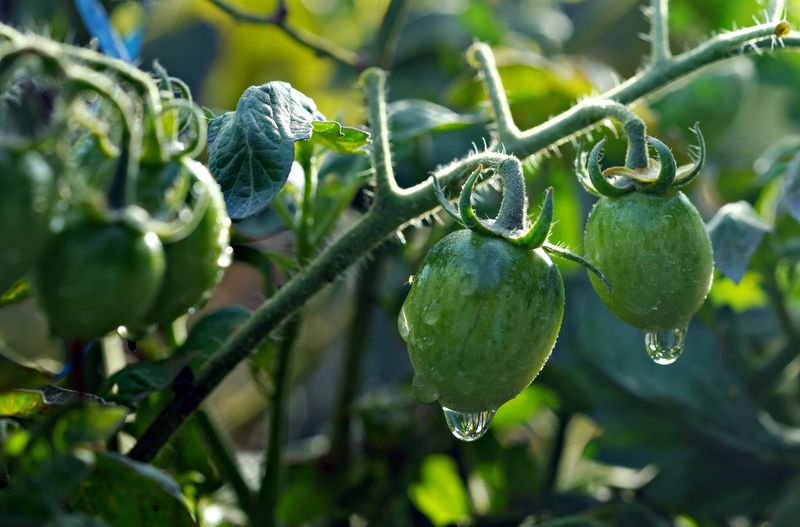
How you water matters just as much as when you water. Splashing water on leaves while using a sprinkler is one of the fastest ways to invite trouble.
Direct the water at the base of each plant, not at the foliage. Keeping leaves dry is one of the simplest ways to prevent fungal rot from taking hold.
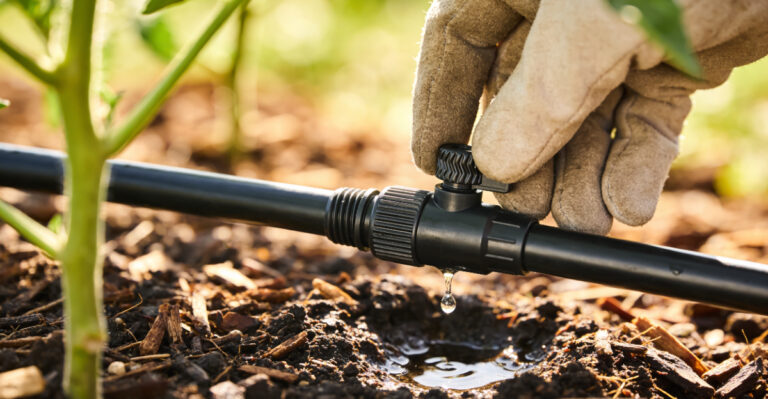
Soaker hoses are a game-changer for home tomato growers. They deliver water slowly and directly to the root zone, which is exactly where it needs to go.
Deep, slow watering encourages roots to grow downward. Shallow, frequent splashing keeps roots near the surface where they are vulnerable to heat and drought.
Aim for about one to two inches of water per week during the growing season. Adjust that amount based on rainfall, temperature, and how your soil drains.
A watering can with a long spout gives you precise control in small garden beds. Aim low, go slow, and let the water soak in before moving to the next plant.
Avoid letting water pool around the base of the stem. Standing water can lead to stem rot and gradually weaken even healthy-looking plants.
Mulching right after your morning watering session locks in ground moisture effectively. Straw, shredded leaves, or bark chips all work well and break down to feed the soil.
Good technique combined with good timing creates the healthiest possible conditions. Your tomatoes will grow stronger, resist disease better, and produce fruit worth showing off.
Additional Tips For Healthy Tomato Plants
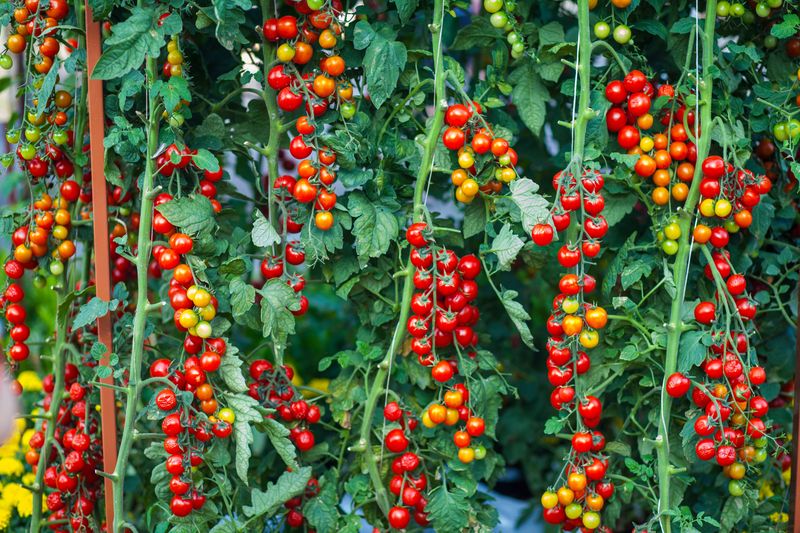
Healthy tomatoes are not just about watering schedules. A few extra habits can meaningfully improve your harvest.
Staking or caging your plants early keeps stems upright and improves airflow. Good circulation around the plant reduces moisture buildup, which lowers the risk of fungal problems.
Pruning suckers, those little shoots growing between the stem and a branch, channels energy into fruit. Fewer suckers means bigger, better tomatoes instead of a bushy plant with small fruit.
Feeding your plants with a balanced fertilizer every two weeks keeps them productive. Choose one lower in nitrogen once flowers appear, so energy goes to fruit, not just leaves.
Rotating where you plant tomatoes each year prevents soil-borne diseases from building up. Moving them even a few feet can make a surprising difference in plant health.
Check the undersides of leaves regularly for pests like aphids or hornworm eggs. Catching infestations early helps prevent them from significantly reducing your harvest.
Companion planting with basil or marigolds is a popular practice among gardeners. Many believe these plants help deter certain pests and support overall garden bed health.
Keep a simple garden journal to track what works and what does not. Notes from this season become gold for next year’s planning.
Combining smart watering with these extra steps gives your plants every advantage. The best time of day to water Massachusetts tomatoes is just the beginning of a great harvest.
Choosing The Right Watering Tools For Tomatoes
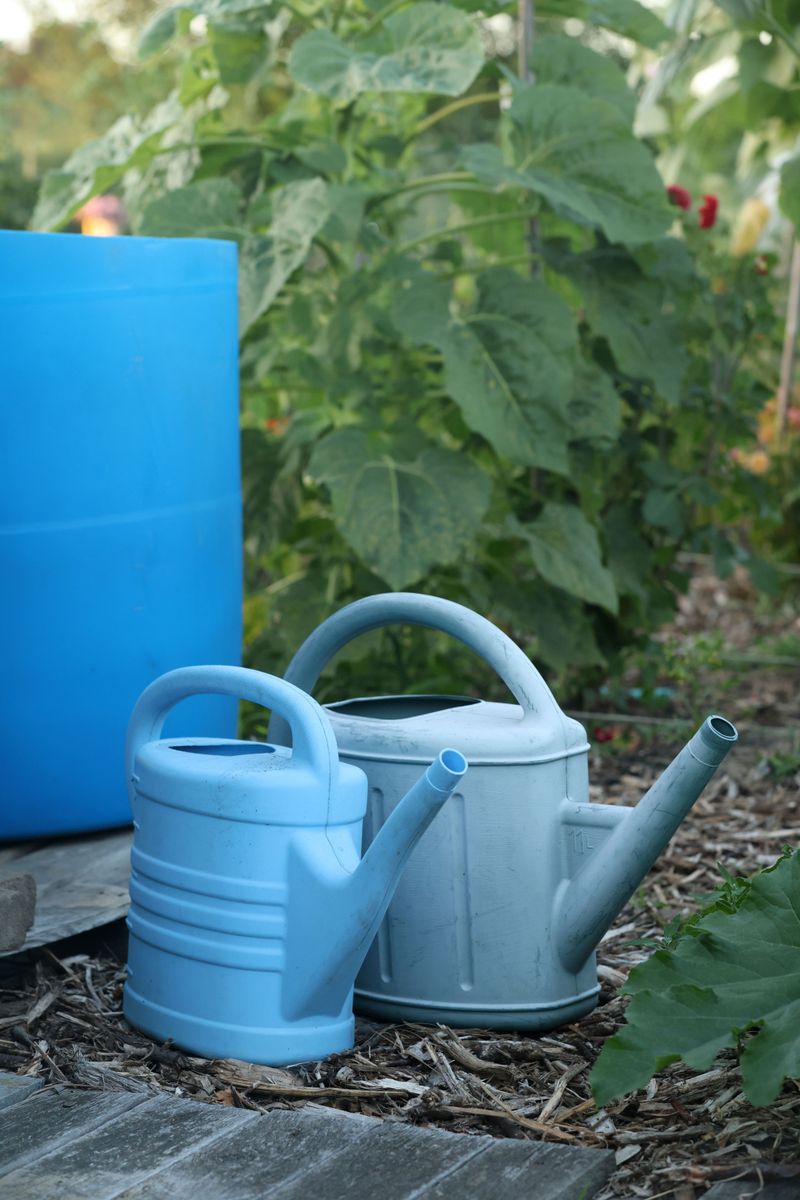
The right tool makes every watering session faster, easier, and more effective. Picking the wrong one wastes water and can actually harm your plants over time.
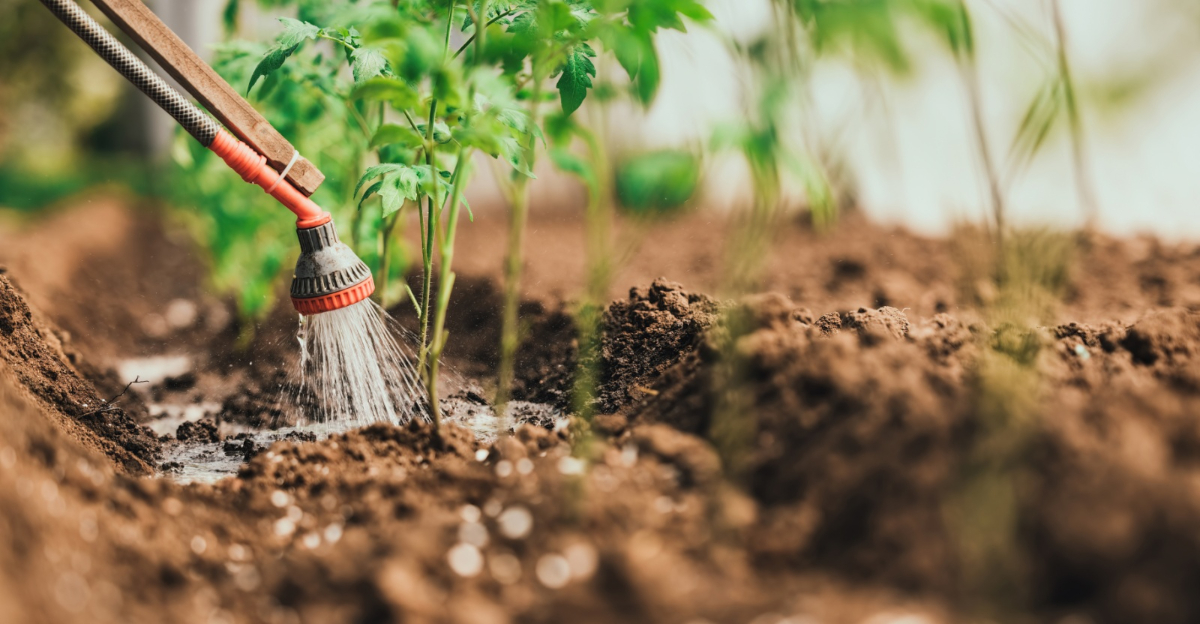
A basic garden hose with a wand attachment is a solid starting point for most home growers. The wand lets you reach the base of plants without bending or disturbing the soil.
Soaker hoses are the top choice for gardeners who want hands-free efficiency. You lay them along the row, turn on the water, and let them do all the work slowly.
Drip irrigation systems take things a step further with timers and adjustable emitters. These systems can be set to run automatically during the ideal morning window every single day.
Watering cans with a long, narrow spout are perfect for small raised beds. They give you full control over exactly where each drop of water lands.
Avoid overhead sprinklers for tomatoes whenever possible. Wet foliage from above is one of the leading causes of early blight and other fungal issues in home gardens.
A moisture meter is a small investment that pays off quickly. It tells you exactly how wet or dry the soil is at root depth, so you never have to guess.
Rain barrels are popular in eco-conscious New England gardens and for good reason. Collecting rainwater is free, gentle on plants, and reduces your overall water bill.
Matching your tools to your garden size and routine makes watering feel effortless. The right setup turns a daily chore into a quick, satisfying part of your morning.