Oregon Vegetables That Taste Better After The First Light Frost
Cold weather is usually the moment gardeners start worrying about what survived overnight. But in an Oregon vegetable patch, a light frost can sometimes bring an unexpectedly delicious twist.
Certain crops seem to take the chilly weather in stride, and their flavor can change once temperatures dip.
That makes the first frosty morning less of a garden disaster and more of a reason to grab a harvest basket. Not every cold snap has to be the villain.
The fun part is knowing which vegetables are worth leaving in the ground a little longer. Pull everything too early, and you might miss the moment when some crops reach a flavor gardeners wait all season to enjoy.
Oregon’s fall weather can shift quickly, so timing becomes part of the adventure. Crisp mornings, cooler soil, and those first icy edges on leaves can signal that the garden is entering a new phase.
Instead of assuming frost means harvest season is over, take another look at what is still growing. A chilly night might make dinner taste surprisingly better.
1. Kale Gets Sweeter After A Light Frost
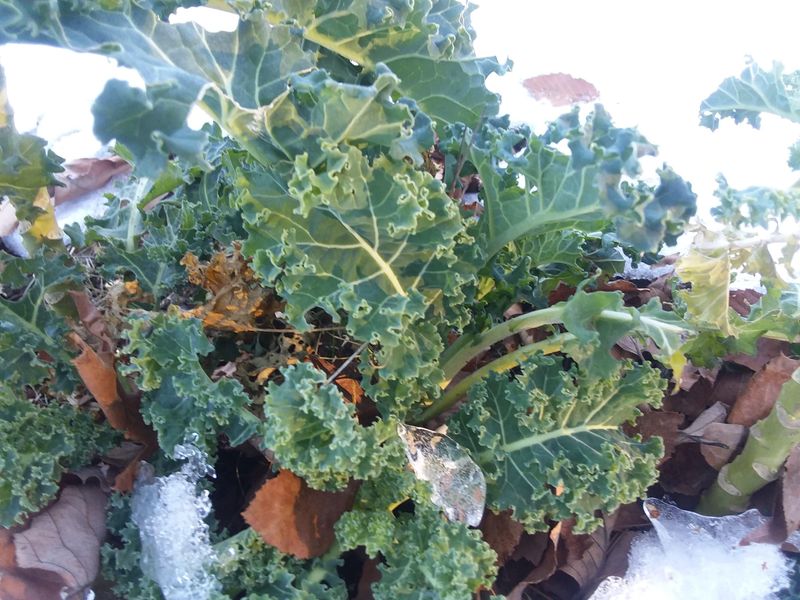
Few vegetables have had such a big comeback in recent years as kale. It went from being mostly a garnish on restaurant plates to one of the most popular greens in grocery stores.
But here is something many people do not know: kale tastes even better after a light frost hits the garden.
Before a frost, kale can have a slightly bitter edge that some people find off-putting. When cold temperatures arrive, the plant responds by turning its stored starches into sugars.
This is the plant’s way of protecting itself from freezing. The result is a noticeably sweeter, more mellow flavor that makes kale much easier to enjoy raw or cooked.
Gardeners who grow kale in Oregon often say that fall-harvested kale is far superior to summer kale. The leaves become tender without losing their sturdy texture.
You can use frost-kissed kale in soups, salads, smoothies, or sauteed with garlic and olive oil.
Curly kale and lacinato kale, also called dinosaur kale, both benefit from cold weather. Leaving the plants in the ground through a few light frosts will keep improving the flavor over time.
Just make sure to harvest before a hard freeze sets in. Picking leaves from the bottom of the plant first allows the top leaves to keep growing and sweetening.
Kale is one of the easiest cold-weather vegetables to manage in a home garden.
2. Brussels Sprouts Improve Once Cold Weather Arrives
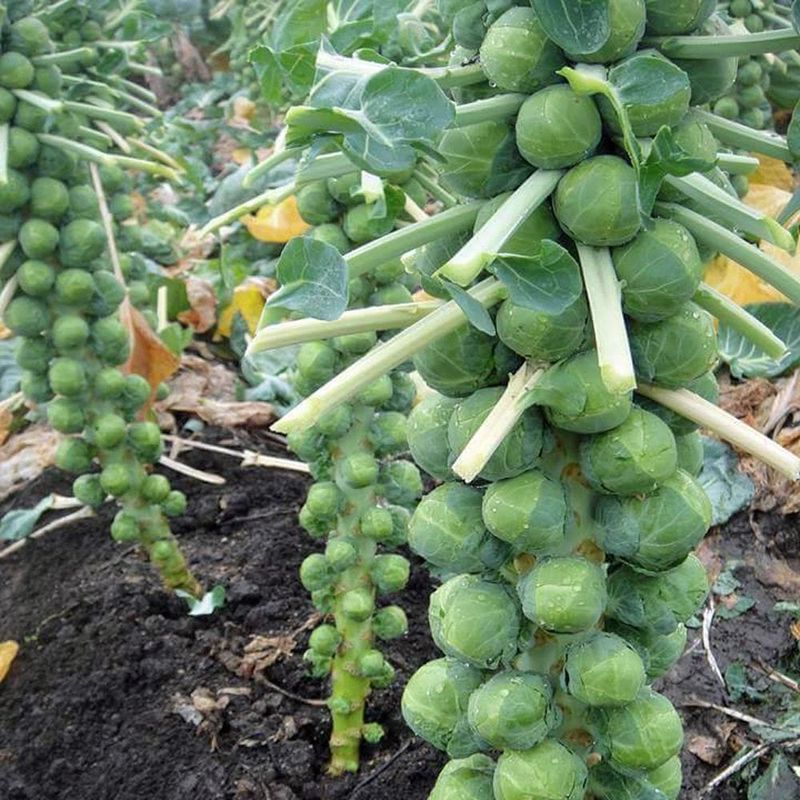
Brussels sprouts have a reputation for being bitter, and honestly, that reputation is sometimes deserved. But the secret to great-tasting Brussels sprouts is simple: wait for the cold.
Once frost arrives, these little cabbages go through a transformation that most people never expect.
The cold triggers the same sugar-conversion process that happens in other frost-friendly vegetables. Starches break down into simple sugars, and the result is a sweeter, nuttier flavor with much less bitterness.
Many chefs and home cooks who once disliked Brussels sprouts change their minds completely after tasting them post-frost.
Your Oregon Garden Changes Every Week. Your Plan Should Too.
Gardening in Oregon changes quickly throughout the season. Every Friday you’ll receive a simple weekly plan showing exactly what to plant, prune, fertilize, harvest, and protect so you never miss the right timing.
Brussels sprouts grow on tall stalks and take a long time to mature, which actually works in their favor during fall.
They can stay on the stalk right through multiple light frosts without losing quality. In fact, leaving them on the stalk longer usually improves the flavor even more.
Roasting frost-kissed Brussels sprouts with a little olive oil and salt brings out their natural sweetness beautifully. The outer leaves get crispy while the inside stays tender.
You can also shave them thin and use them in salads or slaws. Growing them in a home garden requires patience, but the payoff in fall is worth every week of waiting.
If you have always avoided Brussels sprouts because of their bitterness, try them after the first frost and you may be pleasantly surprised by how good they can taste.
3. Carrots Can Taste Sweeter After Chilly Nights
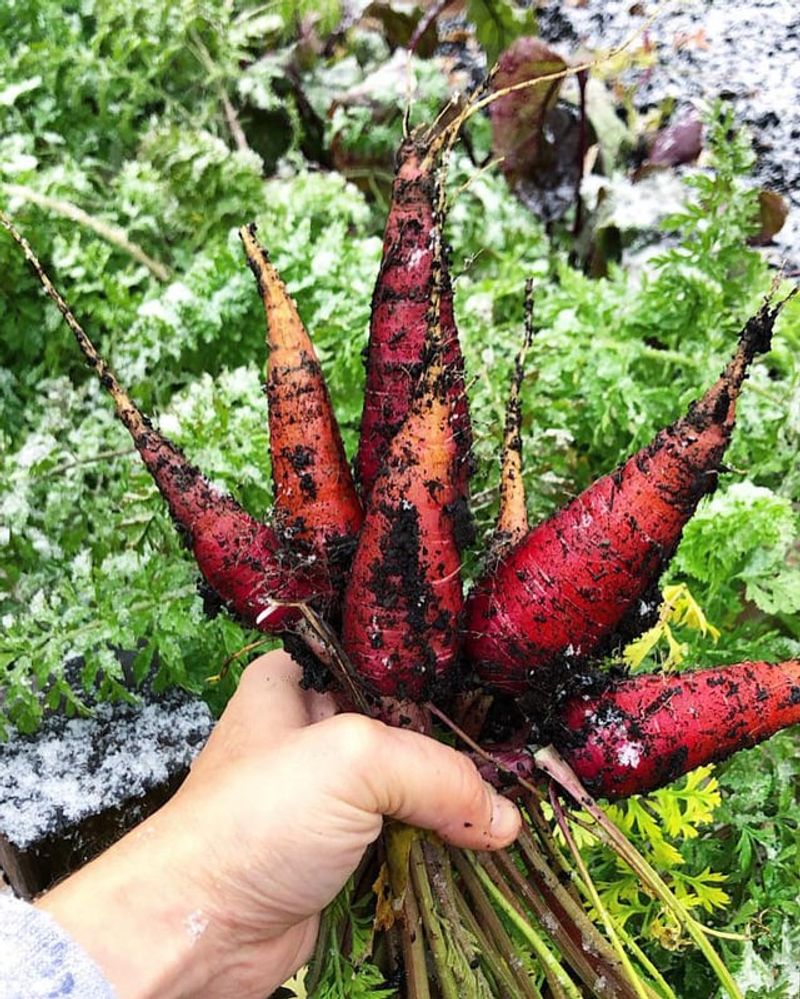
Carrots are already one of the sweetest vegetables in the garden, but chilly nights can push their sweetness to a whole new level. When soil temperatures drop, carrots respond by producing more sugar to keep their cells from freezing.
The result is a carrot that tastes almost candy-like compared to one pulled in the heat of summer.
Many experienced gardeners plan their carrot harvest specifically around the first frost. They plant in late summer so the roots are mature right around the time temperatures start dropping in fall.
Leaving carrots in the ground through a few cold nights is one of the best things you can do for their flavor.
The great thing about carrots is that the soil acts as insulation. Even after the ground surface frosts, the carrots below stay protected and continue sweetening.
You can leave them in the ground for weeks after the first frost and harvest as needed, which makes them a very convenient cold-weather crop.
Frost-sweetened carrots are excellent eaten raw as a snack, roasted with herbs, or added to soups and stews. Their natural sugar caramelizes beautifully when roasted at high heat.
Oregon gardeners who grow their own carrots often describe the fall harvest as one of the most rewarding moments of the growing season. If you have never tried a carrot pulled from cold ground, you are in for a real treat that is hard to beat.
4. Parsnips Develop Better Flavor After Frost
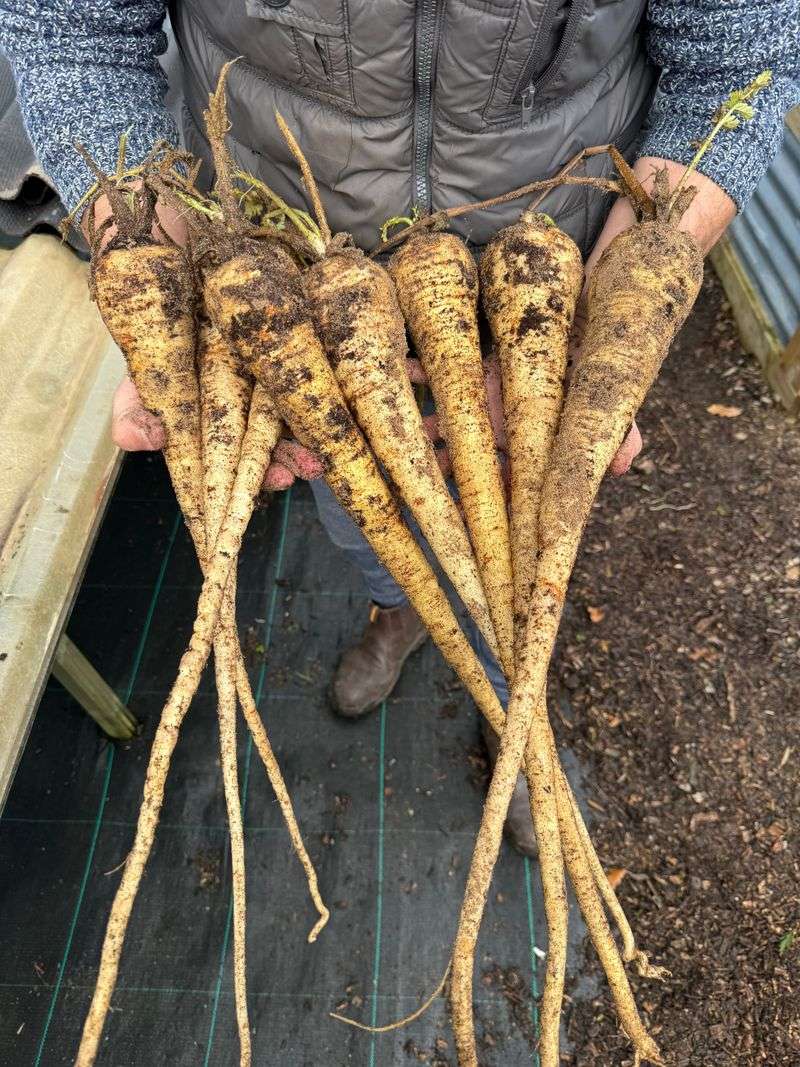
They are one of those vegetables that many people overlook at the grocery store, but seasoned gardeners know they are worth growing for one big reason: frost makes them taste incredible. Raw parsnips have a starchy, mildly sweet flavor.
After a good frost, they become noticeably sweeter and develop a rich, almost nutty depth that is hard to describe until you taste it.
Traditionally, farmers in cold climates would leave parsnips in the ground all winter and harvest them in early spring. The long exposure to freezing temperatures gave them an extraordinary sweetness.
You do not have to wait that long to notice the difference. Even a few nights of light frost will start improving the flavor significantly.
Parsnips are root vegetables that look a lot like white carrots. They grow well in Oregon’s cool fall climate and can handle cold temperatures better than most vegetables.
The soil keeps the roots insulated while the cold air does its work above ground.
Roasted parsnips are a favorite fall dish for good reason. When cooked at high heat, their natural sugars caramelize and create a golden, slightly crispy exterior with a soft, sweet interior.
You can also mash them like potatoes or add them to hearty soups. If you have never grown parsnips before, fall is the perfect time to appreciate what they can do. Plant them in summer and let the frost do the rest of the flavor work for you.
5. Collard Greens Lose Some Of Their Bitterness
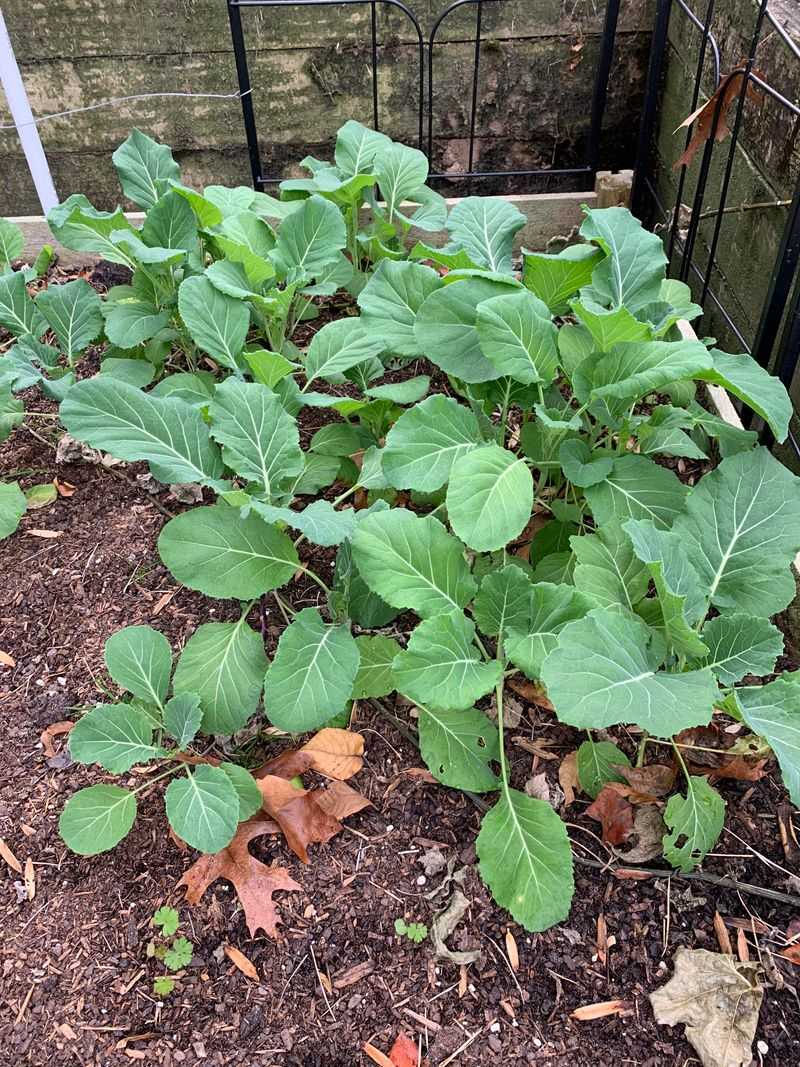
These greens have deep roots in Southern cooking, but they grow beautifully in cool Pacific Northwest weather. One of the most common complaints about collard greens is their bold, sometimes sharp bitterness.
The good news is that a light frost does a remarkable job of softening that bitterness and making the greens more approachable for everyone at the table.
Like other leafy greens, collards respond to cold by converting starches into sugars. The leaves become slightly sweeter and the harsh edge mellows out considerably.
People who have avoided collard greens because of the strong flavor often find them much more enjoyable after the first cold snap of the season.
Collards are also incredibly tough plants. They can handle frost much better than tender summer greens like lettuce or spinach.
In fact, they often keep growing through light frosts, which means you can harvest fresh leaves over an extended period in fall and even into early winter in some areas.
Traditional Southern recipes call for long, slow cooking with smoked meat or broth, which also reduces bitterness. But frost-touched collards need less cooking time and fewer strong flavors to taste great.
You can saute them simply with garlic, a splash of vinegar, and a pinch of red pepper flakes for a quick and satisfying side dish.
Growing collards in your garden through fall is a great way to enjoy fresh greens long after most other plants have finished for the season.
6. Turnips Get Milder In Cooler Weather
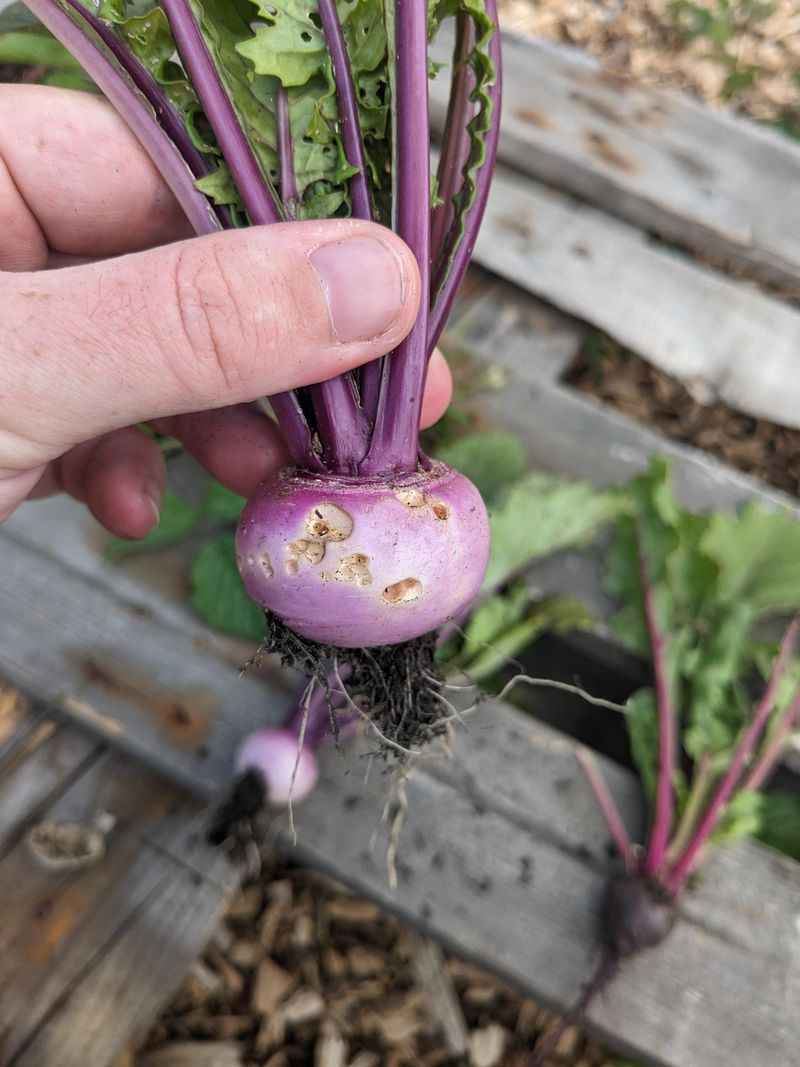
Turnips get a bad reputation in many households, often remembered as a bitter or pungent root vegetable that nobody wanted on their plate. But cooler weather changes the story entirely.
As temperatures drop in fall, turnips mellow out and develop a milder, slightly sweet flavor that makes them much more pleasant to eat.
The science behind this is the same as with other cold-weather vegetables. Falling temperatures signal the plant to convert starches into sugars as a way to protect itself.
The resulting sweetness is subtle but noticeable, especially when compared to turnips harvested in warmer months.
Even people who have always disliked turnips often find fall-harvested ones to be a completely different experience.
Turnips grow quickly, which makes them ideal for a late-season garden planting. You can sow seeds in late summer and have mature roots ready to harvest right around the time the first frosts arrive.
They are also very easy to grow and do not need much attention once they are established in the soil.
Mashed turnips with butter and a little salt are a comforting fall side dish that deserves more attention. You can also roast them alongside carrots and parsnips for a colorful and flavorful sheet pan dinner.
Their mild fall flavor pairs well with hearty stews and braised meats. Turnips are one of those underrated vegetables that really shine once the weather gets cold, and giving them another chance in the fall might just change your mind about them for good.
7. Rutabagas Sweeten As Temperatures Drop
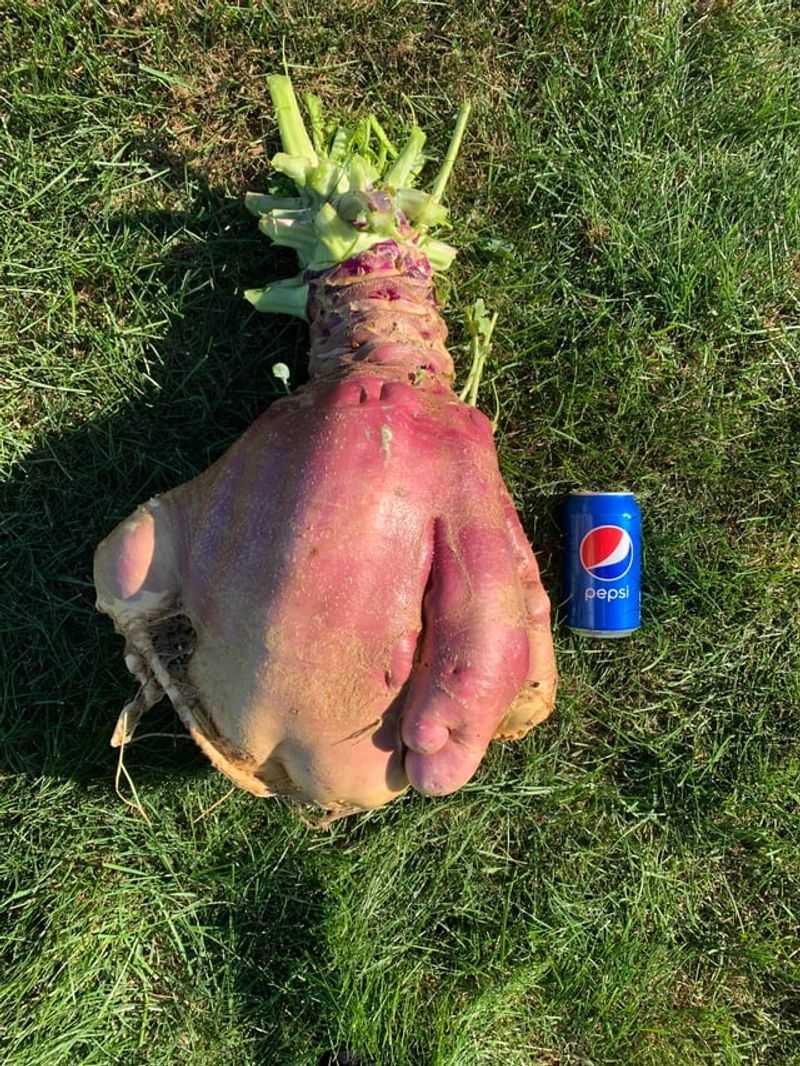
Not everyone is familiar with rutabagas, but they deserve a spot in any fall garden. Related to turnips, rutabagas are larger, denser root vegetables with a yellowish flesh and a purple-tinged skin.
On their own, they have a mild earthiness that can lean slightly bitter. However, once cold temperatures arrive, something wonderful happens to their flavor.
Rutabagas sweeten noticeably as frost sets in. The same starch-to-sugar conversion that improves so many other fall vegetables works its magic on rutabagas too.
After a few cold nights, the flesh becomes sweeter and more buttery in flavor, making them much more enjoyable to cook and eat.
They take longer to mature than turnips, so planting them in midsummer gives them enough time to develop fully before fall frosts arrive.
Once they are ready, you can leave them in the ground through multiple light frosts without any problem. The soil protects the roots while the cold air improves the flavor above ground.
Mashed rutabaga is a classic comfort food in many Northern European countries, often served with butter and a little pepper.
In the Pacific Northwest, they pair beautifully with roasted meats and root vegetable medleys.
You can also cube and roast them for a caramelized side dish that highlights their natural sweetness.
Rutabagas store very well after harvest, which makes them a practical and delicious addition to any fall kitchen. Give them a try this season and see how much the cold improves them.
8. Leeks Hold Up Well And Taste Better In The Cold
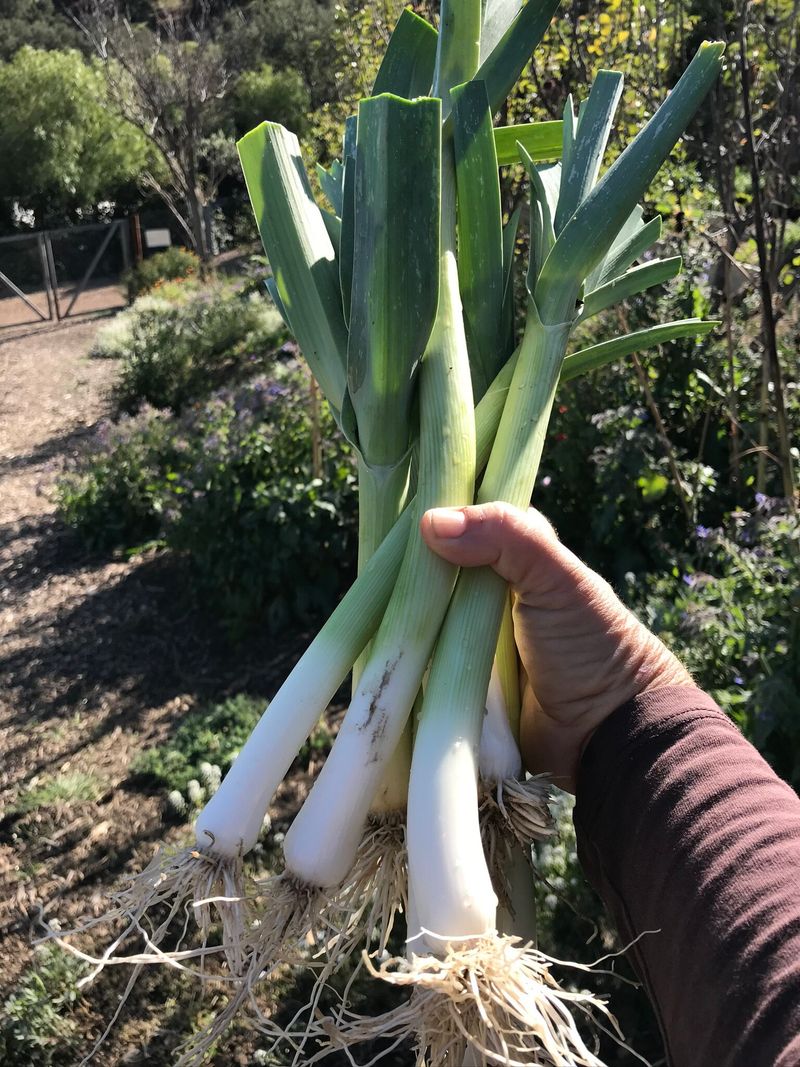
Leeks are one of the most cold-hardy vegetables you can grow, and they are also one of the most flavorful after a frost.
Related to onions and garlic, leeks have a mild, slightly sweet onion flavor that becomes even more refined once cold weather settles in. They are a staple in fall and winter cooking for good reason.
Unlike onions, leeks do not form a bulb. Instead, you eat the long white stalk and the pale green lower leaves.
After frost, the flavor softens and sweetens in a way that makes leeks incredibly versatile in the kitchen. They become less sharp and more delicate, which works beautifully in soups, risottos, and braised dishes.
One of the best things about leeks is how well they hold up in cold soil. You can leave them in the ground well into winter and harvest them as you need them.
This makes them a fantastic fresh vegetable source during months when most other garden crops have already finished. Oregon’s wet and cool fall season is actually ideal for keeping leeks in great condition right in the ground.
Classic leek and potato soup is a perfect way to showcase their fall flavor. The sweetness of frost-touched leeks blends perfectly with creamy potatoes and a rich broth.
You can also caramelize leeks slowly in butter as a topping for pizza, pasta, or grilled meats. They are easy to grow, beautiful in the garden, and incredibly rewarding once the cold weather makes them shine at their very best.
9. Swiss Chard Can Improve After A Light Frost
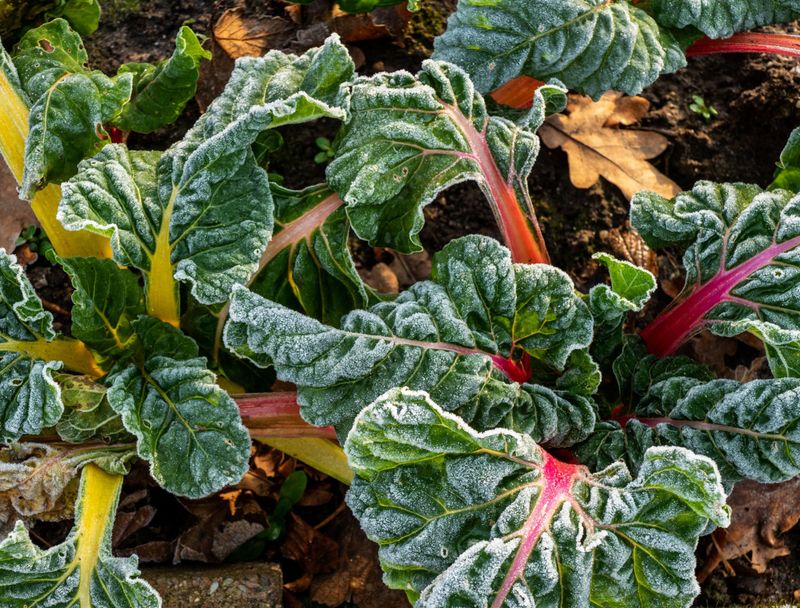
This is a beautiful vegetable with bright, colorful stems in shades of red, yellow, orange, and white. It is grown mostly as a warm-season crop, but it is surprisingly tough when cold weather arrives.
A light frost can actually improve the flavor of Swiss chard, softening any bitterness and bringing out a pleasant, earthy sweetness in the leaves.
The flavor change is more subtle in Swiss chard than in something like kale or Brussels sprouts, but it is still noticeable.
The leaves become more tender and the slightly metallic or bitter edge that some people notice in summer chard fades after a frost.
The colorful stems stay vibrant and crunchy, adding great texture to cooked dishes.
Swiss chard can handle light frosts well, but it is not as frost-tolerant as kale or collard greens.
If temperatures are expected to drop below 28 degrees Fahrenheit, it is a good idea to cover your plants with a frost cloth to protect them.
Moderate cold is beneficial, but a hard freeze can damage the leaves and reduce quality.
Sauteed Swiss chard with garlic, lemon juice, and a sprinkle of Parmesan cheese is one of the simplest and most satisfying ways to enjoy it after a frost. You can also add it to soups, pasta dishes, or grain bowls.
Its colorful stems make it a stunning addition to any fall meal. Growing Swiss chard through the cooler months is a great way to keep fresh greens on your table without much effort at all.
10. Beets Often Taste Sweeter After Cool Weather
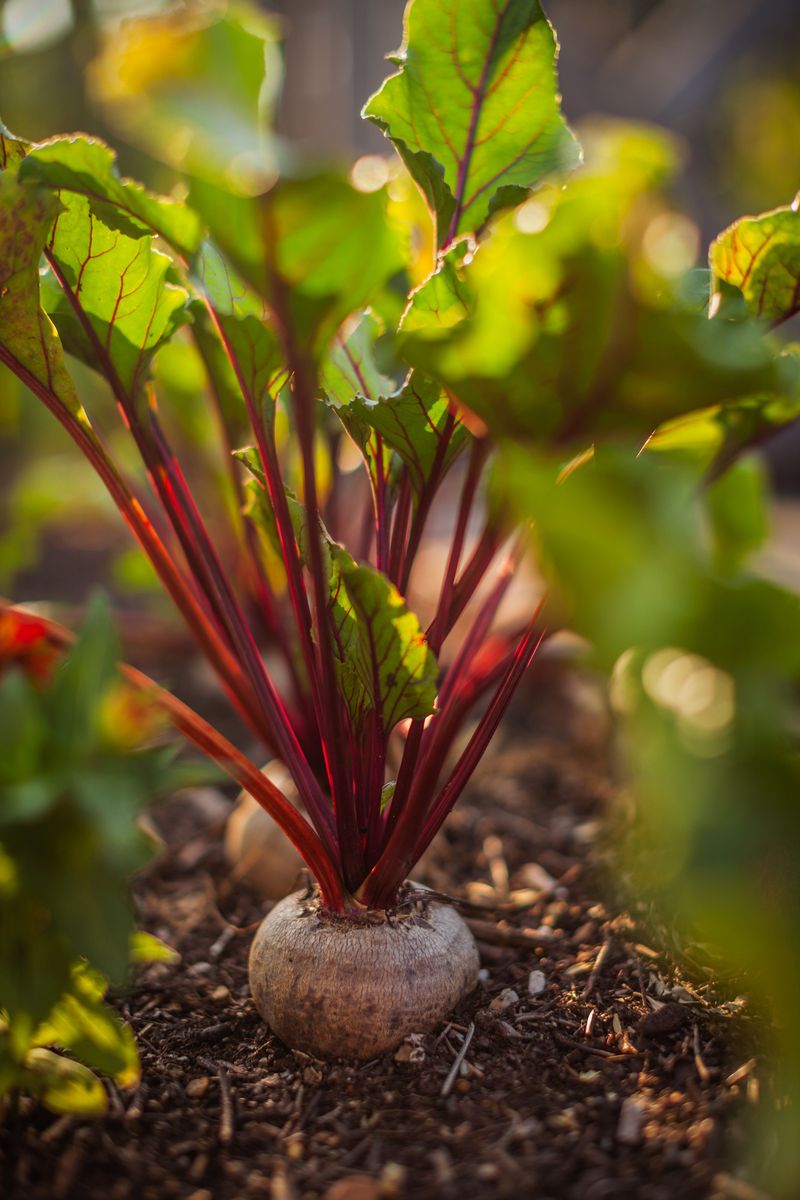
Beets are already one of the sweetest vegetables in the garden, but cool fall weather takes their sweetness to another level entirely. When soil temperatures drop, beets ramp up their sugar production as a natural response to the cold.
The result is a beet that tastes richer, deeper, and sweeter than anything you would find in the middle of summer.
Many people who claim they do not like beets have only ever eaten them canned or harvested in warm weather. A fresh beet pulled from cool fall soil has a completely different character.
The flavor is bold but sweet, with none of the overly earthy quality that turns some people off. It is a revelation for anyone willing to give beets a second chance.
Beets are also incredibly versatile. You can roast them whole in the oven until tender, then peel and slice them for salads or side dishes.
They pair wonderfully with goat cheese, walnuts, and balsamic vinegar. You can also pickle them, blend them into smoothies, or use them to make a vibrant soup called borscht, which is popular in Eastern European cooking.
The leaves are edible too and taste similar to Swiss chard after a frost. Harvesting beets in fall means you get two vegetables in one plant.
In the Pacific Northwest, fall-grown beets thrive in the cool, moist climate. Leaving them in the ground through a few light frosts before harvesting will reward you with some of the sweetest and most flavorful beets of the entire growing year.