10 Ornamental Grasses For Fall And Early Winter Color
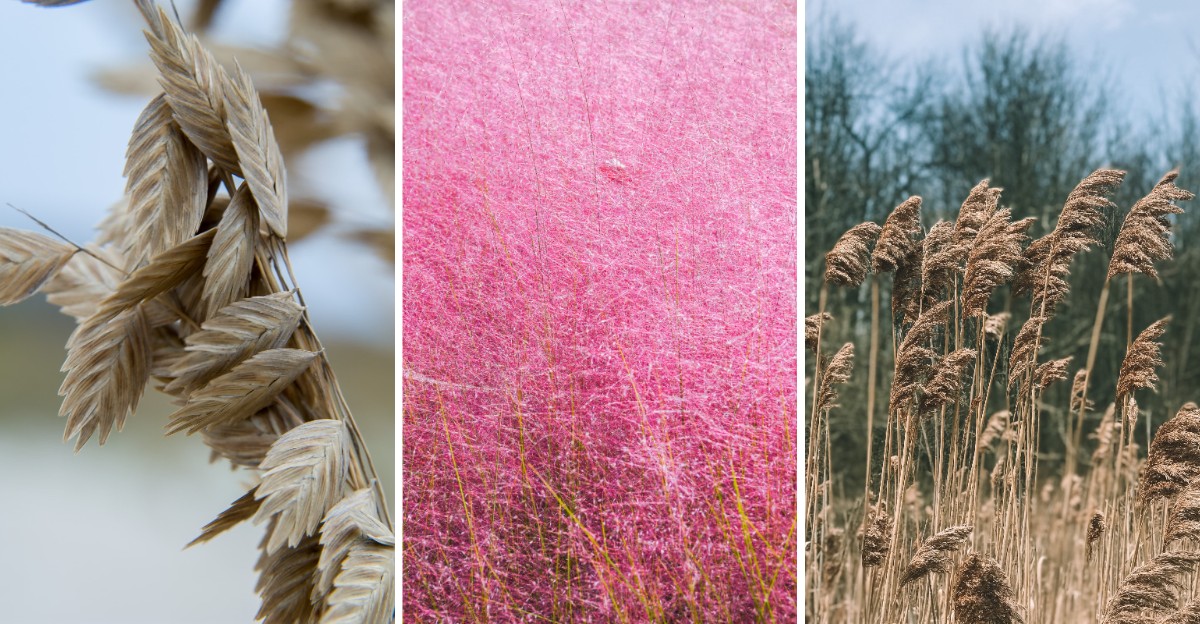
Frost will soon tire your petunias, yet you can make that moment your showpiece. Ornamental grasses peak precisely when tender annuals fade. Little bluestem flares copper and orange as nights turn cold.
Pink muhly grass unfurls hazy magenta plumes by early October. Switchgrass holds airy seed heads upright well into winter. Maiden grass lifts silver plumes you can frame beside porch steps.
Goldfinches and juncos feast on switchgrass seed when feeders run low. At sunrise, frost outlines each blade in glittering white.
You get movement, sound, and color while other beds rest quietly. Neighbors will slow their walks to study your borders.
Timing matters, though. Early September planting lets roots anchor while soil still holds summer warmth.
Wait until spring, and you miss a season of drama. Discover the grasses you need now, and exactly where they will thrive.
1. Little Bluestem For Rusty Red Fall Foliage
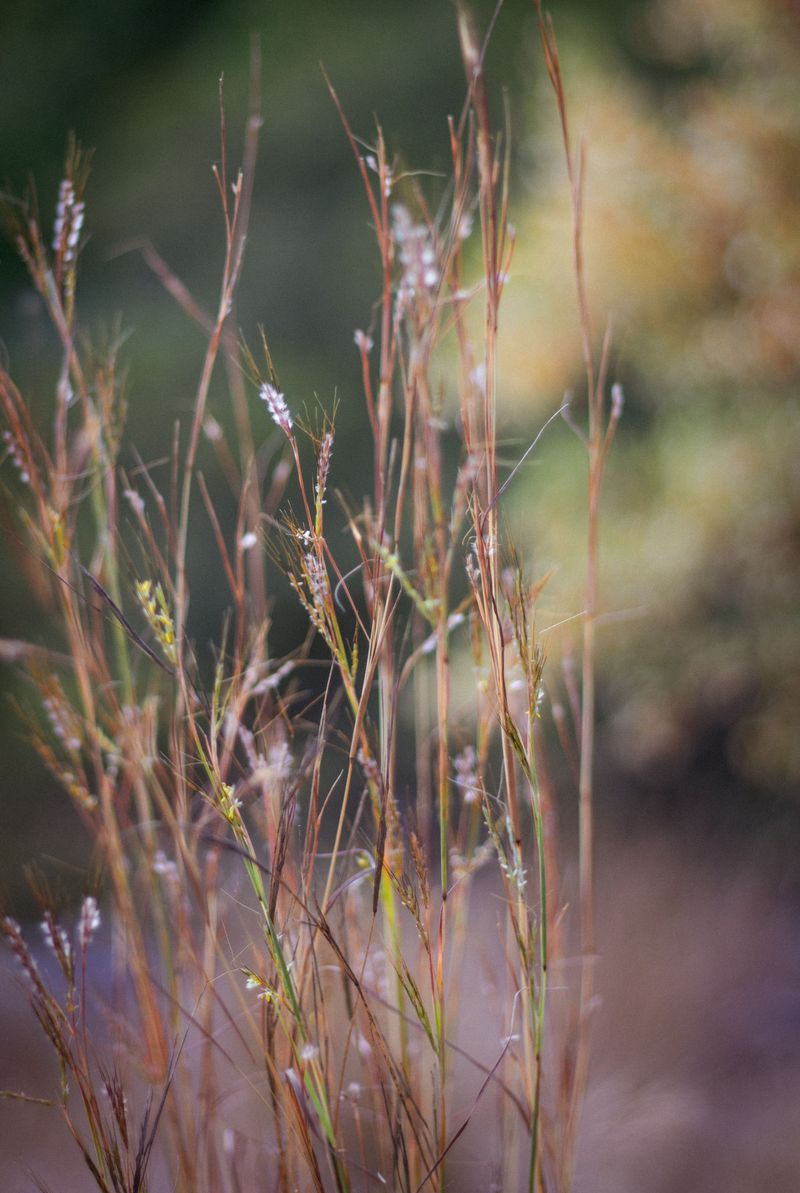
Summer visitors rarely notice little bluestem, but October turns this humble prairie native into a showstopper. Its blue-green stems slowly blush into shades of rust, copper, and deep wine red.
When the afternoon sun hits those colors, the whole clump looks like it is glowing from inside. Fluffy silver seed tufts appear too, catching light like tiny sparklers along each stem.
Little bluestem grows about two to three feet tall and stays neat and upright. It handles poor, dry soil better than most plants, so skip the rich compost and heavy watering.
In fact, too much fertilizer makes the stems flop over like a tired teenager on a couch. Full sun and good drainage are the only things it asks for.
One fun bit of history is that this grass once covered huge stretches of the American prairie. Bison grazed on it for centuries, long before anyone planted it beside a mailbox.
Planting in early September gives roots several weeks to settle, while gardeners in colder zones should mulch well or wait until spring. Try varieties like ‘The Blues’ or ‘Standing Ovation’ for extra bold fall color.
Leave the stems standing through winter, since they hold their reddish tone for months. Songbirds will thank you by snacking on the seeds when snow covers everything else.
2. Switchgrass For Airy Seed Clouds And Wine-Red Leaves
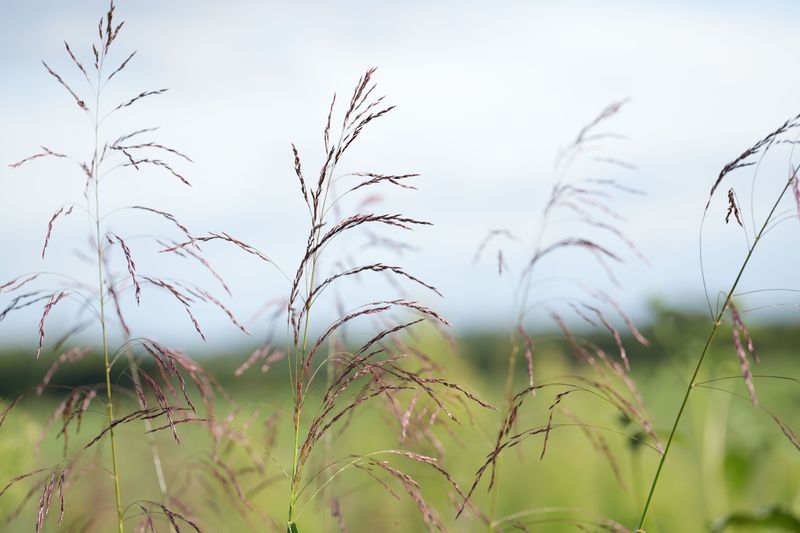
Ever seen a plant wear a fuzzy cloud like a fancy hat? Switchgrass pulls off that look every autumn, and it does so with serious style.
Its tiny seed heads form an airy haze that floats above the leaves by early fall. From a distance, the whole plant looks soft enough to use as a pillow.
Then the leaves join the party, turning shades of gold, orange, and rich burgundy. The variety called ‘Shenandoah’ is famous for turning a deep wine red by October.
If you prefer something taller, ‘Northwind’ stands like a soldier at four to six feet. It makes a great living screen to hide a fence, trash cans, or a nosy neighbor’s window.
Switchgrass is tough as old boots and handles clay, sand, drought, and even soggy spots. Give it full sun, and it will reward you with very little fuss.
In mild climates, September planting works well if you water new clumps weekly until the first frost, while colder zones do better with spring planting. Once established, the roots dig deep and look after themselves.
Wait until late winter to cut the stems down to about six inches tall. Until then, enjoy the rustling sound it makes every time a chilly breeze rolls through.
3. Maiden Grass For Silvery Feathered Plumes
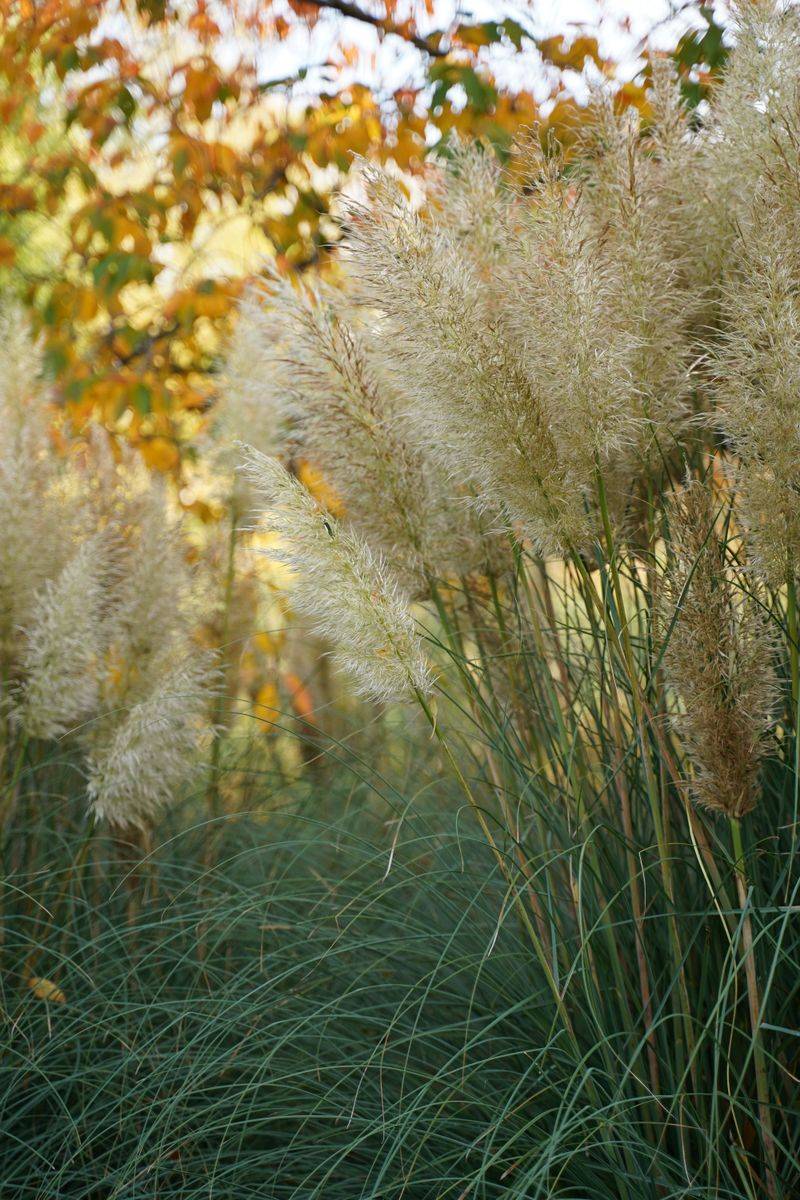
Old-fashioned gardeners sometimes call maiden grass the lady of the backyard, and the nickname fits. Graceful arching leaves spill outward like a fountain, and they sway with the smallest breeze.
By October, tall feathery plumes rise above the foliage in shades of pink, copper, and silver. As the weeks pass, those plumes fade to a soft, shimmering cream color.
On a frosty morning in December, each plume looks dusted with powdered sugar. The leaves turn a warm tan, holding their shape long after other plants have faded away.
Maiden grass, known to botanists as Miscanthus sinensis, can reach five to seven feet tall. Give it plenty of room, full sun, and soil that drains well after rain.
A quick warning for eastern and southern gardeners: some types spread by seed into nearby woods. Check your state’s invasive plant list, and consider native grasses like switchgrass or little bluestem as alternatives.
In mild climates, September is a fine time to plant, while colder zones do better with spring planting. Water deeply once a week until the ground starts to cool.
Resist the urge to trim it in fall, because the plumes steal the show all winter. Cut it back in early spring, just before fresh green shoots peek out.
4. Pink Muhly Grass For Cotton Candy Haze
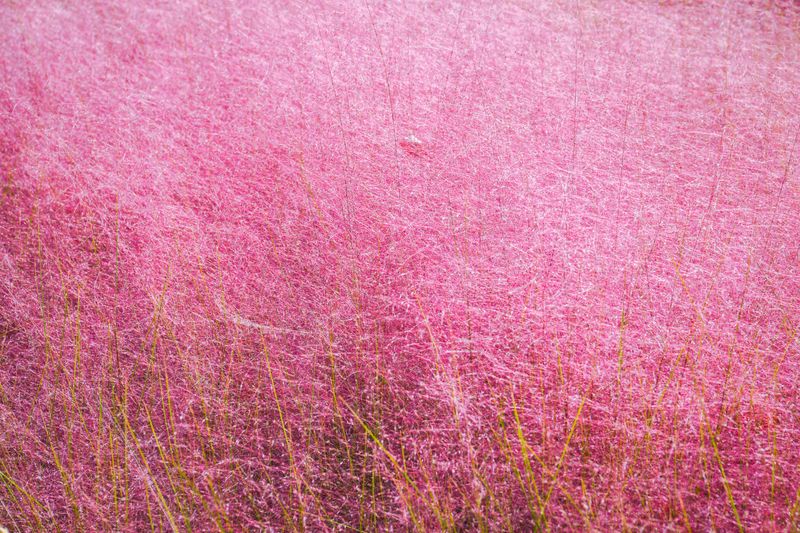
Imagine a county fair cotton candy machine spilling over into your flower bed, but in a good way. Pink muhly grass creates that exact effect when it blooms in early fall.
For most of summer, it looks like a plain green mound of thin, wiry leaves. Then, within a week or two, a misty cloud of pink and purple flowers bursts out on top.
Backlit by the setting sun, the blooms seem to glow like neon signs. Photographers love it, and so do people who just want a cheerful yard in October.
The pink fades to a soft tan by late November, which still looks lovely against evergreens. Planting several together in a row or drift makes the show even bigger.
Pink muhly is native to the southeastern United States and loves heat, sun, and sandy soil. It grows best in zones 6 through 10, so northern gardeners may struggle with it.
Soggy soil is its biggest enemy, especially during a wet winter. A raised bed or gentle slope helps keep its roots from sitting in water.
Since blooms appear in September, shopping now lets you pick plants with the brightest color. In zone 7 and warmer, plant them quickly to enjoy that pink glow within weeks, but zone 6 gardeners should wait for spring.
5. Fountain Grass For Fuzzy Bottlebrush Blooms

Kids love to pet fountain grass, and honestly, most grown-ups cannot resist either. Its soft, fuzzy blooms look like tiny bottlebrushes or fluffy caterpillars perched on thin stems.
Hardy fountain grass, sold as Pennisetum alopecuroides and now reclassified as Cenchrus alopecuroides, forms a neat mound about two to three feet tall. The leaves arch out gracefully, which is exactly how it earned its name.
In fall, the green foliage shifts to warm yellow, gold, and even apricot tones. Meanwhile, the creamy or pinkish plumes stick around well into the frosty days of early winter.
The variety ‘Hameln’ stays compact, making it perfect for small yards, borders, and even large pots. ‘Little Bunny’ is smaller still, reaching only about a foot and a half.
Plant it along a walkway so you can brush your hand across the blooms each day. Full sun gives the best flowers, though it tolerates a little afternoon shade.
Be aware that purple fountain grass, a popular cousin, only survives winter in warm regions. Most northern gardeners treat that one like a pretty annual and replace it each spring.
In mild climates, plant hardy types in September and water them well through the first month, while colder zones do better with spring planting. By Halloween, those fuzzy plumes will look like they belong in a spooky storybook.
6. Prairie Dropseed For Golden Orange Mounds
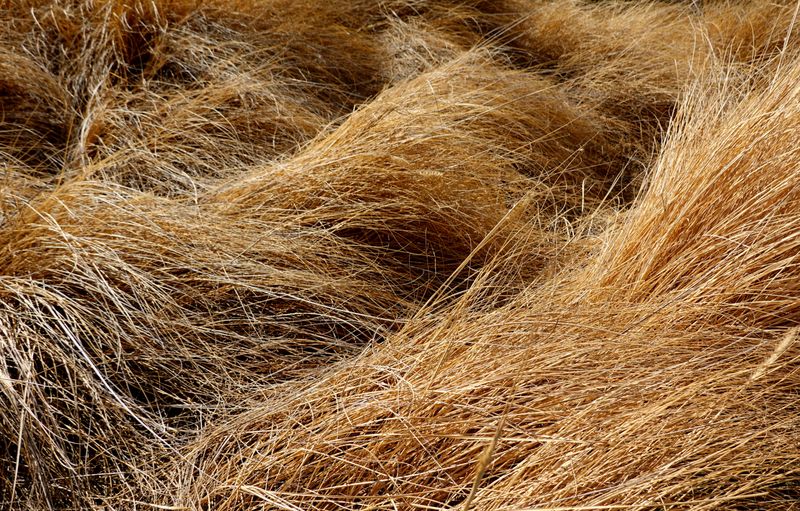
Odd but true: prairie dropseed smells a bit like buttered popcorn when it blooms. Some people say cilantro instead, so you may need to sniff it yourself.
That snack-time scent drifts through the garden in late summer and early fall. Then the real magic begins as the fine leaves turn golden orange by October.
The plant forms a tidy, rounded fountain of thread-thin leaves about two feet wide. Airy flower sprays hover above it like a delicate lace veil on a breezy day.
As winter arrives, the color softens to a light copper that glows against snow. Sparrows and juncos pick at the seeds, adding life to a quiet December yard.
Prairie dropseed is a slow starter, so be patient during its first year or two. Once settled, it can live for decades in the same spot without needing to be divided.
It thrives in full sun and handles dry spells, rocky ground, and heavy clay. Rabbits and deer usually leave it alone, which is a nice bonus.
Space plants about two feet apart along a path or at the front of a border. In mild climates, a September planting gives roots a head start, while colder zones do better with spring planting.
7. Feather Reed Grass For Tall Winter Structure
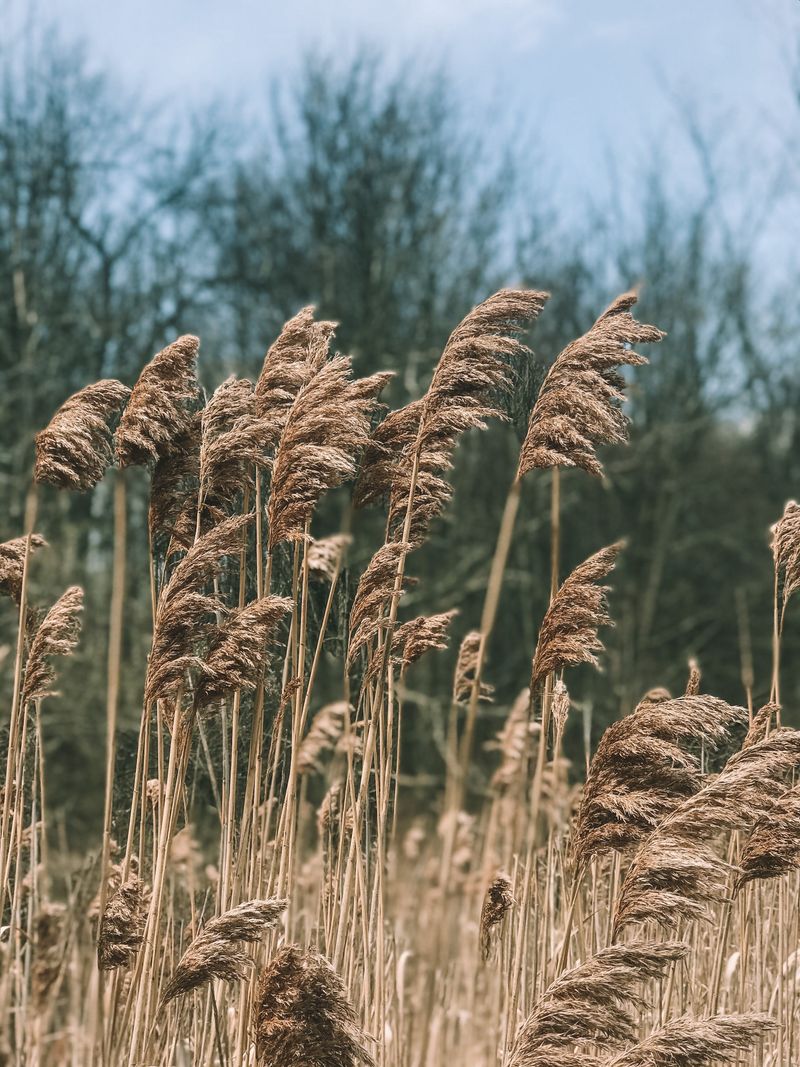
Garden designers have a favorite exclamation point, and its name is ‘Karl Foerster’ feather reed grass. Stiff, straight stems shoot up four to five feet, standing tall like pencils in a cup.
That upright shape stays strong even after heavy rain, wind, or a snowstorm. Few plants hold their posture so well through the colder months.
The name honors Karl Foerster, a German nurseryman widely credited with calling grasses the hair of Mother Earth. In 2001, this plant was even crowned Perennial Plant of the Year.
Its feathery flower heads start out purplish in early summer, then fade to wheat gold. By October and November, the whole plant glows a warm tan that pairs nicely with asters.
Unlike many grasses, it tolerates heavier, damp soil and a bit of partial shade. It also produces no viable seed, so it will not pop up where you did not plant it.
Its narrow footprint makes it great for tight spaces beside driveways or along fences. Plant a row of them, and you get a living wall that moves gently in the wind.
September is ideal for planting, since cool nights help roots grow without stressing the leaves. Cut stems back to a few inches in late winter.
8. Japanese Forest Grass For Bright Shady Corners
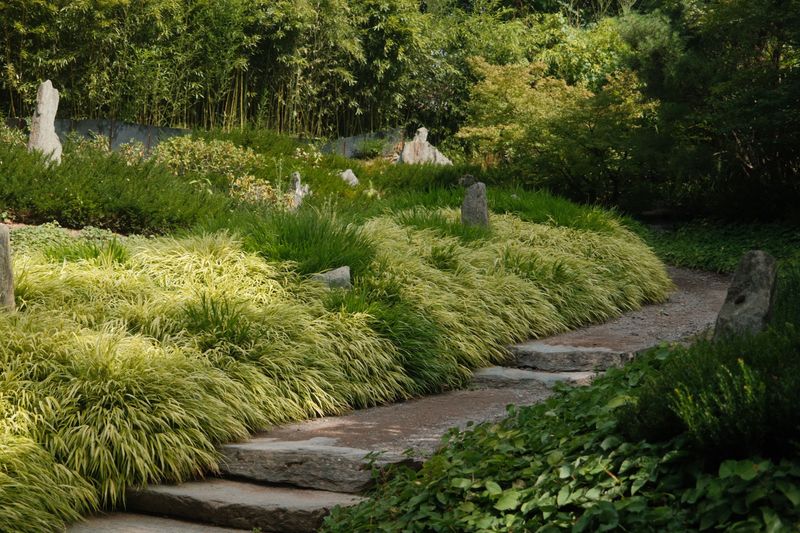
Shady yards often feel left out when fall color gets handed around the neighborhood. Japanese forest grass happily fixes that problem, glowing softly where the sun barely reaches.
Its leaves spill over in soft waves, all leaning the same direction like hair brushed smooth. The plant only grows about a foot tall, so it fits nicely under trees and along paths.
The popular ‘All Gold’ variety shines bright yellow all summer long. In October, many types blush with orange, pink, and copper tints that look almost painted.
Known as Hakonechloa macra, it comes from the mountains near Mount Hakone in Japan. There, it grows on rocky, wet cliffs beneath tall forest trees.
At home, give it rich, moist soil that drains well and some protection from harsh afternoon sun. Morning light with afternoon shade usually brings out the best colors.
Growth is slow at first, but each clump widens a little more every year. It also looks lovely spilling from containers on a shaded porch or patio.
Plant it in early September, keep the soil evenly damp, and mulch well in colder zones. Pair it with hostas and ferns for a calm, cozy corner that feels like a mini forest.
9. Northern Sea Oats For Dangling Bronze Seeds
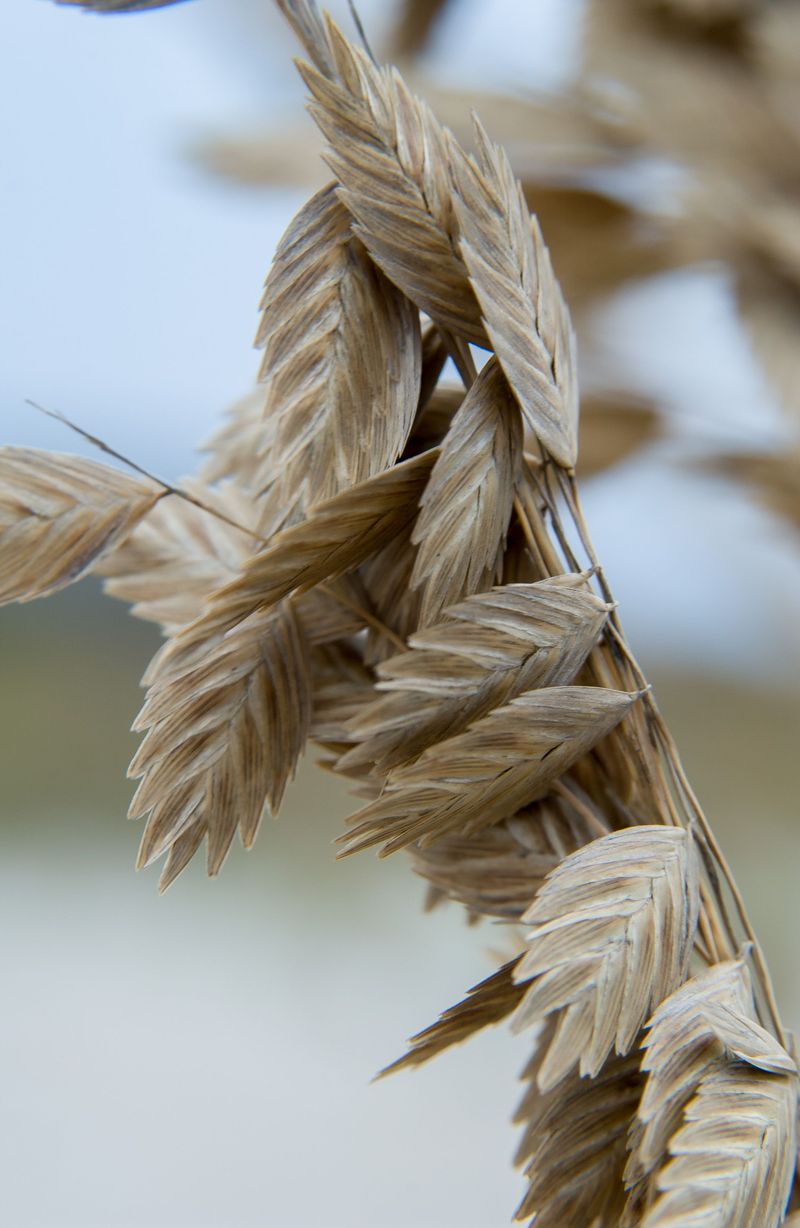
Flat, dangling seed heads that resemble tiny fish give northern sea oats a charm all their own. Each one hangs from a thin, drooping stem and trembles in the slightest breeze.
In summer, those seed heads are bright green, looking a lot like oats or tiny arrowheads. When October comes, they turn a coppery bronze that shines like old pennies.
The bamboo-like leaves turn golden too, and the color lasts well into winter. Even under a light dusting of snow, the whole plant still looks cheerful.
Crafty folks love cutting the stems for dried flower arrangements and autumn wreaths. A few stems in a vase can brighten a Thanksgiving table without costing a cent.
Also called river oats, this native plant grows naturally along stream banks in eastern North America. Unlike many grasses on this list, it grows happily in partial shade as well as sun.
One thing to watch is that it spreads by seed quite freely. Trim off some seed heads before they drop if you want to keep it in one spot.
In mild climates, September planting gives roots time to settle in moist, rich soil before frost arrives. Tuck it beneath a tree or near a downspout, and let it do its thing.
10. Indian Grass For Glowing Amber Plumes
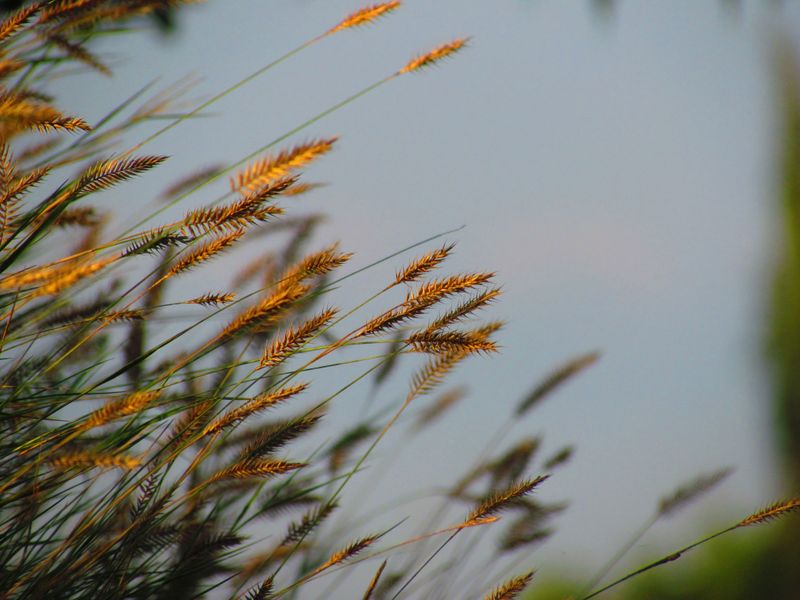
Tall, proud, and golden, Indian grass is the grand finale of the fall garden. Its feathery plumes open in late summer and turn a rich amber by October.
Up close, the tiny flowers even show bright yellow dangling parts that sparkle like glitter. Bees visit them on warm fall days, collecting pollen before winter settles in.
Along with big bluestem and switchgrass, Indian grass once ruled the tallgrass prairie. It is even the official state grass of both Oklahoma and South Carolina.
The foliage puts on its own show, shifting from blue-green to orange and deep purple. The variety ‘Sioux Blue’ has powder-blue summer leaves that make the fall change even more dramatic.
Expect this beauty to reach three to seven feet, so plant it toward the back of beds. It makes a stunning backdrop for shorter fall flowers like goldenrod and sedum.
Full sun and average soil keep it happy, while too much fertilizer makes it lean. Once established, it shrugs off drought and hot summers with ease.
In mild climates, plant it in early September and soak it weekly until frost, while colder zones do better with spring planting. Come December, those amber plumes will still be standing tall, ready to catch the snow.