Iowa’s State Flower Is Leaving Behind Red Fruits That Birds And Foragers Both Want
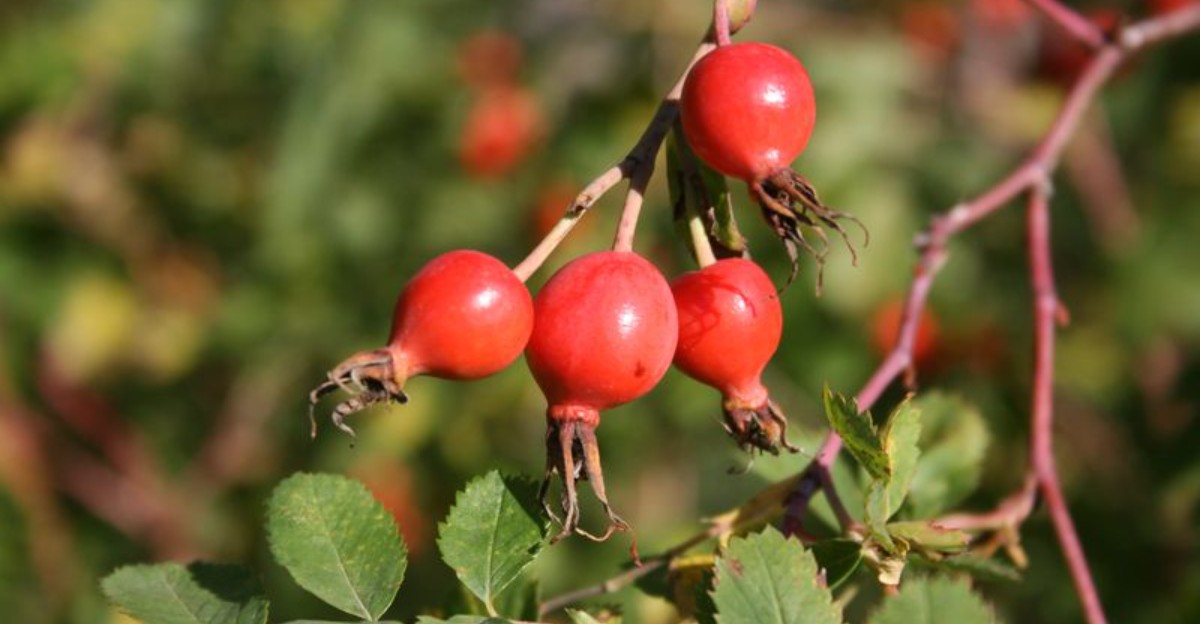
You have walked past Iowa’s official state flower all summer without noticing its sneakiest trick. Petals fade, and the wild prairie rose swaps its pink blooms for glossy red hips.
Those hips pack more vitamin C than oranges, ounce for ounce. British volunteers gathered them by the ton during wartime, brewing syrup for children. Taste them and you get tart apple, faint honey, and a sharp citrus snap.
Inside, though, fine hairs cling to the seeds and can make your throat itch uncomfortably. Pranksters have used those same hairs as homemade itching powder.
Competition matters, too. Cedar waxwings, robins, and bluebirds lean on these hips when winter food runs thin.
Across Iowa, you share this harvest with hungry birds, so you pick with manners. Grab a paper bag and gloves. Here is how you beat the waxwings to the bush.
Bright Red Rose Hips Replace The Summer Blooms
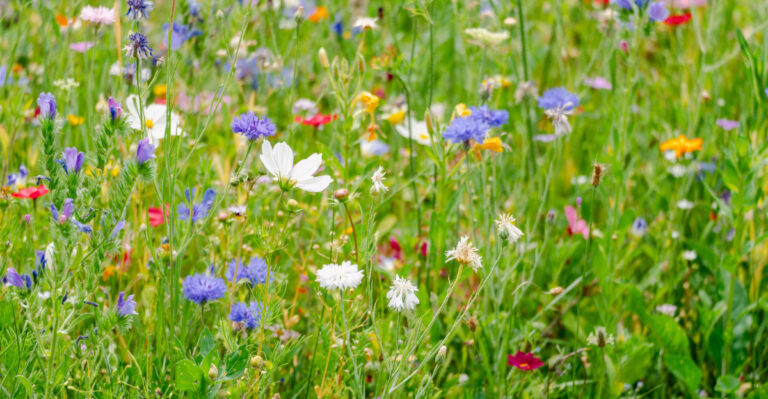
Back in June, Iowa ditches were dotted with pink, five-petaled flowers that smelled sweet and spicy. Those blossoms were the wild prairie rose, named Iowa’s state flower way back in 1897.
Botanists often link it to Rosa arkansana, which grows from Texas into Canada. Its roots reach deep underground, helping it bounce back after fire or mowing.
Once bees and other insects finished pollinating each bloom, the petals dropped and the base began to swell. That swollen part slowly grew into a round fruit called a rose hip.
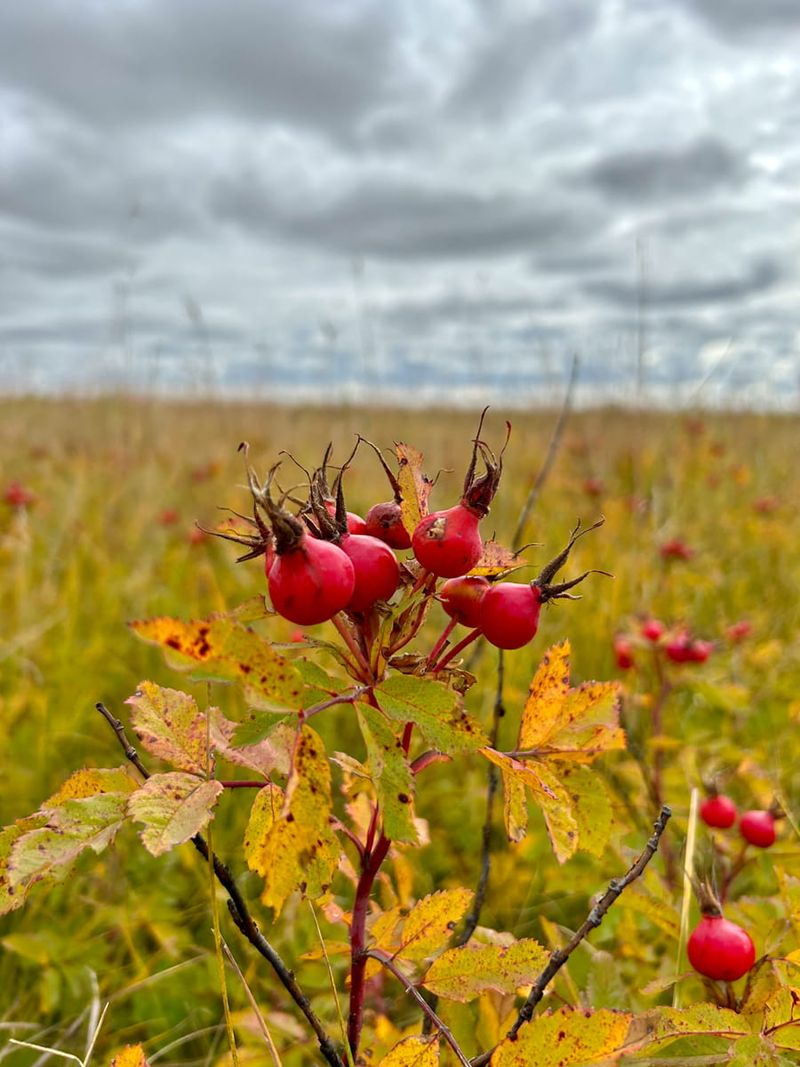
By September, many hips have turned from green to orange to a shiny, fire-engine red. Each one is about the size of a pea or a small blueberry.
Think of a hip as the plant’s lunchbox for its seeds. The bright color works like a flashing sign that says food is ready for hungry visitors.
Birds swallow the fruit, fly away, and drop the seeds somewhere new with a little natural fertilizer. People, meanwhile, have gathered these hips for food and medicine for hundreds of years.
Leaves turn bronze and burgundy in autumn, so the hips pop against a warm backdrop. That contrast makes a patch easy to spot from a bike.
Look for them on short, prickly shrubs along quiet roadsides, trail edges, and old prairie patches. The plants rarely grow taller than your waist, so the treasure sits low.
The Right Season To Pick Ripe Hips
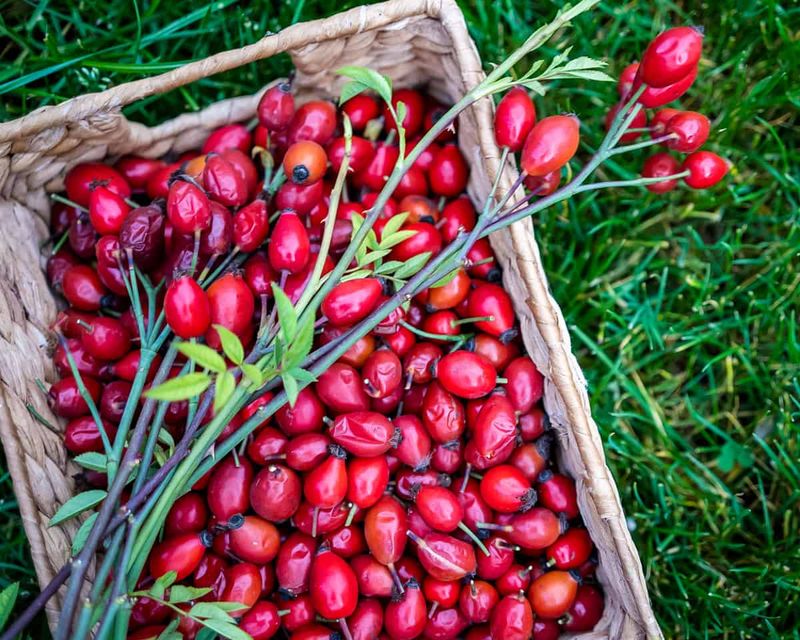
Patience pays off with this fruit, and September is when the waiting game gets exciting. Hips that look red but feel rock hard still need more time on the stem.
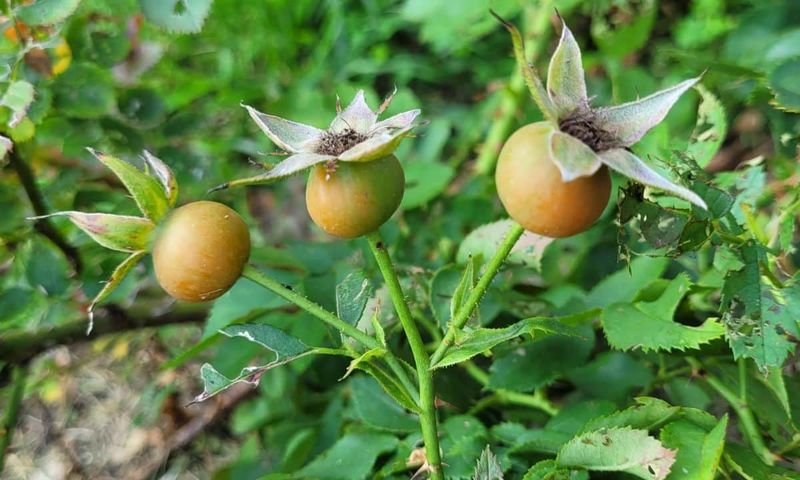
A ripe hip gives a little when you squeeze it gently between two fingers. The color should be a deep, even red, with no green patches near the top.
Weather shifts the timing a bit from year to year. A hot August speeds ripening, while a cool summer pushes picking later.
Some Iowa foragers like to wait until after the first light frost in late September or October. Cold nights soften the hips, and many foragers say the flavor turns sweeter.
Your Iowa Garden Changes Every Week. Your Plan Should Too.
Gardening in Iowa changes quickly throughout the season. Every Friday you’ll receive a simple weekly plan showing exactly what to plant, prune, fertilize, harvest, and protect so you never miss the right timing.
Still, picking a few early hips is fine if birds are already cleaning out the bushes. You can freeze them at home to copy that frosty softening effect.
Hips often hang on the canes well into winter, though they get wrinkly and softer over time. Those late ones work for tea, but their texture feels more like raisins.
Check the same patch each week and jot down what you see. Soon you will learn when your favorite bushes peak.
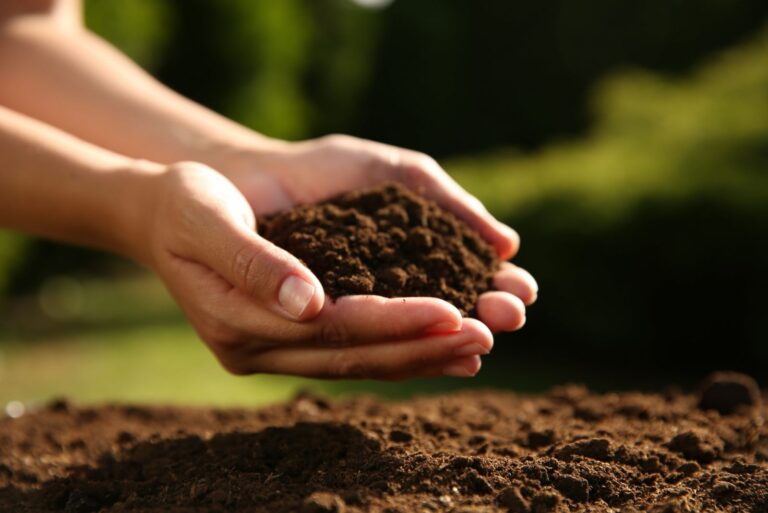
Pick on a dry afternoon and bring gloves, because those stems are covered in tiny bristly prickles. Your fingertips will thank you by dinnertime.
The Itchy Seed Problem Hiding Inside Rose Hips
Kids once used rose hip seeds for playground pranks, and there was a sneaky reason why. The seeds are wrapped in fine, hairlike fibers that make skin itch like a mosquito party.
Split open a ripe hip and you will find a cluster of pale seeds tucked inside the flesh. Those fuzzy hairs cling to the seeds and slip easily into anything nearby.
A common mistake new foragers make is popping whole hips into their mouths like berries. The outer skin tastes tangy and nice, but the middle can scratch your throat.
Swallowing those hairs can upset your stomach and leave an itchy feeling on the way out. Few people want that kind of surprise after a fun afternoon outdoors.
Those irritating hairs explain why old recipes call for straining twice. Skipping it can leave a scratchy first sip.
Another slip-up is grabbing hips from spots that get sprayed for weeds or coated in traffic dust. Choose clean areas, and ask permission before picking on private land.
Keep pets and small children away from freshly split hips on the counter. Wipe surfaces afterward to catch stray fibers.
Finally, double-check your ID, since toxic bittersweet nightshade also makes shiny red berries in fall. Rose hips have a little crown of dried sepals on top, which gives you a helpful clue. Skip any red fruit you cannot identify with confidence.
A Simple Kitchen Method For Clean Hips
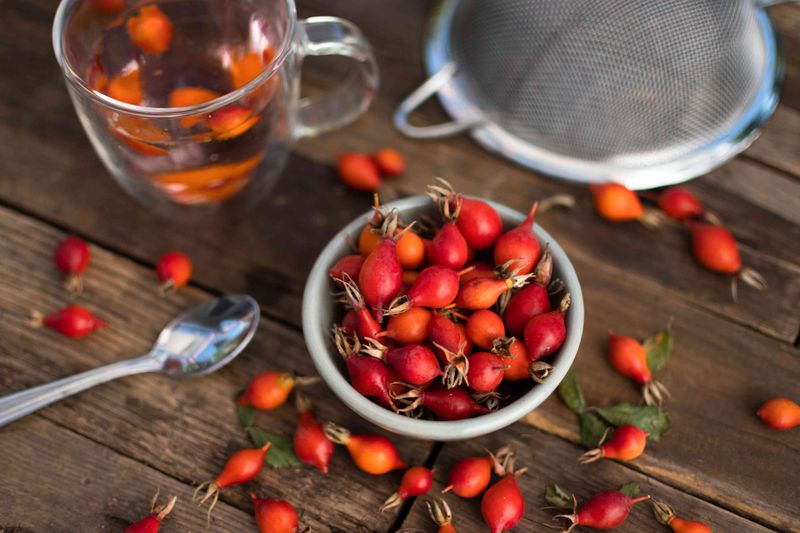
Old-fashioned kitchen work turns these prickly little fruits into something tasty and safe. Grab a cutting board, a small knife, a spoon, and some patience.
Start by rinsing the hips in cool water and pulling off any leaves, stems, or bugs. Then snip off the dried tip on top and the little stem end below.
Freezing the hips for an hour first firms the flesh and makes seed scooping less messy. The fuzzy centers then lift out in neat clumps.
Next, slice each hip in half and scoop out the seeds with the tip of a spoon. Wearing thin kitchen gloves keeps those itchy hairs off your hands.
Prairie rose hips are small, so this job takes a while, and a podcast helps a lot. A friend at the counter makes it go even faster.
Short on time, many cooks simmer whole hips in water and then mash them gently. Pouring the mix through a coffee filter or fine cloth catches the seeds and hairs.
Cleaned hips can be dried on a screen, frozen in bags, or used fresh that same day. Store dried pieces in a sealed jar away from sunlight for the best flavor.
Label jars with the picking date and location. Flavor shifts with soil and sunlight, so comparing patches gets fun.
Vitamin C Tea, Jelly, And Cozy Winter Treats
During World War II, British families gathered rose hips because oranges were hard to find. The hips were cooked into syrup that helped keep kids healthy through long winters.
Rose hips are packed with vitamin C, often more than many common fruits by weight. They also carry vitamin A and antioxidants that give them that red color.
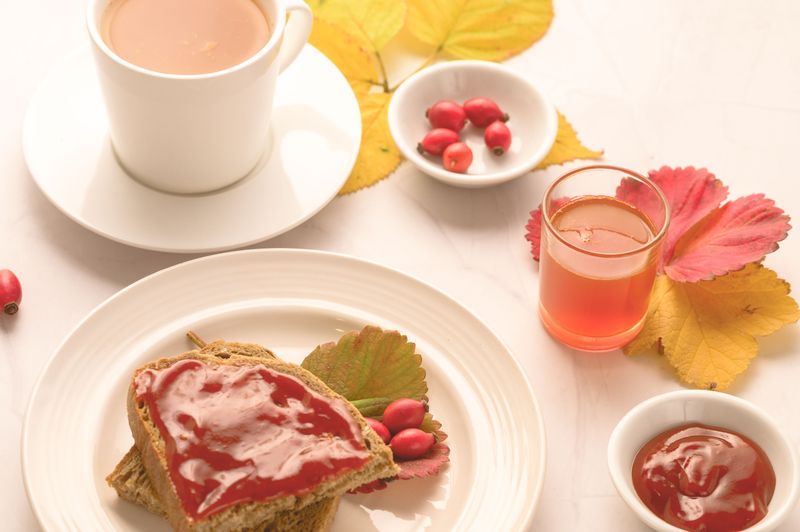
Tea is the easiest place to start, and it tastes like tart apples with a floral twist. Steep a spoonful of dried, cleaned hips in hot water for about ten minutes.
Jelly takes more work but rewards you with jars that glow like stained glass on the shelf. Mixing rose hip juice with apples adds natural pectin, so the jelly sets nicely.
A splash of rose hip syrup brightens pancakes, yogurt, or sparkling water. Picky kids often love it this way.
Dried hip pieces can be tossed into oatmeal, muffins, or homemade trail mix for a tangy crunch. Some folks even blend them into fruit leather with a drizzle of honey.
Rose hip oil, pressed from the seeds, sits on many skin care shelves today. It shows how much value hides inside the fruit.
Heat lowers vitamin C, so gentle cooking keeps more of the good stuff inside. Picture sipping a warm, rosy mug in January while snow piles up outside the window.
A Fair Share For Birds And Wildlife
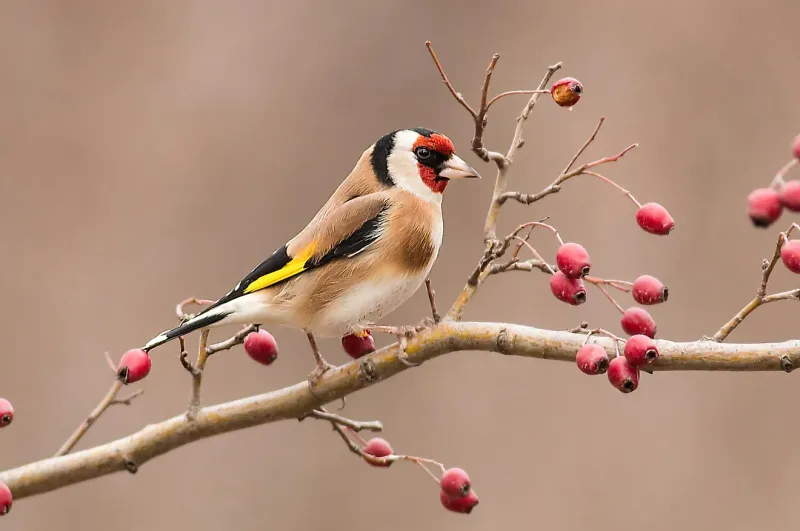
Imagine a cedar waxwing in February, puffed up against the wind and hunting for a snack. A rose bush still holding fruit can feel like a roadside diner for that bird.
Rose hips cling to stems long after many berries are gone, which makes them valuable in late winter. Bluebirds, robins, pheasants, deer, and rabbits also nibble on them when food runs low.
Watch a bush in southern Iowa, and you may spot a mockingbird guarding it. These bold birds chase rivals from their winter pantry.
A good forager’s habit is to pick about a third of the hips on a bush and leave the rest. Spread your picking across many plants instead of clearing out one patch.
Leaving plenty behind also helps the rose spread, since birds carry seeds to new prairie spots. More roses next year means more pink flowers in June and more hips in fall.
Early spring gives leftover hips a new purpose as migrating birds pass through. Returning thrushes refuel on shriveled fruit before insects appear.
Planting a few native roses at home gives you and the birds a steady supply. Wild prairie rose loves sunny yards, tolerates drought well, and spreads by underground runners, so give it room.
Skip heavy pruning in fall so the hips can feed visitors through the cold months. Sharing this red harvest turns your backyard into a feathered neighborhood.