My porch is full of clearance mums again – 5 ways to keep them blooming into an Oregon November
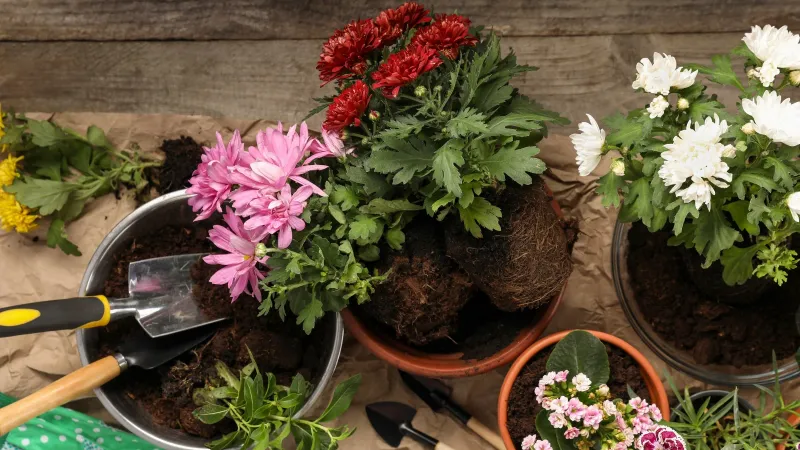
I went to the store for potting soil and came home with six half-price mums, again. If you garden in the Willamette Valley, you probably know that little rush of pride and guilt when the clearance cart calls your name.
The good news is that those tired-looking plants can often keep their color well past Halloween with a little steady care. Here are five simple habits that give your rescued mums a real shot at blooming into a gray, drizzly Oregon November.
1. Deadhead every few days

Picture a mum covered in crispy brown pom-poms with a few bright ones still hanging on. Most of us leave the dead blooms there because we feel bad snipping anything off a plant we just saved.
Pulling them, though, is one of the kindest things you can do.
A mum that keeps its faded flowers starts putting energy into making seeds. Removing spent blooms can nudge the plant to open more of the buds tucked underneath instead.
Try walking your porch lineup every three or four days with a cup of coffee in one hand and snips in the other.
Pinch or cut each faded flower just above the next set of healthy leaves or a side bud. Don’t wait until the blooms are totally crunchy, because a flower that is starting to dull is already done working for you.
On a big clearance mum with dozens of tired heads, a light shearing across the top can expose the fresh buds in one quick pass.
Here in western Oregon, deadheading has a bonus. Soggy dead petals hold rain against the plant, and that damp mess can invite gray mold during our wet fall stretches.
A tidy mum dries faster after every shower.
2. Water with a daily finger check

“It rains all the time here, so why would I water?” I said that exact sentence to myself last October, right before three mums wilted flat on my covered porch. Rain doesn’t reach pots tucked under an overhang, and it barely soaks into a root-packed nursery container even when it does.
Mums have thick, hungry root systems. Clearance plants have often sat in the store drying out and getting soaked over and over, so they arrive stressed.
Once the blooms crisp up from thirst, they rarely bounce back.
So make the finger test a daily habit. Push a finger about an inch into the soil, and if it feels slightly dry, water slowly at the base until it runs out the bottom.
Keeping water off the leaves may help cut down on disease in our cool, damp air.
Watch out for the opposite problem too. A pot sitting in a saucer full of water during a week of Portland drizzle can lead to root rot fast.
Dump saucers after heavy rain, and let the top inch dry a little before the next drink.
3. Chase the morning sun

Mums are sun worshippers, plain and simple. They bloom best with around six hours of direct light a day, and that gets tricky once our Oregon days start shrinking in late October.
Your Oregon Garden Changes Every Week. Your Plan Should Too.
Gardening in Oregon changes quickly throughout the season. Every Friday you’ll receive a simple weekly plan showing exactly what to plant, prune, fertilize, harvest, and protect so you never miss the right timing.
Morning sun is the sweet spot. It gives plants the energy they need without the harsh afternoon heat that can make flowers open and fade faster.
If you have an east-facing step or railing, that’s prime real estate for your clearance crew.
A mum parked in deep shade tends to stretch, flop, and open fewer buds. If your porch is dark, rotate pots out to a sunny patio edge during the day and tuck them back in at night.
We sometimes get a surprise warm spell in early October in the Willamette Valley. When that happens, sliding pots into light afternoon shade for a few days may help the display last longer.
4. Shelter them from wind, rain, and frost

Mums love cool weather. What they don’t love is the sideways rain, gusty storms, and sneaky early frosts that roll through the Pacific Northwest every fall.
Group your potted mums close to the house, under an eave or on a covered porch. The wall holds a bit of warmth, and the roof keeps heavy rain from beating open blooms into mush.
Clustering pots together can also shelter the ones in the middle from wind.
West of the Cascades in zones 8a to 9a, first frost often shows up somewhere around late October to mid-November, depending on where you live. When the forecast dips toward freezing, carry pots into a garage, shed, or enclosed porch overnight.
Bring them back out once the day warms above about 50 degrees.
In-ground mums need a different plan. Before sunset, drape them with frost cloth, an old bedsheet, or a light blanket, using stakes so the fabric doesn’t crush the flowers.
Pull it off in the morning so the plants get light and air.
Skip plastic sheeting laid right on the plants. It traps moisture and offers little insulation, which can actually make frost damage worse.
One more reason to protect those late flowers: on mild, sunny afternoons, you may spot a few bumblebees still out foraging. Open mum blooms can offer them a late snack when little else is flowering.
5. Free the roots and fix the drainage
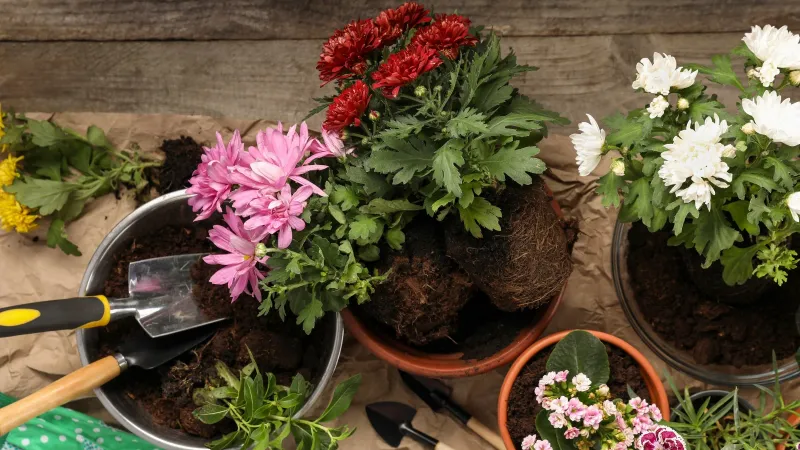
Slide a clearance mum out of its pot and you’ll often find a solid brick of circling white roots. No wonder it looked thirsty and sad on the sale rack.
A plant that crowded can dry out in hours and may quit blooming early.
Repotting gives those roots some breathing room. Choose a container just one size bigger, loosen the outer roots gently with your fingers, and fill in with fresh, well-draining potting mix.
Water it in well and let it settle.
Love that pretty glazed pot with no hole in the bottom? You can still use it.
Keep the mum in a nursery pot, set it inside the decorative one, and tip out any water that collects after rain.
Drainage matters a lot in our soggy Oregon autumns. Mums sitting in standing water can rot quickly, and good airflow around the plants may help keep mildew and mold in check.
Hold off on fertilizer, too. Most fall mums were already fed well at the nursery, and extra feeding now can push soft new growth that struggles when the cold sets in.
Your job this month is simply to keep your rescues comfortable and enjoy every last bloom.