The Best Herbs To Grow Near Patios In Texas To Help Deter Ticks
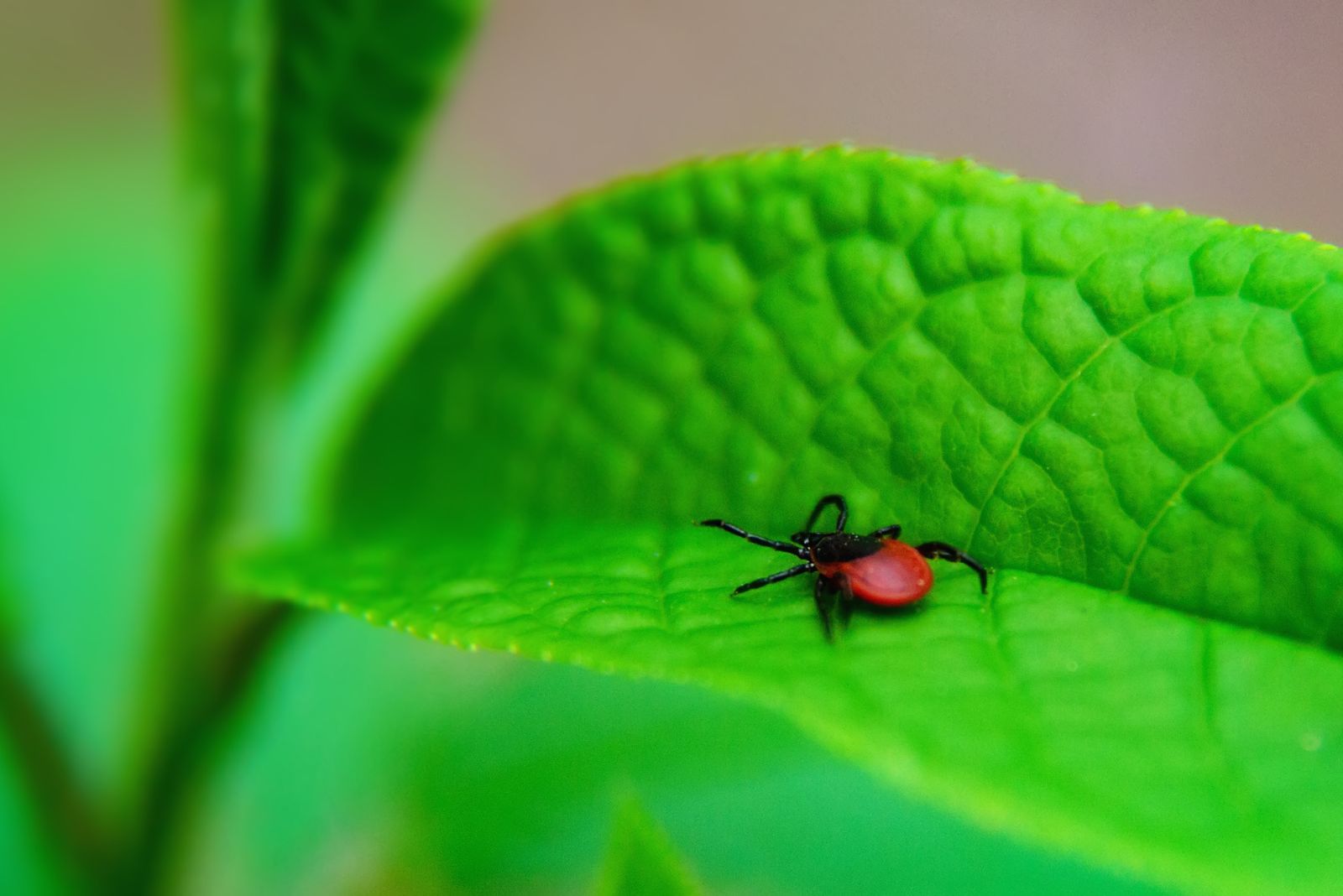
Ticks in Texas are not a seasonal inconvenience – they’re basically a year-round reality that every outdoor enthusiast in the state has to deal with.
Whether you’re hosting a backyard cookout, letting the kids play outside, or just trying to enjoy a quiet evening on the patio, the thought of ticks is always somewhere in the background, which takes a real toll on how much you actually enjoy your own outdoor space.
Most people reach for chemical sprays without thinking twice, but covering your patio and garden in pesticides every few weeks isn’t exactly appealing, especially with pets and children in the mix.
What a lot of Texas homeowners don’t know is that certain herbs produce natural compounds that ticks actively avoid.
Plant the right ones near your patio and you’re getting a natural buffer zone that also happens to look great, smell incredible, and thrive in the Texas climate without much fuss.
1. Rosemary
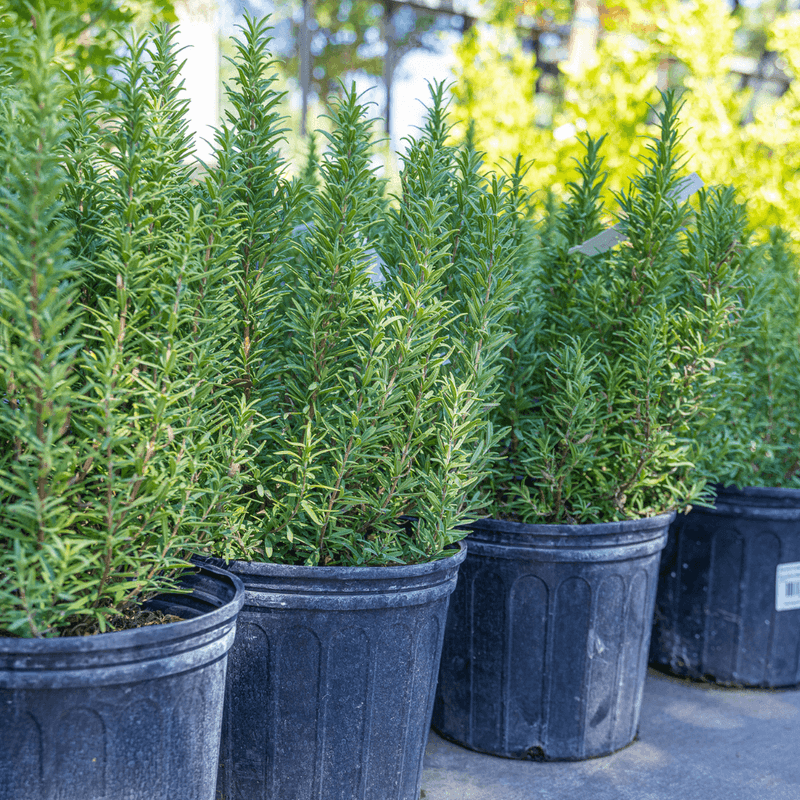
Walk past a rosemary bush on a hot Texas afternoon and you will immediately understand why ticks want nothing to do with it.
The sharp, piney scent that makes rosemary such a beloved cooking herb is packed with camphor and other natural aromatic compounds that ticks genuinely cannot stand.
Planting rosemary near your patio is one of the smartest moves you can make for natural pest control in Texas.
Rosemary thrives in the Texas heat like it was born for it. It loves full sun, handles drought well, and grows best in well-drained soil, which is exactly what most Texas yards naturally offer.
Over time, rosemary grows into a full, bushy shrub that creates a fragrant living border along patio edges and walkways.
For best results, plant rosemary along the outer edges of your patio, especially near pathways and entry points where ticks might travel. The closer guests brush against the plant, the more the scent is released into the air.
You get a beautiful, low-maintenance shrub that keeps ticks at bay and also gives you fresh herbs for the kitchen. Try varieties like Tuscan Blue or Hill Hardy, which are especially tough performers in Texas gardens.
Regular light pruning keeps the plant full and bushy. This herb earns its place in any Texas patio garden, season after season, without much fuss at all.
2. Lavender
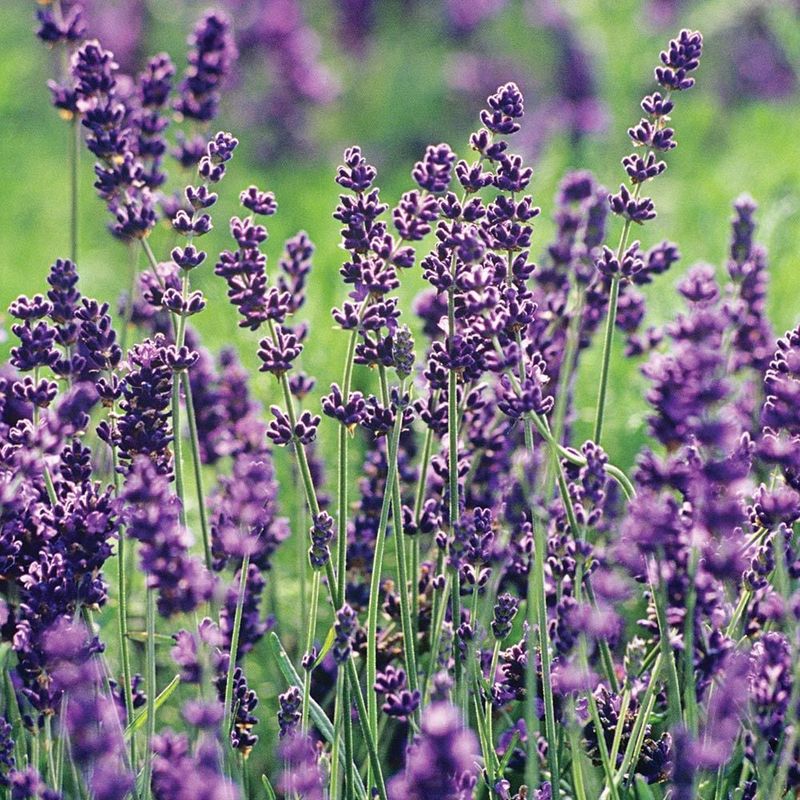
There is something almost magical about lavender. Humans travel to the south of France just to walk through lavender fields and breathe in the scent, but ticks and other insects react in the complete opposite way.
They actively avoid it. The natural compounds linalool and linalyl acetate found in lavender have been well documented for their insect-repelling properties, making this beautiful herb a powerhouse in the tick-deterrence world.
Growing lavender in Texas requires choosing the right variety. English lavender struggles in Texas heat and humidity, but Spanish lavender, known scientifically as Lavandula stoechas, handles the Texas climate much better.
It blooms with striking purple flower heads and releases its signature scent throughout the warm season. Plant it in raised beds or containers with excellent drainage to keep it happy.
Your Texas Garden Changes Every Week. Your Plan Should Too.
Gardening in Texas changes quickly throughout the season. Every Friday you’ll receive a simple weekly plan showing exactly what to plant, prune, fertilize, harvest, and protect so you never miss the right timing.
Place lavender pots or planted borders directly along patio seating areas. When the breeze moves through the plants or guests brush against them, the scent releases into the air and helps create a natural tick-repelling zone around your outdoor space.
Lavender also attracts pollinators like bees and butterflies, which makes your patio garden more vibrant and alive. Harvest the flower stems regularly to keep the plant producing blooms.
Dried lavender bundles placed near doorways add another layer of pest deterrence around your home. For Texas homeowners looking for a beautiful, fragrant, and functional patio plant, lavender delivers on every level.
3. Catnip
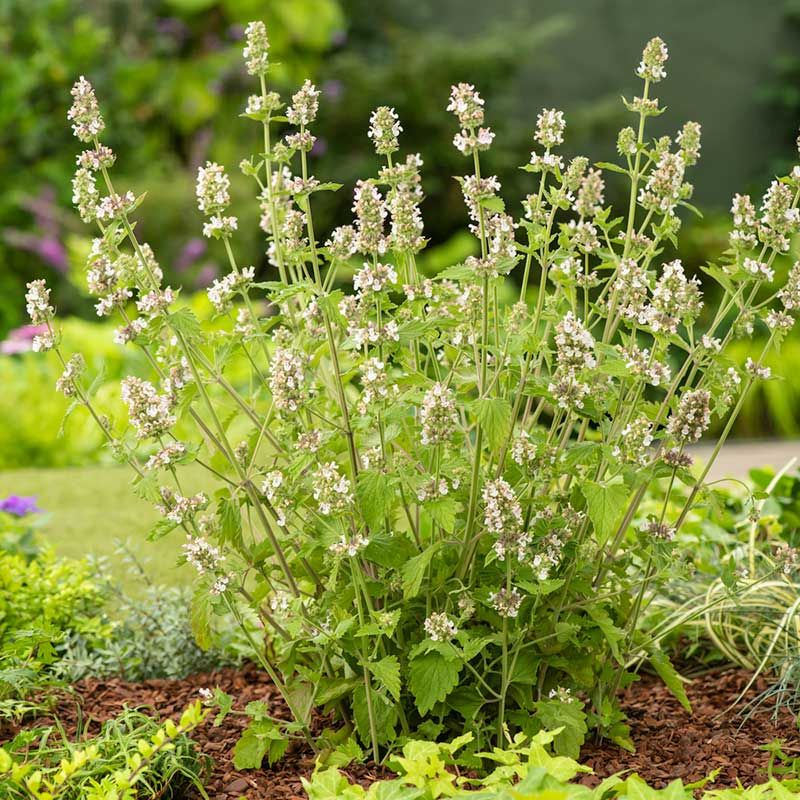
Most people think of catnip as just a fun treat for cats, but scientists have discovered something remarkable about this humble herb. The compound responsible for sending cats into a frenzy, is actually more effective as an insect repellent than DEET in laboratory settings.
Ticks, mosquitoes, and a range of other pests strongly dislike the scent and actively avoid areas where catnip is growing.
Catnip is surprisingly easy to grow in Texas. It handles the summer heat well, grows quickly, and fills out into a full, bushy plant with soft gray-green leaves and small white flowers.
It does best with some afternoon shade during the hottest Texas months, which also makes it a great option for partially shaded patio areas where some other herbs might struggle.
Plant catnip along the borders of your patio or in containers that you can move around as needed. When leaves are brushed or slightly crushed, the nepetalactone releases into the air and creates a natural repellent zone.
One thing to keep in mind is that neighborhood cats will absolutely find your plant and roll around in it with great enthusiasm. Planting it inside a protective wire cage or in a raised container can help keep the plant intact.
Despite the feline fan club it attracts, catnip remains one of the most effective and easy-to-grow tick-deterring herbs available to Texas gardeners.
4. Lemon Balm
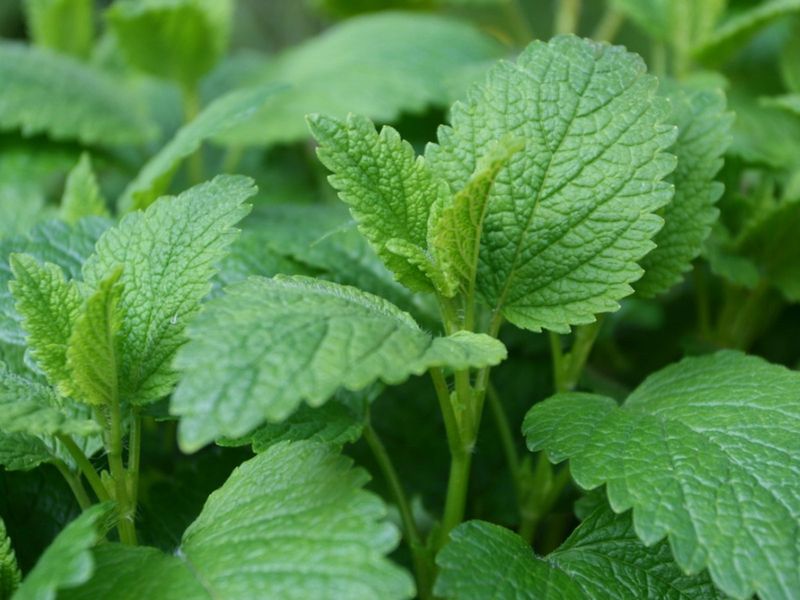
Crush a single leaf of lemon balm between your fingers and you will get an instant burst of fresh lemon scent that is clean, bright, and surprisingly strong.
That scent comes from citronellal, the same active compound found in citronella candles and sprays that people use to keep insects away.
Lemon balm brings that same natural repellent power directly into your garden, without any need for candles or sprays.
One of the best things about lemon balm for Texas gardeners is how well it handles partial shade. Most tick-repelling herbs prefer full sun, but lemon balm grows happily in shaded patio areas where sunlight is limited.
It also handles Texas summers better than many people expect, especially when given some afternoon protection from the most intense heat. Water it consistently and it will reward you with lush, full growth throughout the season.
Plant lemon balm close to your patio seating areas so the leaves get brushed and disturbed naturally as people move around. Every time a leaf gets touched, more citronellal is released into the surrounding air.
Lemon balm also makes a wonderfully soothing herbal tea that can help with relaxation and sleep, so you get a functional kitchen herb alongside the pest deterrence benefits.
One small caution worth knowing: lemon balm spreads quickly and can take over a garden bed if left unchecked.
Growing it in containers is a smart way to enjoy all the benefits while keeping it neatly under control in your Texas patio garden.
5. Mint
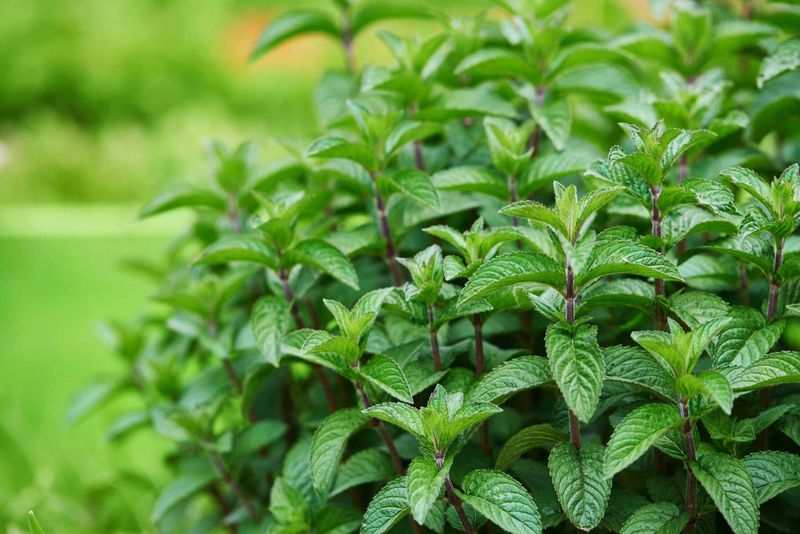
Few smells are as instantly recognizable as mint. That sharp, cooling menthol scent that wakes you up in the morning through your toothpaste is the very same thing that sends ticks and other insects in the opposite direction.
The strong menthol compounds found in peppermint and spearmint have been well documented as natural deterrents for ticks, fleas, mosquitoes, and a wide range of other pests.
For Texas patio owners, a few pots of mint can make a noticeable difference in the comfort of your outdoor space.
Both peppermint and spearmint grow well in Texas, especially during the spring and fall seasons. In the hottest part of summer, mint appreciates a little afternoon shade and consistent watering to keep it from wilting.
The good news is that mint is incredibly resilient and bounces back quickly once temperatures drop even slightly. It grows fast and fills out containers beautifully, making it one of the easiest herbs to maintain on a patio.
Here is the single most important tip about growing mint: always plant it in containers rather than directly in the ground.
Mint spreads through underground runners with astonishing speed and can completely take over a garden bed within a single growing season.
A few well-placed pots around your Texas patio seating area will give you all the pest-deterring benefits without the garden invasion. Bonus points for having fresh mint on hand for iced tea, cocktails, and cooking all summer long.
6. Sage
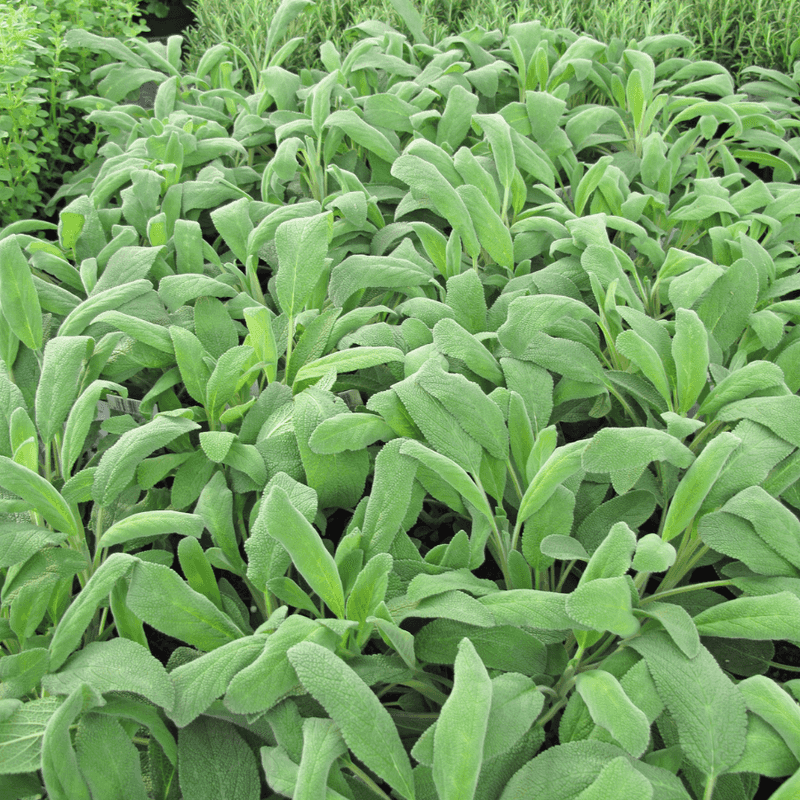
Sage has been used by people for thousands of years, both in the kitchen and as a natural remedy, and it turns out there is a very good reason why insects have always steered clear of it.
Common culinary sage contains thujone and other strong aromatic compounds that ticks and biting insects find deeply unpleasant.
The same qualities that make sage smell earthy and savory to us make it a highly effective natural pest deterrent for Texas patios.
Texas is actually a fantastic place to grow sage. It thrives in full sun and well-drained soil, handles heat without complaint, and is naturally drought-tolerant once it gets established.
The soft, silvery-green leaves have a beautiful texture and color that looks wonderful along patio edges, in raised beds, or tucked into garden borders. Unlike some herbs that look a little scraggly by midsummer, sage tends to stay attractive and full throughout the Texas growing season.
Plant sage along the sunny borders of your patio, especially near seating areas and entry points.
Burning a few dried sage leaves in an outdoor fire bowl or chiminea on your Texas patio releases even more of those aromatic compounds into the air, creating a temporary but powerful tick and insect-repelling effect.
Many Texas gardeners combine sage with rosemary and lavender in the same border planting, creating a layered, multi-scented defense that looks beautiful, smells incredible, and works hard all season long to keep pests away from your outdoor living space.
7. Pennyroyal
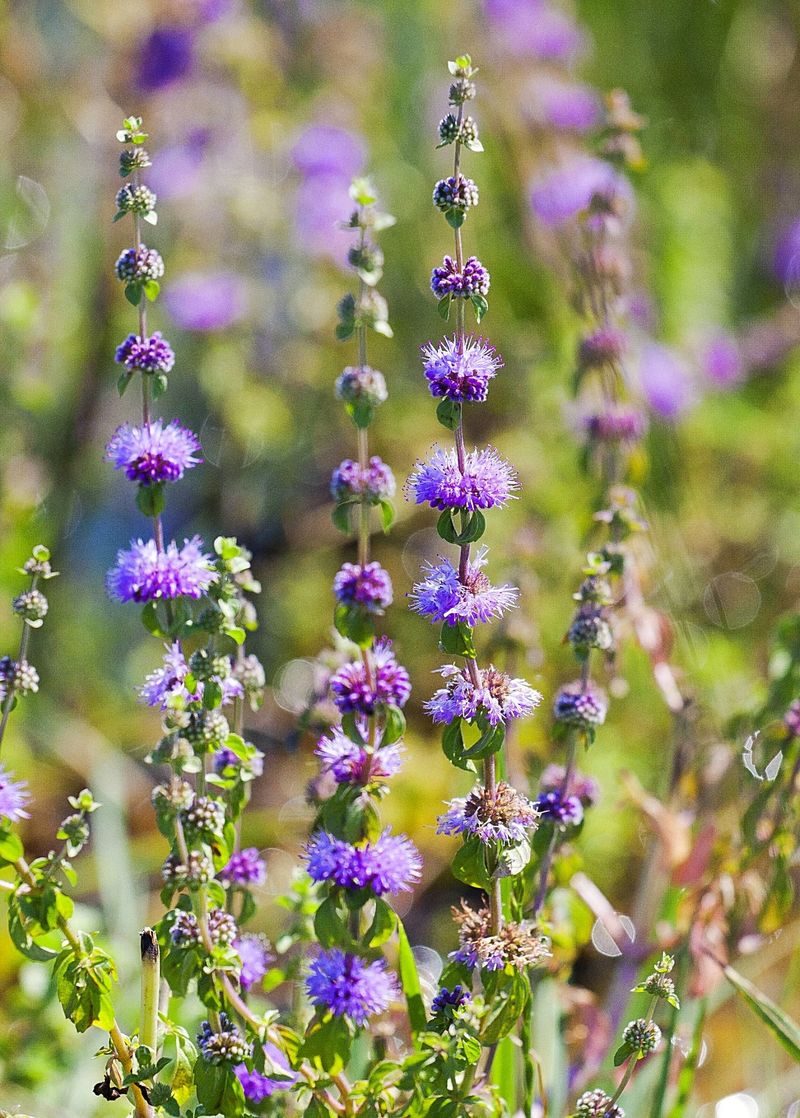
Long before chemical pesticides existed, farmers and homesteaders across the world tucked pennyroyal into their gardens and around their homes to keep fleas, ticks, and mosquitoes away.
This small but mighty member of the mint family has been used as a natural pest deterrent for centuries.
Pulegone, the primary active compound in pennyroyal, has documented repellent properties against ticks, fleas, and mosquitoes that make it one of the most powerful natural options available to Texas gardeners.
Pennyroyal grows well across much of Texas, particularly in areas that receive some regular moisture. It stays relatively low to the ground, spreading outward in a dense mat of small oval leaves topped with tiny purple flowers during the blooming season.
That low, spreading growth habit makes it especially effective when planted densely along patio borders, pathways, and garden edges where ticks are most likely to travel as they search for a host.
One important note for Texas households with pets: pennyroyal should be kept out of reach of dogs and cats, as ingesting large quantities can be harmful to them.
Plant it in areas your pets do not regularly access, or use raised containers placed where animals cannot easily reach them.
For human use, pennyroyal is a wonderfully effective and fragrant addition to any Texas patio garden. Rubbing a few leaves between your fingers and applying the scent to clothing before heading outside adds an extra layer of natural tick protection during peak tick season in Texas.