How To Restore Virginia Zoysia After Chinch Bug Damage
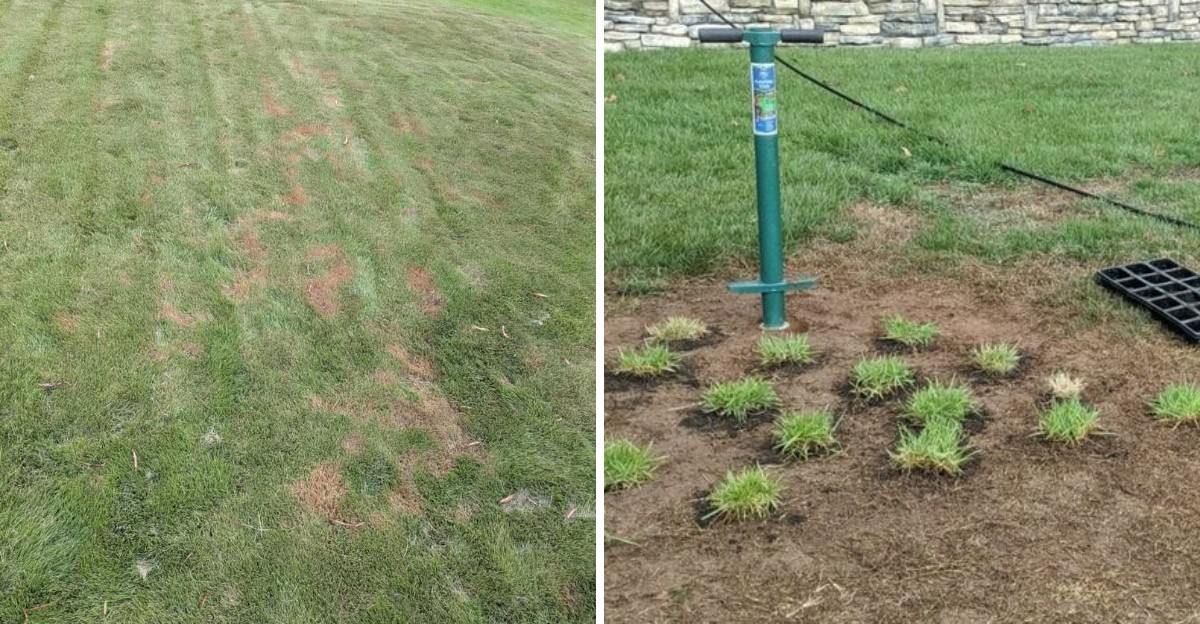
Your zoysia looked like a plush green carpet in June, and now it looks like burnt toast. Crunchy tan patches creep out from the driveway, and watering does nothing to help.
Across Virginia, tiny chinch bugs may be the sneaky culprits behind the mess. They thrive in hot, sunny spots, which is why damage often starts near pavement.
Luckily, zoysia is tough grass with a real comeback streak. It spreads by runners above and below the soil, so it can refill thin spots with a little help.
Timing matters, though, because zoysia naturally turns tan as it heads into winter dormancy. Some steps happen now, some wait for spring, and a few keep trouble from returning.
The recovery plan below explains what to do and what to leave alone. Follow it, and that burnt-toast lawn can turn plush again by early summer.
1. Test The Lawn To Confirm Chinch Bug Damage
Picture a detective kneeling in the yard with a coffee can. Silly as it looks, that simple tool can solve your lawn mystery in minutes.
Chinch bug damage often looks like drought stress at first glance. Patches turn yellow, then brown, and they spread in odd, uneven shapes.
Watering is your first clue. Thirsty grass perks up after a good soak, but bug-damaged grass stays brown because the pests block water flow inside the plant.
Start at the edge of a damaged spot, where brown meets green. Part the grass with your fingers and look down near the soil and thatch.
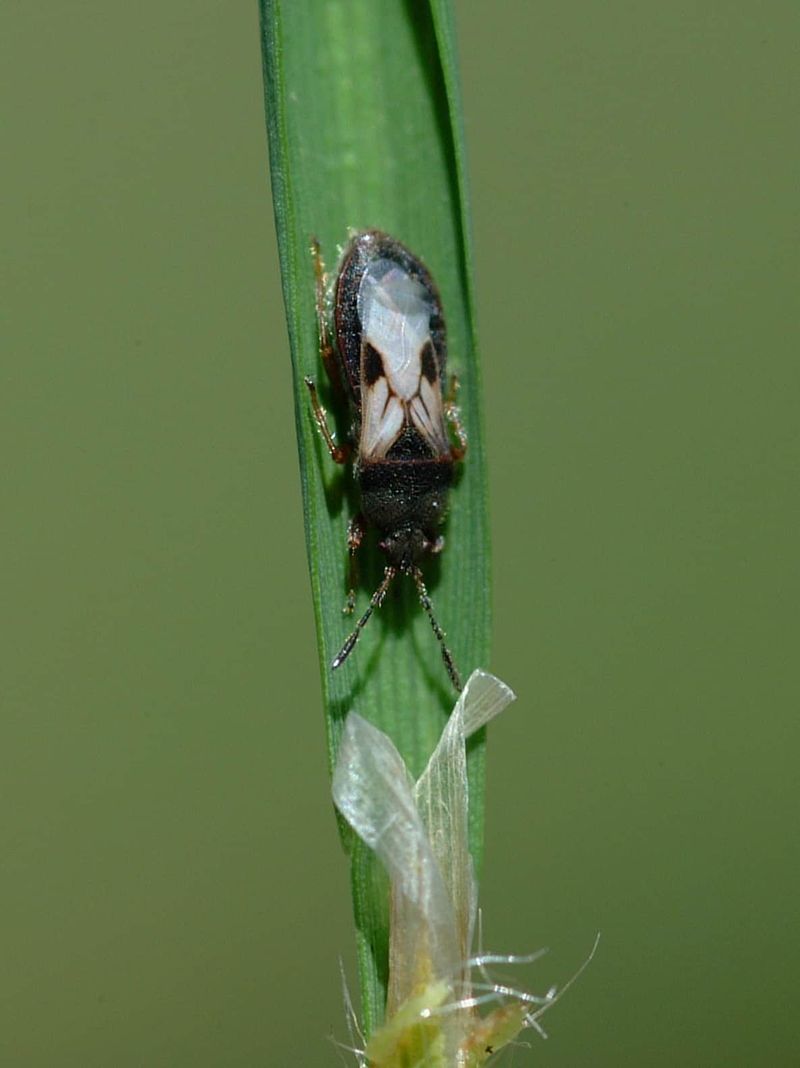
Adults are tiny, about 3/16 inch long, with black bodies and white wings. Young nymphs look bright red or orange with a white stripe across their backs.
Now for the coffee can trick. Cut out both ends, then twist the can a few inches into the soil along the damage line.
Fill it with water and wait five to ten minutes. Chinch bugs will float up to the surface, where you can count them easily.
No can handy? Seal a small square of turf inside a clear plastic bag and set it in the sun.
After several minutes, bugs crawl out and gather on the plastic. Hot spots near sidewalks and driveways deserve extra checks, since pavement heat attracts these pests.
Confirming the cause saves time and money. You won’t waste effort treating a disease or a watering problem that isn’t there.
2. Let The Lawn Rest As It Goes Dormant For Winter
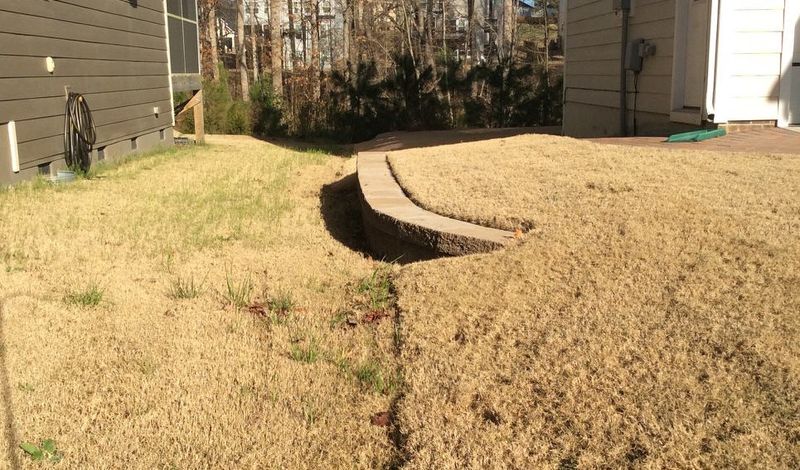
Brown grass in December can make any homeowner nervous. Relax, though, because your zoysia is simply taking a long winter nap.
Zoysia is a warm-season grass. Once cold weather arrives, it shuts down growth and fades to a tan or straw color.
Around Virginia, that sleepy stretch usually lasts from about November through March. Your neighbors with fescue may stay green, but that is just a different grass type.
Honestly, the tan color is a survival skill. The plant is saving energy in its roots and crowns until warm days return.
Your Virginia Garden Changes Every Week. Your Plan Should Too.
Gardening in Virginia changes quickly throughout the season. Every Friday you’ll receive a simple weekly plan showing exactly what to plant, prune, fertilize, harvest, and protect so you never miss the right timing.
Even in its winter coat, dormant zoysia still does a job. It holds soil in place and covers the ground like a cozy blanket.
Here’s the tricky part after bug damage. You may feel tempted to fix everything right now, but the grass can’t respond while it sleeps.
Zoysia heals slowly, even in perfect conditions. Pushing it during dormancy with seed, heavy raking, or extra water usually wastes effort.
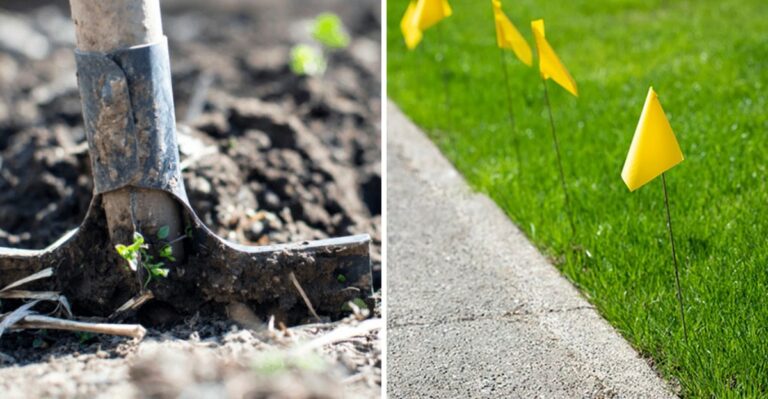
Instead, use winter as your planning season. Walk the yard, take photos of damaged areas, and mark the worst spots with small flags.
Those notes will help you in spring. You’ll know exactly where to check for thatch, plant plugs, and scout for returning bugs.
Patience feels hard with an ugly yard. Still, a well-rested zoysia wakes up stronger and ready to spread across those bare spots.
3. Skip Fall Nitrogen Even If The Grass Looks Hungry
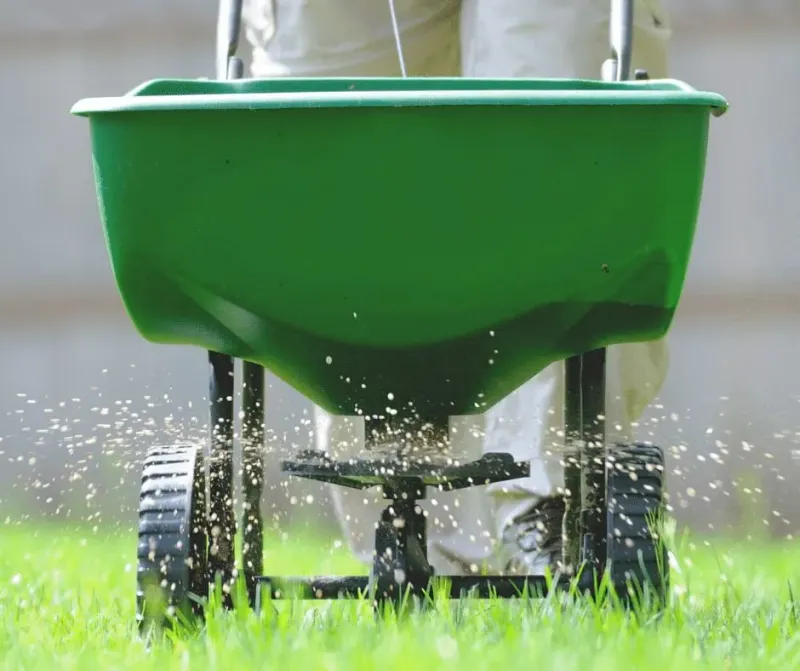
Good intentions can backfire in the yard. Tossing nitrogen on a thin, patchy lawn in fall feels helpful, yet it often causes new trouble.
Nitrogen pushes soft, leafy growth. Those tender blades have no time to toughen up before the first frost hits.
Frost can then damage that fresh growth quickly. Your weakened lawn ends up even more stressed heading into winter.
Late feeding also confuses the grass. Zoysia needs to harden off naturally, and extra nitrogen can delay its trip into dormancy.
Disease is another worry. Fall nitrogen raises the risk of large patch, a common fungal problem that leaves big brown circles in zoysia.
Lawn experts in the transition zone, which includes Virginia, suggest stopping nitrogen after mid-August. Mark that date on your calendar and stick with it.
Fully dormant lawns should not get fertilizer at all. The sleeping grass can’t use it, and it may harm the turf or wash away.
So what can you do? A late summer or early September dose of potassium, with very little nitrogen, can help zoysia handle cold better.
Look for a product labeled for winterizing warm-season grass. Check the numbers on the bag, and pick one where the first number is low.
Think of potassium like a warm jacket for the roots. Save the big meal for late spring, when the grass can actually enjoy it.
4. Keep Foot Traffic Light While The Turf Is Dormant
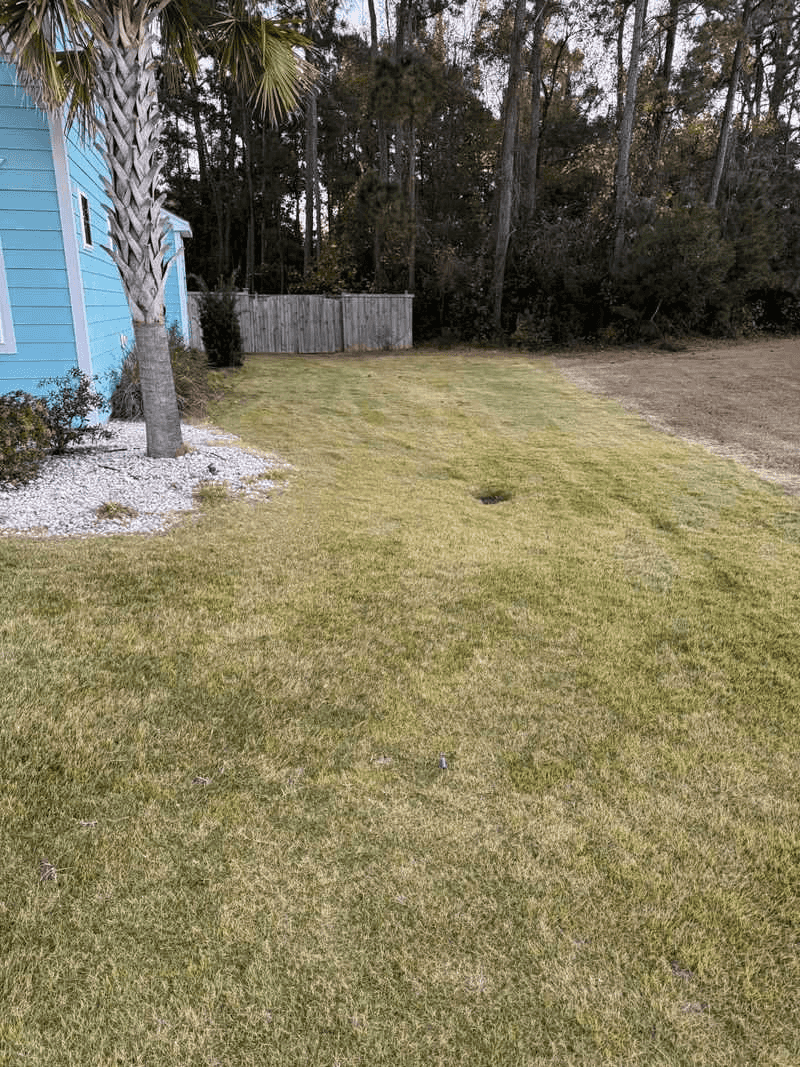
Ever stepped on a frozen potato chip? Walking across frosty dormant grass works about the same way, with lots of little snaps.
Brittle winter blades break easily under shoes. Over time, those broken bits turn into bare, muddy spots that stick around into spring.
Crowns matter even more. Tucked at the base of each plant, they hold the power to regrow once warm weather returns.
Heavy traffic can crush those crowns. Damaged crowns may lead to winterkill, which means patches that fail to green up at all.
Soil pays a price too. Repeated steps pack the ground tight and squeeze out the air that roots need.
Your lawn is already recovering from chinch bugs. Adding crushed crowns and packed soil makes the comeback much slower.
A few easy habits help a lot. Use sidewalks and driveways, and ask delivery drivers or kids to stick to paths.
Set down stepping stones across spots people cut through often. A short row of pavers can protect a shortcut without spoiling the look.
Pets are harder to redirect. Try walking your dog to one sturdy area of the yard instead of letting them roam everywhere.
Frosty mornings deserve special care. Wait until the sun melts the ice off the blades before walking out to grab the paper.
Small choices like these add up. Come spring, you will see stronger crowns ready to push out fresh green shoots.
5. Check For Thatch Before Spring Green-Up
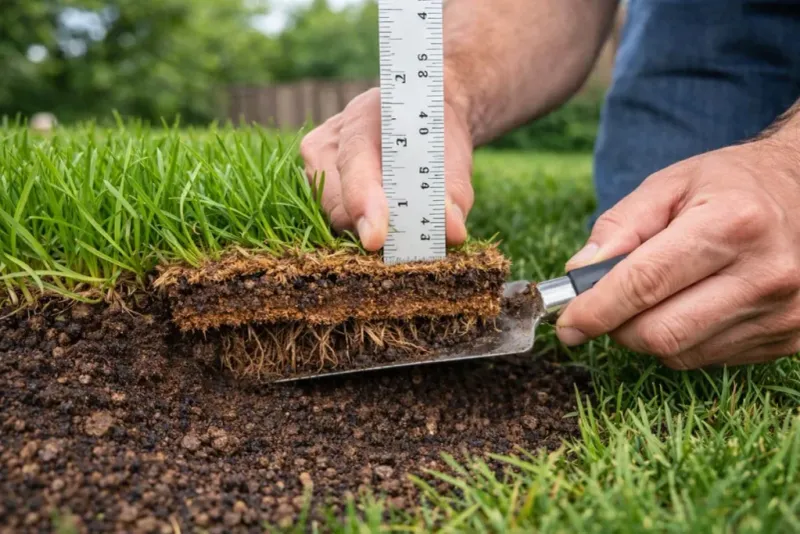
Hidden under your grass is a spongy layer that bugs adore. Gardeners call it thatch, and zoysia builds it faster than most turf.
Thatch is a mat of old stems, roots, and runners. It sits between the soil and the green blades above.
A little thatch is fine. Once it gets thick, though, it turns into a cozy hotel where chinch bugs hide and lay eggs.
Thick thatch causes other headaches as well. Water and fertilizer struggle to reach the soil, and disease finds an easy home.
Checking is simple and kind of fun. Grab a garden trowel and cut a small, pie-shaped wedge from the lawn.
Lift it out and look at the side. Measure the brown, spongy layer between the soil and the green growth.
Anything over half an inch needs attention. Test a few spots, including sunny areas where bugs caused the most damage.
Timing matters here. Late winter is great for checking, but actual dethatching should wait until early summer when zoysia is growing strong.
Go easy when you do remove it. Zoysia heals slowly, so pulling out too much at once can leave the lawn bare and weak.
Pop the wedge back in place and press it down firmly. Future thatch stays thinner when you avoid overfeeding the lawn.
6. Fill Bare Patches With Plugs Or Sod After Green-Up
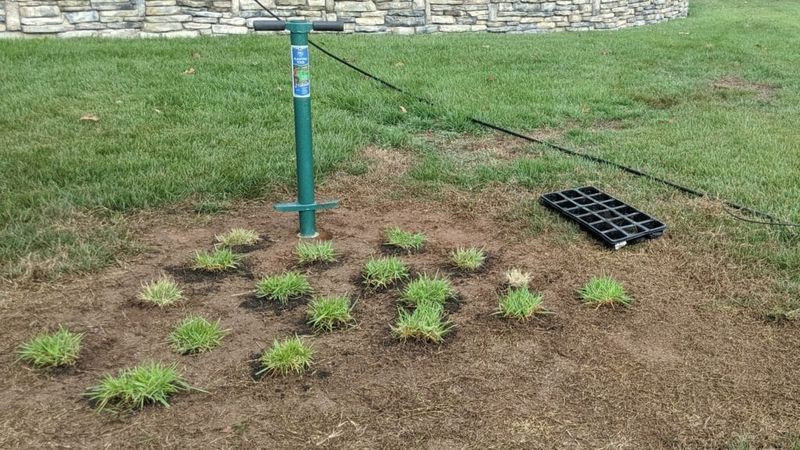
Waiting on zoysia to fill a bare spot alone can feel like watching paint dry. It spreads, but on its own relaxed schedule.
Zoysia creeps outward through stolons above ground and rhizomes below. Even so, full coverage from plugs can take one to two growing seasons or more.
For bigger bare patches, replanting speeds things up. You can use zoysia plugs, small strips of sod, or full sod pieces.
Wait until the lawn has fully greened up and is growing. In Virginia, that usually means late spring, once warm weather settles in.
Clear out weeds first. They compete for water, food, and space, and they grow much faster than young zoysia.
Loosen the soil a bit so new roots can push down easily. A rake or hand cultivator works well for small spots.
Space plugs about 6 to 12 inches apart. Stagger the rows like a checkerboard so runners fill in from every direction.
Here is a money-saving trick. A tool called a Proplugger lets you pull plugs from healthy parts of your own lawn.
Take them from hidden corners or thick edges. Those small holes fill in quickly, while the plugs start new growth in damaged spots.
Press each plug firmly into place. Good contact between plug soil and ground soil helps roots grab hold fast.
7. Keep New Plugs Watered As They Establish Roots

New plugs are a bit like toddlers. They need steady care, frequent drinks, and a little patience while they find their footing.
Water right after planting, without delay. That first soak settles soil around the roots and removes air pockets.
For the next two to three weeks, water plugs every day. Their short roots can’t reach deep moisture yet.
Sod follows a slightly different plan. Water daily for two weeks, then every other day during weeks three and four.
By weeks five and six, sod usually needs water about once a week. Watch for wilting and adjust during hot spells.
Aim for about 1 to 1.5 inches during each session. A rain gauge or empty tuna can helps you measure.
Morning is the sweet spot. Watering before noon lets blades dry out by evening, which lowers the chance of disease.
Skip the garden hose spray nozzle if possible. Hand watering tends to soak some spots while others stay dry.
A sprinkler spreads water more evenly. Move it around so every plug gets its fair share.
Give a plug a gentle tug after a few weeks. Resistance means roots are anchoring nicely into the soil below.
Once plugs hold firm, you can slowly water less often. Deeper, less frequent watering pushes roots to grow down strong.
8. Feed The Lawn In Late Spring To Support Recovery
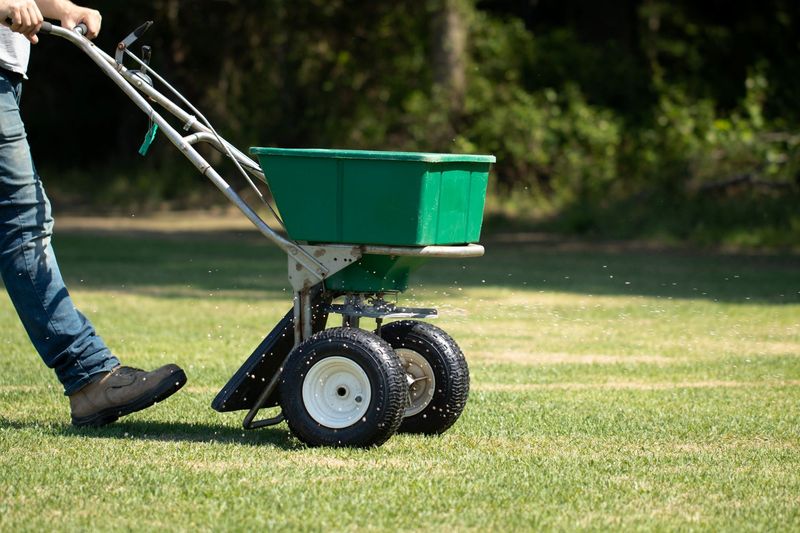
Dinner time has finally arrived for your hungry lawn. After waiting all fall and winter, zoysia is ready to eat in late spring.
Hold off until the grass has fully greened up. Soil temperatures should stay around 65 degrees before that first feeding.
Around Virginia, that window usually opens between mid-April and early June. A cheap soil thermometer takes the guessing out.
Before buying fertilizer, try a soil test. Local extension offices often offer affordable kits that show exactly what your soil needs.
Zoysia likes a pH between 6.0 and 6.5. A test tells you whether lime or sulfur could help balance things.
Skipping the test? Choose a balanced fertilizer with a ratio near 3-1-2 or 4-1-2.
Apply about half a pound of nitrogen per 1,000 square feet. The bag label explains how to set your spreader.
Slow-release formulas are your friend. They feed the grass gradually instead of dumping everything at once.
Overfeeding creates new problems. Extra nitrogen builds thatch faster and can even attract more chinch bugs.
Fun fact: zoysia needs less fertilizer than many other lawn grasses. A light hand keeps it healthy without wild, weak growth.
Water lightly after spreading so granules reach the soil. Your recovering lawn will turn that meal into fresh runners.
9. Mow Low And Often Once Active Growth Returns
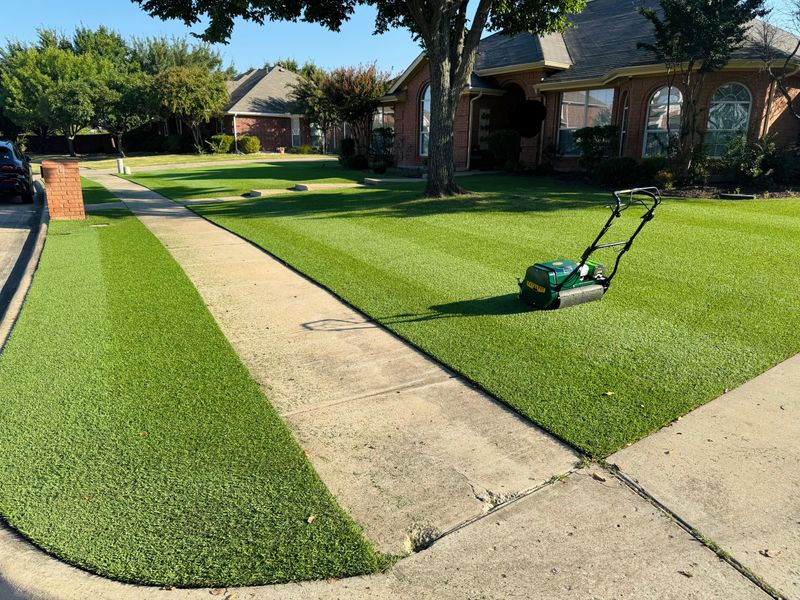
Some lawns love a crew cut, and zoysia is one of them. Mowing it low keeps it thick, tidy, and tough.
Once spring growth returns, give the lawn a buzz cut. Set the mower at its lowest setting without scalping the soil.
That first pass clears away leftover brown tissue from winter. Sunlight then reaches the base, which speeds up green-up.
After that, keep your mowing height between 1 and 2 inches. Most home zoysia lawns look great right in that range.
Follow the one-third rule. Cut no more than a third of the blade height each time you mow.
During peak growth, that usually means mowing once a week or more. Skipping weeks forces you to cut too much at once.
Sharp blades make a big difference. Dull ones tear the grass, leaving ragged, brownish tips that stress the plant.
Sharpen your mower blade at least once each season. Many hardware stores can handle it quickly if you prefer.
New plugs need a gentler approach. After about two weeks, mow them at roughly 2 inches.
Regular trims actually encourage plugs to spread sideways. Weeds also get fewer chances to crowd in between them.
Leave clippings on the lawn if they are short. They break down quickly and return small amounts of nutrients.
10. Scout For Chinch Bugs Before Summer Damage Starts

Chinch bugs don’t send warning letters before they move in. Catching them early is the smartest way to protect your hard work.
Adult bugs spend winter hiding in thatch, leaf litter, and under shrubs. They wake up once spring temperatures reach about 59 to 68 degrees.
Mating and egg laying follow soon after. Most eggs hatch by mid to late May, right before summer heat.
Peak activity usually runs from June through September. Around Virginia, they can stay troublesome well into fall.
Start weekly checks in late spring. Keep going through early fall, when populations can still build.
Focus on sunny, dry spots and lawn edges near pavement. Those warm areas are where outbreaks often begin.
Watch for small yellowing patches and bugs crawling near the soil. The coffee can test works just as well now.
Healthy habits act like armor. Proper watering, mowing, and feeding help zoysia shrug off minor attacks.
Nature offers helpers too. Birds, big-eyed bugs, and other beneficial insects happily snack on chinch bugs.
Go easy on broad-spectrum pesticides, which can harm those helpful allies. Targeted treatments work better when you truly need them.
Keep thatch thin to remove hiding spots. With steady attention, your Virginia zoysia can stay lush and green all summer long.