7 Pennsylvania Birds You Might See During Fall Migration
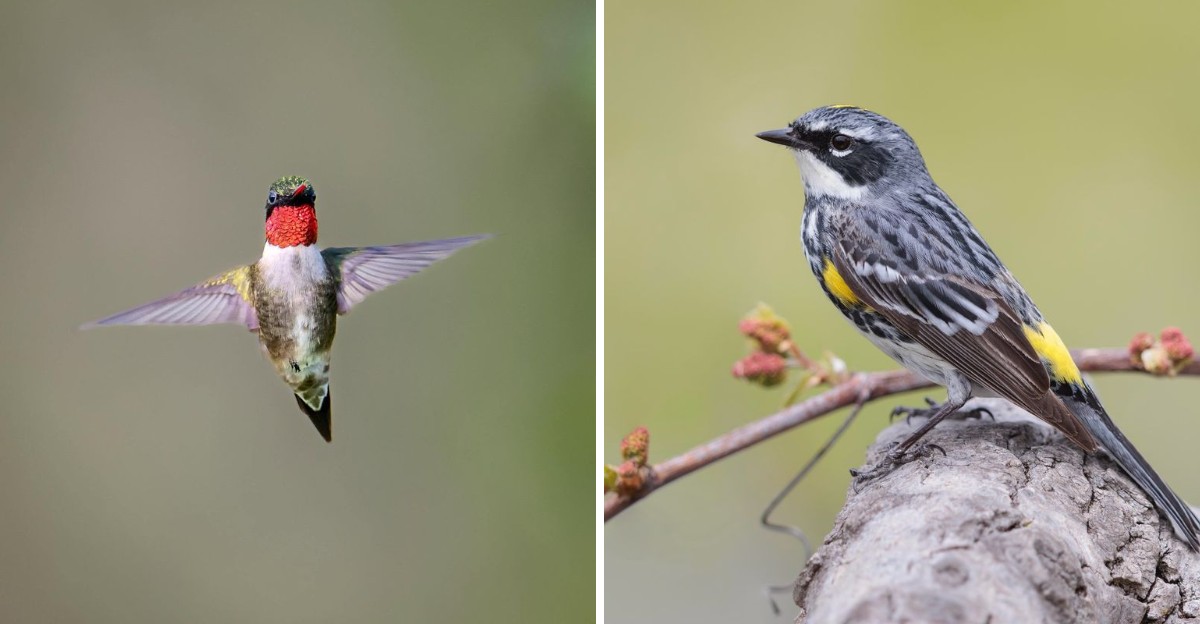
Fall migration in Pennsylvania is one of the most remarkable wildlife events the state offers, and most of it happens without most homeowners even realizing it.
Billions of birds move through North America every fall, and Pennsylvania sits along some of the most heavily traveled corridors on the continent.
The yard you walk through every day becomes part of that route, and the birds pausing in it are sometimes species you would never otherwise encounter. The variety during migration can be genuinely surprising.
Common backyard feeders suddenly attract visitors that were nowhere to be seen through summer.
Trees and shrubs that looked empty all season fill with warblers, thrushes, and sparrows making their way south. Knowing what to look for makes the whole experience considerably more rewarding.
1. Broad-Winged Hawk
Imagine looking up and seeing thousands of hawks spinning together in the sky like a slow tornado. That swirling group is called a kettle, and the broad-winged hawk is famous for making them.
Each September, these small hawks gather in huge numbers along Pennsylvania’s mountain ridges.
Places like Hawk Mountain Sanctuary become crowded with birdwatchers hoping to catch the show. On a good day, you might count thousands passing overhead in just a few hours.
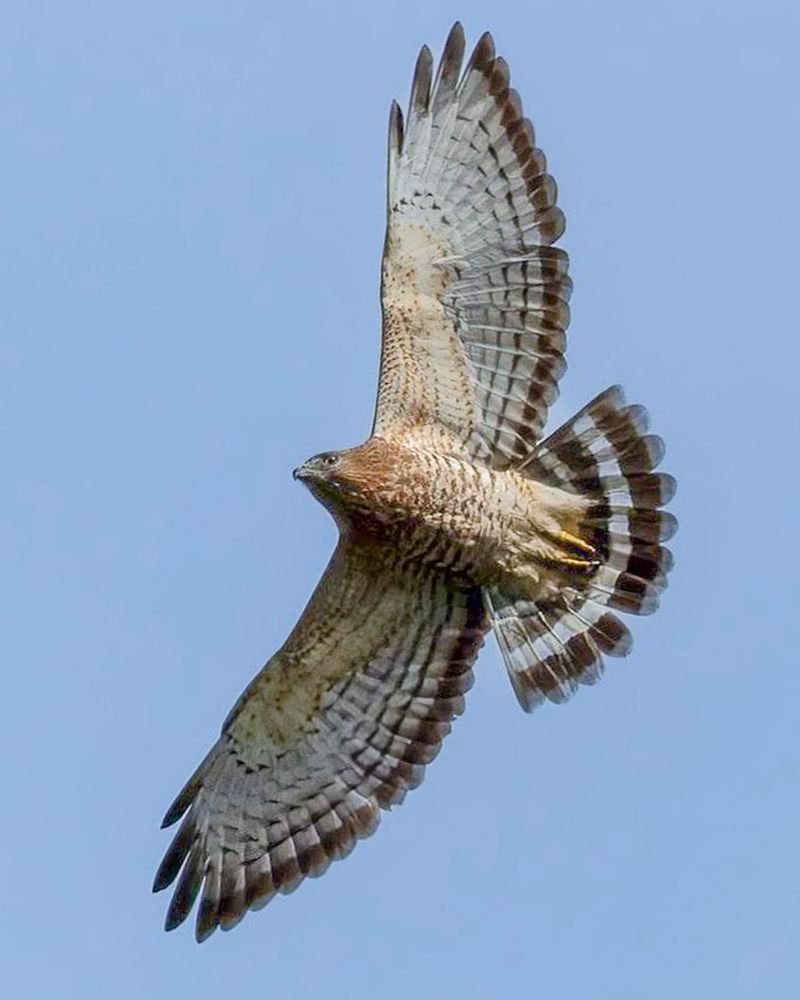
Broad-winged hawks are chunky birds with short, wide wings and a fanned tail marked by bold black and white bands. Their bellies show brownish streaks, and they make a high, whistling call.
These raptors travel all the way to Central and South America. To save energy on such a long trip, they ride warm rising air called thermals. The air lifts them up without much flapping, so they glide for miles.
The best time to spot them is on sunny days with a light north wind. That kind of weather pushes the birds south and creates the thermals they love. Cloudy, rainy days usually keep them grounded.
If you want to see a kettle, visit a ridge overlook in mid-September. Bring binoculars, water, and a comfy chair. Look for distant specks that seem to circle and climb before drifting away.
Fun fact: broad-winged hawks may travel over 4,000 miles one way. That is like flying across the entire United States and then some. Watching them start that journey right here is a truly special sight.
2. Ruby-Throated Hummingbird
Tiny but mighty describes this little jewel perfectly. The ruby-throated hummingbird weighs about as much as a penny, yet it makes an incredible journey each fall.
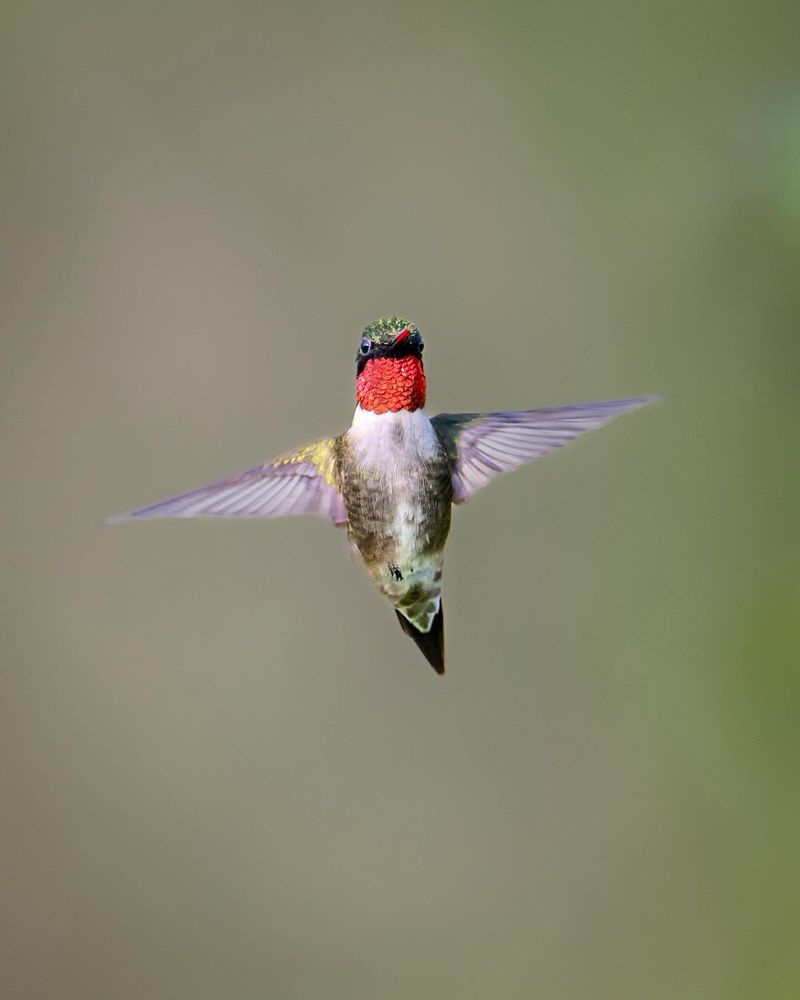
Males show off a bright red throat that flashes in the sunlight, while females wear a plain white throat. Both have shiny green backs and wings that beat so fast they blur into a hum.
During late summer and early fall, these birds fuel up for their trip south. They visit flowers and feeders, sipping sugary nectar to build up fat.
That fat becomes energy for a flight that can cross the Gulf of Mexico without stopping.
You can help them by keeping your feeders full through September. Mix four parts water with one part sugar, and skip the red dye. Fresh nectar gives them the boost they need before leaving.
Your Pennsylvania Garden Changes Every Week. Your Plan Should Too.
Gardening in Pennsylvania changes quickly throughout the season. Every Friday you’ll receive a simple weekly plan showing exactly what to plant, prune, fertilize, harvest, and protect so you never miss the right timing.
Watch for them buzzing around bright red and orange blooms. They love jewelweed, cardinal flower, and trumpet vine. Their wings can beat more than fifty times each second, which is why they can hover in place.
Do not worry if you see them fighting near feeders. Hummingbirds are feisty and often chase each other away from good food sources.
Most ruby-throats leave Pennsylvania by early October. If you spot one later, it may be a different species passing through. Keep your feeder up a couple extra weeks just in case a straggler needs a meal.
Fun fact: these birds remember every feeder they have ever visited, even from past years. That amazing memory helps them find food along their long migration route.
3. Dark-Eyed Junco
Some people call them snowbirds, and for good reason. The dark-eyed junco often shows up right as the first cold snaps arrive, hinting that winter is near.
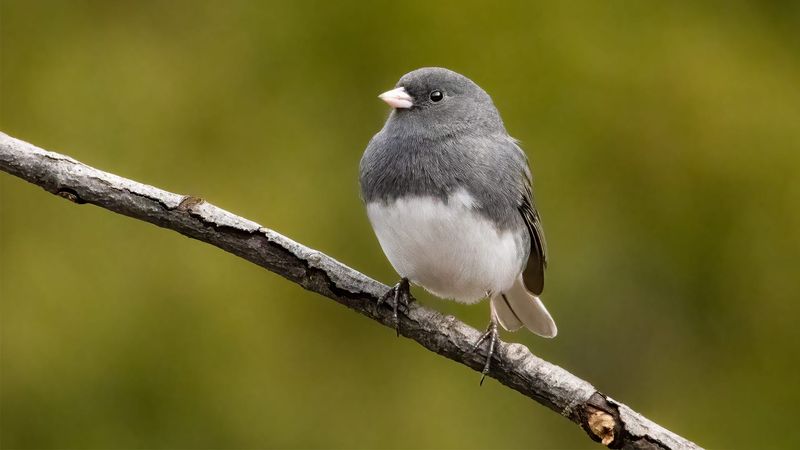
These small sparrows have a slate-gray back, a clean white belly, and a pale pink beak. When they fly, you can spot flashes of white on the outer edges of their tail.
Juncos spend their summers up north in Canada and the higher mountains. Come fall, they head down into Pennsylvania to escape the harshest cold. Many will stay all winter long.
You will most likely see them hopping on the ground beneath feeders. They prefer to eat fallen seeds rather than perch up high. Millet and cracked corn scattered on the ground will keep them happy.
Look for small flocks scratching through leaf litter in yards, parks, and forest edges. They make soft chip sounds and a musical trilling song.
Their arrival is a fun sign of the changing seasons. Old folk sayings even claimed the number of juncos could predict how snowy winter would be.
To attract them, keep an open, flat feeding area near some shrubs. The bushes give them a safe place to hide from hawks and cats.
Fun fact: juncos come in several regional color patterns across North America. The type most common in Pennsylvania is called the slate-colored junco. No matter the shade, these cheerful ground feeders bring life to gray winter days.
Watching them bounce around your yard is a simple joy that lasts all season long once they settle in.
4. Canada Goose
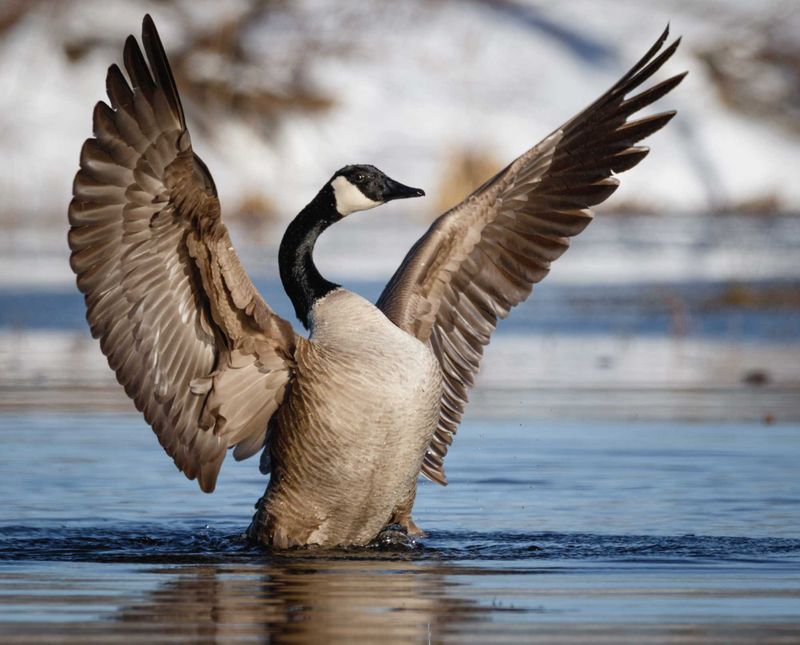
You have probably heard them before you saw them. The loud honking of Canada geese flying overhead is one of the classic sounds of fall.
These large birds are easy to recognize. They have a black head and neck with a bright white patch under the chin, plus a brown body and pale belly.
Canada geese fly in a famous V shape. This clever formation lets each bird ride the air lifted by the one ahead, saving energy for the whole group. The leader works hardest, so they take turns up front.
While some geese now stay in Pennsylvania year-round, many others migrate through in fall. You can spot huge flocks resting on ponds, lakes, and open fields.
Farmland and golf courses are favorite rest stops because of the grass and grain. Early morning and evening are the best times to watch them come and go.
These geese mate for life and often travel in family groups. Young geese learn the migration route by following their parents.
If you live near water, keep an eye on the sky at dusk. The sight of a long, honking V against a pink sunset is hard to forget.
Fun fact: Canada geese can fly up to 1,500 miles in a single day when the weather helps them. Most, though, take their time and stop often to feed and rest.
Their honking calls help the flock stay together, even in the dark. Next time you hear that sound, look up and enjoy the show above you.
5. Yellow-Rumped Warbler
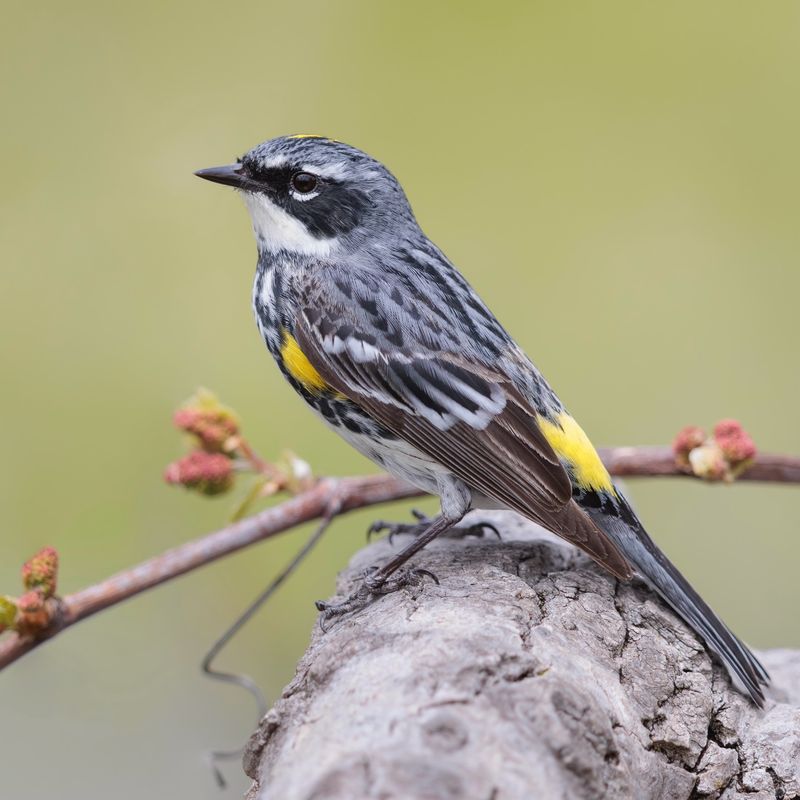
Birdwatchers have a funny nickname for this bird: butter-butt. That silly name comes from the bright yellow patch on its rump, which is easy to spot as it flits away.
In fall, the yellow-rumped warbler trades its flashy spring colors for softer grays and browns. Even so, that yellow rump stays, along with small yellow patches on the sides.
These active little birds are one of the most common warblers you will see during migration. They pass through Pennsylvania in big waves, often filling trees and shrubs.
Most warblers leave early because they need insects to eat. The yellow-rumped is special because it can also digest waxy berries. That extra food source lets it stay later and travel farther north than its cousins.
Look for them darting through bushes, snapping up bugs, and picking at bayberry or juniper fruit. They rarely sit still, so patience helps.
Woodland edges, parks, and backyards with berry plants are great places to search. Listen for their sharp check call as they move through the leaves.
They usually travel in loose, chatty flocks. Where you find one, you often find many more nearby.
Fun fact: because they eat berries, yellow-rumped warblers can spend the winter farther north than almost any other warbler.
Some even stick around parts of Pennsylvania during mild years. Their flexible diet makes them tough survivors.
Keep watching low branches and shrubs in October, and that little flash of yellow will likely catch your eye more than once this season.
6. White-Throated Sparrow
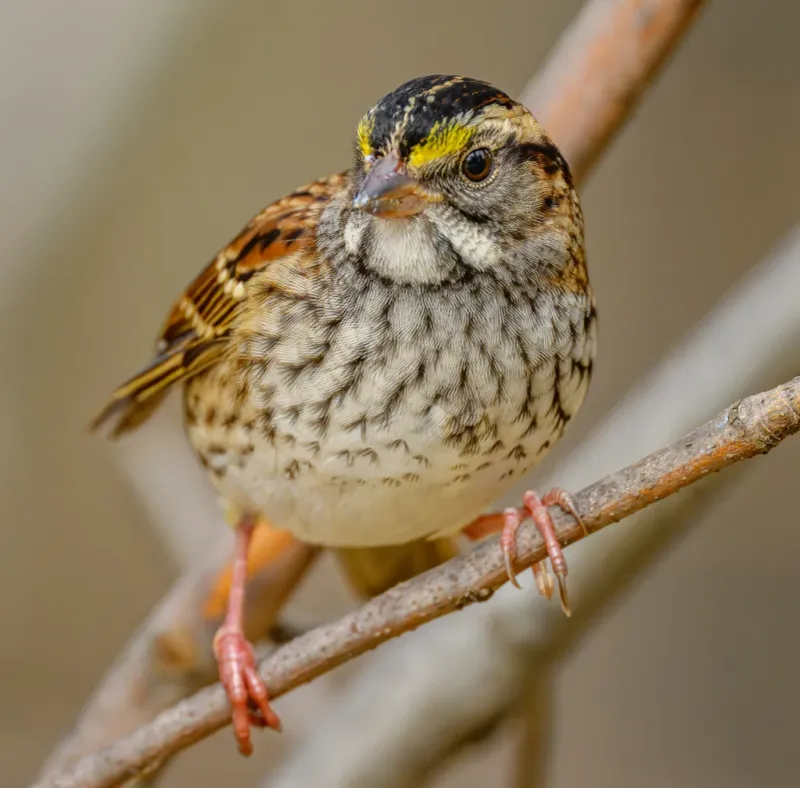
Listen closely on a crisp fall morning and you may hear a sweet, whistled tune that sounds like Oh sweet Canada Canada. That cheerful song belongs to the white-throated sparrow.
These handsome birds have a bright white throat patch, bold black and white stripes on the head, and a small dab of yellow near each eye. Some come in a tan-striped version instead of white.
They breed up north in Canada and arrive in Pennsylvania as the weather cools. Many will spend the whole winter here before heading back in spring.
You will often find them scratching in leaves beneath bushes and feeders. They use a funny two-footed hop to kick away leaves and uncover seeds hidden below.
To welcome them, spread seed on the ground near brush piles or thick shrubs. They feel safest with cover close by.
Their soft, clear whistle is one of the most peaceful sounds of autumn. Even on gray days, hearing it can lift your mood.
These sparrows usually travel and feed in small groups. Watch for several of them moving together along woodland edges and garden borders.
Fun fact: scientists have learned that white-throated sparrows with white stripes and those with tan stripes often pair with the opposite type.
It is a strange and interesting twist in the bird world. Their gentle whistle and busy ground-hopping make them a favorite among backyard birders.
Set out a little seed this fall, stay quiet, and you may enjoy their company right outside your window all season.
7. American Robin
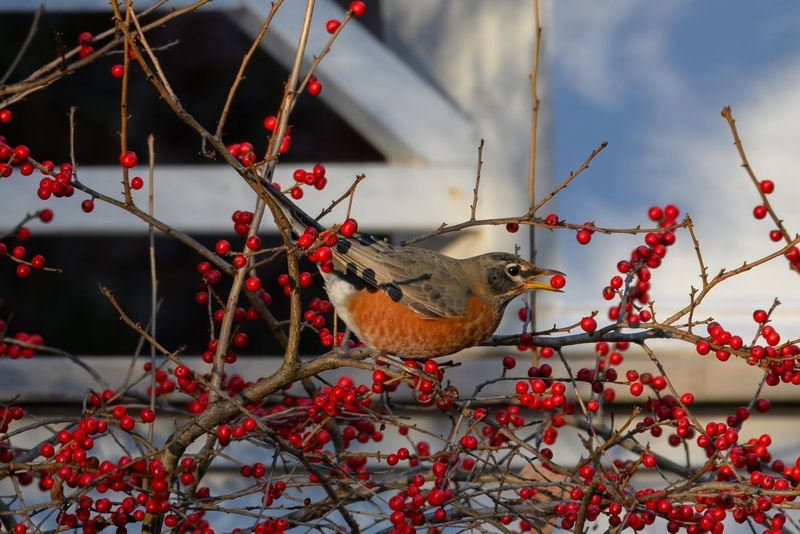
Most people think of robins as a sign of spring, but they play a surprising role in fall too. Instead of leaving completely, many robins gather into large roaming flocks.
You know the look already: a gray back, a bright orange-red breast, and a cheerful, upright stance. In fall, though, their behavior changes a lot.
During warm months, robins hunt worms on lawns and stay spread out. Once the ground gets cold, worms are harder to find, so robins switch to eating berries.
Big flocks travel together searching for fruit trees and berry bushes. They can strip a crabapple or holly of its fruit in a single visit.
Some robins move south, while others simply wander wherever food is plentiful. That is why you might see none for weeks, then suddenly dozens fill your yard.
To attract them, plant native berry shrubs like winterberry, dogwood, or serviceberry. A birdbath with fresh water also draws them in.
Their sudden appearance in cold weather often surprises people who thought they had all gone. Keep an eye on fruiting trees during October and November.
Fun fact: robins can eat so many fermented berries that they sometimes act tipsy and wobbly. It does not harm them, but it can be funny to watch. These flexible, hardy birds remind us that migration is not always a straight trip south.
Some just follow the food. Next time a noisy flock swoops into your neighborhood tree, take a moment to enjoy these familiar friends in a whole new season.