Pennsylvania Fruit Trees That Need Less Water Once Fall Begins
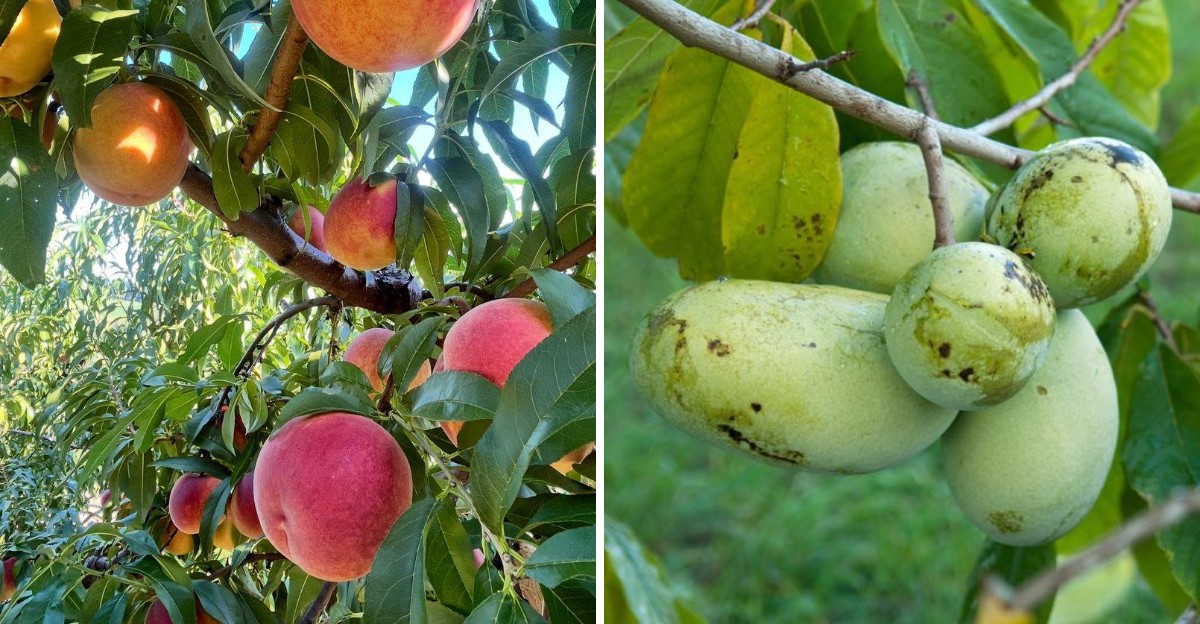
When the leaves on your fruit trees start turning yellow, they’re sending a clear signal. The growing season is winding down, and their needs are changing fast.
Through spring and summer, Pennsylvania fruit trees work overtime. They push out new branches, ripen heavy crops, and pull plenty of water from the soil to keep it all going.
Once fall arrives, that pace slows. Shorter days and cooler nights tell the trees it’s time to rest and prepare for winter.
Less growth means less thirst. Add in fall rain and slower evaporation, and the soil often stays moist longer than it did in July.
Too much water at this stage can do real harm. Soggy ground invites root rot and can even encourage tender new growth right before a hard freeze.
Some fruit trees handle this seasonal shift especially well and need only a little help to settle in.
1. Apple Trees Take A Breath
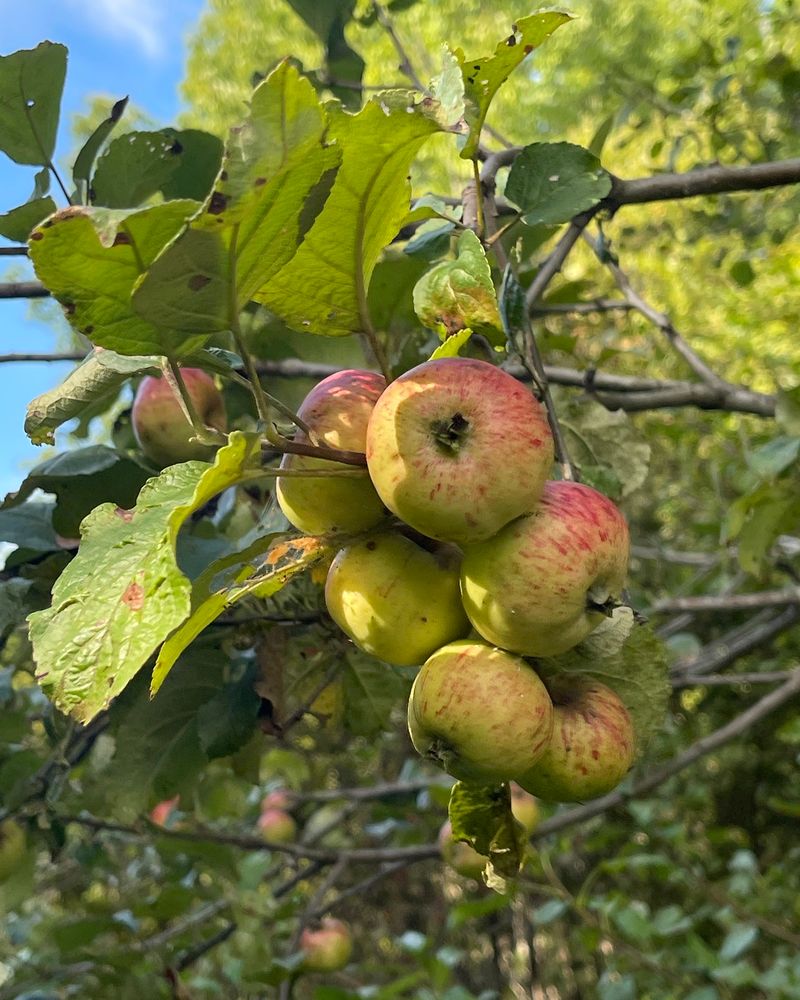
Few things say Pennsylvania autumn like a basket of crisp apples. The state is one of the top apple growers in the country, so you are in good company if you have a tree in your yard. Once those apples are picked, your tree is ready to rest.
During summer, apple trees drink a lot. They need steady moisture while the fruit grows bigger and juicier. After harvest, things change fast. The leaves start to turn yellow and drop, and the roots slow their work.
For most established trees, fall rain is enough. Pennsylvania usually gets about three inches of rain per month in autumn. That covers what a resting apple tree needs. You can put the hose away most weeks.
Dry falls do happen, though. If you go two or three weeks without a good rain, give your tree a deep soak. Let a hose trickle slowly at the edge of the branches for an hour or so. Deep water reaches the roots better than a quick spray.
Why bother at all? Trees that go into winter with moist soil handle the cold better. Their roots stay healthy, and the buds for next spring stay strong. A thirsty tree in November can mean a weaker crop next year.
Young trees are a little different. If your apple tree is under three years old, check the soil more often. Push a finger two inches down. If it feels dry, water it.
Here is a handy tip. Stop watering once the ground freezes. Frozen soil cannot soak up water, and puddles of ice around the trunk do no good. Let winter take over and enjoy your apple pie.
2. Pears Slow Down With Grace
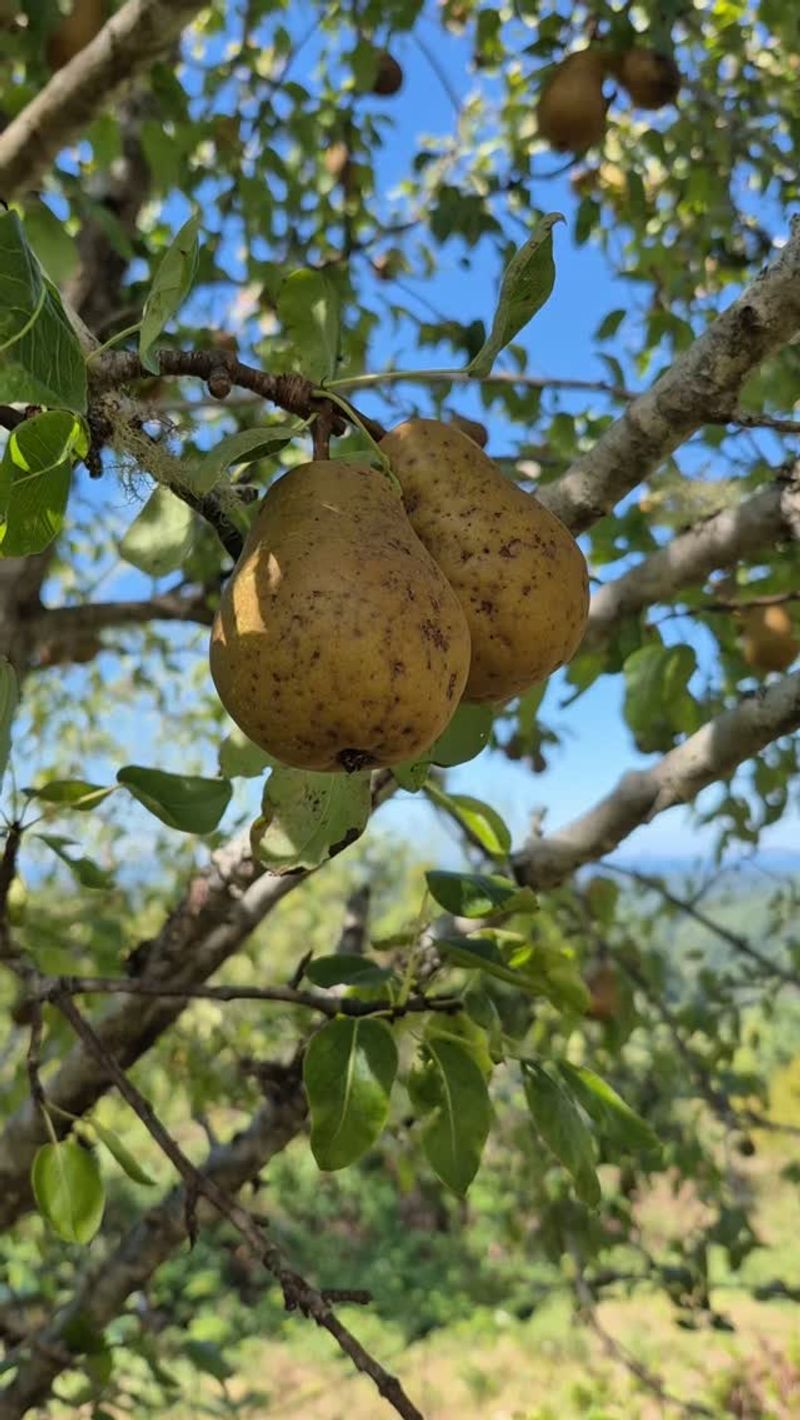
My grandmother had a pear tree that never seemed to need anything from her. She picked the fruit in September, raked the leaves in November, and that was about it. Pear trees really are that easygoing once fall rolls in.
Like their apple cousins, pears use most of their water in summer. That is when the fruit fills out and gets sweet. Once the pears are picked, the tree starts shutting down for the year.
Your Pennsylvania Garden Changes Every Week. Your Plan Should Too.
Gardening in Pennsylvania changes quickly throughout the season. Every Friday you’ll receive a simple weekly plan showing exactly what to plant, prune, fertilize, harvest, and protect so you never miss the right timing.
Pear leaves often turn stunning shades of red, orange, and purple in fall. When you see that color show, it is a sign your tree is getting ready to sleep. A sleepy tree does not need much to drink.
Established pear trees have deep roots. Those roots can reach moisture far below the surface. Unless your fall is very dry, natural rain does the job just fine.
So when should you step in? Watch the weather. If a month passes with little rain, give the tree a slow, deep drink every week or two. Aim for about ten gallons for a large tree.
One mistake to skip is overwatering. Pears dislike wet feet, especially in heavy clay soil, which is common in many parts of Pennsylvania. Soggy soil can cause root rot and other problems.
Fun fact: pears are picked before they are fully ripe. They soften and sweeten on your kitchen counter. If they ripen on the tree, they can turn gritty inside.
Add a layer of mulch about three inches thick around the base, but keep it a few inches from the trunk. That simple step holds moisture and keeps roots cozy all winter.
3. Peaches Wrap Up Early
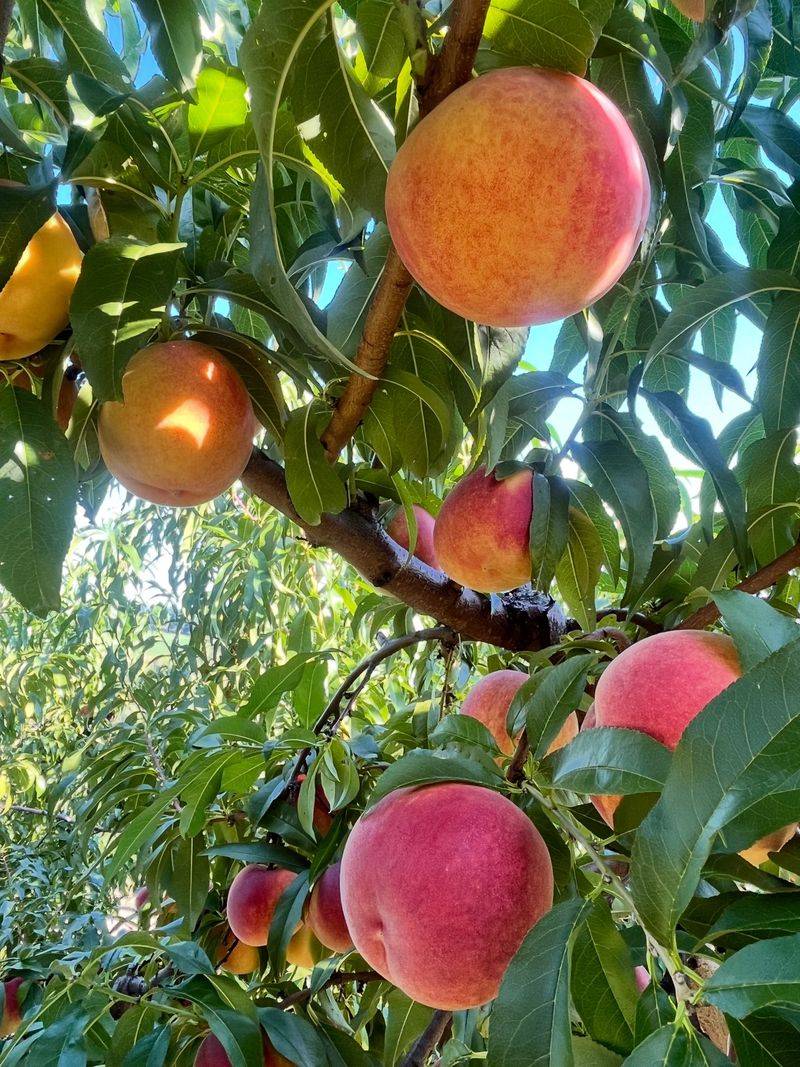
Peach lovers in Pennsylvania know the sweet spot. Late July and August bring the juiciest fruit of the year. By the time school is back in session, most peach trees are already done for the season.
That early finish is great news for gardeners. Since the fruit is gone, the tree has no reason to pull in lots of water. By October, it is winding down and storing energy in its roots.
Southern Pennsylvania, especially around Adams County, has a long history of peach growing. The rolling hills and good drainage there suit these trees well. Peaches like soil that drains fast and never stays soggy.
For mature trees, fall watering is simple. Only water during long dry spells. If two or three weeks pass without rain, give the tree a deep soak and then leave it alone.
Young peach trees need a bit more care. Their roots are still shallow, so they dry out faster. Check them once a week in fall and water if the top few inches of soil feel dry.
Keep going until the ground freezes. Then you can stop for the winter. That last good drink helps protect the tree from cold, drying winds.
Peach trees are a bit tender compared to apples. Cold snaps can damage their buds. A well-watered tree handles freezing weather better than a thirsty one.
Here is a smart extra step. Rake up fallen leaves and old fruit under the tree. That helps stop diseases like brown rot from coming back next spring. Less mess also means fewer bugs, and that makes your job easier next year.
4. Tart Cherries Are Long Finished
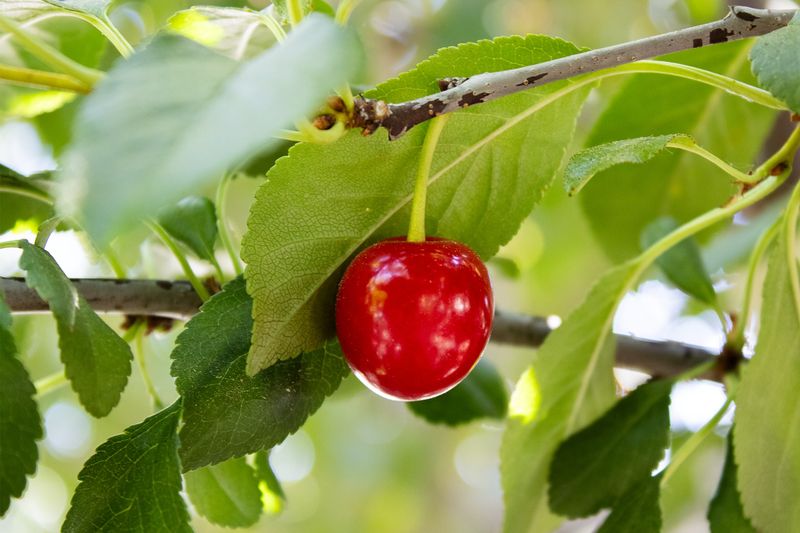
Did you know tart cherries are often ready before the Fourth of July? While other fruit trees are just getting started, these little trees are already handing over their bright red treasure. That early harvest makes them one of the easiest trees to care for in fall.
Tart cherries, sometimes called sour cherries, are perfect for pies, jams, and juice. Montmorency is the most common type grown in Pennsylvania. It is hardy and handles our cold winters very well.
By the time autumn arrives, a tart cherry tree has had months to recover from fruiting. It spent late summer building buds for next year. Now it is simply getting ready to rest.
Established trees need very little extra water in fall. Rain usually gives them all they want. In fact, you might not need to water at all from September until spring.
Of course, every rule has exceptions. During a drought, give mature trees a deep watering about every two weeks. Newly planted trees should get a drink weekly if the soil is dry.
Tart cherries are smaller than sweet cherry trees. Many only grow ten to fifteen feet tall. That makes them a great fit for small yards and easy to manage.
Like most stone fruits, they hate sitting in wet soil. Make sure water drains away from the trunk. If your yard has puddles after rain, plant on a small mound.
One more thing to watch is the leaves. Pick up any spotted leaves that fall. Cherry leaf spot is a common problem, and cleanup helps keep it in check next season.
5. European Plums Ease Off Fast
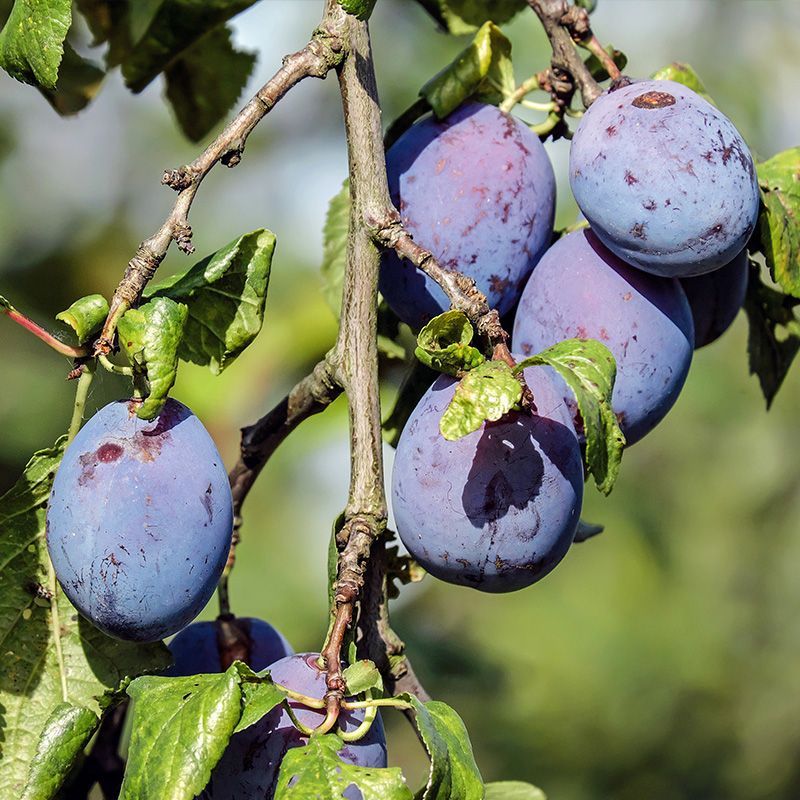
Purple, oval, and packed with sweetness, European plums are a late summer gift. Varieties like Stanley and Italian prune plums have grown in Pennsylvania backyards for generations. They ripen from late August into September, right as the season shifts.
Once you pick the last plum, the tree changes gears quickly. Its water needs fall off almost right away. The leaves begin to fade, and growth slows to a crawl.
Here is the secret to easy fall care: mulch. A thick layer of wood chips or shredded bark around the base works wonders. It keeps soil moist, blocks weeds, and protects roots from cold.
Spread mulch about three to four inches deep. Cover the area out to the edge of the branches if you can. Just leave a small gap around the trunk so bark stays dry and healthy.
With mulch in place, rain usually handles the rest. You may only need to water during a long, dry stretch. When you do, water slowly and deeply instead of giving quick splashes.
European plums are tougher than Japanese plums. They bloom a bit later, so spring frosts are less likely to harm them. Many are also self-fertile, which means one tree can make fruit alone.
Fun history bit: Stanley plums were developed in New York in the 1920s. They became a favorite across the Northeast because they are so reliable.
Got extra plums? Dry them into prunes or freeze them for winter baking. Your low-maintenance tree keeps giving long after the hose goes back in the shed.
6. American Persimmon Shrugs Off Dry Spells
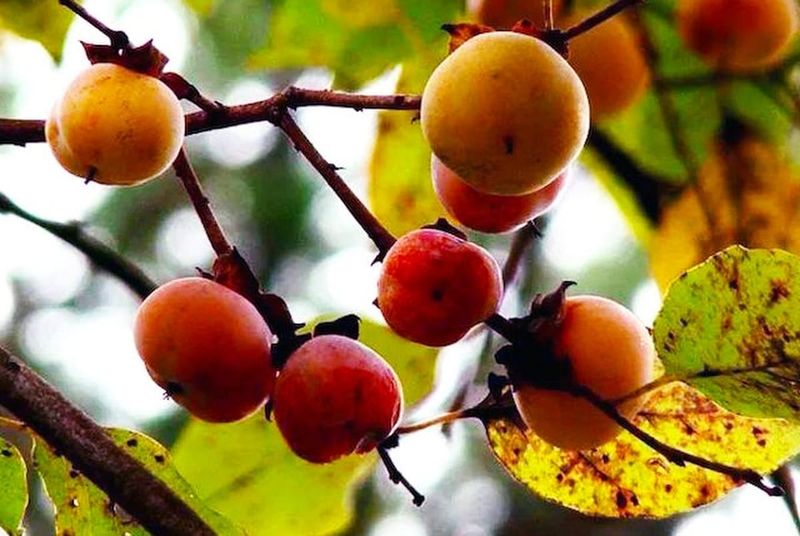
“Wait until after the frost.” That old saying has been passed down by Pennsylvania families for ages, and it is all about persimmons. An unripe American persimmon will make your mouth pucker like you bit into chalk. A ripe one tastes like honey and apricot pudding.
American persimmon is a true native. It grows wild in the southern half of Pennsylvania along fields, fences, and forest edges. Because it has lived here so long, it is perfectly suited to our weather.
That native toughness shows up in fall. Established persimmon trees handle dry spells with ease. They grow a long taproot that reaches deep for water.
Most years, you will never need to water a mature tree. Natural rain is plenty. Even during a dry autumn, these trees usually hold up just fine.
The fruit ripens in October and November. Often, it is ready after the first frost, when the leaves have dropped. Bright orange fruit hanging on bare branches is a beautiful sight.
Young trees are the exception. That long taproot takes a few years to form. Water new plantings during dry weeks for the first two or three years.
Here is a quirky fact. Some people split open persimmon seeds to predict winter weather. A spoon shape is said to mean lots of snow to shovel.
Wildlife adores this tree too. Deer, foxes, raccoons, and opossums all feast on fallen fruit. Planting one feeds your family and the critters in your neighborhood, all with almost no watering on your part.
7. Pawpaw Settles In After Its Feast
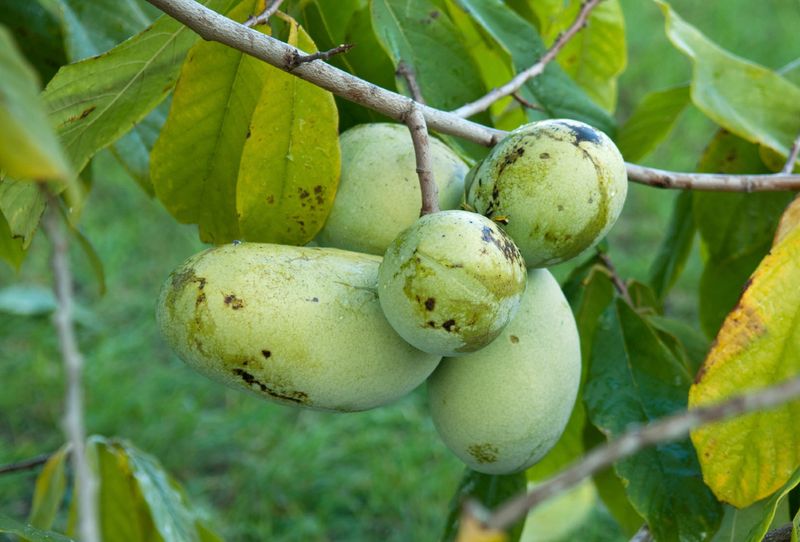
Think of a tropical fruit growing in the woods of Pennsylvania. It sounds wild, but the pawpaw is real and right here at home. Its custard-like fruit tastes like a mix of banana, mango, and melon.
Pawpaw is the largest edible fruit native to North America. It grows wild along streams and in shady, moist woods across much of the state. People sometimes call it the Pennsylvania banana or the hillbilly mango.
Since it loves damp places, pawpaw needs regular water in summer. That moisture helps the big, floppy leaves and heavy fruit develop. Dry summer soil can cause fruit to drop early.
Fall is a different story. The fruit ripens from late August into early October. Once it is gone and the leaves turn a soft, buttery yellow and fall, the tree needs much less.
Established pawpaws usually get enough water from autumn rain alone. You can relax and enjoy the season. Only water if your fall turns unusually dry for several weeks.
Young pawpaws are fussier. They like shade and steady moisture for their first year or two. Keep an eye on them and water when the soil feels dry.
Here is a fun piece of history. Legend says George Washington enjoyed chilled pawpaws for dessert. Lewis and Clark also ate them on their famous journey.
Pawpaws grow best in groups, since most need a partner for pollination. Plant two or more different varieties. With a little summer care and an easy fall, you will have a homegrown treat few neighbors have ever tasted.