8 Native Pennsylvania Shrubs To Plant Instead Of Azaleas In Full Sun Yards
Azaleas are lovely, but full sun in a Pennsylvania yard is not always where they shine. That is where a lot of gardeners get stuck.
They love the idea of spring color and pretty blooms, but the space they are working with is brighter, hotter, and less forgiving than an azalea would prefer.
Instead of fighting the conditions, it often makes more sense to choose shrubs that are already built for them. Native options can bring flowers, texture, seasonal interest, and a more natural fit for the landscape without asking you to baby them through every sunny stretch.
That is a win for the yard and for the person maintaining it. Pennsylvania has some beautiful native shrubs that deserve much more attention in sunny spaces.
A few can deliver the kind of standout look people usually chase with azaleas, just with far less drama attached.
1. New Jersey Tea Tough And Drought-Ready Blooms
Long before garden centers were stocked with exotic imports, early American colonists were already relying on New Jersey Tea for more than just its looks. During the Revolutionary War, its leaves were brewed as a tea substitute, which is exactly how this tough little shrub got its memorable name.
For Pennsylvania gardeners today, it brings that same spirit of resilience right into the yard.
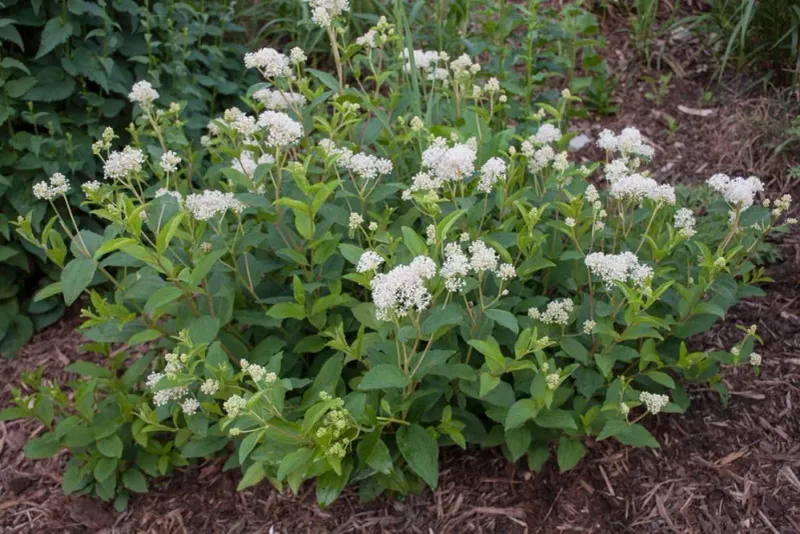
New Jersey Tea, known scientifically as Ceanothus americanus, grows to about three to four feet tall and wide, making it a tidy, manageable choice for full sun spots. It blooms in late spring to early summer, producing fluffy clusters of small white flowers that pollinators absolutely cannot resist.
Bees, butterflies, and beneficial insects flock to it throughout the season, turning your garden into a lively outdoor hub.
One of its best qualities is its deep taproot, which allows it to handle drought far better than azaleas ever could. Once established in your Pennsylvania yard, it rarely needs extra watering and can handle lean, rocky, or sandy soils without complaint.
It also fixes nitrogen in the soil naturally, quietly improving the ground around it.
Planting New Jersey Tea alongside native grasses or low-growing perennials creates a layered, natural look that feels right at home in a Pennsylvania landscape. It does not need heavy pruning or special fertilizers.
Just give it full sun, well-drained soil, and a little patience during its first year, and it will reward you for decades.
2. Sweet-Fern Soft Texture With A Wild Look
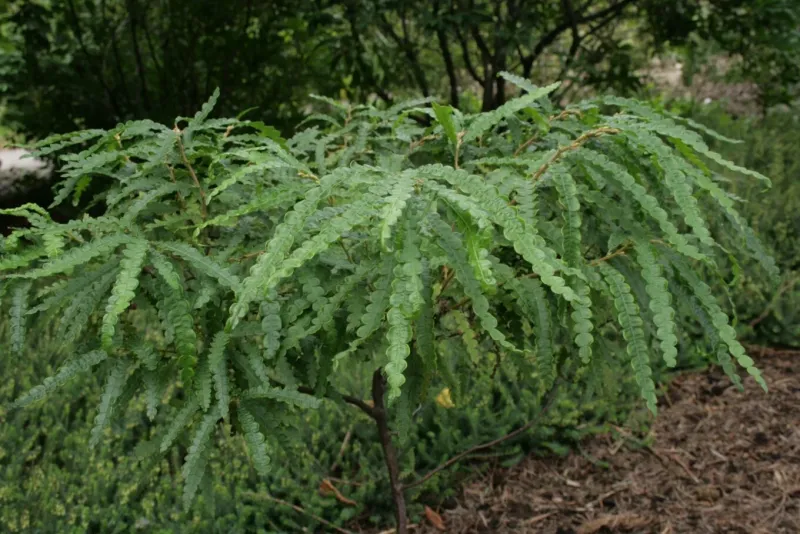
One of those plants that surprises people the moment they brush against it, sweet-fern stands out right away. Run your fingers along its deeply lobed, fern-like leaves and a warm, spicy fragrance fills the air instantly.
Despite its name, Sweet-Fern is not actually a fern at all but a woody shrub native to Pennsylvania and much of the northeastern United States.
Botanically known as Comptonia peregrina, this low-growing shrub typically reaches two to four feet in height. It spreads gradually through underground runners, forming dense, fragrant colonies that are excellent for stabilizing slopes, filling in rocky areas, or covering dry, sunny banks where other plants struggle to survive.
Your Pennsylvania Garden Changes Every Week. Your Plan Should Too.
Gardening in Pennsylvania changes quickly throughout the season. Every Friday you’ll receive a simple weekly plan showing exactly what to plant, prune, fertilize, harvest, and protect so you never miss the right timing.
If you have a challenging spot in your yard that azaleas could never handle, Sweet-Fern is worth a serious look.
What makes it especially valuable in a Pennsylvania yard is its ability to thrive in poor, acidic, sandy, or gravelly soils. It actually fixes nitrogen from the air into the soil, slowly improving conditions for neighboring plants.
Very few shrubs can do that while also looking attractive and smelling wonderful.
Sweet-Fern is also a host plant for several native moth and butterfly species, adding ecological value that non-native shrubs simply cannot match. It holds its attractive foliage from spring through fall and turns golden bronze before dropping leaves in winter.
For full sun, low-maintenance, and high-reward planting in Pennsylvania landscapes, Sweet-Fern is a standout choice that deserves far more attention than it typically gets from homeowners.
3. Northern Bush Honeysuckle Easy Color In Full Sun
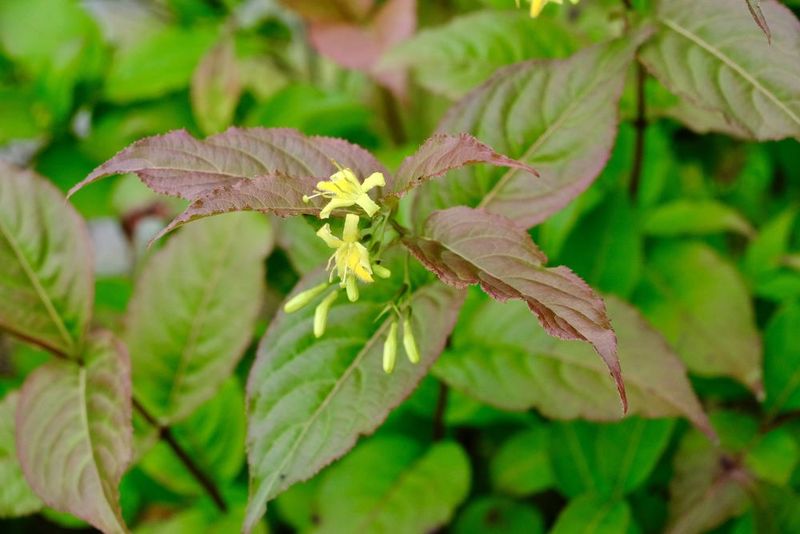
Not every honeysuckle is a problem plant. While invasive honeysuckles have given the whole group a bad reputation, Northern Bush Honeysuckle is a native Pennsylvania species that plays by the rules and brings genuine beauty to any sunny yard.
Gardeners who have made the switch from azaleas to this cheerful shrub rarely look back.
Diervilla lonicera, as it is formally known, grows to about two to four feet tall with a slightly wider spread. Its tubular yellow flowers bloom in early to midsummer, transitioning to an orange or red hue as they age, creating a warm, layered color effect throughout the season.
Hummingbirds and native bees are especially fond of these blooms, visiting regularly whenever the shrub is in flower.
Beyond its flowers, Northern Bush Honeysuckle offers attractive reddish-tinged new growth in spring and vivid red to burgundy fall foliage that rivals any ornamental shrub on the market. It handles full sun with ease and tolerates dry, rocky, or sandy soils that would stress many other plants.
Once established, it spreads gently through root suckers, filling in bare spots in a natural and tidy way.
For Pennsylvania homeowners dealing with slopes, dry hillsides, or difficult sunny borders, this shrub is a practical and stunning solution. It requires very little care after its first growing season and never becomes invasive.
Pair it with native grasses or wildflowers for a low-maintenance planting that looks intentional, colorful, and completely at home in a Pennsylvania yard.
4. Ninebark Peeling Bark And Year-Round Interest
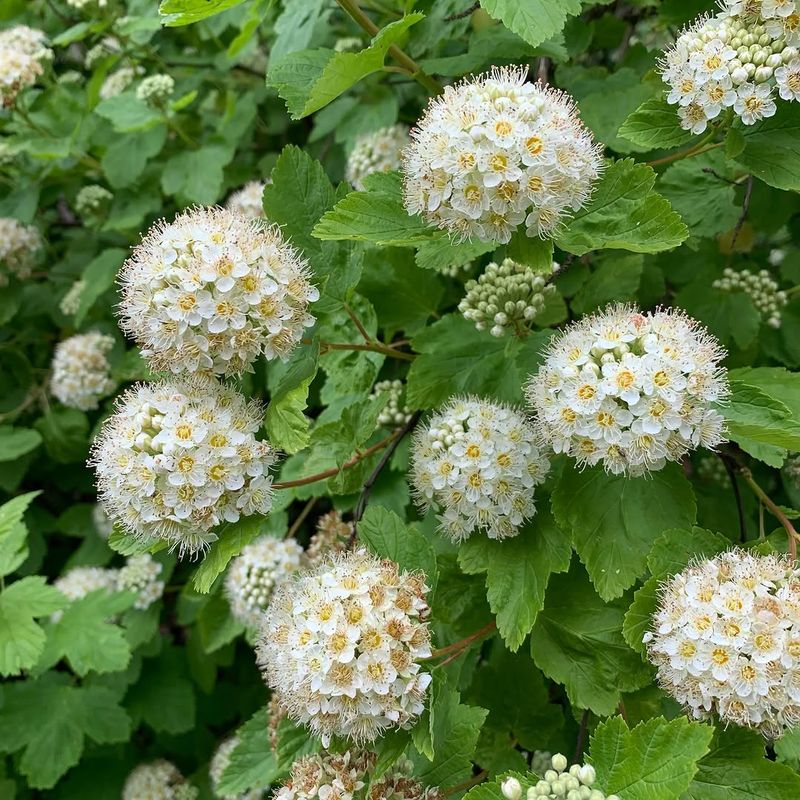
Few native shrubs pack as much year-round personality into one plant as Ninebark. Its common name comes from the way its bark peels back in multiple layers, revealing cinnamon, tan, and reddish-brown tones underneath that catch the light beautifully in fall and winter.
Even without leaves, this shrub has something worth looking at in your Pennsylvania yard.
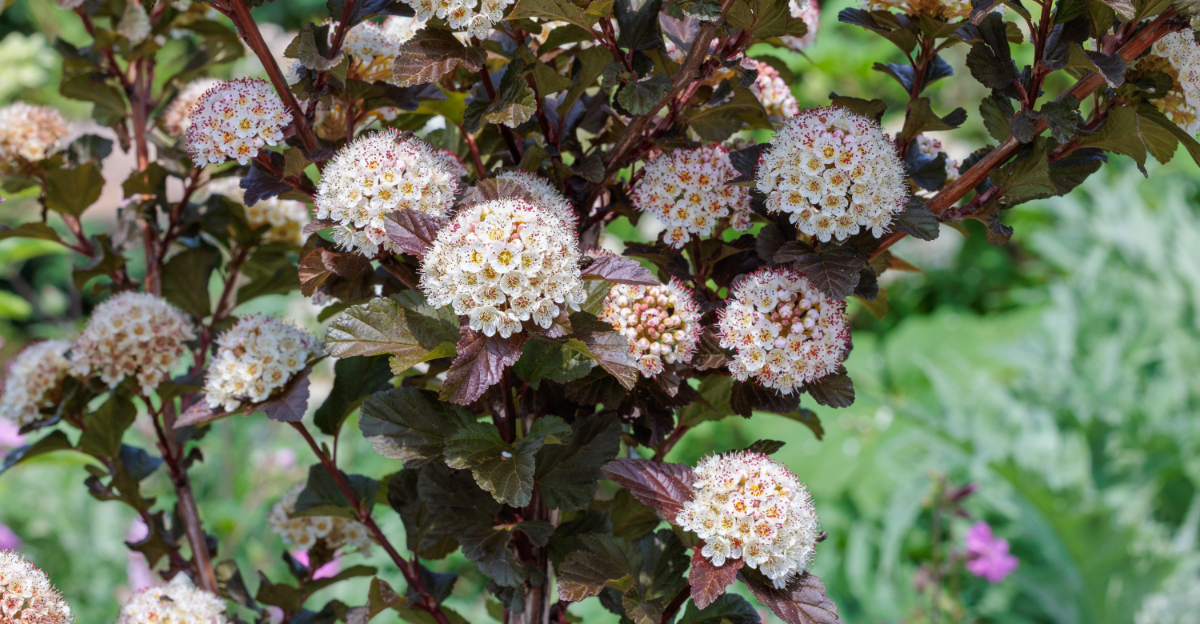
Physocarpus opulifolius is a medium to large shrub, typically growing six to ten feet tall and equally wide. In late spring, it covers itself in rounded clusters of white to pale pink flowers that attract butterflies, native bees, and other pollinators by the dozens.
After the flowers fade, reddish seed capsules take over and add another layer of visual interest through summer and into fall.
Ninebark is incredibly adaptable, thriving in full sun and tolerating a wide range of soil types including clay, dry, or occasionally wet soils. It handles Pennsylvania winters without any protection and bounces back reliably every spring.
For gardeners who want a bold, structural shrub that earns its place in every season, Ninebark delivers without demanding much in return.
Several cultivated varieties offer purple or golden foliage, but the straight native species is just as beautiful and provides the most ecological value. Birds use the dense branching for nesting, and the seed capsules provide food in late season.
Ninebark works beautifully as a hedge, a specimen plant, or a naturalized border in Pennsylvania landscapes where full sun and a low-maintenance attitude are the top priorities.
5. Red Chokeberry Bright Berries And Fall Color
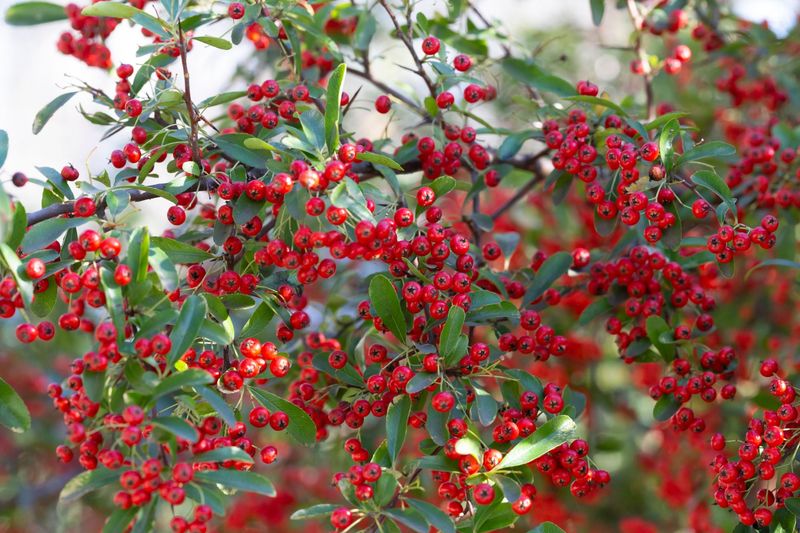
Gardeners who want maximum seasonal drama from a single shrub will find exactly what they are looking for in Red Chokeberry. Spring brings clusters of delicate white flowers.
Summer transitions into glossy green foliage. Then fall arrives and the whole plant transforms into a fiery display of brilliant red leaves and clusters of bright red berries that practically glow in the afternoon sun.
Aronia arbutifolia grows to about six to ten feet tall and prefers full sun, where it produces its best berry crops and most vivid fall color. It tolerates a wide range of soil conditions, from moist to occasionally dry, and adapts well across Pennsylvania landscapes, from suburban backyards to more naturalized settings along fence lines or woodland edges.
The berries are a magnet for birds, especially cedar waxwings, robins, and mockingbirds, which flock to the shrub in fall and early winter. While the berries are technically edible for people too, they are quite astringent when eaten raw.
Some Pennsylvania homeowners use them to make jellies, juices, or syrups that are packed with antioxidants.
Red Chokeberry spreads slowly through root suckers, gradually forming a colony that fills in open spaces naturally. This makes it a great choice for erosion control on sunny slopes or along stream banks.
Pruning is rarely necessary unless you want to manage its spread. Planted alongside other native shrubs or perennials, Red Chokeberry creates a layered, wildlife-friendly garden that looks stunning from March through December in any Pennsylvania yard.
6. Black Chokeberry Glossy Leaves With Seasonal Drama
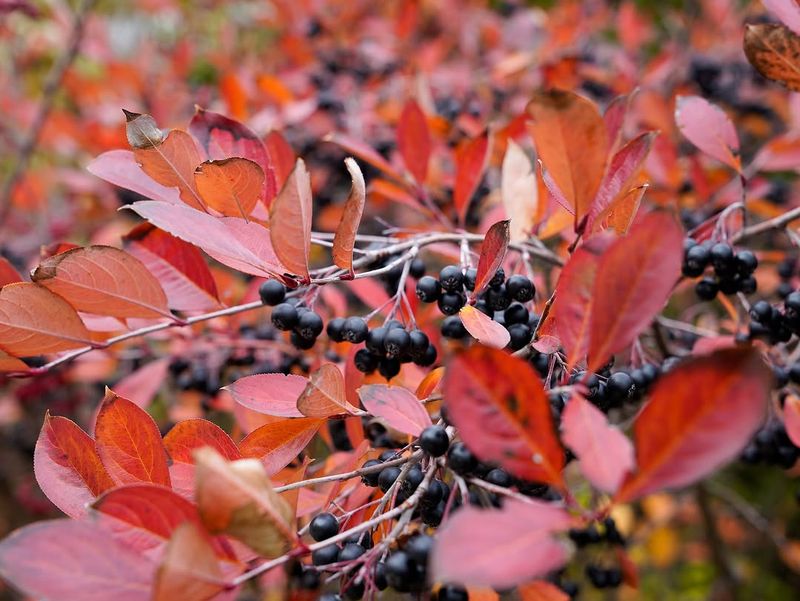
Black Chokeberry might just be the most underrated native shrub growing in Pennsylvania right now. While it shares a family resemblance with its red-berried cousin, Aronia melanocarpa brings its own distinct personality to the landscape, along with some seriously impressive ecological credentials that make it worth every inch of garden space it occupies.
This compact shrub typically grows three to six feet tall, making it slightly more manageable in size than Red Chokeberry. It blooms in mid-spring with clusters of small white flowers that attract early pollinators just when they need a reliable food source most.
By late summer, those flowers give way to clusters of deep, glossy black berries that persist well into winter, feeding birds and other wildlife throughout the colder months.
Full sun brings out the best in Black Chokeberry, encouraging more prolific flowering and fruiting as well as the most spectacular fall foliage display. Leaves turn a deep, rich red to purplish-red in autumn, creating a bold color contrast against the dark berries.
It handles Pennsylvania clay soils, wet areas, and dry spells with impressive flexibility, making it one of the most adaptable native shrubs available.
Health-conscious gardeners have taken notice of the berries too. Black chokeberries rank among the highest in antioxidants of any fruit native to North America and are used in jams, wines, and health supplements.
Whether you want wildlife habitat, fall color, edible berries, or simply a tough and beautiful shrub for a sunny Pennsylvania yard, Black Chokeberry checks every single box.
7. Fragrant Sumac Spreading Low With Fiery Fall Color
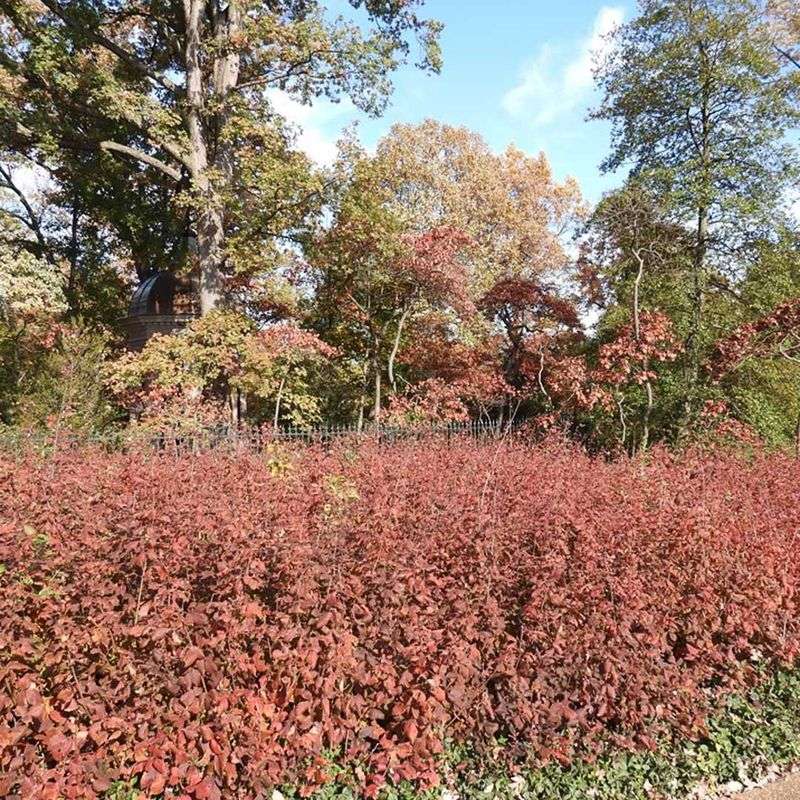
Walk past a Fragrant Sumac on a warm summer day and you will understand immediately how it earned its name. Crush a leaf between your fingers and a sharp, citrusy, resinous scent rises up that is surprisingly pleasant and completely unforgettable.
For Pennsylvania gardeners, that fragrance is just one of many reasons to love this tough and versatile native shrub.
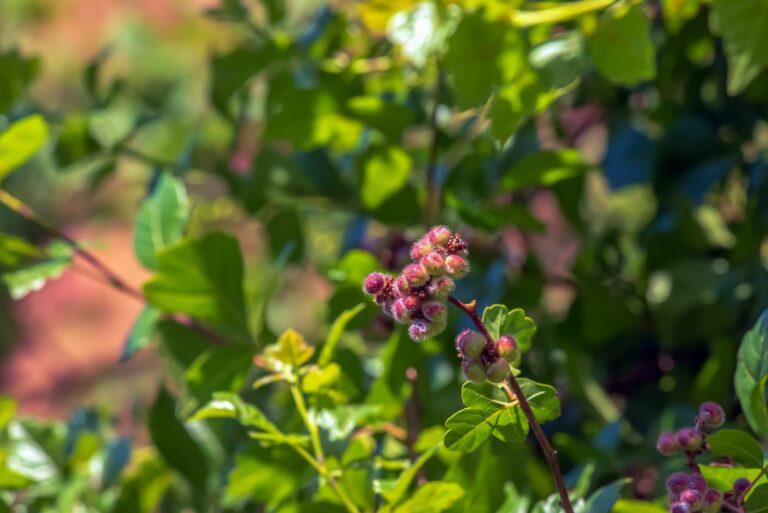
Rhus aromatica grows three to six feet tall and spreads wider than it is tall, creating a low, mounding form that works beautifully on slopes, in dry borders, or as a naturalized groundcover in large open areas. Tiny yellow flowers appear before the leaves in early spring, providing one of the earliest pollen sources for native bees emerging from winter.
Small fuzzy red berries follow in summer and attract birds through fall.
One of Fragrant Sumac’s greatest strengths is its outstanding fall color. The leaves shift from green to brilliant shades of orange, red, and purple as temperatures drop across Pennsylvania, rivaling any ornamental shrub sold at a garden center.
And unlike many showy plants, it pulls off this display while growing in poor, dry, rocky, or sandy soils with almost no supplemental care required.
For homeowners struggling with a hot, dry, sunny bank or a difficult slope that erodes every time it rains, Fragrant Sumac is a genuine problem-solver. Its spreading root system holds soil firmly in place while the dense canopy shades out weeds.
It is deer-resistant, low-maintenance, and native to Pennsylvania, making it a smart and beautiful alternative to azaleas in any challenging full sun spot.
8. Gray Dogwood Hardy Growth With Wildlife Value
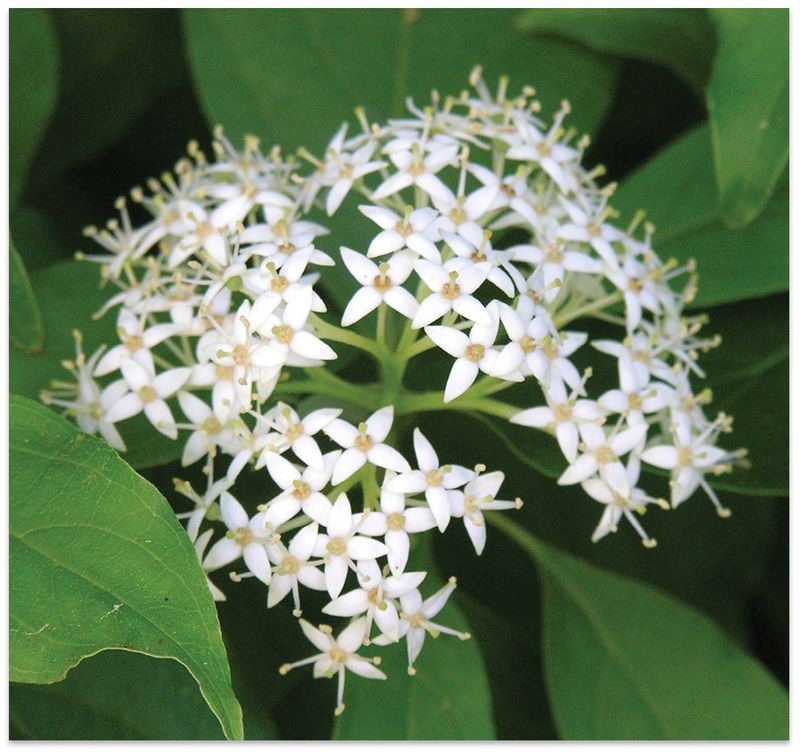
The kind of shrub that gets wildlife biologists genuinely excited, this plant quickly shows you why once you learn what it offers. Cornus racemosa is one of the most ecologically valuable native shrubs found across Pennsylvania, supporting an extraordinary range of birds, insects, and other wildlife through every season of the year.
Growing six to ten feet tall, Gray Dogwood produces flat-topped clusters of small white flowers in late spring to early summer that draw in a wide variety of native bees, beetles, and butterflies. By late summer, those flowers transform into clusters of white berries held on bright reddish-pink stems, creating a striking two-tone display that stands out beautifully in the landscape.
More than 100 bird species are documented eating the berries across the eastern United States.
In Pennsylvania, Gray Dogwood thrives in full sun and adapts to a remarkable range of soil conditions, from moist, rich soils near stream banks to dry, clay-heavy ground in open fields and roadsides. It spreads through root suckers to form colonies over time, which makes it excellent for naturalizing large areas, stabilizing slopes, or creating wildlife thickets along property borders.
Fall color is another bonus, with leaves turning purplish-red before dropping in late autumn. The bare reddish stems add winter interest that keeps the shrub looking attractive year-round.
For Pennsylvania homeowners who want a full sun shrub that practically takes care of itself while doing enormous good for local wildlife, Gray Dogwood is one of the smartest planting choices available anywhere in the state.