Michigan Homeowners Should Move This Tick-Friendly Yard Feature Away From The House
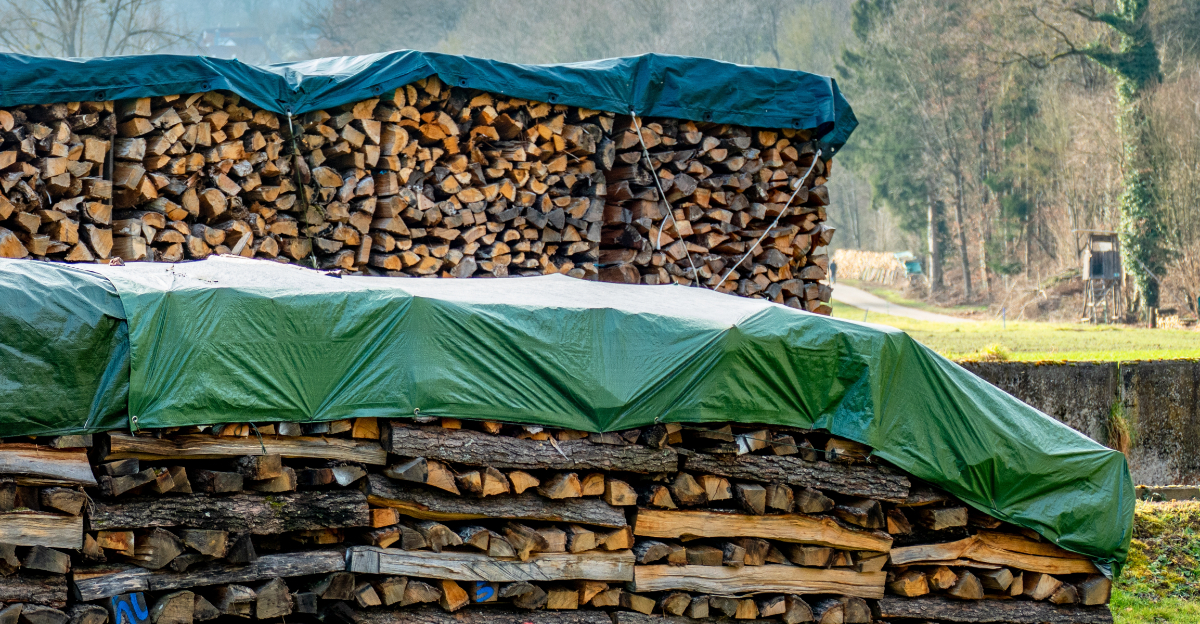
A neat stack of firewood resting just a few feet from your back patio, ready for a cool Michigan evening fire.
It looks harmless, maybe even cozy. But that woodpile or brush pile sitting close to your door could be quietly welcoming one of Michigan’s most persistent warm-season pests right into your yard.
Ticks love the same shady, moist, sheltered spaces that firewood and brush piles create, and small mammals like mice that carry ticks often nest right inside them.
Michigan residents spend a lot of time outdoors from May through October, and keeping tick habitat far from your patio, play areas, and doorways is one of the simplest steps you can take to protect your family.
Many people never connect the firewood pile they have been storing in the same spot for years to the tick problem they keep dealing with every summer.
The connection is real, well-documented by Michigan State University Extension, and entirely fixable with a few low-effort yard habit changes.
Six reasons why moving your firewood and brush pile away from the house makes Michigan summers noticeably safer.
Firewood Piles Hold Hidden Moisture
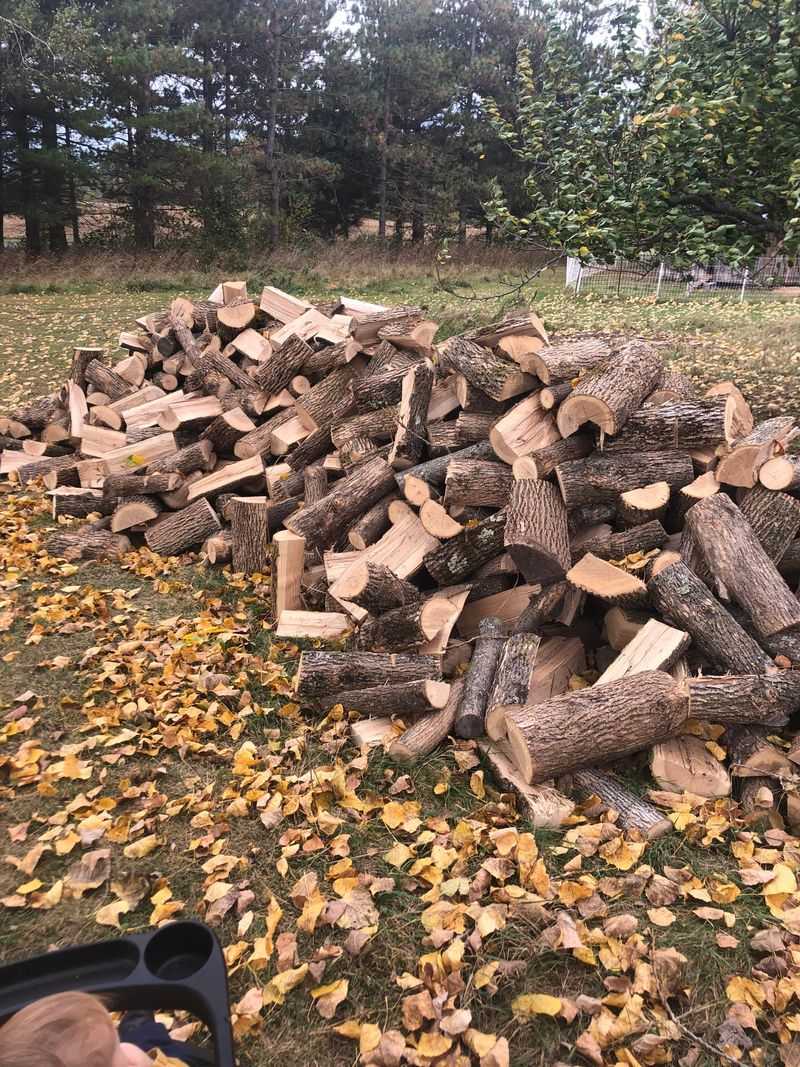
Slide your hand between two logs in a tightly stacked pile and you will feel it right away: cool, damp air trapped inside.
That hidden moisture does not just keep wood from drying out. It creates exactly the kind of microclimate that ticks seek out to survive hot summer days.
Ticks are not fans of open, dry air.
The black-legged tick, also called the deer tick, is the primary species of concern in Michigan according to Michigan State University Extension.
It needs humid conditions to stay active and avoid drying out. A dense firewood pile gives ticks a shaded refuge full of steady moisture, even on the hottest afternoons.
The problem is not just one or two logs.
A full cord of wood stacked tightly against a house wall can hold dozens of small damp pockets. Each one is a potential resting spot. Ticks cling to surfaces and wait for a warm-blooded host to pass by.
Stacking wood tightly near your foundation also traps ground moisture from soil and mulch below.
That combination of shade above and damp ground below is a tick’s version of a perfect afternoon retreat. Keeping wood loosely stacked and away from the house reduces those hidden moisture pockets significantly.
Even a few extra feet of distance can lower the tick activity near your most-used outdoor spaces.
Brush Stacks Invite Mouse Traffic
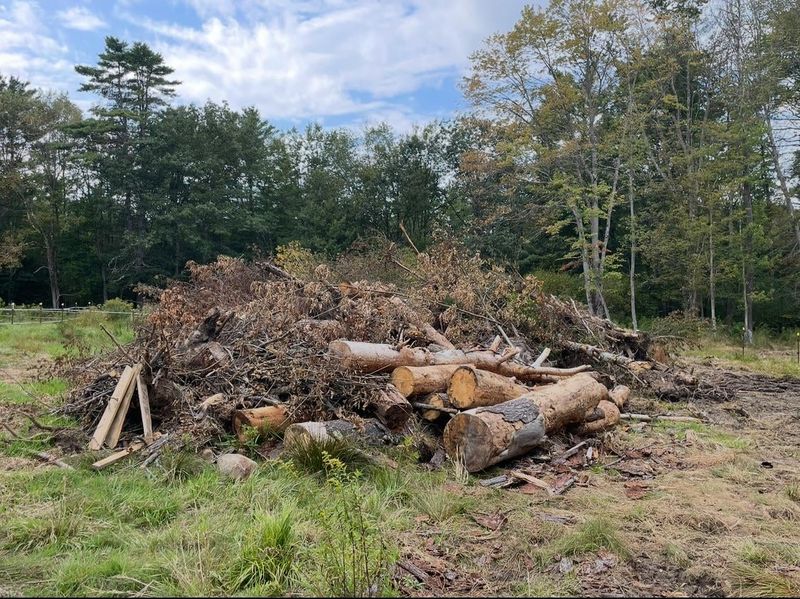
A mouse can slip through a gap the size of a dime.
Brush piles give mice exactly what they want: a layered tangle of sticks, leaves, and debris that is nearly impossible for predators to navigate. That is why a brush pile near your patio is not just a yard eyesore. It is a mouse welcome mat.
Here is why that matters for ticks.
Mice are one of the most important tick hosts in Michigan. White-footed mice in particular are a primary reservoir for Borrelia burgdorferi, the bacterium that causes Lyme disease, according to the CDC.
Your North Carolina Garden Changes Every Week. Your Plan Should Too.
Gardening in North Carolina changes quickly throughout the season. Every Friday you’ll receive a simple weekly plan showing exactly what to plant, prune, fertilize, harvest, and protect so you never miss the right timing.
When a tick feeds on an infected mouse, it can pick up the bacterium and carry it to the next host, which could be a pet or a person.
Brush piles close to the house create a short travel path for mice moving from the pile to your foundation, garage, or garden beds.
Ticks riding on those mice travel the same route. What starts as a wildlife issue at the edge of your yard can quickly become a tick pressure problem right at your back door.
Clearing brush piles entirely is the best option when possible.
If you need to keep one for wildlife habitat, Michigan State University Extension recommends placing it at least 100 feet from the house.
That buffer zone gives ticks and their mouse hosts far less opportunity to wander into your family’s outdoor living space.
Shade Keeps The Pile Comfortable
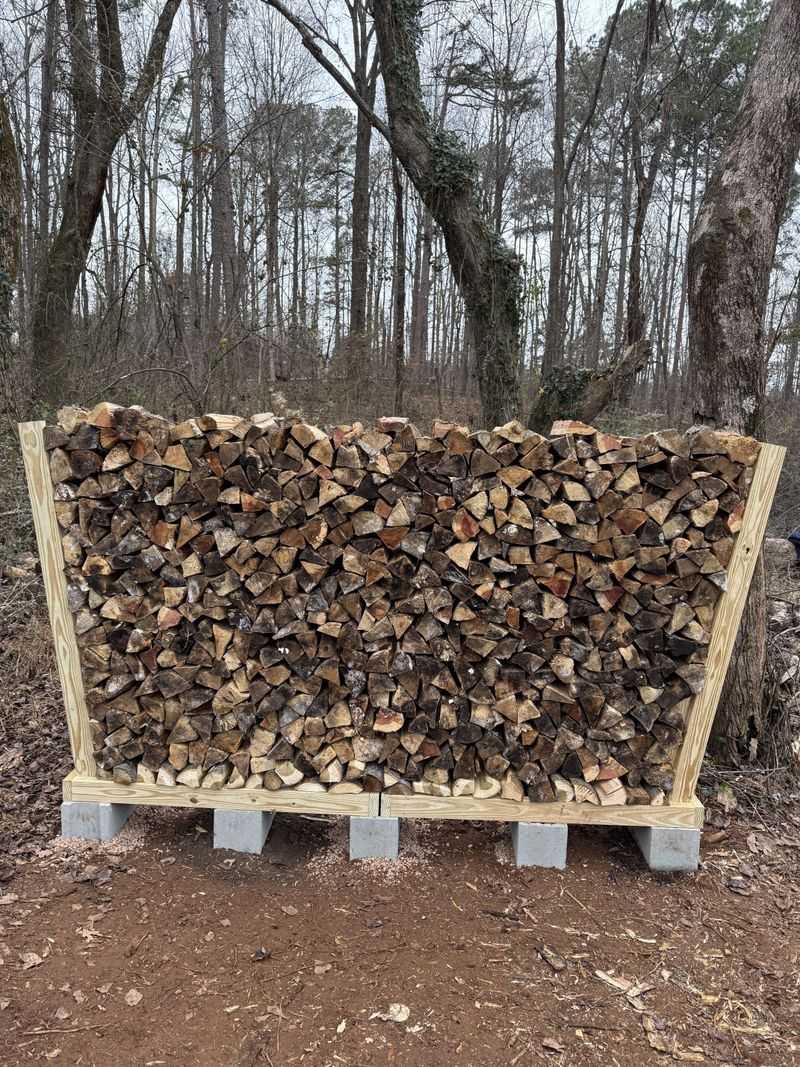
That shaded corner of the yard might feel like the perfect spot to tuck a firewood pile out of sight.
Trees overhead, fence nearby, and the house wall blocking afternoon sun. Out of the way and tidy. But from a tick’s perspective, that same spot is practically a resort.
Shade is not just comfortable for people on a hot day. It is a survival tool for ticks.
Direct sunlight heats up surfaces and dries out the leaf litter and ground cover where ticks rest and wait. Shaded spots stay cooler and hold humidity longer, especially in Michigan where summer mornings often come with heavy dew.
A pile stored under tree canopy can stay damp from morning dew well into the afternoon.
Black-legged ticks in particular are sensitive to desiccation, which is the scientific term for drying out.
Even a few hours of direct sunlight can reduce tick survival significantly on exposed surfaces, according to research cited by Michigan State University Extension.
Moving your firewood pile out from under that shaded overhang and into a sunnier part of the yard is a practical, no-cost fix.
You do not need to build anything new or spend money on repellents. Just relocate the pile to a spot that gets at least a few hours of direct afternoon sun each day.
That simple shift changes the moisture and temperature profile of the pile and makes it far less hospitable to ticks.
Close Storage Brings Ticks Near Doors
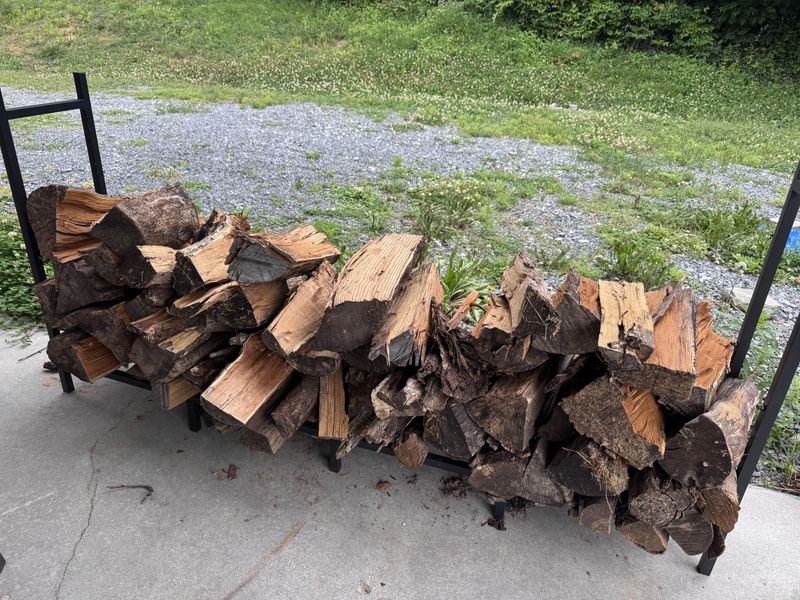
Convenience is a real thing. Nobody wants to hike across the yard in the dark to grab logs for a fire.
So the firewood ends up right next to the back door, maybe two feet from the patio steps. It makes total sense until you think about what else is living in that pile.
Placement close to doors and patios puts tick habitat right in the middle of your family’s most-used outdoor zones.
Kids play near the patio. Dogs rest by the door. You walk past the pile every time you take out trash or water plants. Each of those moments is a chance for a tick that hitched a ride on a mouse or deer to find a new host.
The Michigan Department of Health and Human Services recommends creating a buffer zone between wooded or brushy areas and play spaces.
The same logic applies to firewood storage. A pile close to the house essentially extends the tick-friendly environment right up to your threshold. Ticks do not chase you, but they do position themselves in high-traffic spots and wait.
Play areas, garden furniture, and doorways should all have clear space between them and any firewood or brush storage.
Every foot between the pile and your door is a foot fewer ticks have to travel to reach your family. Stack smart, and your summer evenings stay a lot more relaxed.
Raised Wood Dries Out Faster

Getting wood off the ground sounds like a small detail. It is actually one of the most effective ways to reduce tick-friendly conditions around your firewood storage.
Ground contact is where most of the moisture trouble starts.
When logs sit directly on soil, they absorb ground moisture from below. Soil in Michigan stays damp for much of the spring and summer, especially after rain.
That constant contact keeps the bottom layer of wood wet, which keeps the whole pile more humid.
A simple rack or pallet lifts the wood a few inches off the ground and lets air circulate underneath.
Moving air carries away moisture. A pile with good airflow from below and around the sides dries out faster between rain events and stays less hospitable to ticks and the small animals that carry them.
Metal firewood racks work especially well because they do not absorb or hold moisture the way wooden pallets sometimes can.
Michigan State University Extension recommends storing firewood off the ground and away from the house as part of general pest management guidance.
Racks are inexpensive, widely available, and easy to set up. If you already have a rack but it is sitting in a low, wet area of the yard, consider moving it to a spot with better drainage.
The goal is a dry, well-ventilated base that gives ticks and moisture as little to work with as possible.
Sunny Placement Makes A Difference
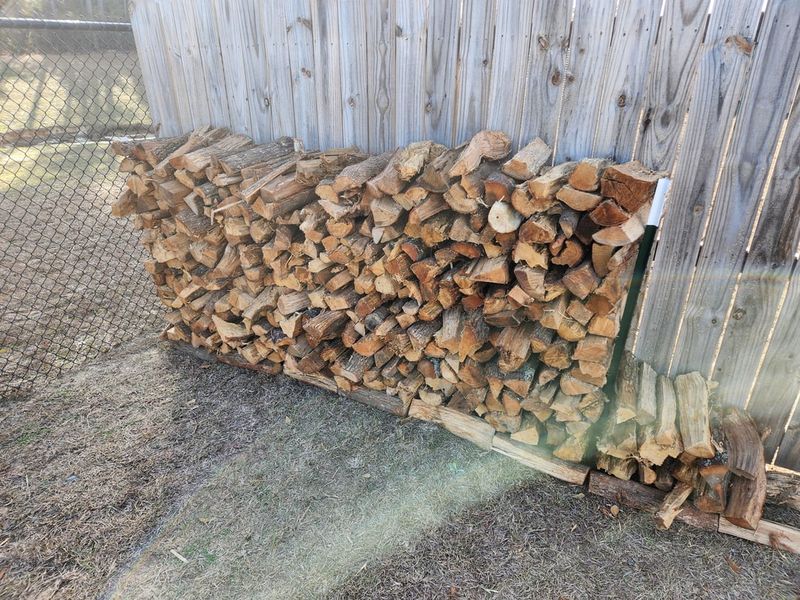
Sunny spots in the yard are not just for gardens and lawn chairs.
Choosing a sunny location for your firewood pile is one of the smartest pest management moves a Michigan homeowner can make, and it costs absolutely nothing.
Sunlight does several helpful things at once.
It dries out the surface of logs faster after rain. It heats up the ground beneath the pile, which discourages mice from nesting in the base.
It reduces the overall humidity around the storage area. And it makes the spot less appealing to ticks, which actively avoid exposed, dry surfaces whenever possible.
Think about where the sun hits your yard most directly between noon and four in the afternoon. That is your prime firewood real estate.
An open area away from tree canopy and fences is ideal. Avoid spots where the house wall or a tall hedge blocks afternoon light. Even partial shade from a nearby shrub can make enough of a difference to keep the pile damper than you want.
Some homeowners worry that sun will crack or dry out their firewood too quickly. Seasoned wood actually benefits from sun exposure.
A tarp draped loosely over the top of the pile, not wrapped tightly around it, gives you rain protection without trapping humidity.
Smart placement and a little airflow management turns your firewood spot from a tick hangout into a properly managed storage area that works with your yard, not against it.