9 Plants That Make North Carolina Homes Look Professionally Landscaped
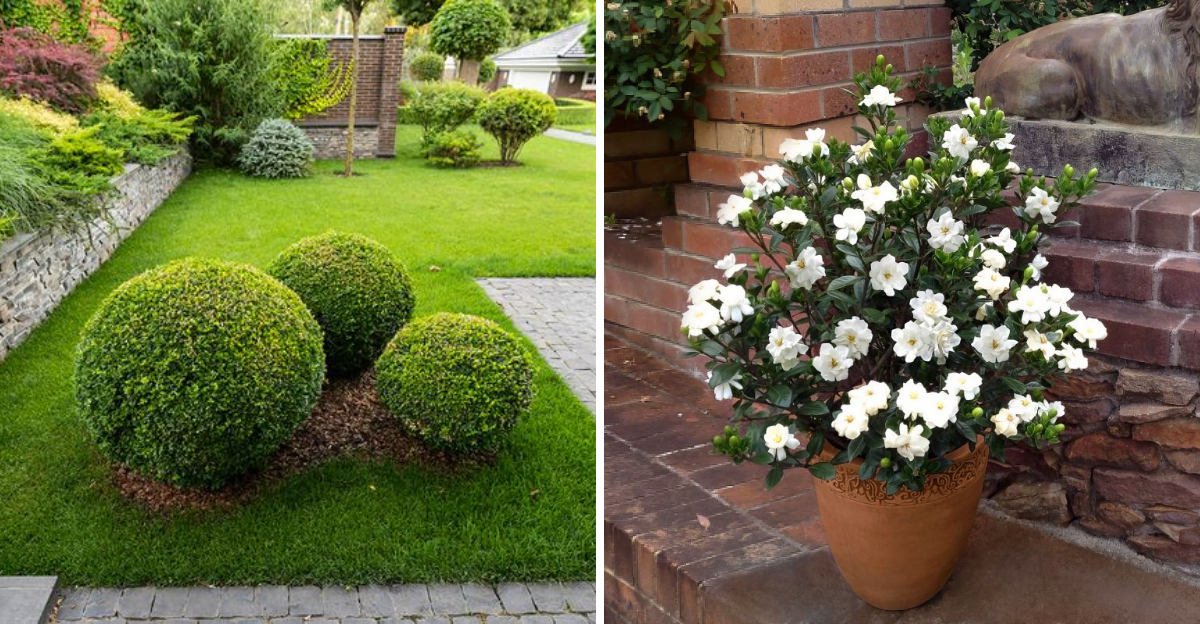
Ever notice how some North Carolina yards look effortlessly polished, like a designer planned every detail? In many cases, it comes down to smart plant choices rather than a big budget.
Across the Piedmont, the coast, and beyond, North Carolina’s warm summers, mild winters, and humid air support a wide range of ornamental plants that can shape a landscape beautifully.
With the right mix of structure, layering, and seasonal color, even a simple yard can feel thoughtfully put together.
Whether you are working with a large lot or a small front space, a few well-chosen plants can make a noticeable difference.
1. Boxwood Creates Clean Lines And A Structured Look
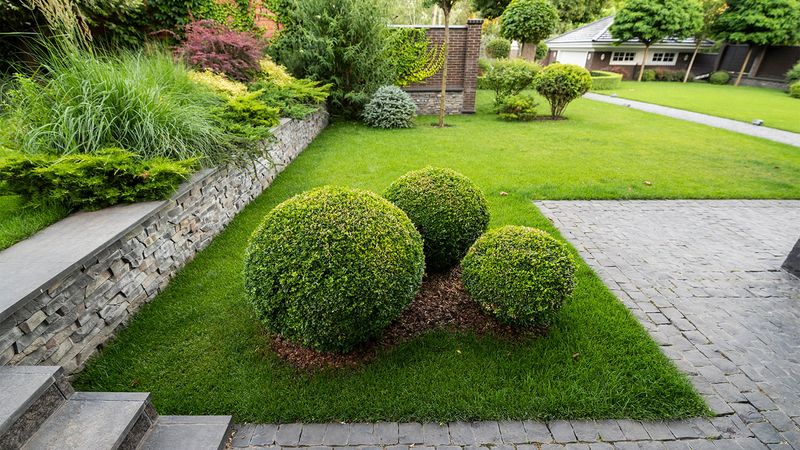
Walk through almost any well-maintained neighborhood in the Raleigh or Charlotte area, and you will likely notice one thing they all have in common: boxwood.
Few plants deliver the kind of crisp, architectural structure that instantly makes a yard look intentional and well-cared-for.
Boxwood shrubs are evergreen, meaning they hold their rich green color throughout the year, even during North Carolina’s cooler winter months when other plants go dormant.
What makes boxwood so valuable in a landscape design is its versatility. It can be shaped into formal hedges, rounded mounds, or used to frame entryways with matching pairs.
Planted along a front walkway or used to border a garden bed, boxwood creates clean definition that ties the whole yard together.
That sense of order and symmetry is exactly what gives a landscape its professional feel. In North Carolina, boxwood performs well across most regions, though it does appreciate some afternoon shade during the hottest summer months.
Well-drained soil is a must, as soggy roots can lead to stress and decline over time. Spacing plants about two to three feet apart allows for good airflow, which helps reduce the risk of common fungal issues in the state’s humid climate.
Light pruning in late winter or early spring keeps the shape tidy without stressing the plant. With minimal effort, boxwood remains one of the most reliable choices for a structured, polished front yard.
2. Hydrangea Brings Full Blooms And Classic Curb Appeal
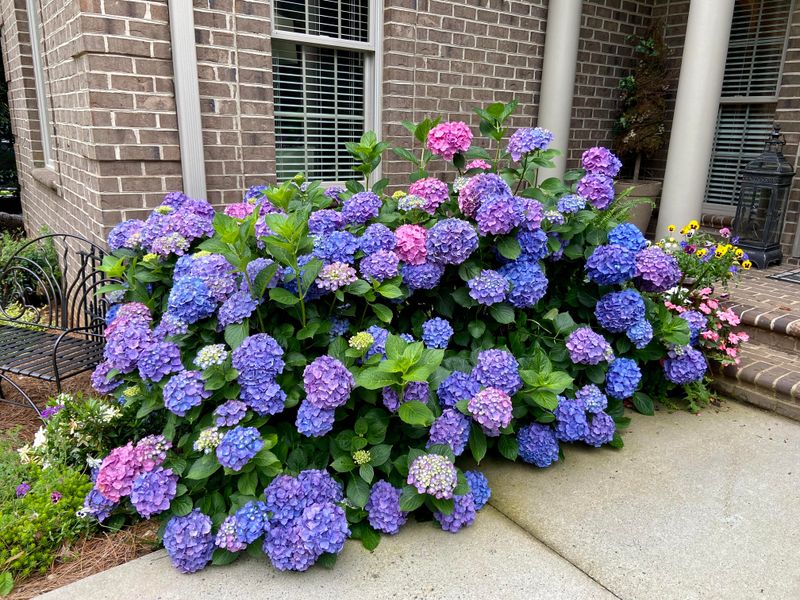
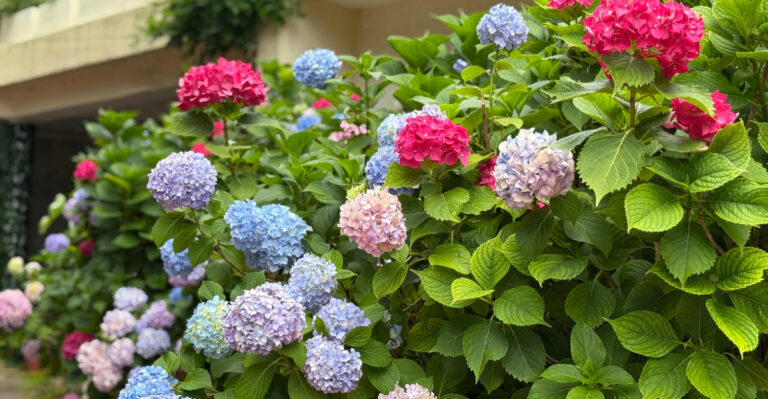
Few sights in a summer garden turn heads quite like a hydrangea in full bloom. The big, globe-shaped flower clusters in shades of blue, pink, and white have made this shrub a beloved staple in Southern landscapes for generations.
In North Carolina, hydrangeas thrive in a range of conditions, from the coastal plain to the mountain foothills, making them one of the most widely planted ornamental shrubs in the state.
Bigleaf hydrangeas, one of the most popular varieties, perform especially well in North Carolina’s climate and can bloom from late spring through summer.
They prefer morning sun with some protection from the intense afternoon heat, which is easy to manage in most residential yards.
Pairing hydrangeas with lower-growing plants in front of them creates a layered look that feels intentional and professionally planned.
One interesting detail many homeowners discover is that soil pH can actually influence bloom color in certain varieties.
Your North Carolina Garden Changes Every Week. Your Plan Should Too.
Gardening in North Carolina changes quickly throughout the season. Every Friday you’ll receive a simple weekly plan showing exactly what to plant, prune, fertilize, harvest, and protect so you never miss the right timing.
More acidic soils, which are common in many parts of North Carolina, tend to push flowers toward blue tones, while more alkaline conditions encourage pink hues.
Keeping the soil consistently moist and adding a layer of organic mulch helps regulate moisture and temperature around the roots.
Hydrangeas can grow quite large, so leaving adequate space between plants, typically four to six feet, ensures they fill out naturally without overcrowding. Their dramatic seasonal display adds undeniable charm to any front yard.
3. Gardenia Adds Fragrance And Glossy Evergreen Beauty
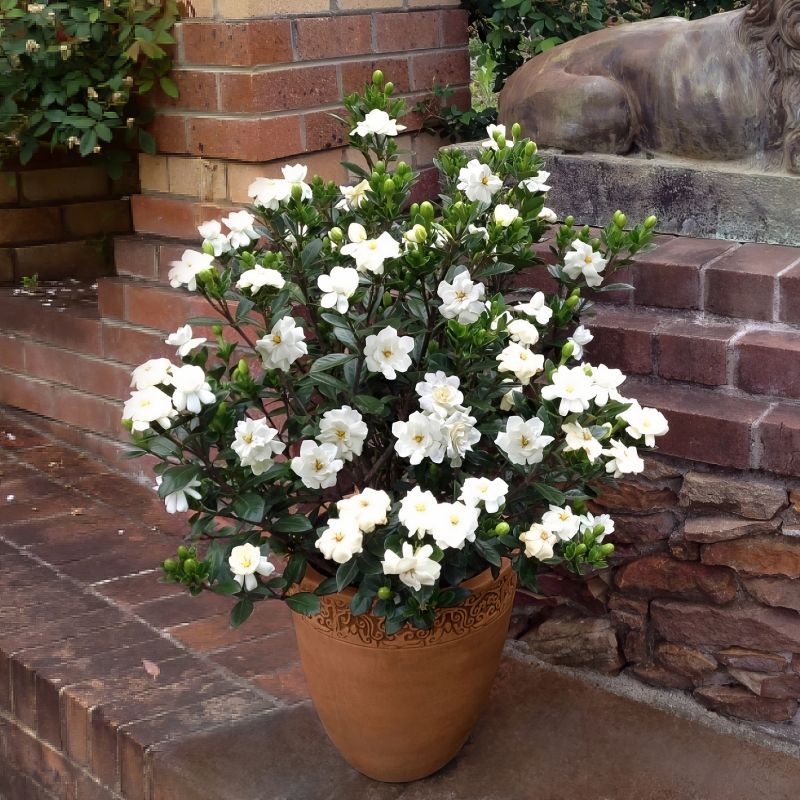
Driving past a yard in early summer where gardenias are in bloom is an experience that goes beyond just sight.
The rich, sweet fragrance that drifts from these shrubs is unmistakable, and combined with their waxy white flowers and deep, glossy foliage, gardenias bring a level of elegance that few other plants can match.
Across the warmer regions of North Carolina, particularly in the coastal plain and piedmont, gardenias are a classic choice for homeowners who want both beauty and sensory impact in their landscape.
Gardenias are broadleaf evergreens, which means they hold their dark green leaves year-round, providing structure even when they are not in bloom.
Planted near an entry door, a porch, or along a front walkway, they create a welcoming atmosphere that feels both refined and warm.
Their compact growth habit, especially in dwarf varieties, makes them easy to incorporate into existing garden beds without overwhelming the space.
For best results in North Carolina, gardenias prefer slightly acidic, well-drained soil enriched with organic matter.
They thrive in partial shade to full sun, though afternoon shade is helpful during the peak of summer.
Regular watering during dry spells and an occasional application of acid-forming fertilizer supports healthy growth and consistent blooming.
Gardenias can be sensitive to cold snaps, so planting them in a sheltered spot with some wind protection is a smart move in areas that occasionally see freezing temperatures.
Their combination of fragrance, texture, and year-round foliage makes them genuinely hard to overlook.
4. Loropetalum Introduces Rich Color And Soft Texture
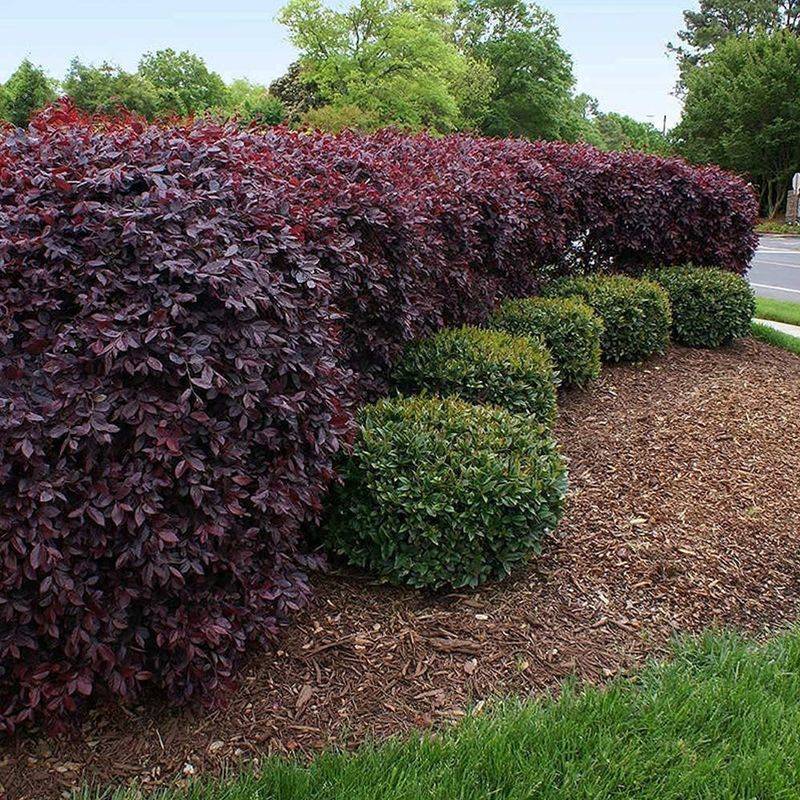
Some plants earn their place in a landscape through sheer reliability. Loropetalum, sometimes called Chinese fringe flower, has become one of the most popular foundation shrubs in North Carolina for exactly that reason.
Its rich burgundy to deep purple foliage provides bold, consistent color that stands out against brick, stone, or siding all year long.
When the wispy, hot-pink fringe-like flowers appear in late winter to early spring, the effect is genuinely striking.
What sets loropetalum apart from many other colorful shrubs is how low-maintenance it tends to be once established.
It adapts well to North Carolina’s red clay soils with some amendment and handles the state’s humid summers without much complaint.
Varieties range from compact dwarf forms that stay under three feet to larger selections that can reach eight feet or more, giving homeowners plenty of flexibility depending on their space and design goals.
Using loropetalum as a foundation planting, a border hedge, or a mass planting along a driveway instantly adds depth and visual interest to a yard.
The contrast between its dark foliage and lighter-colored homes or garden borders creates the kind of layered look that landscape designers rely on.
For the best foliage color, plant loropetalum in a spot that receives at least four to six hours of direct sunlight daily.
Light shaping after the spring bloom period keeps plants looking neat without sacrificing the following season’s flower buds. It is a workhorse plant with genuine visual flair.
5. Japanese Maple Adds Elegant Shape And Seasonal Interest
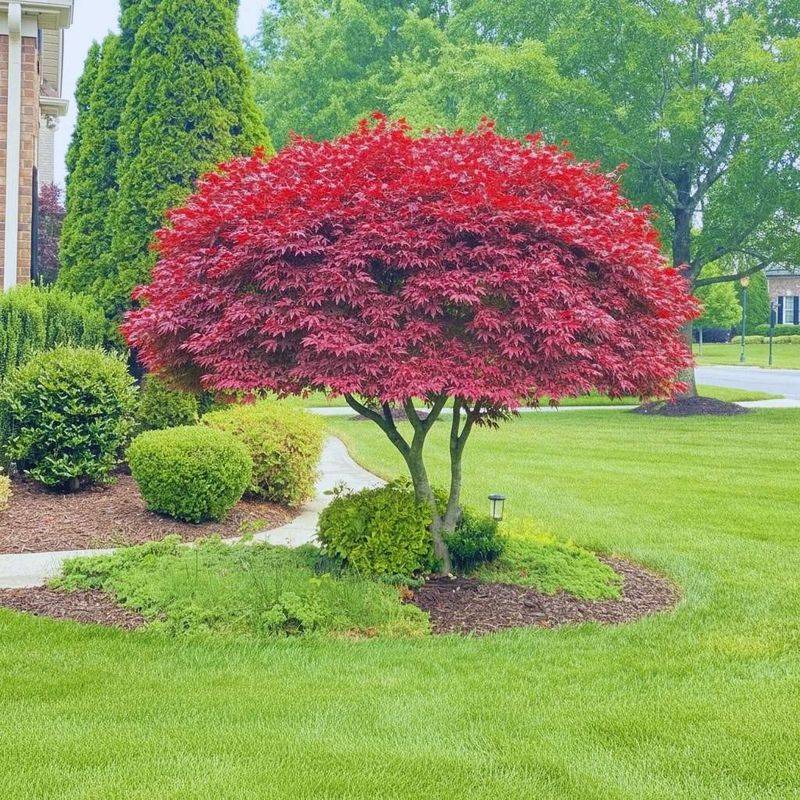
In neighborhoods across the North Carolina piedmont and mountains, a well-placed Japanese maple has a way of becoming the centerpiece of an entire front yard.
Its layered branching structure, delicate leaf texture, and stunning seasonal color changes make it one of the most visually sophisticated small trees available to homeowners.
Whether the foliage is deep burgundy in summer, fiery orange in fall, or revealing sculptural bare branches in winter, there is rarely a season when this tree fails to impress.
Japanese maples come in a wide range of forms, from upright selections that reach fifteen feet to weeping varieties that stay under six feet and cascade gracefully toward the ground.
That range of sizes makes them useful in many different landscape situations, whether anchoring a garden bed, framing an entryway, or adding vertical interest to a corner of the yard.
Pairing a Japanese maple with lower-growing plants like liriope or ground cover creates a layered, designed look without requiring much ongoing effort.
In North Carolina, Japanese maples generally perform well across the state, though they appreciate some protection from harsh afternoon sun and strong winds, particularly in the western mountain regions.
They prefer well-drained, slightly acidic soil, which aligns well with much of the state’s natural soil conditions.
Watering regularly during the first couple of growing seasons helps them establish strong root systems.
Once settled in, they are relatively low-maintenance and reward patient homeowners with decades of seasonal beauty and refined structure.
6. Drift Roses Provide Low-Growing Color That Lasts
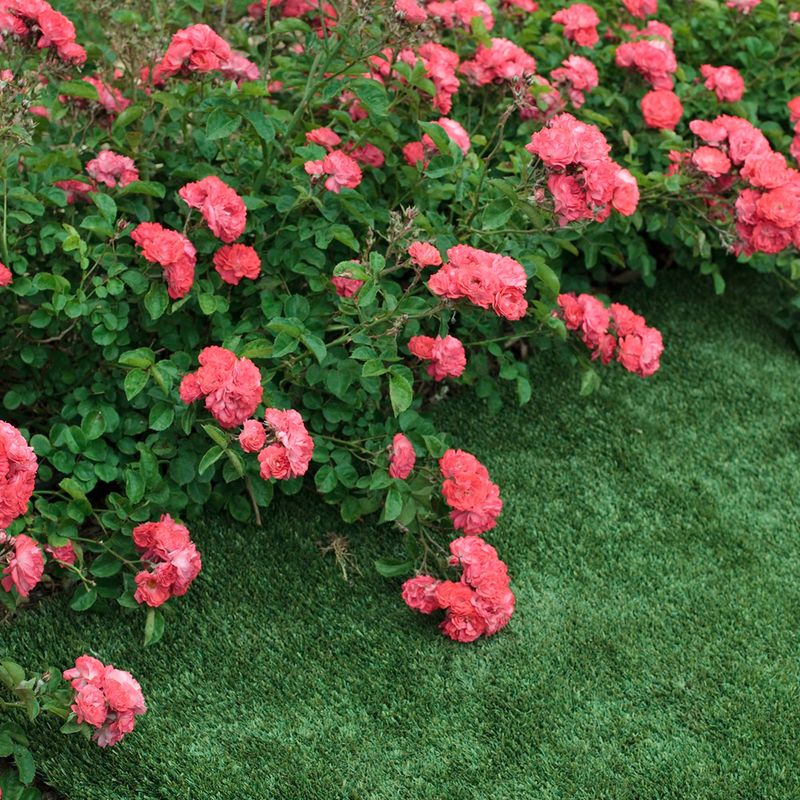
Roses have long carried a reputation for being fussy, high-maintenance plants that require constant attention to look their best. Drift roses quietly changed that conversation.
Bred as a compact, ground-hugging alternative to traditional rose varieties, drift roses bloom repeatedly from spring through the first frost, filling garden edges and low borders with cheerful color for months at a time.
In North Carolina’s long growing season, that extended bloom window is a genuine advantage.
Drift roses typically grow only one to two feet tall but can spread two to three feet wide, making them an excellent choice for softening the edges of garden beds, lining driveways, or filling in space between taller shrubs.
Their naturally mounding shape requires very little pruning to maintain a neat, rounded appearance.
That tidy growth habit is part of what makes them look so professional in a landscape setting, since they rarely look overgrown or out of control.
Disease resistance is one of drift roses’ strongest qualities, and it matters a great deal in North Carolina where humidity can create challenging conditions for traditional rose varieties.
They are also reasonably drought-tolerant once established, though regular watering during dry stretches keeps the blooms coming strong. Full sun, at least six hours per day, brings out the best flowering performance.
Available in shades ranging from coral and pink to red, white, and yellow, drift roses offer enough variety to complement nearly any home exterior color.
They are one of the most rewarding low-effort plants available to North Carolina homeowners.
7. Liriope Defines Edges With Neat Grass-Like Foliage
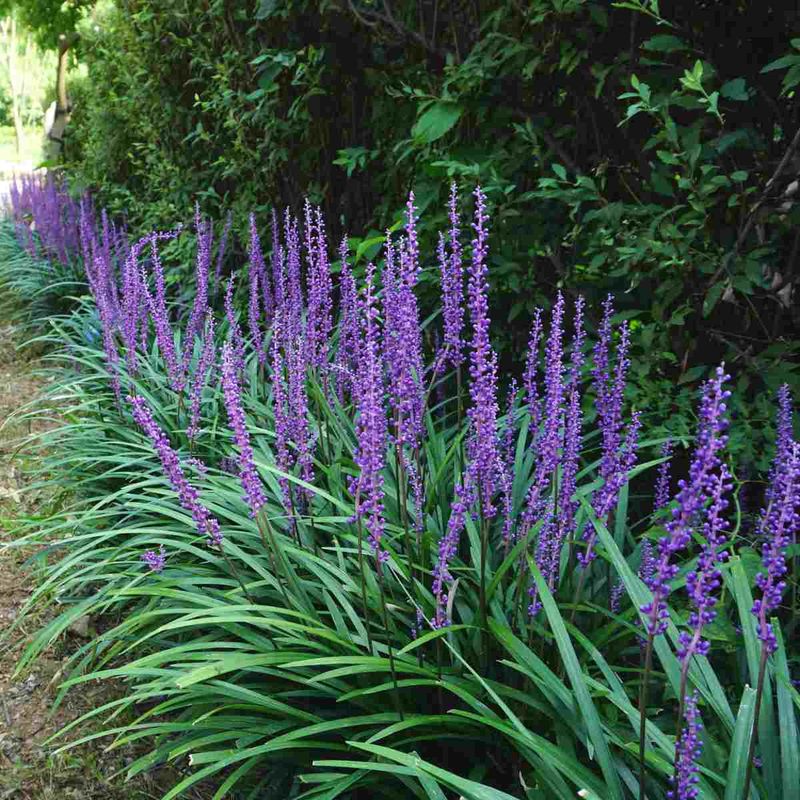
Crisp, well-defined garden edges are one of the clearest signs of a professionally maintained landscape.
Liriope, often called lilyturf, is one of the most reliable plants for achieving that sharp, finished edge without constant upkeep.
Its dense, arching, grass-like foliage forms tidy clumps that hold their shape throughout the year, making it especially valuable in North Carolina where maintaining attractive borders through hot summers and mild winters can be a challenge.
Beyond its practical edging role, liriope also produces slender spikes of small purple or white flowers in late summer, adding a subtle seasonal accent that many homeowners appreciate.
The foliage itself ranges from solid deep green to variegated forms with creamy white or yellow stripes, giving homeowners options for adding a bit of contrast to their planting beds.
Variegated varieties tend to brighten shady spots particularly well, which makes them useful under trees or along north-facing foundations.
Liriope is widely regarded as one of the most adaptable plants for North Carolina landscapes.
It tolerates both sun and shade, manages reasonably well in drought conditions once established, and handles the clay soils found across much of the piedmont with appropriate soil preparation.
Cutting plants back to about three inches in late winter before new growth emerges keeps them looking fresh and prevents the buildup of old, ragged foliage.
Spacing plants about twelve to eighteen inches apart allows them to fill in over a season or two, creating a continuous, flowing border that frames beds and walkways with clean precision.
8. Hosta Fills Shady Spaces With Lush Texture
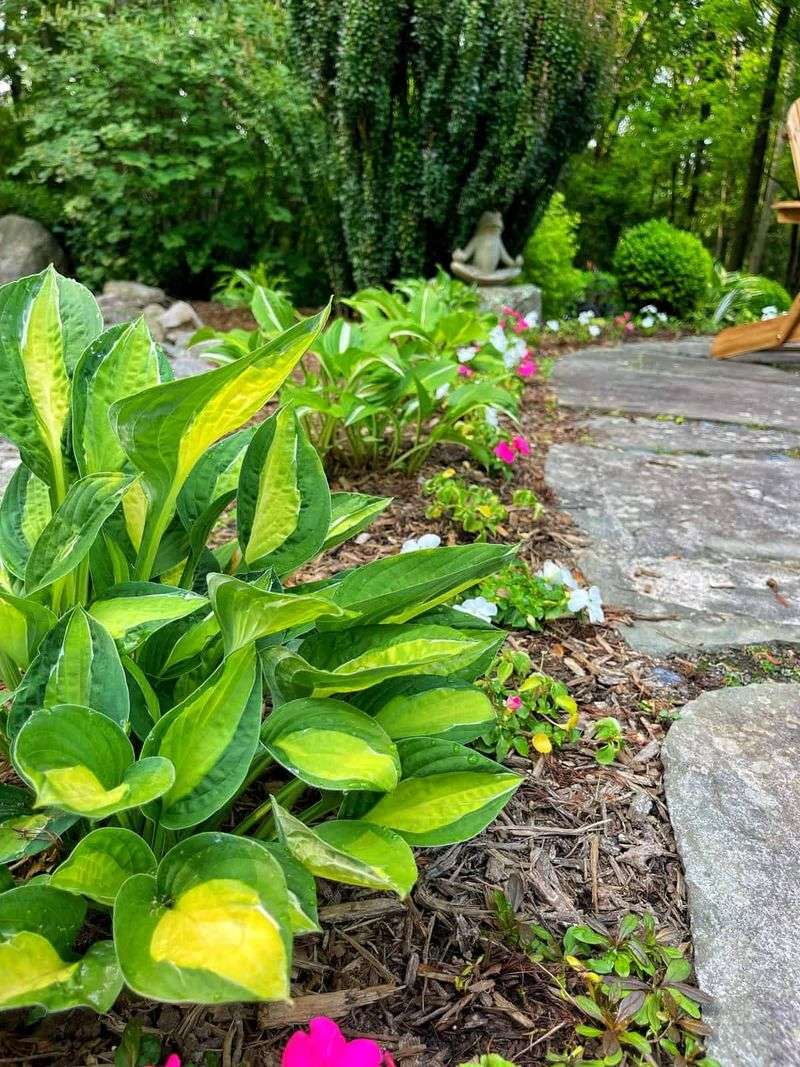
Shady spots in the yard can be some of the trickiest areas to landscape well. Many colorful flowering plants need full sun to perform, which leaves homeowners with dim, tree-covered areas that often end up bare or covered in struggling grass.
Hostas solve that problem with remarkable ease. Known for their bold, textured foliage in a range of greens, blues, and variegated patterns, hostas thrive in the shaded conditions found under mature trees and along north-facing foundations that are so common in North Carolina neighborhoods.
The sheer variety of hosta sizes and leaf patterns gives homeowners tremendous flexibility. Giant varieties with leaves the size of dinner plates create dramatic focal points, while compact selections work beautifully as ground-level filler between taller shade shrubs.
Mixing different leaf textures and colors within the same bed, such as a blue-green hosta alongside a lighter variegated variety, creates a layered, designed effect that looks intentional and sophisticated.
Hostas generally prefer moist, well-drained, humus-rich soil, and adding compost at planting time goes a long way in North Carolina’s sometimes-challenging clay soils.
They are fairly drought-tolerant once established but appreciate consistent moisture during the summer heat.
Slugs can occasionally be an issue in very moist conditions, so keeping mulch pulled slightly away from the base of the plant helps reduce that risk.
Hostas emerge in spring, fill out through summer, and fade back in fall, making them a reliable seasonal anchor for any shaded planting area in the yard.
9. Dwarf Nandina Adds Year-Round Color In A Compact Form
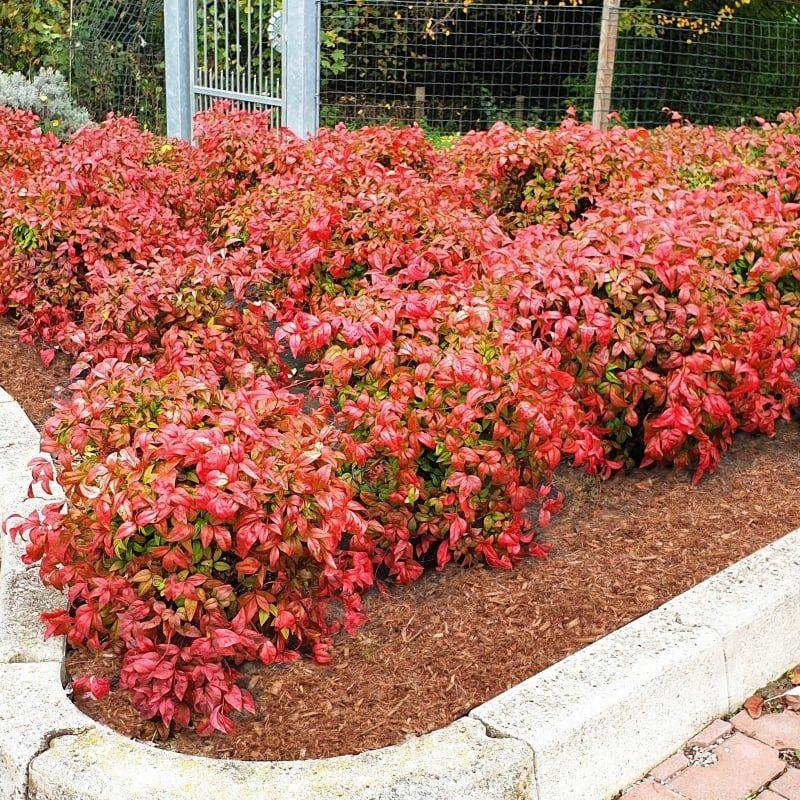
Compact foundation plantings that look great in every season without demanding much attention are the holy grail of low-maintenance landscaping.
Dwarf nandina, sometimes called heavenly bamboo, delivers that goal with surprising consistency.
Unlike its full-sized relatives, dwarf varieties stay low and mounding, typically reaching only two to three feet in height, making them easy to manage in tight spaces along foundations, walkways, or mixed garden beds throughout North Carolina.
One of the most appealing qualities of dwarf nandina is its ever-changing foliage color.
New growth emerges with a coppery red or bronze tone, matures to green through summer, and then transitions to vivid shades of red, orange, or burgundy as temperatures drop in fall and winter.
That seasonal color shift means the plant is visually interesting year-round without requiring replanting or seasonal swaps.
In North Carolina, where winters are mild enough for nandina to hold most of its foliage, this quality is especially valuable.
Dwarf nandina is notably adaptable to different light conditions, performing in full sun as well as partial shade, though the brightest foliage color tends to develop in spots with more direct sunlight.
It tolerates a range of soil types, including the clay-heavy soils common across the piedmont, and shows reasonable drought tolerance once established.
Planting in groups of three or five creates a natural, cohesive mass that looks far more intentional than a single specimen.
With its compact habit, vibrant seasonal color, and minimal pruning needs, dwarf nandina earns its place in any well-planned North Carolina landscape.