This Is When To Stop Mowing Your Pennsylvania Lawn
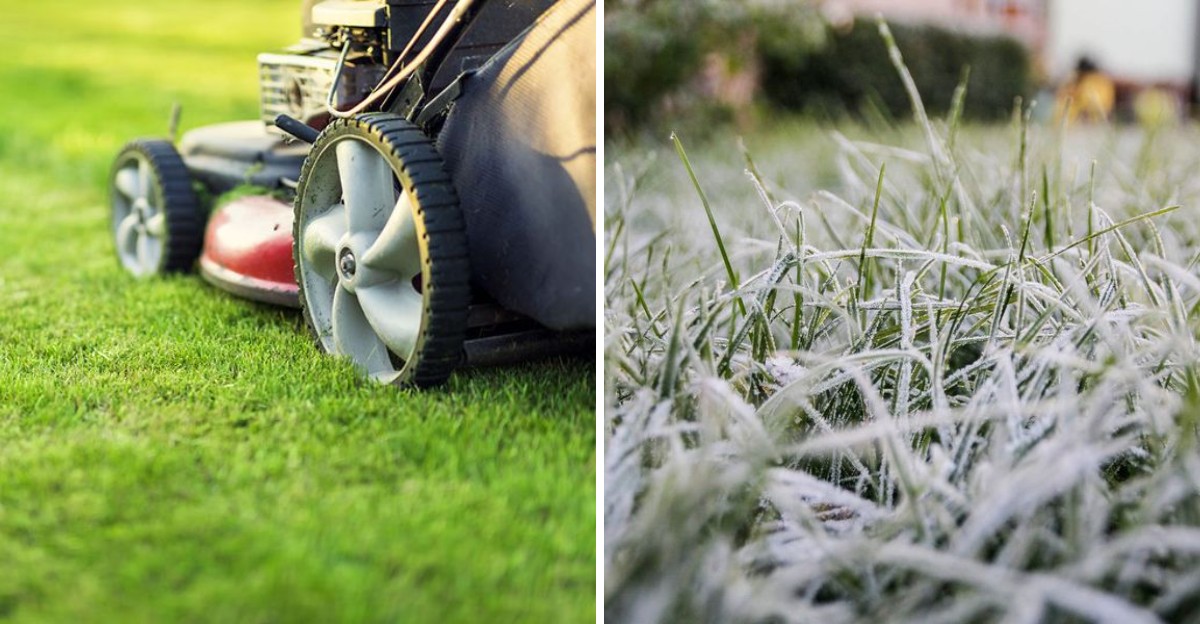
For many Pennsylvania homeowners, the last mow of the year happens on a whim. The weather turns chilly, the leaves start piling up, and the mower gets pushed to the back of the garage until spring.
But your grass might not be ready to call it quits. Cool-season lawns, which cover most yards in the state, keep growing well into fall.
In fact, fall is one of their most active seasons. Stop too early, and long, floppy grass can mat down under snow. That creates a cozy home for voles and a perfect setup for snow mold.
Cut too short on the final pass, though, and you leave the grass exposed to harsh winter cold.
The timing and height of that last mow can make a big difference. Get it right, and your lawn will wake up greener and healthier next spring.
Stop When The Grass Stops Growing
Your lawn does not own a calendar. It responds to the weather, and that makes it the best guide you have. The right time to stop mowing is simply when the grass stops growing for the season.
Most Pennsylvania lawns are made of cool-season grasses. Kentucky bluegrass, tall fescue, and perennial ryegrass are the most common types. These grasses love spring and fall, but they slow down a lot when the air turns cold.
Here is a handy rule. Once daytime temperatures stay below about 50 degrees Fahrenheit for a stretch of days, growth drops sharply. One chilly afternoon does not count. You want a steady pattern of cool days, not a single cold snap.
So how can you tell for sure? Try a simple test. After you mow, check the lawn about a week later. If the grass looks almost the same height, it has likely gone quiet for the year.
Another trick is to stick a ruler in one spot of your yard. Measure the height after mowing, then measure again a week later. If it has grown less than half an inch, your work is nearly finished.
Watching the weather forecast helps too. Many phone apps show the daily high temperature for the next ten days. When those highs keep landing in the 40s, you can start planning your final cut.
Fun fact: Kentucky bluegrass is not actually from Kentucky. It came to America from Europe and northern Asia long ago.
Pennsylvania lawns have grown it for centuries, and it handles cold winters like a champ. Trust your grass, measure often, and let the cooler days tell you when to rest.
Expect It Between Late October And Late November
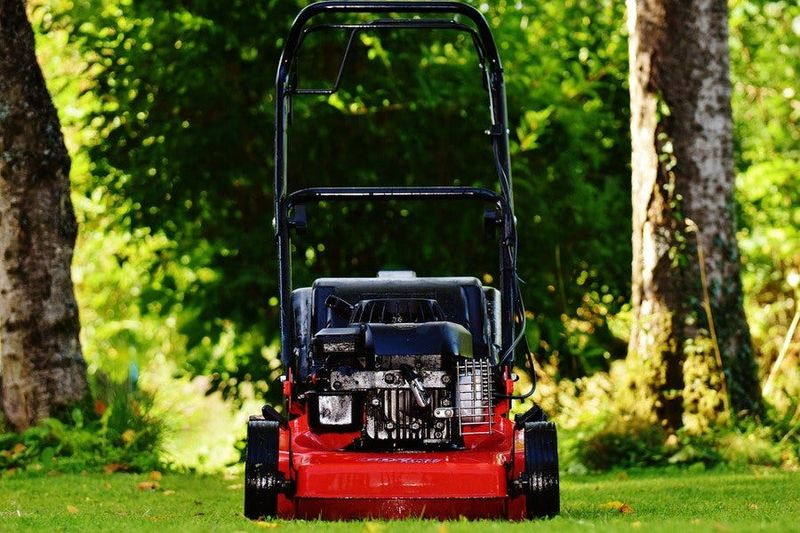
Ask a neighbor in Scranton and a cousin in Lancaster when they mow for the last time, and you may get two very different answers.
Both of them could be right. Pennsylvania stretches across a lot of land, and the climate shifts from one corner to another.
Up north and in the higher hills, cold air arrives early. Towns near the New York border and places in the mountains usually see the last mow in late October or early November. Frost can show up there weeks before it reaches the cities down south.
Your Pennsylvania Garden Changes Every Week. Your Plan Should Too.
Gardening in Pennsylvania changes quickly throughout the season. Every Friday you’ll receive a simple weekly plan showing exactly what to plant, prune, fertilize, harvest, and protect so you never miss the right timing.
Southern and southeastern Pennsylvania stay warmer for longer. Areas around Philadelphia, York, and Lancaster often keep growing into mid to late November. Pittsburgh tends to land somewhere in the middle, depending on the year.
Elevation matters too. A home on a ridge cools faster than a home in a valley, even in the same county. Big rivers and city streets also hold heat, which can stretch the season a little.
Every so often, Pennsylvania gets a mild fall. Warm spells in November can wake the grass back up for a few more weeks. In those years, some lawns need a trim close to December.
A smart plan is to keep your mower ready through November, no matter where you live. Do not drain the gas or pack it away just because the leaves have dropped. Give yourself room to handle a surprise growth spurt.
Write down the date of your last mow each year. After a few seasons, you will spot a pattern for your own yard. That simple note can make next fall much easier to plan.
Keep Mowing As Long As It’s Growing
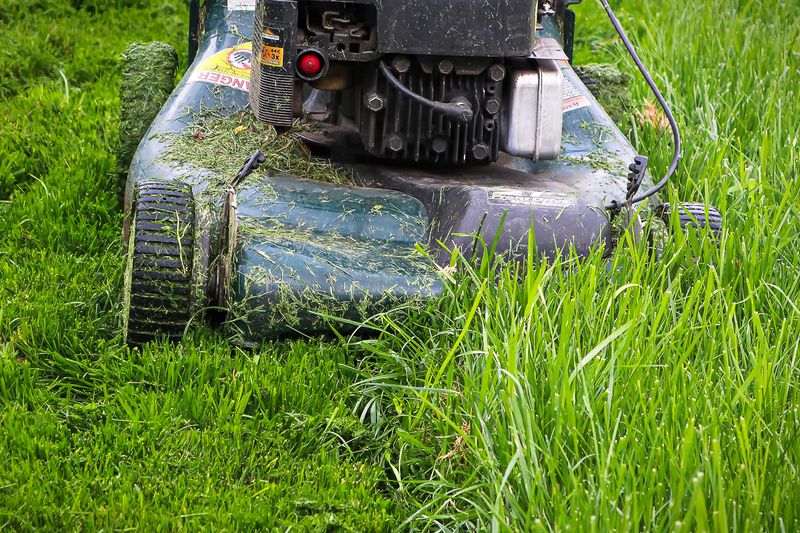
Many folks feel tempted to quit mowing the moment football season starts. That habit can actually hurt your yard. Fall is one of the busiest times of year for cool-season grass.
Below the surface, a lot is happening. Your lawn spends autumn building deep, strong roots. Those roots store food that helps the grass survive winter and green up fast in spring.
Mowing supports that process. Regular cuts keep blades healthy and let sunlight reach the lower parts of the plant. A tall, floppy lawn going into winter is more likely to have trouble.
That is why you should keep mowing whenever the lawn needs it. If it is growing, it still wants your attention. You may mow less often than in May, but do not stop early.
Follow the one-third rule every single time. Never cut off more than one third of the blade in one pass. For example, if your grass is 4.5 inches tall, cut it down to about 3 inches, not lower.
Cutting too much at once shocks the plant. It forces the grass to use stored energy to regrow leaves instead of building roots. That is the last thing you want right before cold weather.
If you fall behind and the lawn gets tall, take it down in steps. Mow a little now, then a bit more a few days later. Your grass will thank you with thicker growth next year.
Keep your mower blade sharp, too. A dull blade tears grass and leaves ragged brown tips. A clean cut heals faster and keeps the lawn looking neat right up until the season ends.
Lower The Height Slightly For The Final Cut
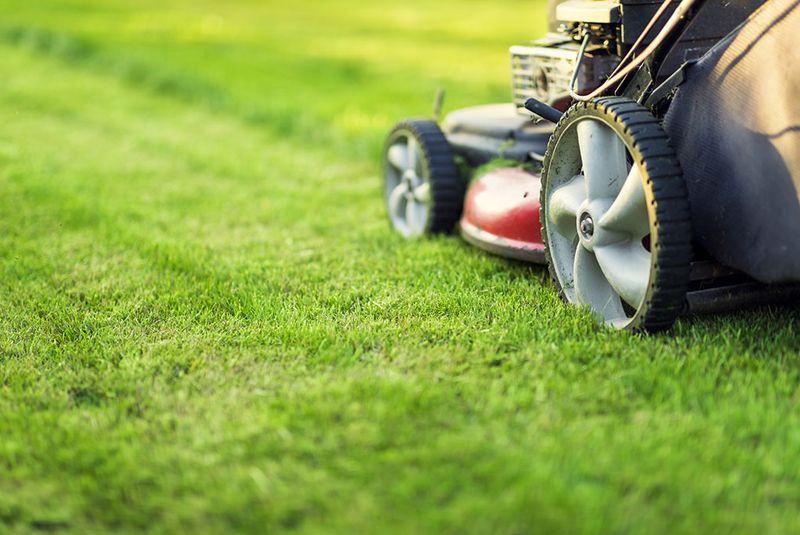
Think of the final mow as tucking your lawn into bed for the winter. A neat, slightly shorter cut helps it rest well. It also cuts down on one sneaky problem called snow mold.
Snow mold is a fungus that grows under snow when grass stays wet and matted for a long time.
When spring arrives, it leaves crusty patches that look gray or pinkish. Long, floppy grass is more likely to fold over and trap that moisture.
To help prevent it, lower your mower one notch for the last cut. Aim for a height of around 2 to 2.5 inches. That is short enough to stand up well under snow but tall enough to protect the crown of the plant.
Be careful not to go too far. Scalping means cutting the grass so short that you see bare soil or brown stems. A scalped lawn loses its winter defense and may struggle in spring.
Do not drop the height all at once if your grass is tall. Lower it gradually over the last two or three mows. That way, you still follow the one-third rule.
Bag or mulch the clippings, but spread them thin. Big clumps left on the lawn can smother the grass below. A light layer of clippings actually feeds the soil as it breaks down.
Here is a quick tip many people forget. After the final cut, raise your mower deck back to its normal setting before storing it.
Come spring, you will be ready to mow at a healthy height from day one, without needing to remember a thing.
Never Mow Frosty Or Frozen Grass
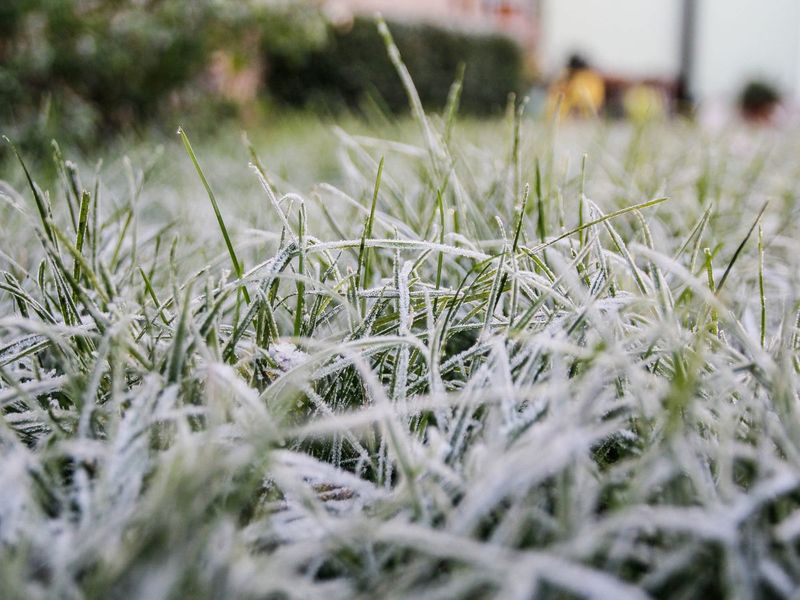
Frost on the lawn looks beautiful on a cold morning. Each blade sparkles like it was dipped in sugar. But that pretty scene hides a real risk for your grass.
When frost forms, the water inside each blade turns into tiny ice crystals. The blades become stiff and brittle, almost like glass. If you step on them or roll a mower over them, those frozen cells can crack and break.
The damage often shows up a day or two later. You might notice brown footprints or tire tracks across your yard. Those marks are spots where the grass was crushed while frozen.
Usually the grass recovers, but late in the season it heals slowly. Some patches may stay brown until spring. That is a long time to look at mower stripes you did not want.
The fix is simple. Wait until the frost has fully melted and the grass is dry before you mow. On many fall days, that means waiting until late morning or early afternoon.
Wet grass is a problem too, even without frost. It clumps, clogs the mower deck, and leaves an uneven cut. Damp ground can also get rutted by mower wheels.
Try to keep foot traffic low on frosty mornings as well. Ask kids to stick to paths, and walk the dog on the sidewalk if you can. Even the mail carrier cutting across your lawn can leave a trail.
So grab a warm cup of cocoa and enjoy the view from the window. Let the sun do its job first. Your lawn will be ready for you a few hours later.
Finish Up With Leaves And Your Mower
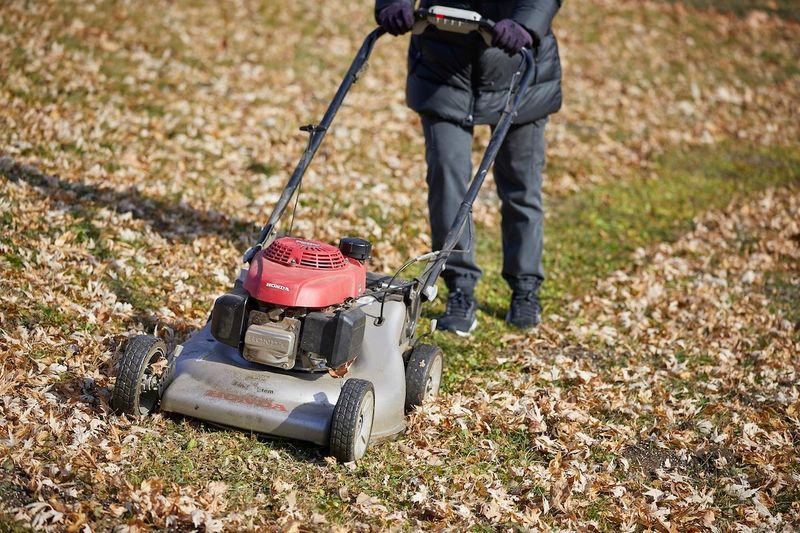
Pennsylvania trees put on an amazing color show every fall. Then all those leaves land right on your lawn. Before you call it a season, you need a plan for them.
A thin layer of leaves is easy to handle. Simply run your mower over them and shred them into small pieces. Those tiny bits fall between the grass blades and break down into natural food for the soil.
Heavy piles are a different story. Thick, wet layers block sunlight and trap moisture. Over winter, they can smother the grass and invite mold and disease.
If the leaves are deep, rake or blow them off first. You can add them to a compost pile, use them as mulch in garden beds, or bag them for pickup. Many Pennsylvania towns offer curbside leaf collection, so check your local schedule.
Once the final mow is done, give your mower some care. Gas left in the tank can go stale over the winter and gum up the engine. Either add a fuel stabilizer and run the engine for a few minutes, or run the tank completely dry.
Next, unplug the spark plug wire for safety. Then scrape off the caked grass under the deck with a putty knife or brush. Clean metal is less likely to rust while it sits.
Sharpen or replace the blade now, so you are ready in spring. Check the oil and change it if it looks dark.
Finally, store the mower in a dry garage or shed. A little effort today means an easy start when the first warm days return.