What To Sow In Ohio Garden Beds After This Fall’s Cleanup
Your garden beds aren’t finished for the year just because you pulled the last tomato plant.
Ohio’s fall cleanup often ends with an empty, bare bed and gardeners walking away until spring, but that timing skips an opportunity sitting right there in the calendar.
A handful of crops actually prefer going into cold soil this time of year, using the season most people write off to get a head start nothing planted in spring can match.
Not every option works though, and picking the wrong one for this window means watching seeds sit dormant instead of doing anything useful before winter locks things down.
Get something into those cleared beds before you close up shop for the season. What you plant now could be ahead of the game before spring even starts.
1. Plant Garlic For A Summer Harvest
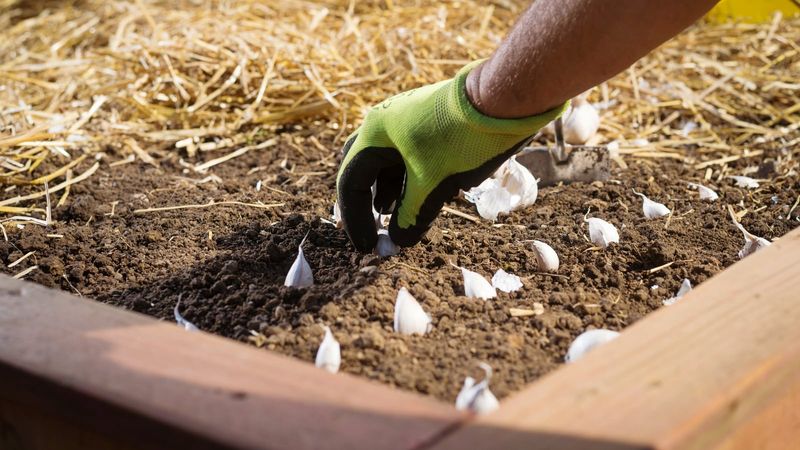
Picture pulling up fat, papery bulbs next July and knowing you planted them in a chilly October. Garlic is the ultimate patient crop, and Ohio winters suit it well.
Aim to plant from mid-October to early November, once the soil cools but before it freezes. Many gardeners like the window between Halloween and Thanksgiving.
Planting too early can push tender shoots up before winter arrives. Those soft leaves may get damaged, so a little waiting pays off.
Garlic needs a long cold spell to form proper bulbs. From fall planting to harvest takes around 240 days, so think of it as a slow and steady project.
Break a bulb into single cloves and keep the papery skins on. Set each clove pointy end up, about 2 inches deep and 4 to 6 inches apart.
That depth helps stop frost from heaving cloves out of the ground. After planting, spread a few inches of straw on top like a cozy winter blanket.
Hardneck types tend to handle cold better than softneck ones. As a bonus, they send up curly scapes in early summer that taste great in stir-fries.
Buy seed garlic from a local grower or garden center instead of the grocery store. Store garlic may be treated to stop sprouting, and it may not suit your climate.
2. Sow Spinach For An Early Spring Crop
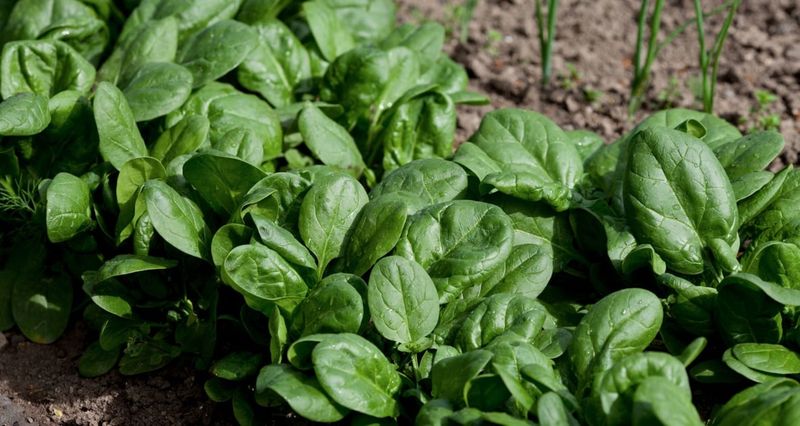
Few greens shrug off frost quite like spinach. When cold weather hits, the leaves pack in extra sugar, which works like a natural antifreeze.
That sweetness also makes winter spinach taste amazing. Many Ohio gardeners say spring leaves from a fall sowing beat anything from the store.
Timing matters here. For the best results, sow seeds in late August or September, roughly 6 to 8 weeks before your first frost.
Missed that window during cleanup? You can still scatter seeds in late fall, and some will sprout as soon as the soil warms in early spring.
Seeds can sprout in soil as cool as 40 degrees. Plant them half an inch deep in rows 14 to 18 inches apart.
Later, thin seedlings so they stand 3 to 5 inches apart. Crowded plants compete for food and water, so a little space goes a long way.
Your Ohio Garden Changes Every Week. Your Plan Should Too.
Gardening in Ohio changes quickly throughout the season. Every Friday you’ll receive a simple weekly plan showing exactly what to plant, prune, fertilize, harvest, and protect so you never miss the right timing.
Spinach loves rich soil full of compost and steady moisture. Work in a couple of inches of compost before sowing to give roots a good home.
Over winter, growth slows to a crawl because of cold and short days. Once spring sunshine returns, the plants take off and give you salads from March into May.
A simple row cover helps plants make it through harsh stretches. It also lets you keep picking a few leaves on mild winter days.
3. Give Hardy Lettuce A Late Fall Start
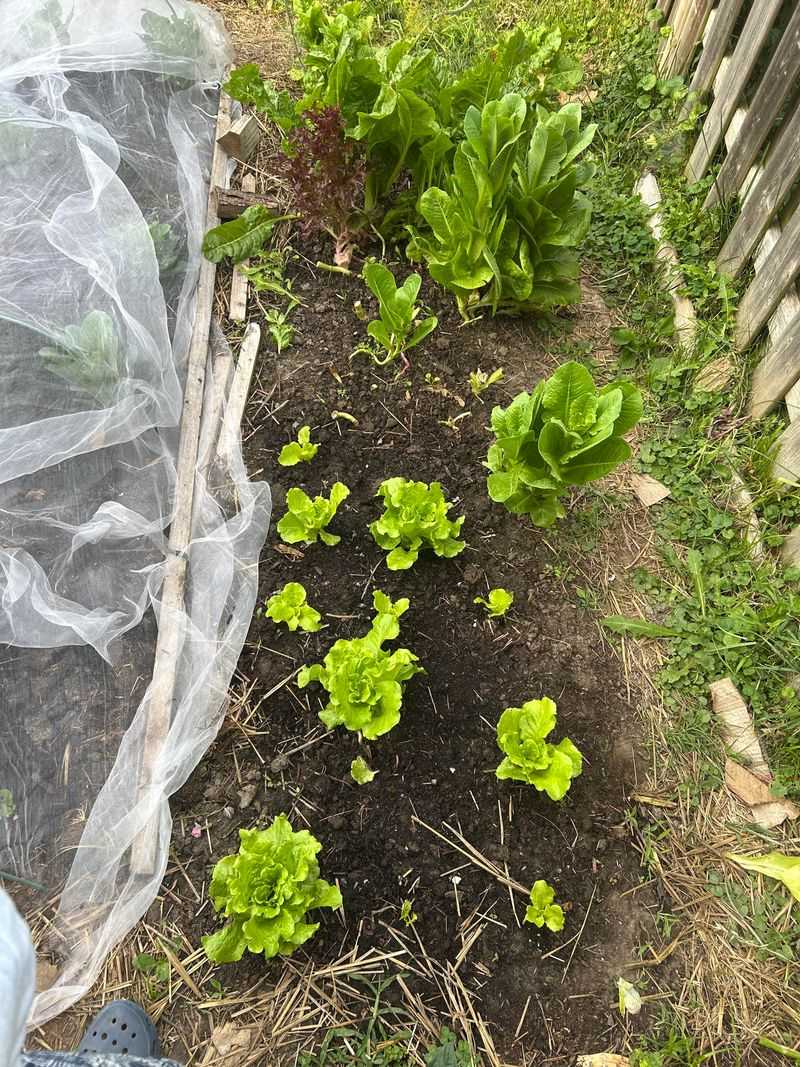
Crisp lettuce in November sounds like a dream, yet it is closer than you think. Some varieties actually get sweeter after a light frost nips their leaves.
Lettuce is a cool-weather lover at heart. In summer heat it bolts and turns bitter, but fall temperatures keep it tender and mild.
Look for cold-tolerant types such as Winter Density, Arctic King, or Rouge d’Hiver. Leaf lettuces also grow fast, so you can start picking within a few weeks.
In much of Ohio, direct sowing in September works well for a fall harvest. Scatter seeds thinly and cover them with just a dusting of soil, since they need light to sprout.
Keep the seedbed damp until tiny leaves appear. A gentle sprinkle each morning is usually enough during cool weather.
Late starts benefit from a little help. Low tunnels made from hoops and frost cloth trap warmth and stretch your season by weeks.
Cloches work too, and you can make one from a clear plastic jug with the bottom cut off. Just open it on sunny afternoons so plants do not overheat.
Harvest outer leaves first and let the center keep growing. With a bit of cover, you may be tossing fresh salads well into early winter.
Here is a fun bonus: lettuce is one of the oldest garden crops around. Ancient Egyptians grew it more than 4,000 years ago.
4. Try Radishes Before The Soil Cools
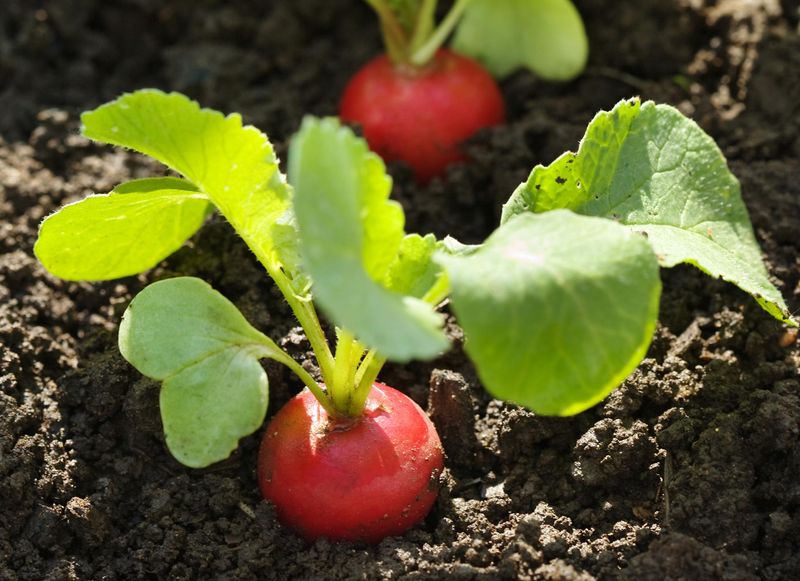
Want a harvest before the first snow? Radishes are the sprinters of the vegetable world, and many varieties go from seed to plate in 22 to 30 days.
For Ohio gardens, sow them by mid-September, about 30 days before your first expected frost. Seeds usually pop up within 5 or 6 days, which is great for impatient gardeners.
Plant seeds half an inch deep in rows about 12 inches apart. Pick a sunny spot with moist soil that drains well.
Once seedlings reach 2 inches tall, thin them to stand 2 to 3 inches apart. Toss the tiny greens you pull into a salad for a peppery kick.
Radishes like soil with a pH between 5.8 and 6.8. A simple test kit from the garden center can tell you where your beds stand.
Pull roots when they are about an inch wide. Wait too long and they may split or turn woody and tough.
For a steady supply, sow a short row every two weeks until early fall. Young plants handle a light frost, but a hard freeze is too much for them.
Kids love growing radishes because results show up fast. Let them pick a colorful mix like Easter Egg, and watch the excitement grow along with the roots.
Even the leftover leaves have a use. Saute radish tops with garlic and butter for a quick side dish.
5. Use Cover Crops To Protect Bare Soil
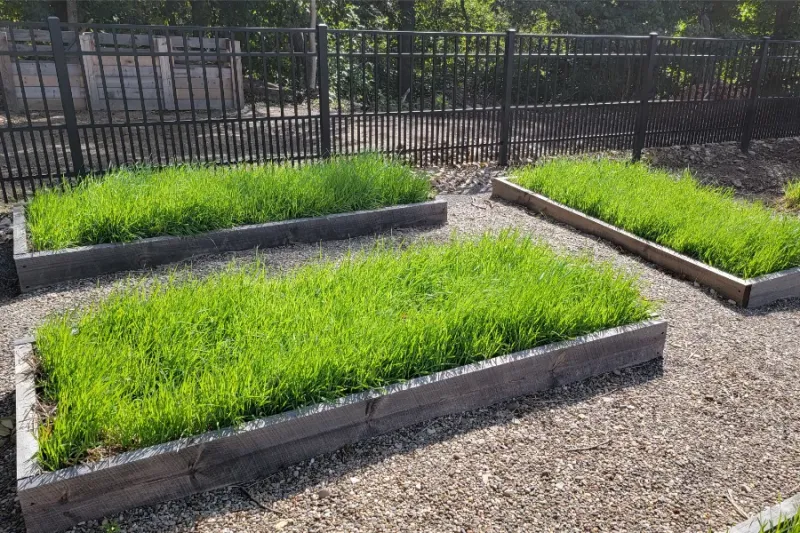
Bare soil is a bit like an open door in January. Wind, rain, and weeds all rush right in.
Cover crops shut that door. They grow quietly through the cool months, holding soil in place with their roots and leaves.
The perks go far beyond erosion control. These plants add organic matter, recycle nutrients, and crowd out weeds before they can settle in.
Their roots also help break up heavy clay, which is common in many yards. Legumes like clover and peas even pull nitrogen from the air and store it in the soil.
Underground, cover crops feed a busy crowd of helpful microbes and earthworms. Healthy soil life means better crops for you next year.
Most cover crops in Ohio should go in right after your vegetable harvest, ideally by the end of September. Cereal rye and winter wheat can wait until October or even November.
Planting is simple. Rake the bed lightly, broadcast seeds by hand or with a spreader, then rake again to cover them.
Many home gardeners prefer annual cover crops. They are easy to turn into the soil in spring and will not stick around as a stubborn weed.
Think of cover crops as a winter coat for your beds. Your soil stays snug, and spring planting gets a lot easier.
6. Add Winter Rye Where Beds Need Protection
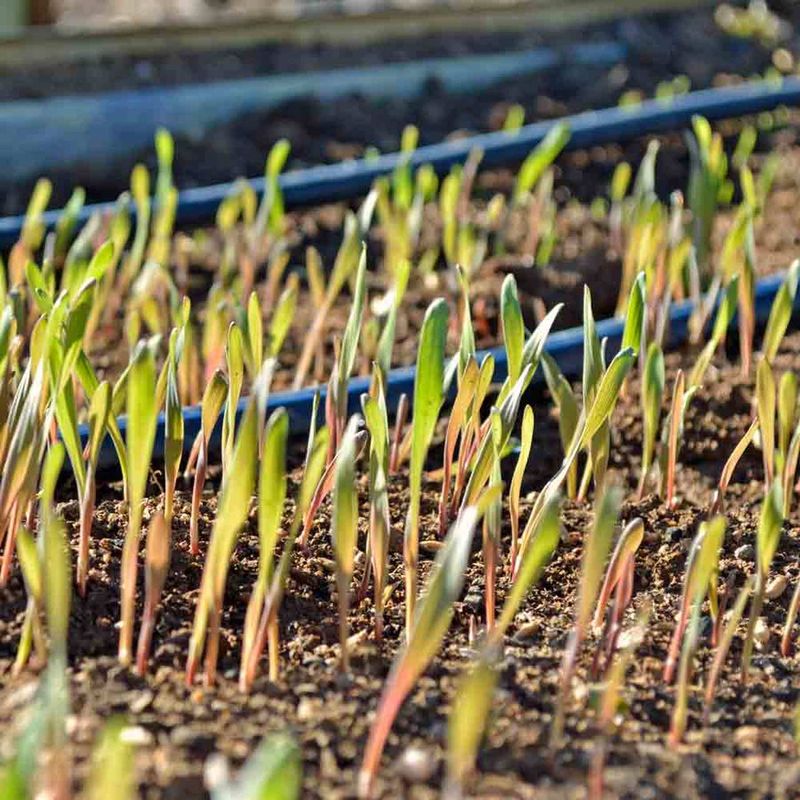
Running late on fall chores? Winter rye, also called cereal rye, is the cover crop for procrastinators.
It can sprout in soil as cold as 32 degrees. That toughness means Ohio gardeners can sow it through mid-November and still get a good stand.
Rye grows fast and forms a thick carpet of green. Weeds have a hard time finding room to squeeze through.
Below ground, its deep roots loosen packed soil. They also pull nutrients up from lower layers and hold nitrogen in the topsoil where future crops can reach it.
Sow seeds 1 to 2 inches deep, or broadcast them and rake them in well. Use it in beds where soil tends to wash away or where weeds cause trouble every year.
Rye is the first crop to wake up in spring. That early growth gives you weed control before most seeds in your garden have even stirred.
Keep an eye on it as the weather warms, though. Rye can shoot up quickly, and you want to handle it before it forms seed heads.
Mow or trim it with a string trimmer while it is still short. Then turn it into the soil, and wait about two weeks before planting.
One more tip: rye releases natural compounds that can slow small seeds from sprouting. Transplants tend to handle a rye-covered bed better than tiny seeds.
7. Sow Crimson Clover For Soil Benefits
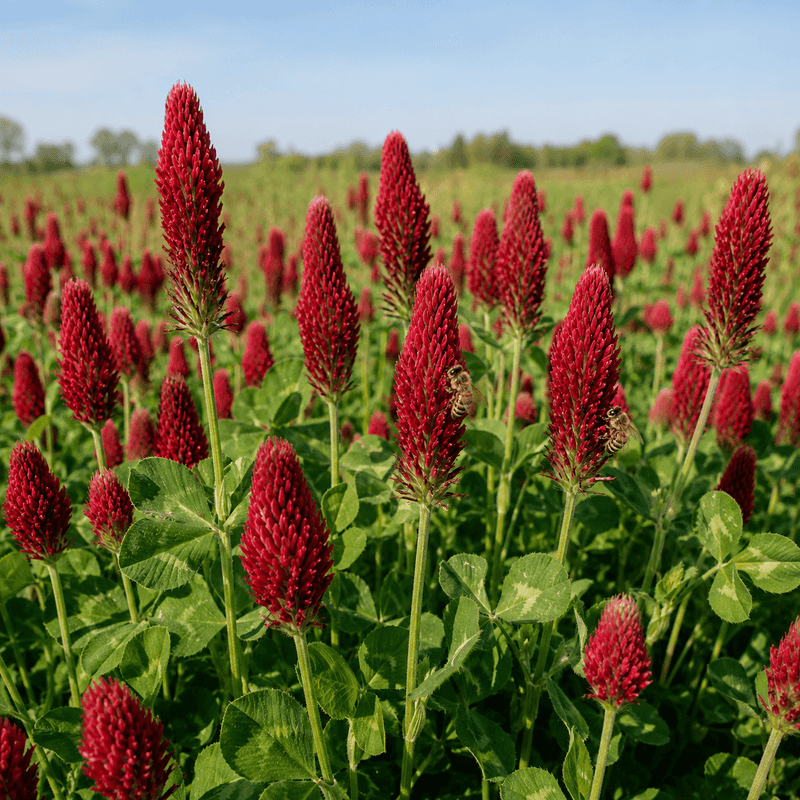
Imagine a bed full of bright red, strawberry-shaped blooms next May. Crimson clover brings that cheerful show while quietly improving your soil.
Its biggest gift is nitrogen. Like other legumes, it partners with soil bacteria to capture nitrogen from the air and store it in its roots.
Hungry crops like corn, squash, and tomatoes love that boost. Some gardeners say it is like planting free fertilizer.
Timing is key with this one. In Ohio, sow it by mid-September so plants can grow strong roots before cold weather settles in.
Scatter seeds over loose, raked soil and press them in lightly. Keep the bed moist for a week or so until sprouts appear.
Crimson clover grows as a winter annual in most gardens. Still, it needs to be managed in spring, or it may keep growing where you want vegetables.
Cut it down when flowers start to open, since that is when nitrogen levels peak. Then mix the plants into the soil or leave them on top as mulch.
Bees adore the blooms if you let a few patches flower. Leaving a small strip along the edge can feed pollinators early in the season.
In very cold spots, pair clover with rye for extra protection. The rye shields the clover, and together they make a strong team.
8. Plant Shallots For Another Early Crop
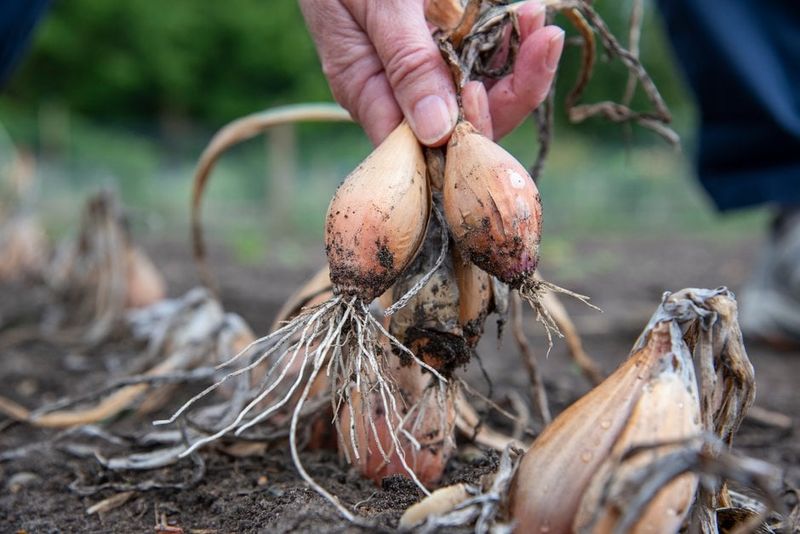
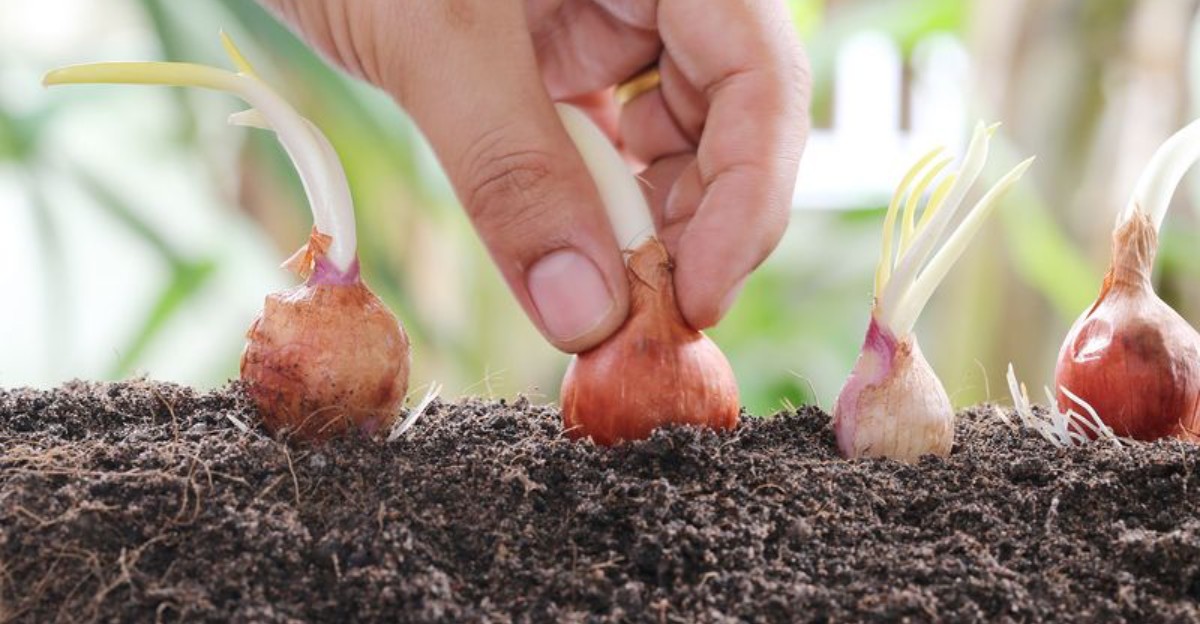
Plant one shallot, harvest a whole cluster. These mild, sweet cousins of the onion multiply underground, giving you several bulbs from a single start.
Fall planting usually leads to a bigger harvest than spring planting. Ohio sits mostly in USDA Zones 5b to 6b, which suits shallots nicely.
Aim to plant from late October through November. A handy rule is to get them in 4 to 6 weeks before the ground freezes.
Shallots need a chilly rest between 32 and 50 degrees to form good bulbs. Late fall weather handles that job for you.
Set each bulb root end down, about 2 inches deep. Space them 6 inches apart so every cluster has room to spread.
Their roots stay shallow, so loose soil makes a big difference. Mix in compost and make sure the bed drains well after heavy rain.
After planting, cover the bed with a layer of straw. Mulch keeps frost from pushing bulbs up and out of the ground.
You may see green shoots pop up before winter, and that is fine. The tops may fade in the cold, then return with fresh energy in spring.
French cooks treasure shallots for sauces and dressings. Growing your own saves real money, since a small bag can be pricey at the grocery store.
9. Let Fall-Sown Crops Rest Until Spring
Once everything is tucked in, the hardest part begins: waiting. Now your main job is to let nature take the wheel.
Plenty happens below the surface even when beds look quiet. Garlic and shallots grow roots in fall, rest through winter, and then bulk up when spring arrives.
Spinach and other greens slow way down in the cold. They build up sugars to protect their leaves, then burst back to life as days grow longer.
Cover crops like rye and wheat send up shoots in fall and pause in winter. Some leaves may brown, but the roots stay ready to regrow.
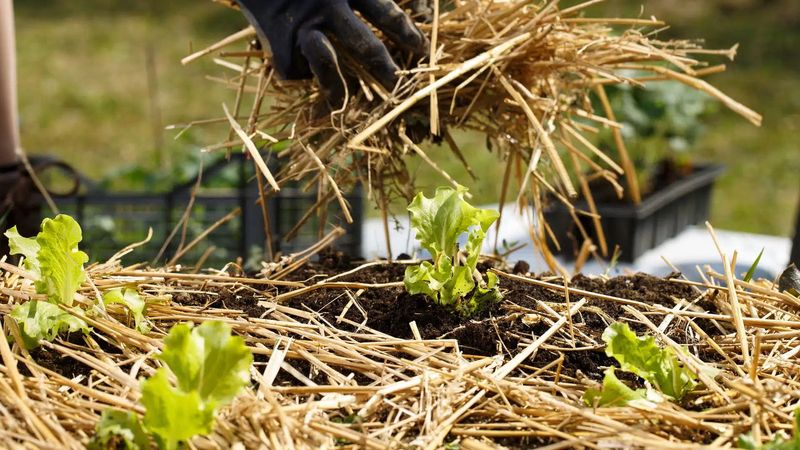
Mulch is your best friend during these months. It keeps soil temperatures steady and cuts down on frost heaving that can lift bulbs and roots.
Resist the urge to dig around. Walking on soggy or frozen beds can pack the soil and harm young roots.
Try a sneaky trick for next year. Leave the roots of harvested beans and peas in place, since they feed helpful soil microbes all winter.
In spring, turn cover crops into the soil before they grow too tall. Give them about two weeks to break down before planting vegetables.
Then check your garlic, taste your spinach, and admire all that fresh green. Patience in winter pays off with a garden that starts strong.