Pennsylvania Plants You Should Prune This October
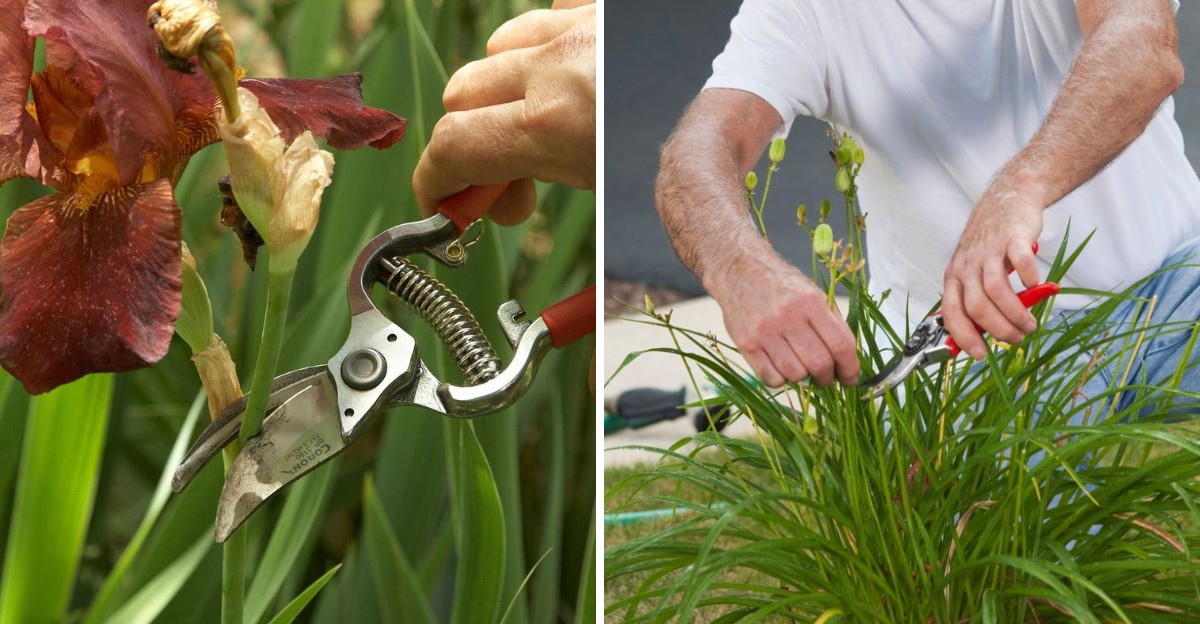
Leaving the garden a little messy over winter has become popular advice, and for good reason.
Seed heads feed birds, and hollow stems shelter helpful insects. But that advice doesn’t apply to every plant.
Some Pennsylvania perennials and fruiting plants actually do better with a fall trim. Old foliage on some of them hides fungal spores and pest eggs that ride out the winter and return in spring.
Other plants turn mushy and slimy after the first frost, creating a perfect hiding spot for slugs. A few simply grow back stronger and cleaner when the old growth is cleared away now.
Knowing which plants fall into this group can save you trouble down the road. It also keeps your garden healthier without undoing the good that comes from leaving other plants standing.
October is the right moment to get these cuts done.
1. Peonies Need A Clean Cut After Frost
Grandma’s peonies have bloomed by the same porch for fifty years, and there is a reason they keep going strong. Fall cleanup is one of their secrets. Peonies are tough plants, but they do have one big enemy.
That enemy is botrytis blight. It is a fungus that turns buds brown and makes stems flop over. The tricky part is that it hides on old peony stems and leaves all winter long.
When spring comes, the fungus wakes up and jumps onto the fresh new shoots. Your beautiful blooms might never open. Luckily, you can stop this cycle with a simple pair of pruners.
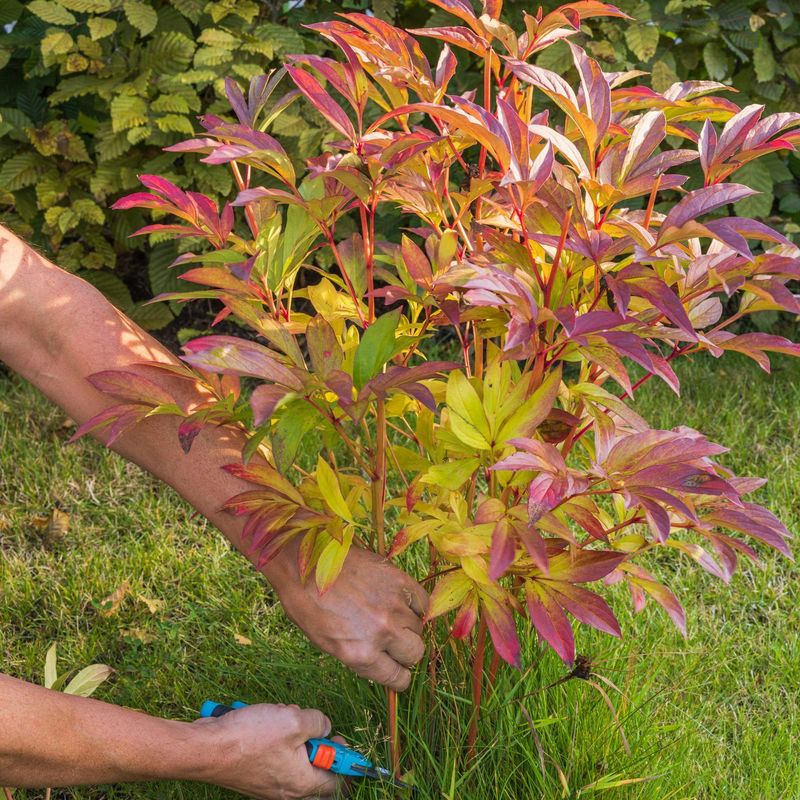
Wait until the first frost turns the foliage black. In most of Pennsylvania, that happens sometime in October. Then cut every stem down to about one inch above the soil.
Be careful not to dig into the crown. The crown holds small pink buds called eyes, and those eyes become next year’s stems. Snip gently and keep your blades clean.
Here is a key tip. Do not toss the cut stems into your compost pile. Home compost piles often do not get hot enough to destroy fungus spores, so bag the debris or put it out with yard waste.
After cleanup, rake away any fallen leaves near the base. You can add a light layer of shredded bark if you live in a colder part of the state. Just keep the mulch thin, because peonies planted too deep often refuse to bloom.
Fun fact: Indiana named the peony its state flower, but Pennsylvania gardeners have loved them for centuries too. With a little fall care, yours could last for generations.
2. Bearded Iris Fans Get A Trim
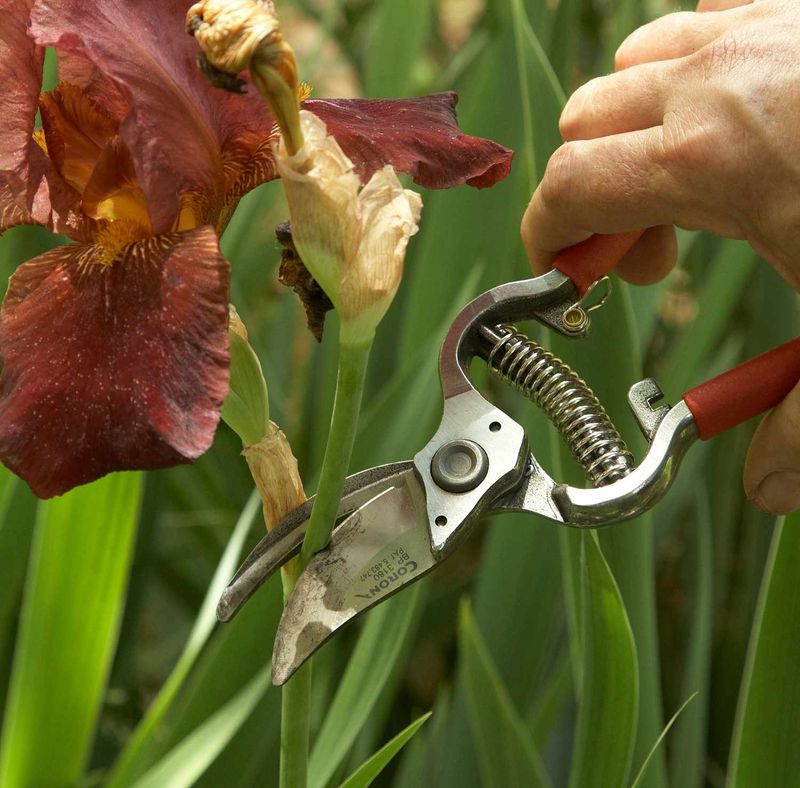
Sneaky little moths are the real reason to trim your iris this month. The iris borer is one of the worst pests these flowers face. Its story starts in the fall, right in your garden.
Adult borer moths fly around in late summer and early fall. They lay tiny eggs on old, dry iris leaves. The eggs sit there quietly all winter, waiting for warm weather.
Your Pennsylvania Garden Changes Every Week. Your Plan Should Too.
Gardening in Pennsylvania changes quickly throughout the season. Every Friday you’ll receive a simple weekly plan showing exactly what to plant, prune, fertilize, harvest, and protect so you never miss the right timing.
In spring, the eggs hatch into small caterpillars. They chew their way down the leaves and into the thick roots, called rhizomes. Once inside, they eat the rhizome from the inside out and can let rot set in.
So how do you stop them? Remove the eggs before spring arrives. Trimming the leaves takes away their winter hideout.
Use sharp shears to cut each fan of leaves down to about four to six inches tall. Many gardeners cut them into a neat upside-down V shape. It looks tidy and helps rain run off.
Next, pull away any brown or mushy leaves lying around the plants. Check the rhizomes too. If you see a soft, smelly spot, cut it out with a clean knife and let the area dry.
Toss all the trimmings in the trash, not the compost. You want those eggs gone for good. A clean iris bed in October means far fewer borers in May.
Iris rhizomes also like a little sunshine on their tops. Avoid piling thick mulch over them. Pennsylvania winters are cold, but bearded iris are hardy and will bounce back with bold color next spring.
3. Garden Phlox Deserves A Fresh Start
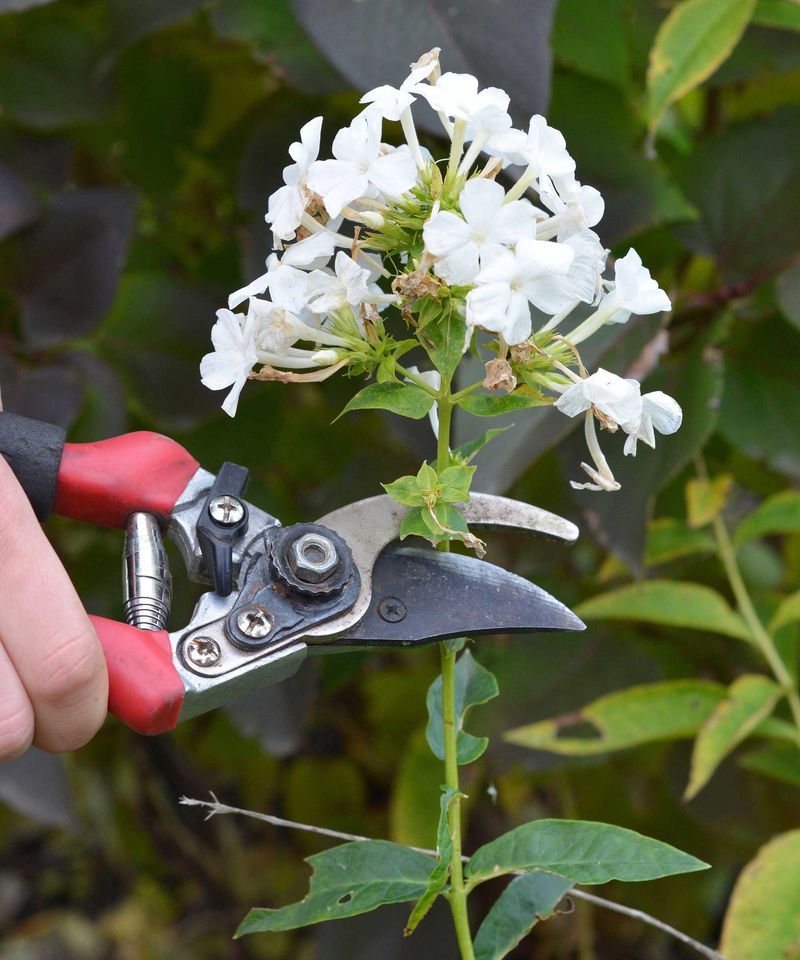
Ever notice a white, dusty coating on your phlox leaves by late summer? It looks like someone sprinkled flour all over them. That coating is powdery mildew, and phlox gets it a lot.
Garden phlox is a summer star. It fills the yard with sweet scent and draws butterflies and hummingbirds. But by October, many plants look tired, gray, and spotty.
Powdery mildew is a fungus. It loves warm days, cool nights, and crowded plants with poor airflow. Pennsylvania summers often give it exactly what it wants.
The spores can hang out on old stems and fallen leaves through winter. When spring arrives, they may spread to the new growth. That is why fall cleanup matters so much.
Cut all the phlox stems down to the ground, or about an inch above it. Gather every fallen leaf you can find around the plant. Bag it up and throw it away.
While you are at it, think about spacing. If your phlox clumps are packed tight, consider dividing them next spring. More room means more air, and more air means less mildew.
Here is another smart trick. When you shop for new phlox, look for mildew-resistant types like David or Jeana. David has bright white flowers, and Jeana is a pollinator favorite.
Water your phlox at the base next summer instead of spraying the leaves. Wet leaves invite fungus. A little planning now, plus a quick October trim, can give you healthier and happier phlox next year.
4. Bee Balm Benefits From A Fall Haircut
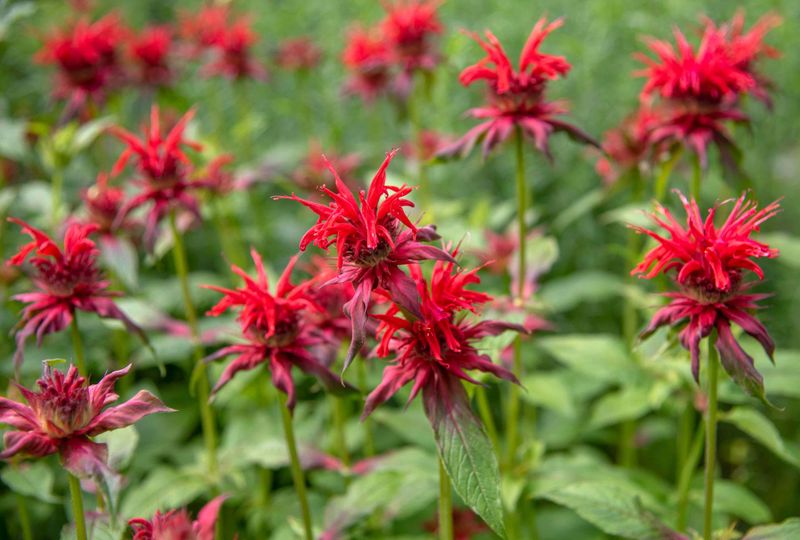
Bumblebees go wild for bee balm in July. The shaggy red, pink, and purple blooms look like tiny fireworks. By fall, though, the party is over, and the plant often looks a little sad.
Just like phlox, bee balm is a magnet for powdery mildew. The leaves turn grayish white and may curl or drop. It does not usually harm the plant badly, but it sure is not pretty.
The good news? You can help stop the cycle. Once bee balm finishes blooming and starts to fade, cut the stems down to a few inches above the soil.
Clear away the infected stems and leaves. Do not leave them lying in the bed. Fungus spores can survive winter on that old debris and return in spring.
Did you know bee balm has a cool history? It is also called Oswego tea. Native Americans and early colonists brewed its leaves into a minty tea, especially after the Boston Tea Party.
Bee balm is a member of the mint family. That means it spreads quickly through underground roots. October is a fine time to pull out runners that have wandered where you do not want them.
Some gardeners like to leave a few seed heads standing for birds. That is okay if your plants stayed healthy. If mildew was heavy, cleaning up everything is the safer choice.
Next season, give your bee balm plenty of sun and room to breathe. Varieties like Jacob Cline and Marshall’s Delight resist mildew well. Your bees and hummingbirds will thank you.
5. Hostas Turn Into Slug Hotels
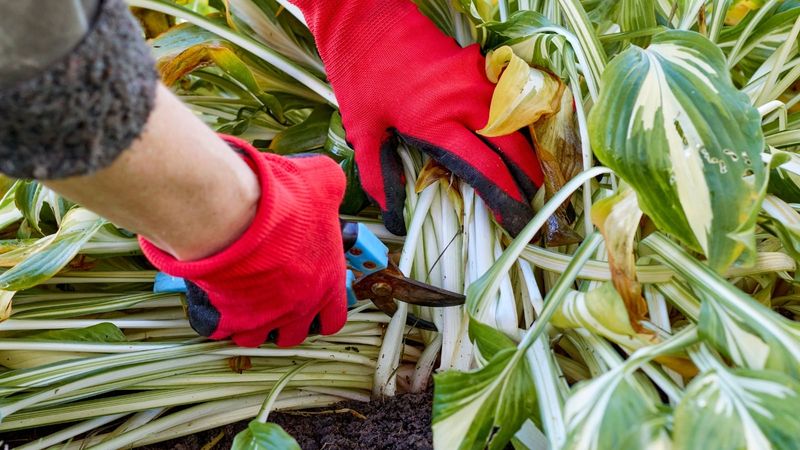
Slugs are sneaky little lodgers. They love nothing more than a damp, dark place to spend the winter. Frosted hosta leaves give them the perfect cozy room.
Hostas are shade garden heroes across Pennsylvania. Their big, bold leaves come in shades of green, blue, gold, and white. But after the first hard frost, those leaves collapse into a slimy brown pile.
That soggy mess is more than an eyesore. Slugs crawl under it to hide and lay their eggs. When spring comes, hungry baby slugs are already waiting next to your fresh hosta shoots.
You have probably seen the damage before. Ragged holes appear in hosta leaves almost overnight. Most of the time, slugs are the ones to blame.
Removing the collapsed foliage is an easy fix. Wait until frost has turned the leaves soft and yellow. Then cut or gently pull them away from the crown.
Wear gloves, because the leaves can be slippery and gross. Rake up any bits left behind. Add the debris to your trash or yard waste bin to send those eggs packing.
Here is a bonus tip. Avoid piling thick, wet mulch right over hosta crowns. A thin layer is fine, but heavy mulch can hold moisture that slugs adore.
Some gardeners also set out shallow dishes of beer in spring to catch slugs. It sounds silly, but it works. Pair that with October cleanup, and your hostas will have fewer holes and much prettier leaves next summer.
6. Summer-Bearing Raspberries Need Old Canes Removed
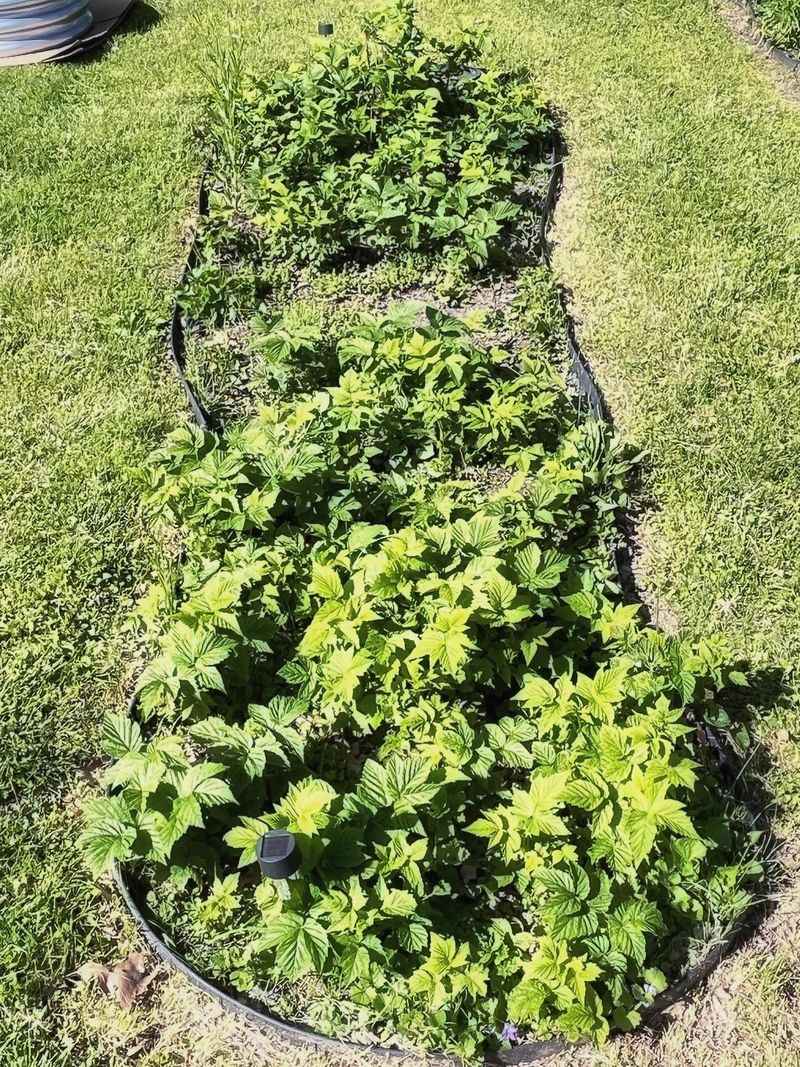
Fresh raspberries picked warm from the bush are one of summer’s best treats. If you want a big harvest next year, October is when the work begins. The secret lies in understanding how these plants grow.
Summer-bearing raspberries have a two-year cycle. In the first year, new green canes grow tall but make no fruit. These are called primocanes.
In the second year, those same canes produce berries. After harvest, they are finished for good and slowly turn brown and dry. These used-up canes are called floricanes.
Spent floricanes will never fruit again. Leaving them in the patch just crowds the plants and blocks airflow. Worse, they can carry diseases like cane blight and spur blight.
Telling them apart is easy. Old canes are gray or brown, woody, and often have peeling bark. New canes are green or reddish and feel flexible.
Grab a sturdy pair of pruners and thick gloves, since many raspberries have thorns. Cut each old cane right down at ground level. Do not leave stubs, because stubs can invite pests and disease.
Once the old canes are out, look at the new ones. Thin them so they stand about six inches apart. Keep the strongest, thickest canes and remove the weak, skinny ones.
Clean up all the cuttings and remove them from the garden. A tidy patch stays healthier through winter. Next July, those young canes you saved will be loaded with sweet berries for jam, pies, or snacking straight off the bush.
7. Daylilies Finish The Season Tidy
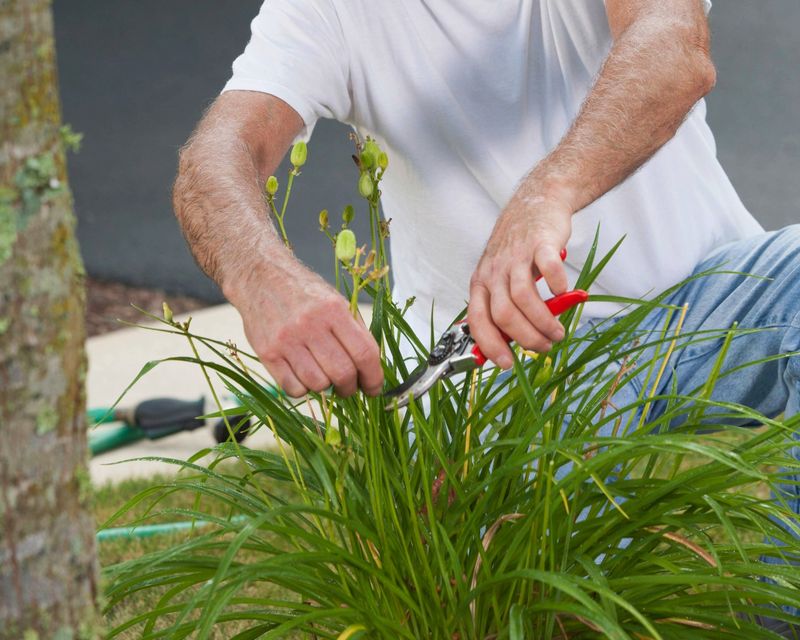
Orange daylilies line country roads all over Pennsylvania. Folks often call them ditch lilies because they grow almost anywhere. These tough plants ask for very little, but a fall trim keeps them looking their best.
By October, daylily leaves start turning yellow and then brown. They flop over and tangle into a messy heap. It is the plant’s way of saying it is ready to rest.
Once most of the foliage has changed color, cut it back. Leave about three to four inches above the ground. You can use pruners, garden shears, or even a sharp pair of scissors.
Why bother? A neat bed simply looks nicer through the winter months. More importantly, it removes hiding places for slugs, snails, and other pests that love damp, tangled leaves.
Some daylilies are evergreen and keep green leaves longer. If yours still look healthy, you can wait a bit. Only trim the foliage that has turned brown and soft.
Fun fact: each daylily flower blooms for just one day. That is how the plant got its name. A single plant makes so many buds, though, that it can bloom for weeks.
Fall is also a nice time to check for overcrowding. If your clumps have fewer flowers than before, they may need dividing. You can split them now or wait until early spring.
Rake up the clippings and add healthy ones to compost. Daylilies rarely carry serious disease, so they are compost friendly. With this easy chore done, your garden is ready to rest until spring.