The Yard Problems New York Homeowners Should Watch For After Heavy Fall Rains
Your boots squish, the air smells like wet leaves, and the lawn looks a little too shiny. Heavy fall rain in New York can feel cozy from a window seat, but your yard tells a different story.
Water sneaks into soil, roots, garden beds, and even the base of big trees. Some changes show up overnight, like strange mushrooms popping up across the grass.
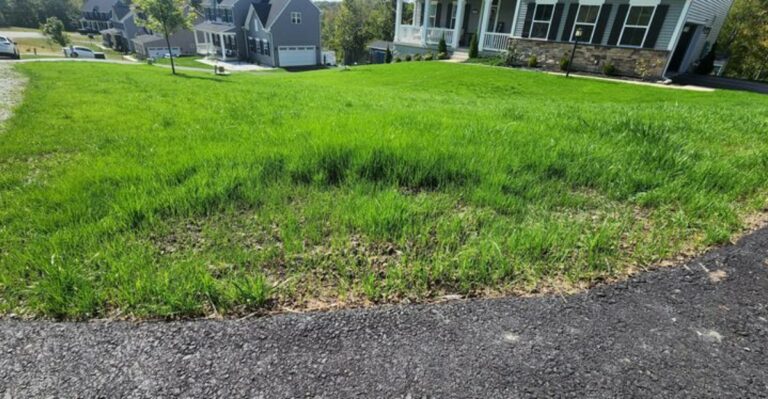
Others hide quietly until spring, when bare patches and weak plants suddenly appear. Luckily, most rain trouble gives off early clues if you know where to look.
A quick walk around the property after a storm can save you money, time, and plenty of frustration. Some of what you find will be harmless.
A few problems, however, deserve fast action before winter settles in. The guide below shows which ones to watch for and how to handle each.
1. Mushrooms Popping Up Overnight
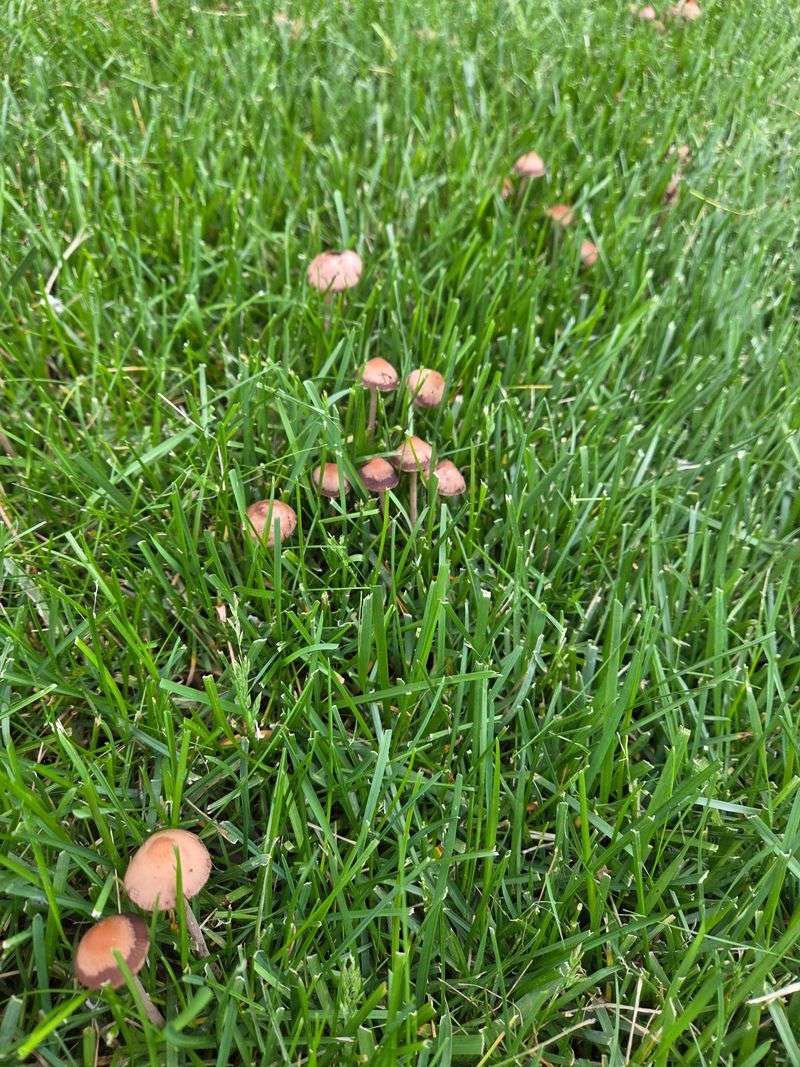
You go to bed with a tidy lawn and wake up to a tiny mushroom village. Kids love it, but many homeowners panic a little.
Here is the secret behind the surprise. Those caps are only the fruit of a hidden fungus network called mycelium.
Mycelium lives underground all year, quietly breaking down old roots, leaves, and buried wood. Once soil gets soaked, it pushes up mushrooms to release spores.
Rain also softens the ground, so the caps break through with ease. Shade and cloudy days help them stick around even longer.
Most lawn mushrooms are harmless and point to healthy, active soil. Think of them as tiny recyclers turning decaying matter into plant food.
Still, a few types can cause real trouble if eaten. False parasols, common on lawns, can trigger severe stomach upset in people and pets.
Families with curious toddlers or snacking dogs should act quickly. Pick the mushrooms with gloves and toss them in the trash, not the compost.
Mowing over them works too, though it may scatter spores around. Bagging the clippings keeps the mess smaller and tidier.
Patience is another fair option for adults-only yards. Mushrooms usually fade once the soil dries out after a few sunny days.
Want fewer of them next fall in New York? Rake up thick leaf piles, trim low branches for sunlight, and pull out old stumps when possible.
Fungicides rarely help because the network lives deep below. Drier, brighter conditions do far more to calm the mushroom party.
2. Puddles That Expose Poor Drainage
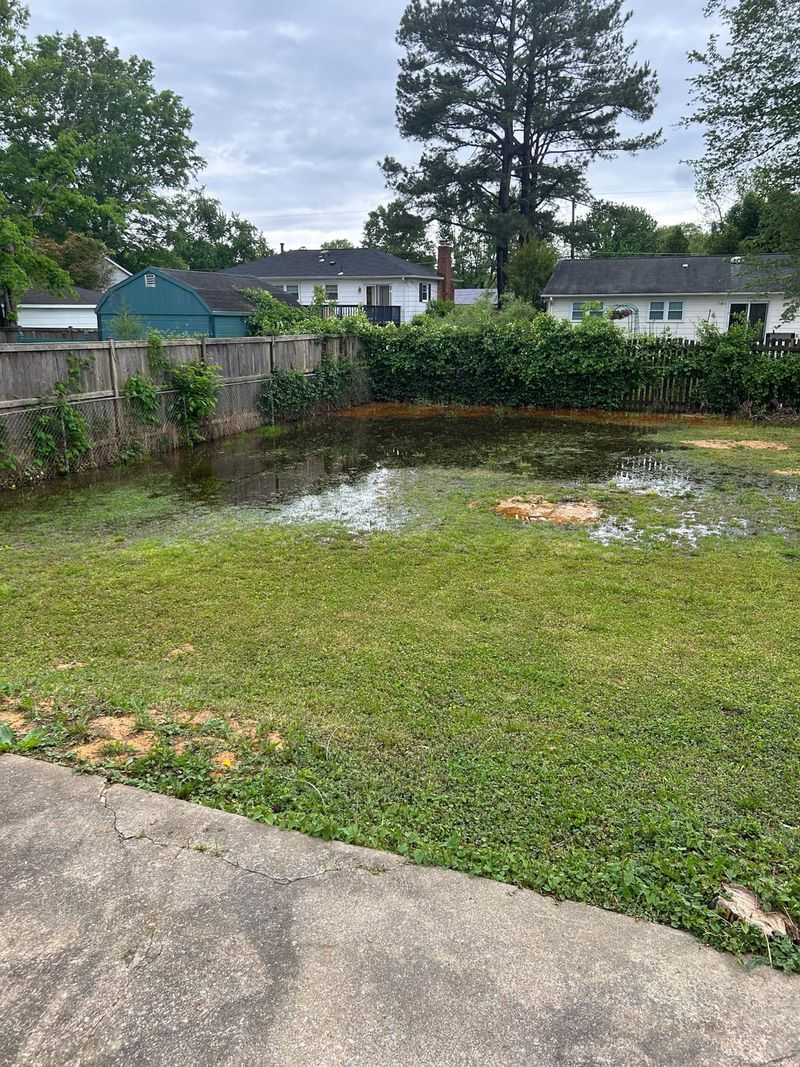
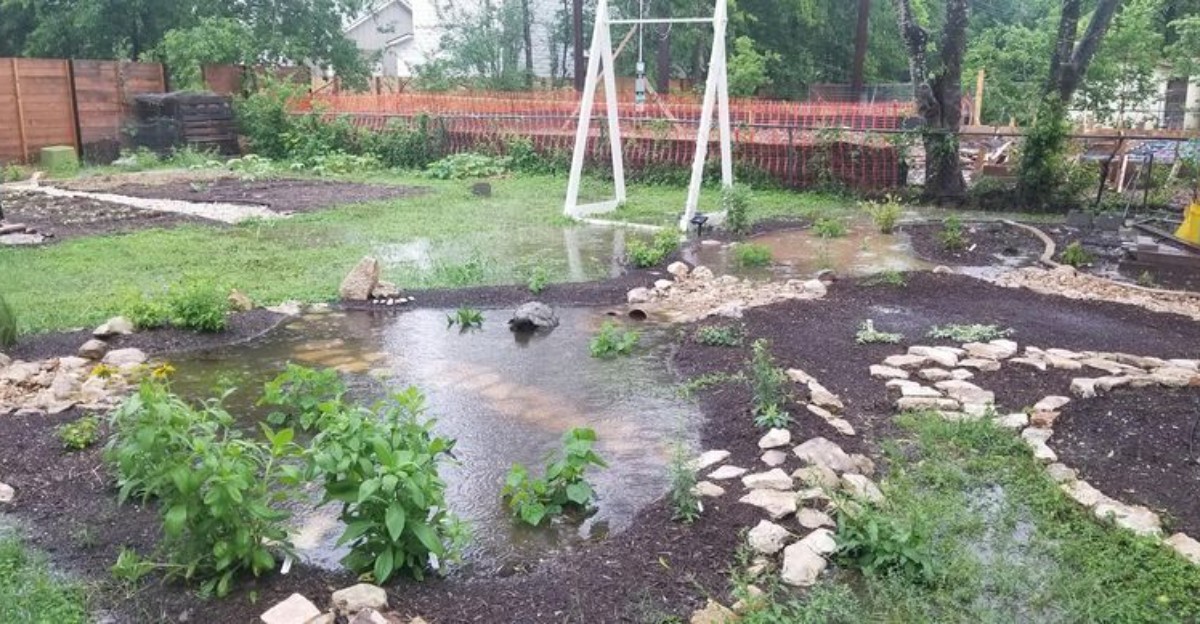
A puddle after a storm is normal, so do not stress over every splash. The real question is how long that water hangs around.
Experts use a simple rule of thumb. Water still sitting after 24 hours signals drainage that is not doing its job.
Try this quick test after the next big rain. Snap a phone photo of each puddle, then check again the next day.
Other clues are easy to feel underfoot. Grass that squishes like a waterbed means the ground cannot shed water fast enough.
Your nose might notice trouble, too. Stagnant water invites bacteria and algae, which can leave a sour, swampy smell behind.
Your New York Garden Changes Every Week. Your Plan Should Too.
Gardening in New York changes quickly throughout the season. Every Friday you’ll receive a simple weekly plan showing exactly what to plant, prune, fertilize, harvest, and protect so you never miss the right timing.
Location matters a lot here. Pooling near your house can seep toward the foundation and lead to cracks over time.
Driveways and walkways suffer as well. Soggy ground underneath shifts and sinks, so concrete may crack or tilt.
Start with the easy fixes first. Clear gutters, add downspout extensions, and aim water at least six feet from the house.
Low spots can often be filled with a mix of topsoil and compost. Gently slope the area away from buildings as you spread it.
Bigger problems may need a French drain or a rain garden. Many New York towns even offer rain garden tips through local extension offices.
Keep notes on where water gathers each season. Those patterns help a landscaper plan smarter repairs and save you money.
3. Compacted, Waterlogged Soil
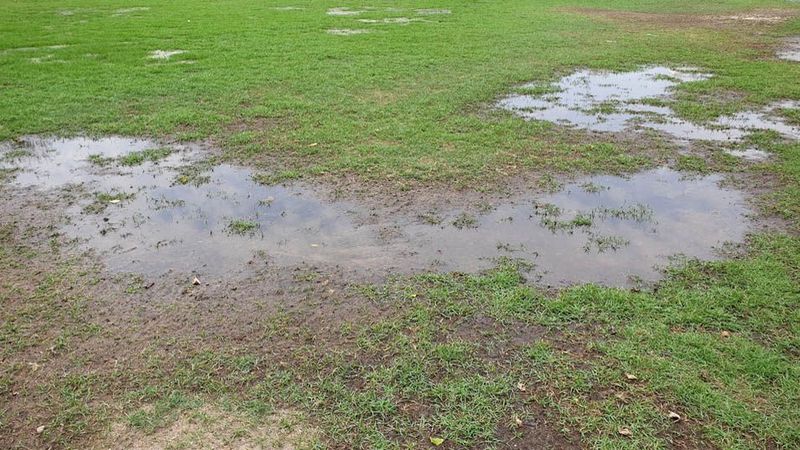
Picture a sponge that someone stepped on and then dunked in a bucket. Heavy rain can turn your soil into exactly that.
Healthy soil is full of tiny air pockets. Roots breathe through those spaces, much like we breathe through our lungs.
Once water fills every gap, oxygen runs out. Roots stop growing, struggle to drink, and can fail to pull in nutrients.
Clay soil, common across much of the state, takes the hardest hit. Pounding rain presses its fine particles tighter and tighter together.
Foot traffic makes things worse in a hurry. Walking or mowing on soaked ground squeezes out the last bits of air.
So how can you tell? Push a screwdriver into the lawn and feel for strong resistance, or watch for wilting plants despite wet soil.
Patience is your best early tool. Stay off soggy areas until the soil crumbles in your hand instead of smearing like putty.
Once things dry a bit, core aeration works wonders. The machine pulls out small plugs so air and water can move again.
Many garden centers rent aerators by the half day. Splitting the cost with a neighbor makes the job cheaper and more fun.
Follow up with a thin layer of compost on top. Over time, organic matter loosens clay and helps it drain much better.
Fun fact: earthworms are free aerators. Healthy, compost-rich soil invites them to tunnel and loosen the ground for you.
4. Root Rot In Shrubs And Perennials
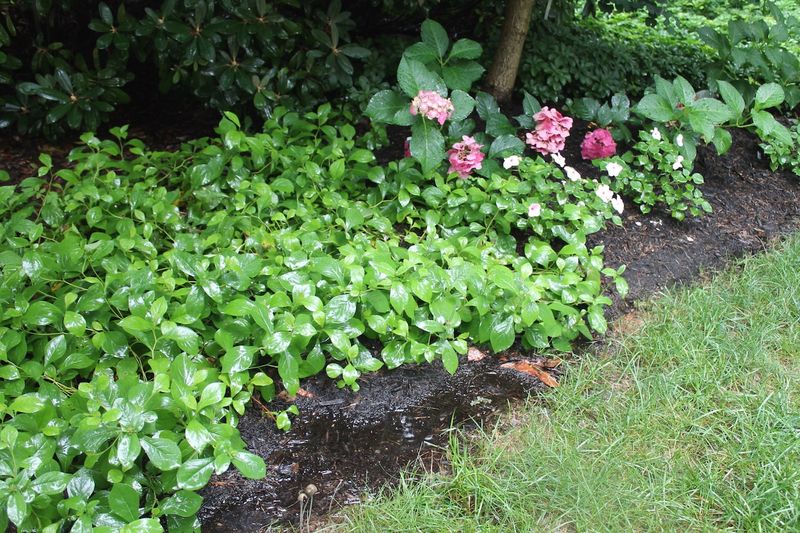
Strange as it sounds, a plant can look thirsty while standing in wet soil. That puzzling sight is often the first hint of root rot.
Soaked ground cuts off oxygen around the roots. Without air, roots weaken, turn soft, and lose their grip on water.
Fungi that cause rot love these damp, airless spots. They move in fast and attack roots that are already stressed.
Watch your shrubs and perennials closely after a rainy stretch. Wilting, yellow leaves, and stunted growth are classic warning signs.
Rotting near the base is another red flag. Stems may feel mushy or darken right at the soil line.
Curious about what is happening below? Gently dig near one struggling plant and peek at a few roots.
Healthy roots look firm and pale, often white or tan. Rotting roots look brown or black and may slip apart when touched.
Young plants face the biggest risk, especially ones added this year. Their small root systems have little energy to bounce back.
Hold off on watering and fertilizing until the soil dries. Extra water and food add stress to an already struggling plant.
Badly damaged plants can be moved to higher, better-drained ground. Raised beds help a lot in heavy clay areas.
Choose plants that handle wet feet for low spots. Red twig dogwood, winterberry, and swamp milkweed all tolerate soggy conditions nicely.
5. Lawn Diseases Like Red Thread
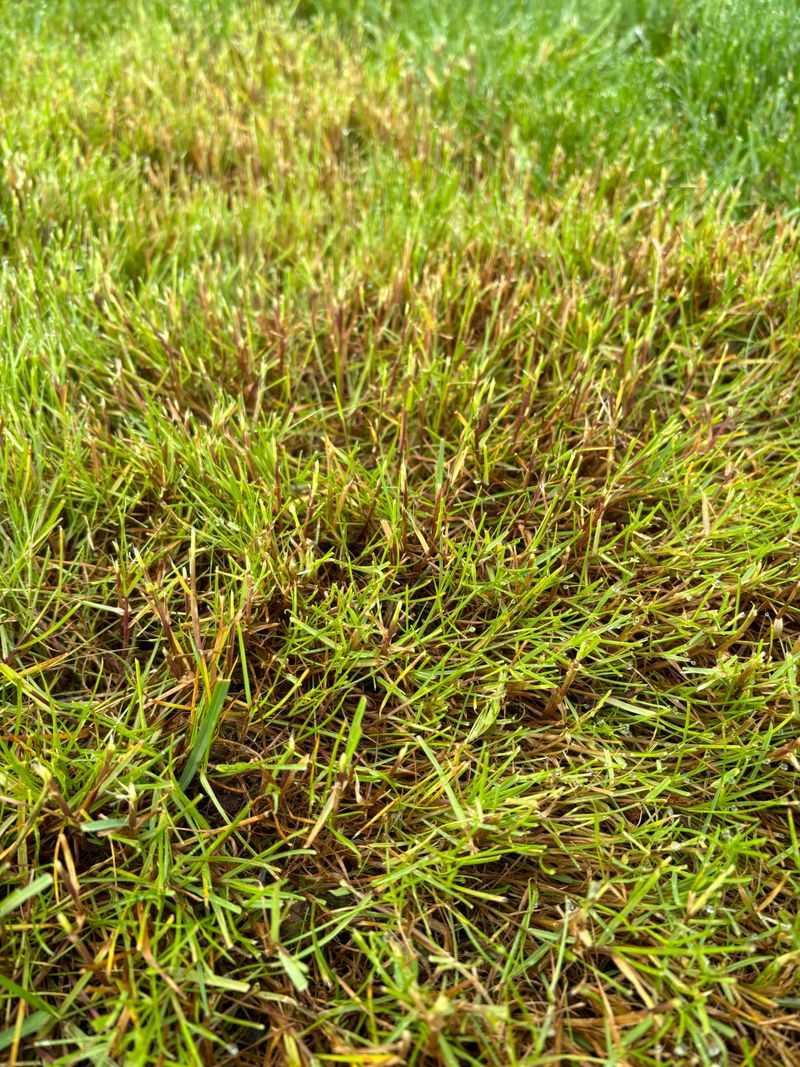
Kneel down on a damp fall morning and you might spot pink fuzz on your grass. No, someone did not spill fruit punch.
That odd color usually comes from red thread, a fungal disease. Cool, wet, cloudy weather makes it feel right at home.
From a distance, patches look tan or straw colored. They can range from two inches to three feet across.
Up close, the clue is easy to see. Reddish-pink threads stick out from blade tips like tiny deer antlers.
Many people mistake it for drought damage at first. Blades wither from the tip down, which looks a lot like thirst.
Cool-season grasses suffer most, especially perennial ryegrass and fine fescue. Those types fill countless lawns around New York.
Hungry lawns catch it more easily. Grass short on nitrogen cannot outgrow the fungus, so patches spread.
Here is a bit of relief. Red thread mostly harms leaves, not roots, so the lawn often recovers with good care.
A light fall feeding with nitrogen fertilizer helps grass push past the problem. Follow label rates closely to avoid overdoing it.
Bag clippings from infected areas when mowing. Fewer threads tossed around means less spread to healthy spots.
Better airflow helps too, so prune low branches and aerate compacted ground. Most homeowners can skip fungicides for this mild disease.
6. Washed-Out Mulch And Eroded Beds
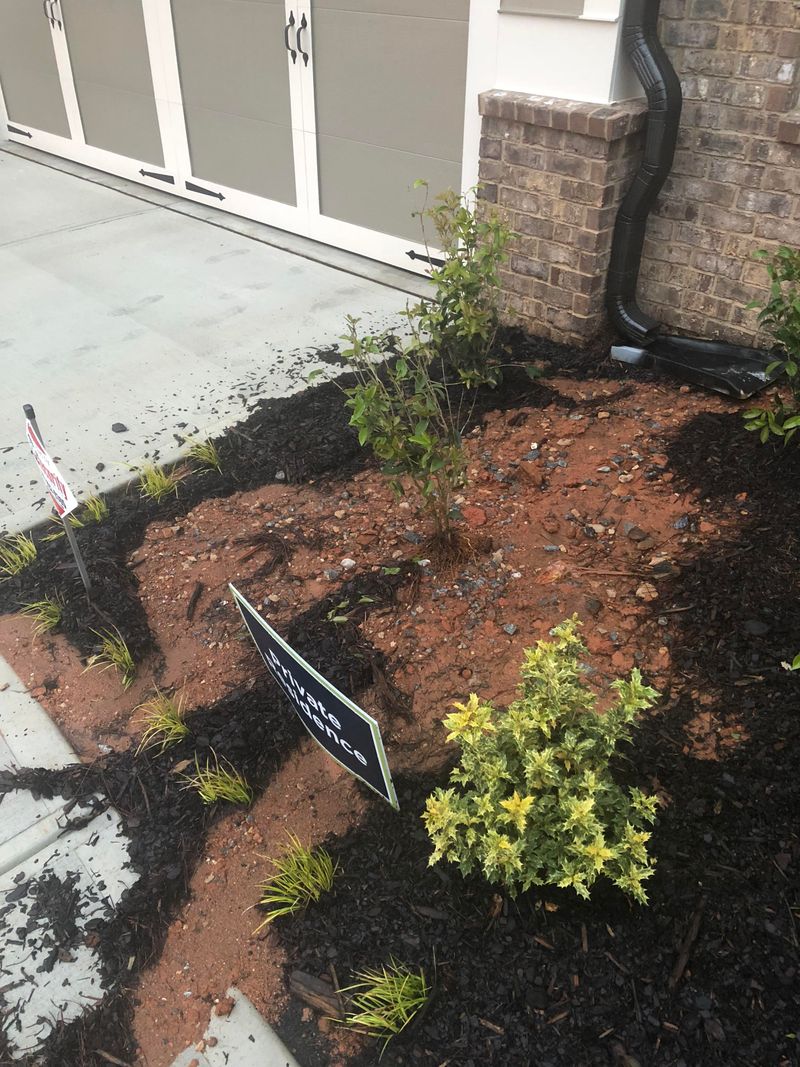
Last spring you spread fresh mulch, and it looked fantastic. Now half of it is sitting on the sidewalk like a brown traffic jam.
Fast runoff picks up light mulch and carries it off. Heavier storms also carve small ruts and gullies through garden beds.
Losing mulch is annoying, but losing soil hurts more. Rushing water strips away rich topsoil and leaves roots exposed.
Look for bare patches where grass refuses to grow. Thin lines of sand or silt across a path also point to erosion.
Beds near your foundation need extra attention. Erosion there can wear away soil supporting footings and slabs.
Washouts also act like a map. They show exactly where rain is flowing when it should be heading elsewhere.
Start by tucking exposed roots back under fresh soil. Then add mulch about two to three inches deep, but keep it off stems.
Shredded hardwood mulch knits together better than chunky nuggets. Bigger pieces float away more easily during strong downpours.
Edging stones or a small berm can slow sheets of water. Even a row of rocks along a slope makes a difference.
Groundcovers hold soil with their roots all year long. Creeping phlox and native sedges work nicely in many yards.
Fun fact: mulch softens the impact of raindrops. Each drop hits like a tiny hammer on bare soil, loosening particles.
7. Trees Leaning In Soggy Ground
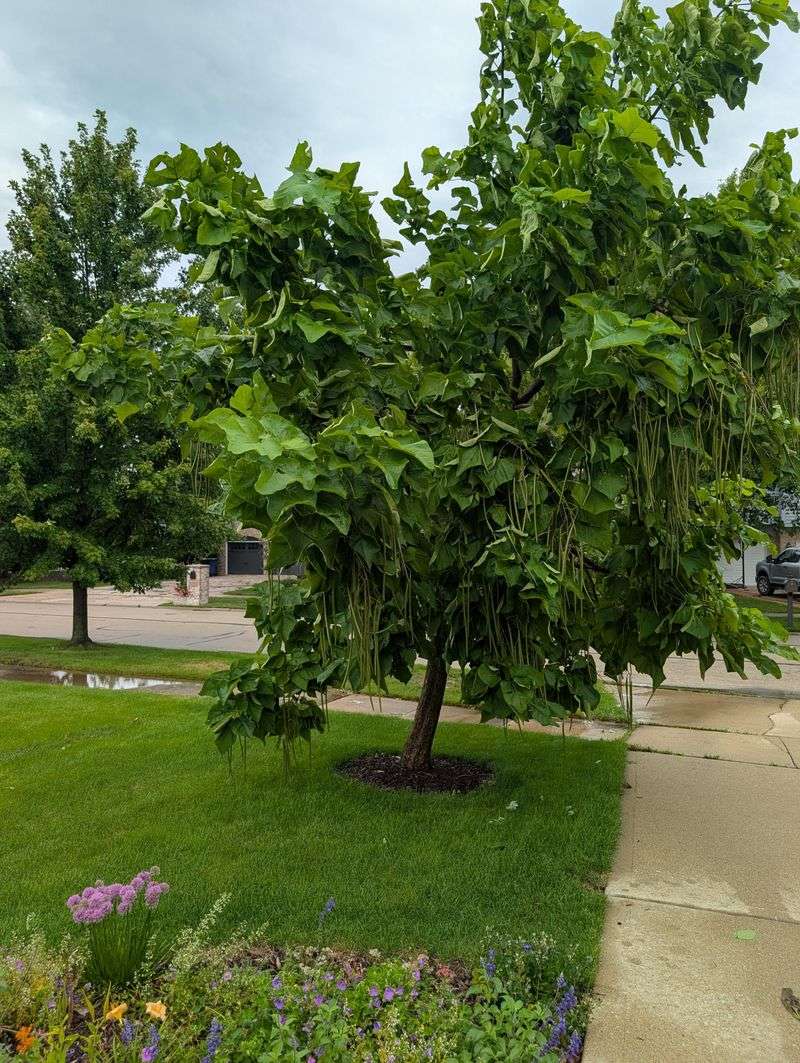
A neighbor once joked that her maple was taking a bow. The tree had shifted after a soaking week, and it was no laughing matter.
Wet soil loses its grip on roots. Water fills the air spaces, and the ground turns soft like pudding.
Add wind or heavy branches, and a tree may tilt. Big trees with shallow roots carry the most risk.
Some trees naturally grow at a slant, which is usually fine. A new or growing lean after rain is the real concern.
Check the base closely after storms. Lifted, cracked, or mounded soil on one side suggests roots are pulling loose.
Exposed roots deserve attention as well. So do deep cracks in the trunk or bark peeling away in large sheets.
Mushrooms at the base can hint at root decay. Combined with a lean, they suggest the tree may be weaker than it looks.
Look up, too, not just down. A canopy heavier on one side adds extra strain to stressed roots.
Keep people, pets, and cars away from any tree showing these signs. Safety comes first while the ground stays soft.
Call a certified arborist for an inspection rather than guessing. Many arborists will assess a tree for a modest fee.
Please skip DIY removal of large trees. The weight and tension involved can surprise even experienced homeowners.
8. Moss Creeping Into Thin Lawns
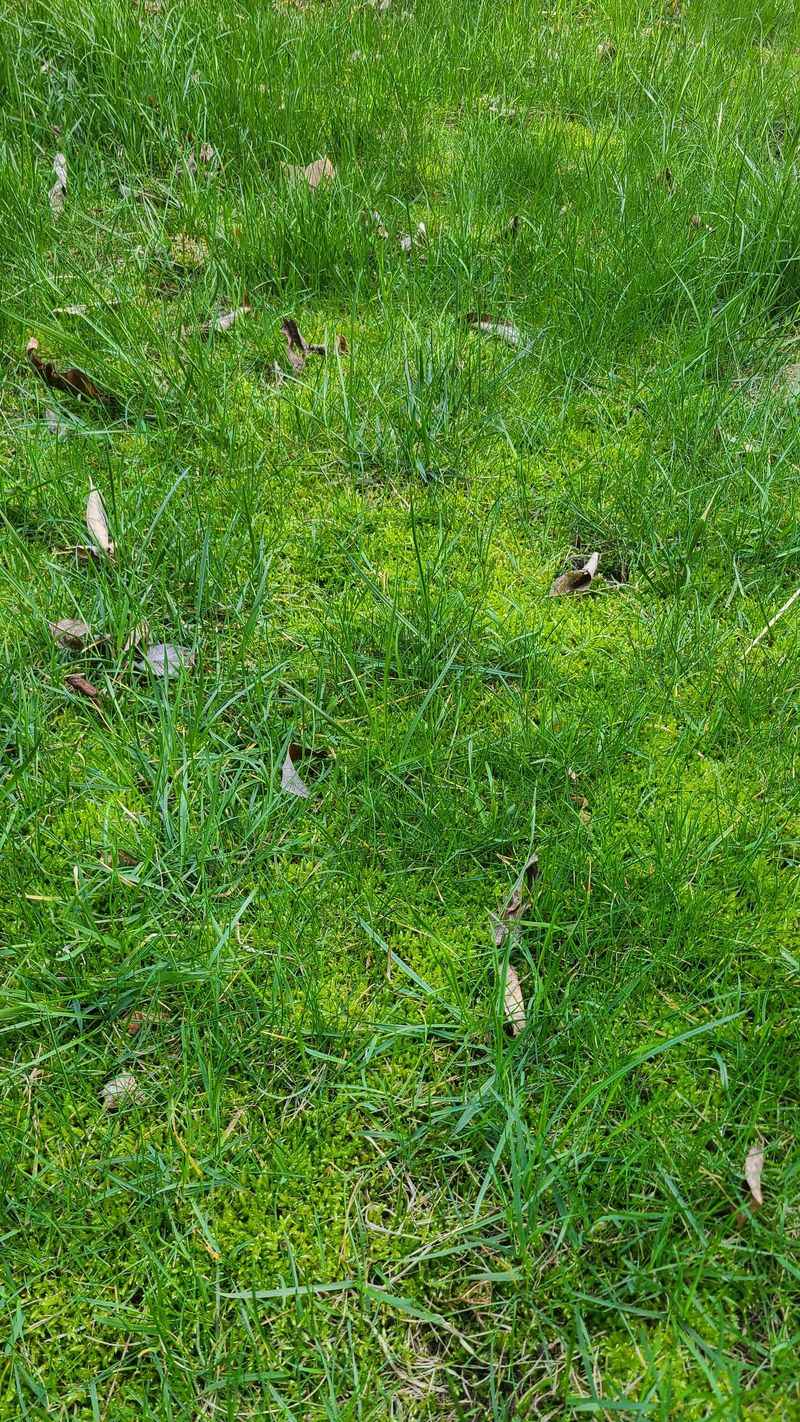
Moss feels soft and looks charming, almost like a fairy-tale carpet. In a lawn, though, it acts like a polite messenger with bad news.
Moss is not attacking your grass. It simply moves into spaces where grass is already struggling.
Soggy fall weather gives it the perfect welcome. Steady moisture and poor drainage let moss spread while grass slows down.
Shade from big trees helps it out, too. So does compacted soil that keeps grass roots from breathing.
Acidic soil plays a role as well. Moss tends to favor a pH around 5.0 to 5.5, which is common in many Northeast yards.
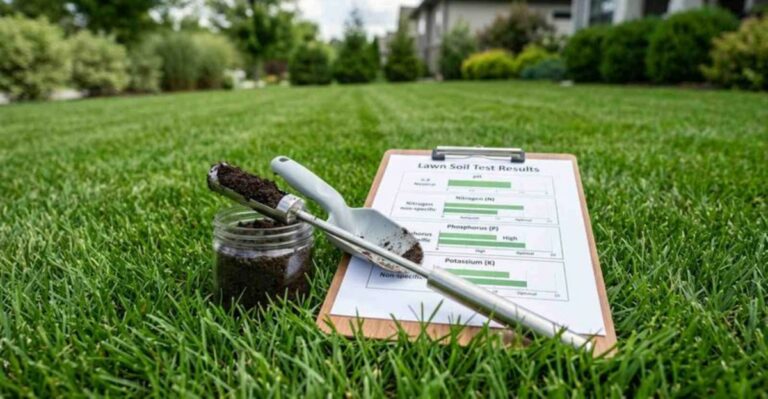
A simple soil test reveals what is going on. Your local Cornell Cooperative Extension office in New York can run one cheaply.
If the results show acidic soil, lime can nudge pH upward. Always follow test advice rather than tossing lime around blindly.
Next, rake out the moss with a stiff leaf rake. It lifts away easily since it has no deep roots.
Aerate compacted spots, then overseed with grass suited to your light. Fine fescues handle shade better than most other choices.
Trim lower tree limbs to let more sunshine reach the ground. Even an extra hour of light helps grass compete.
Love the look? Some homeowners turn deep-shade areas into moss gardens on purpose.
It stays green with zero mowing.
9. Slugs Thriving In The Damp
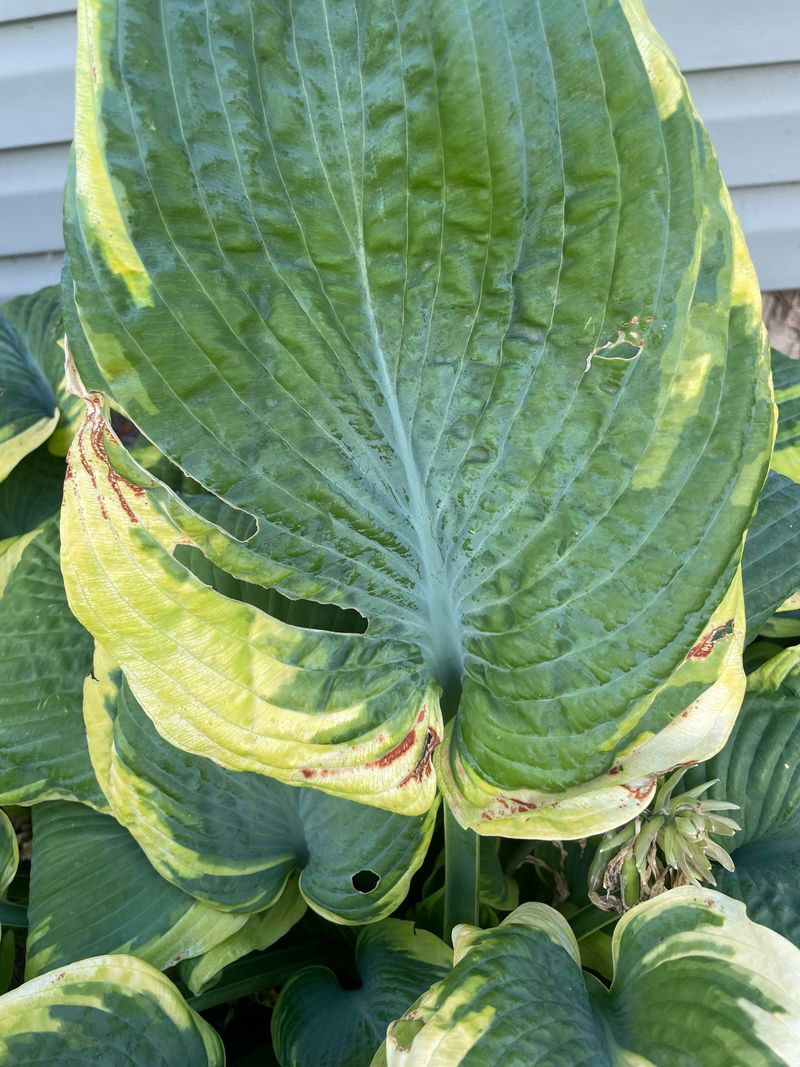
Step outside with a flashlight after a rainy night, and you might meet the culprits. Slugs come out to feast once the sun goes down.
These shell-less mollusks adore cool, damp weather. A rainy fall gives them a long, comfy buffet season.
Spotting their damage is fairly easy. Look for ragged holes in leaves and shiny, silvery trails across paths or pots.
Their slime is quite handy for them. They glide on a muscular foot that leaves a slippery mucus track behind.
Favorite snacks include hostas, marigolds, lettuce, and basil. Ripening tomatoes are another treat they find hard to resist.
During the day, they hide in cool, moist spots. Old boards, thick mulch, and leaf piles make perfect hideouts.
Clean up those hiding places first. Removing debris and thinning heavy mulch near prized plants cuts their numbers fast.
Watch for clusters of clear, jelly-like eggs in damp cracks. Scooping them up now means fewer slugs next spring.
Baits with iron phosphate are a safer choice for gardens. They are considered gentle on the environment and on most pets.
Barriers help protect special plants. Copper tape, diatomaceous earth, or wood ash can make slugs turn away.
Want a hands-on method? Lay a board on the ground overnight, then flip it in the morning and collect the hiding slugs.
10. Nutrients Rinsed Out Of The Soil
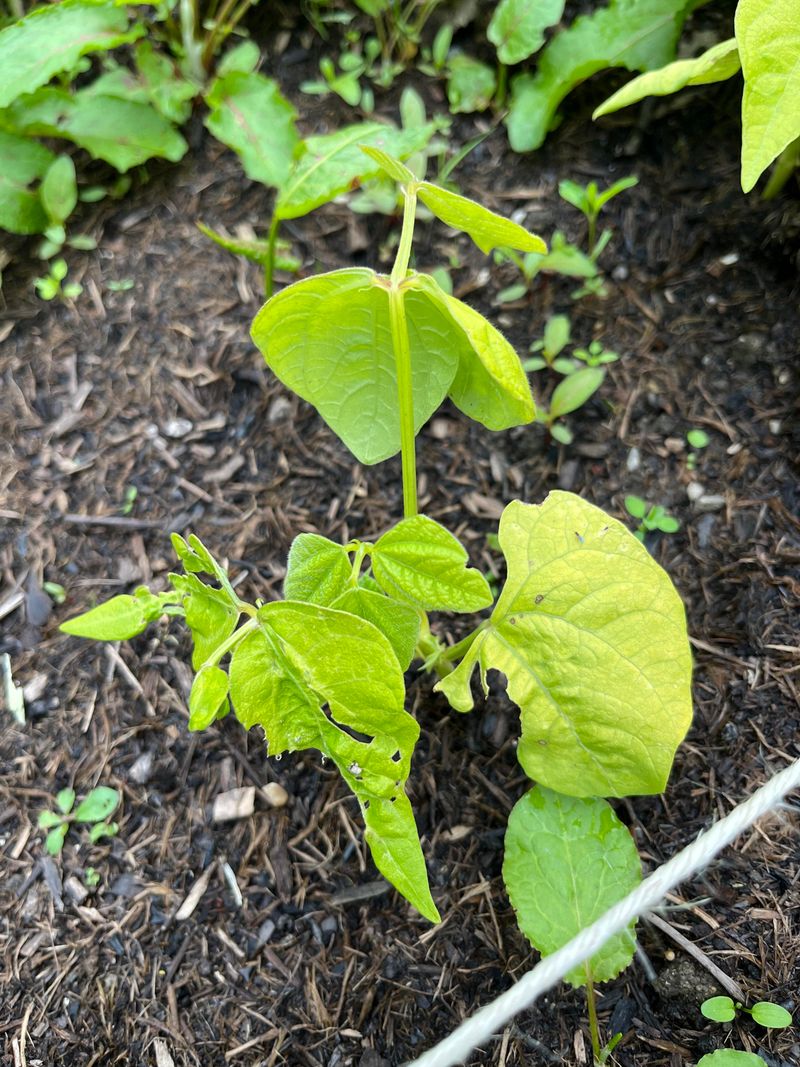
Imagine making a pot of soup and watching the rain wash out the flavor. Heavy storms do something similar to your soil.
Gardeners call it nutrient leaching. Water moves down through the ground and carries plant food past the roots.
Nitrogen, phosphorus, and potassium are the big losses. Studies suggest heavy rain can strip up to half of soil nitrogen.
Sandy soils lose nutrients fastest. Water rushes through their large grains with little to slow it down.
Soggy ground also causes a sneaky loss called denitrification. Soil microbes turn nitrates into gas that floats away.
Watch your plants for clues. Pale green or yellowing leaves and slow growth often point to hungry roots.
Leached nutrients do not just vanish. They can drift into groundwater and nearby streams, which harms local water quality.
Before reaching for fertilizer, get a soil test. Guessing can waste money and add even more runoff.
For lawns, a light fall feeding often helps grass store energy for winter. Slow-release products stay put longer than quick ones.
Compost is a quiet hero here. It holds nutrients like a sponge and releases them slowly as plants need them.
Mulch protects the surface from pounding rain as well. A few simple habits like these keep soil rich, steady, and ready for spring.