Avoid These 7 Perennials In Pennsylvania (They Spread Faster Than You Think)
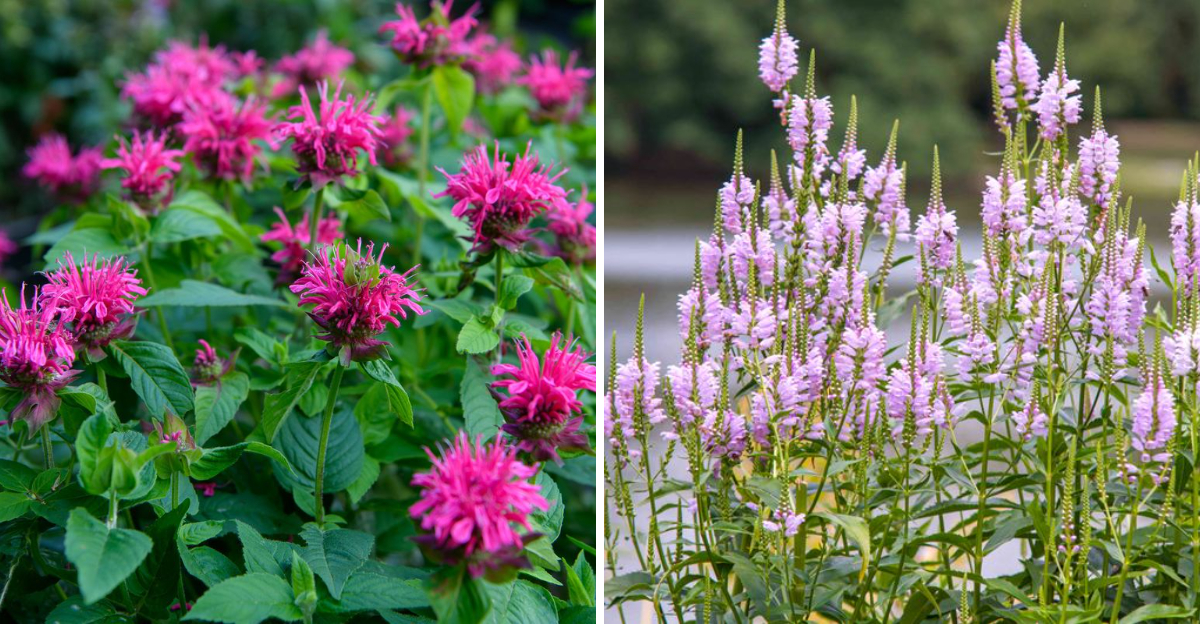
A perennial can seem like the safest bet in the garden. You plant it once, it comes back every year, and everything sounds wonderfully easy.
Then one season passes, maybe two, and suddenly that “easy” plant is pushing into the walkway, crowding its neighbors, and showing up in places you definitely did not plant it.
In Pennsylvania, where warm months, rain, and fertile soil can give certain plants a real boost, some perennials spread with a lot more enthusiasm than gardeners expect.
That is where trouble starts. A plant that looked charming in a nursery pot can turn into a space-hog once it settles in.
Instead of adding beauty without much work, it starts demanding constant dividing, pulling, trimming, and damage control. The worst part is that many of these perennials are not marketed as a problem.
They are usually sold as reliable, vigorous, and easy to grow, which sounds great until vigorous becomes overwhelming.
For Pennsylvania gardeners, knowing which perennials can get out of hand is a smart way to avoid future frustration. A balanced garden is much easier to enjoy when one plant is not trying to take over the whole show.
1. Mint
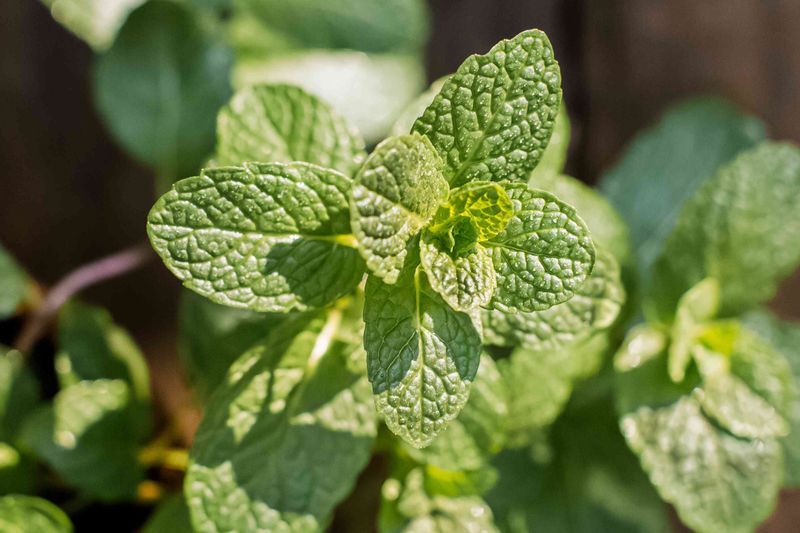
If you have ever planted mint thinking it would stay in one neat little corner, you already know the surprise that comes next.
Mint is one of the most well-known garden escape artists in Pennsylvania, and for good reason. It does not ask for permission before it takes over.
Mint spreads through underground runners called rhizomes. These sneaky stems travel beneath the soil and pop up far from where you originally planted the herb.
You might plant mint near your back porch and find it growing next to your rose bushes a few weeks later. It moves fast, and it moves silently.
Once mint gets established in Pennsylvania soil, it is genuinely difficult to remove. You can pull it, dig it, and weed it repeatedly, and it will still come back.
Even a tiny piece of root left behind can sprout a whole new plant. Many Pennsylvania gardeners have spent entire summers battling mint they planted just one spring before.
If you truly love mint and want it in your garden, the best approach is to grow it in a container. A buried pot or a raised planter with a solid bottom can help contain the roots.
Just make sure the container has no drainage holes that touch the ground directly. Even then, stay watchful.
Mint is persistent, clever, and always looking for a new patch of Pennsylvania soil to call home.
2. Bee Balm
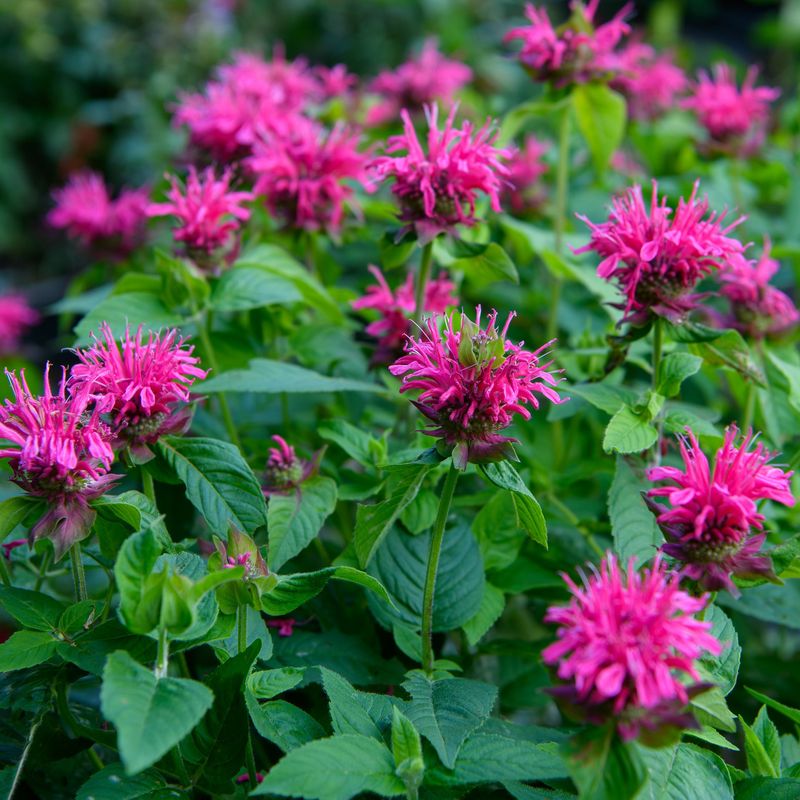
Bee balm is one of those plants that makes you fall in love at first sight. The bold red, pink, and purple blooms are stunning, and pollinators absolutely adore them.
But Pennsylvania gardeners quickly learn that bee balm has a very enthusiastic personality when it comes to spreading.
This native plant expands outward in all directions, forming thick, dense patches that grow larger every single year. What starts as one small clump can become a wide colony within just two or three growing seasons.
Your Pennsylvania Garden Changes Every Week. Your Plan Should Too.
Gardening in Pennsylvania changes quickly throughout the season. Every Friday you’ll receive a simple weekly plan showing exactly what to plant, prune, fertilize, harvest, and protect so you never miss the right timing.
Nearby plants often get pushed out as bee balm claims more and more space in the garden bed.
The key problem is that bee balm spreads through its root system, sending out new shoots in every direction. It does not just seed around like some plants.
It physically creeps outward underground, making it hard to draw a clear line around where it should and should not grow. In Pennsylvania’s fertile soil, this process happens faster than you might expect.
Regular dividing is the only real way to keep bee balm under control. You need to dig it up every one to two years and cut back the outer sections before they get too established.
This takes time and effort, especially in larger garden beds. If you enjoy bee balm but do not want the hassle, consider planting it in a contained raised bed or swapping it for a less aggressive native alternative that still attracts pollinators without taking over your entire yard.
3. Obedient Plant
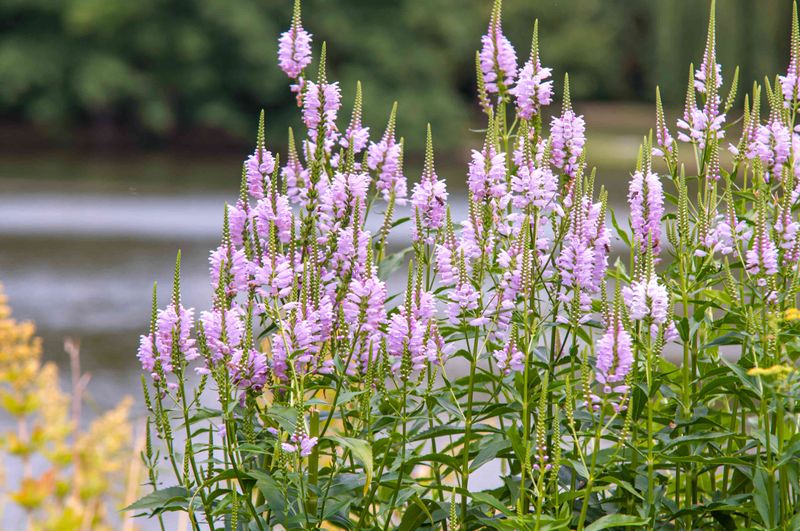
Do not let the name fool you. The obedient plant is anything but obedient in a Pennsylvania garden. Gardeners who plant it expecting a well-behaved perennial often find themselves dealing with a fast-spreading colony just one season later.
Physostegia virginiana spreads aggressively through rhizomes, which are underground stems that creep outward in all directions. Unlike some plants that spread slowly over many years, the obedient plant can form large, noticeable colonies within a single growing season.
Small garden beds are especially vulnerable because there is simply not enough space to contain the spread before it becomes a problem.
What makes this plant particularly tricky is that it looks beautiful while it is taking over. The tall spikes of tubular pink or white flowers are genuinely lovely, and they bloom in late summer when many other plants have finished.
So gardeners sometimes do not realize the problem until the plant has already claimed a significant portion of the bed.
Removing established obedient plant from Pennsylvania soil is a real challenge. The rhizomes break apart easily when you dig, and each broken piece can grow into a new plant.
You often have to dig deeply and sift through the soil carefully to get all the roots out. If you want to try growing it anyway, use a buried barrier or a contained planter.
Otherwise, look for better-behaved alternatives like penstemon or native salvia, which offer similar late-summer color without the aggressive underground takeover habits.
4. Bishop’s Weed
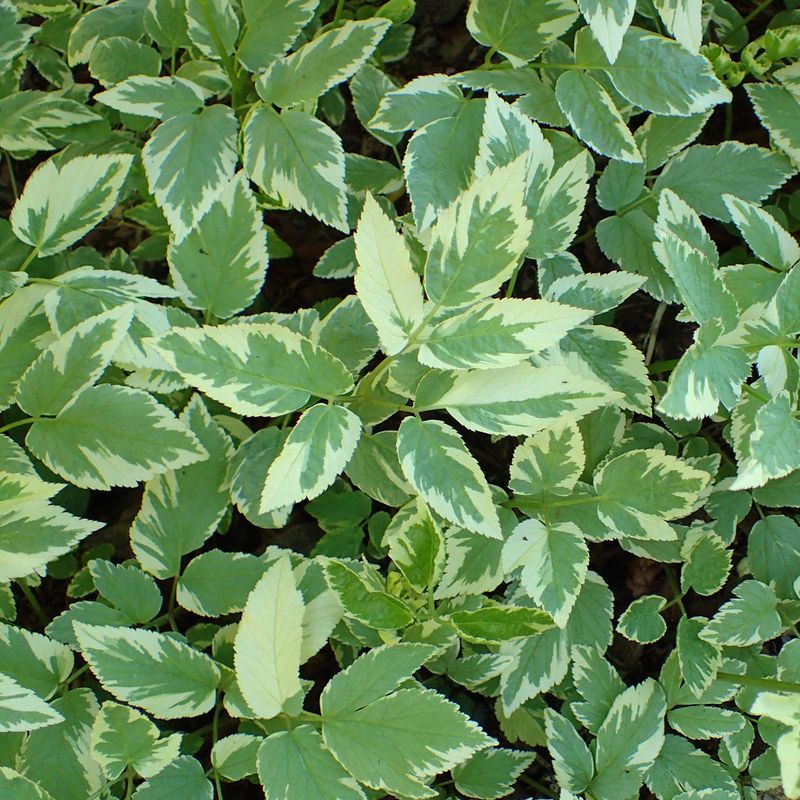
Ask any experienced Pennsylvania gardener about bishop’s weed, and you will likely get a groan in response. This plant is one of the most regretted purchases in the gardening world, and it has earned that reputation honestly.
It is often sold as a low-maintenance ground cover, which is technically true, but the maintenance you skip on one end comes back tenfold when you try to remove it.
Bishop’s weed forms dense, creeping mats that spread rapidly across the ground. The variegated variety, with its green and white leaves, looks attractive at first.
But it does not stay where you put it. It crawls into neighboring plant spaces, around shrubs, and along garden edges with surprising speed.
In Pennsylvania’s moist, rich soil, it can take over an entire garden area within just a few years.
Getting rid of bishop’s weed is one of the hardest tasks a gardener can face. The root system is deep and extensive, and any fragment left in the soil will regrow.
Many Pennsylvania gardeners have tried removing it for years without full success. Even smothering it with heavy mulch or landscape fabric only slows it down temporarily.
The smartest move is to simply avoid planting it in the first place. If you need a shade-tolerant ground cover for a Pennsylvania landscape, consider alternatives like native wild ginger or Pennsylvania sedge.
Both options provide excellent coverage without the long-term headache that bishop’s weed almost always brings to gardeners who underestimate it.
5. Lily Of The Valley
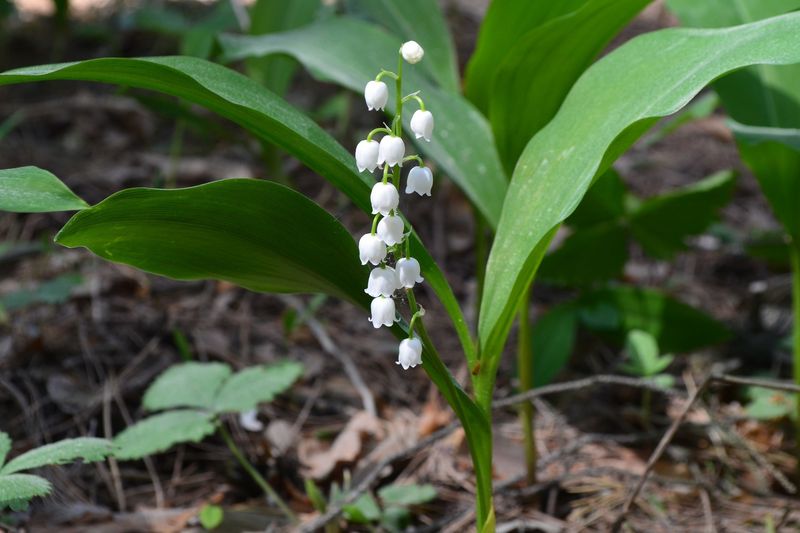
Few plants are as charming as lily of the valley in full bloom. Those tiny white bell-shaped flowers and the sweet fragrance they carry are genuinely magical.
But underneath that innocent appearance is one of the most persistent spreading plants you will ever encounter in a Pennsylvania garden.
Lily of the valley thrives in shaded areas, which makes it tempting to use under trees or along the north side of a house. It fills in quickly, looks lush, and requires almost no attention.
The problem is that it never stops filling in. Year after year, it expands its territory through underground rhizomes, forming thick colonies that crowd out everything else in the area.
Once lily of the valley is established in Pennsylvania soil, controlling it long-term becomes a serious commitment. The rhizomes grow densely together and are difficult to separate completely from the ground.
Pulling by hand is tedious and rarely effective on its own. Even after aggressive removal, plants often return from root fragments you missed during cleanup.
Worth noting: all parts of this plant are toxic to people and animals, so keep that in mind if you have children or pets who spend time in the garden.
If you love the look of shade-loving ground covers in Pennsylvania, consider alternatives like native foamflower or sweet woodruff, which are far easier to manage.
They offer similar beauty and ground-covering ability without the relentless spreading that makes lily of the valley such a long-term garden challenge.
6. Gooseneck Loosestrife
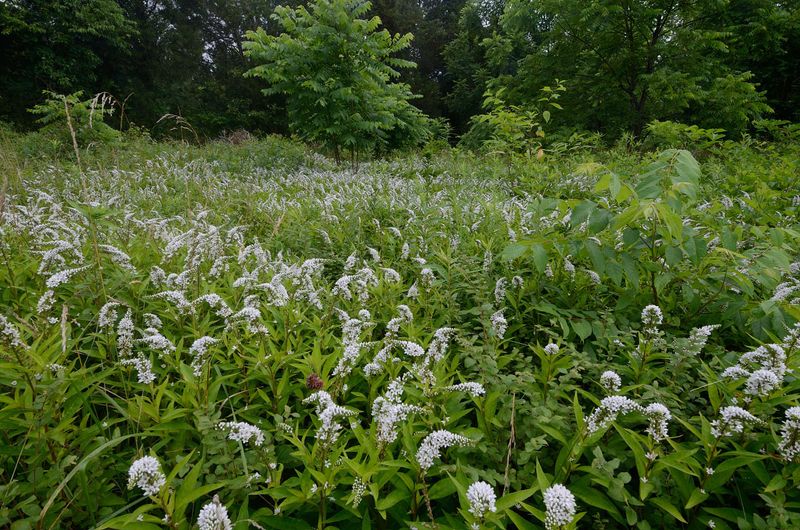
At a glance, gooseneck loosestrife looks like a sophisticated, well-mannered garden plant. The arching white flower spikes are graceful and unusual, and they bloom in midsummer when the garden can use some extra interest.
But this plant has a spreading habit that catches many Pennsylvania gardeners completely off guard.
Gooseneck loosestrife sends out underground runners that travel in all directions beneath the soil surface. It does not spread slowly or subtly.
Within just a couple of seasons, a single plant can dominate an entire garden bed. Neighboring perennials get crowded out, and the loosestrife just keeps going.
In Pennsylvania’s climate, where the soil stays moist and nutrient-rich, this plant grows with extra enthusiasm.
Managing gooseneck loosestrife requires either physical barriers or very consistent division. Installing a root barrier around the planting area can help slow the spread.
Dividing the clumps every year or two is also necessary if you want to keep it from taking over. Both approaches take real effort and ongoing attention, which many gardeners do not anticipate when they first bring this plant home.
If you are drawn to white-flowering midsummer perennials for your Pennsylvania garden, there are better options available. Native meadowsweet or white coneflower varieties offer similar visual appeal without the aggressive underground expansion.
Gooseneck loosestrife is one of those plants that looks great in a nursery display but quickly becomes a garden management problem once it gets comfortable in your yard. Choose carefully before you plant it.
7. Evening Primrose
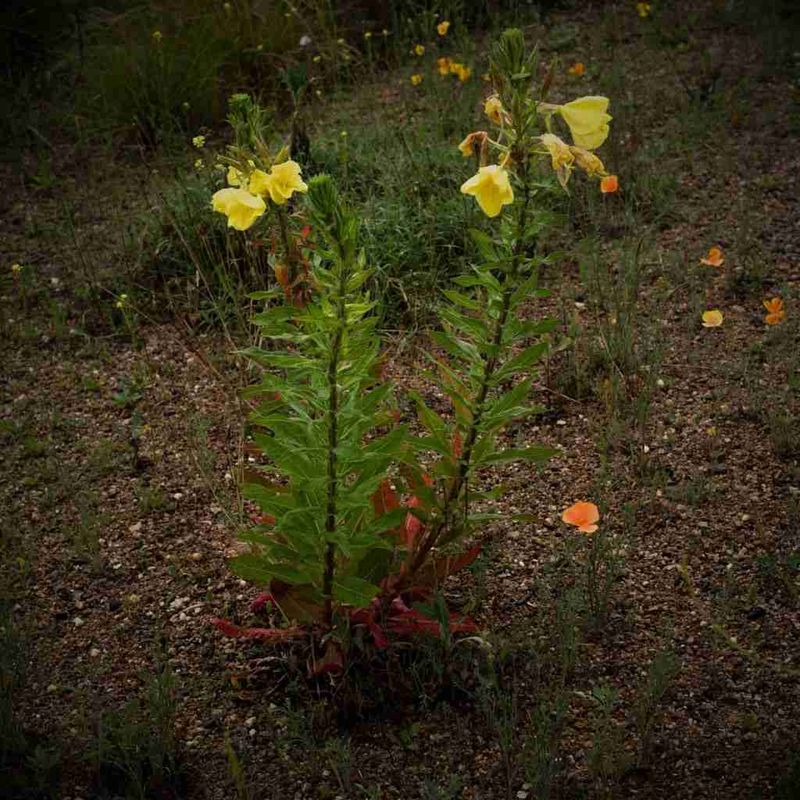
Evening primrose has a certain wild charm that makes it popular among gardeners who love a naturalistic look. The cheerful yellow flowers open in the evening and attract moths and other nighttime pollinators.
It sounds like a lovely addition to a Pennsylvania garden, right? The problem is that evening primrose is a self-seeding machine that can overwhelm your yard faster than almost any other plant on this list.
Each plant produces hundreds of tiny seeds that scatter easily with the wind and rain. Those seeds land in unexpected places all over your garden, your lawn, and even your neighbor’s yard.
The following season, you will find evening primrose seedlings popping up in your vegetable beds, between pavers, along fences, and in spots you never intended to plant anything. It is genuinely surprising how far and wide the seeds can travel.
Once evening primrose gets a strong foothold in Pennsylvania soil, it becomes very difficult to manage.
The seedlings are easy enough to pull when they are small, but if you miss a few rounds of weeding, the plants mature and produce even more seeds before you can stop them. The cycle repeats and expands each year if you are not actively intervening.
More delicate garden plants often suffer when evening primrose moves in, as the fast-growing seedlings compete for light, water, and nutrients.
If you enjoy the look of yellow blooms in your Pennsylvania garden, try a better-behaved alternative like native black-eyed Susan. It offers similar sunny color with far less cleanup work each season.