Pennsylvania Yard Features That Bring Roaches Closer To Your House Every Night
Roaches finding their way inside a Pennsylvania home is one of those pest problems that feels deeply personal and deeply unwelcome. Most people respond by treating the inside of the house, which is necessary, but it misses a critical part of the problem.
Before roaches get inside, they’ve been spending time in your yard. And certain yard features are making that journey from outside to inside significantly shorter and more likely.
Your yard might be pulling them closer to your house every single night without you realizing it.
Roaches are opportunistic and highly attuned to the conditions that signal food, moisture, and shelter.
Several common yard features create exactly those conditions right up against your home’s foundation, essentially bridging the gap between the outdoor roach population and your interior living spaces.
Understanding which yard features are working against you is the most important first step toward addressing the problem at its actual source.
Here’s what’s drawing roaches toward your Pennsylvania home after dark and what to do about it.
1. Damp Mulch Piled Against The Foundation
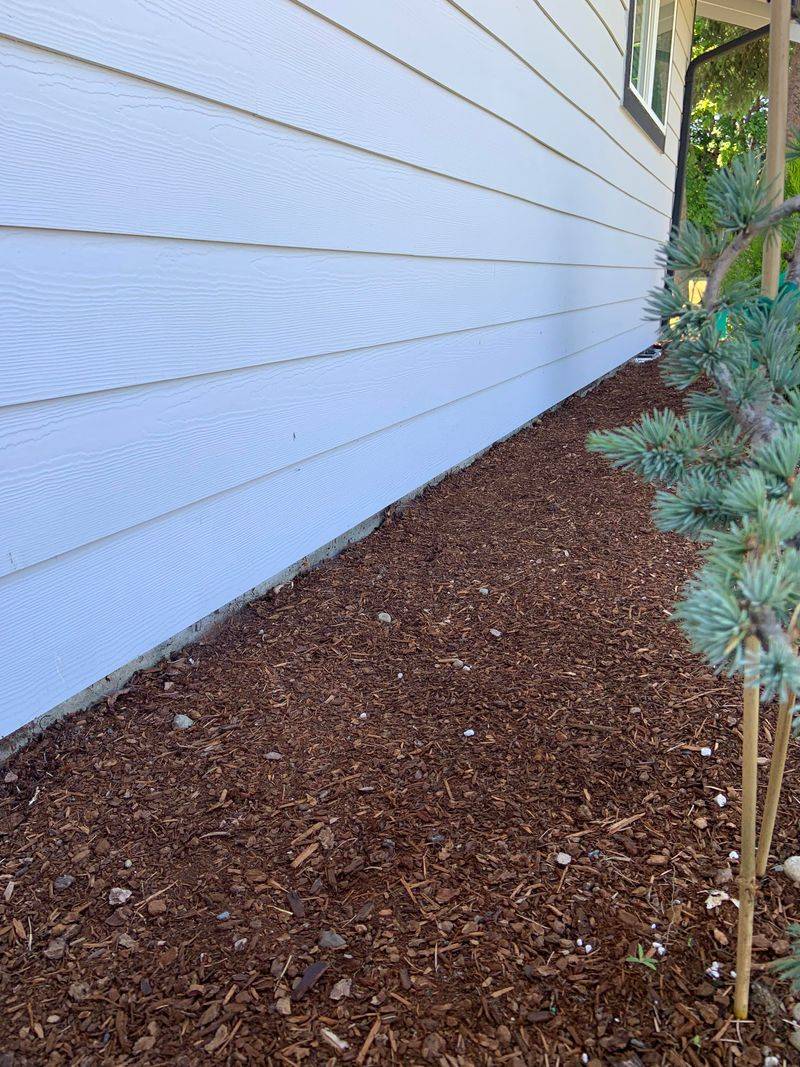
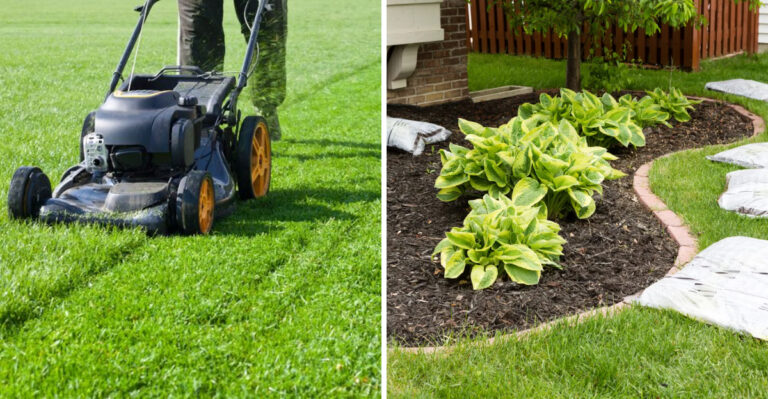
Most homeowners use mulch to make their garden beds look neat and tidy, but the way it is applied can quietly work against you. Thick layers of organic mulch hold moisture like a sponge.
When that mulch is pushed right up against your home’s foundation, it creates a dark, damp hiding spot that cockroaches absolutely love.
Pennsylvania summers bring plenty of rain, and mulch that never fully dries out becomes prime real estate for roaches looking for shelter. The moisture soaks into the soil beside your walls, and roaches can squeeze through tiny foundation cracks to move indoors.
This happens more often than most people realize, especially in older homes with settling foundations.
Keeping your mulch layer at no more than two to three inches deep makes a real difference. More importantly, leave a clear gap of at least six inches between your mulch beds and the base of your exterior walls.
That dry buffer zone removes the damp shelter roaches need to feel comfortable enough to linger near your house.
Switching to rubber mulch or gravel near the foundation is another smart move. These materials do not hold moisture the same way organic mulch does.
They also do not break down over time into the soft, rotting matter that roaches find so appealing.
Pulling mulch back from the foundation once or twice a season, especially after heavy rain, is a quick habit that pays off.
A dry foundation perimeter is one of the simplest and most effective ways to make your yard less attractive to cockroaches looking for a place to settle in for the night.
2. Firewood Stacked Beside The House
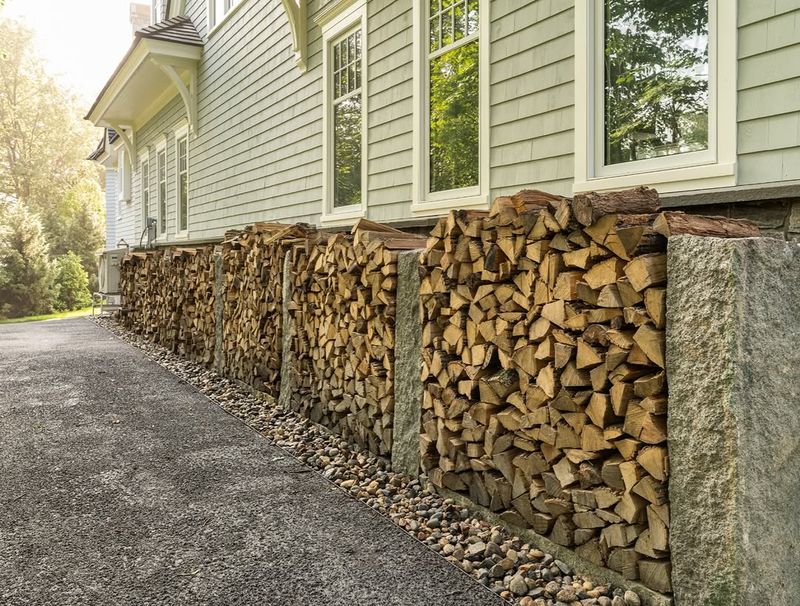
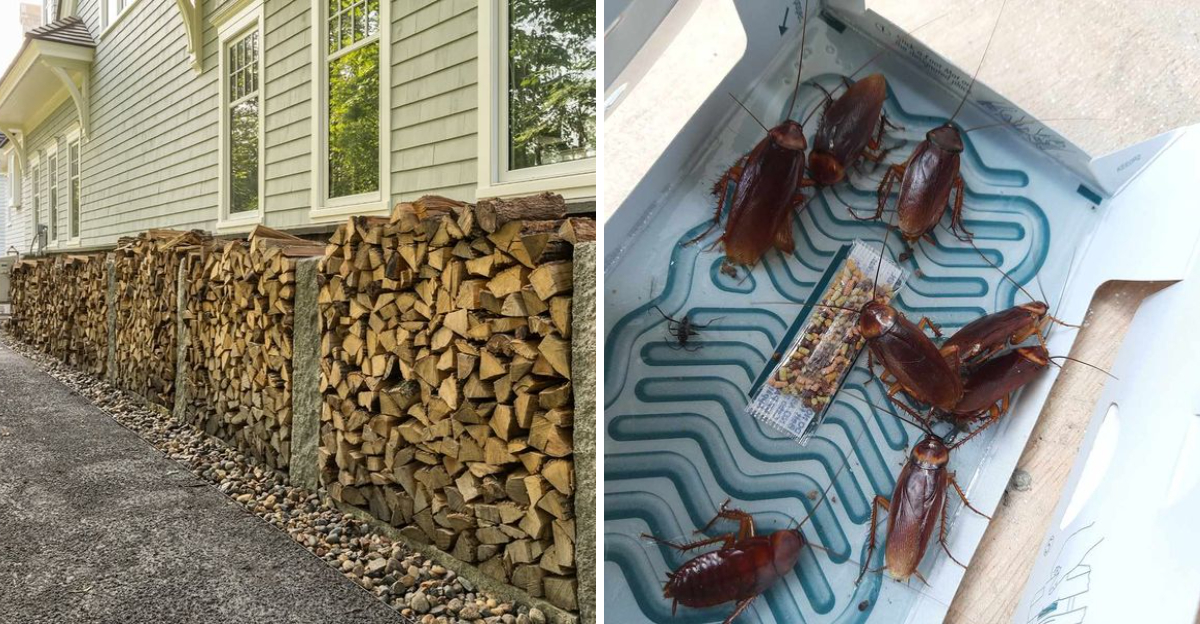
There is something cozy and practical about keeping a firewood stack close to the back door, especially when cold Pennsylvania nights roll in. But that convenient stack of wood could be one of the biggest reasons cockroaches are showing up near your entryways after dark.
Pennsylvania wood cockroaches are not random wanderers. They are naturally drawn to piles of bark, rotting logs, and stacked timber.
Your Pennsylvania Garden Changes Every Week. Your Plan Should Too.
Gardening in Pennsylvania changes quickly throughout the season. Every Friday you’ll receive a simple weekly plan showing exactly what to plant, prune, fertilize, harvest, and protect so you never miss the right timing.
Firewood gives these roaches everything they want in one spot: shelter from the elements, dark crevices to hide in during the day, and decaying organic matter to feed on.
When that stack sits just a few feet from a basement window, garage door, or back entryway, the path indoors becomes very short and very easy for them to take.
Moving your firewood storage at least 20 feet away from the house is one of the most impactful changes you can make. Store the wood on a raised rack so air can circulate underneath, which helps it dry out faster and become less hospitable to roaches.
Avoid placing tarps directly on the wood pile, because trapped moisture underneath creates exactly the damp, dark conditions roaches prefer.
Only bring in the wood you plan to use right away. Logs that sit inside for days can carry roaches or their eggs indoors without you even noticing. Inspect each piece before bringing it through the door.
Did you know that Pennsylvania wood cockroaches are actually considered outdoor insects?
They do not establish indoor colonies the way German cockroaches do, but accidental entry through firewood is one of the most common ways they end up inside homes each year.
3. Leaky Faucets And Constantly Wet Soil

Water is the one thing cockroaches need more than almost anything else. Even small, steady sources of moisture in your yard can be enough to attract them night after night.
A dripping outdoor faucet might seem like a minor annoyance, but to a cockroach, it is basically a free water fountain sitting right beside your house.
Faulty irrigation systems, poorly aimed downspouts, and overwatered garden beds all contribute to the same problem: wet soil that stays damp long after rainfall ends.
Pennsylvania already gets a fair amount of precipitation throughout the spring and summer months, so adding extra moisture through leaks or bad drainage only makes the situation worse.
Roaches can sense humidity and moisture from a surprising distance and will travel toward it.
Fixing outdoor leaks promptly is one of the easiest wins you can get in roach prevention. Walk around your home after a dry spell and feel the soil near the foundation.
If it is still damp or soft, something is directing water toward the house that should not be. Downspouts should extend at least four to six feet away from the foundation and direct water toward a slope or drainage area.
Overwatering your flower beds and shrubs near the house is another easy mistake to correct. Water plants in the morning so the soil has time to dry out before nightfall, which is when roaches are most active. Wet soil at night is an open invitation.
Grading the soil around your home so it slopes away from the foundation also helps a lot. Even a gentle slope encourages water to drain away rather than pool near the base of your walls, where roaches love to gather.
4. Pet Food, Trash, And Grill Residue Left Outdoors
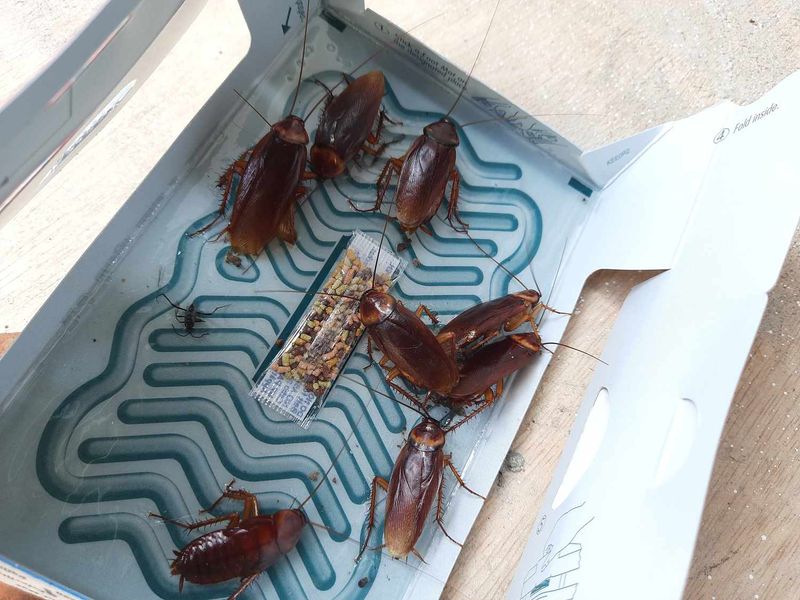
Roaches are opportunistic feeders, and they are not picky. Anything edible left outdoors overnight is fair game, and your yard might be offering more than you think.
Pet food bowls left on the porch after dinner, garbage cans without tight-fitting lids, and grills coated with cooking grease are three of the most common outdoor food sources that draw cockroaches in close to the house.
Pennsylvania summers mean more outdoor cooking and more time spent on the patio, which is great for families but also means more food residue ends up outside.
Even a thin layer of grease on the grill grates or a few crumbs around the grill mat can be enough to attract roaches by midnight. They have an excellent sense of smell and can detect food from far away in the dark.
Bringing pet bowls inside each evening is a simple habit that removes one food source completely. If your dog or cat eats outdoors, pick up the bowl as soon as they are done.
Leaving food out even for a couple of hours after sunset gives roaches plenty of time to find it and start associating your yard with easy meals.
Trash cans are another big culprit. Use cans with locking or tight-fitting lids and rinse them out occasionally to remove food residue from the bottom and sides. Place them away from the house if possible.
After grilling, clean the grates while they are still warm and wipe down surrounding surfaces. Grease traps should be emptied regularly.
A clean grill area is one less reason for roaches to spend the night just outside your back door.
5. Leaf Litter And Dense Plants Touching The House
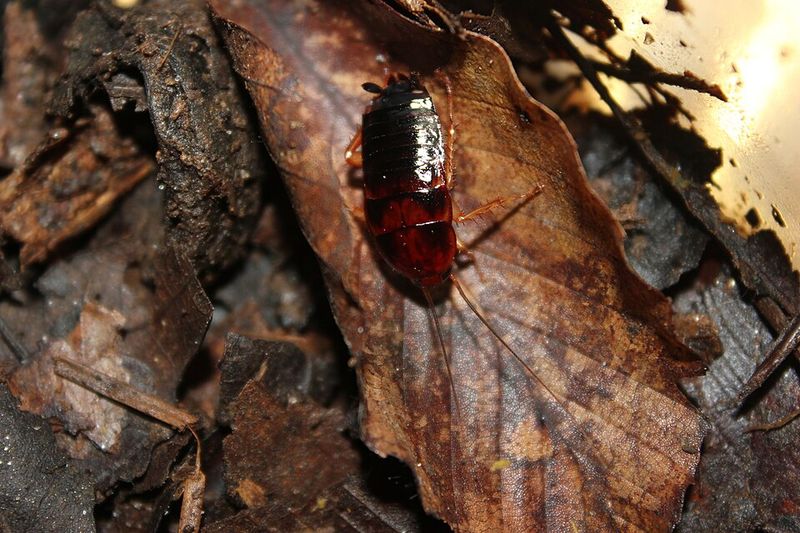
Walk around your house and take a close look at what is actually touching the exterior walls.
Overgrown shrubs, dense groundcovers like ivy, and piles of fallen leaves are all common in Pennsylvania yards, and they all create the same problem: shaded, sheltered hiding spots right beside your foundation, siding, and windows.
Roaches are not fans of open, exposed spaces. They prefer to travel along covered routes where they feel protected from predators and daylight.
Dense vegetation growing against the house gives them exactly that kind of cover. Ivy creeping up a wall, for example, creates a layered network of stems and leaves that acts almost like a highway system running directly to your windows and door frames.
Wet leaf litter is even more problematic. Fallen leaves trap moisture, break down into soft organic matter, and create a dark, humid microenvironment at the base of the foundation.
Cockroaches can shelter inside leaf piles during the day and then move toward the house at night without having to travel far at all.
Trimming shrubs and ornamental grasses so they do not touch the house is a straightforward fix. Aim for at least a foot of clear space between any plant and the exterior wall.
This gap removes the covered travel route and exposes the foundation perimeter to more light and airflow, both of which roaches dislike.
Raking up and removing fallen leaves regularly throughout autumn is equally important. Do not let debris accumulate near the house for weeks at a time.
A clean, open foundation perimeter is one of the most underrated roach prevention strategies a Pennsylvania homeowner can use.
6. Bright Porch Lights Beside Entryways
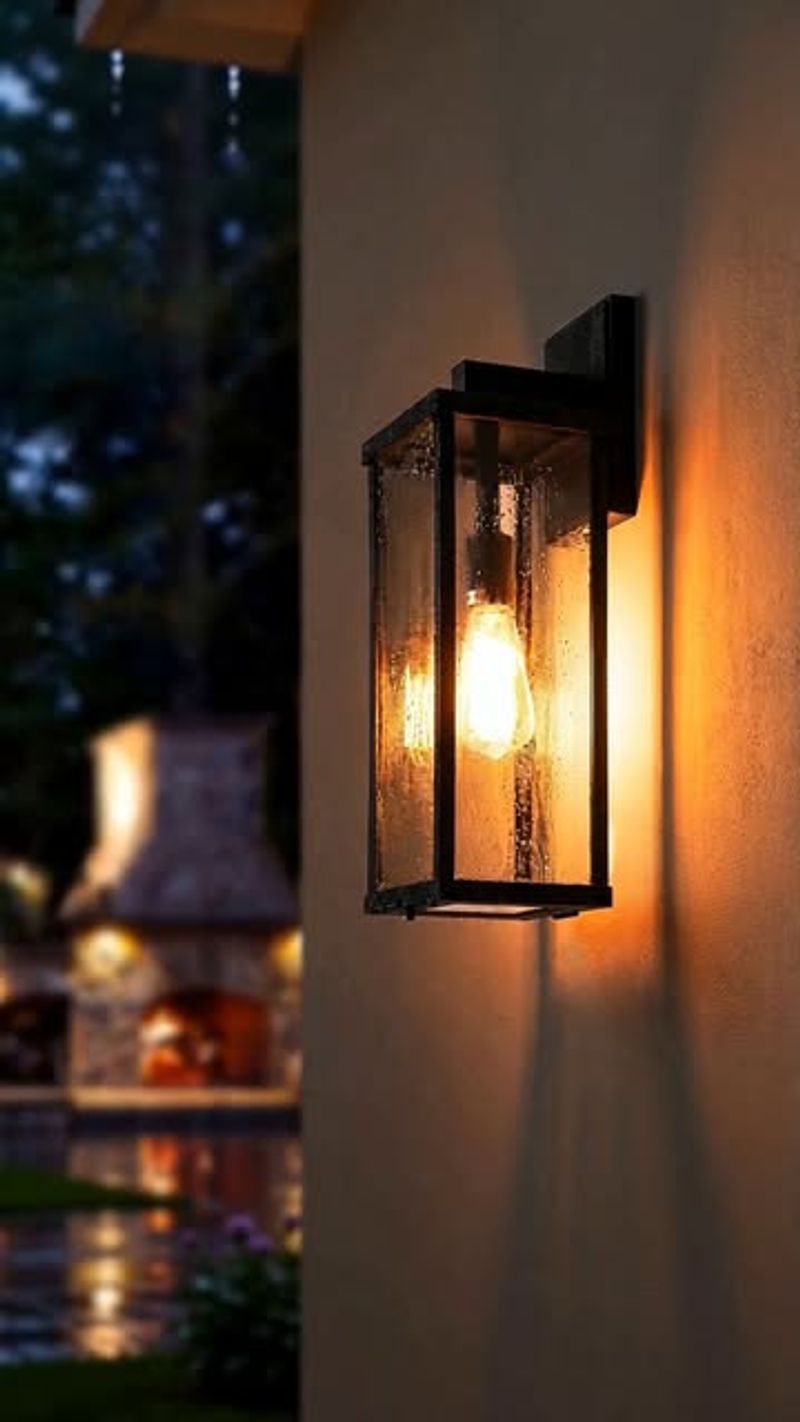
Most people do not think of their porch light as a roach magnet, but it absolutely can be. Pennsylvania wood cockroaches are one of the few cockroach species where the males can actually fly, and they are strongly attracted to artificial light at night.
A bright bulb blazing beside your front door or back entryway is essentially a beacon calling them in from the surrounding yard and woods.
Once a flying male wood cockroach is drawn to the light, it ends up hovering right beside your door. If that door opens and closes during the evening, or if there are gaps in the door seal or nearby window screens, entry becomes almost accidental.
They are not trying to move in permanently, but they can still cause a startling surprise when they end up inside.
Swapping out standard bright white bulbs for warm yellow or amber LED bulbs is one of the easiest fixes available. Insects in general are far less attracted to warm-toned light than to cool, bright white or blue-spectrum bulbs.
This one small change can noticeably reduce the number of flying insects gathering near your entryways each evening.
Motion-activated lights are another great option. Instead of burning all night long, they only switch on when needed, dramatically reducing the total time your exterior is lit up and attracting insects.
Make sure all door seals and window screens are in good shape. Even if roaches are drawn to the light, a tight door sweep and intact screens give them no way inside.
Combining better lighting choices with solid entry point maintenance is a highly effective one-two approach for keeping Pennsylvania wood cockroaches out of your home.