What This Heat Spike Means For Your Georgia Growing Season
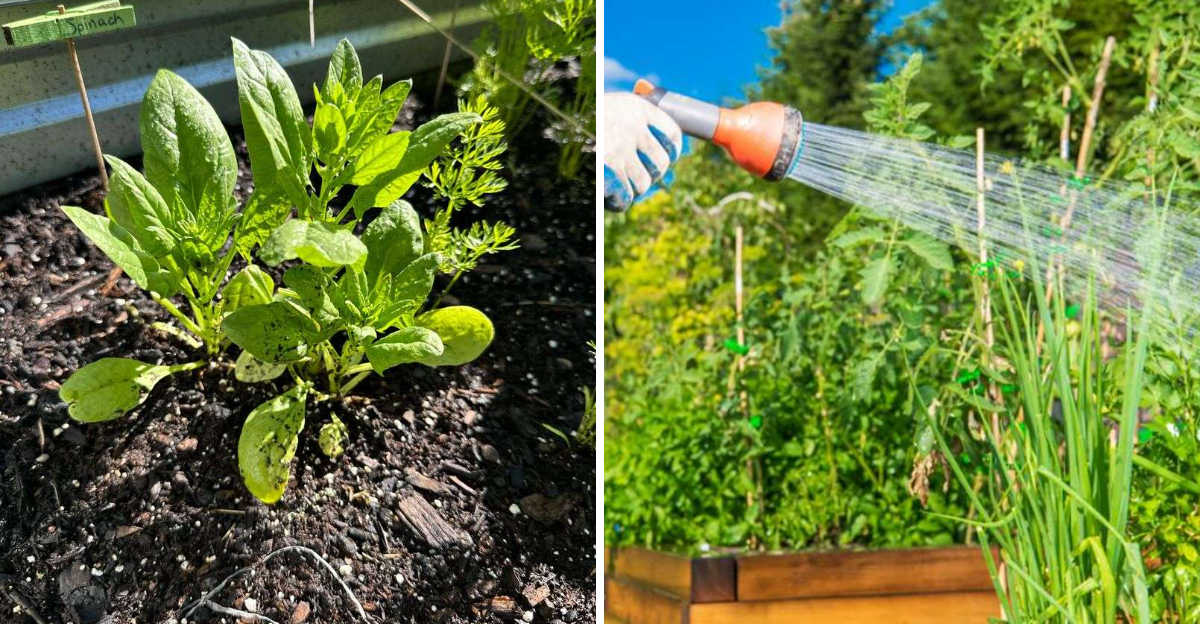
Warm days have been settling in earlier than expected across Georgia, and the shift is showing up in the yard.
Plants that usually ease into spring are already dealing with dry soil and faster moisture loss. Growth can start to look uneven, with some areas pushing ahead while others slow down.
That pattern does not always stand out right away. The yard can still look fine at a glance, even while plants begin reacting beneath the surface.
Water seems to disappear quicker than usual, and the same routine does not go as far as it did before.
This is the point where things start to feel slightly off without a clear reason. Early heat changes how the growing season unfolds, and what gets done now can influence how well the garden holds up in the weeks ahead.
1. Soil Dries Out Faster And Stresses Shallow Roots
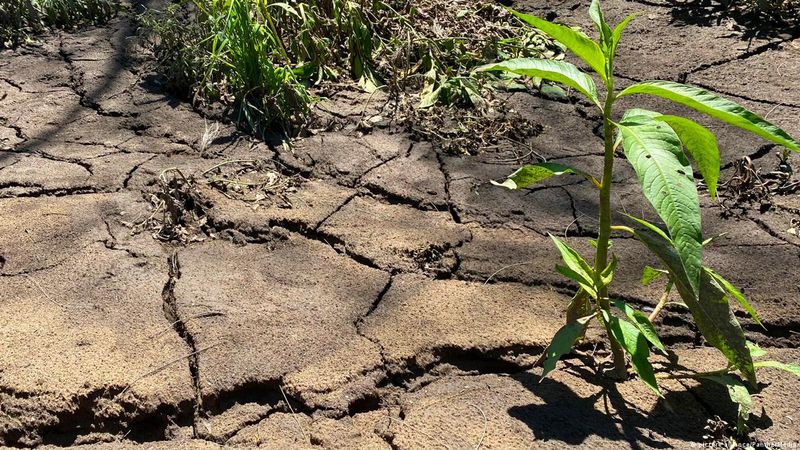
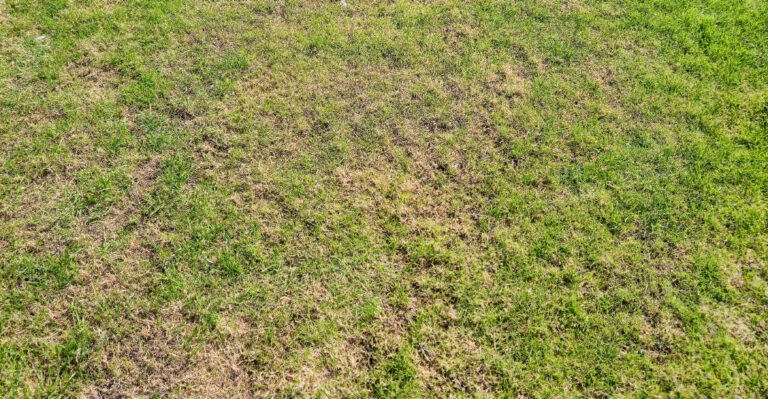
Cracked, pale soil is showing up across Georgia gardens weeks earlier than most people expected. When temperatures push into the low 90s during what should still be mild spring weather, the ground loses moisture at a pace that catches a lot of gardeners off guard.
Shallow roots, the kind most young transplants have in April, simply cannot pull water fast enough to keep up with what the sun is pulling out of the soil.
Root systems that sit in the top two to three inches of soil are the most exposed. Seedlings started indoors and recently moved outside are especially vulnerable because they have not had time to push deeper.
Established plants with more developed roots can handle a few hot days better, but even they will show signs of stress if the heat sticks around without any rain.
Georgia’s sandy loam soils in the south drain quickly under normal conditions. Add a heat spike and low humidity, and that drainage becomes a real problem.
Clay-heavy soils in the north hold moisture a little longer, but they can also bake hard on the surface, which makes it harder for water to actually reach the roots when you do irrigate.
2. Cool Season Crops Bolt Earlier And Stop Producing
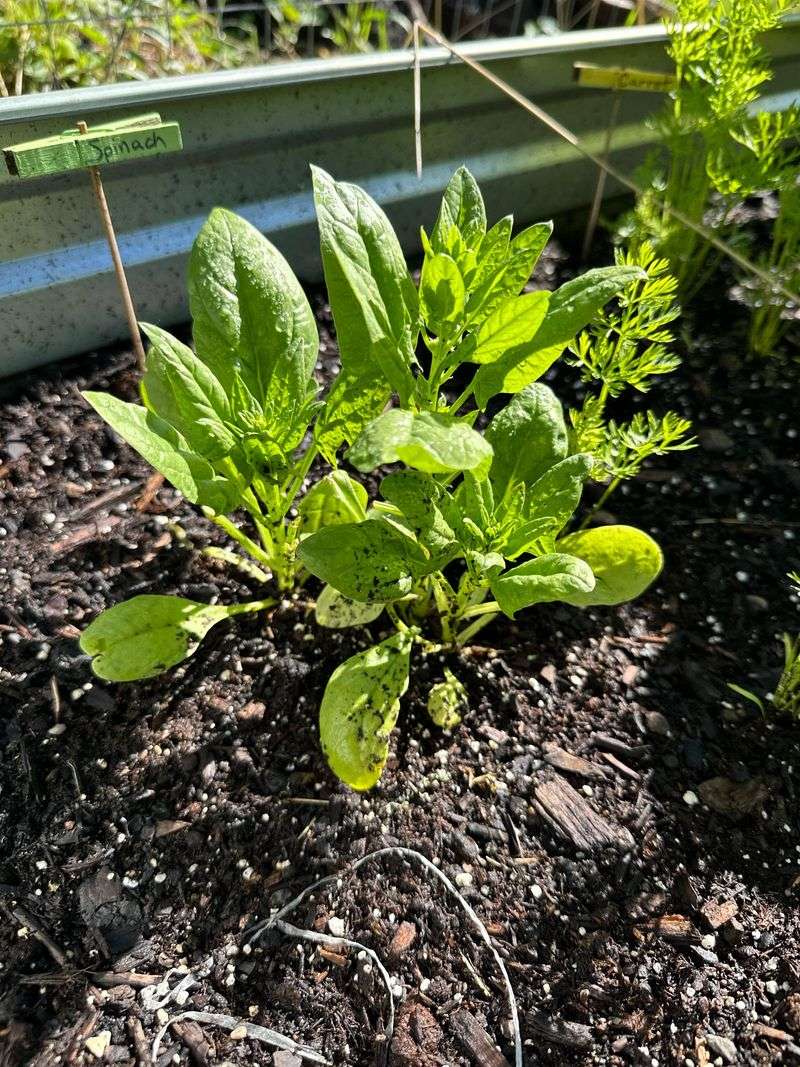
Lettuce was not supposed to be done yet, but here we are. Cool season crops like lettuce, spinach, arugula, and cilantro are already sending up flower stalks across Georgia gardens because the heat arrived so much earlier than usual.
Bolting is the plant’s way of shifting from leaf production to seed production, and once that switch flips, the leaves turn bitter and the harvest window closes fast.
April temperatures in the upper 80s and low 90s are simply outside the comfort zone for these crops. Most cool season vegetables prefer daytime highs in the 60s and 70s.
When consistent heat arrives, they read it as a signal that summer is here and respond accordingly.
You can slow bolting slightly by cutting flower stalks as soon as they appear, but that only buys a short amount of time before the plant stops producing usable leaves entirely.
Your Georgia Garden Changes Every Week. Your Plan Should Too.
Gardening in Georgia changes quickly throughout the season. Every Friday you’ll receive a simple weekly plan showing exactly what to plant, prune, fertilize, harvest, and protect so you never miss the right timing.
Shade cloth rated at 30 to 40 percent can extend the life of cool season beds by a couple of weeks in some cases. Positioning it to block afternoon sun, which tends to be the most intense, helps more than covering the plants all day.
Keeping the soil consistently moist also reduces heat stress at the root level, which can delay bolting somewhat.
3. Warm Season Plants Struggle Without Deep Watering
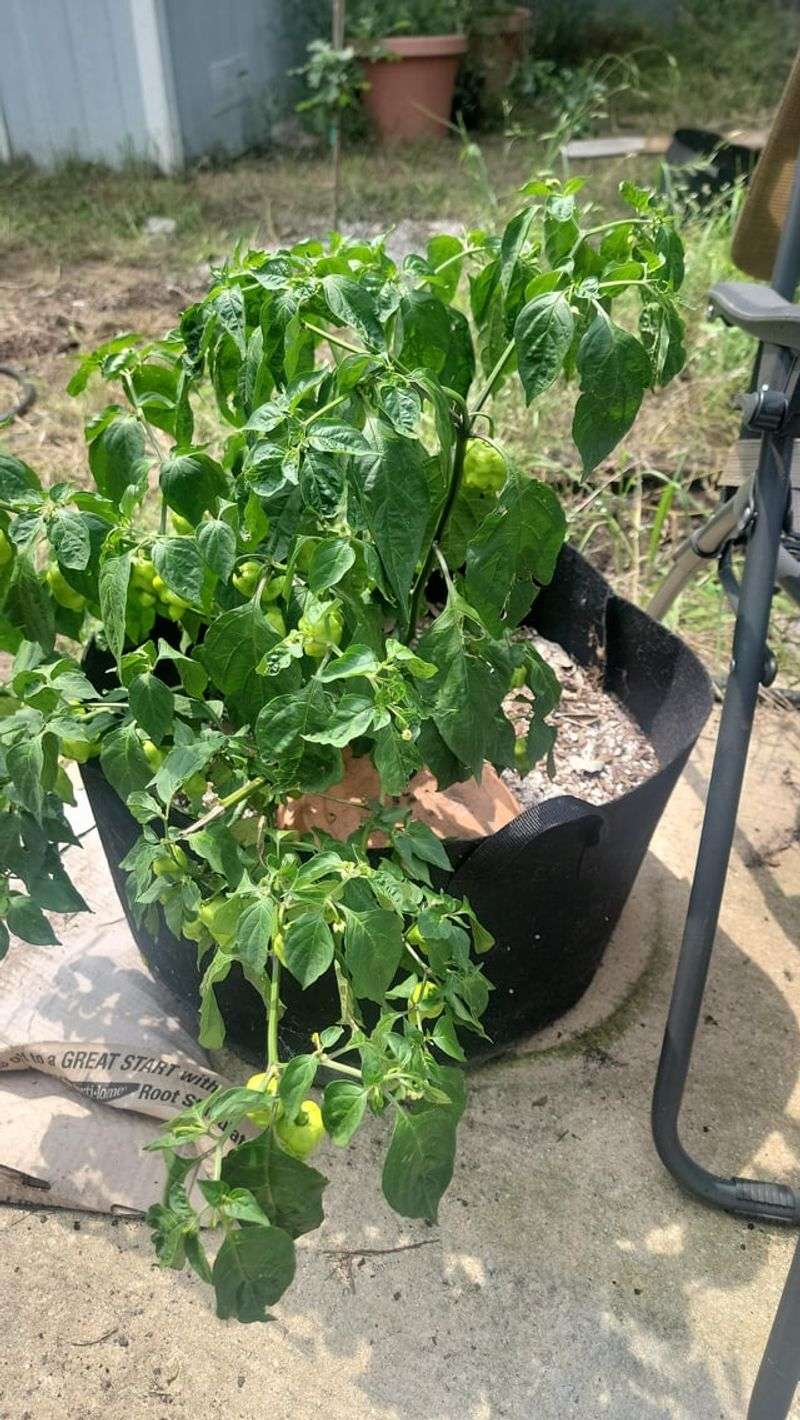
Tomatoes look tough, but they have a breaking point. Warm season crops like tomatoes, peppers, squash, and cucumbers are supposed to thrive in Georgia’s summer heat, but even they need deep, consistent soil moisture to do it.
When the top layer of soil dries out between waterings, roots stay shallow and the plant cannot access the moisture reserves stored deeper in the ground.
Pepper plants in particular drop flowers when nighttime temperatures stay too warm or when soil moisture is inconsistent. Tomatoes do the same thing, a condition called blossom drop, which happens when daytime heat climbs above 90 degrees and stays there.
Fruit that has already set can still develop, but new flowers often fail to pollinate when the heat is intense. That directly affects how much you will harvest later in the season.
Squash and cucumbers are heavy water users under normal conditions. Push them through a heat spike without adjusting your watering routine and they will show it fast through wilted leaves and slowed growth.
Watering at the base of the plant rather than overhead reduces evaporation and keeps foliage drier, which helps cut down on fungal issues that sometimes spike during warm, humid Georgia nights.
4. Watering Needs Increase As Moisture Evaporates Quickly
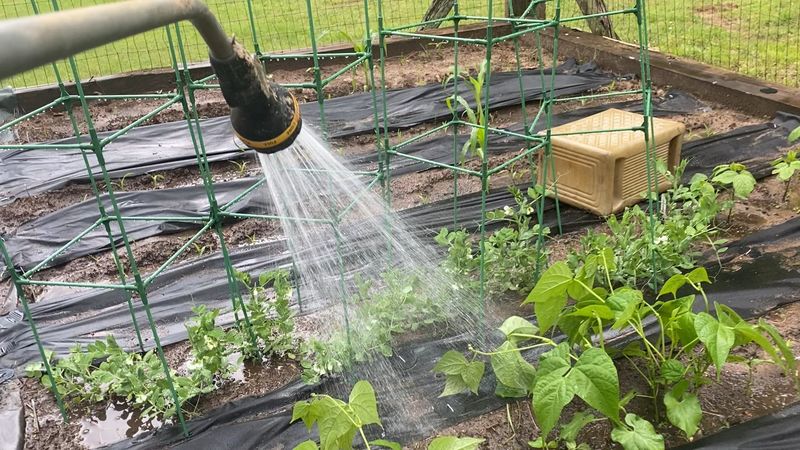
Your garden is thirstier than it was two weeks ago, and the math is pretty straightforward. Higher temperatures, low humidity, and little to no rainfall create conditions where soil moisture evaporates much faster than plants can replace it through their roots.
Nearly all of Georgia is currently under drought conditions, which means there is no natural rainfall filling in the gaps between waterings.
Evaporation rates climb sharply once temperatures push past 85 degrees. A garden bed that needed watering every two days in mild spring weather might need attention every day or every other day during a heat spike.
Container plants can dry out even faster because they have limited soil volume and no connection to the deeper ground moisture. Checking containers daily during hot stretches is a reasonable habit to build right now.
Timing matters more than most people realize. Watering in the early morning gives moisture time to soak into the soil before the heat of the day pulls it back out.
Evening watering can work, but wet foliage overnight can encourage fungal problems, especially in humid parts of Georgia where nighttime air stays warm and damp.
Running a soaker hose or drip irrigation system delivers water directly to the root zone with much less loss to evaporation compared to overhead sprinklers. If you are hand watering, slow and low is better than a quick spray across the surface.
5. Flowering And Fruit Set Drop Under Heat And Dry Conditions
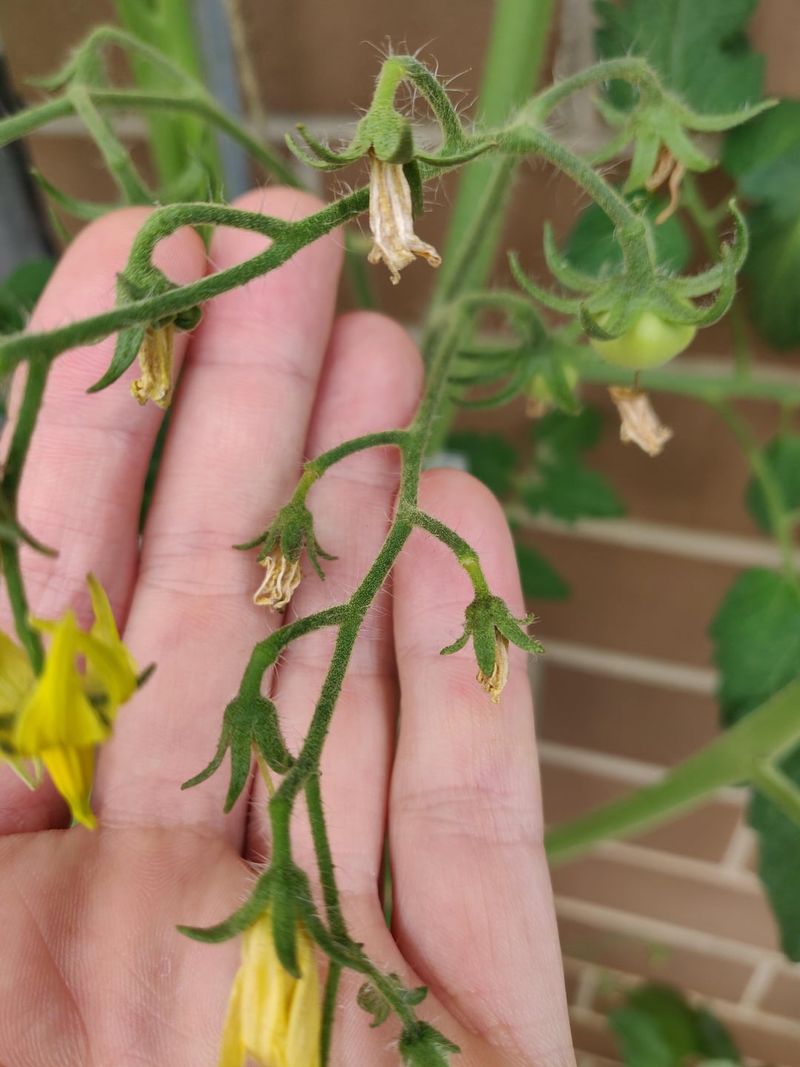
Blossom drop is one of the most frustrating things to watch happen in a garden, especially when you have been waiting all season for those first fruits to set. Heat spikes during the flowering stage hit plants at one of their most sensitive points.
Pollen becomes less viable when temperatures stay above 90 degrees for extended periods, and many plants simply abort flowers rather than put energy into fruit that is unlikely to develop fully.
Tomatoes are the most talked-about example, but peppers, beans, and squash all respond similarly to intense heat. Beans will drop flowers quickly when temperatures spike.
Squash may produce male flowers but reduce or stop female flower production, which means no fruit even if pollinators are active. Understanding which crops are most sensitive can help you prioritize where to focus your care during a heat event.
Pollinators also slow down during peak heat hours. Bees tend to work early in the morning and pull back when temperatures climb, which means the window for successful pollination gets shorter during a heat spike.
Planting a few pollinator-friendly flowers nearby can help keep bees active in your garden during those cooler morning hours when conditions are better for fruit set.
Consistent soil moisture plays a bigger role in blossom retention than many gardeners expect.
6. Water Deeply And Less Often To Support Strong Root Growth
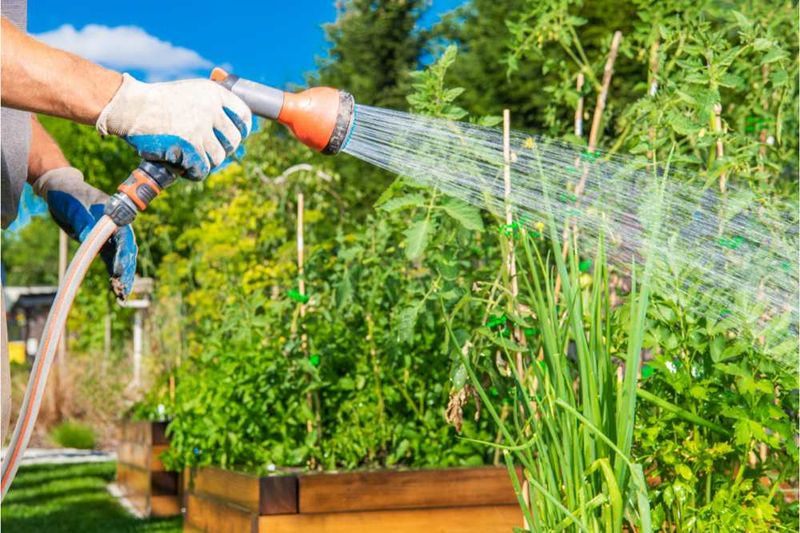
Frequent shallow watering is one of the most common mistakes made during a heat spike, and it actually works against the plant over time. When water only reaches the top inch or two of soil, roots have no reason to grow downward.
They stay near the surface where moisture is available, which makes them more exposed to heat and more dependent on you watering every single day.
Watering deeply, meaning getting moisture down to six to eight inches, encourages roots to follow that water lower into the soil profile. A plant with roots at that depth has access to moisture that the surface loses quickly during hot days.
It also has more buffer time between waterings, which reduces the pressure on you to be out there with a hose every morning.
For most vegetable gardens in Georgia, watering two to three times per week with a thorough soak is more effective than light daily watering. The exact frequency depends on your soil type, your specific location in the state, and how hot the stretch has been.
Sandy soils in south Georgia drain faster and may need more frequent watering than the clay-heavy soils further north.
A simple way to check if you are watering deeply enough is to dig a small hole six inches down an hour after watering.
7. Add Mulch To Lock In Moisture And Protect Soil
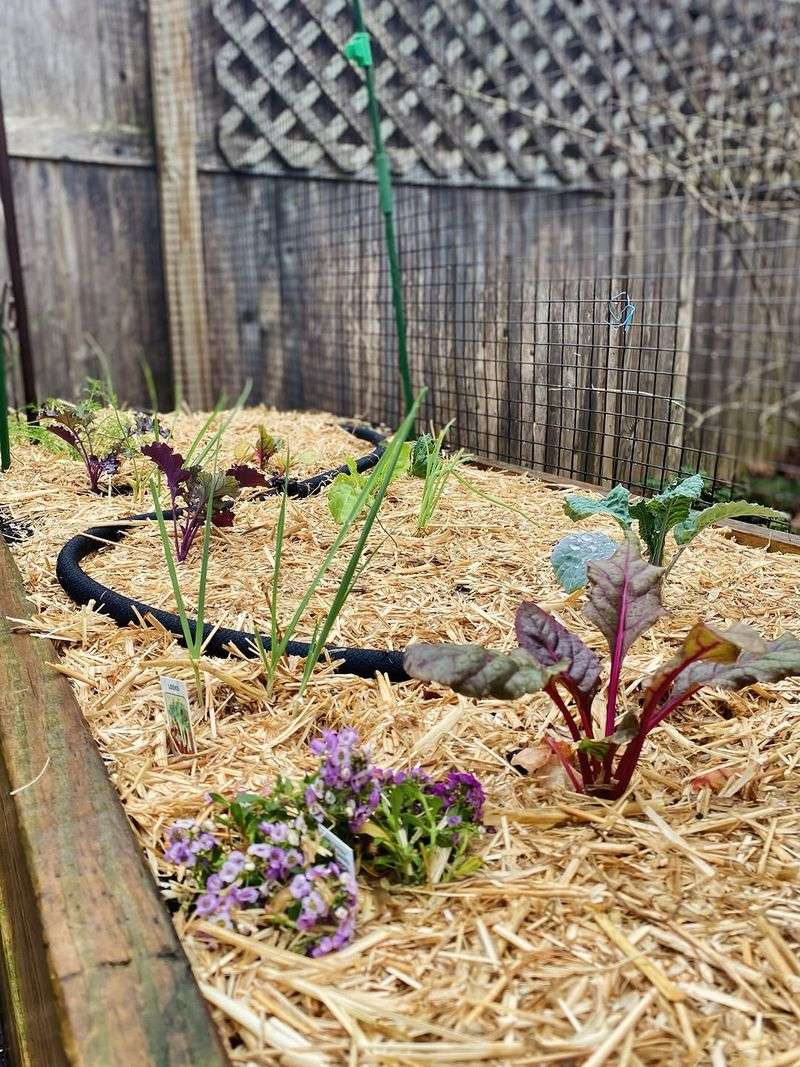
A few inches of mulch can do more for a stressed garden than almost anything else during a heat spike. Spread three to four inches of straw, wood chips, or shredded leaves around your plants and you immediately reduce how fast the soil loses moisture to evaporation.
That layer acts as a buffer between the hot sun and the soil surface, keeping the ground cooler and more stable than bare dirt ever would.
Soil temperature matters just as much as air temperature for plant health. Bare soil in direct Georgia sun can reach temperatures well above the air temperature during a heat spike.
Roots sitting in overheated soil struggle to function properly, even if you are watering regularly. Mulch can drop soil surface temperatures by a meaningful amount, which gives roots a more workable environment to operate in.
Straw is one of the most practical and widely available mulch options for vegetable gardens in Georgia. It is lightweight, easy to spread, breaks down slowly enough to last a season, and does not compact tightly around plant stems the way some other materials can.
Wood chips work well between rows or in pathways where you want longer-lasting coverage.
Pulling mulch slightly away from the base of plant stems prevents moisture from sitting directly against them, which can sometimes encourage rot at the soil line.