10 Perennials Virginia Gardeners Shouldn’t Cut Back This Fall
A tidy flower bed in fall might be doing your plants no favors. Across Virginia, the urge to cut every brown stem hits right when the first frost arrives.
Many perennials need their old stems and leaves to get through winter. Those faded stalks shield tender crowns from freeze-and-thaw swings.
Some also serve as a winter snack bar for goldfinches and sparrows. Hollow stems give native bees cozy places to nest for next summer.
Leaving a few plants standing saves you hours of fall chores too. Hold off on the cleanup, and your garden will thank you.
1. Hardy Mums, Whose Stems Protect The Crowns
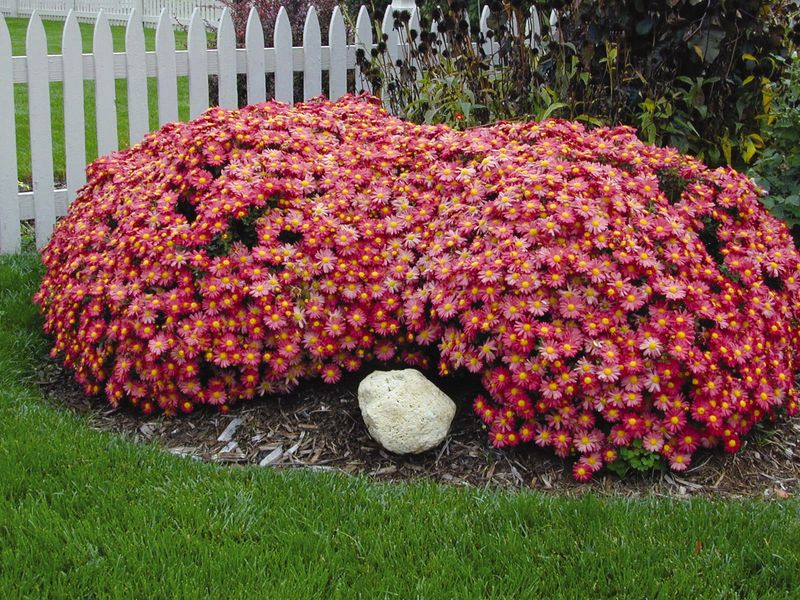
Picture a mum in late October, its bright blooms fading to rusty brown. Your first thought might be to grab the shears and clean it up fast.
Hold off on that idea for now. Those tired stems are doing quiet work that keeps the plant healthy through winter.
Garden mums grow from a crown that sits right at soil level. Leaving the old stems in place helps shield that crown from freezing winds and sudden cold snaps.
Virginia winters love to swing between mild days and icy nights. Those swings can heave shallow roots out of the ground, but standing stems help hold things steady.
Many gardeners also notice better survival rates when mums keep their top growth. Cut plants often struggle more, especially if they went into the ground late in the season.
Here is a handy trick for extra protection. Tuck a few inches of shredded leaves or pine straw around the base after the first hard frost.
Fallen leaves that collect in the stems act like a free blanket. Nature handles part of the insulation job, so you can relax a bit.
Wait until you spot fresh green shoots in early spring before trimming. Snip the old stems down to just above that new growth.
Fun fact for curious gardeners: mums have been grown in China for over 2,500 years. Ancient growers likely learned patience with these sturdy bloomers too.
Give your mums a winter break, and they should reward you with fuller, stronger plants next fall. A little patience now pays off later.
2. Lavender, Which Hates Fall Cuts
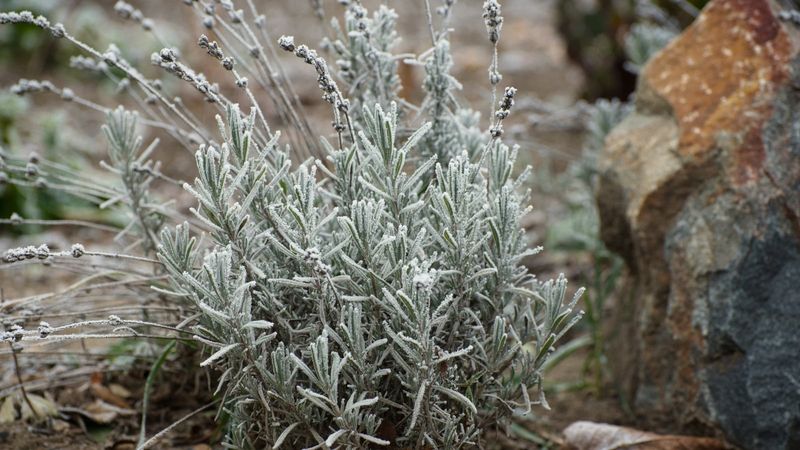
Lavender has a bit of a diva streak. Treat it wrong in fall, and it may sulk all winter or fail to return.
Heavy fall pruning ranks high on its list of complaints. Fresh cuts open the plant to cold damage right when temperatures start dropping fast.
The woody base is the biggest concern here. Older stems regrow very slowly, and sometimes they refuse to sprout at all once cut.
Piedmont Master Gardeners in Central Virginia share a smart approach. They give lavender a light trim in early September, removing about one-third of the growth.
Early timing gives the plant several weeks to heal before frost arrives. By October, your shears should go back in the shed until spring.
Wet soil causes even more trouble than cold for lavender. Virginia clay holds water through winter, which can lead to soggy roots and rot.
Your Virginia Garden Changes Every Week. Your Plan Should Too.
Gardening in Virginia changes quickly throughout the season. Every Friday you’ll receive a simple weekly plan showing exactly what to plant, prune, fertilize, harvest, and protect so you never miss the right timing.
Gravel or small stones around the base help water drain away from the crown. Skip thick wood mulch, since it traps moisture right where lavender hates it.
Once spring growth appears, you can shape the plant more firmly. Cut back to just above fresh green leaves, keeping clear of bare wood.
A quick history bit adds some charm here. Ancient Romans used lavender to scent their baths, and the name likely comes from the Latin word lavare, meaning to wash.
Respect its fussy nature, and lavender will fill your garden with fragrance for years. Keep pruning gentle, early, and well timed.
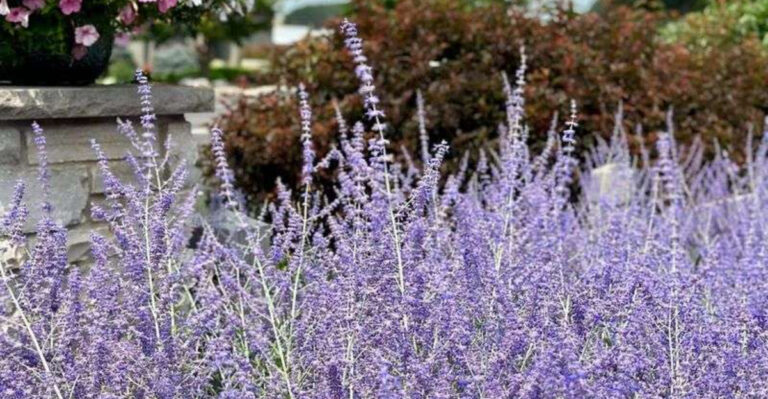
3. Russian Sage, Better Trimmed In Spring
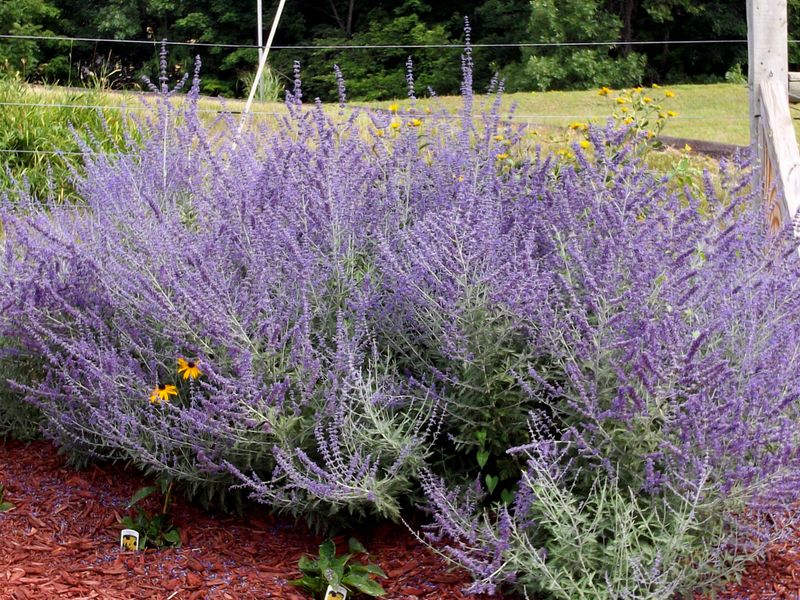
Silver stems glowing in winter sunlight make Russian sage a quiet showstopper. Few plants look this lovely while technically taking a long nap.
Many gardeners chop it down in fall out of habit. Sadly, that tidy look comes at a real cost to the plant.
Russian sage is actually a woody subshrub, not a typical soft perennial. Its stems hold buds that help it bounce back in spring.
Standing stems also protect the crown from harsh cold. They trap a little warmth and block drying winds that sweep across open beds.
Fall pruning can trick the plant into pushing out tender new shoots. A sudden frost then damages that soft growth, weakening the whole plant.
Wait until late winter or early spring for the main trim. In most of the state, mid to late March works nicely.
Look closely at the lower stems before cutting. You will spot tiny gray-green buds, and you should cut just above them, around 6 to 12 inches high.
Gardeners who skip spring pruning often end up with floppy plants. A firm spring cut keeps Russian sage upright and tidy all summer.
Here is a fun surprise for many folks. Despite the name, Russian sage is not from Russia and is not a true sage.
It hails from Central Asia and was recently moved into the Salvia genus by scientists. Either way, those frosty silver stems are worth keeping around until spring.
4. Purple Coneflower, Feeding Finches All Winter
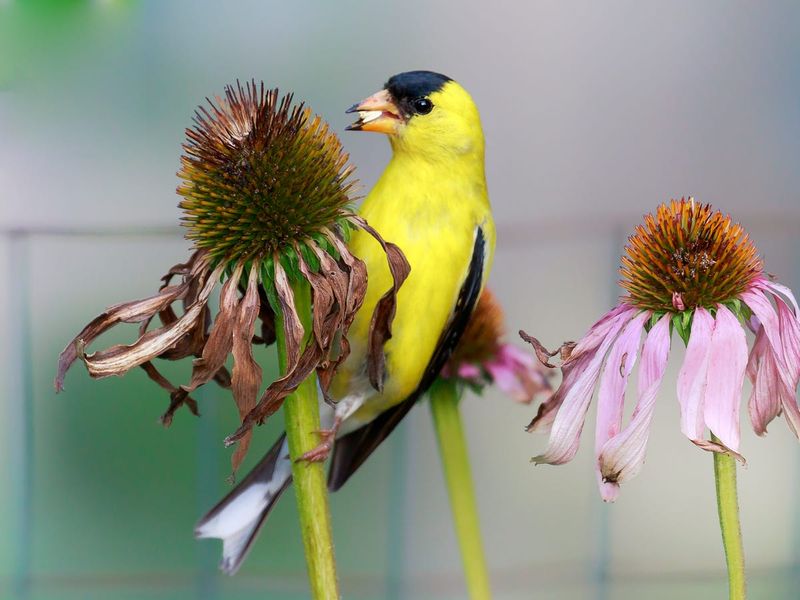
Watch a bare coneflower patch on a January morning. Odds are good you will see a flash of olive and gold darting between the seed heads.
American goldfinches adore coneflower seeds. Those spiky brown cones act like tiny bird feeders that you never have to refill.
Cutting the plants back in fall removes that free buffet. Leaving them standing turns your garden into a winter wildlife show.
Chickadees and other small birds may stop by too. Bring a cup of coffee to the window and enjoy the visitors.
Purple coneflower is native to much of the eastern United States, including parts of Virginia. Local birds have relied on these seeds for a very long time.
The dried cones also add great texture when snow falls. Dark centers poke through white drifts, giving flat winter beds some welcome shape.
Got a few plants flopping over? Cut those few if they look messy, but keep the sturdy ones standing.
Bonus perk for lazy gardeners: coneflowers often reseed themselves from fallen seeds. You may find free baby plants popping up nearby next spring.
Pull or move extra seedlings if they crowd other plants. They transplant easily while young and small.
Trim the old stems in early spring, right before new leaves fill in. By then, the birds have usually picked the cones mostly clean, so everyone wins.
5. Black-Eyed Susan, Standing Tall For Seed-Eating Birds
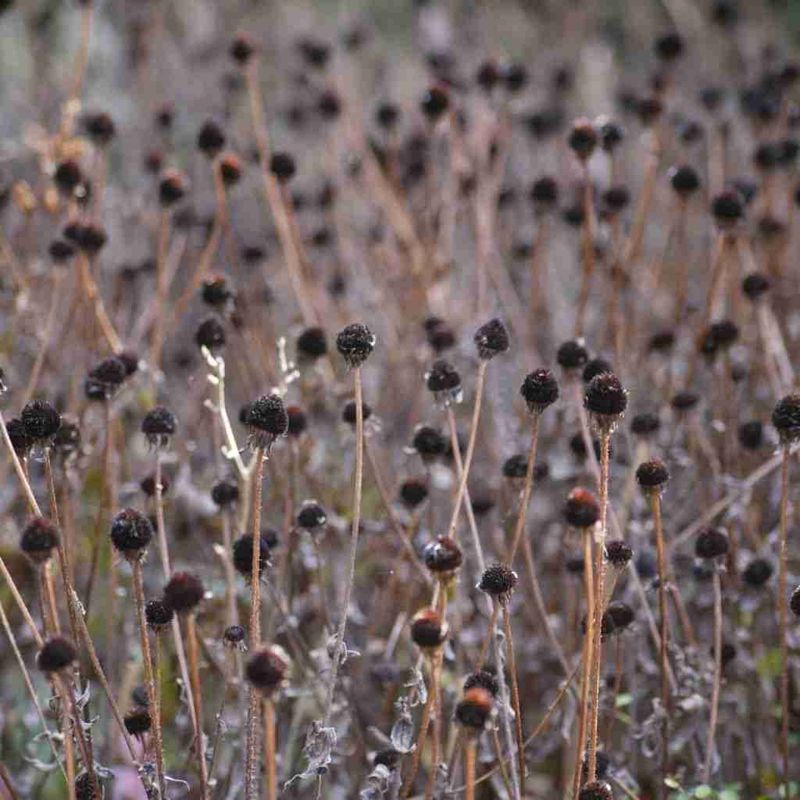
Summer gold fades fast, but black-eyed Susans still have plenty to give. Those dark button centers stay full of seeds long after the petals drop.
Sparrows, goldfinches, and juncos happily pick through them in winter. Seeds give small birds much needed energy during cold, lean months.
Standing stems offer more than just food. Native insects tuck themselves into the hollow stalks and leafy bases to ride out the cold.
Many of those insects become important pollinators next summer. Some also turn into baby food for nesting songbirds in spring.
Leftover foliage helps insulate the roots as well. Cold winds have a harder time reaching the soil when plants stay intact.
Winters bring plenty of freeze and thaw cycles. Undisturbed plants tend to handle those wild swings better than freshly cut ones.
Worried about a messy look? Try a neat trick that landscape designers use.
Trim a tidy edge along walkways or the front of the bed. Then leave the rest standing so the space looks planned, not forgotten.
Did you know black-eyed Susan is the state flower of Maryland? Virginia gardeners clearly share the love, since it thrives in yards all over the state.
Cut the old stems to the ground in early spring. Toss them loosely in a back corner for a few weeks, so any sleeping insects can still crawl out.
6. Little Bluestem And Other Ornamental Grasses
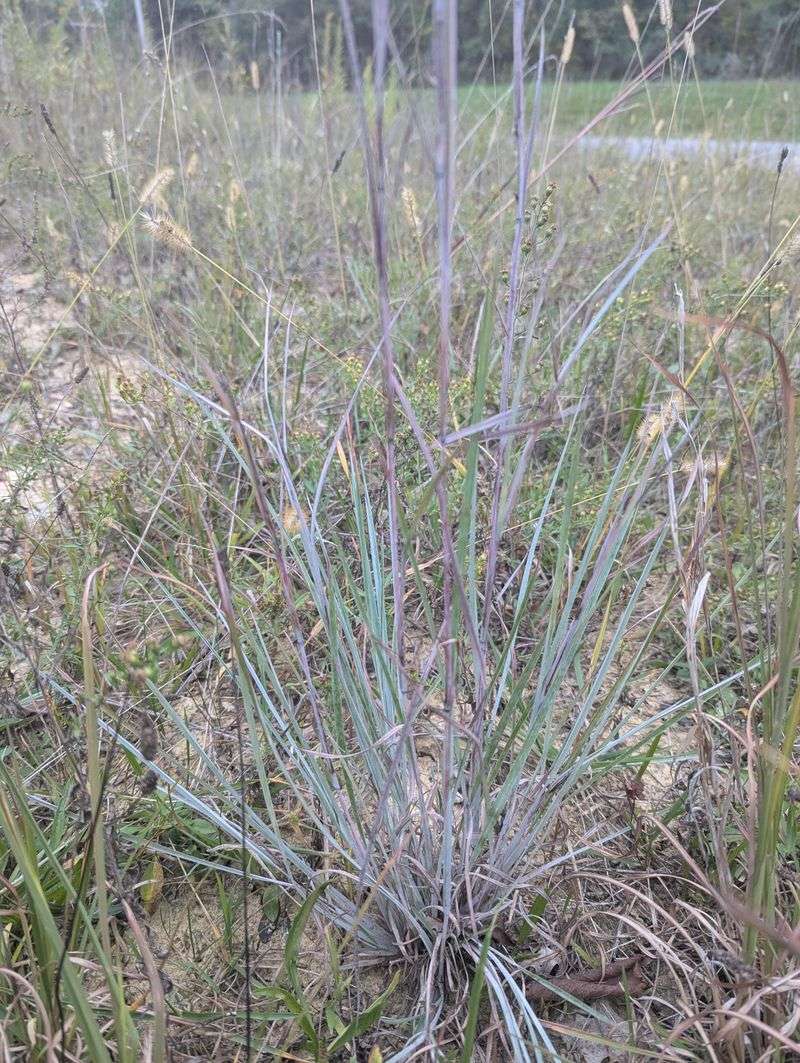
Little bluestem turns a gorgeous copper orange once cool weather hits. It practically glows when low winter sun shines through the blades.
Native to Virginia meadows, the grass fits right into local gardens. Butterflies, birds, and small critters all benefit from its tufted clumps.
Leaving ornamental grasses standing helps the plants in several ways. Their dried blades act like a natural coat for the crown below.
Uncut grasses also shed rain and snow away from the center. Water that pools in a freshly cut crown can freeze or lead to rot.
Birds use the clumps for cover from hawks and wind. Seeds from many grasses also make a handy winter meal.
Other grasses work the same way, too. Switchgrass, fountain grass, and maiden grass all look striking when left standing.
Timing matters most in late winter or early spring. Aim to cut before fresh green blades begin poking up through the old growth.
Here is a smart tip for big clumps. Wrap a bungee cord or twine around the grass first, then cut below it for easy cleanup.
Little bluestem usually needs a cut down to about 4 to 6 inches. Larger grasses can be trimmed a bit higher.
Gardeners who try this trick once rarely go back. The bundled stems lift away in one tidy armful, ready for the compost pile.
7. Sedum, Whose Seed Heads Catch Frost
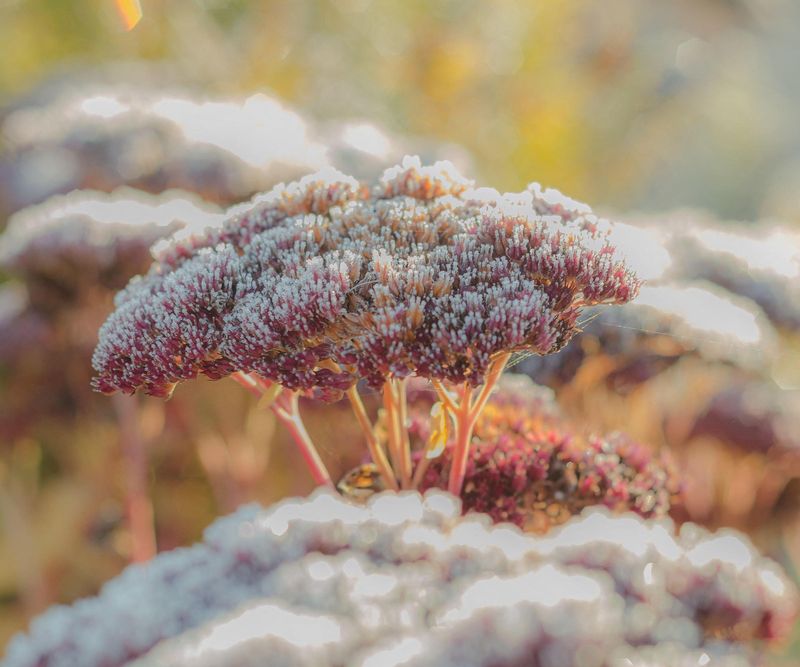
Frosty mornings turn tall sedum into nature’s own sculpture. Every tiny dried flower holds a sparkle of ice, like sugar sprinkled on broccoli.
Varieties such as Autumn Joy keep their flat flower heads well into winter. The color slowly shifts from pink to rust to deep chocolate brown.
Leaving them standing adds structure to a sleepy garden bed. Snow piles on top in soft little caps that look charming from the window.
Sedum stems are thick and sturdy, so they rarely flop over. That strength makes them one of the easiest plants to leave alone.
Birds sometimes poke around the seed heads too. Small insects may shelter among the clustered stems near the base.
Spring is the right season for cleanup. Look for small rosettes of new green growth hugging the ground in March.
Snip the old stems just above those fresh rosettes. Be careful not to nick the new buds while you work.
Got a sedum that sprawls open every summer? Try a quick trick called the Chelsea chop in late May.
Cut the stems back by about half before they bloom. You will get shorter, sturdier plants that stand tall all season and into winter.
A fun bonus: broken sedum stems root easily. Stick a few snippets in soil, and they often grow into brand new plants for free.
8. Hellebores, Keeping Their Evergreen Leaves
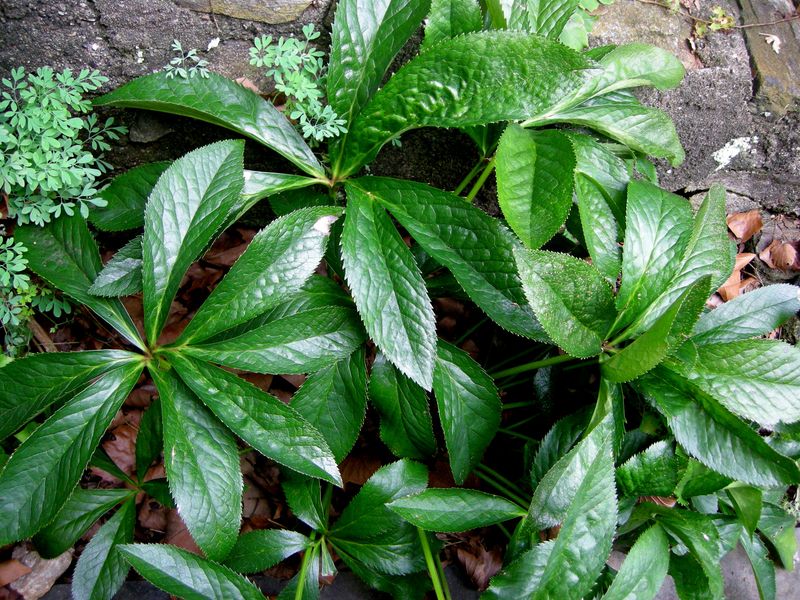
Hellebores are the overachievers of the shade garden. They keep working right through winter while most plants are fast asleep.
Their leathery leaves stay green all year long. Even in cold weather, those leaves keep gathering sunlight to make food for the plant.
Cutting them in fall robs the plant of an energy source. A hungry hellebore may produce fewer flowers when late winter rolls around.
Many varieties bloom on stems that are already forming in fall. Early pruning could snip off those future flowers before they ever open.
Hellebores often bloom from February into April. Some folks call them Lenten roses because they flower around the Lent season.
Wait until late winter for any cleanup work. That is usually when buds start pushing up from the center of the plant.
At that point, remove only the old leaves that look tattered, spotted, or flattened. Cut them at the base with clean pruners.
Clearing old leaves at the right time shows off the new blooms. It also reduces the chance of leaf spot spreading to fresh growth.
Bonus tip for families with curious pets: hellebores are toxic if eaten. Plant them away from areas where dogs like to chew.
Give these tough beauties a little space and time. They will light up gloomy winter corners when your garden needs color most.
9. Coral Bells, Holding Foliage Through Winter
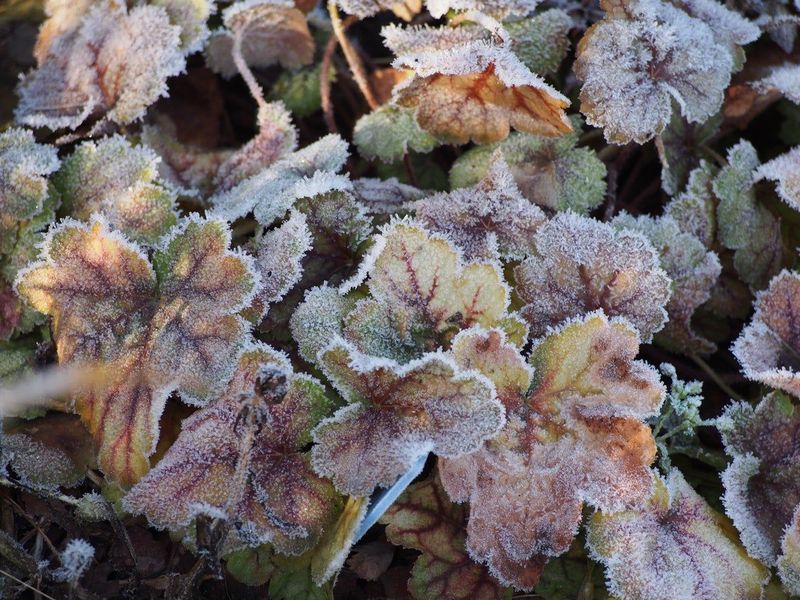
Burgundy, lime, caramel, and silver all show up in coral bells foliage. Their ruffled leaves bring color to beds when everything else turns brown.
Most coral bells keep their leaves through winter, at least partly. Those leaves help protect the crown, which sits right at the soil line.
Remove the foliage in fall, and that crown sits exposed to bitter wind. Freeze damage can follow, especially during icy snaps.
Healthy leaves also continue making energy on mild winter days. A well fed plant greets spring with stronger growth.
Watch for one sneaky winter problem with coral bells. Frost heaving can push the crown up and out of the soil.
Check your plants after a few hard freezes. If you see the crown poking up, gently press it back down and add a little mulch.
Clay soils make heaving more likely, since they swell and shrink with moisture. Adding compost at planting time can help keep roots snug.
Save the cleanup for early spring. Trim away tattered, brown, or mushy leaves, and leave the fresh ones alone.
Fun fact: coral bells are native to North America. Hummingbirds love their tiny bell-shaped flowers in late spring.
Over a few years, coral bells may get woody and leggy in the middle. Divide them in spring every three or four years for fresh, tidy clumps.
10. Hardy Hibiscus, Slow To Wake In Spring
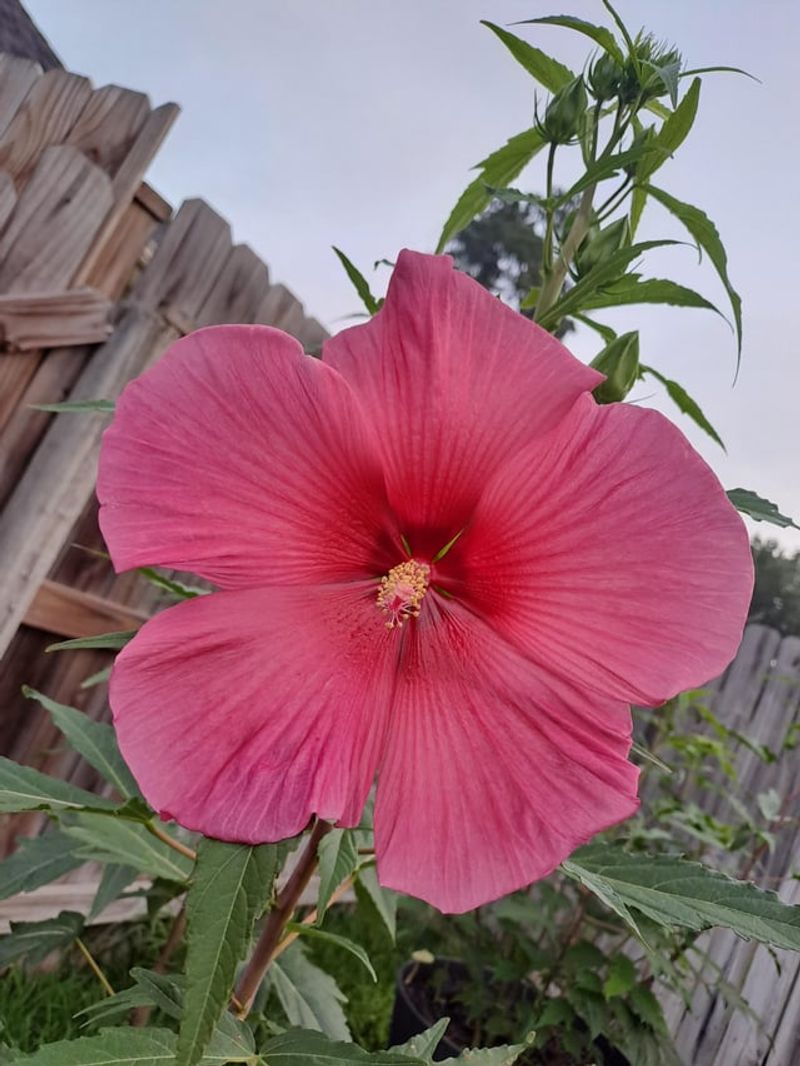
Every spring, someone panics over a hardy hibiscus. Weeks pass with no sign of life, and the gardener assumes the plant is gone.
Relax, because this plant is simply a late sleeper. New shoots may not appear until late May or even early June.
Standing stems solve a big problem here. They mark exactly where the plant lives, so you will not dig into it by mistake.
Those tall hollow stems help wildlife too. Native bees and other helpful insects often spend winter tucked inside them.
Leaving the plant intact may also improve cold hardiness. Gardeners in Virginia and colder areas often see stronger regrowth from uncut plants.
Wait for warm weather before cleaning up. Once soil warms and red shoots peek from the base, cut old stems to a few inches tall.
Leave a few stem pieces at different heights for nesting bees. Those little stubs become handy homes for next year.
Blooms on hardy hibiscus can grow as large as dinner plates. Some varieties produce flowers nearly 12 inches across.
Their big show arrives in mid to late summer. Bees and hummingbirds visit often, so the patience pays off in style.
Got more garden questions as spring approaches? A trip to a local extension office can help gardeners plan smart cleanup for every plant on this list.