Mid-October Is Closing In In Virginia And These Plants Need To Go In The Ground Now
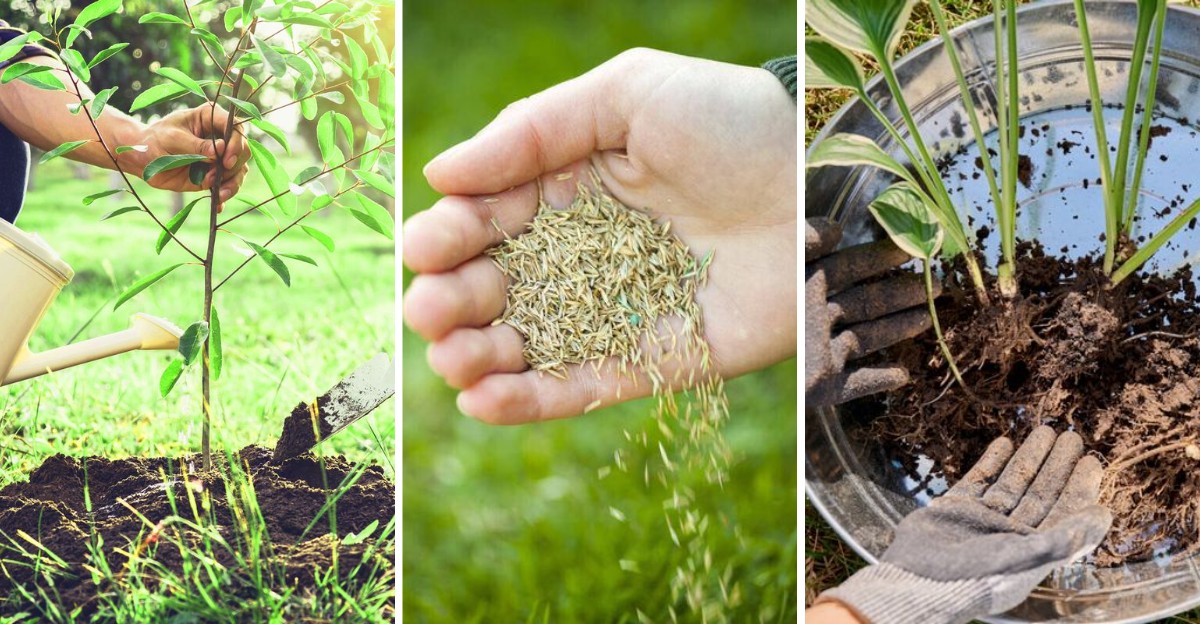
The best planting window of the year is closing while most gardeners are busy raking leaves, carving pumpkins, and planning for the holidays.
Mid-October in Virginia hits a sweet spot that’s easy to miss. Cool afternoons feel great to you, but warm soil feels even better to new roots.
Plants tucked in now spend winter building strength underground. Come spring, they burst out of the gate weeks ahead of anything planted later.
From garlic to grass seed, a handful of plants really want to go in the ground right now. Some will feed you, some will dazzle you, and one or two will fix your soil while you sleep.
1. Garlic Cloves For Next Summer’s Harvest
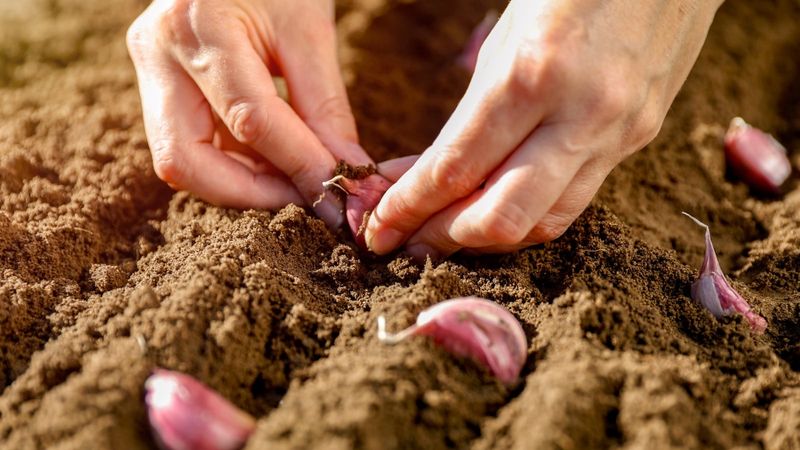
Picture pulling a fat, papery bulb from the dirt next July and knowing you planted it in a sweater. Garlic rewards patience better than almost any crop in the garden.
Cloves need a stretch of winter cold to form real bulbs. Skip the chill, and you often get a single round lump instead of tidy wedges.
Timing depends on where you live in Virginia. Northern Virginia and Richmond gardeners should plant from mid to late October.
Shenandoah Valley and mountain growers are best off finishing in early October. Folks down in Tidewater can relax a bit, since their window stretches into mid-November.
Soil temperatures between 50 and 65 degrees are the target. A cheap soil thermometer takes the guessing out of the job.
Break the bulb apart right before planting, keeping the papery skins on. Set each clove pointy side up, about 2 to 3 inches deep.
Space cloves 6 to 8 inches apart so bulbs have room to swell. Rows spaced about a foot apart make weeding much easier next spring.
Softneck types usually do well in warmer Zone 7 areas. Hardneck varieties shine where winters bite harder, and they produce tasty curly scapes in late spring.
Up in the colder western highlands, freezing and thawing can push cloves right out of the ground. A thick blanket of straw mulch keeps them snug and settled.
Skip the grocery store garlic if you can. Seed garlic from a local farm or nursery is better suited to your climate and less likely to carry disease.
2. Daffodil And Tulip Bulbs For A Spring Show
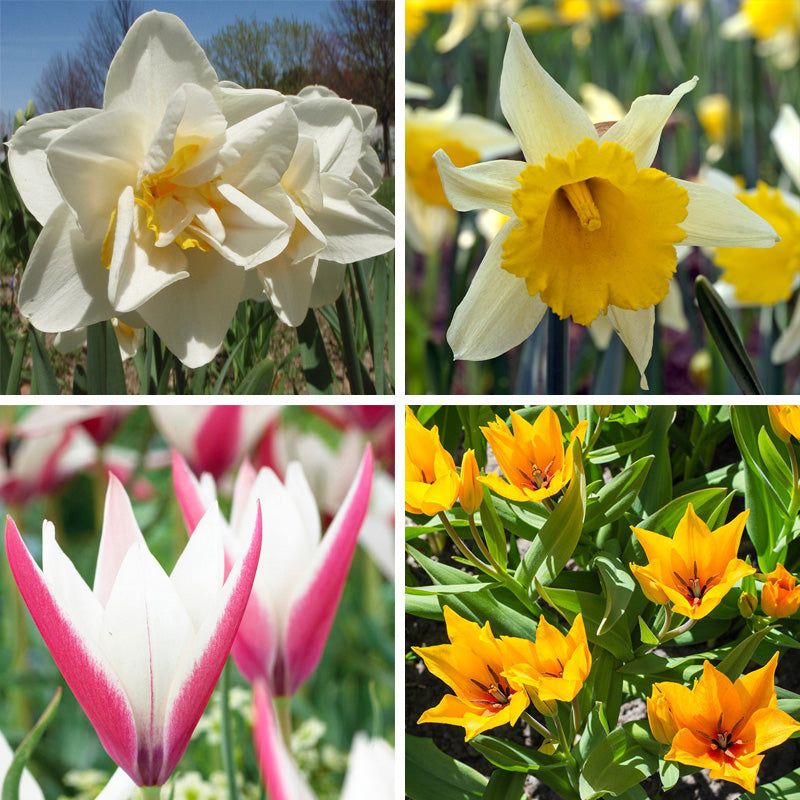
Think of bulbs as tiny gifts you wrap now and open in March. Few garden chores feel this hopeful on a chilly afternoon.
Shop for bulbs in mid-October while the selection is still full. Planting starts a little later, usually around your first frost date.
Soil between 50 and 60 degrees helps bulbs root well. Warmer ground can trigger early sprouting or even rot.
Daffodils settle in nicely from late October through late November across the state. Tulips prefer soil steadily below 55 degrees, often after two or three weeks of cool nights.
Northern Virginia and Shenandoah Valley gardeners can usually plant tulips in late October. Tidewater gardeners may wait until late November or even early December.
Dig each hole about three times as deep as the bulb is tall. Point the narrow tip upward, then cover and water well.
Your Virginia Garden Changes Every Week. Your Plan Should Too.
Gardening in Virginia changes quickly throughout the season. Every Friday you’ll receive a simple weekly plan showing exactly what to plant, prune, fertilize, harvest, and protect so you never miss the right timing.
Here is a neat bit of wildlife trivia. Daffodils contain bitter compounds that deer and squirrels mostly avoid.
Tulips are a different story, since deer treat them like candy. Plant them close to the house, or use repellent sprays and wire cages.
Hybrid tulips often fade after their first big season in our warm summers. Many local gardeners simply treat them as annuals and replant each fall.
Want a fuller look? Plant bulbs in clusters of seven or more instead of single lines, and the spring display will look like a painting.
3. Pansies And Violas For Color All Winter
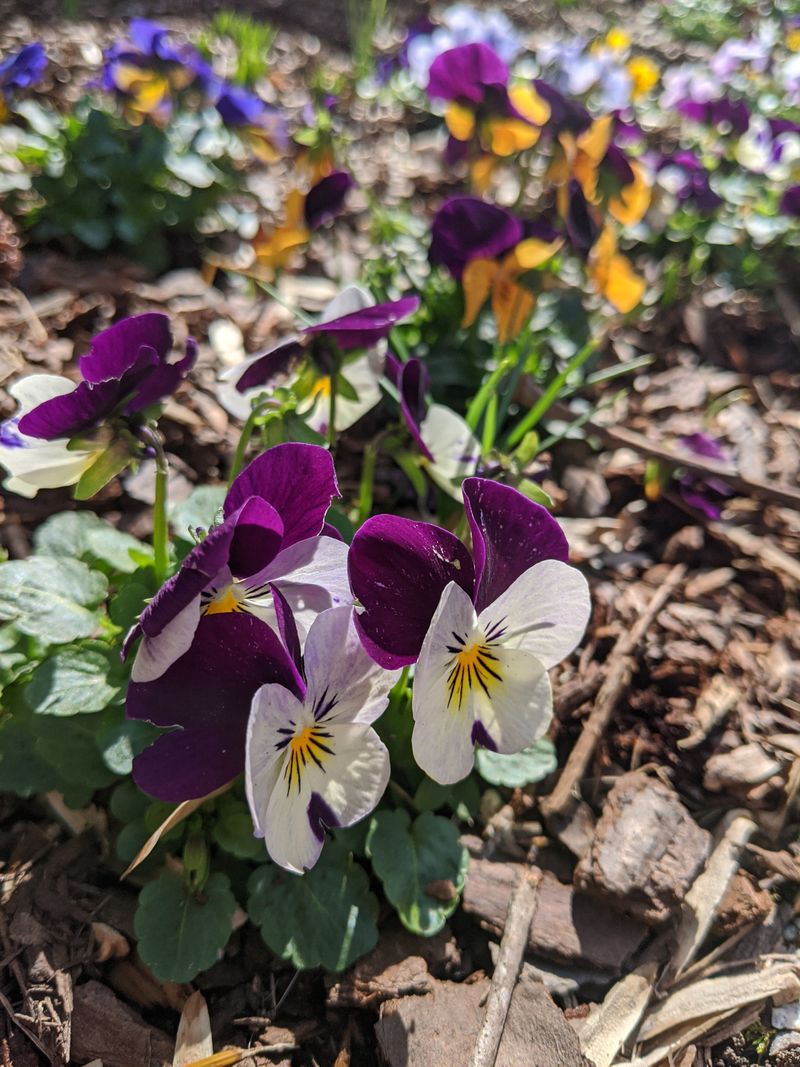
Frost on the windshield, purple faces grinning in the flower bed. Pansies are tough little cheerleaders that refuse to quit when the weather turns.
Gardeners in Central Virginia treat them as cool-season annuals. They can go in from mid-September right up until Thanksgiving, a little earlier in the mountains.
Earlier planting gives them more time to build roots, so mid-October still works well. Strong roots mean more blooms through the cold months.
Expect color for around six months when they get settled in. They flower in fall, perk up on mild winter days, then explode in spring.
Frost barely slows them down. Pansies keep blooming even when temperatures dip near 20 degrees.
Violas are their smaller cousins with dainty flowers. They often bounce back from cold snaps even faster than pansies do.
Pick a sunny spot with soil that drains well. Soggy ground in winter is harder on them than freezing air.
Mix compost into the bed before planting to loosen heavy clay. Set each plant at the same depth it sat in its pot.
Finish with a layer of mulch and a deep drink of water. The mulch helps hold warmth around the roots on bitter nights.
Pinch off faded blooms whenever you walk by. Removing spent flowers keeps the plants pushing out fresh color instead of making seeds.
Bonus tip: pansy petals are edible. They make a fun garnish on cupcakes or salads for a winter party.
4. Trees While The Soil Is Still Warm

An old saying claims the best time to plant a tree was twenty years ago. The second best time might be this very week.
Fall gives new trees a real advantage in Virginia. The best stretch runs from mid to late September through early November.
Cool air means less stress on the leaves. Meanwhile, soil still holding summer warmth lets roots spread fast.
Once trees go dormant, they stop pushing new leaves. Their energy goes straight into growing roots underground instead.
Deciduous trees, the ones that drop their leaves, handle fall planting especially well. They usually wake up healthier and greener the next spring.
Container-grown trees give you the best odds this time of year. Flowering dogwood is a beloved pick, though it roots slowly, so some nurseries suggest spring for the best start.
Dig the hole about twice as wide as the root ball. Keep it no deeper than the root ball, since width matters more than depth.
Look for the root flare, where the trunk widens near the base. It should sit right at or slightly above ground level.
Water deeply once or twice a week until the ground freezes solid. Dry winters are tough on new trees, even when they look asleep.
Evergreen trees are the exception here. Hold off on pines and spruces until late winter or early spring for better results.
5. Shrubs That Root In Before Frost
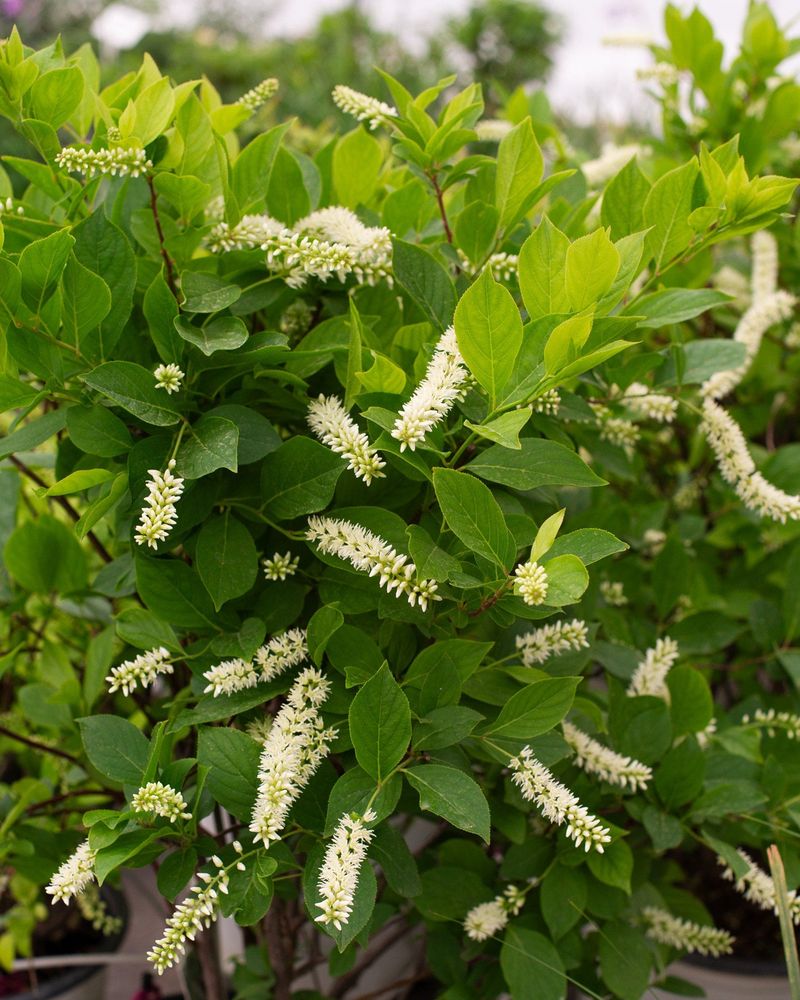
Garden centers often slash shrub prices in October, and smart shoppers pounce. Better yet, the timing could hardly be better for planting.
October and November are prime shrub months across much of the state. Roots need about six weeks to settle before the ground freezes.
Warm soil and cool air create a cozy combo. Shrubs head into winter with roots already anchored and ready for spring.
Choose a spot with soil that drains well after rain. Standing water around roots can cause rot during wet winter months.
Dig a hole at least twice as wide as the root ball. Gently loosen circling roots with your fingers before setting the plant in place.
Classic picks include azaleas, rhododendrons, hollies, yews, and junipers. Each one handles Virginia weather with very little fuss.
Native shrubs deserve a spot too. Virginia sweetspire, oakleaf hydrangea, and viburnums feed birds and pollinators while looking gorgeous.
Sweetspire puts on a dazzling show of red and purple leaves in autumn. Oakleaf hydrangea adds peeling cinnamon bark that looks great in winter.
Spread two or three inches of mulch around the base. Keep mulch a few inches away from the stems to discourage pests.
Water deeply each week if rain is scarce. Keep it up until the ground freezes, then let nature take over.
6. Divided Hostas, Daylilies, And Other Perennials
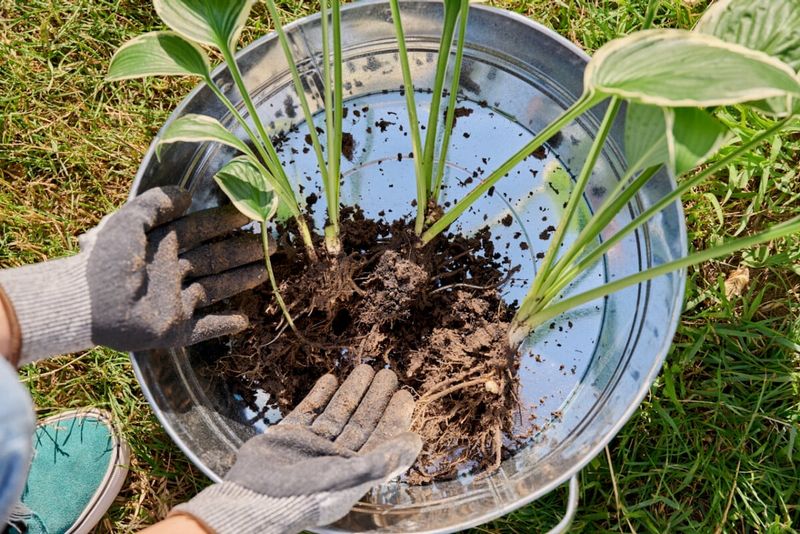
Free plants are hiding in your flower beds right now. Splitting an overgrown clump turns one tired perennial into three or four happy ones.
Fall works well for spring and early summer bloomers. Warm soil helps roots grow, while cool air lowers transplant shock.
Try to finish dividing about three to four weeks before the ground freezes. In the Shenandoah Valley, aim for September into early October.
Hostas are ready when their leaves start to yellow. Make sure each new piece has at least two or three growth buds, called eyes.
Daylilies handle division well once blooming has finished. Cut the foliage back by about half before digging to make handling easier.
Bearded irises like a shallow home. Replant their thick rhizomes just below the soil surface, with the tops almost peeking out.
A sharp spade or old bread knife makes clean cuts through dense roots. Share extras with neighbors, since gardeners love a good plant swap.
Spread mulch around fresh transplants to hold moisture and warmth. Water well right after planting and during dry spells.
Leave fall bloomers like asters and mums alone for now. Dividing them this time of year can mess with their flowers.
Hold off on fertilizer, too. Feeding new transplants now can push tender growth, so wait until spring arrives.
7. Spinach That Overwinters For An Early Spring Crop
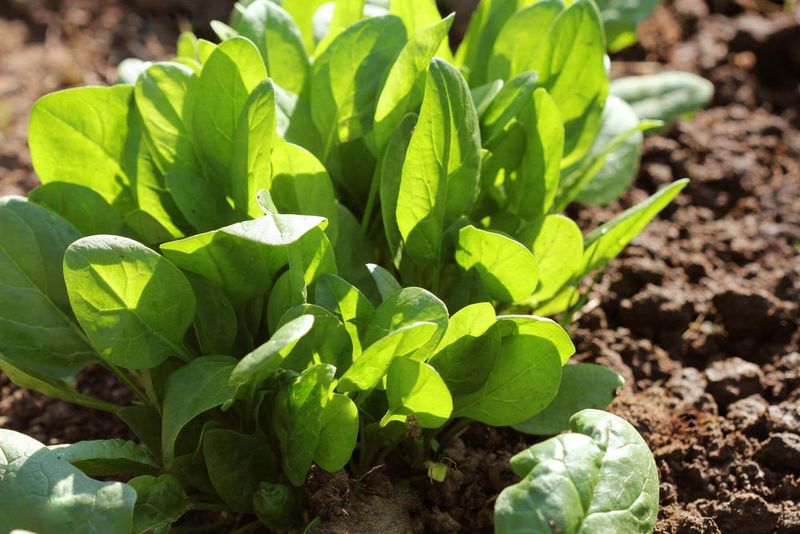
Fresh salad in March without a trip to the store sounds almost magical. Overwintered spinach makes it surprisingly doable.
Spinach is one of the hardiest greens around. Small plants can hang on through an entire winter.
Ideally, fall spinach goes in around mid-August for steady autumn harvests. Late sowings in October work differently, but they still pay off.
Seedlings sown now stay small through the cold months. Then they grow fast when days lengthen, giving you an early spring crop.
Look for cold-hardy savoy types with crinkled leaves. Varieties like Winter Bloomsdale were bred for exactly this job.
Freezing and thawing can lift plants right out of the soil. Gardeners call this frost heaving, and it can tear tender roots.
A thick layer of mulch, up to 8 inches, helps a lot. Loose straw or shredded leaves work nicely and cost little or nothing.
Pull back the mulch a bit on sunny days if plants look crowded. A simple row cover adds extra warmth on bitter nights.
Harvest outer leaves as needed during mild spells. The center keeps growing and sends up new leaves later.
Fun fact: cold weather makes spinach taste sweeter. Plants turn starch into sugar, which works like natural antifreeze in their leaves.
8. Crimson Clover Or Winter Rye To Rebuild Tired Soil
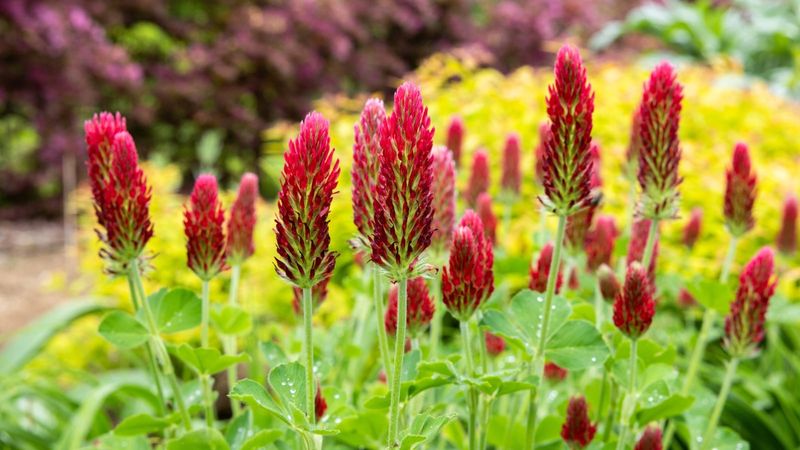
After a long summer of tomatoes and squash, garden soil is plain worn out. Cover crops act like a winter vacation for your dirt.
Crimson clover and winter rye are two favorites with Virginia gardeners. Both grow through cool weather and protect bare ground from washing away.
Planting can begin as early as August 1. Finish sowing no later than November 1 so plants get established.
Seedlings need some growth before a hard frost arrives. Mid-October still works for winter rye, but crimson clover is cutting it close, so lean on rye if you’re running late.
Clear away leftover summer plants first. Loosen the top few inches of soil, then scatter seed and rake it in lightly.
Crimson clover pulls nitrogen from the air and stores it in its roots. Your spring vegetables get a natural fertilizer boost when it breaks down.
Winter rye has deep, fibrous roots that break up packed ground. It also crowds out weeds better than almost anything else.
Got fall crops still growing? Sow seed between the rows about a month before harvest for a head start.
Many gardeners mix both seeds together for double the benefits. The rye shields the clover during harsh winter wind.
In spring, crimson clover blooms bright red and pulls in bees. Cut plants down before they set seed, then turn them into the soil.
9. Tall Fescue Seed, But Only If You Hurry
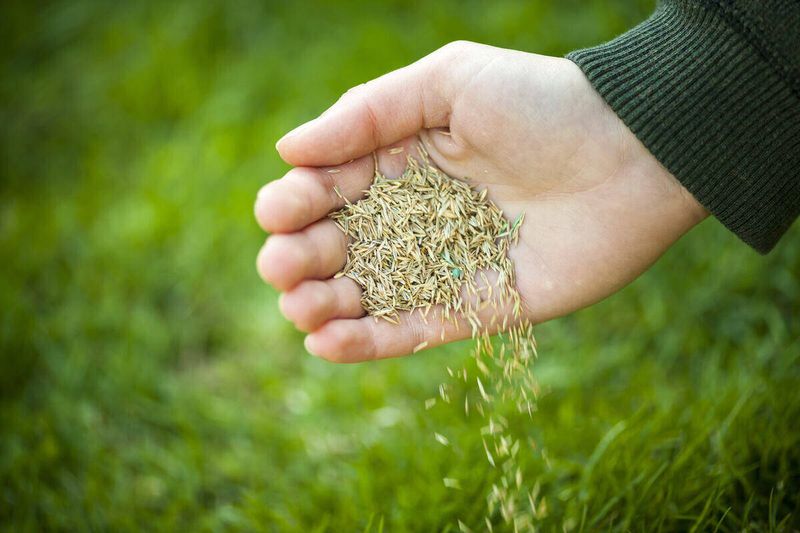
Tick, tock goes the lawn clock. If thin patches have been bugging you all summer, mid-October is your last good chance.
Tall fescue is the go-to cool-season grass across much of the state. Its best seeding window runs from late summer into mid-fall, with mountain lawns needing to finish earliest.
By mid-October, the Piedmont and coast are wrapping up their window, and the mountains have likely already closed theirs.
Seeds sprout best when soil sits between 50 and 65 degrees. Cooler air also slows evaporation, keeping the seedbed moist longer.
Fall seeding lets young grass build deep roots before summer heat returns. Spring-planted fescue often struggles when July turns brutal.
Aerate the lawn before spreading seed. Those little soil plugs open holes where seed can touch soil and sprout faster.
Rake up fallen leaves first so seed reaches the ground. A starter fertilizer can give seedlings an extra push.
Water lightly once or twice a day until sprouts appear. After that, switch to deeper watering a few times each week.
Keep foot traffic, pets, and kids off new grass for several weeks. Mow once blades reach about four inches tall.
Try a turf-type tall fescue blend for better color and disease resistance. Mixed varieties handle the state’s unpredictable weather better than a single type.