Pink Paper Lanterns On Georgia Golden Raintrees Can Turn Into A Yard Full Of Seedlings
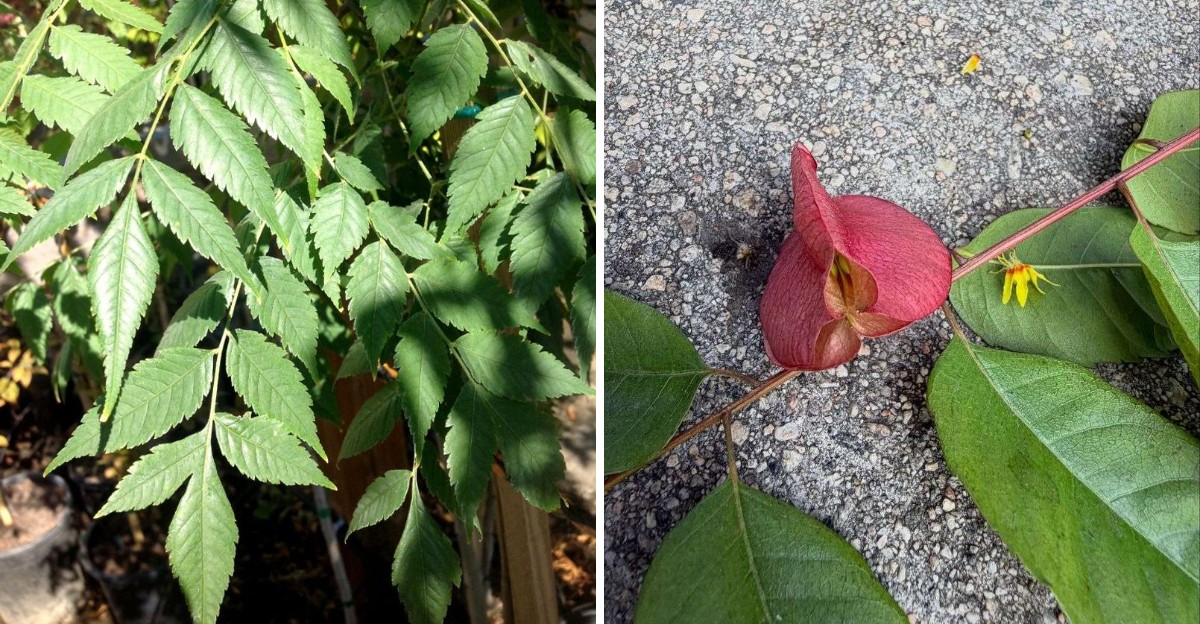
Golden raintrees stand out in fall when clusters of pink, papery pods replace their yellow flowers. Each pod looks like a small lantern, and a mature tree can hold a great many of them.
Every pod carries seeds, and many do not stay on the branch for long. Wind and rain scatter them across lawns, beds, and nearby woods.
Seeds that land in loose soil or mulch often sprout the following spring in surprising numbers.
Homeowners can end up pulling dozens of seedlings from flower beds and fence lines each year.
Some invasive plant groups list golden raintree as a concern, and its seedlings turn up beyond yards in parts of Georgia.
Pull young ones while the roots are small and easy to remove. Fallen pods raked up before spring also mean fewer seedlings next year.
1. Papery Seed Pods Follow The Tree’s Showy Yellow Flowers
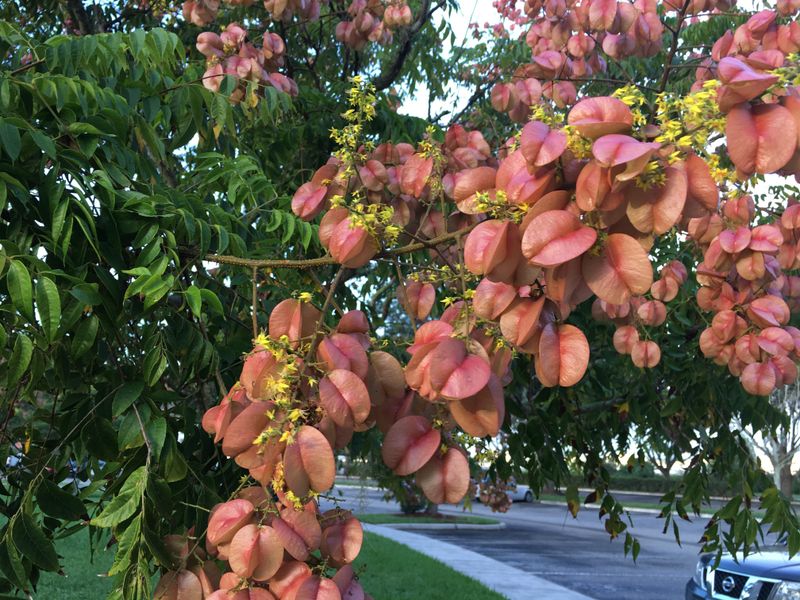
Late summer is when the show really starts. Chinese flame trees push out large, upright clusters of small yellow flowers, usually around August in much of the South.
Bees tend to visit those blooms, and you may notice tiny yellow petals sprinkling the ground below the canopy.
Once the flowers fade, the tree does not rest for long. Small green pods begin forming almost right away, and they swell into three-sided papery capsules within a few weeks.
Here in Georgia, that color change from yellow flowers to pink pods often happens through September and into October.
Timing can shift from year to year, depending on summer heat, rainfall, and where the tree grows in the state.
Gardeners in the cooler northern counties may see a slightly later schedule than folks farther south. Young trees may also flower less heavily than mature ones, so the seed crop can vary a lot.
Watching the flower clusters gives you an early warning about the seed season ahead.
A heavy bloom year usually means plenty of pods, and plenty of pods can mean more seed to manage later. Jotting down when your tree flowers each year helps you plan cleanup before the capsules start dropping.
Some homeowners even trim off a few spent flower clusters within easy reach, which can cut down a bit on the seed load.
2. Pink Lanterns Can Point To The Chinese Flame Tree
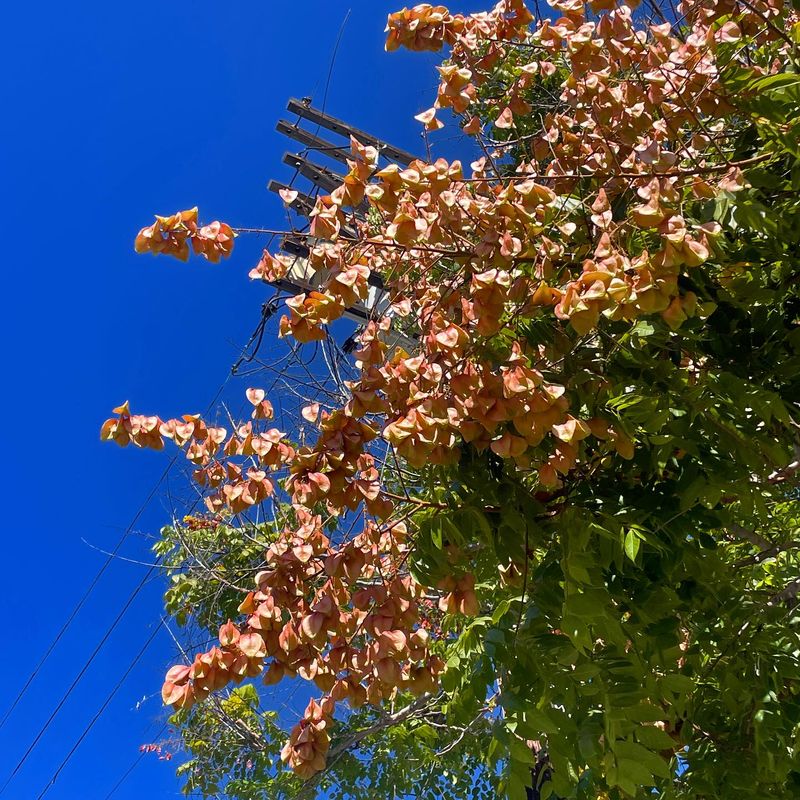
Color is your best clue. When a golden raintree is covered in rosy pink or salmon lanterns, there is a good chance you are looking at Koelreuteria bipinnata, the Chinese flame tree.
Its close relative, Koelreuteria paniculata, tends to have pods that start greenish and turn tan or brown, sometimes with only a light blush.
Leaves offer a second clue worth checking. Chinese flame tree has twice-compound leaves with leaflets that often have smoother edges, while paniculata leaflets are usually more coarsely toothed or lobed.
Bloom timing can help too, since paniculata often flowers earlier in summer.
Nurseries in Georgia do not always label these trees clearly, and both get called golden raintree. That shared name causes plenty of mix-ups when people compare notes or look up care advice.
Your Georgia Garden Changes Every Week. Your Plan Should Too.
Gardening in Georgia changes quickly throughout the season. Every Friday you’ll receive a simple weekly plan showing exactly what to plant, prune, fertilize, harvest, and protect so you never miss the right timing.
Sorting out which tree you own matters because the two species may be ranked differently on invasive plant lists.
If you are unsure, snap clear photos of the leaves, flowers, and pods across a full season. Your county Extension office can often help confirm the identification from good pictures or a sample.
Getting the name right makes every other decision about seedlings, removal, and replacement a lot easier.
3. Each Papery Capsule Holds Dark Seeds Ready To Scatter
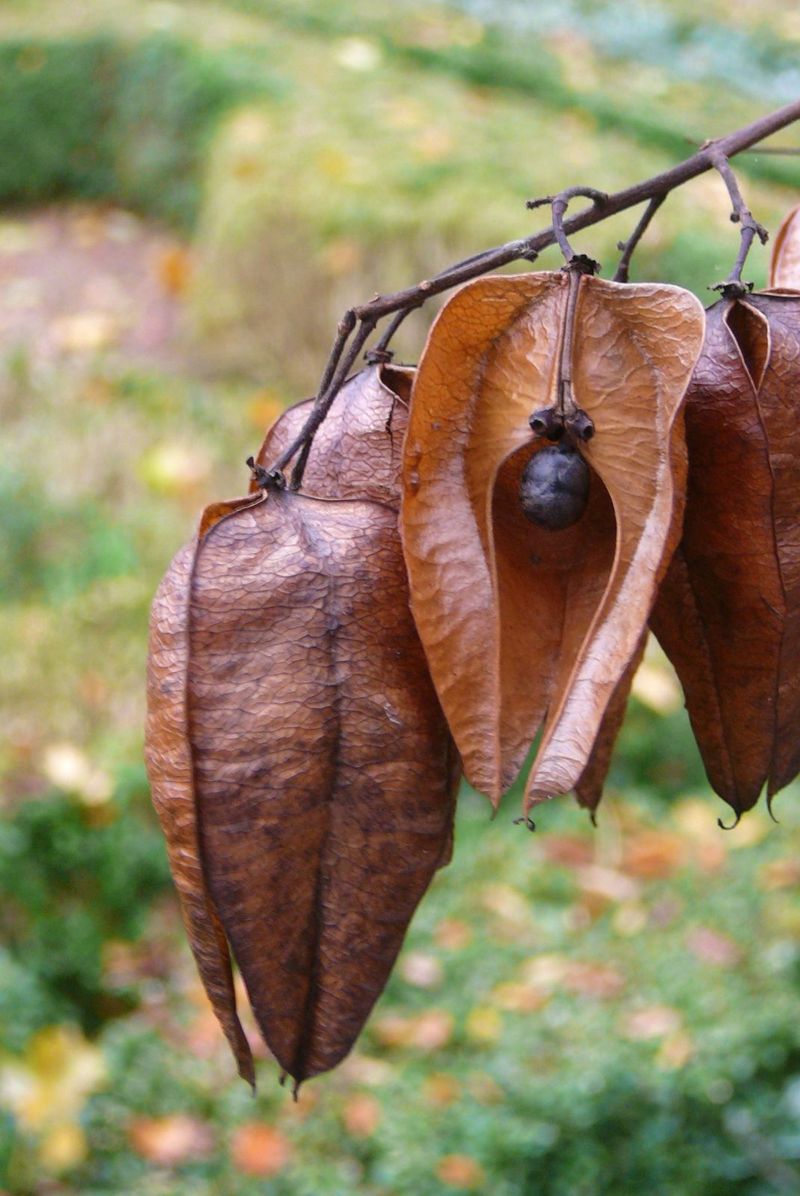
Crack one open and you will see the real story. Inside each lantern sits a small number of round, dark seeds, usually attached near the base of the papery walls.
Most capsules hold only a few seeds, yet a mature tree can carry many hundreds of capsules.
As fall moves along, the pods dry and fade from pink to tan or brown. Wind then catches the light, papery shells and can carry them some distance from the tree before they settle.
Seeds may stay inside the capsule for a while or drop out as the pod breaks apart.
Rain, raking, and lawn mowers can spread them even farther around a Georgia yard. A pile of pods left on the driveway may wash into the street gutter or a neighbor’s bed after a hard storm.
Collecting pods soon after they fall is one of the simplest ways to reduce future sprouts.
A leaf rake works well on the lawn, while a broom handles patios and walks. Bagging the pods for the trash is a safer choice than tossing them in a compost pile, because home compost may not get hot enough to stop the seeds.
You will not catch every seed, but each bag you fill means fewer seedlings to pull next year.
4. Seeds Often Land In Flower Beds And Pavement Cracks
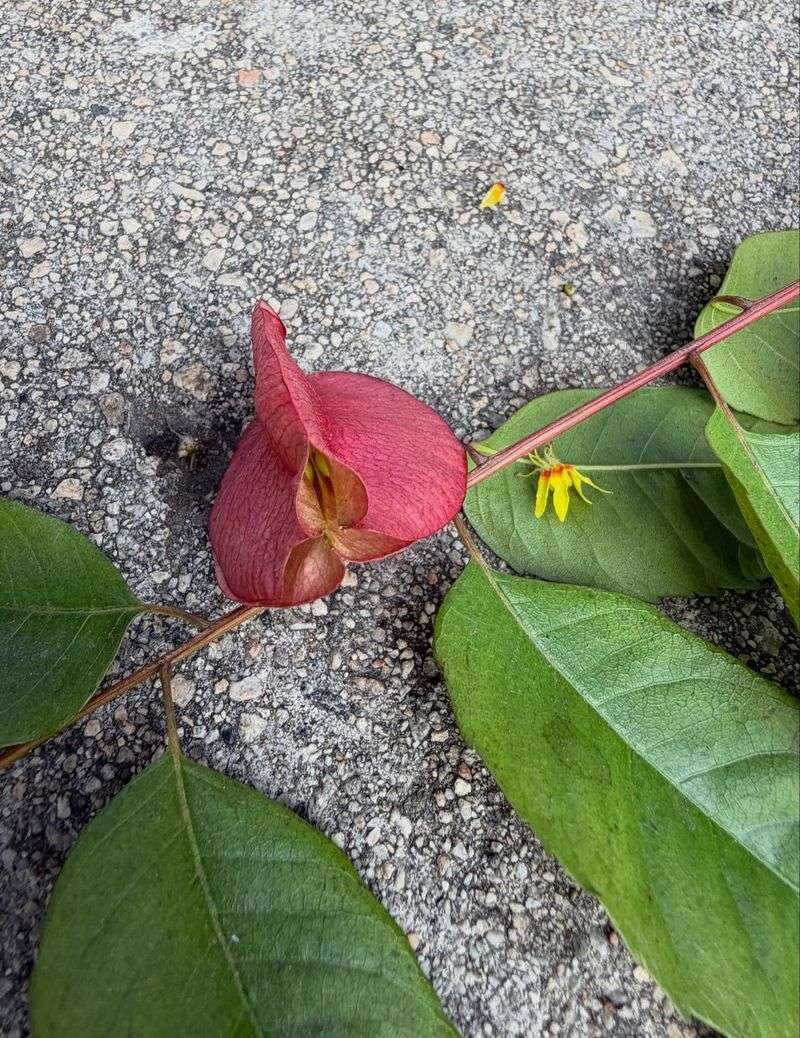
Mulched beds are basically a welcome mat. Loose mulch and soft soil trap falling seeds and hold moisture, giving them a cozy place to settle in over winter.
Gutters, fence lines, and the edges of shrubs collect drifting pods as well.
Pavement cracks surprise a lot of people. Wind pushes the papery capsules along driveways until they wedge into joints, and a little grit plus rain can be enough for a seed to take hold.
Lawns tend to see fewer survivors, since regular mowing usually cuts young sprouts down before they get established.
Shady, damp corners near the house may also produce a fair number of seedlings. Even so, results vary widely with soil type, sun, and how much rain falls during the season.
Spots under other trees, along a back fence, or inside a hedge are easy to miss, so they deserve a look.
Gardeners around Georgia often find seedlings popping up in the same few places year after year. Making a quick mental map of those hot spots will speed up your spring checks.
A fresh layer of mulch in late winter can help smother some seeds, though it will not stop all of them.
Pair mulching with hand pulling for better results than either method alone.
5. Seedlings Can Sprout By The Dozens The Following Spring
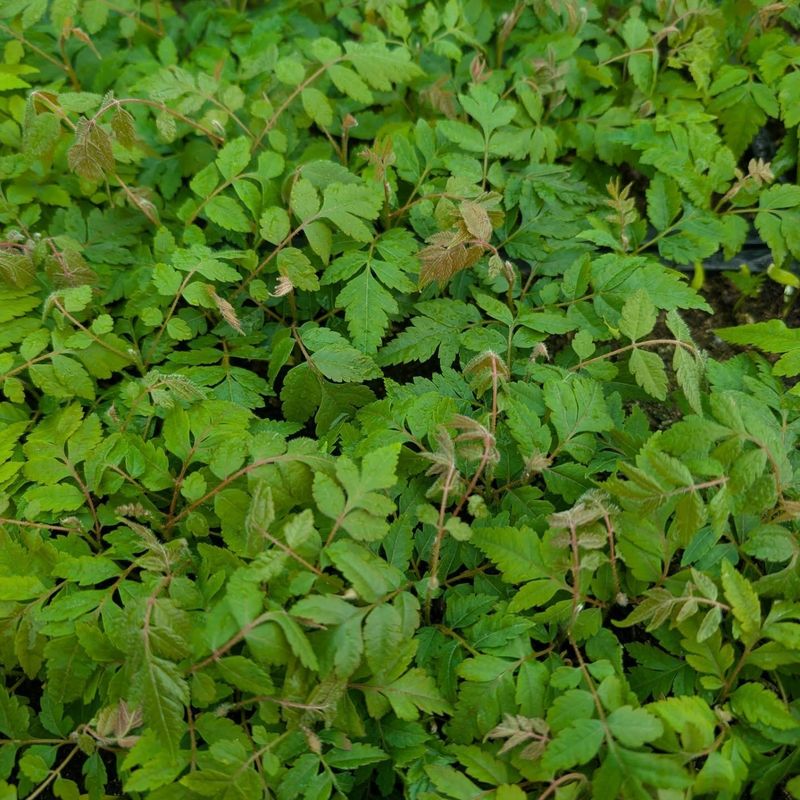
Spring has a way of revealing last fall’s mess. A few weeks after the soil warms, small seedlings may pop up in clusters under and around the parent tree.
Under a heavily fruiting tree, you might count dozens in a single bed.
Young sprouts start with a pair of seed leaves, then put out leaves divided into several leaflets. They can look like other woody weeds at first, so comparing them to the parent tree’s foliage helps.
Not every seed sprouts the first year, and some may wait longer in the soil.
Moisture plays a big role in how many come up. A wet spring in Georgia may bring a bigger flush than a dry one, although no two years tend to match exactly.
Watch most closely from early spring through early summer, when new sprouts are most likely to appear.
Walking your beds every week or two during that stretch makes the job far easier. A quick glance near the patio and along the fence line usually catches the ones hiding in plain sight.
Once seedlings grow past knee height, their roots dig in deeper and pulling them gets much harder.
Catching them small keeps your garden tidy and keeps the tree from quietly multiplying across your property.
6. Pulling Young Seedlings Early Saves A Tougher Job Later
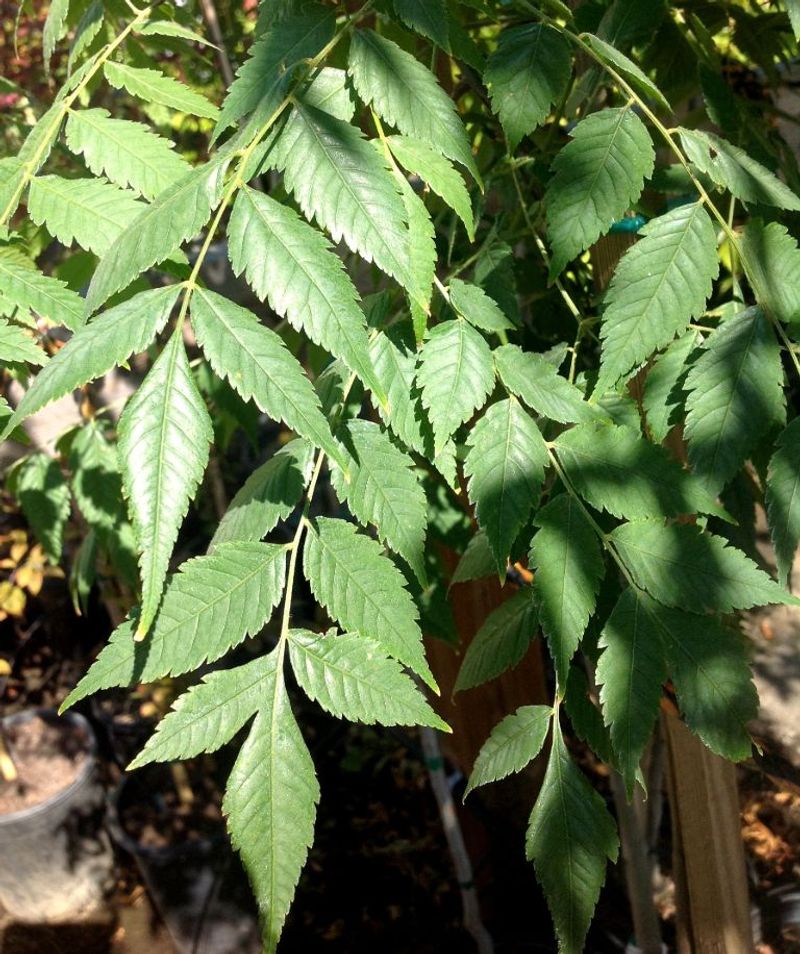
Tiny weeds come out easily, while bigger saplings put up a fight. A seedling only a few inches tall usually slides out with its root after a gentle tug, especially when the soil is damp.
Wait a season or two, and you may need a shovel or a weed wrench instead.
Watering the area the day before, or pulling after a rain, makes the work smoother. Grab the stem close to the ground and lift steadily so the root comes out with it.
Breaking the stem off at the surface may let the plant resprout from what is left below.
For seedlings stuck in pavement cracks, a narrow weeding tool or an old screwdriver can help loosen them. Gloves protect your hands from rough edges and grit along the way.
Larger saplings that have grown too stubborn may need to be cut close to the ground.
If you choose a herbicide on a cut stump, read and follow the label exactly. Your local Georgia Extension office can suggest products and timing that suit your situation.
Toss pulled seedlings in the trash or yard waste rather than leaving them on moist soil.
Steady effort over a few seasons tends to shrink the seedling crop in your yard, especially if you also rake up pods each fall.
7. Some Southeastern States Treat These Trees As Invasive
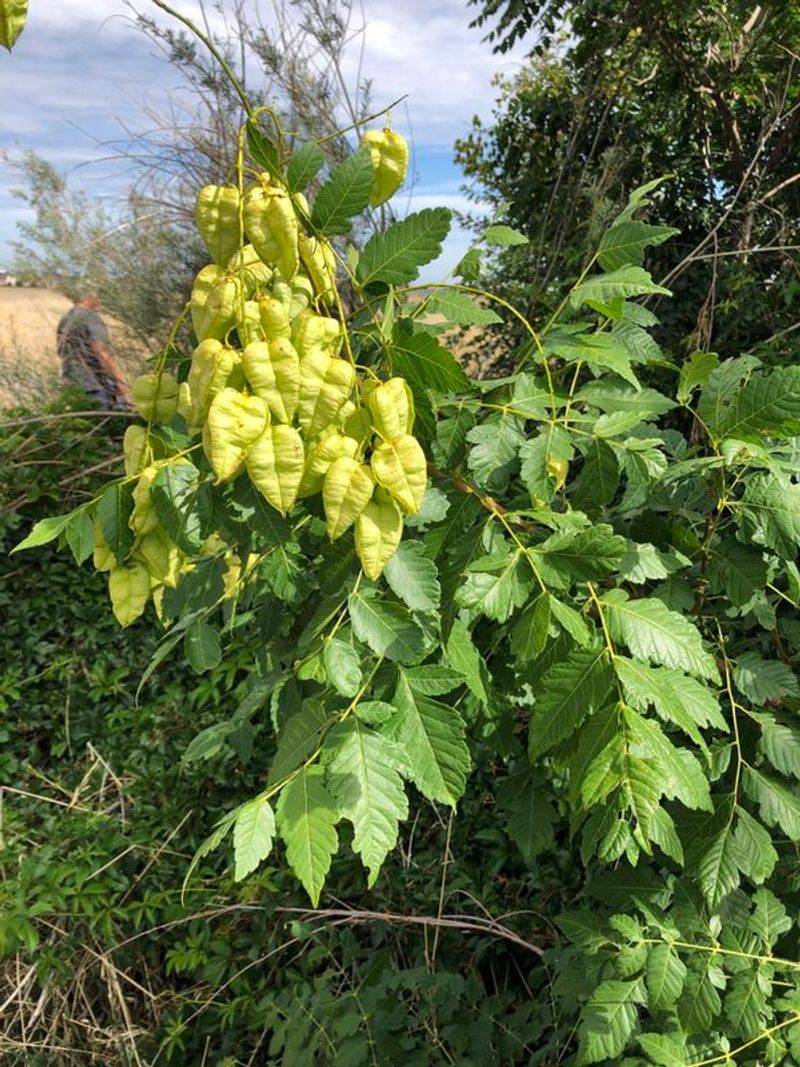
Pretty trees can still cause problems beyond the backyard. Golden raintrees have been reported spreading into natural areas in parts of the Southeast, which has caught the attention of invasive plant groups.
In Florida, Koelreuteria elegans, a closely related tree also called flamegold, is listed as invasive by the state’s invasive plant council.
Koelreuteria paniculata appears on some invasive plant lists in the region, including rankings from the Georgia Exotic Pest Plant Council. Listings can differ by species and by state, and they do not always carry legal restrictions.
Most of these lists are guides for gardeners and land managers rather than outright bans.
Chinese flame tree is sometimes grouped with its cousins, while other sources treat it separately. Because rankings change as new reports come in, checking a current list is smarter than relying on older advice.
Your county Extension agent can tell you how the tree is viewed in your area today.
If you already own one, you do not have to rush to remove it. Raking pods, pulling seedlings, and watching nearby woods can keep it in check.
Thinking about planting a new tree instead? Native options such as redbud, fringetree, or red maple may offer seasonal color with less worry about spreading into nearby woods.