Plant Native Milkweed in Florida Before Thanksgiving to Welcome Monarchs in Spring
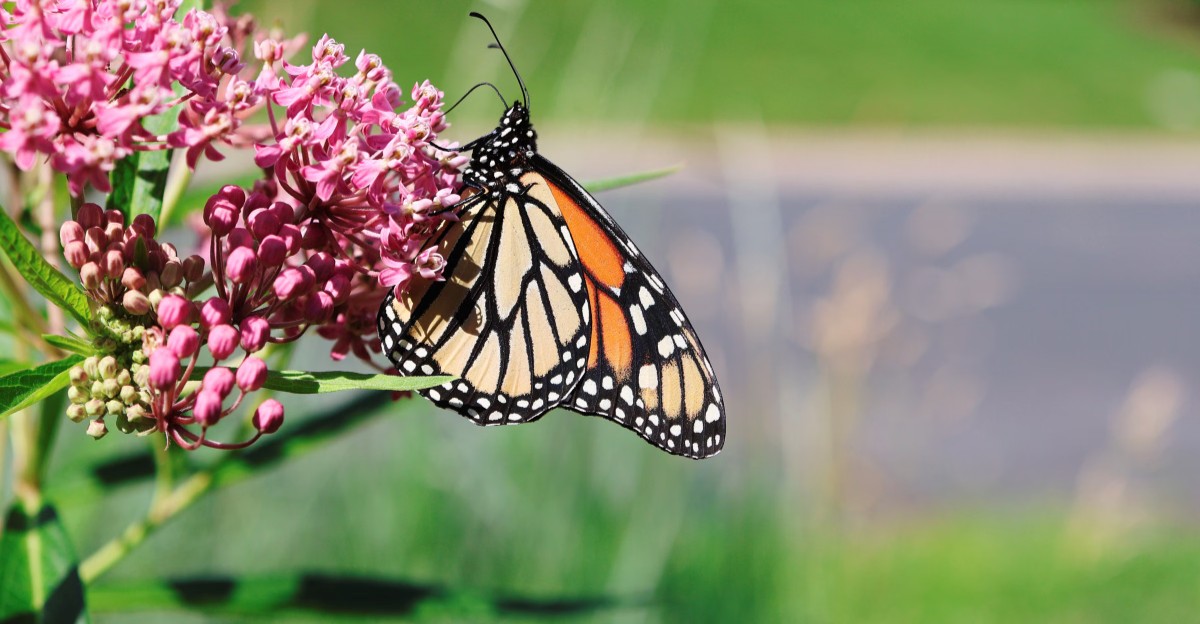
Some seeds refuse to sprout until they spend a winter shivering in cold, damp soil. Gardeners call that a flaw at first, but I call it genius.
Those same plants are the only baby food a certain orange and black butterfly will accept. Its caterpillars turn down every other leaf in your yard, no matter how lush or tasty it looks.
I love that the laziest planting job of the year can be one of the most helpful. You scatter, you walk away, and winter does the hard part while you enjoy leftovers and pie.
Florida gardeners can use this trick too, with one twist for the warmer parts of the state. Scatter a handful now, and the first spring travelers could find a nursery already waiting in your yard.
Cold Winter Soil Wakes Up Sleepy Milkweed Seeds
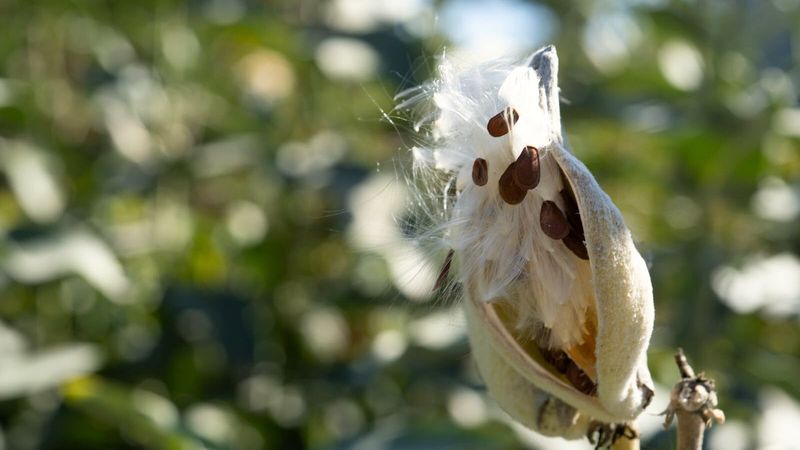
Most native milkweed seeds come with a built-in alarm clock. They stay asleep until they feel several weeks of cold, moist weather, a process called cold stratification.
Without that chill, many seeds just sit in the soil and do nothing. Plenty of beginners plant milkweed in spring, wait for weeks, and then wonder what went wrong.
The seeds were simply waiting for a winter they never got.
Fall planting solves that puzzle in a natural way. Seeds sown outdoors in late fall spend the season in damp, chilly ground, just as they would after a wild plant drops them.
Extension programs and monarch groups like Monarch Watch and Xerces Society point to this method as one of the easiest ways to start native milkweed.
Fun fact for you. Wild milkweed seeds float away on silky parachutes in autumn, so fall sowing copies the exact schedule nature already uses.
Timing matters, though. You want the soil cold enough that seeds will not sprout before winter.
Late fall, often around November in many regions, hits that window nicely. That is why the Thanksgiving date makes sense for so many gardeners.
In North Florida, winter usually brings enough chilly, damp weeks to do the job. Central and South Florida winters are often too mild, so many gardeners there chill seeds in a damp paper towel in the refrigerator for about a month before sowing, or start with nursery plants instead.
Scatter Milkweed Seeds on Sunny Bare Soil This November
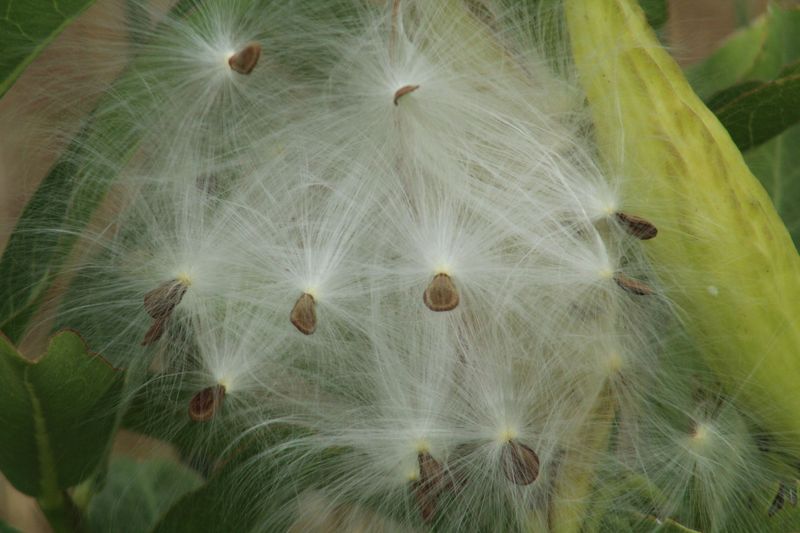
Grab a seed packet, a rake, and about twenty minutes. That is honestly all this job asks of you.
Start by choosing a spot with at least six hours of direct sun each day. Most native milkweeds prefer well-drained soil, though a few, like swamp milkweed, enjoy wetter ground.
Pull weeds and rake away old, brown grass so seeds can touch bare earth.
Next, scatter the seeds across the surface. Press them in with your palm or a board, or cover them with a very thin layer of soil, about a quarter inch deep at most.
Buried too deep, they struggle to reach the light in spring.
A light sprinkle of shredded leaves or straw can help hold moisture and hide seeds from hungry birds and mice. Keep it thin, though.
A thick mat can block tiny sprouts later.
Water the area once if the ground is dry. After that, winter rain takes over.
Here is my favorite tip. Stick a few plant labels or stakes around the edges of your patch.
Milkweed often wakes up late in spring, and you will want to remember where those seeds are hiding before you start digging.
Monarch Caterpillars Eat Only Milkweed Leaves
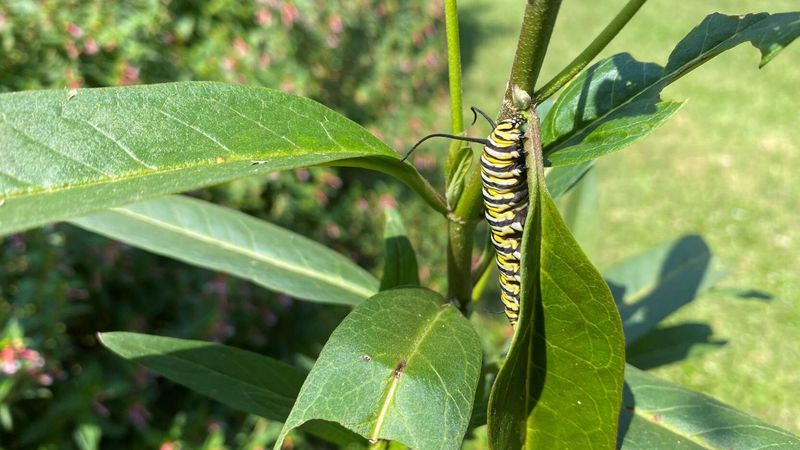
A monarch mother is one of the pickiest shoppers in nature. She lays her eggs only on milkweed, and her striped caterpillars eat nothing else.
That strict menu has a clever purpose. Milkweed contains bitter compounds called cardenolides.
Caterpillars store these compounds in their bodies, which makes them taste awful to many birds. The bright warning colors on both caterpillars and adults remind predators of that lesson.
Because of this tight bond, milkweed is the plant monarchs cannot do without. Flowers of many kinds can feed adult butterflies, but without milkweed there is no next generation.
Scientists link the loss of milkweed across farms and roadsides to the long-term decline of eastern monarchs.
So every patch you plant counts. Even a small cluster in a front yard can host eggs, and gardeners often report spotting caterpillars within a season or two of planting.
One female can lay a few hundred eggs, usually one at a time on the undersides of young leaves. Take a peek on a sunny afternoon and you might find a tiny cream-colored dot no bigger than a pinhead.
It feels like discovering buried treasure in your own garden.
Pick the Native Milkweed Species That Fits Your Region
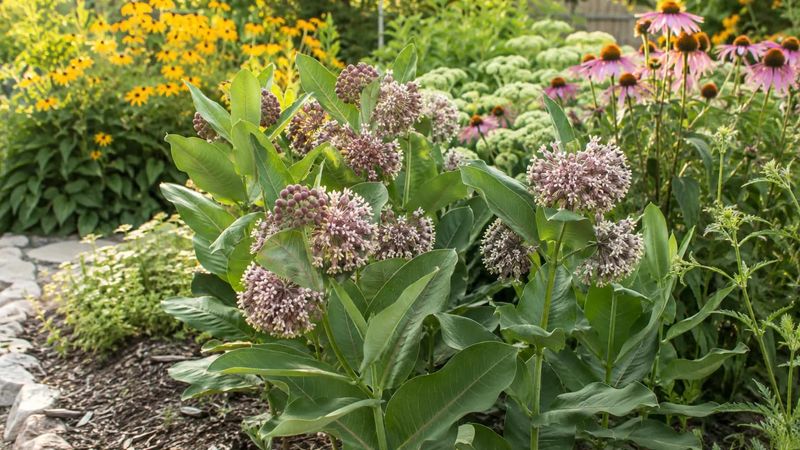
More than 70 milkweed species grow wild across the United States, and they are far from identical. Some love dry prairies while others thrive near ponds and ditches.
Choosing one that is native to your area gives you a plant already tuned to your winters, summers, and rainfall. Here are a few popular picks to look for.
Butterfly weed, with its bright orange blooms, thrives in dry, sandy, sunny spots across much of Florida. Swamp milkweed handles moist soil in North and Central Florida and stays fairly polite in garden beds.
Aquatic milkweed loves wet ditches and pond edges.
Pinewoods milkweed, with its pinkish leaves and creamy flowers, grows in the dry, sandy uplands of North and Central Florida.
Not sure what grows near you? The Florida Wildflower Foundation and your county UF/IFAS Extension office can suggest species suited to your part of the state.
Buying locally sourced seed is a smart move too, since those plants have adapted to conditions close to home.
Tropical Milkweed Can Cause Trouble in Warm Gardens
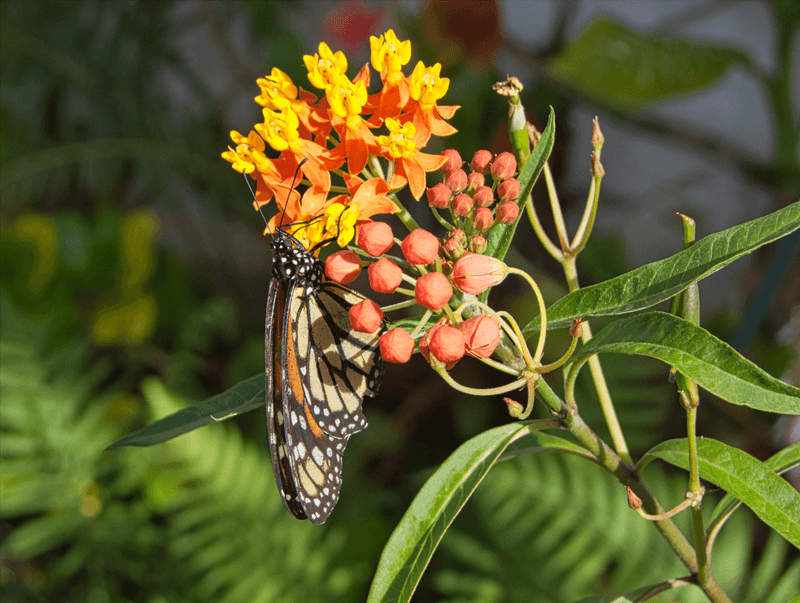
Those red and yellow flowers at the garden center look cheerful, but tropical milkweed comes with a catch. It is not native to the United States, and researchers have raised real concerns about it.
In mild climates like the Gulf Coast, Florida, and southern California, tropical milkweed can stay green all winter. Studies suggest this may encourage some monarchs to keep breeding instead of migrating, and plants that stay leafy can build up a parasite called OE.
OE spores sit on the leaves. Caterpillars swallow them, and badly infected adults may emerge weak, with crumpled wings that struggle to carry them far.
Native milkweeds go dormant each winter, and that seasonal break helps reduce spore buildup.
What should you do if you already grow it? Many experts suggest cutting tropical milkweed down to a few inches tall in fall and winter, repeating as needed in warm regions.
That mimics the dormancy native plants go through.
Better still, slowly swap it out for native species. Your monarchs will get fresh, clean leaves each spring, and you will skip the extra winter trimming.
Honestly, I think that trade feels like a win for everyone.
Spring Monarchs Head North Looking for Fresh Milkweed Shoots
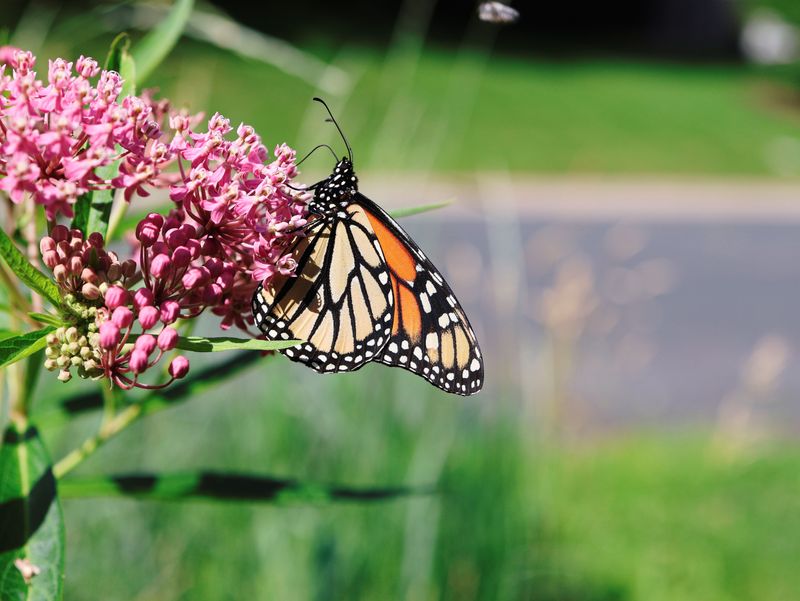
Every March, something remarkable happens in the mountain forests of central Mexico. Millions of eastern monarchs that spent winter clustered on fir trees begin flying north.
They arrive in Texas, Louisiana, and other southern states, including parts of North Florida, in March and April. There they search for young milkweed to lay eggs before the older butterflies fade away.
Their children carry the journey onward.
Each new generation pushes farther north. By late spring and early summer, monarchs reach the Midwest, Northeast, and southern Canada.
The trip usually takes several generations, so the butterfly visiting your yard in June is likely the grandchild of one that left Mexico.
A monarch grows from egg to adult in roughly a month, depending on temperature. That quick turnaround means a fresh crop of milkweed can host several broods across the warm months.
Florida adds its own twist. Some monarchs in South Florida stay year-round instead of migrating, so native milkweed there can host caterpillars in almost any season.
No matter where you live, timing is everything. Fall-sown milkweed sprouts on its own spring schedule, giving northbound butterflies a place to stop.
Your patch becomes one link in a chain stretching thousands of miles.
Patience Pays Off When Milkweed Sprouts Arrive Late
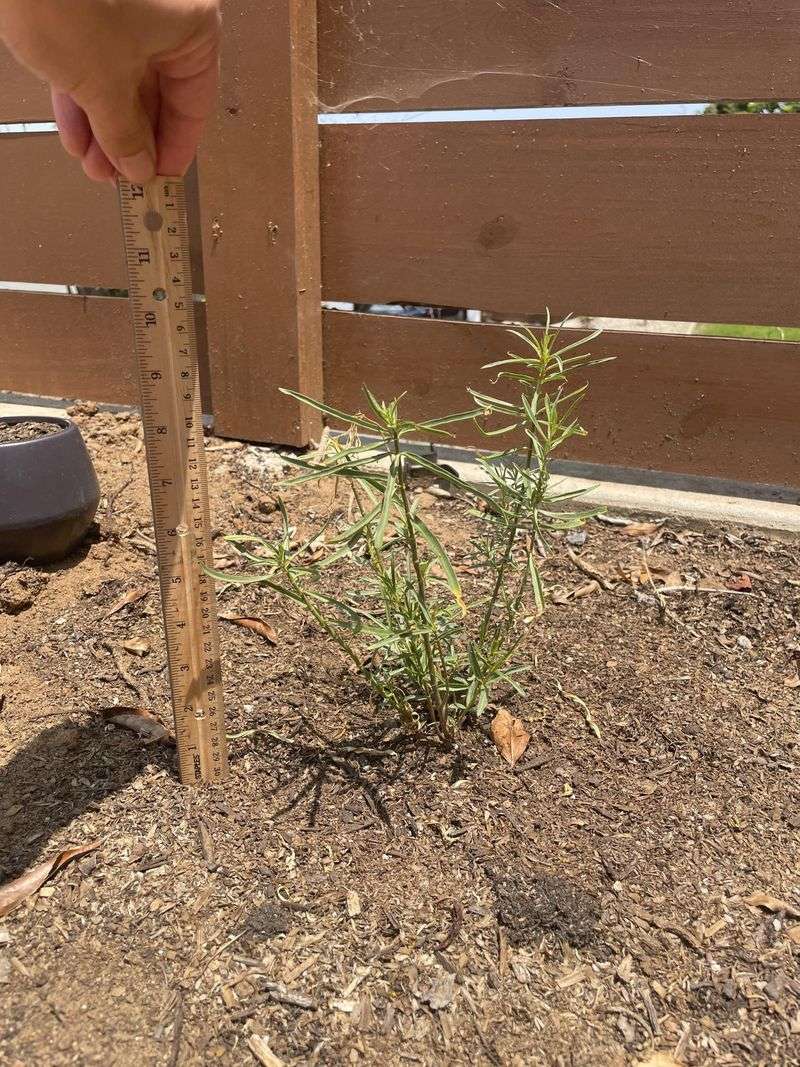
Spring will test your patience a little. While other spring flowers show off, your milkweed patch may still look like plain dirt.
That is normal. Many native milkweeds wait for warm soil before they sprout, often appearing in late spring.
Established plants also tend to emerge later than neighbors, so resist the urge to dig around in April.
Once seedlings appear, keep the soil lightly moist for the first several weeks. Pull nearby weeds by hand, since young milkweed is easy to crowd out.
Avoid spraying pesticides anywhere near the patch, because many products can harm caterpillars.
Do not panic if the first year looks modest. Native milkweeds put a lot of energy into roots early on.
Butterfly weed in particular grows a long taproot, which is why it dislikes being moved later.
Many plants bloom in their second or third year, though some species flower sooner. Monarchs do not need blooms to lay eggs, so even small leafy plants can host caterpillars.
Leave fall leaves and stems in place over winter when you can. They shelter other helpful insects and remind you where your milkweed lives until it wakes up again.
Add Nectar Flowers Around Your Milkweed Patch for a Full Monarch Garden
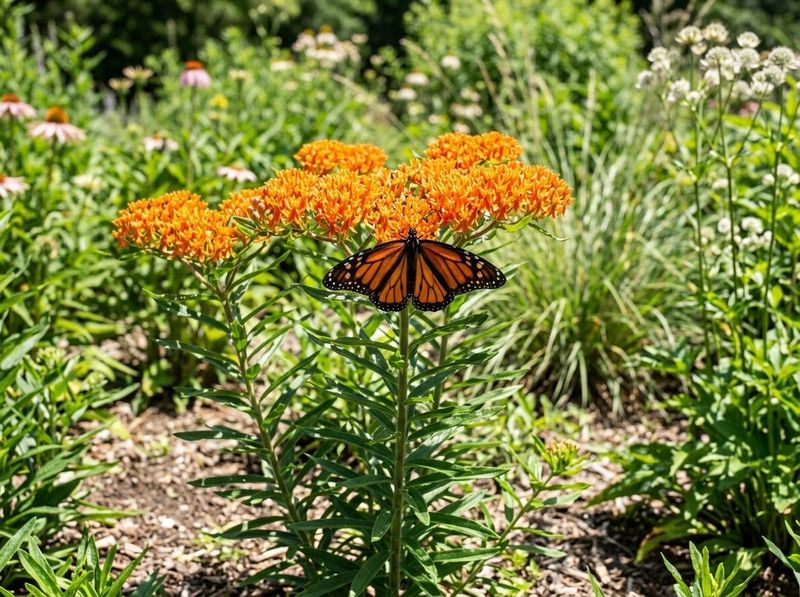
Milkweed handles the nursery, but adult monarchs need fuel too. A garden with blooms from spring through fall turns your yard into a full-service rest stop.
Native nectar plants work beautifully alongside milkweed. Early bloomers like tickseed and blanketflower help spring travelers across the state.
Summer brings dotted horsemint, beach sunflower, and blazing star. Fall migrants appreciate asters and goldenrods, which bloom right when monarchs head south.
Plant flowers in clumps rather than single stems. Butterflies spot large patches of color more easily from the air, and they save energy by feeding in one place.
Want a simple next step? Pick up native seed or plants for two or three late bloomers and sow or set them out near your milkweed this fall.
Many native wildflower seeds also benefit from winter cold, so they fit the same Thanksgiving schedule.
You can even register your garden as a Monarch Waystation through Monarch Watch, a program run at the University of Kansas. It costs a small fee, and gardeners across the country have joined.
A few seeds today can welcome a parade of orange wings next year. Few garden projects give back quite so generously.