Florida Native Plants That Look Expensive But Take Care Of Themselves Once Established
There is a certain kind of Florida yard that looks like it costs a fortune to maintain and actually costs almost nothing once the right plants are in the ground.
No landscaping crew every two weeks, no complicated irrigation adjustments, no replacing plants that could not survive a Florida summer on their own terms.
That yard is built on natives. Specifically, they are the ones that look refined, intentional, and expensive.
They do it without requiring the ongoing attention that most high-impact plants demand in this climate. Florida’s native plant palette includes some genuinely striking options that fit this description.
Bold foliage, strong structure, seasonal interest that holds up through heat and humidity without someone hovering over them. The establishment period asks for some patience.
After that, these plants largely take over their own care and keep delivering the kind of visual payoff that makes a Florida yard look seriously considered.
1. Coontie Gives Beds Sculptural Evergreen Structure
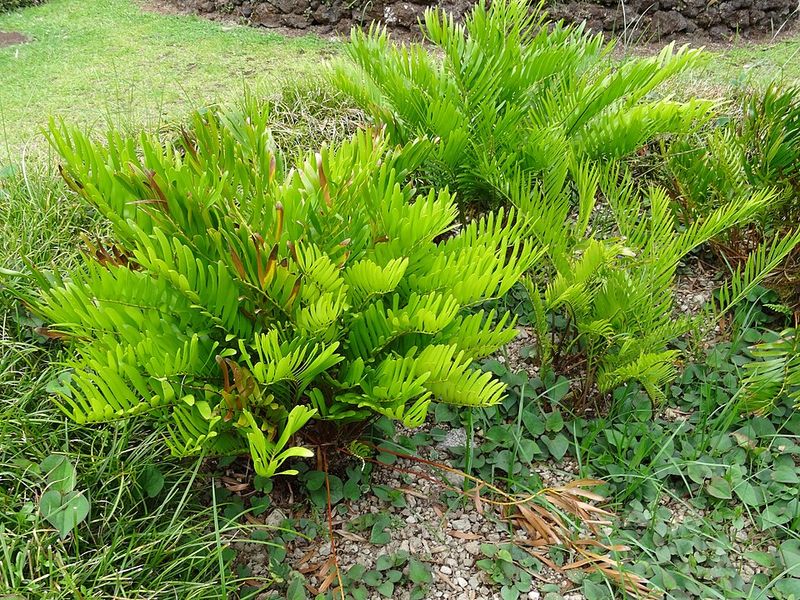
A front-entry bed with dark, arching fronds and zero hedge-clipping drama sounds like a designer’s dream. Coontie (Zamia integrifolia) delivers exactly that.
This native cycad is the only cycad indigenous to the continental United States. Its tough, feathery fronds create a sculptural presence that looks intentional without any shearing.
Coontie grows slowly to about two to four feet tall and wide. That measured growth is part of its appeal.
Once established in well-drained soil with full sun to partial shade, it handles drought with ease and rarely needs supplemental water. It fits beautifully near entries, low windows, and foundation beds where a tidy, evergreen mound is more useful than a sprawling shrub.
Wildlife value adds another layer of appeal. Coontie is the only larval host plant for the Atala butterfly, a once-rare species now recovering across southern regions.
Planting coontie supports that recovery in a visible, meaningful way. The striking red and orange Atala caterpillars are a bonus that many visitors notice and ask about.
One practical note: coontie is a cycad, not a palm or a fern, and its seeds and leaves are toxic if ingested. Space plants so fronds do not crowd walkways.
Mulch well during establishment. After that, coontie largely handles itself in the right site with occasional cleanup of older fronds.
2. Walter’s Viburnum Looks Polished With The Right Cultivar
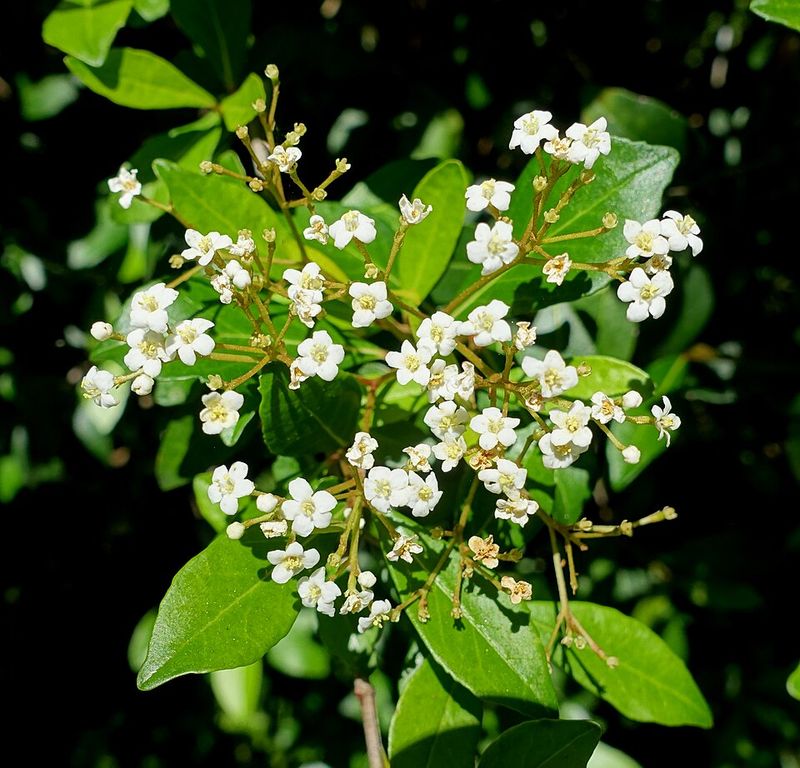
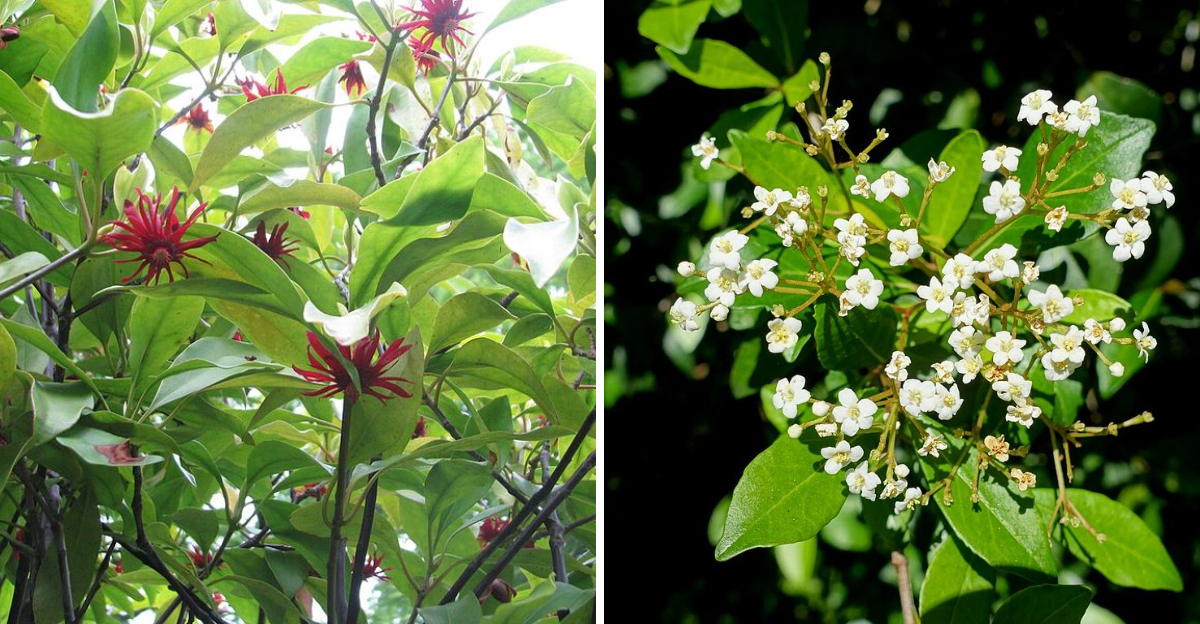
Walk past a well-chosen Walter’s viburnum hedge in spring and the white flower clusters stop you mid-stride. Viburnum obovatum is a native shrub with real curb appeal, but the key phrase is the right cultivar.
Full-size Walter’s viburnum can reach ten to eighteen feet tall and wide if left unchecked. That form suits naturalized screens and wildlife corridors, not a tidy four-foot foundation bed.
Compact cultivars like ‘Mrs. Schiller’s Delight’ and ‘Densa’ stay much smaller and suit tighter spaces near entries, side yards, and mixed native borders.
These selections give you the same glossy evergreen foliage, spring blooms, and dense branching structure without the constant trimming battle.
Your Florida Garden Changes Every Week. Your Plan Should Too.
Gardening in Florida changes quickly throughout the season. Every Friday you’ll receive a simple weekly plan showing exactly what to plant, prune, fertilize, harvest, and protect so you never miss the right timing.
Pollinators visit the flowers heavily in late winter and early spring, making the plant a productive part of any wildlife-friendly yard.
Birds use Walter’s viburnum for cover and fruit after flowering. The dark berries are small but valued by native songbirds.
Evergreen structure holds through winter, which matters for year-round privacy and visual weight in a bed.
After establishment, Walter’s viburnum tolerates drought reasonably well in the right soil. It prefers moist, well-drained conditions and full sun to partial shade.
Do not plant a full-size form where you want a low mound. Cultivar selection at the start prevents a frustrating trimming cycle later.
3. Fakahatchee Grass Adds High-End Texture Without Fuss
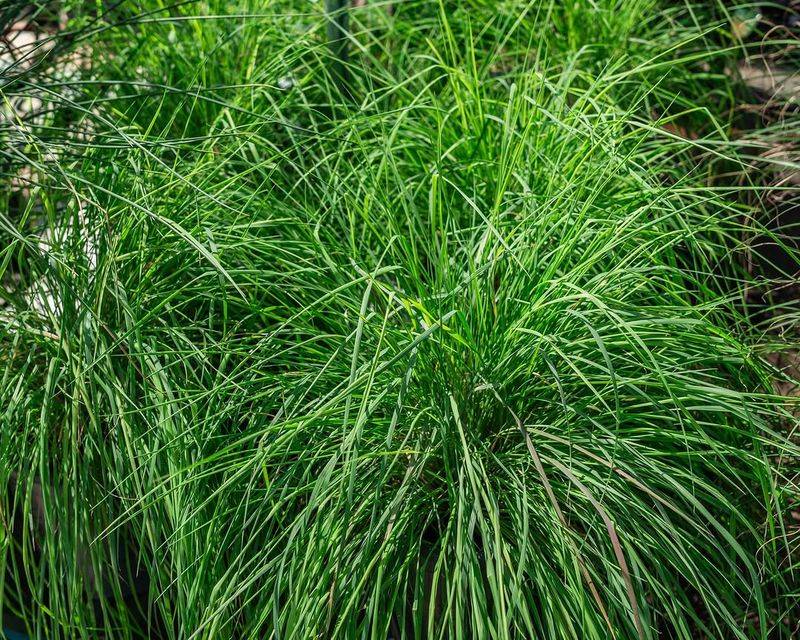
Bold, arching blades. A fountain-like clump that holds its shape through heat, rain, and dry spells.
Fakahatchee grass (Tripsacum dactyloides) brings the kind of dramatic texture that landscape designers charge extra to specify. It is a native grass with presence, and once established in a well-chosen spot, it earns its keep with very little help.
Mature clumps reach four to seven feet tall and wide, sometimes larger. That size is part of the design value.
A single clump anchors a corner bed or frames a pond edge with real visual weight. In layered native borders, it provides the bold mid-layer that ties smaller plants to taller trees.
Repeated in drifts along a property edge, it reads as intentional and designed rather than wild.
Fakahatchee grass handles both wet and dry conditions once established, which suits this state’s shift between rainy season and dry season. It tolerates full sun and light shade.
Wildlife value includes seeds used by birds and structure that provides cover for small animals.
Honest sizing advice matters here. Fakahatchee grass is not a narrow-bed plant.
Placing it near windows, vents, walkways, or air conditioning units creates problems as it matures. Give it room, mulch the base during establishment, cut back old foliage in late winter, and it rewards you with fresh bold growth every season.
4. Simpson’s Stopper Brings Glossy Structure To Warm Yards
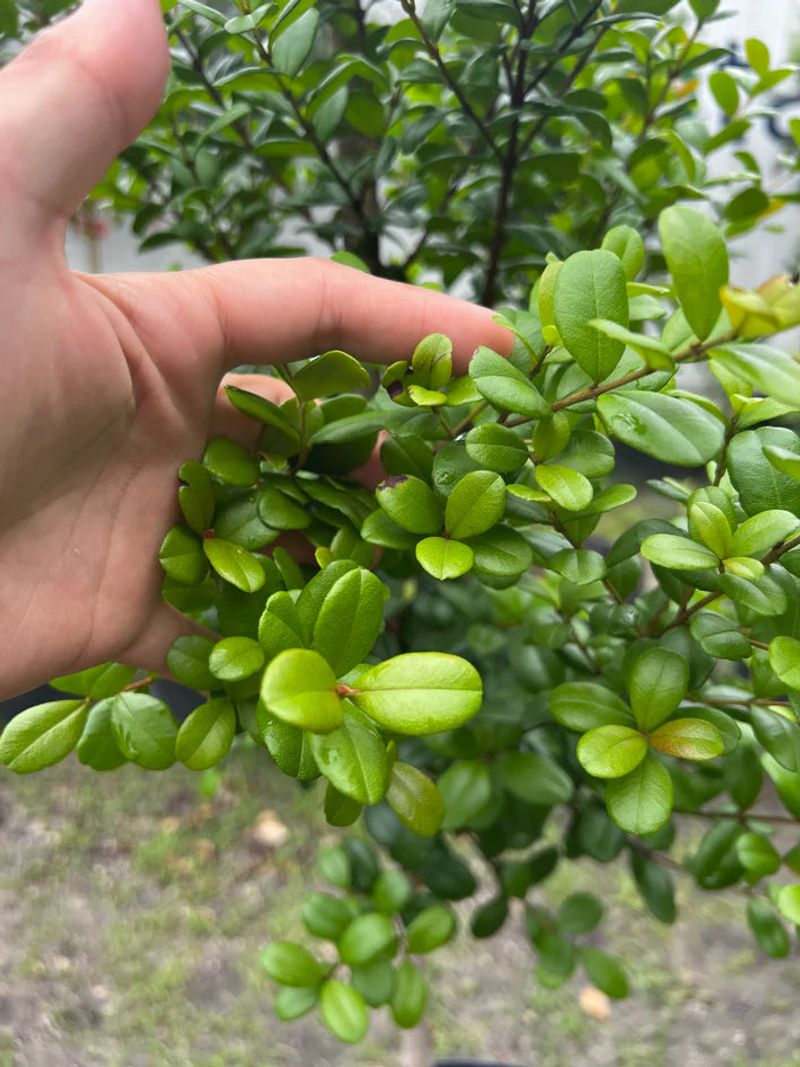
Glossy foliage that catches afternoon light. Fragrant white flowers that attract butterflies.
Dark berries that bring mockingbirds and other songbirds within arm’s reach of a patio chair. Simpson’s stopper (Myrcianthes fragrans) packs a lot of design and wildlife value into a single plant.
It does it with a quiet elegance that suits polished yards in warm regions.
Native to coastal hammocks and well-drained uplands in central and southern regions, Simpson’s stopper grows as a large shrub or small tree. It can reach ten to twenty feet if left to its natural form.
Near a patio, entry, or side yard, selective pruning keeps it shapely without the rigid shearing that makes many shrubs look stiff and unnatural. The cinnamon-colored bark adds another layer of visual interest as the plant matures.
Full sun to partial shade suits it well. It prefers moist, well-drained soil and handles brief dry periods once established.
Cold sensitivity is a real consideration. Northern regions may see damage in hard freezes, so placement near a south-facing wall or protected courtyard helps in those areas.
Spacing matters from the start. Plant it where the mature canopy has room to spread without crowding neighbors or blocking pathways.
Mulch during establishment, water through the first dry season, and then step back. A well-sited Simpson’s stopper becomes a low-maintenance standout that earns compliments year-round.
5. Muhly Grass Turns Simple Borders Into A Design Feature
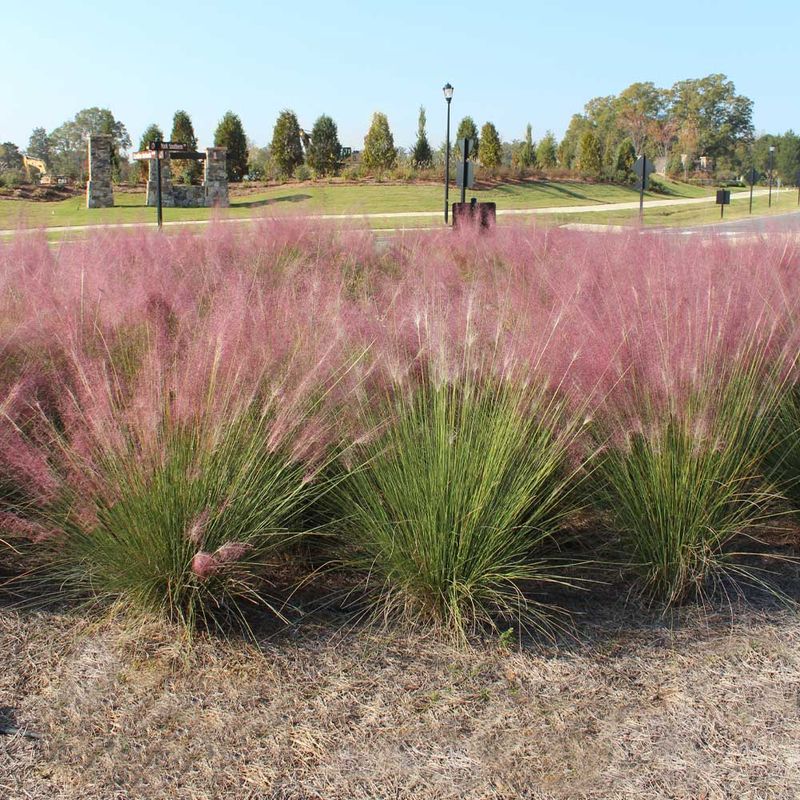
Few plants transform a flat, forgettable sunny border the way muhly grass does in autumn. Muhlenbergia capillaris sends up airy pink to rose-purple plumes in October and November.
They catch low-angle light and create a soft, layered effect that looks like it was lifted from a high-end botanical garden. The show lasts for weeks and requires no effort once the plant is settled in.
Muhly grass is native to open pinelands, prairies, and disturbed sunny areas across this state. It grows in clumps roughly two to three feet tall, with plumes reaching three to four feet.
Mass plantings or repeated drifts along a sunny bed edge are where it really earns its reputation. A single clump is pleasant.
A row of five or seven creates a seasonal focal point that stops traffic.
Full sun is non-negotiable. Shade reduces flowering and weakens the plant’s tidy clumping form.
After establishment, muhly grass handles drought well in sandy soil. It thrives on the benign neglect of this state’s dry season.
Cut it back hard in late winter before new growth begins to keep the clumps clean and full.
Spacing plants about two to three feet apart prevents crowding and keeps the planting from looking messy. Birds feed on the seeds after the plume display fades.
Pollinators visit during peak bloom. Muhly grass is a reliable, season-defining native that earns every inch of border space it occupies.
6. Florida Anise Makes Shady Corners Look Lush
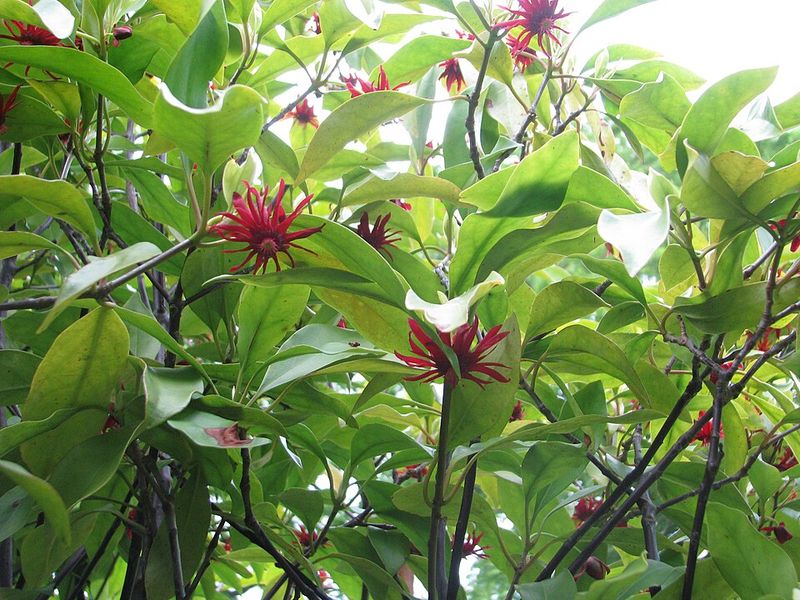
A shaded corner that collects awkward silence and struggling grass is one of the most common frustrations in home landscapes. Florida anise (Illicium floridanum) is one of the best native answers for that problem.
It grows into a full, lush shrub with large, dark green aromatic leaves. Those leaves fill shadowed spaces with the kind of layered presence that usually takes years of fussy tropical plantings to achieve.
Native to moist, shaded hammocks and stream edges across northern and central regions, Florida anise reaches six to ten feet tall and wide in ideal conditions.
The unusual dark red to maroon star-shaped flowers appear in spring and add a quirky, botanical interest that surprises visitors who lean in for a closer look.
The foliage releases a strong anise scent when brushed, which is memorable and distinctive.
Moisture and shade are genuine requirements, not suggestions. Hot, dry, full-sun sites stress this plant quickly.
It performs best in moist, organic-rich soil under tree canopy or on the north or east side of a structure. Consistent soil moisture during establishment is especially important.
Once settled, Florida anise becomes a reliable, evergreen backdrop that holds structure through winter. Occasional shaping keeps it tidy, but it does not need constant pruning to look good.
Place it where its mature size fits and the moisture supply is consistent, and it rewards you with a lush, woodland-inspired corner that looks genuinely designed.
7. Dwarf Yaupon Holly Keeps Native Plantings Neat
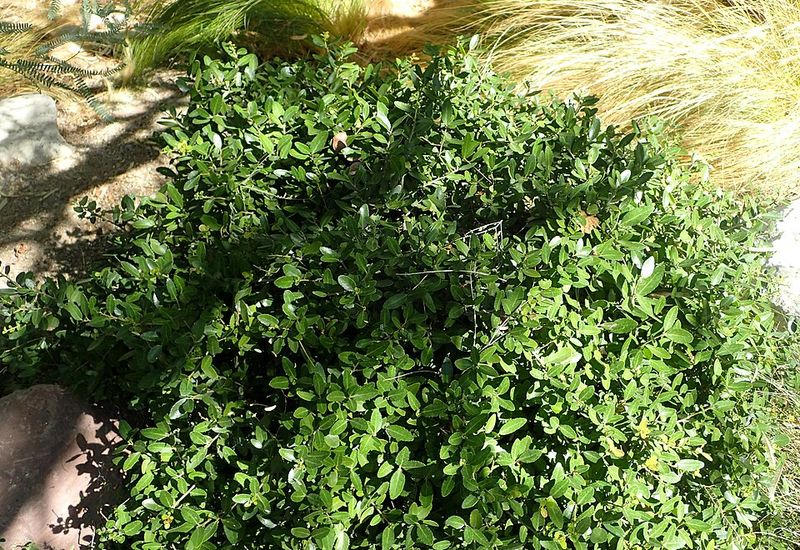
There is a persistent habit in home landscapes of planting a full-size shrub in a low foundation bed and then shearing it into submission every few months. Dwarf yaupon holly breaks that cycle.
Compact cultivars of Ilex vomitoria, such as ‘Nana’ and ‘Schillings Dwarf,’ grow into dense, naturally mounding forms that stay low without constant cutting. The result looks clean, intentional, and surprisingly refined.
Yaupon holly is one of the toughest native shrubs in the southeastern United States. It handles sandy soil, drought, heat, and salt spray with a resilience that few plants match.
After establishment, dwarf selections need very little supplemental water and tolerate a wide range of soil conditions. Small, glossy leaves give the plant a fine texture that reads as polished from a distance.
Dwarf cultivars suit walkways, low beds, entries, and foundation plantings where a tidy, evergreen mound is needed. They stay roughly two to four feet tall and wide depending on the cultivar, which makes them genuinely useful in tight spaces.
Occasional light shaping keeps edges crisp if a more formal look is desired, but heavy shearing is rarely needed.
Cultivar choice matters significantly. Do not assume all yaupon hollies stay small.
Full-size forms of Ilex vomitoria can reach fifteen feet or more. Confirm the mature size of the specific cultivar before planting.
Proper placement from the start is what keeps this plant looking effortlessly neat rather than constantly managed.
8. Marlberry Adds Quiet Luxury With Glossy Native Foliage
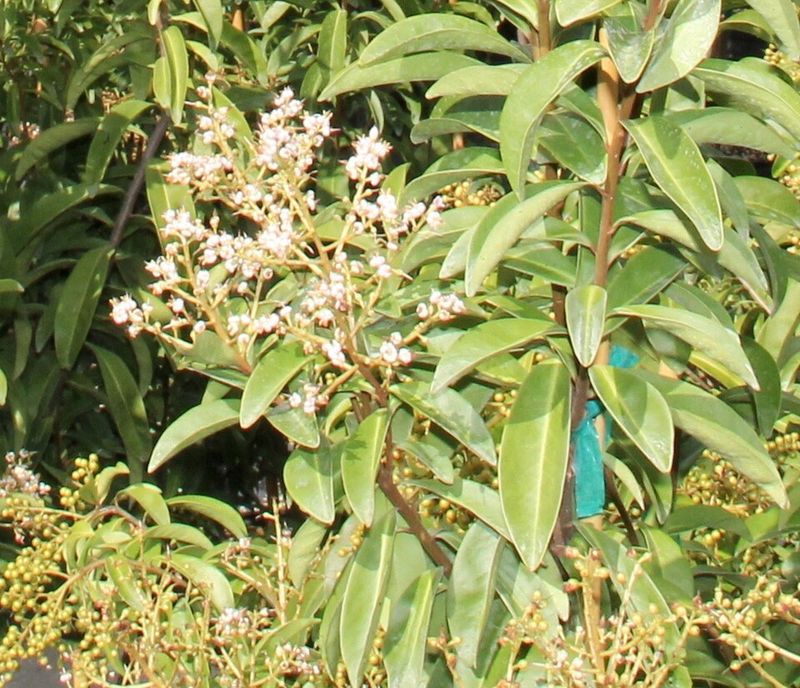
Not every standout plant announces itself with a dramatic flower display. Marlberry (Ardisia escallonioides) works through quiet, consistent elegance.
Glossy, deep green leaves catch light in shaded corners and understory settings. They create the kind of clean, polished look that makes a yard feel curated rather than accidental.
It is a native shrub or small tree that rewards those who take time to notice it.
Native to coastal hammocks and warm-region forests in central and southern parts of this state, marlberry grows six to fifteen feet tall over time. Clusters of small white to pale pink flowers appear in summer and attract native bees and butterflies.
Dark purple to black berries follow and draw mockingbirds, catbirds, and other fruit-eating birds. The combination of fragrant flowers and wildlife-friendly fruit makes it genuinely productive in a native planting.
Shade and partial shade suit marlberry well. It fits naturally into understory plantings, side-yard screens, and mixed native beds where filtered light is the norm.
Moist, well-drained soil with organic matter supports healthy growth. Cold sensitivity is a real factor.
Hard freezes can damage or set back plants in northern regions, so warm coastal yards and protected inland sites are the best match.
Give marlberry room to reach its mature spread without crowding. Selective pruning shapes it gracefully without forcing a rigid form.
Mulch during establishment, water through the first dry season, and this quiet native becomes a long-term, low-maintenance anchor in the right warm-region yard.