Plant These Cut Flowers In Virginia This Fall For Spring Bouquets
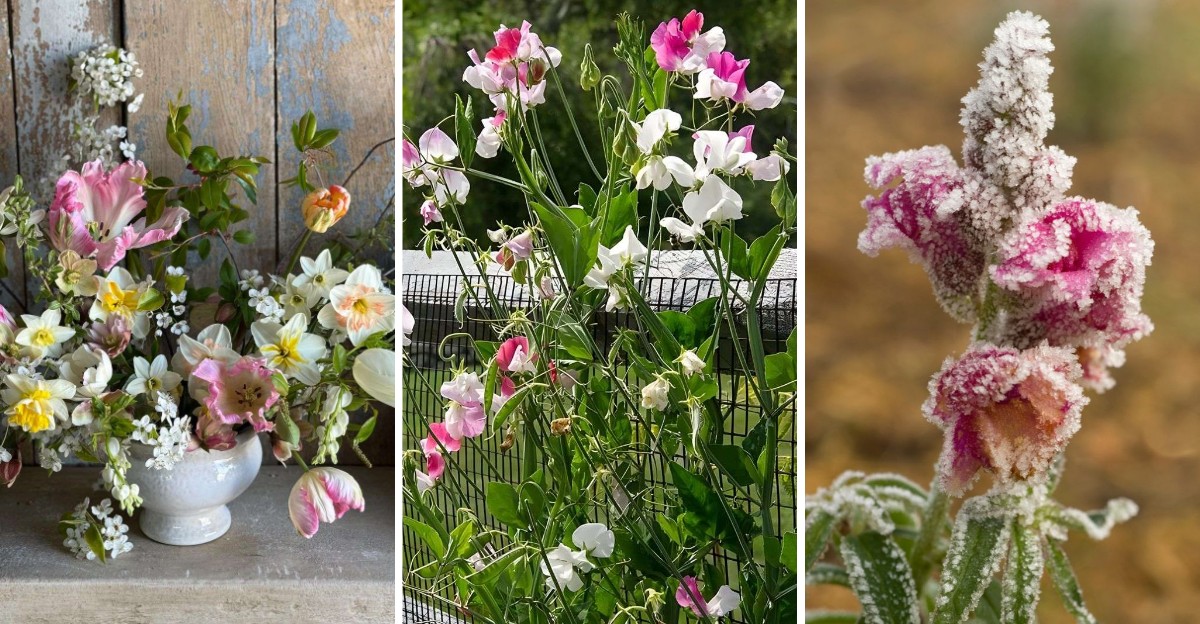
A kitchen table in April, crowded with tulips, ranunculus, and sweet peas you grew yourself, starts months earlier. In Virginia, it begins when the leaves are turning and the air smells like woodsmoke.
Fall is the secret season for gardeners who want armloads of spring flowers. Cool soil gives many plants time to build deep roots before they think about blooming.
Some flowers even need a chilly rest to perform their best. Others, like ranunculus and sweet peas, thrive in milder parts of the state and need protection elsewhere.
The trick is knowing what to plant, when to tuck it in, and how to shield it from a surprise cold snap. Get those details right, and your spring bouquets could outshine anything at the grocery store.
Many Cut Flowers Are Planted In Fall
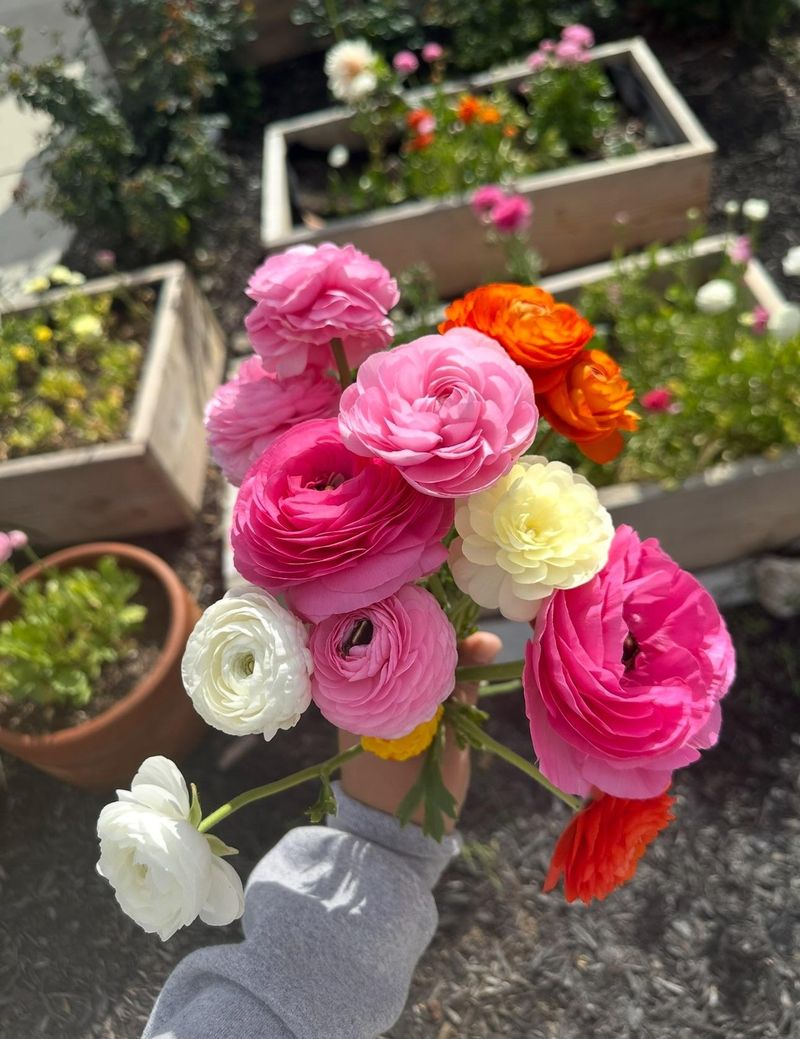
Most people think of spring as planting season, but seasoned flower growers know a little secret. Fall is when many of the best bouquet flowers get their start.
Snapdragons, pansies, calendula, violas, poppies, and sweet peas all like cool weather. They grow roots slowly while temperatures drop, then burst into bloom when spring arrives.
Think of fall planting like packing a lunch the night before. The work happens early, so the plant is ready to go when warm days return.
Cool soil keeps roots busy even when the leaves above barely seem to change. By March, those plants have a strong base that spring-planted flowers simply lack.
Timing matters a lot for success. Aim to plant seedlings about six to eight weeks before your first expected frost date.
Gardeners in the mountains will plant earlier than folks near the coast. Check your local extension office for frost dates in your county.
Here is a handy tip for beginners. Start with transplants from a nursery instead of seeds if you are planting a bit late.
Young plants already have a head start, so they settle in faster before cold weather. Water them well the first week to help roots grip the soil.
Calendula is a cheerful choice for new growers. Its bright orange and yellow blooms are easy to grow and hold up nicely in jars.
Pansies and violas may seem small, but they work wonderfully in tiny bud vases. Their cheerful faces brighten a windowsill on gray winter mornings, too.
A fall bed asks for very little attention. Some mulch, a drink of water during dry spells, and patience will carry it through.
Snapdragons Overwinter In Much Of Virginia
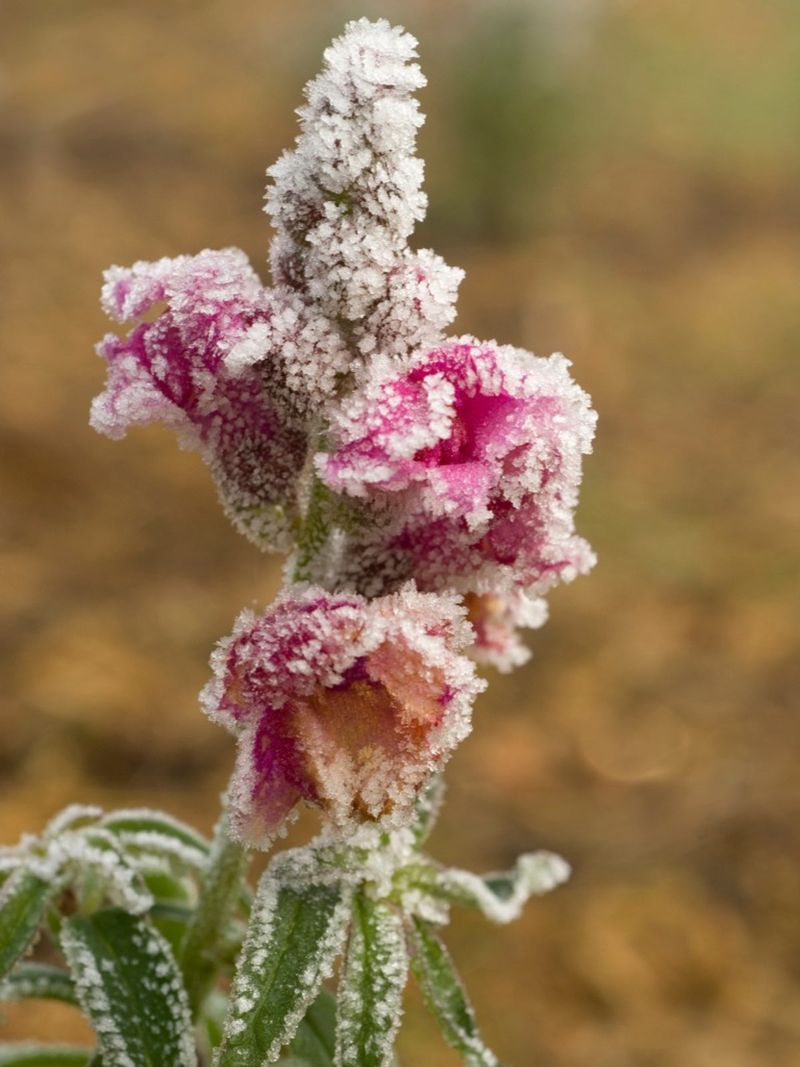
Squeeze a snapdragon blossom gently from the sides, and it opens like a tiny dragon’s mouth. Kids love that trick, and grown-ups secretly do too.
Beyond the fun, snapdragons are tough little plants. They handle light frosts and can survive temperatures as low as about 20 degrees.
That toughness makes them a smart pick across much of the state. In milder areas, they often sail through winter with only a little help.
Plant seeds or seedlings about six to eight weeks before the first frost. Young plants need that time to sprout and settle in before deep cold.
Once winter arrives, snapdragons mostly sit still and wait. Their leaves may look a bit purple or droopy, which is normal in cold weather.
When spring warms the soil, they shoot up quickly. Fall-planted snapdragons often grow taller spikes than ones planted in April.
Here is a grower’s trick worth trying. Pinch off the top of each young plant when it has four sets of leaves.
Pinching makes the plant branch out, giving you more stems to cut. You trade one big spike for several slightly smaller ones.
For bouquets, cut stems when the bottom third of flowers are open. The rest will keep opening in the vase for days.
Snapdragons also curve upward if laid flat, since they follow gravity. Store cut stems standing straight in a bucket to keep them tidy.
Choose tall varieties like the Rocket or Chantilly series for cutting. They produce sturdy stems that look stunning in a mason jar.
Anemones And Ranunculus Thrive With Protection
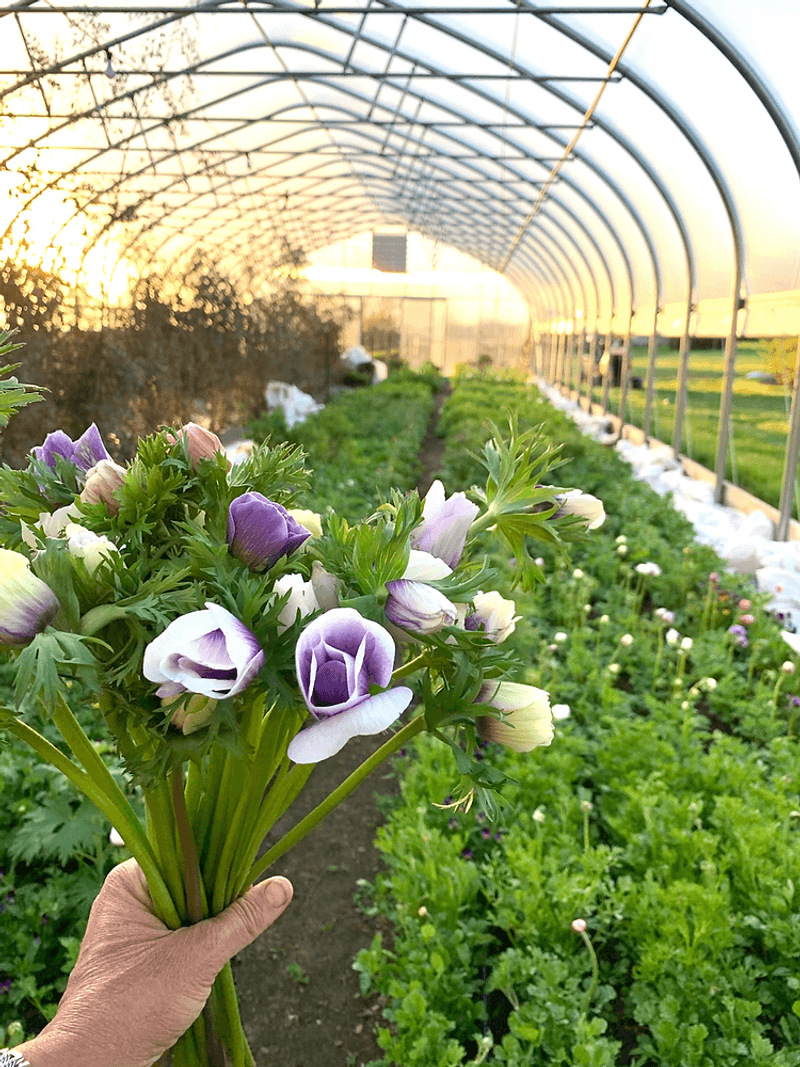
Ranunculus look like they belong in a fancy wedding, with petals stacked like layers of tissue paper. Anemones bring dark, dreamy centers that grab everyone’s eye.
Both flowers start from odd little bulbs called corms. Ranunculus corms resemble tiny dried octopuses, which surprises many first-time growers.
Before planting, soak ranunculus corms in cool water for two to four hours. They plump up and wake, which helps roots form faster.
Anemone corms also enjoy a short soak. Avoid leaving either type in water overnight, since too much soaking can lead to rot.
In warmer zones, these flowers can go into the ground in autumn. They need some help, though, when winter nights turn harsh.
A low tunnel made of wire hoops and frost cloth works wonders. It traps a bit of warmth and blocks icy wind on the coldest nights.
Plant corms about two inches deep, with the pointy ends of ranunculus facing down. Space them roughly six inches apart in loose, well-drained soil.
Soggy ground is their biggest enemy. Raised beds help water drain away so the corms stay healthy all winter long.
In spring, the reward is worth every step. One healthy ranunculus plant can produce many blooms over several weeks.
Cut ranunculus when buds feel soft like a marshmallow and show color. They can last well over a week in a vase.
Tulips And Daffodils Make Early Bouquets
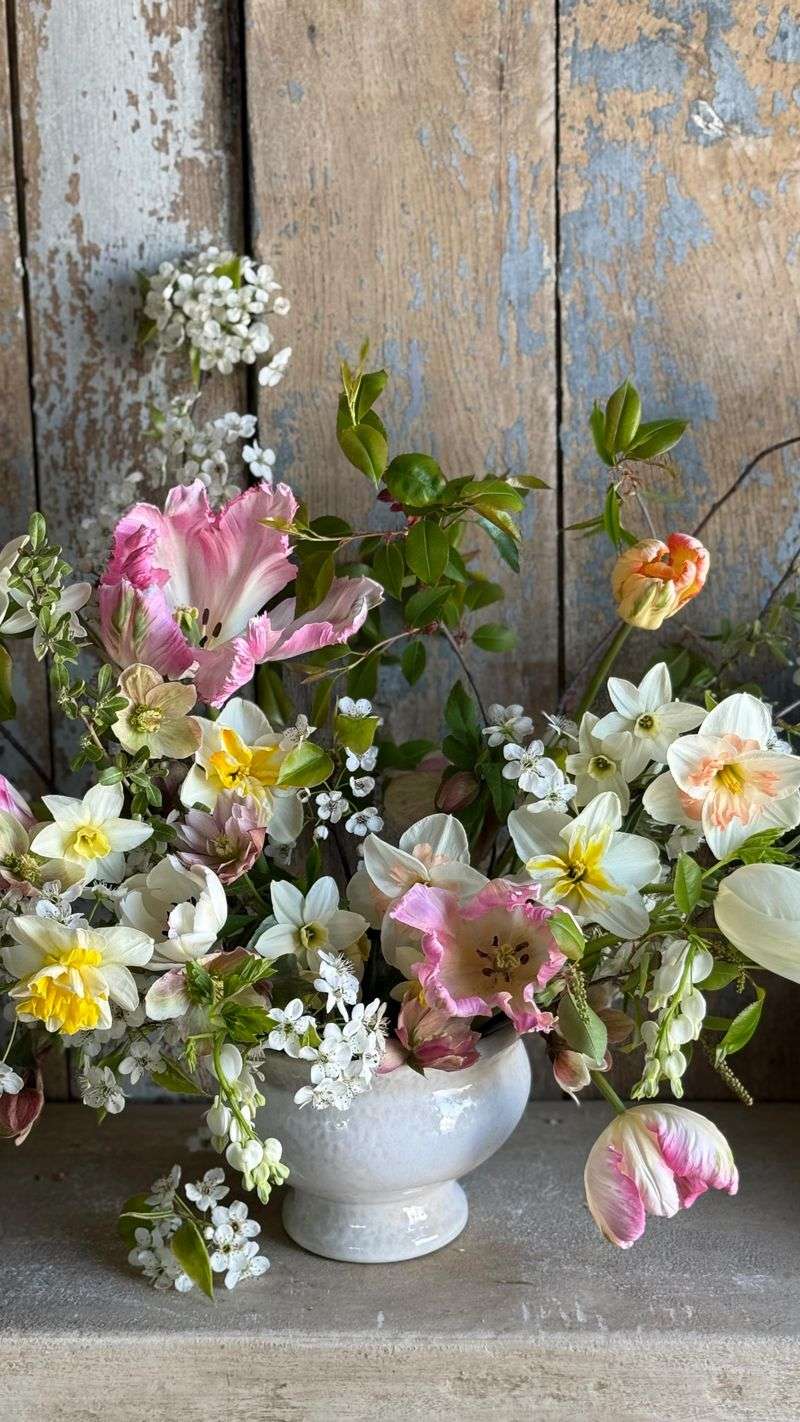
Nothing says spring has arrived quite like a jar of yellow daffodils on the table. Tulips follow close behind with their bold, glossy cups of color.
Both are classic fall bulbs. In Virginia, the best planting window usually runs from late October through December.
Patience pays off here. Wait until the soil cools to 55 degrees or lower before planting tulips.
Planting too early can cause bulbs to sprout before winter. That wastes their stored energy and leaves tender shoots open to frost damage.
A simple soil thermometer takes the guessing out of timing. They cost only a few dollars at most garden centers.
Plant bulbs about three times as deep as they are tall. Pointy ends go up, and a little mulch on top helps keep the soil steady.
Fun fact for your next dinner chat: tulip bulbs were once worth more than houses in 1600s Holland. Luckily, yours will cost far less.
Daffodils have a quirky habit worth knowing. Their stems release a sticky sap that can shorten the life of other flowers.
Let freshly cut daffodils sit alone in water for several hours first. After that, mix them into bouquets without trouble.
Tulips keep growing after they are cut, sometimes adding an inch or more. Trim stems a little short so arrangements stay balanced.
Deer love tulips but usually leave daffodils alone. If deer visit your yard, daffodils may be the safer bet.
Sweet Peas Can Be Sown In Eastern Virginia
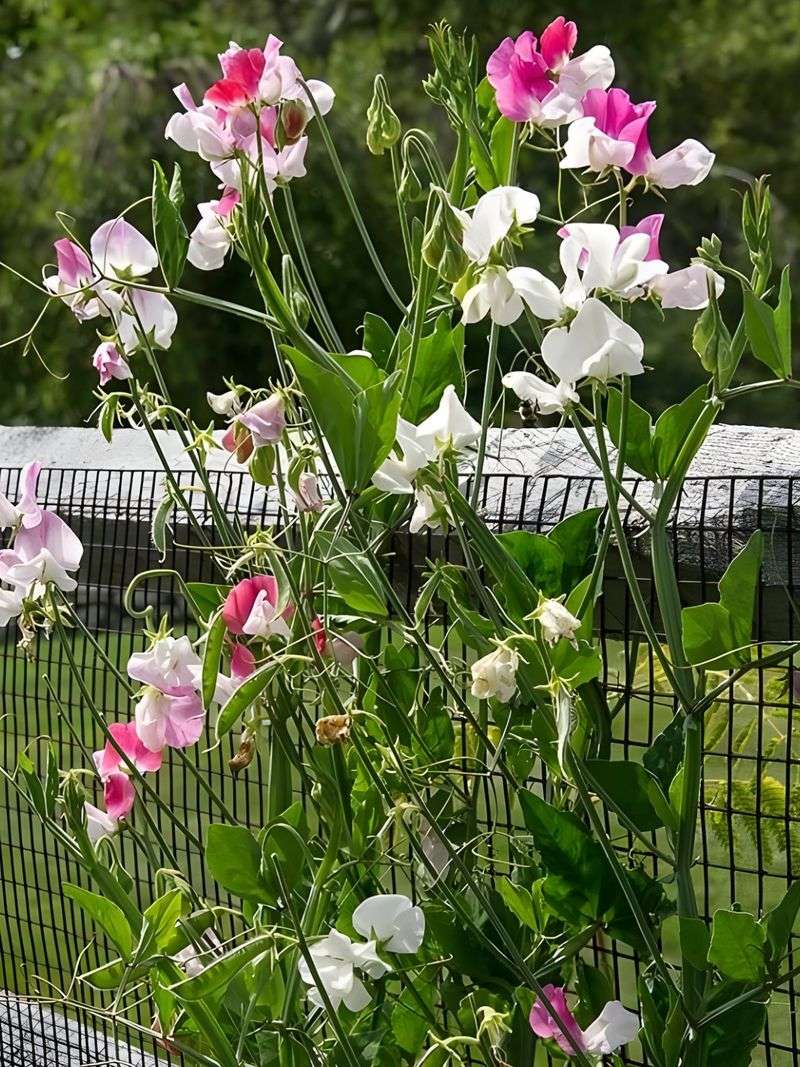
Grandma’s garden often had a fence covered in sweet peas, and the smell drifted across the whole yard. One sniff can bring back a flood of memories.
These old-fashioned climbers love cool weather. Hot summer days make them fade quickly, so an early start matters.
Gardeners in eastern Virginia have a special advantage. Milder coastal winters let them sow sweet peas in fall for an earlier spring show.
Soak seeds in water overnight before planting. Their hard coats soften, which helps them sprout faster.
Give vines something to climb right away. A trellis, netting, or a simple fence works fine, and vines can reach six feet tall.
A light layer of mulch helps protect young plants during cold spells. On very chilly nights, toss frost cloth over them for extra comfort.
Sweet peas have one quirk to remember. They are sensitive to ethylene gas, which comes from ripening fruit.
Keep your vase away from the fruit bowl. Bananas and apples sitting nearby can make the blooms wilt sooner.
Vase life is shorter than many flowers, often just a few days. The scent alone makes them worth it, though.
Here is the best part: the more you cut, the more they bloom. Pick every few days to keep fresh flowers coming for weeks.
Leaving pods on the vine tells the plant to stop flowering. Snip them off and enjoy a steady supply instead.
Frost Cloth Protects Young Plants
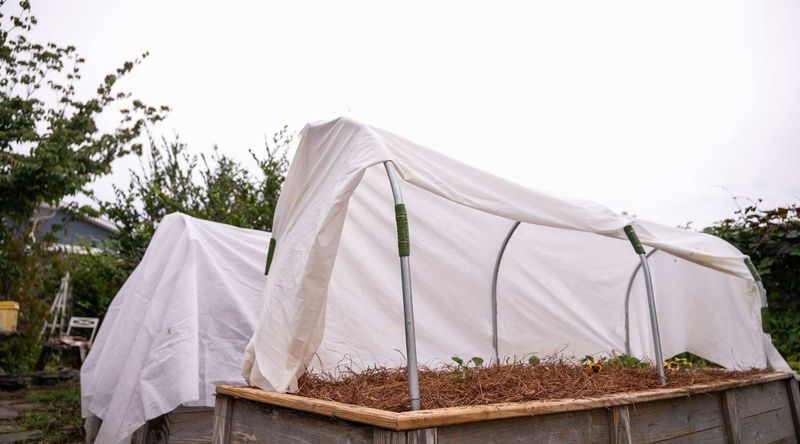
Imagine waking to a frosty lawn and a forecast in the teens. A thin white blanket over your flower beds can make all the difference.
Frost cloth, sometimes called row cover, is a lightweight fabric. It lets in light, air, and water while trapping some ground warmth.
Most covers raise the temperature underneath by several degrees. That small boost often separates healthy plants from damaged leaves.
Across the state, winter weather can swing wildly from week to week. A mild sunny day may be followed by a sudden hard freeze.
Ranunculus and anemones benefit most from this protection. Snapdragons and sweet peas appreciate it during the worst cold snaps.
Drape the cloth loosely over hoops instead of laying it flat on leaves. Plants touching the fabric can still get nipped by frost.
Secure edges with rocks, bricks, or garden pins. Winter winds love to lift loose covers and send them flying.
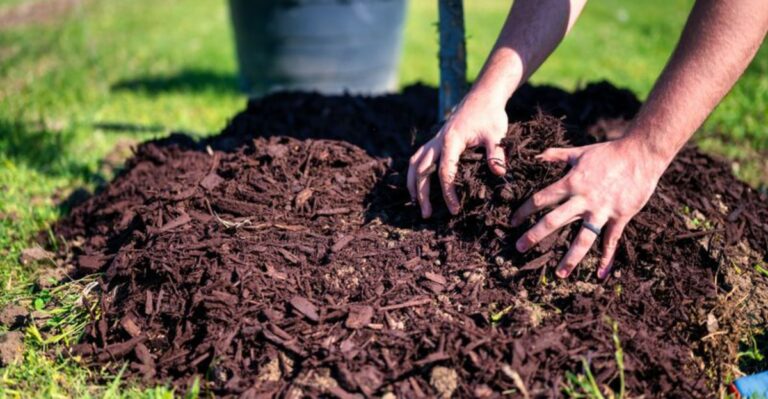
Mulch works as a helpful partner, too. A few inches of shredded leaves or straw keeps soil temperatures steady around bulbs.
Tulips especially enjoy mulch over their beds. It prevents the soil from freezing and thawing over and over.
Remove the cloth on warm sunny days if possible. Plants underneath can overheat when afternoon temperatures climb.
Store your covers dry when spring arrives. A good quality cloth can last several seasons with careful handling.
Fall-Planted Flowers Bloom Earlier And Stronger
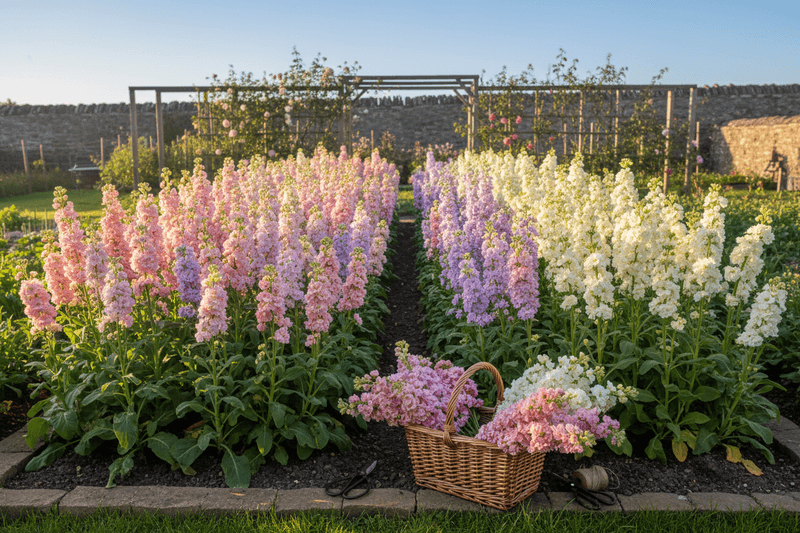
Ask any flower farmer about fall planting, and you will likely hear a story. Many tried it once and never went back to spring-only planting.
The reason comes down to roots. Plants spend the cool months quietly building a deep, wide root system underground.
Above the soil, not much seems to happen during winter. Below, roots are spreading out and soaking up nutrients steadily.
When spring warmth arrives, those plants are ready to sprint. They grow faster and taller than spring-planted cousins.
Taller stems matter a lot for bouquets. Long stems fit nicely into vases and make arrangements look full and graceful.
Fall-planted flowers also tend to bloom several weeks sooner. You might cut your first snapdragons while neighbors are still planting theirs.
Strong roots help plants handle stress better, too. They cope with dry spells and sudden heat more easily than shallow-rooted plants.
Springs can heat up quickly by late May. Earlier blooms mean more harvests before summer heat ends the cool-season show.
Here is a useful planning tip for you. Keep a garden journal noting planting dates and first bloom dates each year.
Over time, you will spot patterns that fit your own yard. Those notes become a personal guide better than any seed packet.
Feeding plants lightly in early spring gives them extra fuel. A balanced fertilizer helps them push out plenty of buds.
Home-Grown Flowers Last Longer In The Vase
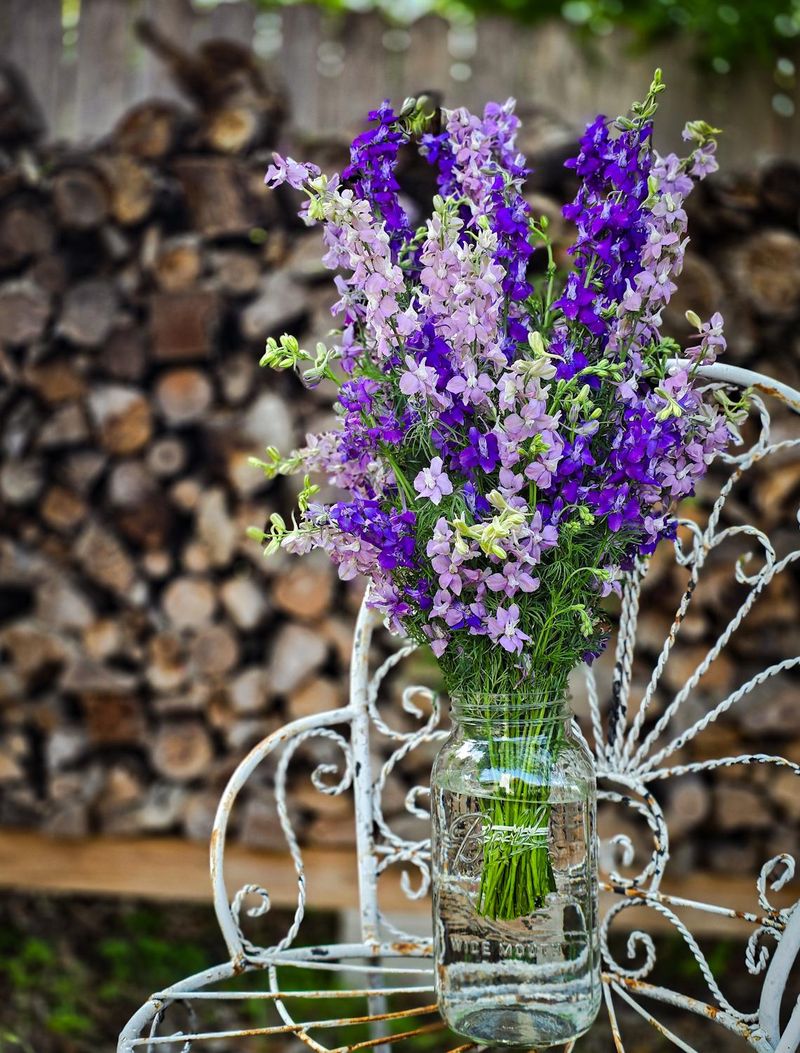
Store-bought roses may look perfect, but many have already traveled thousands of miles. Some spend days in trucks, planes, and warehouses before reaching you.
That long journey uses up much of their freshness. By the time you buy them, the clock has been ticking for a while.
Flowers from your own yard skip that whole trip. They go from garden to vase in minutes, which often means many more days of beauty.
Harvest timing makes a big difference. Cut in the cool early morning or evening, when stems are full of water.
Midday heat leaves flowers thirsty and limp. A quick morning trip outside with a bucket of water sets them up well.
Clean tools matter more than most people realize. Dirty clippers and vases carry bacteria that clog stems and shorten flower life.
Wash vases with warm soapy water before each use. Wipe pruners with rubbing alcohol now and then to keep them clean.
Remove any leaves that would sit underwater. Soggy leaves break down fast and cloud the water.
Change the water every day or two, and trim stems slightly each time. Fresh cuts help flowers drink better.
Keep bouquets away from heaters, sunny windows, and fruit bowls. Cooler spots help blooms stay crisp longer.
Best of all, homegrown bouquets make wonderful gifts. A jar of spring flowers can brighten a neighbor’s whole week.