Here’s How Illinois Gardeners Know A Plant Has Outgrown Its Pot
Your fiddle leaf fig used to sit neatly on the windowsill. Now its roots are curling out of the drainage holes like they’re planning an escape.
Illinois winters keep plants indoors for months at a time, and that means their pots become tiny apartments they quickly outgrow. Roots circle the same soil for so long that water starts pooling on top instead of soaking through.
A stunted, top-heavy plant is not stubborn, only out of room, and the signs often get mistaken for something else entirely. Learning to spot the real cause saves plants from years of quiet struggle in pots they outgrew long ago.
1. Roots Are Poking Out Through The Drainage Holes
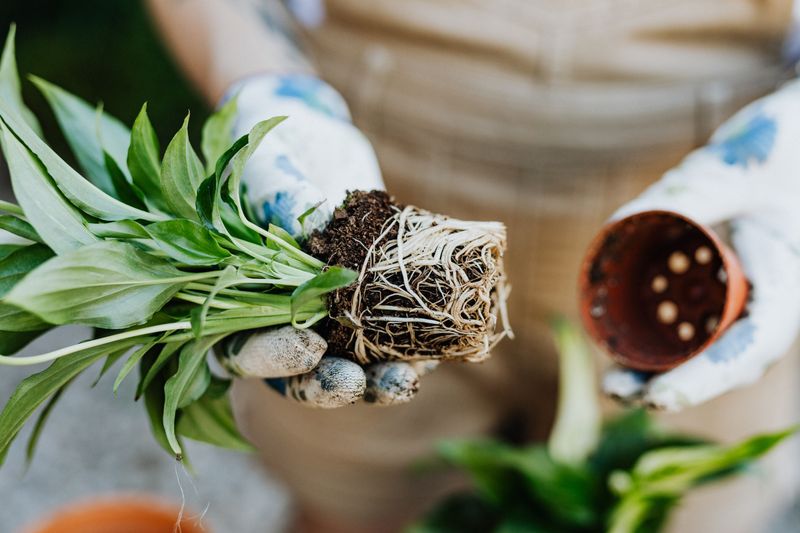
Peek underneath your pot and you might get a surprise. When roots start poking out through the drainage holes, your plant is signaling, loud and clear, that it needs more space.
This is one of the clearest signs a plant has outgrown its pot. The roots have explored every inch of soil and now have nowhere left to go but out.
Many Illinois gardeners notice this first during spring, when growth speeds up after a long winter indoors. The roots push downward with force, seeking moisture and nutrients that the current container simply cannot provide.
Leaving a plant in this condition too long causes stress. The roots start circling, tangling, and compressing, which cuts off water flow to the rest of the plant.
A good rule of thumb is to act fast once you spot roots at the base. Waiting even a few extra weeks can make the situation harder to fix without damaging the root system.
Gently pull the pot away from the plant and take a look at what is happening inside. If roots are densely packed and pressing against the walls, it is time to size up to a container one to two inches wider.
Repotting at this stage gives the roots fresh soil and breathing room. Your plant will reward you with new growth within a few weeks of settling into its new home.
2. Water Runs Straight Through Without Soaking In
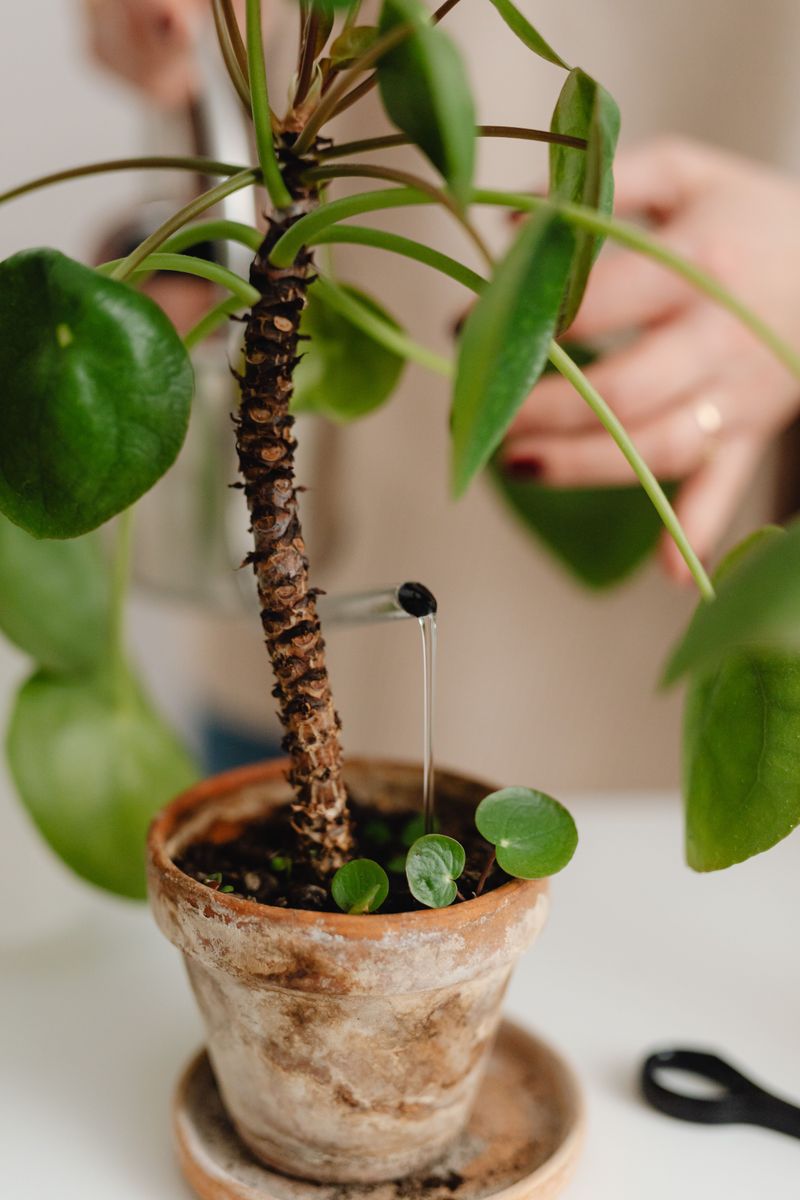
You pour water in, and it rushes straight out the bottom like it is in a hurry to leave. That speedy exit is a warning sign that something is seriously wrong inside the pot.
When a plant has outgrown its container, the roots take up so much space that soil becomes scarce. With little soil left to absorb moisture, water has no choice but to drain immediately.
This pattern leaves your plant thirsty even right after watering. The roots cannot grab enough hydration, and the plant begins to suffer from drought stress despite your best efforts.
Illinois summers can be brutal, and indoor plants near sunny windows dry out fast. A compacted, root-filled pot makes that dryness even worse and harder to manage.
Try the finger test after watering. If the top inch of soil feels dry within a few hours, that is a strong signal the pot can no longer hold adequate moisture for the plant’s needs.
Your Illinois Garden Changes Every Week. Your Plan Should Too.
Gardening in Illinois changes quickly throughout the season. Every Friday you’ll receive a simple weekly plan showing exactly what to plant, prune, fertilize, harvest, and protect so you never miss the right timing.
Some gardeners try bottom watering to fix this problem temporarily. While that helps in the short term, it does not solve the root cause, since the plant simply needs a bigger home with fresh, absorbent potting mix.
Choosing a new pot with proper drainage and filling it with quality soil makes a huge difference. Fresh mix holds water longer, feeds the roots, and gives your plant the foundation it deserves to truly flourish.
3. Growth Has Slowed Down During Peak Season
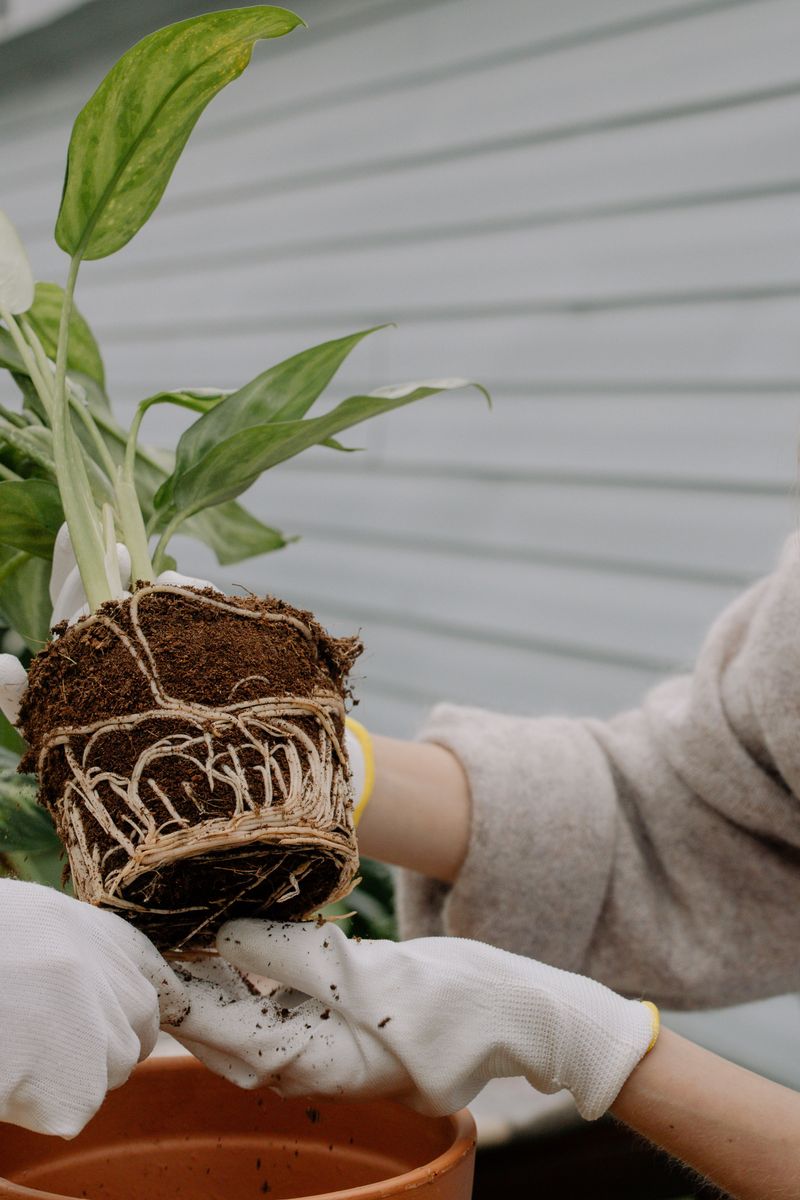
Spring rolls in, the sun comes back, and your plant just… sits there. No new leaves, no fresh stems, no sign of the growth explosion you were expecting after the cold months.
Slow growth during peak season is one of the sneakier signs a plant has outgrown its pot. Most people blame light or fertilizer, but the real culprit is often a cramped root system.
When roots have no room to expand, the plant cannot take in enough nutrients to fuel new growth. It essentially goes into survival mode, conserving energy rather than pushing out fresh foliage.
Illinois gardeners often notice this plateau between May and July, when warmth and longer daylight hours should be triggering rapid development. A healthy plant in the right-sized pot will show new growth almost weekly during this window.
Check the last time you repotted. If it has been more than a year or two, the soil may also be depleted of nutrients, making the problem even worse for a root-bound plant.
Fertilizing a pot-bound plant rarely fixes the issue. The roots are too cramped to absorb what you are offering, and the nutrients just wash away or build up as harmful salts in the soil.
Moving the plant to a larger container with fresh potting mix is the reset button it needs. Within a few weeks of repotting, you will likely see new leaves pushing through and that satisfying growth energy returning.
4. The Plant Looks Too Large For Its Container
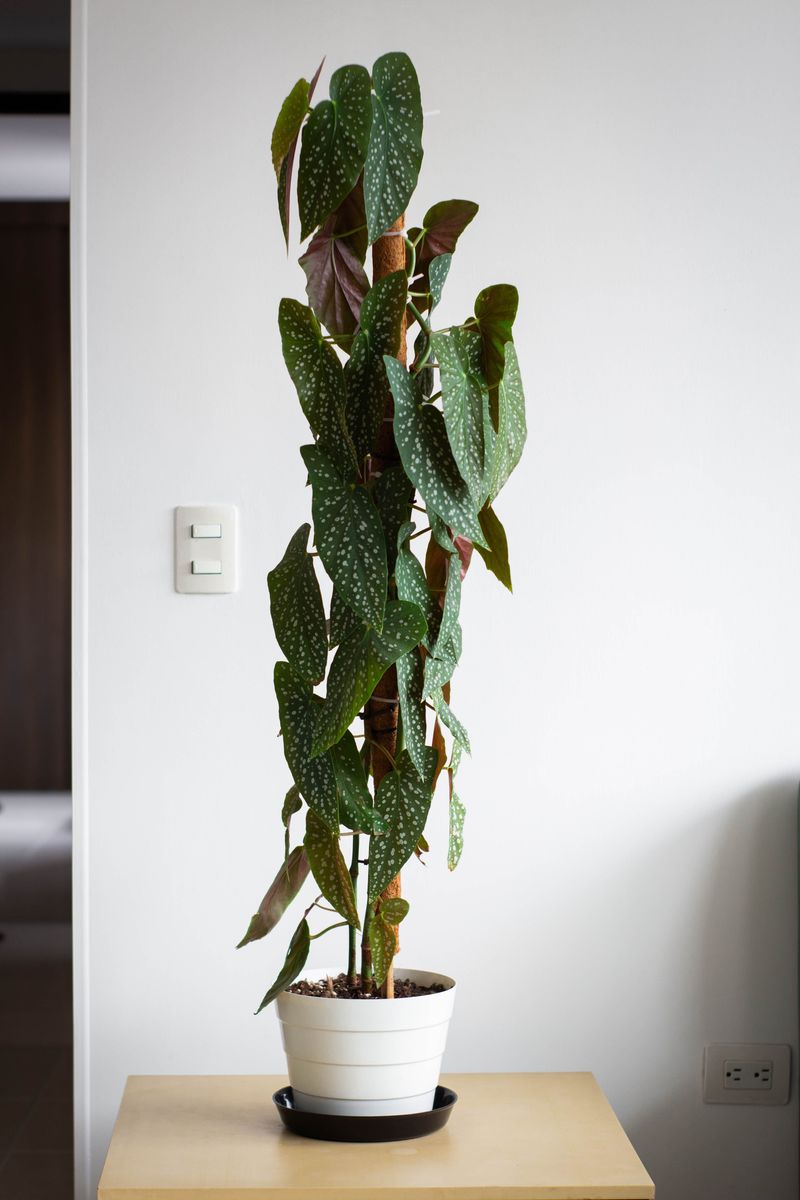
Sometimes your eyes tell you everything you need to know. When a plant towers over its pot or spreads far beyond the rim, the visual imbalance is hard to ignore.
A well-sized plant should look proportional to its container. A commonly used guideline suggests the plant should be no more than twice the height of its pot for good visual and physical balance.
When that ratio gets thrown off, the plant is not just awkward to look at, it is also struggling. A small base cannot anchor a large plant or supply enough soil for its growing root network.
Illinois gardeners who grow fast-moving tropicals like pothos, monsteras, or philodendrons often see this happen quickly. These species are vigorous growers and can outpace their containers within a single growing season.
The visual cue is actually one of the most practical early warnings you can catch. Spotting it before the roots become severely bound means repotting is easier and less traumatic for the plant.
Look at the plant from across the room. If the foliage seems to dwarf the pot beneath it, trust that instinct and start thinking about a container upgrade.
Choosing a pot one to two inches larger in diameter than the current one is usually the sweet spot. Going too large too fast can overwhelm the root system and lead to overwatering issues, so size up gradually and let the plant settle in comfortably.
5. The Root Ball Is Tightly Circled When Lifted Out
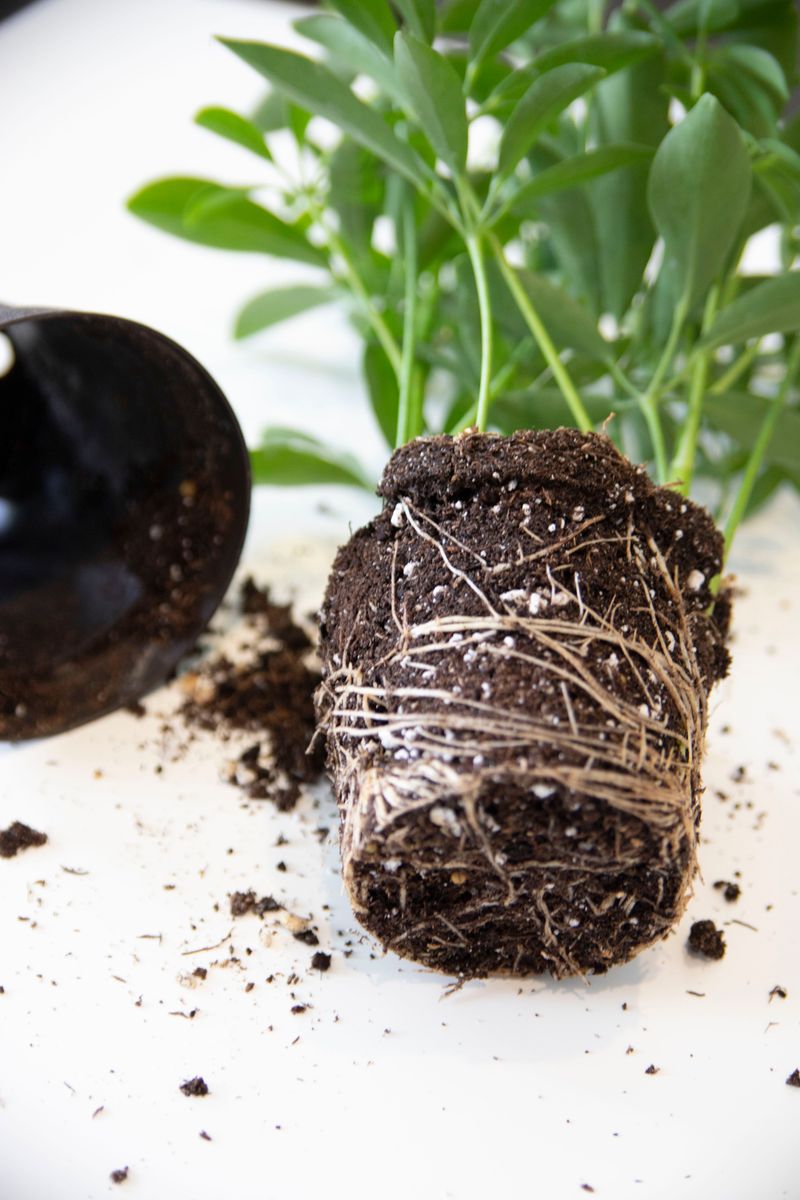
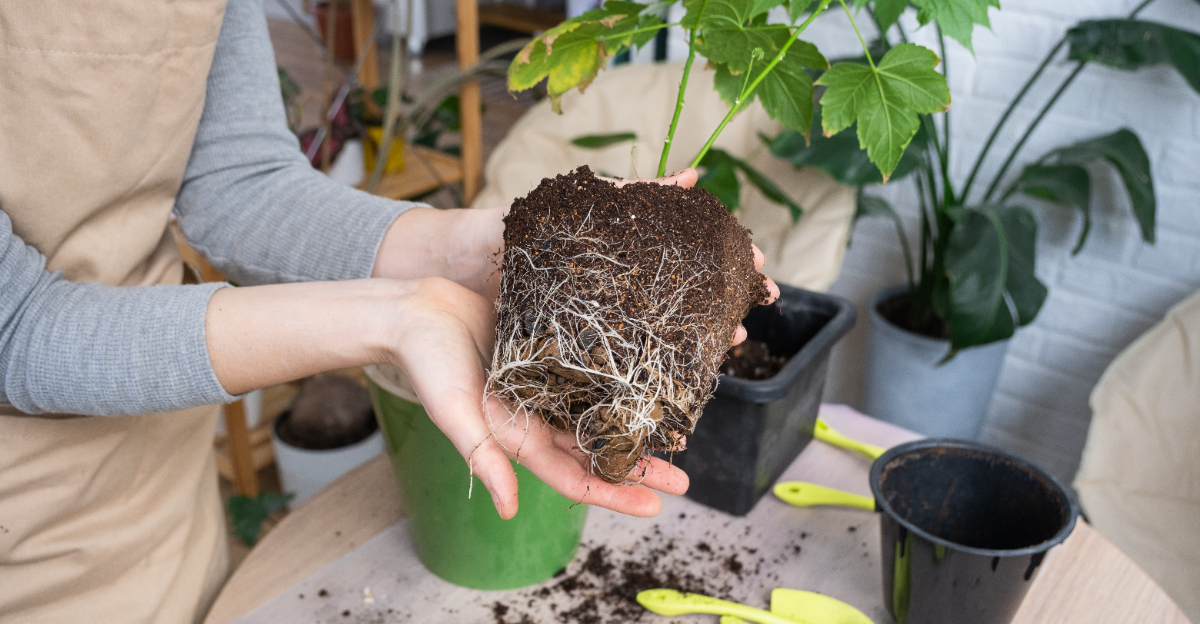
Pull a plant out of its pot and flip it over, and what you find inside tells the whole story. A root ball that is tightly coiled and shaped like the container is a classic sign of a pot-bound plant.
Healthy roots should spread loosely through the soil, branching outward in search of water and nutrients. When they start circling the edges in a dense spiral, they have run out of space to explore.
This tight circling is sometimes called being root-bound, and it is more serious than it looks. Circular roots can eventually cut off their own flow of water and nutrients through the plant’s system.
Illinois gardeners who repot in early spring catch this problem at the best possible time. The plant is just waking up from winter dormancy and has the energy to recover quickly from root disturbance.
When you find a tightly circled root ball, do not just drop it into a bigger pot. Gently loosen the outer roots with your fingers or a tool before repotting so they can grow outward into the new soil.
Skipping that step means the roots may keep circling even in the larger container. Breaking that pattern early sets the plant up for a much healthier and more productive growing season ahead.
Fresh soil packed around the loosened root ball gives the plant an immediate boost. Most plants show visible signs of recovery within two weeks of a proper, well-timed repotting session.
6. The Pot Feels Unusually Light Or Top-Heavy
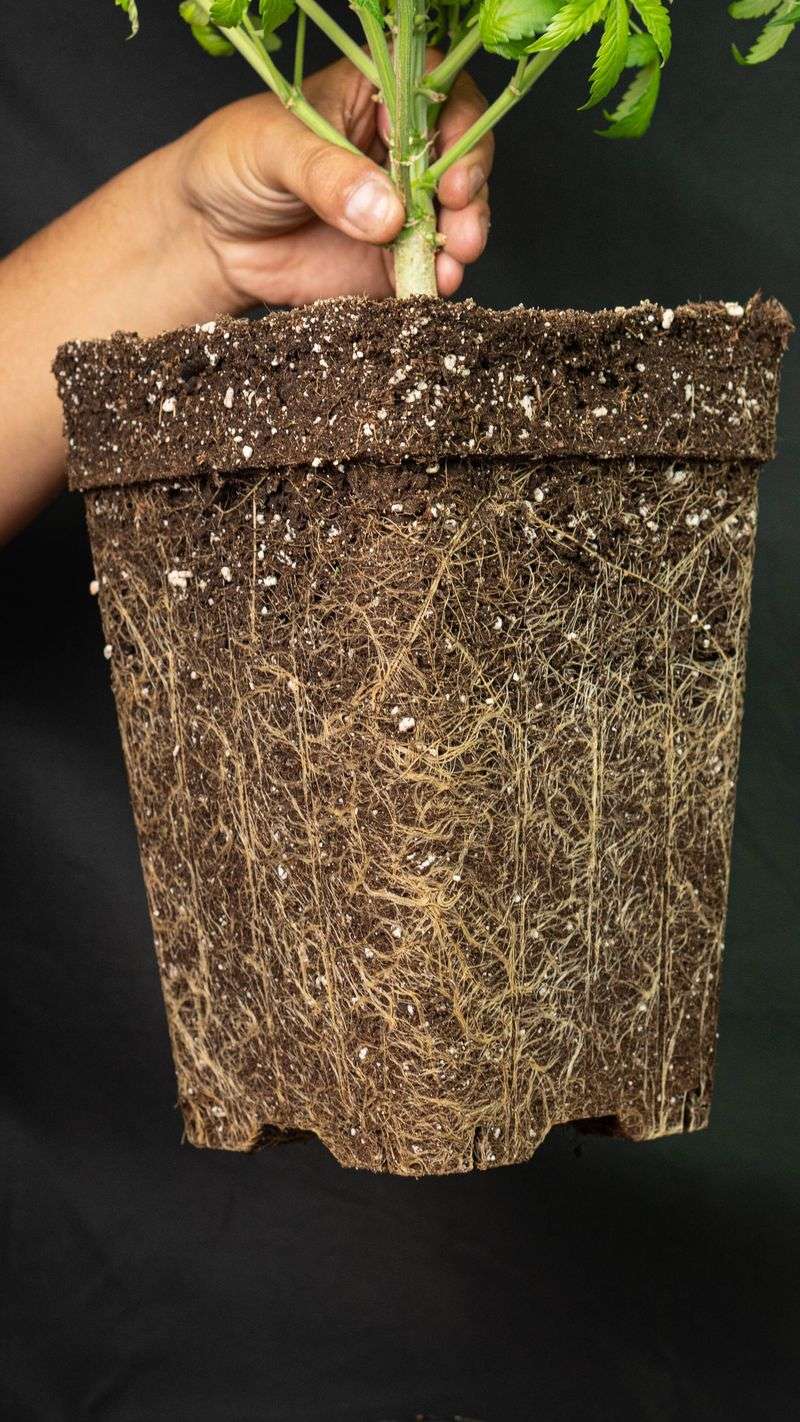
Pick up your plant and notice how it feels in your hands. A pot that feels surprisingly light or tips toward one side is sending a message you should not brush off.
When roots fill a pot completely, they displace much of the soil that once gave the container its weight and stability. Less soil means less mass, and the pot starts feeling almost hollow compared to before.
Top-heaviness is a related problem. A large plant with a small, soil-depleted pot has most of its weight sitting above the rim, making it prone to tipping over at the slightest nudge.
Many Illinois gardeners notice this during outdoor patio season when wind becomes a factor. A top-heavy plant on a balcony or deck can tumble over easily, damaging both the plant and the pot.
The lightness also signals that the soil has been largely replaced by roots. Roots alone cannot hold moisture the way soil does, which means your plant is likely getting less hydration than it needs between waterings.
Testing the weight is a simple habit to build into your routine. Lift the pot before and after watering, and if there is barely any difference in weight, the soil content is too low to be effective.
A heavier, wider pot with fresh soil solves both the stability and moisture problems at once. Planting in a weighted ceramic or clay container also helps keep things grounded when outdoor breezes pick up.
7. Leaves Wilt Quickly Even After A Fresh Watering
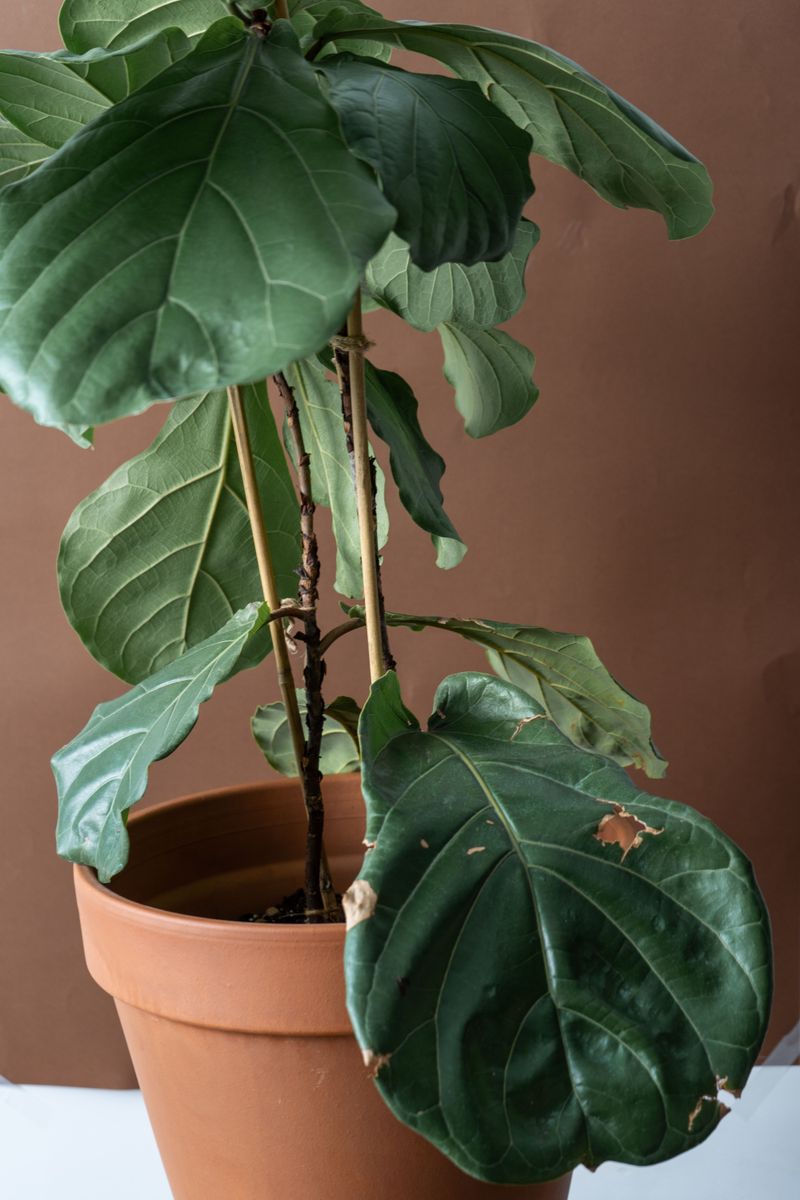
You just watered your plant ten minutes ago, and the leaves are already drooping. That frustrating cycle is one of the most misunderstood signs a plant has outgrown its pot.
Most people assume wilting means the plant is thirsty. But when a pot is packed with roots and short on soil, even a thorough watering cannot deliver enough moisture to every part of the root system.
The water drains before the roots can absorb it, leaving the plant in a constant state of mild dehydration. The leaves respond by wilting, which is their way of reducing water loss through their surface area.
Illinois summers add extra pressure to this cycle. High temperatures and dry indoor air caused by air conditioning make plants lose moisture faster, and a root-bound pot cannot keep up with the demand.
Check the soil a few hours after watering. If it already feels dry an inch below the surface, the pot is not retaining enough moisture to sustain the plant between watering sessions.
Some gardeners try watering more frequently to compensate. While that seems logical, it can actually lead to root stress and fungal problems without solving the underlying space issue causing the wilting in the first place.
Repotting into a container with fresh, moisture-retaining potting mix is the most effective fix. Once the roots have room and proper soil surrounds them, wilting after watering becomes a distant memory for most houseplants.
8. The Plant Tips Over Or Feels Loose In The Soil
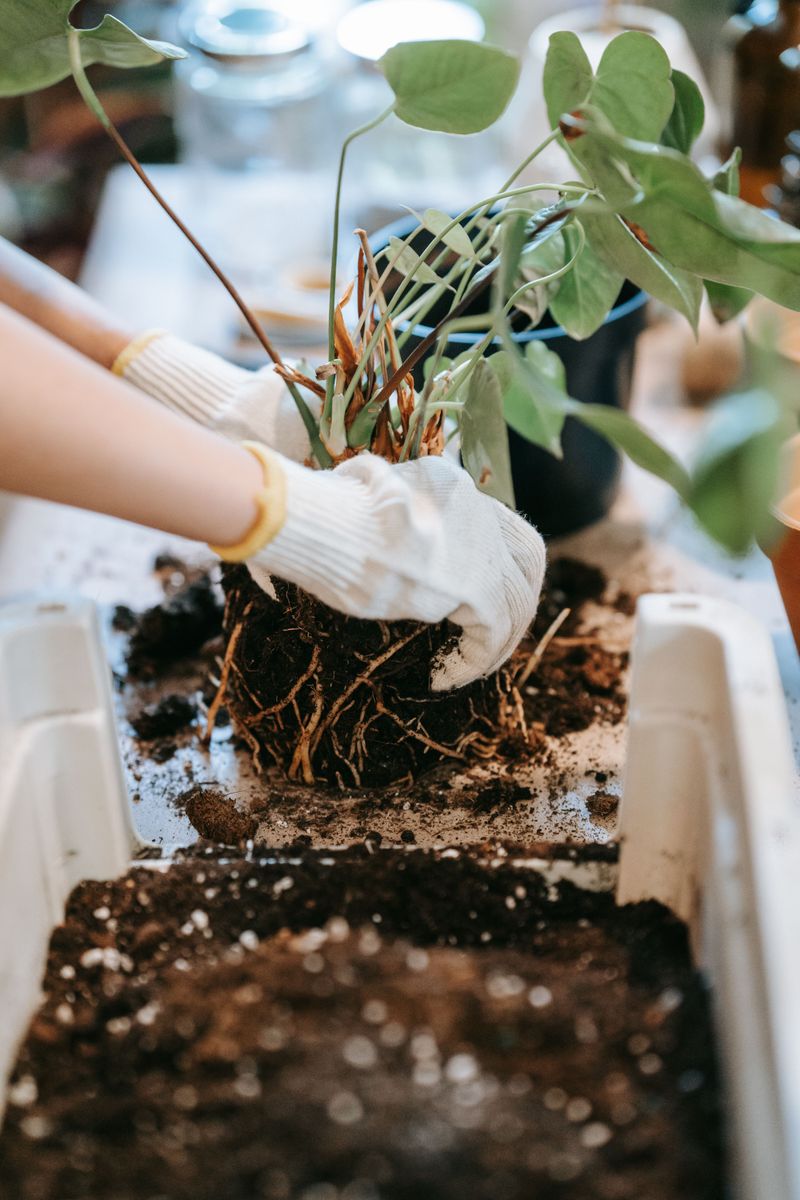
Your plant just fell over for the third time this week, and you did not even touch it. That wobbly, unstable feeling is one of the final signals that a plant has outgrown its pot and needs a new home fast.
When roots fill a container completely, the soil structure begins to break down. What was once a firm, stable growing medium becomes loose and crumbly, unable to anchor the plant’s base the way it should.
A plant that wobbles when you touch it is not getting the structural support it needs. The stem base may even feel loose, rocking slightly when you press it, which indicates the root-to-soil ratio is dangerously off balance.
Illinois gardeners with tall or top-heavy species like fiddle leaf figs or dracaenas notice this problem most. These plants have significant weight above the soil line and need a well-packed, stable base to stay upright.
Tipping can also happen when the soil has shrunk away from the pot’s edges. As roots consume the growing medium, the remaining soil pulls inward and loses its grip on both the pot walls and the plant’s root system.
A quick test is to gently wiggle the stem near the soil surface. If it moves more than slightly, the plant no longer has a secure foundation and should be repotted without delay.
Knowing when a plant has outgrown its pot saves you from a cycle of frustration. A fresh container, new soil, and a little care will have your plant standing tall and thriving again within a few weeks.