Plant These Natives Instead Of Butterfly Bush In Georgia Pollinator Gardens This Fall
That butterfly bush by your mailbox probably pulled in more swallowtails this summer than anything else in your yard.
So it feels strange to hear that it may not support those insects as completely as native host plants do. The problem is that butterfly bush feeds adult butterflies but gives their caterpillars nothing to eat.
It also spreads by seed into Georgia woodlands and roadsides, where it crowds out the native plants those caterpillars actually need.
Take a walk around your shrub this week and check the mulch for volunteer seedlings.
If you find a few, you are looking at the same spread on a smaller scale. Luckily, fall is a great season to swap in something better.
Roots settle into warm soil now, so caterpillars will have food by spring.
1. Buttonbush Brings Round White Blooms That Pollinators Flock To
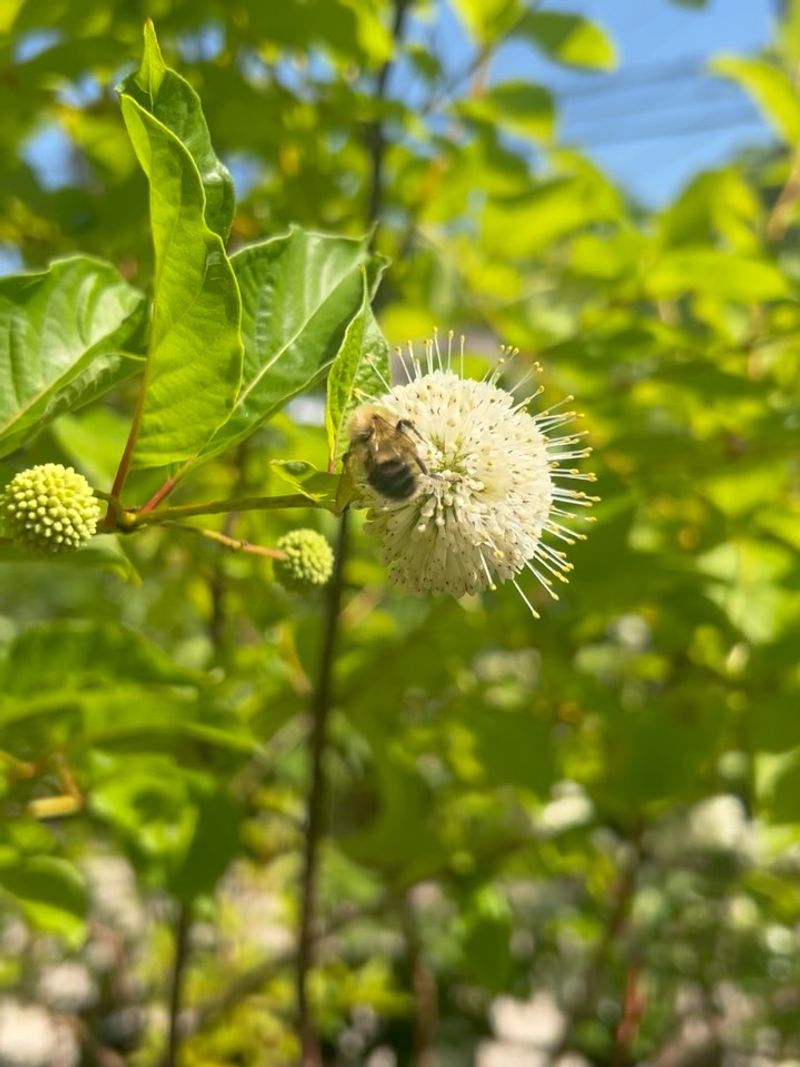
Picture a flower that looks like a tiny white pincushion or a miniature space satellite. Buttonbush produces these odd, round blooms in early to midsummer, and they tend to draw a crowd.
Swallowtails, skippers, bumblebees, and hummingbirds are some of the visitors you might spot on a sunny afternoon.
Wet ground is where this shrub really shines. In the wild, it grows along creeks, pond edges, and swampy low spots across Georgia, so a soggy corner of your yard could be a great fit.
Average garden soil can work too, as long as you water well during hot, dry weather.
Size matters here, so plan ahead before digging a hole. Buttonbush often reaches 6 to 12 feet tall and wide, though growth depends on moisture and sunlight.
Full sun to part shade usually gives the best flowering, while deep shade can mean fewer blooms.
After the flowers fade, the round heads turn into reddish brown seed balls that ducks and other birds may eat. They also add a bit of winter interest when the leaves drop.
Fall planting gives roots time to grow before summer stress arrives.
One caution worth knowing is that the leaves are considered toxic if eaten, so keep that in mind around pets or livestock that like to chew on shrubs.
2. Unlike Butterfly Bush, Butterfly Weed Also Supports Monarch Caterpillars
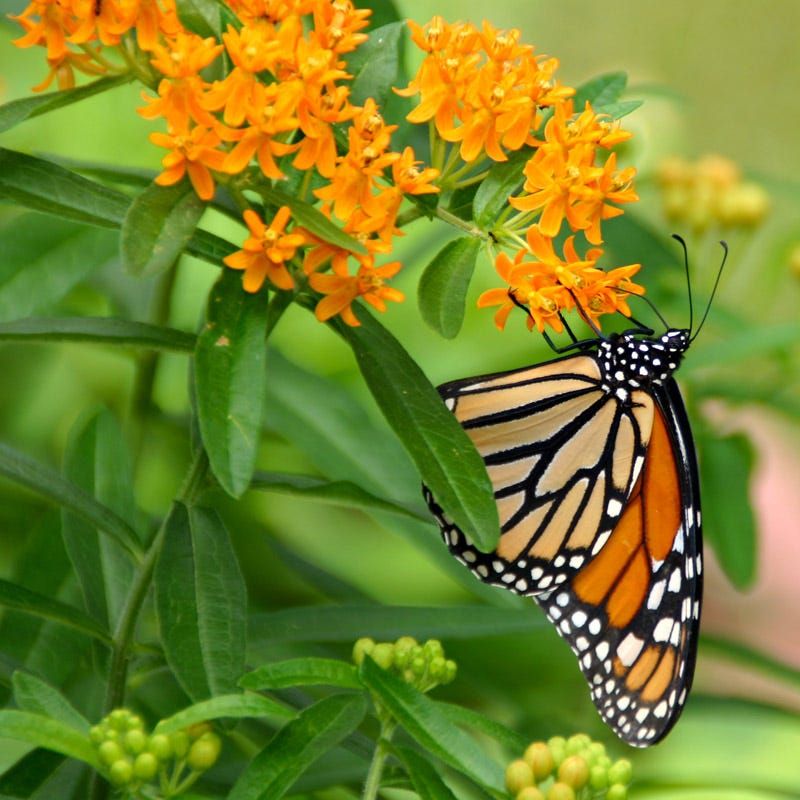
Here is the big difference in one line: monarch caterpillars can eat butterfly weed, but they cannot use butterfly bush. That single fact makes this bright orange milkweed a strong swap for anyone who loves monarchs.
Adult butterflies and bees also visit the flat clusters of blooms, which usually open in late spring and summer.
Sun and drainage are the two things it asks for most. It handles sandy or rocky soil well and often struggles in heavy, wet clay that stays soggy.
Patience helps, since young plants can look small and slow during their first year.
Butterfly weed grows a deep taproot, which helps it handle drought once it settles in. That same root also means it does not like being moved, so pick its spot carefully.
Chewed leaves are a good sign here, not a problem to fix.
Your Georgia Garden Changes Every Week. Your Plan Should Too.
Gardening in Georgia changes quickly throughout the season. Every Friday you’ll receive a simple weekly plan showing exactly what to plant, prune, fertilize, harvest, and protect so you never miss the right timing.
Georgia gardeners can buy plants grown from local or regional seed when possible, since those are often better suited to local conditions.
Skip any pesticide sprays near these plants, because products that target pests can also harm caterpillars. Aphids sometimes show up, and a quick spray of water usually handles them well enough.
Expect the plant to show up late in spring, so mark its spot before you plant anything else nearby.
Once established, it can return for years with very little extra care.
3. Summersweet Fits Damp Spots And Brings Fragrant Summer Flowers
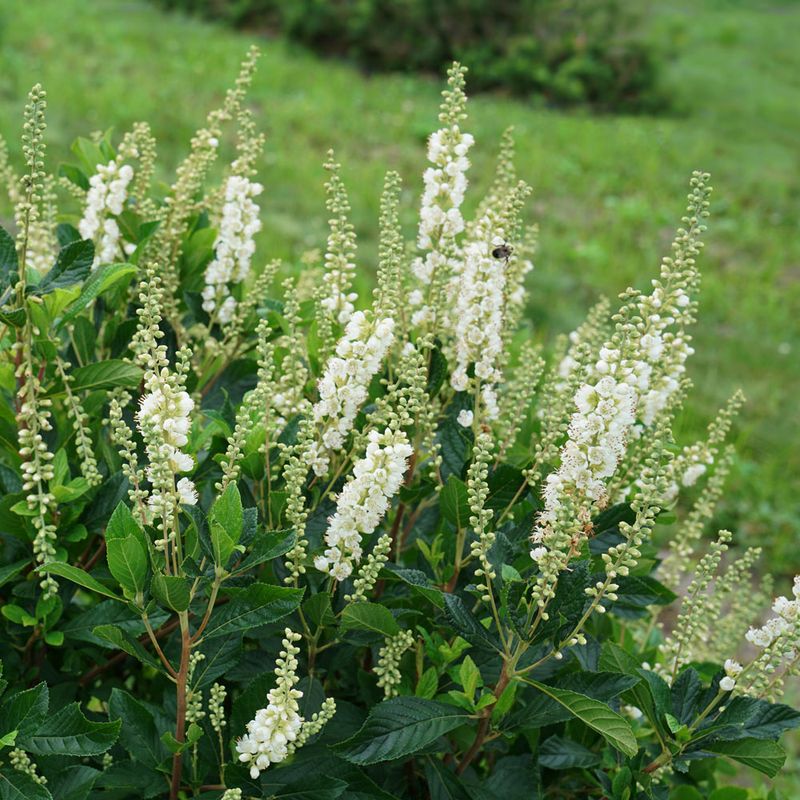
Walk past a summersweet in July and your nose will probably notice it before your eyes do. Its spikes of white or pink flowers carry a sweet, spicy scent that drifts across the yard on warm evenings.
Bees and butterflies seem to like it just as much as people do.
Soggy spots that frustrate other shrubs can suit this one nicely. Summersweet grows naturally in wet woods and along stream banks, and it tolerates part shade better than a lot of flowering plants.
More sun usually leads to more flowers, as long as the soil stays fairly moist.
Most plants reach about 3 to 8 feet tall, depending on the variety you choose. Compact types like Hummingbird or Sixteen Candles work well near patios or foundations in smaller Georgia yards.
Suckers can spread the plant slowly, which is handy if you want a loose hedge.
Want fewer suckers? Pull or cut them each spring to keep the shrub in a tidier shape.
Blooms arrive in mid to late summer, a stretch when many spring shrubs have already finished. Leaves may turn yellow or golden in fall, although color can vary from year to year.
A layer of mulch around the base helps hold moisture during dry weeks.
Even after the flowers fade, its dense foliage keeps damp garden corners looking full and green. Give it steady moisture, and summersweet can return with an impressive fragrant display each year.
4. Joe Pye Weed Becomes A Pollinator Magnet Later In The Season
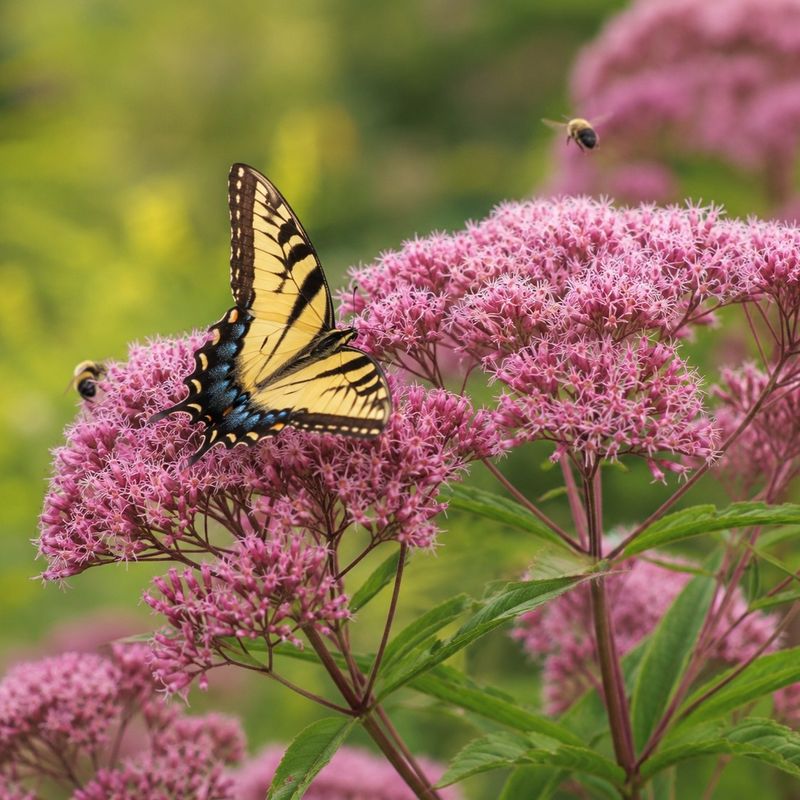
Tall, bold, and a little wild, Joe Pye weed can tower over you by late summer. Some types stretch 5 to 7 feet, topped with big dusty pink flower domes that are hard to miss.
On a good day, those domes may hold swallowtails, fritillaries, and a steady line of bees.
Its timing is a real plus for pollinators. Flowers typically open from mid summer into early fall, filling a gap when the garden can start looking tired.
Give it room at the back of a bed, where its height becomes an asset instead of a problem.
Moist, rich soil suits it best, and it grows naturally in wet meadows and along ditches. In a dry year across Georgia, extra water during heat waves can help keep the leaves from browning at the edges.
Full sun or light shade both work fine.
Worried about the height near a walkway? Try a shorter variety such as Little Joe or Baby Joe, which often stay closer to 3 or 4 feet tall.
Cutting the stems back by about half in late spring can also keep the plant shorter and bushier, though it may push blooming back slightly.
Leave some seed heads standing in fall, since small birds may pick through them.
5. Mountain Mint Draws An Impressive Mix Of Bees And Butterflies
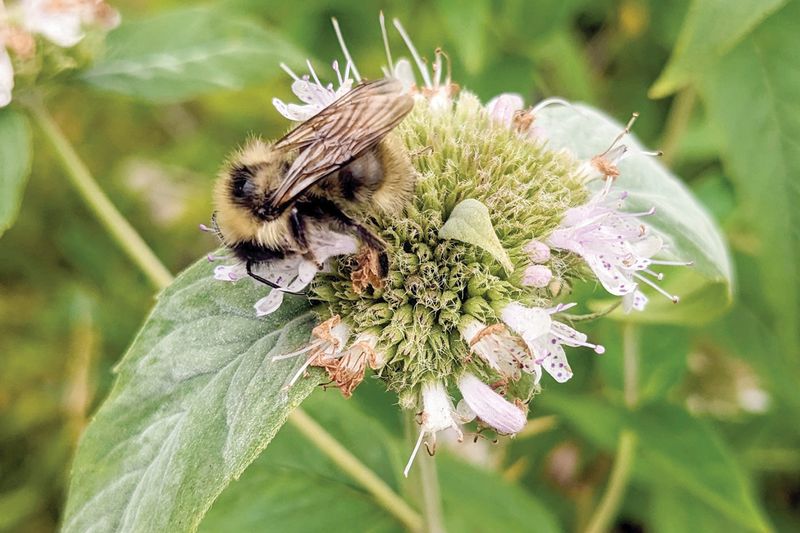
Stand next to a blooming mountain mint in midsummer and just listen for a minute. Native bees, wasps, flies, beetles, and small butterflies often crowd the tiny flowers at the same time.
Few garden plants attract such a varied group of insects in one small patch.
Up close, the flowers are small and a bit plain. Silvery bracts around them give the plant a frosted look that brightens a sunny bed.
Crush a leaf and you will get a strong minty smell, which deer and rabbits usually seem to avoid.
Spreading is part of its personality, so give it a spot where that is welcome. It is often less aggressive than garden mint, though some types can fill in quickly in rich, moist soil.
Georgia has several native species, and clustered mountain mint is one of the most popular choices for home gardens.
Sun to part shade suits it, and it handles a range of soils once established.
Plants usually bloom from July into September, depending on the species and weather. That long window gives pollinators a reliable stop during the hottest part of the year.
Wasps may show up in good numbers, but most are focused on flowers and tend to ignore people who leave them alone.
Cutting the stems back after flowering can keep the patch tidy and limit unwanted seedlings. Leave some standing through winter if you want to provide extra shelter for beneficial insects.
6. New Jersey Tea Fits Smaller Spaces Without Sacrificing Pollinator Value
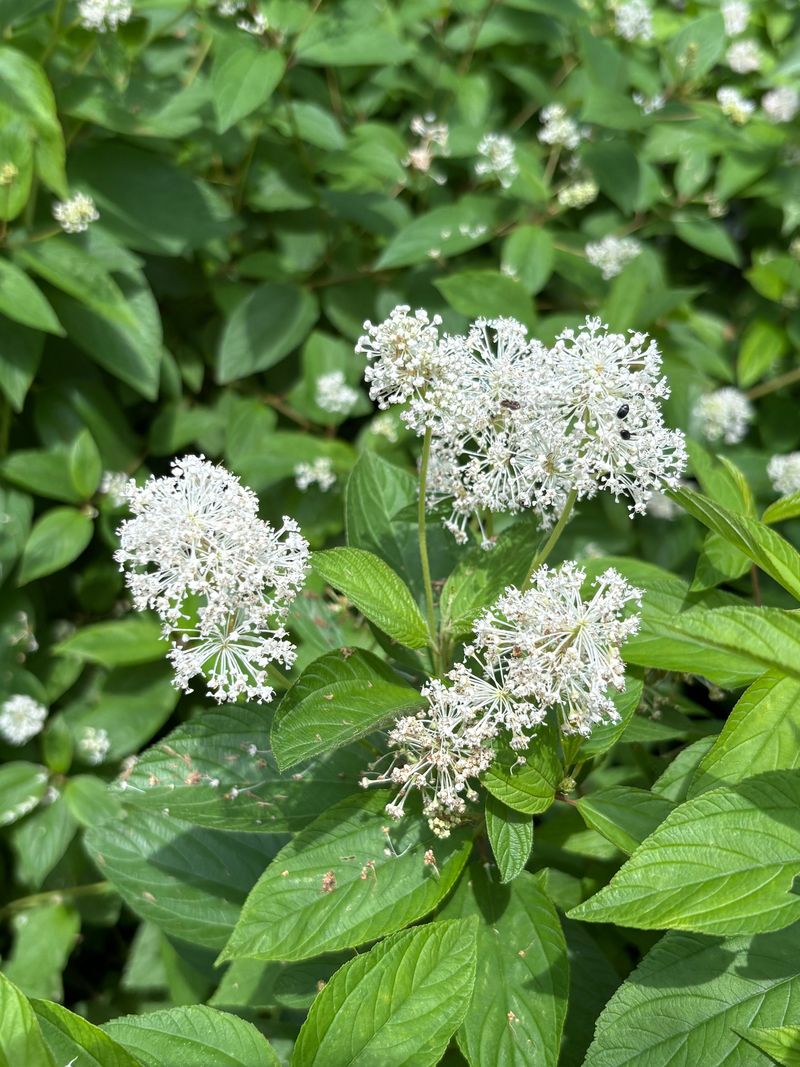
Small yard? Low shrub?
New Jersey tea might be the answer you did not know you needed.
Most plants stay around 2 to 3 feet tall and wide, which makes them easy to tuck into a border or a narrow side bed.
Fluffy white flower clusters appear in late spring to early summer. They attract small native bees, butterflies, and other helpful insects, and the leaves can host caterpillars of some moths and butterflies, including the mottled duskywing.
Hummingbirds may also stop by to hunt tiny insects among the blooms.
Dry, rocky, or sandy soil suits this tough little shrub surprisingly well. It grows naturally in open woods and clearings, including parts of Georgia, and it often handles drought once roots are established.
Poorly drained clay that stays wet is more likely to cause trouble.
Getting started takes some patience, since young plants can grow slowly at first. A deep root system forms underground, so moving it later is usually a bad idea.
Deer do browse it at times, and a simple wire cage can protect young plants during the first year or two.
Once established, New Jersey tea needs little attention and fits naturally into sunny, low-maintenance borders.
Its compact size also makes it easier to pair with taller native grasses and flowering perennials.
Give it a permanent spot from the beginning, and this sturdy shrub can settle in for years.
7. Aromatic Aster Keeps The Flower Show Going Late Into Fall
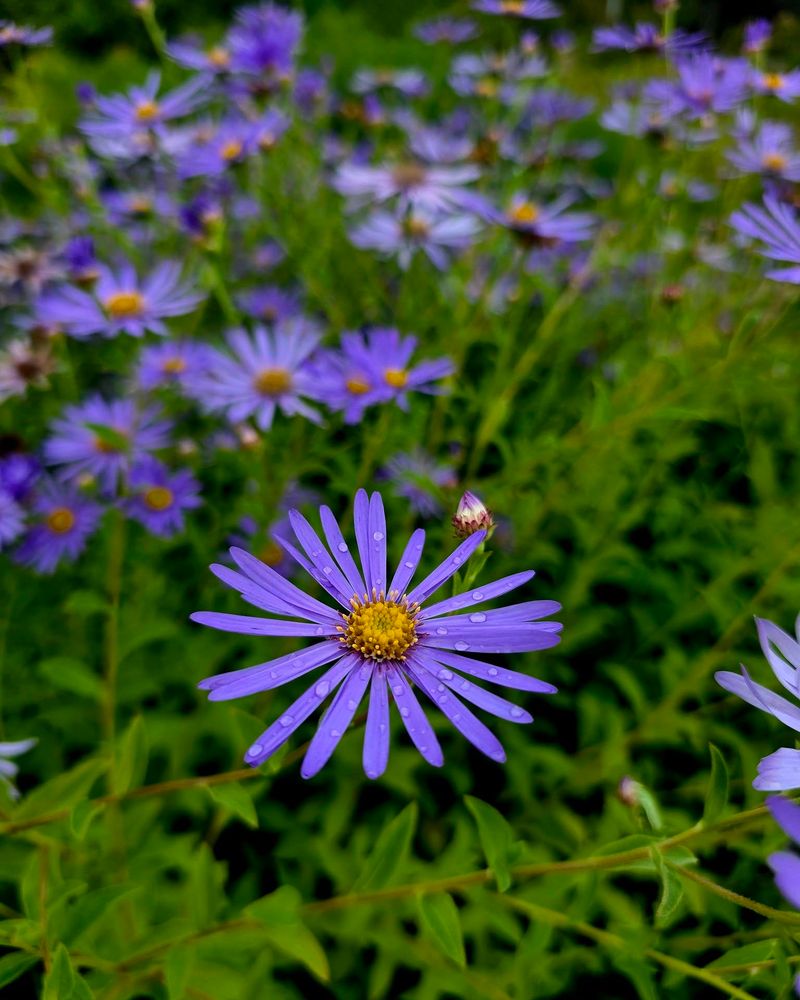
Just when most gardens start fading, aromatic aster decides it is finally time to show off. Mounds of lavender blue, daisy-like flowers often cover the plant from September into November.
Late bees and migrating monarchs may stop to feed while other nectar sources run low.
Brush against the leaves and you will notice a faint, pleasant scent. That smell is where the name comes from, and it adds a small surprise to fall weeding.
Tough conditions rarely slow it down.
Sun, good drainage, and average or even lean soil tend to keep it happy. Too much fertilizer or water can make the stems flop, so a little neglect often works in its favor.
Plants usually grow 1 to 3 feet tall and spread wider, forming a bushy mound.
Georgia gardeners who want a neater shape can trim the stems back by about a third in early summer. Do it before July so you do not cut off the fall flower buds.
Selections like October Skies and Raydon’s Favorite are fairly easy to find at native plant sales.
Planting it this fall gives you a head start on next autumn’s show. Mulch lightly and water during dry weeks until the roots settle in.
Once established, aromatic aster handles dry spells better than many fall bloomers. Its dense growth also helps fill sunny gaps where fussier perennials struggle.
8. Goldenrod Provides Valuable Late Season Food For Pollinators
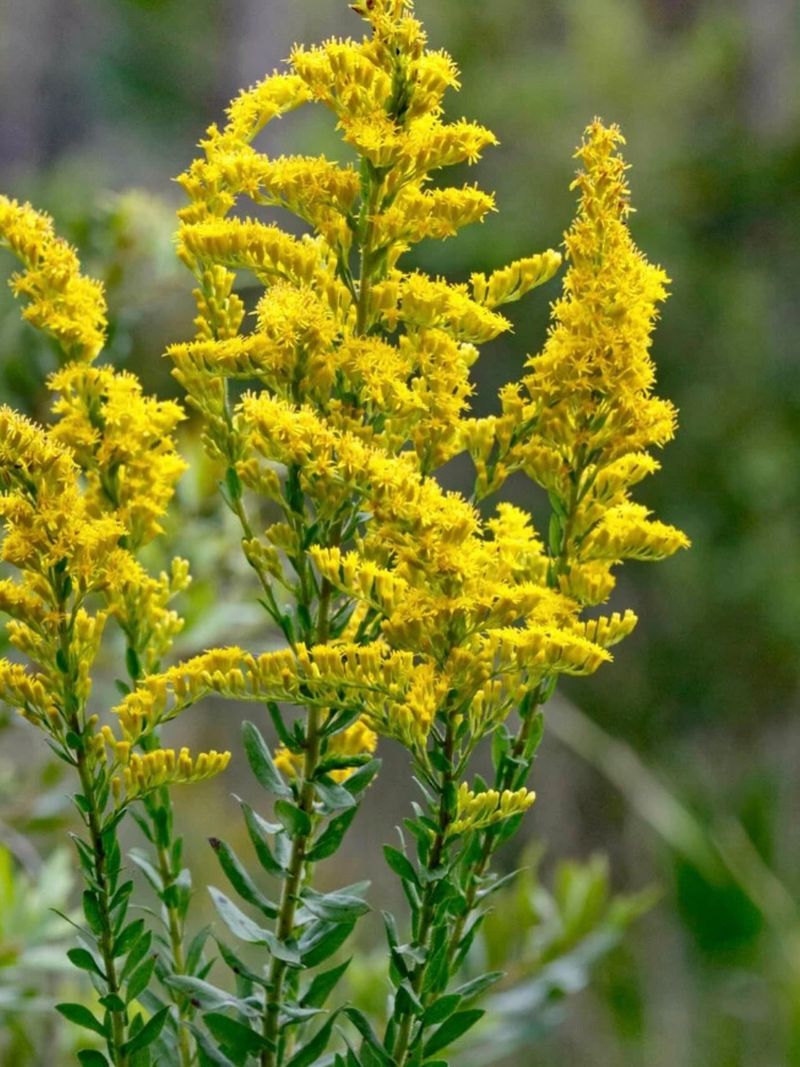
Goldenrod gets blamed for fall allergies, but ragweed is usually the real culprit. Goldenrod pollen is heavy and sticky, so it tends to travel on insects rather than drifting through the air.
Once that myth is cleared up, the plant starts to look a lot more appealing.
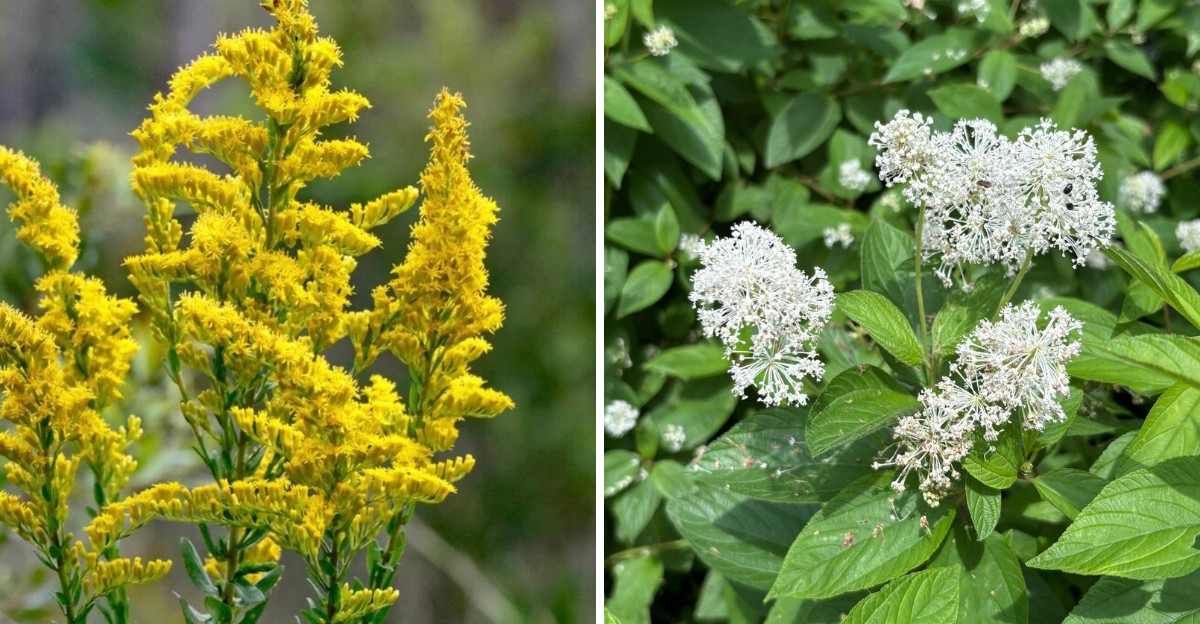
Bright yellow plumes usually appear from late summer through fall. Bees, butterflies, beetles, and wasps visit in large numbers, and the flowers can help bees build up food stores before winter.
Its leaves and stems also support a wide range of caterpillars and other insects.
Some species spread fast by underground roots, which can surprise new gardeners. Clump-forming types like wreath goldenrod, zigzag goldenrod, or Fireworks rough goldenrod are easier to manage in home beds.
Check the plant tag before buying, since behavior varies quite a bit between species.
Across Georgia, goldenrods grow along roadsides, fields, and woodland edges, which shows how adaptable they can be.
Most types prefer sun, though zigzag goldenrod handles shade well. Pair any of them with asters for a classic purple and gold fall combination that pollinators seem to love.
Leave stems standing through winter if you can, because some native bees may nest in hollow plant stems.
Seed heads can also provide winter texture after the bright flowers fade. With the right species, goldenrod adds fall color without taking over the entire bed.