Overgrown Georgia Muscadine Vines Should Wait For Winter Before Any Serious Pruning
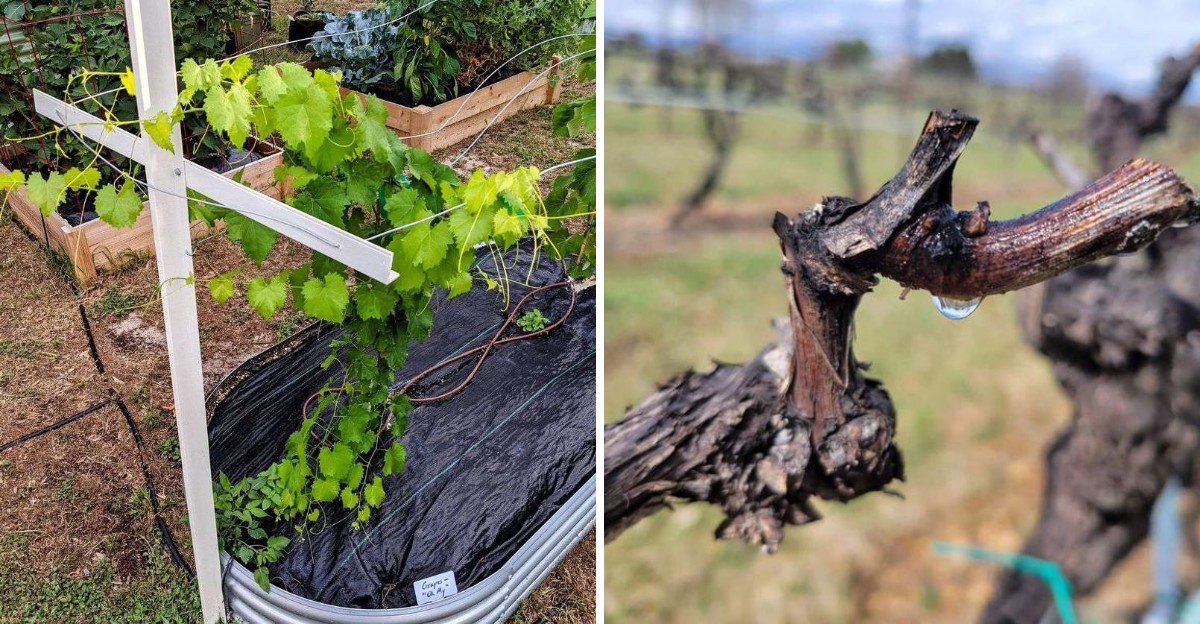
Muscadine vines that have sprawled across the arbor all summer can look like they need a serious cut right now.
Long runners tangle together, and the canopy may be thick enough to shade out the fruit. Grabbing loppers in October feels like a smart way to get ahead of it.
Muscadines respond better to heavy pruning once they are fully dormant in late winter. Cutting them back hard now can encourage tender growth that cold weather damages later.
Late-winter pruning can make the cut ends drip sap, which looks worrying but usually causes no harm.
A little cleanup is fine in fall, such as removing damaged branches or anything blocking a path.
Waiting a few more months gives older Georgia vines their best shot at a full crop next summer.
1. A Tangled Vine After Harvest Is Tempting To Tackle Right Away
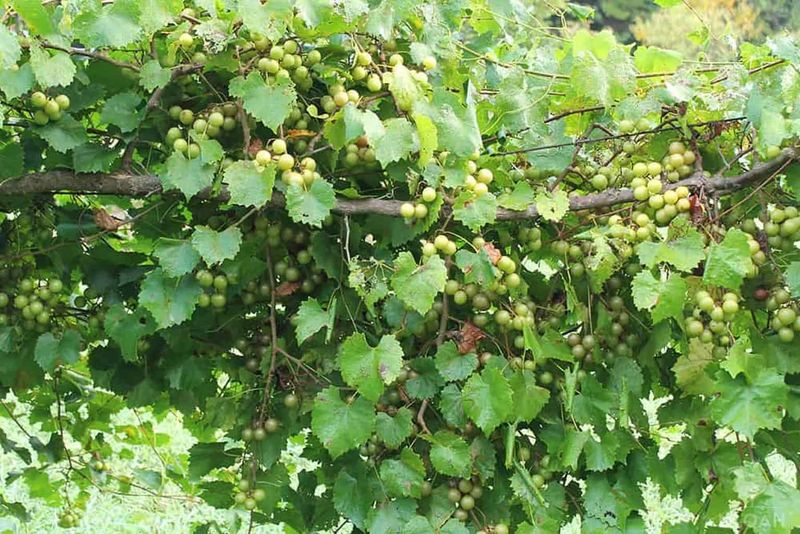
Picking season ends, and suddenly the vine looks like it swallowed the whole trellis. Long shoots trail onto the grass, and some have wrapped around the fence or a nearby shrub.
Cutting all of that back in early fall feels productive, but the leaves are still doing important work.
Green foliage keeps making food through photosynthesis after the grapes are gone. Much of that energy moves into the roots and woody trunk, helping the vine get through winter and push new growth in spring.
Removing large amounts of leafy growth too early may cut that storage short.
Fall pruning can also trigger fresh shoots on some vines during a warm spell. That tender growth may not harden before the first frost, and it could be damaged when temperatures drop.
Light cleanup is a different story, and it is usually fine during this time of year.
Go ahead and pull runners out of shrubs, trim shoots dragging on the ground, or clear a path for mowing. In Georgia, those small fixes make the yard easier to manage without taking much leaf area from the vine.
Save the heavy cuts for later, once the leaves have dropped and the vine has settled down.
Patience here costs nothing, and the vine will likely reward it with better spring vigor.
2. Bare Canes After Leaf Drop Mean Dormancy Has Arrived
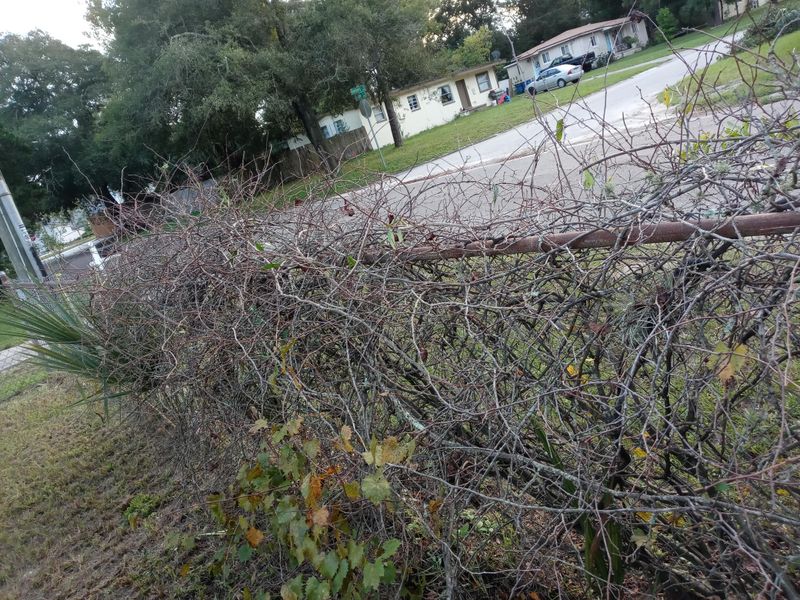
Yellow leaves drifting to the ground send a clear message. Your muscadine is shutting down for its winter rest.
Once most of the foliage has fallen, the vine has moved into dormancy, and growth has largely paused.
Timing varies from year to year and place to place. A vine in the North Georgia mountains often drops its leaves earlier than one near Valdosta or Savannah, where fall frosts tend to arrive later.
Bare wood is a gift for anyone planning to prune.
Without leaves blocking the view, you can finally see the trunk, the main arms along the wire, and every cane that grew last season. Tangles that looked impossible in August now become much easier to sort out.
Take a slow walk around the vine and study it before cutting anything at all.
Your Georgia Garden Changes Every Week. Your Plan Should Too.
Gardening in Georgia changes quickly throughout the season. Every Friday you’ll receive a simple weekly plan showing exactly what to plant, prune, fertilize, harvest, and protect so you never miss the right timing.
Notice which canes are thick and healthy and which look thin, broken, or weak. Look for spots where shoots have crossed or crowded each other, since those areas may need extra attention.
Snap a quick photo on your phone if the vine is large or confusing.
Having a picture lets you plan cuts indoors and compare the results later. Dormancy has arrived, but you still have time, so there is no need to rush into the job the first cold weekend.
3. Pruning In Late Winter Fits The Vine’s Natural Cycle
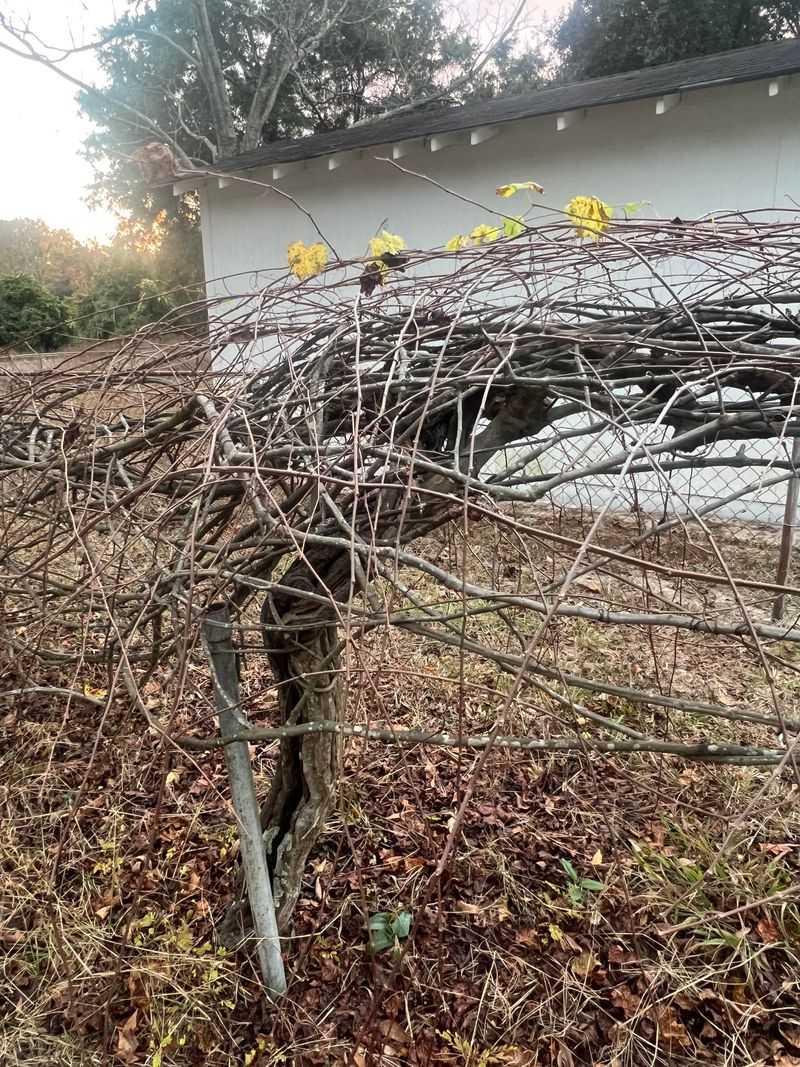
Late winter is often the sweet spot. Many Southeastern Extension guides suggest pruning muscadines from about January through early March, while the vine is still dormant.
Waiting until later in the dormant season has a practical benefit for the plant.
Cuts made close to spring may be less exposed to hard freezes that sometimes follow pruning. Across Georgia, cold snaps can still roll through in January and February, so the exact best week depends on your area and the year.
Gardeners in the colder northern counties may lean toward late February or early March.
Folks farther south can often start a little sooner, since winters there tend to be milder. Either way, the goal is to finish before buds swell and green growth begins.
Sharp tools make a real difference.
Bypass hand pruners handle most canes, and loppers help with thicker wood. Clean blades create neat cuts that tend to seal better than ragged, crushed ones.
Pick a dry day when the wood is not frozen, if you can manage it.
Working on a mild afternoon is easier on your hands and lets you take your time. A slow, steady approach usually leads to better choices than hacking away in a hurry.
Bring a tarp or wheelbarrow to collect the clippings so cleanup is quick.
4. Next Year’s Grapes Grow On New Shoots From Last Year’s Wood
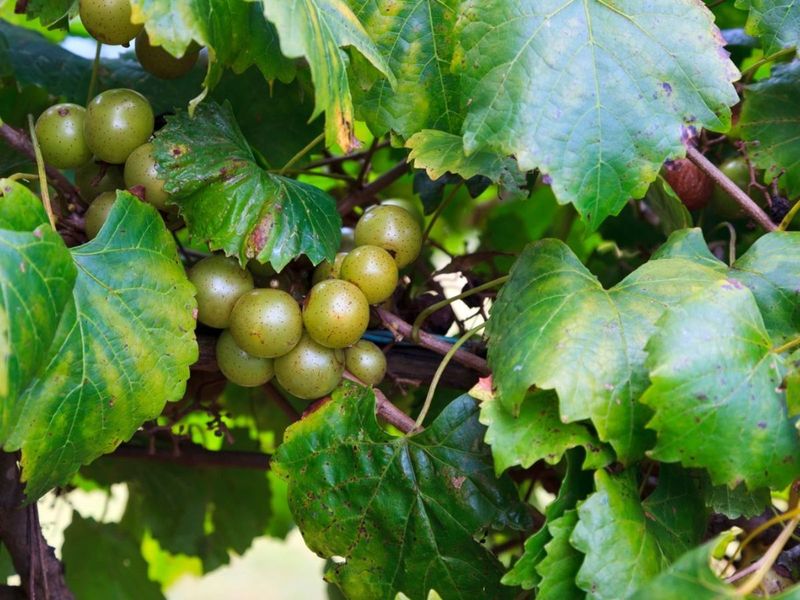
Here is the secret that changes how you prune. Muscadine fruit forms on green shoots that grow in spring from buds on wood produced the season before.
Older wood does not usually bear grapes directly, though it supports the whole vine.
Once you understand that, pruning starts to make sense. You are not simply removing growth, but choosing which one-year-old canes will carry next summer’s crop.
Telling the difference between wood ages takes a little practice.
Last season’s canes are often smoother and lighter brown, with plump buds spaced along them. Older wood looks rougher and darker, sometimes with shaggy or peeling bark.
Leaving every cane in place sounds generous, but it often backfires.
A vine loaded with too many buds may set more clusters than it can ripen well. Fruit might stay small, ripen unevenly, or crowd together in shady pockets where air moves poorly.
Thinning things out gives the remaining shoots more sunlight and room.
Better light can help with ripening and sweetness, though results also depend on the variety, weather, and soil. Here in Georgia, warm humid summers make good airflow especially useful, since dense canopies can stay damp longer.
Keep this growth habit in mind with every cut you make this winter.
5. Short Spurs With A Few Buds Keep The Cordons Productive
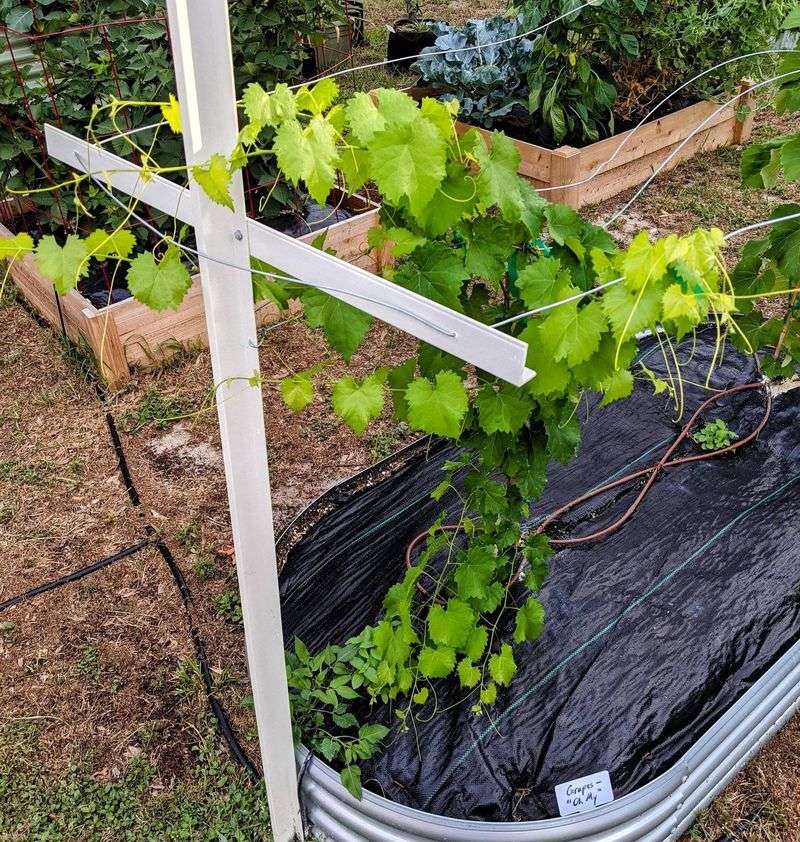
Think of the cordon as the vine’s backbone. It is the permanent arm that runs along the wire, and the fruiting shoots grow from spurs spaced along it.
Most Extension recommendations call for cutting last year’s canes back to short spurs with roughly two to four buds each.
Spacing matters as much as length. Aim to keep spurs several inches apart along the cordon, removing extras that crowd one another.
Shoots growing straight down or wrapping around the wire can usually go.
Tendrils and canes that twist around the cordon may girdle it over time. Snip them off cleanly so the main arm stays healthy and easy to manage.
A properly pruned muscadine can look shockingly bare afterward.
That is normal, and it often surprises first-timers in Georgia who expect a fuller look. Most of last year’s growth may end up on the ground, and the vine typically fills back in quickly once spring warms up.
Over the years, spurs can turn into knotty clusters called spur clusters.
When those get crowded or weak, thin some out completely to make room for fresh spurs nearby. Steady yearly pruning tends to be far easier than catching up after a few skipped seasons.
6. Severely Overgrown Vines May Need Gradual Renovation
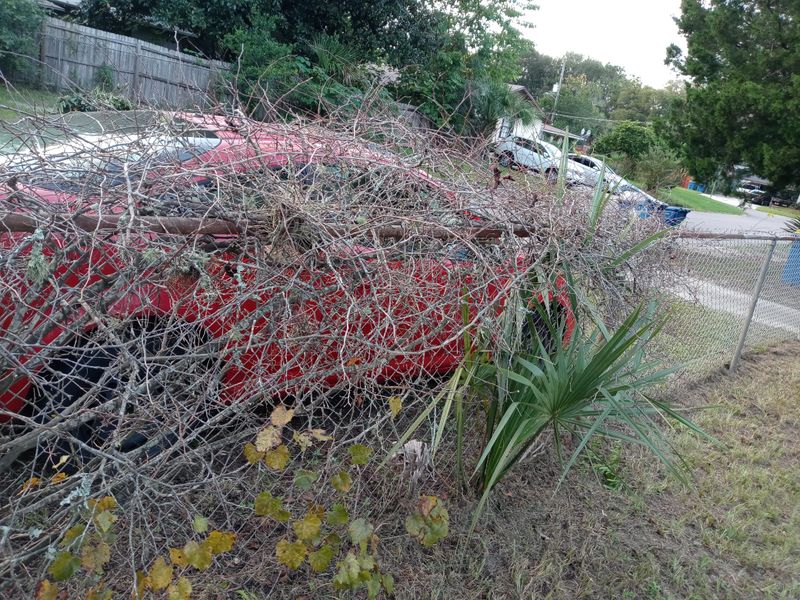
Some vines have not seen pruners in years. An old muscadine on a fence or arbor can become a solid mat of woody canes, with fruit only at the outer edges.
Cutting everything back at once is possible, but it may cost you a season or more of grapes.
Muscadines are tough, and a hard cut back to the trunk or main arms often leads to vigorous regrowth. Still, results vary with the vine’s age and health, so a slower plan feels less risky for many gardeners.
Spreading the work over two or three winters is a reasonable middle path.
Start by removing broken, diseased, or clearly weak wood. Next, pick a sturdy trunk and one or two strong arms to keep, then clear away competing canes around them.
Each following winter, refine the shape a bit more.
Shorten remaining canes to spurs and train new shoots along the wire during the growing season. Bit by bit, the vine starts looking like a managed plant again.
Very old or badly damaged vines may not respond well no matter what you do.
If that happens, your county Extension office can help you weigh renovation against replanting. Agents across Georgia field these questions often and know which varieties suit your area.
7. Spring Sap Dripping From Cuts Isn’t Cause For Alarm
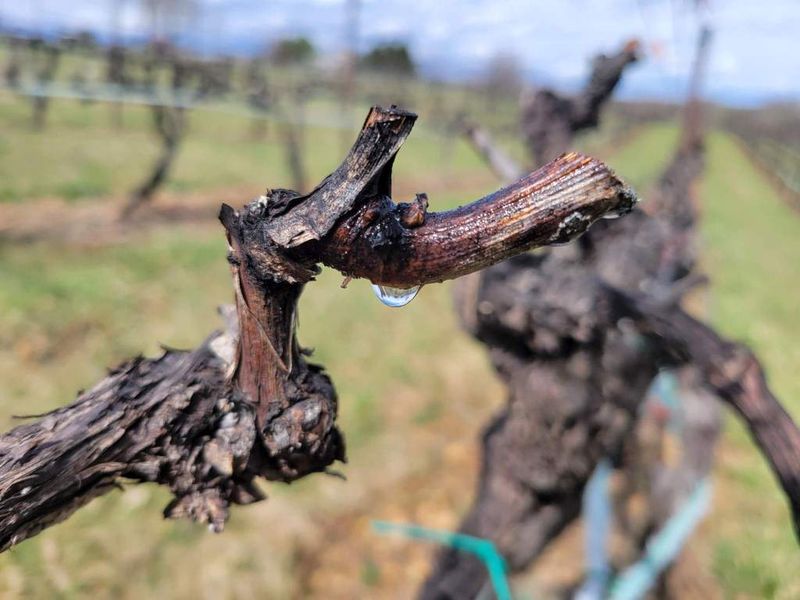
Clear drops falling from a fresh cut can look worrying. Gardeners sometimes call it bleeding, and it shows up most when pruning happens close to bud break.
Rising temperatures get the roots pushing water and sap upward through the vine.
When that flow reaches an open cut, it leaks out. Muscadines and other grapes are known for doing this in early spring, and it is a normal sign the vine is waking up.
Grape specialists generally agree the sap loss is not a serious problem for a healthy vine.
The dripping usually slows and stops on its own as buds open and leaves begin using that moisture. Sealing compounds or wound paint are typically not needed for these cuts.
Timing your work a little earlier can reduce how much you see, if the dripping bothers you.
Finishing up during deeper dormancy often means fewer drips later. Even so, a late-winter job in Georgia that runs into March is usually fine, and the vine should recover without help.
Watch instead for real warning signs as spring moves along.
Shoots that fail to grow, oozing that looks discolored, or cankers on the wood deserve a closer look. Those symptoms can have several causes, so a sample sent to your local Extension office may help sort it out.