What Georgia Gardeners Should Do About Black-Eyed Susan Leaf Spots Before Winter
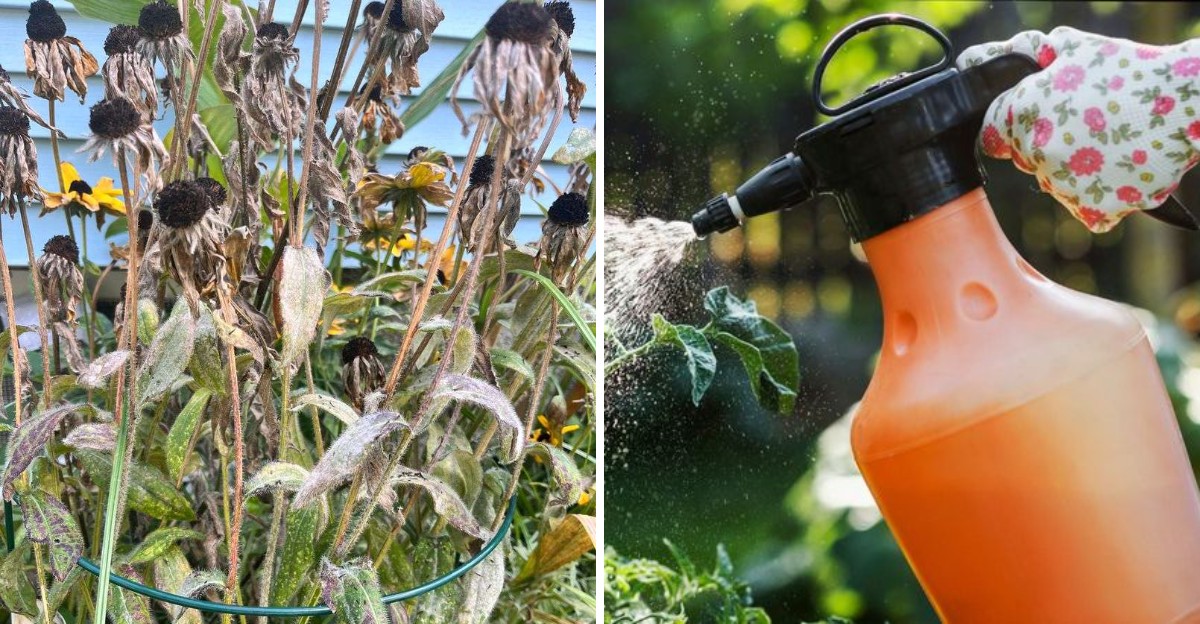
Black-eyed Susans can finish their flowering season with leaves covered in dark spots, even when the plants looked healthy earlier in summer. The flowers may be gone, but those blemishes can still tell you something about what happened during the growing season.
Leaf spot diseases often become more noticeable as foliage ages, particularly after periods of humid or wet weather.
For Georgia gardeners, the question now is whether those spotted leaves need attention before winter arrives.
Not every brown mark signals a serious problem, and removing healthy growth unnecessarily won’t help your plants. Still, infected plant debris can sometimes allow disease-causing organisms to persist into another season.
Pay attention to how much foliage is affected and whether similar problems appeared earlier in the year.
A few thoughtful fall cleanup decisions can help you approach next spring without carrying unnecessary problems into the new growing season.
1. Dark Spots On Leaves May Point To A Common Fungal Disease
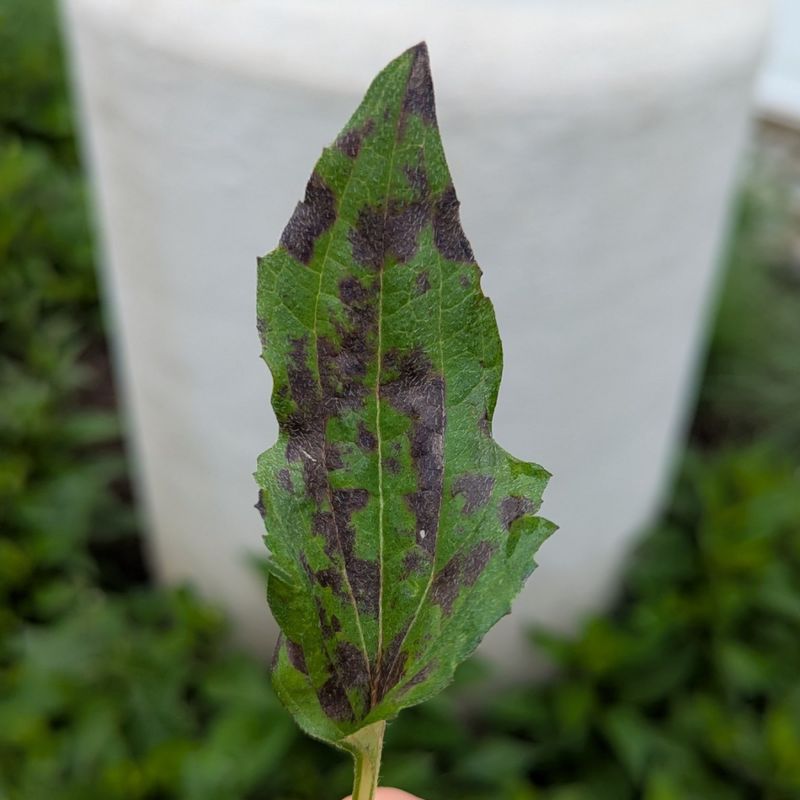
Those little brown blotches have a name, and it helps to know it. On black-eyed Susans, a frequent cause is Septoria leaf spot, often linked to the fungus Septoria rudbeckiae.
Spots usually start small and dark on the lower leaves first.
As they grow, they may look angular or roughly round, sometimes with a lighter center. Leaf veins can limit their shape, so some spots look boxy instead of perfectly circular.
Look closely with a hand lens if you have one, and you might spot tiny black specks inside older spots. Those specks are fruiting bodies that hold spores.
Georgia summers give this fungus plenty of what it likes, especially warm days and wet leaves.
Not every spot comes from Septoria, though. Other leaf spot fungi, bacterial problems, and even angular leaf spot from different organisms can look similar.
If you want a firm answer, your county Extension office can help with identification.
A clear photo or a bagged leaf sample often makes that process easier. Knowing the real cause keeps you from wasting time and money on the wrong fix.
Plants with spots often keep flowering, so a spotted patch is not automatically a lost patch.
2. Yellowing Leaves Can Signal The Infection Is Spreading
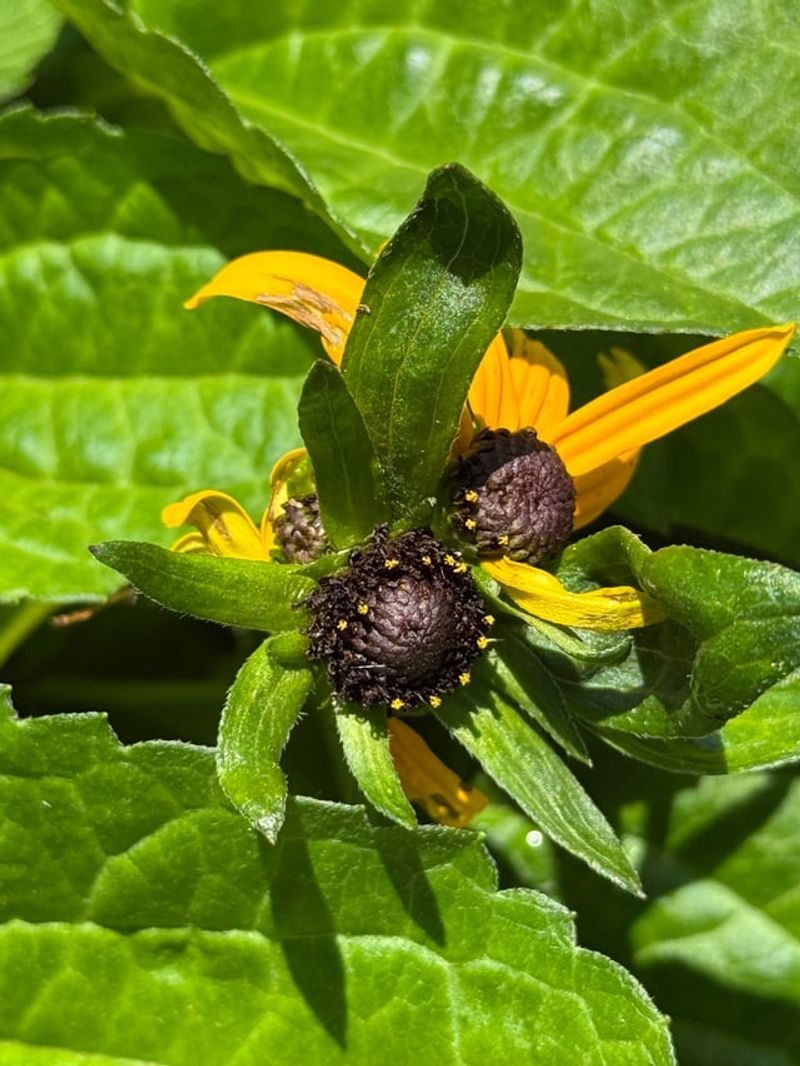
Yellow is a warning color in the garden. When spotted leaves start turning yellow, the infection may be moving past just a few blemishes.
Spots can merge together and cover large parts of a leaf, which cuts down its ability to make food.
Once that happens, the leaf often yellows, browns, and drops early. You may notice the damage climbing from the bottom of the plant toward the top as the season goes on.
Splashing water helps move spores upward from leaf to leaf.
Heavy late summer rain in Georgia can speed that climb, especially in beds with poor airflow. Even so, yellowing has other possible causes that are worth ruling out.
Drought stress, soggy roots, nutrient shortages, and normal fall aging can all make leaves fade. Black-eyed Susans also tend to look rougher as their bloom season winds down.
Your Georgia Garden Changes Every Week. Your Plan Should Too.
Gardening in Georgia changes quickly throughout the season. Every Friday you’ll receive a simple weekly plan showing exactly what to plant, prune, fertilize, harvest, and protect so you never miss the right timing.
So, check the pattern before blaming the fungus.
Spotted leaves that yellow from the bottom up point toward leaf spot. Uniform yellowing across the whole plant may suggest a watering or soil issue instead.
Jot down what you see now, since those notes can guide next year’s care plan.
3. Fallen Infected Leaves Can Carry Fungal Spores Into Next Spring
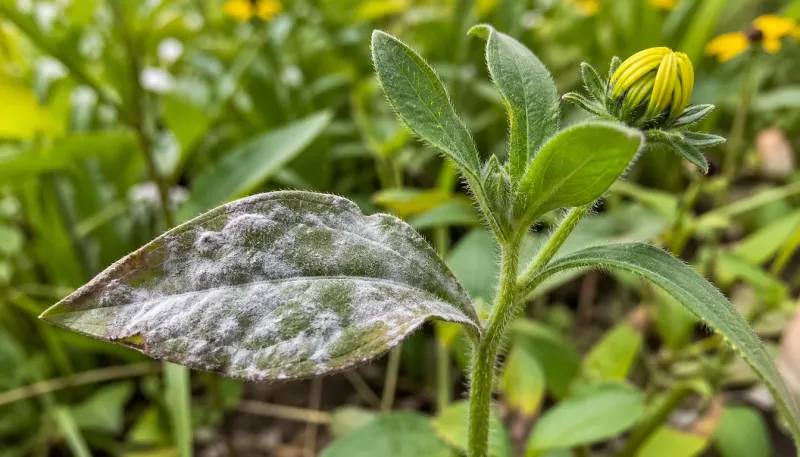
Out of sight is not out of mind for a fungus. Septoria can survive the cool months in infected plant debris left on the ground.
When spring rains arrive, spores from that old material can splash onto fresh new leaves.
That is one reason leaf spot tends to return to the same bed year after year. The disease does not need to travel far when its starting point sits right at the plant’s base.
Mild winters in much of Georgia do not seem to slow this cycle much.
Infected crowns and lingering basal leaves may also carry the fungus. Since black-eyed Susans often keep a low rosette of leaves through winter, those leaves deserve a quick look too.
Picture each fallen leaf as a small seed bank of trouble waiting for wet weather.
Raking up spotted leaves will not wipe out the fungus in your yard. Spores can still drift in from nearby plants or neighboring gardens.
What cleanup can do is lower the amount of disease starting your spring season.
A smaller starting load may mean fewer spots early on, though rainy spring weather can still bring a flare-up.
4. Remove Diseased Foliage As Plants Finish Their Growing Season
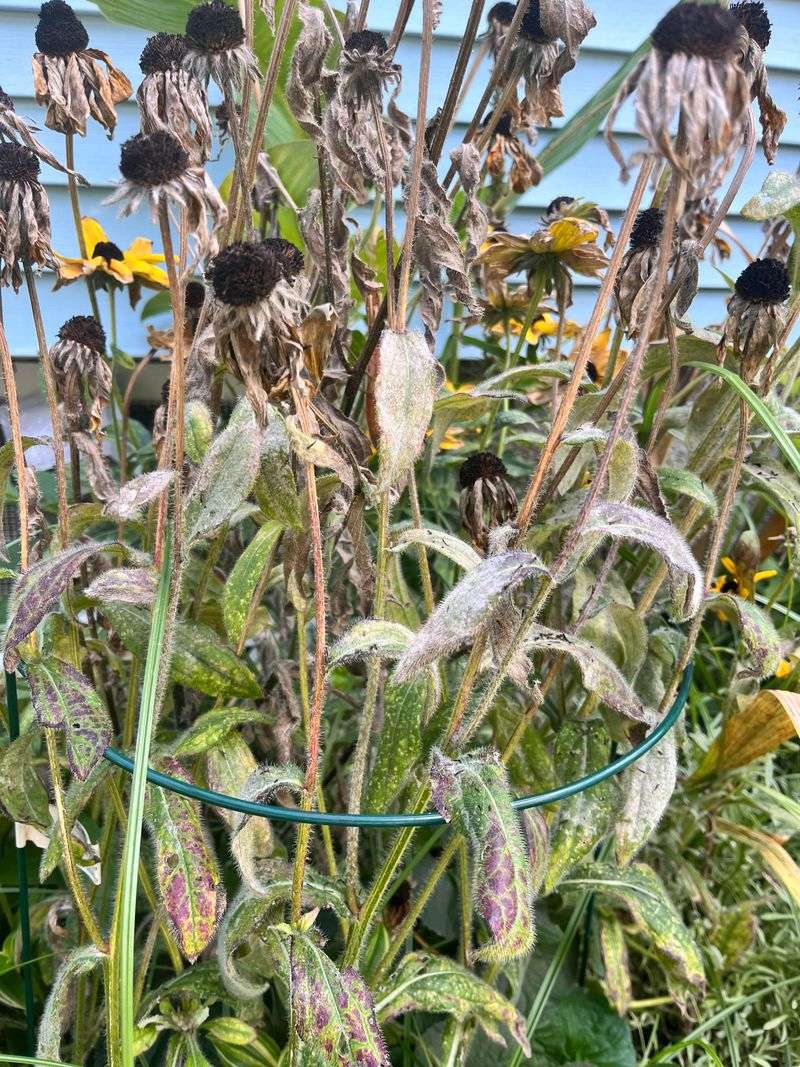
Grab your pruners once the show winds down. After flowering slows in fall, cutting back heavily spotted stems and leaves is a sensible step.
Wear gloves and work on a dry day so you are not spreading wet spores around.
Cut stems close to the ground, but leave healthy green basal leaves if the plant has them. Those rosettes help many black-eyed Susans get through winter.
Wiping pruner blades between plants with a household disinfectant can lower the chance of moving spores. A simple bleach solution also works, followed by rinsing to protect the metal.
Timing in Georgia varies a lot from the mountains to the coast.
North Georgia gardens may wrap up by late fall, while southern areas can see foliage hang on longer. Let your plants, not the calendar, tell you when the season is finishing.
Some gardeners like to leave seed heads standing for birds such as goldfinches.
You can keep a few clean stems with seed heads and still remove the worst leaves. That balance gives wildlife some food while reducing the amount of infected material.
Pick up any spotted leaves that dropped earlier, too.
5. Keep Infected Plant Debris Out Of Home Compost Piles
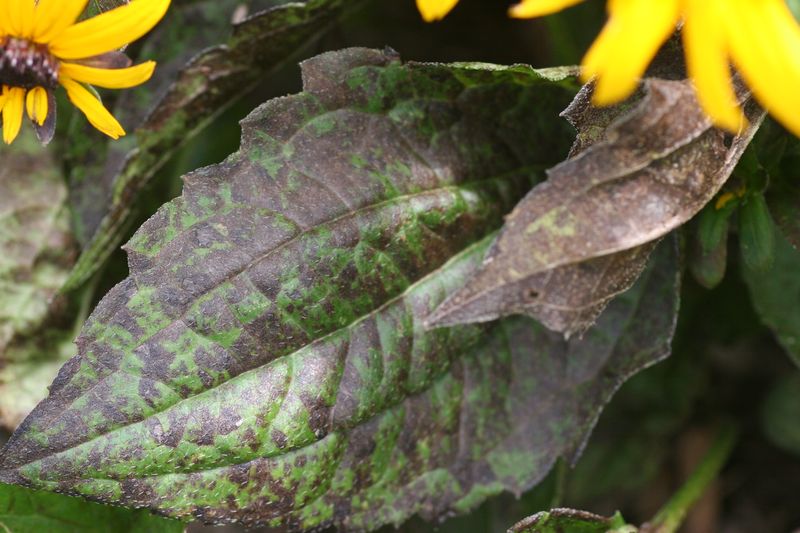
Your compost pile is a great tool, just not for this job. Most home piles do not get hot enough, evenly enough, to reliably destroy fungal spores.
Big municipal compost systems may reach higher heat, but a backyard bin often stays cooler around the edges.
Spores in those cooler spots can survive. Later, when you spread that compost on your beds, you might be returning the disease right where you started.
Bag spotted leaves and stems instead.
Many Georgia cities and counties offer yard waste pickup, though rules differ from place to place. Check with your local service before setting bags at the curb.
Burning yard debris is another option some people consider.
Local burn rules and seasonal bans can apply, so look up your area’s guidance first. Bagging is often the easier choice for a small flower bed.
Healthy trimmings from other plants can still go in the compost without worry.
Keep a separate bag nearby while you work so infected material never mixes with clean clippings. That one small habit protects the compost you rely on for next spring.
6. Crowded Plants And Overhead Watering Favor Future Outbreaks
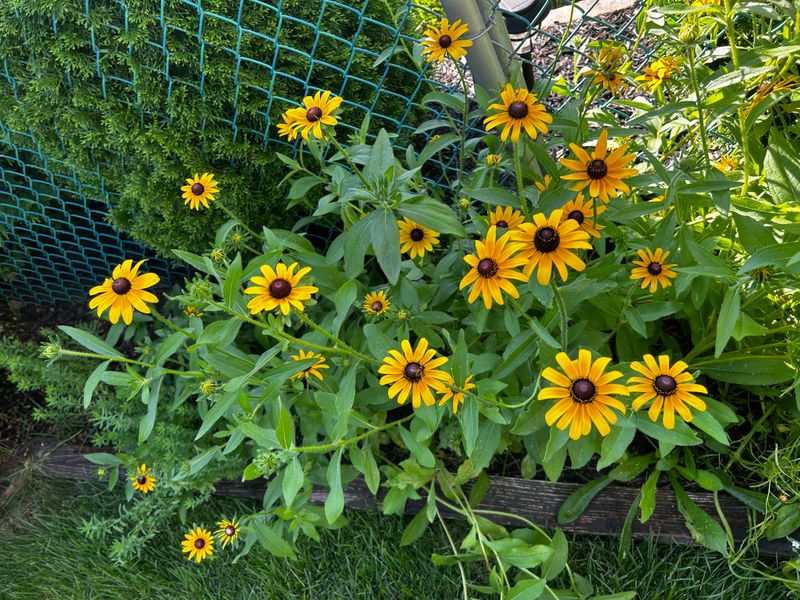
Tight spacing feels lush in June and causes headaches by August. Black-eyed Susans spread by seed and clumps, so beds can fill in fast.
When plants crowd each other, leaves stay damp longer after rain or watering.
Wet leaves give leaf spot fungi the moisture they need to infect. Better airflow helps foliage dry sooner, which can lower disease pressure over time.
Fall is a reasonable season to divide overgrown clumps in much of Georgia.
Replant the divisions with more space between them, following the spacing on the plant tag when you can. Give extra divisions to friends instead of squeezing them back in.
Watering habits matter, too.
Sprinklers that soak the leaves keep fungi happy, especially late in the day. Soaker hoses or drip lines put water at the soil, where roots actually need it.
If you must water by hand, aim at the base and try to water in the morning.
Choosing a sunny spot also helps leaves dry out faster. None of these changes will stop every outbreak, especially during a soggy summer, but they can tilt the odds in your favor.
7. Fungicide Sprays Cannot Repair Leaves Already Covered In Spots
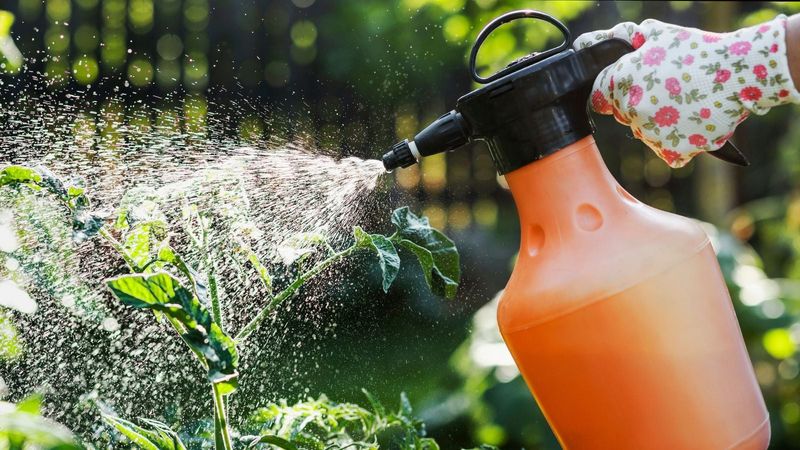
Spraying in October is like locking the door after the storm. Fungicides work mainly as protection, helping keep healthy tissue from getting infected.
Leaves already covered in spots will not turn green again after a spray.
That damage stays put until the leaf drops or gets cut away. So, a late-season fungicide application on a fading plant is usually wasted effort.
Home gardeners can often manage leaf spot without chemicals at all. Cleanup, spacing, and careful watering handle much of the work.
If your patch had serious trouble for several years, a protective spray in spring might be worth discussing.
Products and timing differ, so ask your county Extension office for advice that fits Georgia conditions. Always read and follow the label exactly, including any safety steps.
Plant choice can help, too.
Some Rudbeckia types seem to show less leaf spot than others, though results vary with weather and site. Watching how different varieties perform in your yard can guide future purchases.
Accepting a few spots late in summer is also fair.
Your black-eyed Susans may still bring bright blooms and feed pollinators, even with imperfect leaves.