Plant These Trees In Virginia Before Halloween
Pumpkins get all the October glory, but your yard might be craving something bigger. Fall is secretly the best time to plant trees, and plenty of gardeners miss the window.
Cool air keeps leaves calm, while warm soil helps roots stretch out and settle in. Planting before Halloween gives those roots several weeks to grow before winter slows everything down.
Come spring, your tree wakes up ready to grow instead of struggling to catch up. A young tree planted now can reward you for decades.
These picks feel right at home in Virginia soil and weather. Some burst with spring flowers, some glow in autumn, and some keep birds fed all winter.
Two simple care tricks can make a big difference, too. The best planting season of the year is happening right now.
1. Eastern Redbud Paints Bare Branches Pink Before Leaves Even Appear
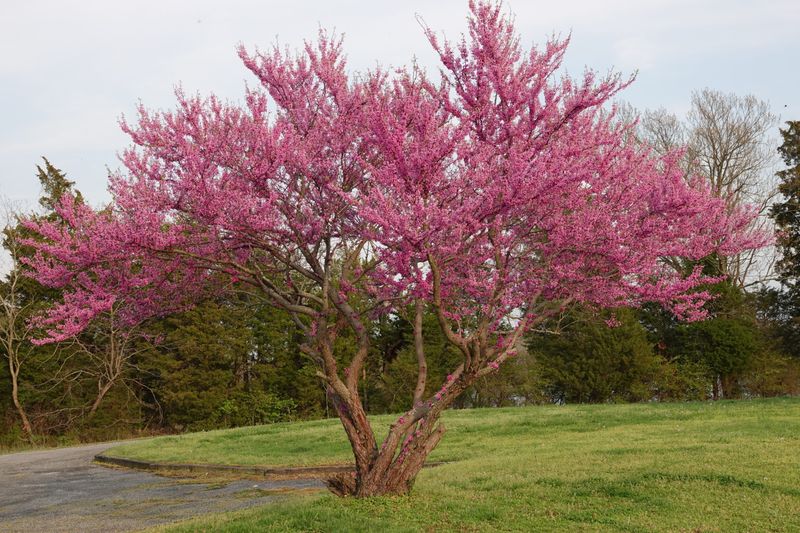
Imagine walking outside on a gray April morning and seeing a tree glowing bright pink. Eastern Redbud pulls off that trick every spring, blooming on bare twigs before a single leaf shows up.
Tiny rosy flowers cover the branches and even pop out along the trunk. Bees, butterflies, and hummingbirds rush to these early blooms when little else is flowering yet.
Once the show ends, heart-shaped leaves unfold with a reddish tint. They slowly turn dark green for summer, then fade to soft yellow in autumn.
Redbud is native to Virginia, so it handles local weather with ease. It grows about 15 to 30 feet tall and spreads just as wide.
That modest size makes it a smart pick for smaller yards and side gardens. You can tuck it near a patio without worrying about a giant tree swallowing your space.
Clay soil is common across much of the state, and redbud does not mind it. It also tolerates moist ground, which helps in yards that stay damp after storms.
Here is a handy tip for planting success. Choose a young tree in a container, because redbuds dislike having their roots disturbed once they grow larger.
Give it full sun or light afternoon shade for the best flowers. A spot near a window lets you enjoy the pink blooms from indoors on chilly spring days.
Fun fact for curious kids and adults alike. The flowers are edible and add a pretty pop of color to salads.
2. Flowering Dogwood Is Virginia’s Own State Tree For Good Reason
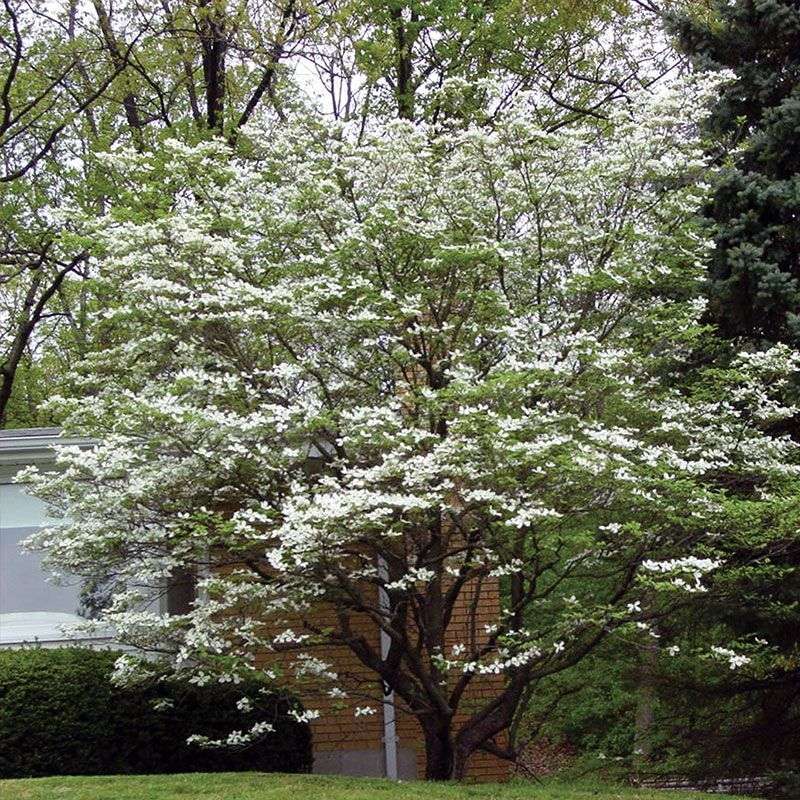
Some trees earn honors, and Flowering Dogwood collected two of them. It serves as both the official state tree and state flower of Virginia.
Each spring, white or pink petal-like bracts open in April or May. Those showy parts surround tiny greenish-yellow true flowers hiding in the center.
Many folks picture dogwoods as quiet woodland trees tucked beneath tall oaks. Experts now suggest planting them in full sun with good airflow to reduce disease problems.
Moist, acidic soil keeps a dogwood happiest. A soil test from your local Extension office can tell you if your yard fits the bill.
Your Virginia Garden Changes Every Week. Your Plan Should Too.
Gardening in Virginia changes quickly throughout the season. Every Friday you’ll receive a simple weekly plan showing exactly what to plant, prune, fertilize, harvest, and protect so you never miss the right timing.
Height usually tops out around 20 to 30 feet. That graceful size works beautifully near front walkways, porches, or corners of the house.
Autumn brings a second wave of beauty you might not expect. Leaves shift to rich red or deep maroon, glowing against blue October skies.
Bright red berry-like fruits, called drupes, ripen at the same time. Birds such as robins and bluebirds gobble them up as they fuel up for winter.
A smart planting trick involves depth. Set the root flare slightly above the soil line, since dogwoods struggle when buried too deep.
Container-grown dogwoods settle in best this time of year.
Keep lawn mowers and string trimmers away from the thin bark. Even small nicks can open the door to pests and disease.
Plant one this fall, and you honor a true Old Dominion symbol. Your neighbors might start asking for gardening advice.
3. Serviceberry Gives You Spring Blooms And Summer Berries The Birds Adore
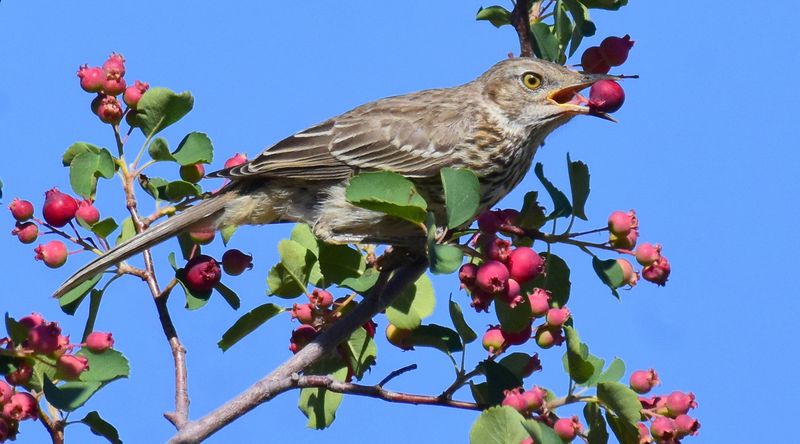
Ever wish a tree could double as a snack bar? Serviceberry delivers flowers, fruit, and fall color all in one tidy package.
Early spring kicks things off with small, fragrant white flowers. They often open before the leaves, giving branches a lacy, cloud-like look.
Bees and butterflies visit those blooms for nectar and pollen. For hungry insects waking up from winter, that early meal matters a lot.
By early summer, the flowers turn into small berries that resemble blueberries. They ripen from red to dark purple and taste surprisingly sweet.
Cedar waxwings and robins love them, and squirrels join the party too. You may need to race the birds if you want a handful yourself.
People enjoy the fruit in pies, jams, and muffins. Some gardeners say the flavor reminds them of almonds mixed with cherries.
Several kinds of serviceberry grow naturally in Virginia. Most become small trees reaching about 20 to 30 feet tall.
Autumn adds yet another reason to love this plant. Leaves shift to orange, deep red, yellow, or purple depending on the variety.
For a practical tip, plant it where you can watch from a window. Bird visits in June become a free and entertaining nature show.
Fun history bit to share at dinner. Some say the name comes from early church services held when its flowers bloomed.
4. Black Gum Lights Up With Some Of The Fiercest Red Fall Color Around
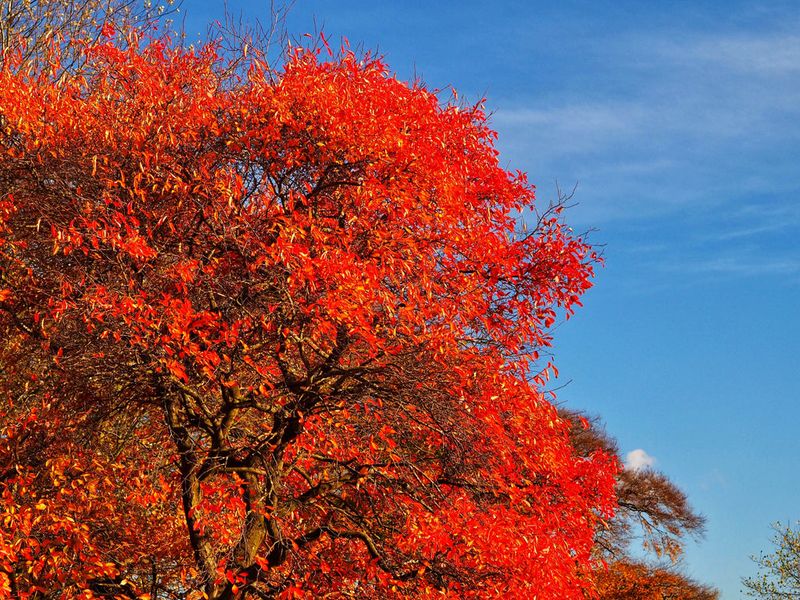
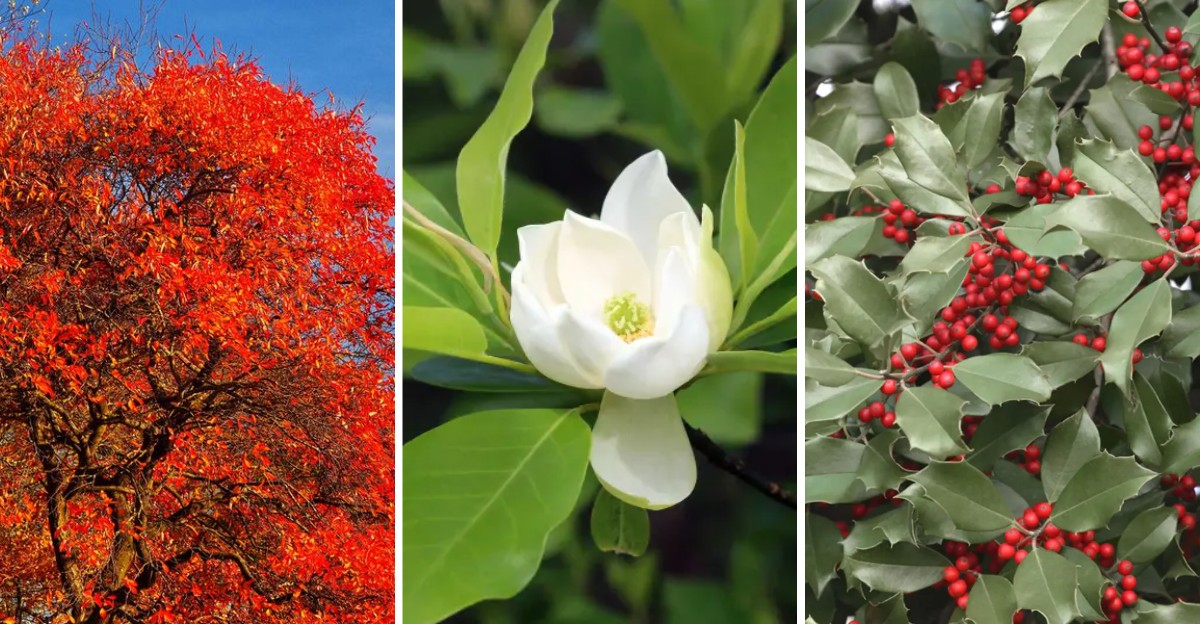
If maples are the opening act, Black Gum is the headliner. Its fall leaves blaze scarlet, orange, or purple, often before other trees even start changing.
Plenty of tree lovers rank it among the most brilliant autumn trees anywhere. Once you see one glowing in October, you will understand why.
Summer looks good too, thanks to glossy, dark green leaves. They shine in the sunlight and keep the tree looking tidy all season.
As the tree ages, its bark grows thick and blocky. Many people say it looks just like alligator hide.
Small flowers in spring may not catch your eye. Bees notice them, though, and the nectar supports local honey makers.
Dark purple fruits follow later in the year. Birds, foxes, and other wildlife happily feast on them.
Black Gum is native across the state and wonderfully flexible. It grows in wet bottomlands and dry hillsides with equal confidence.
Here is an insider tip worth knowing. Young Black Gums have a long taproot, so buy smaller, container-grown trees that transplant more easily.
Growth starts slow, so a little patience pays off. After a few seasons, it settles in and becomes a sturdy, long-lived shade tree.
Give it plenty of room and full sun for the best color. Your yard could become the most photographed spot on the block each fall.
5. Red Maple Grows Fast And Handles Soggy Spots Other Trees Hate
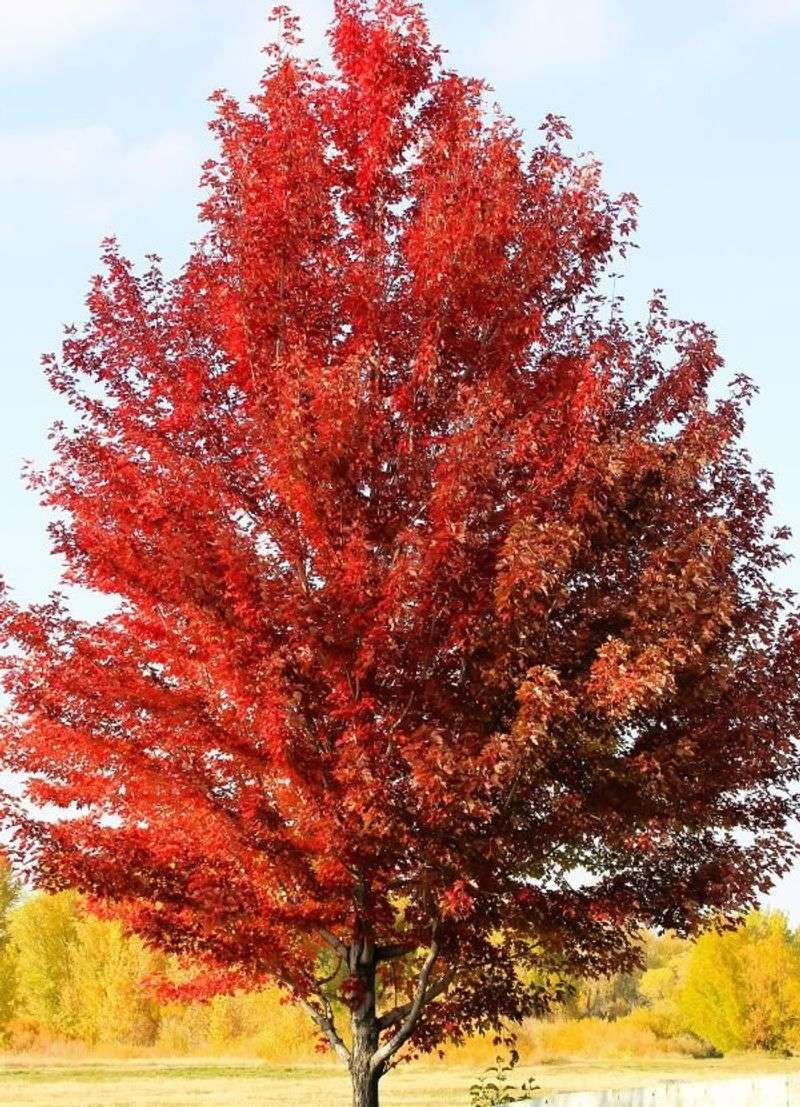
Got a corner of your yard that turns into a mini swamp after rain? Red Maple might be the hero that low spot has been waiting for.
Wet, acidic soil suits this tree just fine. It even earns the nickname swamp maple because it tolerates soggy ground so well.
Don’t worry if your yard is drier, though. Red Maple adapts to moist, well-drained upland soil as well.
Speed is another big selling point. Many Red Maples add 1 to 2 feet of height each year once settled, and some fast varieties grow even quicker.
That quick growth means shade arrives sooner than with slower trees. Families can enjoy a cool picnic spot within just a few summers.
Fall is when this tree really struts its stuff. It ranks among the earliest trees in the state to change color, turning scarlet or orange.
Spring offers a smaller surprise most people overlook. Tiny red flowers appear on bare branches, giving the tree a rosy glow in late winter.
Because it is native, it handles local soil and weather across the state. Wildlife from squirrels to songbirds use its seeds and branches.
A helpful tip involves placement. Plant it at least 15 to 20 feet from sidewalks and driveways, since roots grow close to the surface.
Shop for named varieties if you want reliable fall color. Some are chosen especially for their bright, dependable red leaves.
6. River Birch Shows Off Peeling, Cinnamon-Colored Bark All Winter
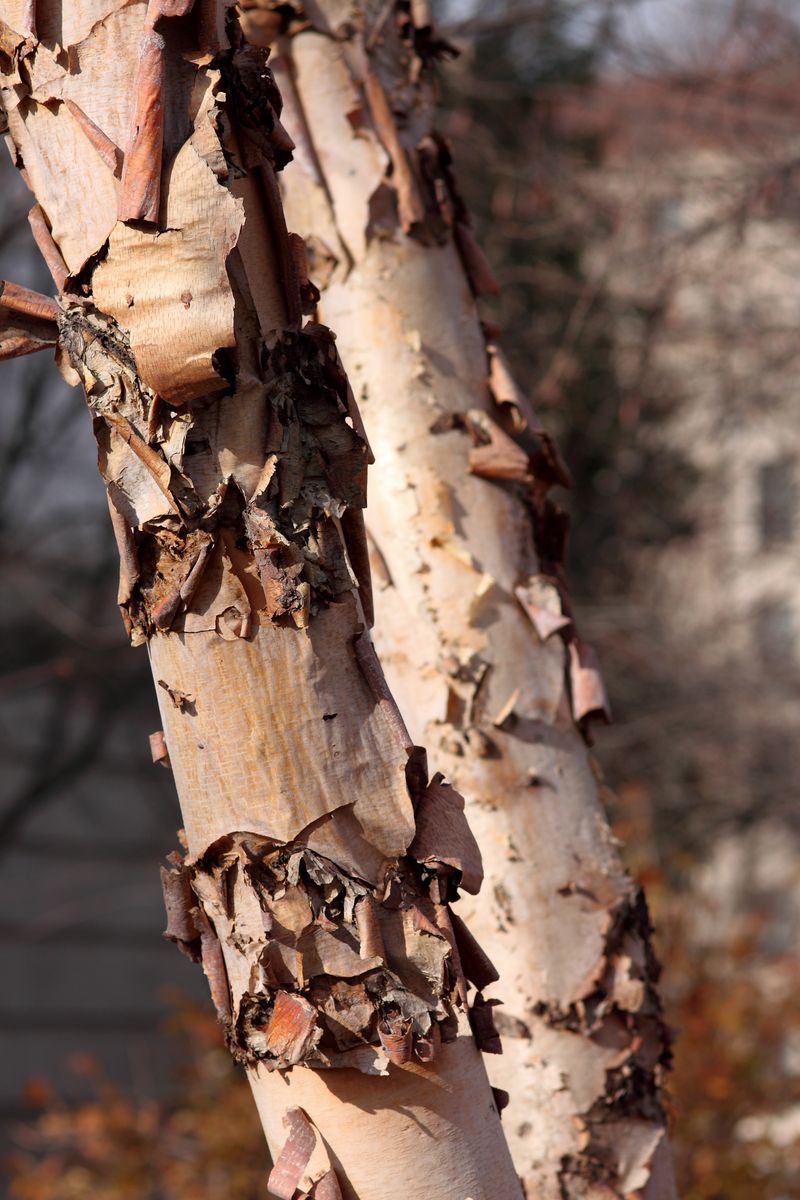
Winter yards can feel a little gloomy once the leaves fall. River Birch fixes that with bark so pretty you will want to touch it.
Thin, papery layers peel back from the trunk in curly sheets. Underneath, you will spot shades of salmon, rust, tan, cinnamon, cream, and gray.
Many nurseries sell River Birch with several trunks growing together. That multi-stem shape doubles the bark display and looks striking near a patio.
Size is something to plan for ahead of time. This tree can reach 40 to 80 feet tall over many years.
Wet ground is no problem for this native species. It grows naturally along streams in the Coastal Plain and Piedmont regions of Virginia.
Once roots are settled, it handles some dry spells too. Still, extra water during hot summers keeps leaves from yellowing early.
Speaking of leaves, they turn a cheerful yellow in fall. They drop soon after, leaving that colorful bark front and center.
River Birch also resists the bronze birch borer far better than white birches. That makes it a smarter choice for warm Southern summers.
Quick tip for planting day. Place it where low winter sunlight hits the trunk, so the bark glows in the late afternoon.
Kids love peeling a tiny loose curl, but gentle hands matter. Pulling bark that is still attached can hurt the tree.
7. Sweetbay Magnolia Fills The Air With Lemony Blooms All Summer
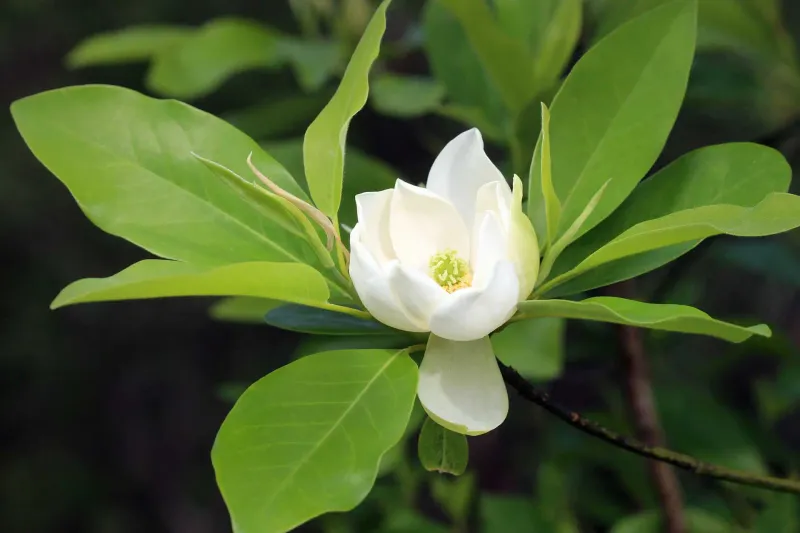
Close your eyes and picture fresh lemonade on a warm porch. Sweetbay Magnolia smells a lot like that, only it comes from flowers.
Creamy white, cup-shaped blooms open from May through June. Many trees keep sending out a few flowers here and there all summer.
Each bloom is smaller than a Southern Magnolia flower. The scent, though, travels surprisingly far on a humid evening.
Leaves add their own bit of magic. Shiny green on top and silvery underneath, they shimmer whenever a breeze rolls through.
Wet feet scare off most magnolias, but Sweetbay feels right at home. It tolerates boggy, soggy soil that would trouble many other trees.
Native to Virginia, it often grows wild in coastal plain swamps. Gardeners near Norfolk and Virginia Beach find it especially easy to grow.
In colder parts of the state, it may drop some leaves in winter. Farther south and east, it often stays partly green all year.
Size stays manageable for most yards, usually 10 to 35 feet. Some grow as multi-trunk shrubs, while others form a neat single trunk.
For the best fragrance, plant it near a deck or bedroom window. Summer nights become a little sweeter that way.
Fun fact to impress your friends. Sweetbay Magnolia is the host plant for the striking sweetbay silkmoth caterpillar.
8. American Holly Keeps Your Yard Green And Berry-Filled Through Winter
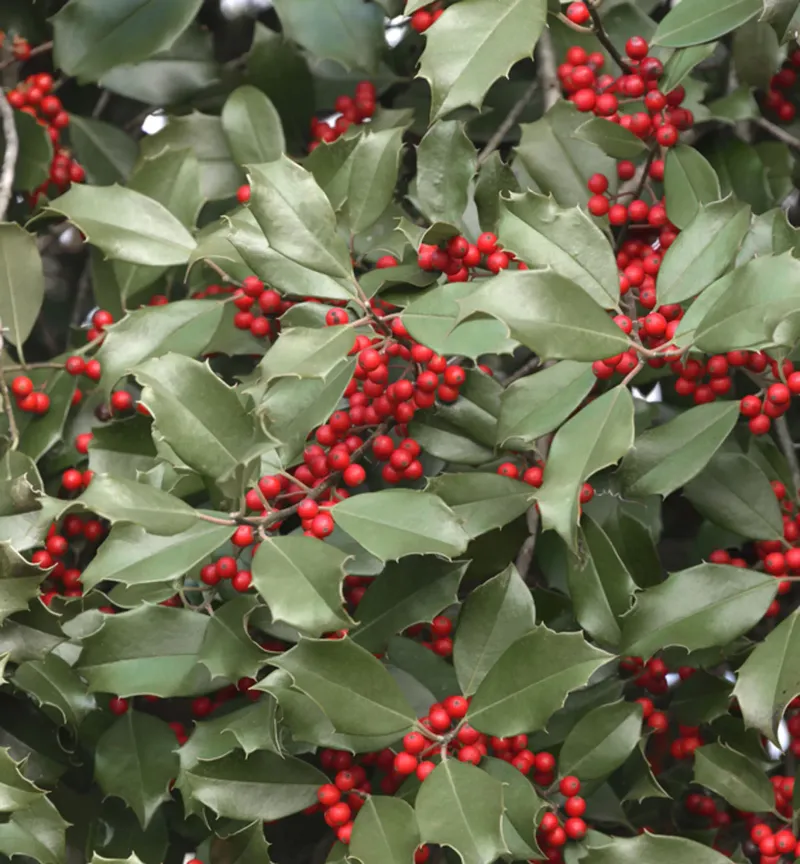
When snow dusts the ground and other trees stand bare, American Holly stays dressed for a party. Its glossy leaves and red berries brighten the darkest months.
Leaves are stiff, spiny, and dark green year-round. They also make holly a great living fence that keeps visitors on the path.
Bright red berries ripen in fall and cling to branches well into winter. Birds and deer depend on them when food runs scarce.
Here is a key detail many buyers miss. Only female trees grow berries, and they need a male holly nearby for pollination.
One male tree can usually serve several females within a few hundred feet. Ask your nursery to label trees clearly before you buy.
Thick foliage creates a cozy winter shelter for songbirds. Cardinals and mockingbirds often hide inside during cold, windy nights.
This native tree grows across the state and can reach 40 to 60 feet. Growth is slow, so it stays shrub-sized for quite a while.
Plant holly in sun or partial shade with slightly acidic soil. Good drainage keeps its roots healthy through wet winters.
Gloves are a smart idea when pruning those prickly leaves. Trim lightly in December, and you get free holiday decorations.
A bit of history adds charm. Early settlers used holly branches to decorate homes during the winter holidays, much like families do today.
Deep Watering Until The Ground Freezes Helps New Roots Settle In
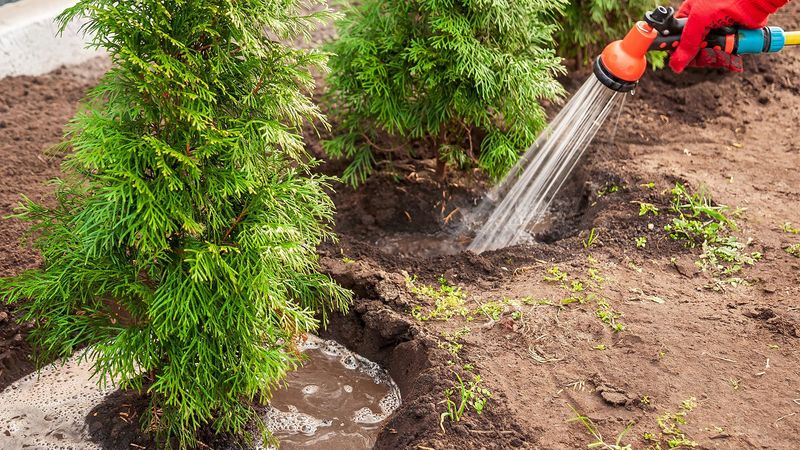
Planting the tree is only half the job. What happens with your hose over the next few weeks matters just as much.
Fresh roots need steady moisture to spread into new soil. Deep watering helps them store energy and get ready for winter.
A quick sprinkle only wets the surface. Roots then stay shallow, which makes the tree weaker during droughts.
Aim for water that soaks 6 to 12 inches into the ground. A slow trickle from a hose for 20 to 30 minutes usually works well.
Soaker hoses and tree watering bags make the task easier. They release water gently, so less runs off into the street.
Before watering, check the soil with your finger a few inches down. If it feels dry, it is time for another drink.
Soggy soil can cause problems too, so avoid overdoing it. Roots need air as well as water to stay healthy.
Keep up these deep soaks until the ground freezes solid. In much of the state, that may stretch into December.
Warm, dry spells in winter call for extra attention. Water on a mild day when temperatures climb above freezing.
Healthy watering now pays off big in spring. Your tree will leaf out stronger and handle summer heat with far less stress.
Mulch Wide Like A Donut, Never Piled Up Like A Volcano
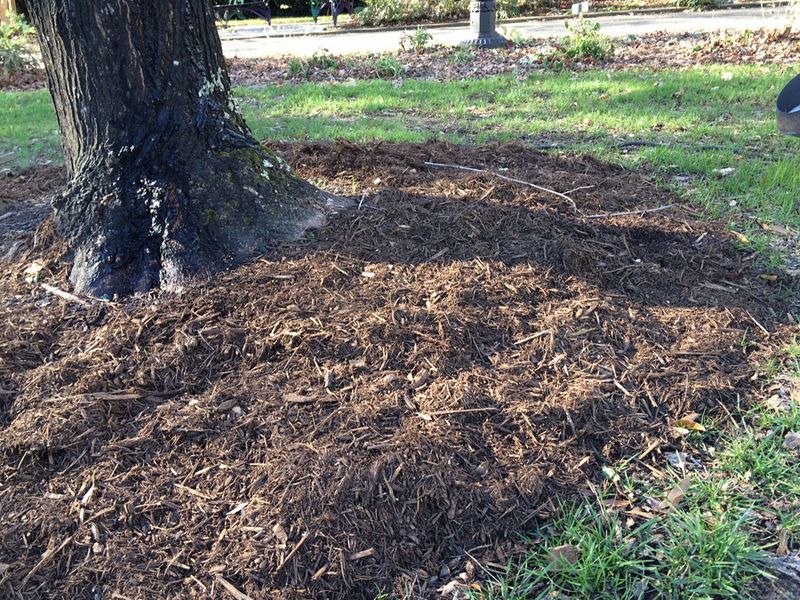
Drive through almost any neighborhood, and you will spot mulch volcanoes. Those tall cones of mulch hugging tree trunks look neat but cause real harm.
Piled mulch traps moisture against the bark. Over time, that leads to rot, decay, and weak spots in the trunk.
Pests and small rodents also enjoy hiding in those deep piles. Some even chew bark during winter when food runs low.
A better approach is the mulch donut. Leave a few inches of bare space around the trunk, then spread mulch outward.
That gap lets air and water reach the roots easily. It also keeps the trunk dry and healthy.
Keep the layer about 2 to 4 inches deep. Thicker layers can smother roots and block oxygen.
Spread the ring at least three feet from the trunk. Wider is even better, since roots stretch far beyond the branches.
Shredded wood chips make an excellent choice. Many tree services offer them for free or very cheap.
Good mulch holds moisture, blocks weeds, and steadies soil temperature. It also keeps lawn mowers from bumping into young trunks.
Refresh the mulch once a year as it breaks down. Rake old layers back from the trunk first, then add a fresh top layer.