Chaos Gardening Is The Lazy Trend Virginia Gardeners Can Start Right Now
Some of the prettiest flower beds I have ever seen started with a handful of mixed seeds tossed into the air. No rows, no labels, no fancy plan.
Just a gardener willing to wait and see what showed up.
The idea has exploded on social media, and I understand why. Many native wildflower seeds actually want a cold, damp winter before they sprout.
That means the lazy gardener who sows in late fall often beats the tidy planner who waits for spring.
I love how this flips the usual garden guilt upside down. You get to rake less, weed less, and still end up with bees and butterflies crowding the yard next summer.
Here in Virginia, our long growing season and mild winters make the timing especially friendly.
So what happens when you stop fighting your garden and let it surprise you instead? The results might change how you see your whole yard.
A Handful Of Mixed Wildflower Seeds Can Become A Whole Meadow
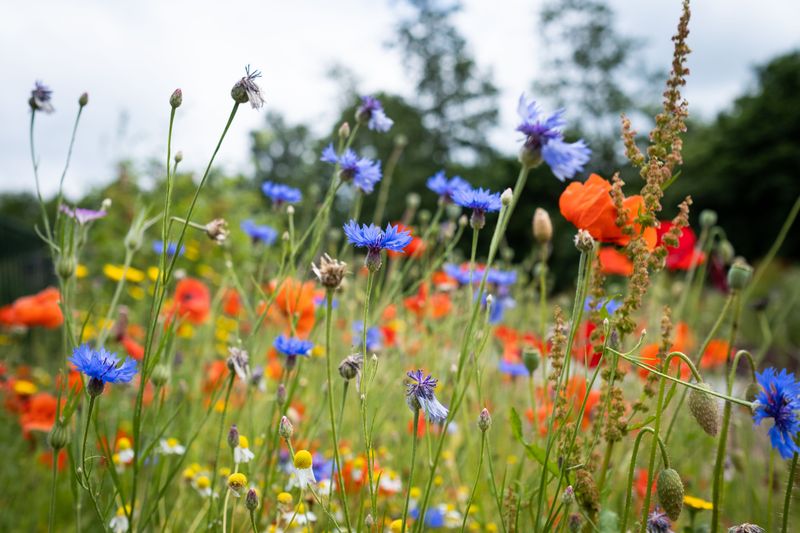
My first chaos bed began with a leftover seed packet, a cup of old zinnia seeds, and a coffee can of coneflower heads. I tossed it all onto bare soil and walked away.
Chaos gardening is simply sowing a wide mix of seeds together and letting them sort out who thrives. Instead of planning every spot, you trust the plants to find their own homes.
Strong growers fill gaps, shy ones tuck into corners, and the bed shifts a little every year.
The approach borrows from how real meadows work. Wild plants drop seeds, the wind and birds move them around, and the best-suited species settle in.
You are copying that process on a smaller scale.
The term took off on TikTok and Instagram during the pandemic, but the idea is old. Cottage gardeners in England have mixed self-sowing flowers for centuries.
The new name just made it fun again.
What surprised me most was how forgiving it is. A few seeds fail, but others pop up in spots I would have overlooked.
The bed looked full by midsummer without a single planting chart.
Chaos does not mean no rules, though. You still pick the seeds, prepare the spot, and pull out true troublemakers.
Think of it as relaxed design rather than total abandonment, with nature handling the fine details.
Late Fall Seed Scattering Gives Native Flowers A Head Start
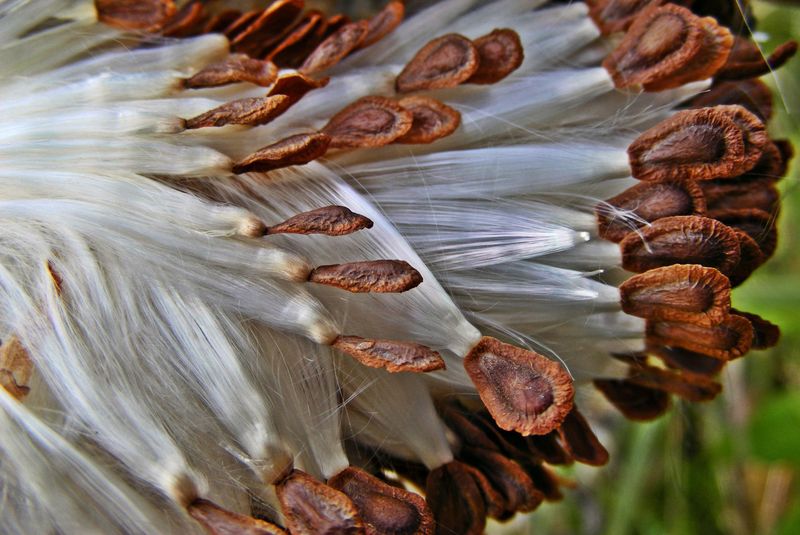
Timing is the secret weapon here, and late fall is the sweet spot. Many native perennials need cold, moist conditions before their seeds will sprout.
Gardeners call this cold stratification. Seeds sown outdoors in November or December get it for free as winter rain and freezing nights soften their tough coats.
Come spring, they wake up right on schedule.
Across most of the state, which ranges from roughly USDA Zone 6a in the mountains to 8a near the coast, you can sow natives from late October into early winter. In the western highlands, aim for early in that window.
Your Virginia Garden Changes Every Week. Your Plan Should Too.
Gardening in Virginia changes quickly throughout the season. Every Friday you’ll receive a simple weekly plan showing exactly what to plant, prune, fertilize, harvest, and protect so you never miss the right timing.
Down in Hampton Roads, a little later works fine.
The goal is to wait until the soil is cold enough that seeds will not sprout and get caught by frost. A good rule many native plant growers share is to sow after a few hard freezes.
That way, seeds sit quietly until spring.
Annual flowers like zinnias and cosmos are different. Those warm-season seeds usually rot or get eaten over winter, so save them for spring after your last frost date.
I like to scatter my native mix right before a forecast of gentle rain. The water presses seeds into the soil without any extra work.
Then I mark the spot with a stake so I remember not to dig there.
Black-Eyed Susans And Coneflowers Belong In Your Seed Mix
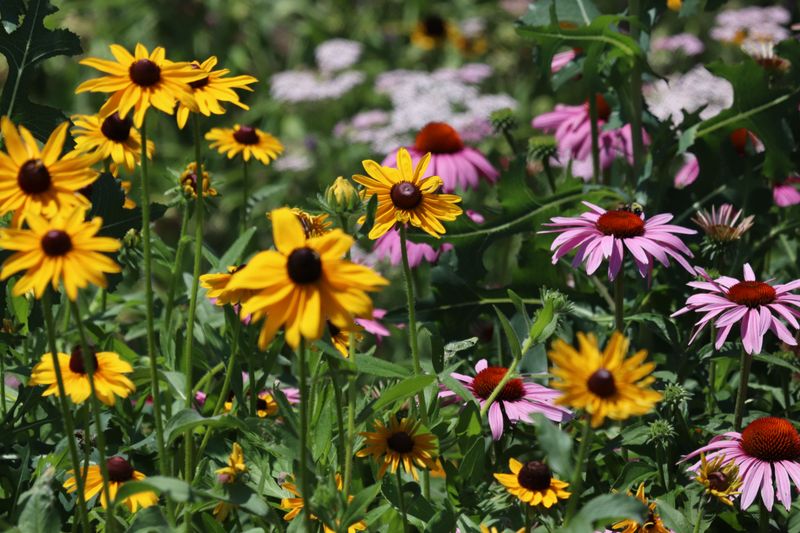
Golden black-eyed Susans were the first flowers to wave back at me after my lazy fall sowing. They are tough, cheerful, and native to Virginia.
Choosing the right seeds matters more than anything else. Focus on natives that self-seed readily and handle our hot, humid summers.
A few reliable picks include black-eyed Susan, purple coneflower, lanceleaf coreopsis, wild bergamot, partridge pea, and eastern columbine.
Butterfly weed and common milkweed are great additions for monarchs. Mountain mint is another favorite, since pollinators swarm it like a busy diner at lunchtime.
Blue mistflower adds late-season color too.
Mix tall and short plants so the bed has layers. Add a few early bloomers and some late ones for color from spring into fall.
The Virginia Native Plant Society and Plant Virginia Natives campaign offer regional lists that make picking easy.
Buy seed from trusted sellers that list every species in the mix. Cheap wildflower blends sometimes include plants that are not native or can spread aggressively.
Reading the label takes two minutes and saves years of regret.
Fun fact: partridge pea is a legume that works with soil bacteria to capture nitrogen. That means it quietly feeds its neighbors while it blooms.
I call that a plant with good manners.
Clearing Grass Before Sowing Saves You Major Headaches
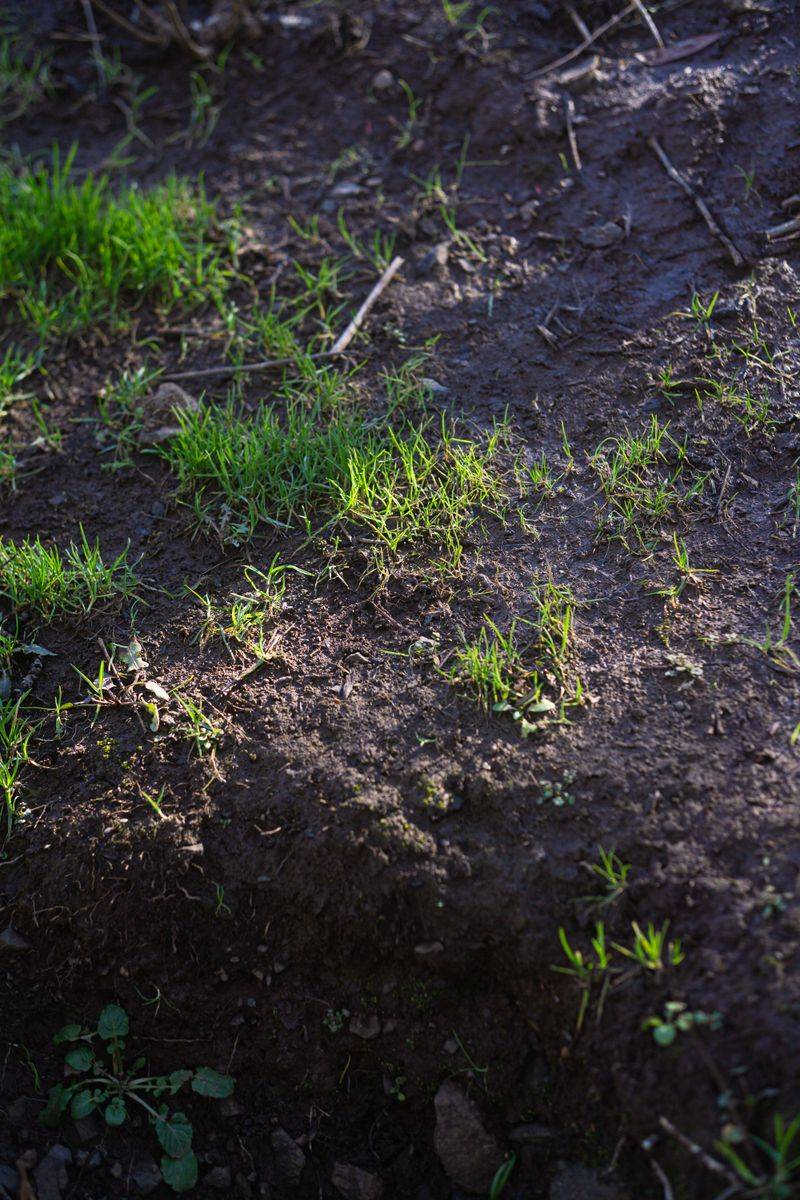
Seeds tossed into thick turf rarely stand a chance. Lawn grass is a fierce competitor, and tiny wildflower seedlings get crowded out fast.
You do not need to till, which I find wonderful. Tilling can bring buried weed seeds to the surface, where they sprout eagerly.
A lighter touch usually works better.
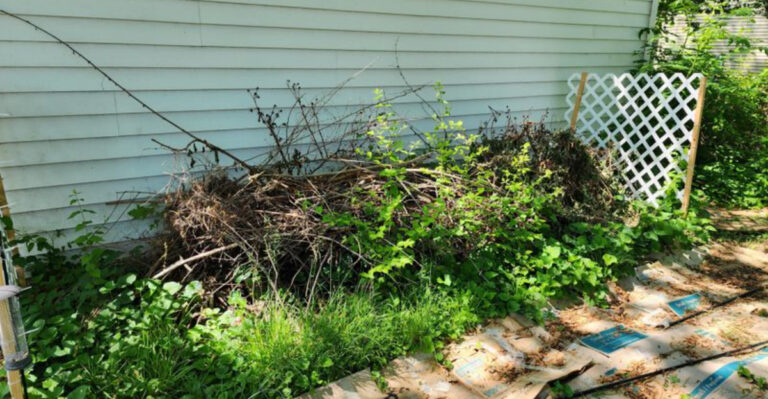
Start by removing grass and weeds in your chosen spot. You can dig it out by hand, or smother it with cardboard for several weeks before sowing.
Some gardeners mow very low and rake hard to expose bare soil.
Once the area is clear, loosen the top half inch with a rake. Seeds need good contact with soil to sprout.
Most small wildflower seeds should sit right on top or barely covered, since many need light.
Here is a handy trick. Mix your seeds with a few cups of dry sand before sowing.
The sand helps you see where you have spread them and keeps tiny seeds from clumping in one spot.
After scattering, walk over the area or press it down with a board. That firm contact helps more than any fertilizer.
Skip heavy mulch, because a thick layer can block seeds from reaching the light they crave in spring.
Those Tiny Seedlings Might Be Flowers Or Weeds
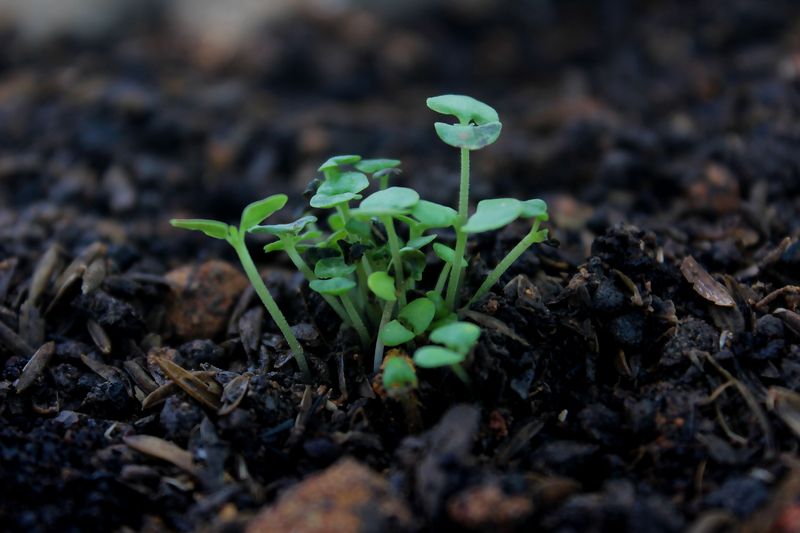
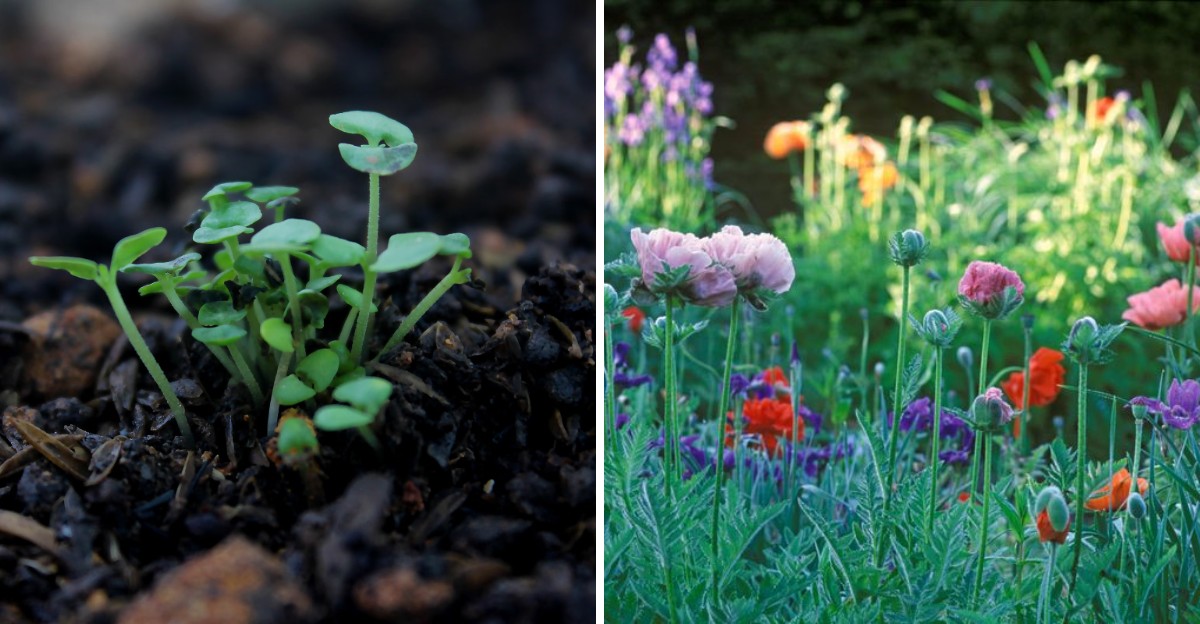
Spring is when chaos gardening gets a little tricky. Dozens of little green leaves appear, and not all of them are friends.
Learning to recognize your seedlings takes some patience. I suggest sowing a few seeds of each type in labeled pots too.
Comparing the potted babies to the bed helps you spot which sprouts to keep.
Watch closely for aggressive invaders. Japanese stiltgrass, mile-a-minute vine, and Canada thistle can take over a sunny bed quickly.
The Virginia Department of Conservation and Recreation keeps an invasive plant list worth bookmarking.
When in doubt, wait a couple of weeks. Leaves look more distinct as plants grow.
Pull anything you know is a problem before it flowers and drops seeds of its own.
Free plant ID apps can help, though they are not perfect. Your local Virginia Cooperative Extension office and Master Gardener volunteers are happy to identify mystery plants.
Many offices even run help desks during the growing season.
Honestly, this stage became my favorite part. Each morning walk turned into a small treasure hunt.
I learned more about plants in one spring of weeding than in years of buying them pre-grown.
Bees And Butterflies Flock To A Messy Flower Patch
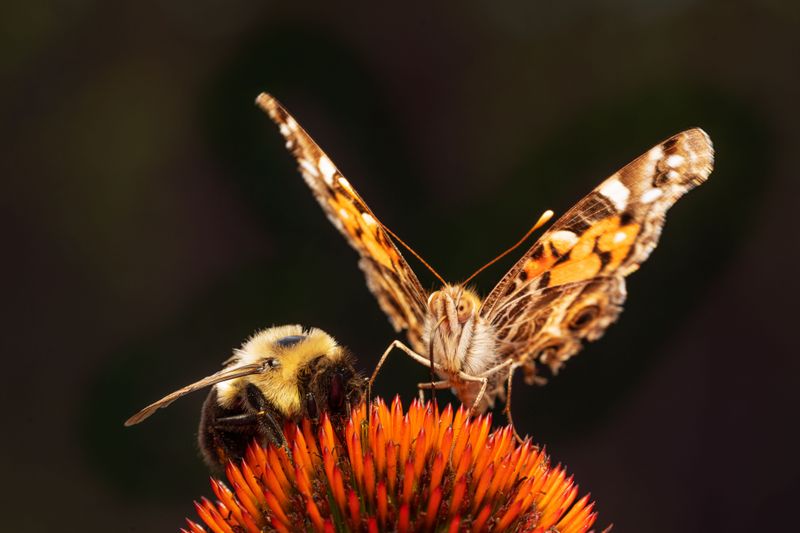
Last July, I counted six kinds of bees on a single clump of mountain mint. Not one of them cared that my bed looked untidy.
Diverse plantings support far more wildlife than a neat lawn. Native flowers offer nectar and pollen that local bees and butterflies evolved to use.
Many native bees are specialists, depending on just a few plant groups.
Caterpillars matter too. Research by entomologist Doug Tallamy at the University of Delaware shows native plants host far more caterpillar species than most non-native ornamentals.
Those caterpillars feed baby songbirds, which need thousands of them to grow.
A mixed bed also gives helpful insects a home. Ladybugs, lacewings, and tiny parasitic wasps hunt aphids and other pests.
Over time, that balance can mean fewer pest outbreaks without spraying.
Monarchs are a big reason many gardeners plant milkweed. The orange butterflies pass through the state during spring and fall migrations.
Common milkweed, swamp milkweed, and butterfly weed are all native choices.
If you want even more visitors, add a shallow dish of water with pebbles for perching. Bees get thirsty on hot afternoons.
It is a tiny touch that turns your patch into a busy neighborhood hangout.
Leave Those Seed Heads Standing Through Winter
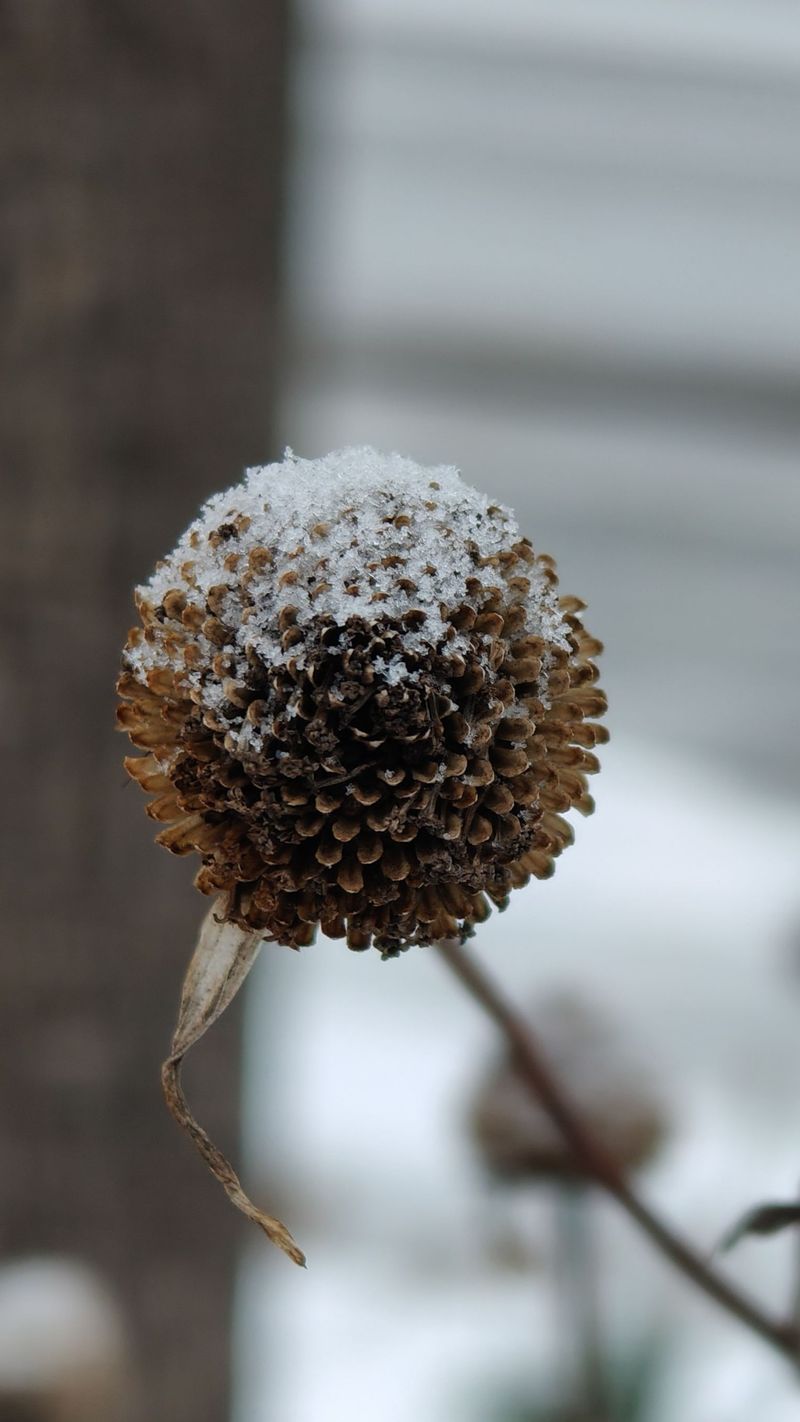
Cutting everything back in fall feels tidy, but your chaos garden wants the opposite. Those brown, crunchy stems are doing important work.
Seed heads feed birds through the cold months. American goldfinches love coneflower and black-eyed Susan seeds, and you will often see them perched on the stalks.
Juncos and sparrows pick up whatever falls to the ground.
Leftover seeds also replant your garden for free. This is how chaos beds keep themselves going year after year.
Each fall, plants scatter a fresh round of seeds wherever the wind carries them.
Hollow stems give shelter to native bees that nest inside. Many experts, including the Xerces Society, suggest leaving stems standing until spring temperatures stay above about 50 degrees.
Then cut them to varied heights, around 8 to 24 inches.
Fallen leaves are useful too. Fireflies, butterflies, and countless helpful bugs spend winter tucked in leaf litter.
Rake them off paths, but let some stay in the beds.
If neighbors raise an eyebrow, a small sign helps. Something like Pollinator Habitat tells everyone the mess is on purpose.
I put one up and ended up chatting with three curious walkers in a week.
Start Your Chaos Garden With One Small Sunny Corner
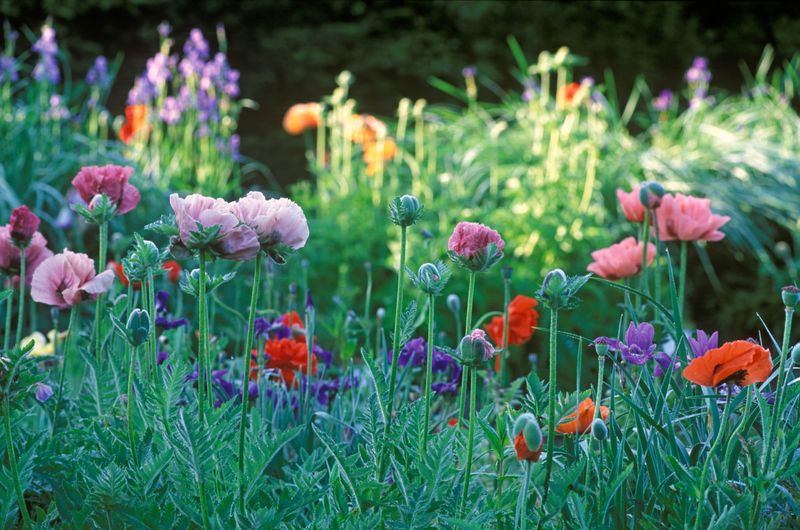
You do not need to turn your whole yard wild this year. A patch about the size of a parking space is plenty to learn on.
Pick a spot with at least six hours of sun. Most meadow flowers love bright light and decent drainage.
Avoid low spots where water sits for days.
Tidy edges make a messy bed look intentional. A mowed strip, a stone border, or a short fence frames the chaos nicely.
That simple trick also keeps HOAs and neighbors happier.
Speaking of rules, check local ordinances before you go big. Some towns and homeowners associations in the state limit grass and weed height.
Lawmakers in the state have considered protecting native plantings from some HOA restrictions, but rules vary, so read your covenants.
Expect year one to look modest. Many perennials spend their first season growing roots, then bloom strongly in year two or three.
As the old saying goes, first they sleep, then they creep, then they leap.
Keep a simple notebook or phone photos of what sprouts where. Next fall, gather seeds from favorites and scatter them again.
Little by little, you will build a garden that feeds wildlife, saves time, and keeps surprising you.