Your Neighbor’s Tree Keeps Dropping Leaves In Your Virginia Yard, Who’s Responsible?
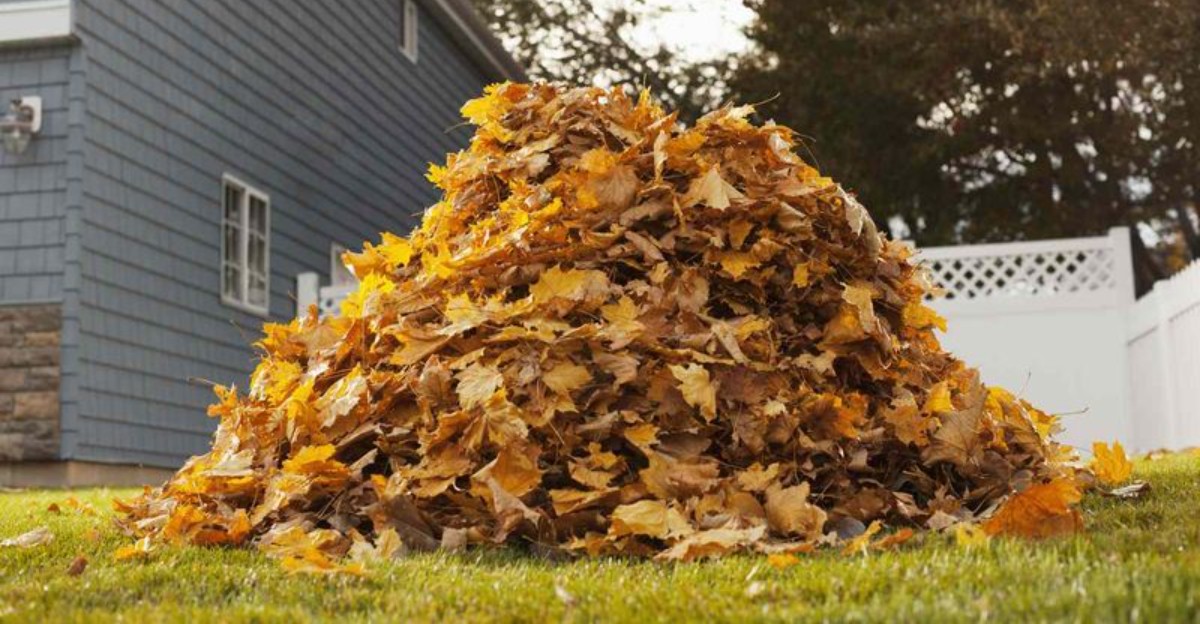
Leaves have no return address, which is why they cause so many fights between neighbors. Across Virginia, homeowners rake for hours while a neighbor’s oak keeps dropping more.
It can feel unfair, especially when your gutters clog and your weekend vanishes under piles of brown and gold. So who really has to deal with the mess?
The answer depends on state law and your local HOA. A 2007 Virginia Supreme Court case shaped much of it, and falling leaves alone rarely count as a nuisance.
Some of those rules might work in your favor, while others could catch you off guard. Trimming rights, tree health, and property lines all play a part.
The guide below explains where you stand before you aim the leaf blower toward the fence. A little knowledge can protect both your yard and your neighborly peace.
You Usually Handle The Cleanup
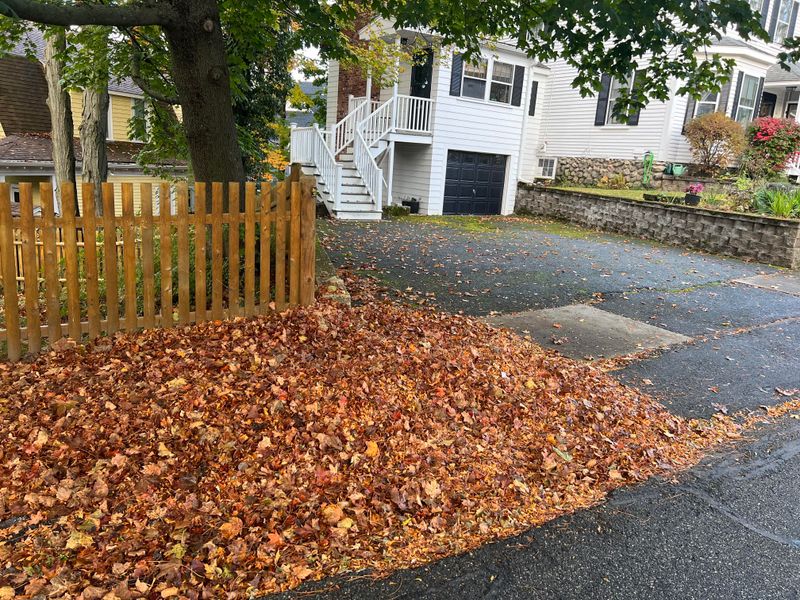
Picture a perfect Saturday morning ruined by a carpet of soggy maple leaves. Sadly, the rake probably belongs in your hands, not your neighbor’s.
Under Virginia rules, leaves that land in your yard generally become your problem. The law sees them as part of normal life near trees, so nobody owes you a cleanup.
Bigger events follow a similar pattern too. A healthy tree that tumbles in a storm usually leaves each owner handling their own side.
Insurance works the same way for property damage. Your own homeowner’s policy is typically the first stop, unless clear neglect by your neighbor can be shown.
Frustrating as it sounds, there are smart ways to make the job easier. A mulching mower can shred light leaf layers into free lawn food in minutes.
Gutter guards are another helpful upgrade for homes under big canopies. They keep leaves from piling up and causing water backups during heavy rain.
Timing matters as well, so try raking before leaves get wet and matted. Dry leaves weigh less and slide into bags much more easily.
Some neighborhoods offer curbside leaf pickup in the fall. Check your county or city website to learn the schedule and bagging rules.
Turning leaves into compost is another clever option for gardeners. Those piles can become rich soil that feeds your flower beds next spring.
Think of it as a seasonal chore, like shoveling snow. Accepting it early saves energy, stress, and plenty of awkward chats over the fence.
Falling Leaves Are A Natural Occurrence
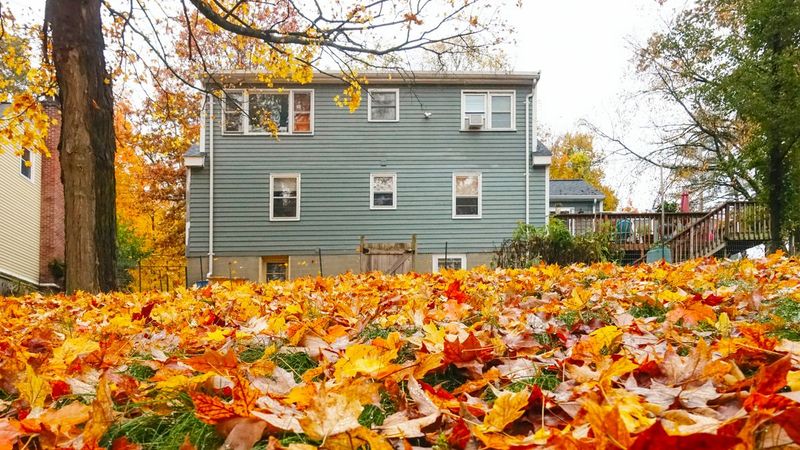
Trees have shed leaves every autumn for millions of years, long before property lines existed. Courts generally respect that ancient habit and treat it as plain nature.
Virginia law usually places falling leaves in the natural occurrence category. Shade, dripping sap, and dropped seeds often land in that same bucket.
Because of that view, leaves alone rarely count as a legal nuisance. You typically cannot sue a neighbor just because their tree shed its foliage.
Property owners also generally have no duty to neighbors about natural conditions on their land. A tree doing ordinary tree things simply is not considered wrongdoing.
Your Virginia Garden Changes Every Week. Your Plan Should Too.
Gardening in Virginia changes quickly throughout the season. Every Friday you’ll receive a simple weekly plan showing exactly what to plant, prune, fertilize, harvest, and protect so you never miss the right timing.
Fun fact time: a single mature oak can drop over 200,000 leaves each fall. No wonder your yard looks buried after one breezy weekend.
Knowing the rule can actually lower your stress level. Instead of building a case, you can focus on practical fixes that work.
Planting evergreen shrubs along the fence line may catch blowing leaves. Hollies and boxwoods both handle the state’s weather well and create a tidy barrier.
Leaf netting is another budget-friendly trick worth trying. Spread it over garden beds and simply lift it away once trees go bare.
Sap and seed pods follow the same thinking in most cases. Sticky cars and spinning helicopter seeds are annoying, but usually not legally anyone’s fault.
So when the next breeze sends a golden shower your way, take a breath. Nature is just doing its yearly cleanup, and it happens to include your lawn.
A Healthy Tree Doesn’t Make Your Neighbor Responsible
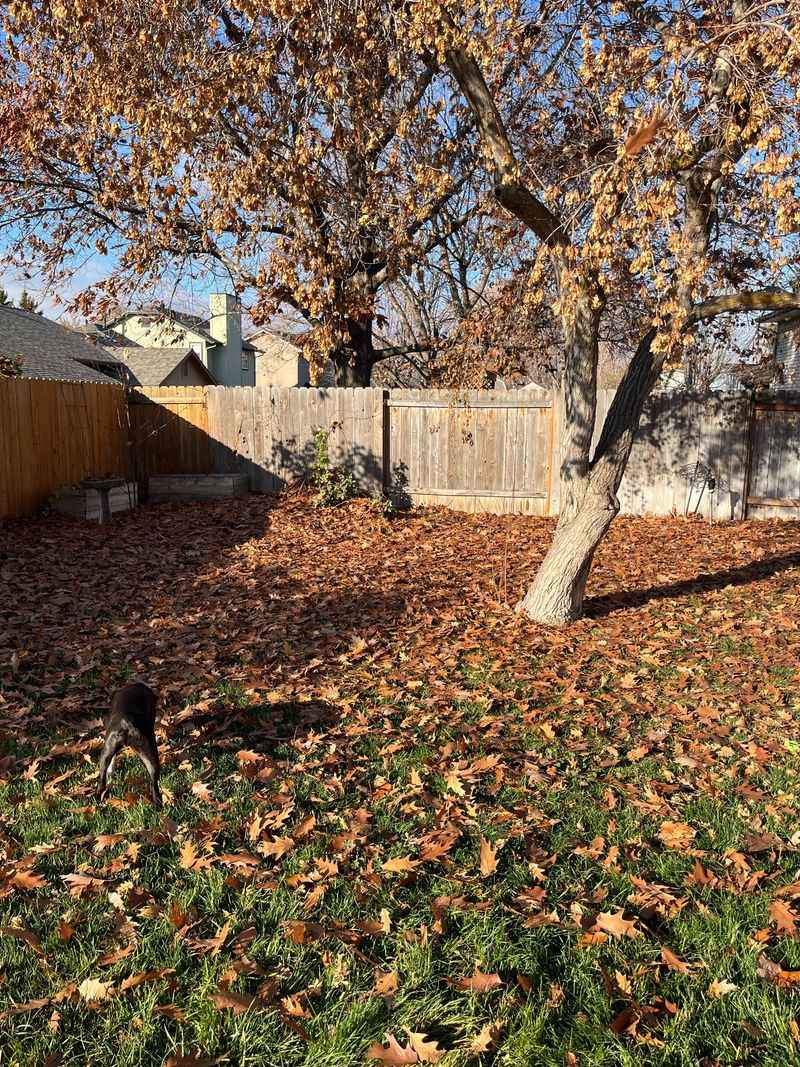
Thunder rolls, wind howls, and suddenly a big branch crashes onto your patio. Your first instinct might be to knock on your neighbor’s door with a bill.
Hold that thought for a moment. When a healthy tree falls during a severe storm, many courts call it an Act of God.
Under that idea, the tree owner usually carries no legal blame. Nobody could reasonably predict a sound tree giving way to extreme weather.
Instead, you would typically file a claim with your own insurance company. Your policy is designed for surprise damage like storms and falling limbs.
Take clear photos right after the event, before any cleanup begins. Pictures of the trunk, roots, and damage can help your claim move smoothly.
Look closely at the broken wood too. Solid, fresh-looking wood suggests a healthy tree, while hollow or crumbly wood may hint at a different story.
Keep receipts for emergency tarps, tree removal, and any repairs. Insurance companies often reimburse reasonable costs tied to protecting your home.
Talking calmly with your neighbor still makes sense. They may offer to help with cleanup, even though the law may not require it.
Virginia sees its share of hurricanes, nor’easters, and summer squalls. Reviewing your coverage before storm season can prevent nasty surprises later.
A friendly attitude after a storm goes a long way. Shared chainsaw work and cold drinks have patched up more fences than any lawsuit ever did.
You Can Trim Branches That Cross Onto Your Property
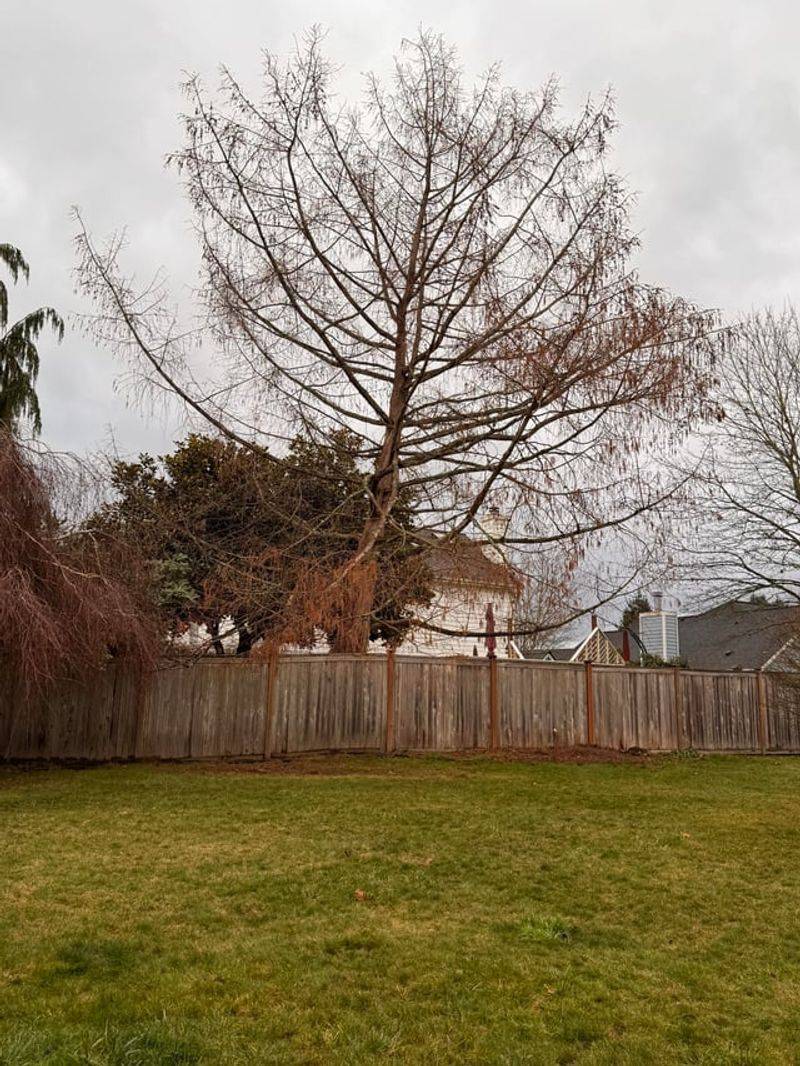
Good news for anyone tired of branches scraping the roof. You have a real legal tool in your corner, and it comes with a fancy name.
Lawyers call it self-help, and Virginia has recognized it for many years. You may trim branches and cut roots that reach onto your land.
Best of all, you do not need your neighbor’s permission. You can work right up to the property line on your own schedule.
Fewer overhanging limbs usually means fewer leaves raining into your yard. Trimming can also let more sunlight reach your grass and garden.
Start by confirming exactly where the line sits. A property survey or plat map from your county office can clear up any guesswork.
Pick the right tools for the job. Loppers handle small limbs, while a pole saw reaches higher branches without a wobbly ladder.
Late winter is often a great time to prune many trees. Bare branches are easier to see, and the tree heals well as spring arrives.
Giving your neighbor a quick heads-up is a kind gesture. It is not required, but a friendly note can prevent hurt feelings.
Large limbs near power lines need extra caution. Call your utility company instead of tackling those yourself, since the risk is serious.
Used wisely, self-help puts some control back in your hands. A few careful cuts may shrink that autumn leaf pile more than you expect.
You Usually Pay For The Trimming
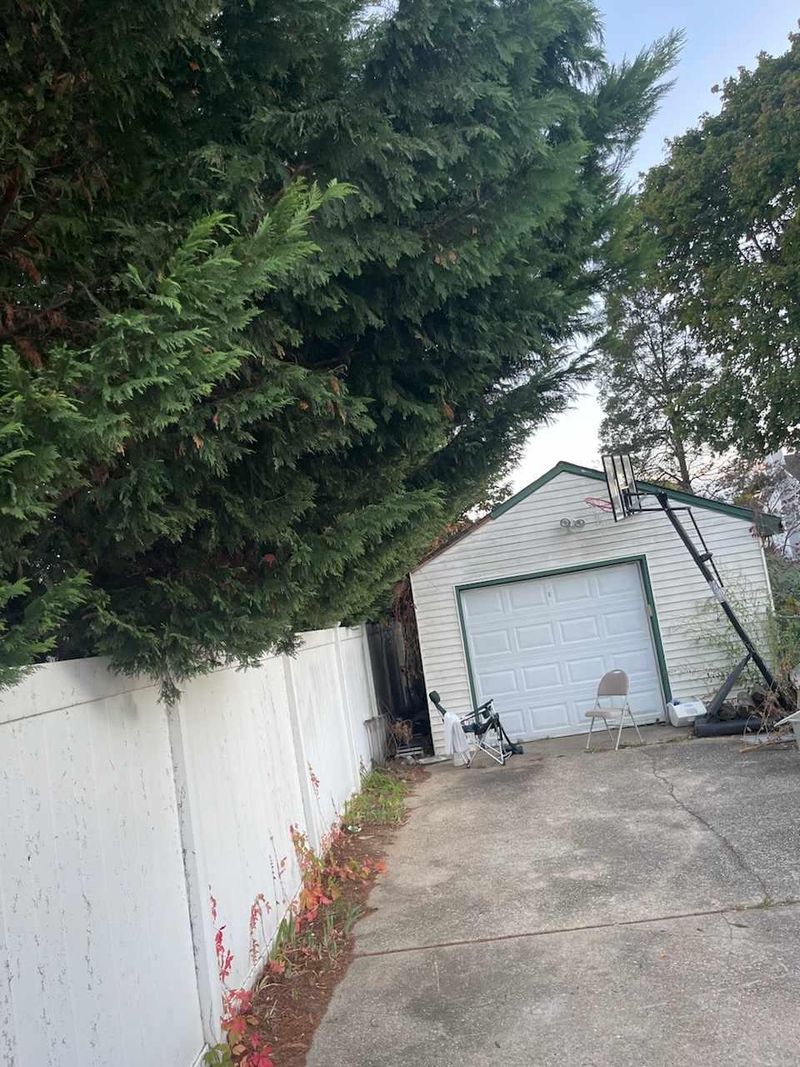
Here comes the slightly less fun part of self-help. Freedom to trim usually comes with the bill attached.
When you choose to cut encroaching branches or roots, the cost generally falls on you. Your neighbor typically does not have to chip in.
Things can shift if a real dispute reaches court. When actual property damage happens, a judge may decide how expenses get divided.
For everyday trimming, though, plan on covering the cost yourself. Thankfully, there are ways to keep that number reasonable.
Small jobs often work well as weekend projects. A good pair of bypass loppers costs far less than one visit from a tree crew.
Bigger branches are a different story. Professional tree services in many areas charge a few hundred dollars or more, depending on height and size.
Get at least three written quotes before hiring anyone. Ask whether cleanup, hauling, and wood chipping come included in the price.
Check that the company carries liability insurance too. If a worker drops a limb on your shed, you want their policy paying, not yours.
Sharing costs with your neighbor is still possible through friendly talk. Many folks happily split a bill when both yards benefit from the work.
Consider it an investment in fewer leaves and cleaner gutters. Regular trimming every few years usually costs less than emergency repairs after a storm.
Don’t Damage The Tree Or Enter Your Neighbor’s Property
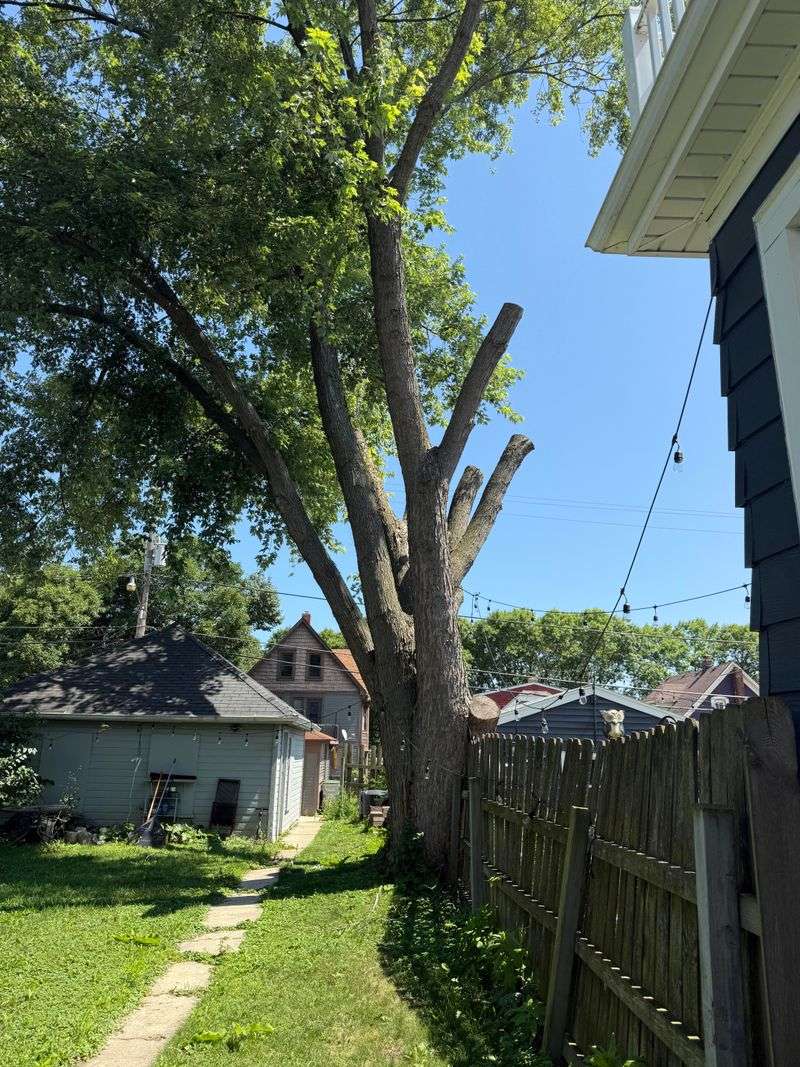
Overeager trimming can turn a small annoyance into a costly mistake. A few wrong cuts might land you in hot water fast.
Your rights stop at the property line, plain and simple. Stepping onto your neighbor’s land to finish the job is not allowed without permission.
You also cannot harm the tree’s overall health. Cutting so much that the tree weakens or fails can make you responsible.
Virginia takes tree harm seriously, with real money on the line. Cutting trees on someone else’s land without permission can bring triple damages under state law.
Removing a tree from someone else’s land without permission is even worse. Virginia Code section 18.2-140 makes that act a crime.
Roots deserve special care too. Slicing through large roots near the trunk can weaken stability and leave the tree likely to topple.
Arborists often suggest removing no more than about a quarter of a canopy at once. Heavy cutting stresses trees and invites pests and disease.
Skip topping, which means chopping off the main upper stems. It looks ugly and causes weak, messy regrowth that drops even more debris.
When in doubt, hire a certified arborist. Their expertise helps protect you legally while keeping the tree in good shape.
Careful trimming shows respect for your neighbor’s property. That respect makes future conversations about leaves and branches much smoother.
Blowing Leaves Back Over The Fence Can Create A New Dispute
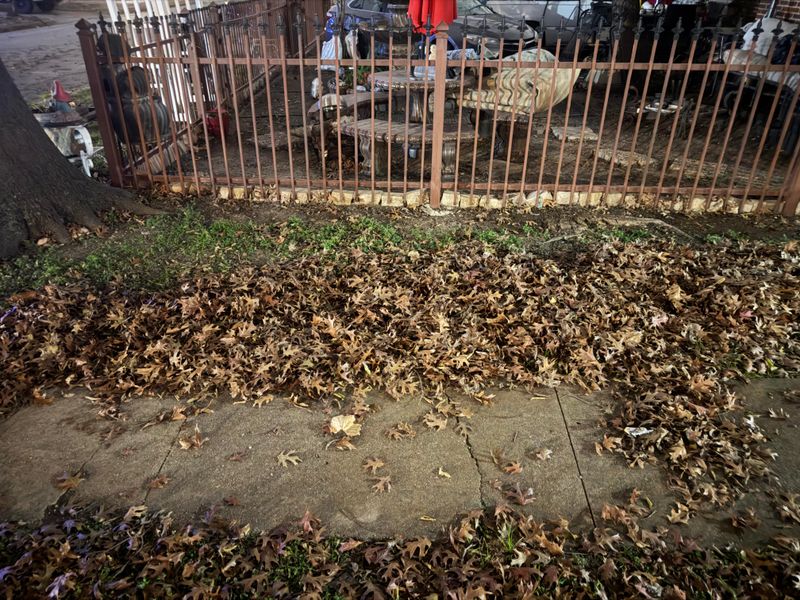
We get it, the temptation is real. Their tree made the mess, so why not just send it home with a leaf blower?
Unfortunately, that payback plan can backfire. Naturally falling leaves are one thing, but deliberately moving them is treated very differently.
Blowing leaves onto a neighbor’s lawn could count as a nuisance. Some localities may even view it as breaking anti-dumping ordinances.
Courts usually look for a pattern before siding with a complaint. Repeated, deliberate behavior is often what turns annoyance into a legal claim.
Beyond the law, think about the relationship. A leaf war can drag on for years and sour every barbecue, holiday, and driveway wave.
Doorbell cameras capture plenty these days. Your leaf-blowing session might become evidence, or worse, a viral neighborhood video.
Better options exist for handling the extra pile. Bag the leaves for curbside pickup or toss them into a backyard compost bin.
Shredded leaves make fantastic mulch around shrubs and veggie beds. They hold moisture, block weeds, and break down into healthy soil.
You could also offer a friendly team effort. Suggest a shared cleanup day, and the work may go twice as fast with half the grumbling.
Keeping your cool pays off over time. Calm neighbors tend to cooperate when bigger tree issues come up later.
A Deteriorating Tree Can Change Who’s Responsible
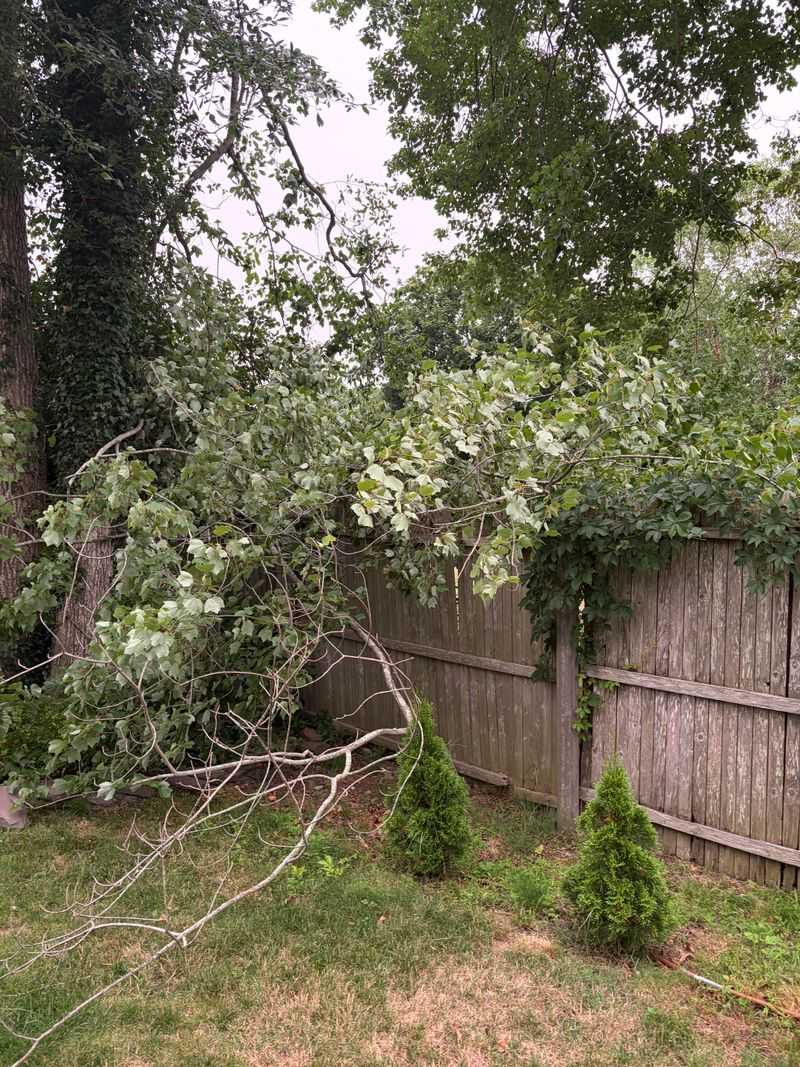
Mushrooms sprouting from bark, cracks running down the trunk, and bare limbs in July all tell a story. That story could shift responsibility toward your neighbor.
Healthy trees usually protect their owners from blame. Declining trees are another matter entirely, especially when warning signs are easy to spot.
When an owner knew, or should have known, about decay and did nothing, liability may follow. Damage from that neglected tree could become their responsibility.
Virginia courts may label an encroaching tree a nuisance when it causes real harm. Posing an imminent danger to nearby property can qualify too.
In those cases, a court might order pruning or even full removal. The owner may also have to pay for damage the tree caused.
Owners have a duty to take reasonable care of their trees. Obvious problems should not be ignored until something comes crashing down.
Learn the common warning signs. Deep cracks, leaning trunks, peeling bark, fungus, and brittle hanging limbs often point to trouble.
Document everything you notice with dated photos. Then send your neighbor a polite written note explaining your concerns.
That written notice matters a lot. It shows the owner was informed, which can strengthen your position if damage happens later.
Suggest a professional inspection as a friendly next step. A certified arborist can judge the tree’s condition and recommend a fair, safe solution.
Boundary Trees Belong To Both Property Owners
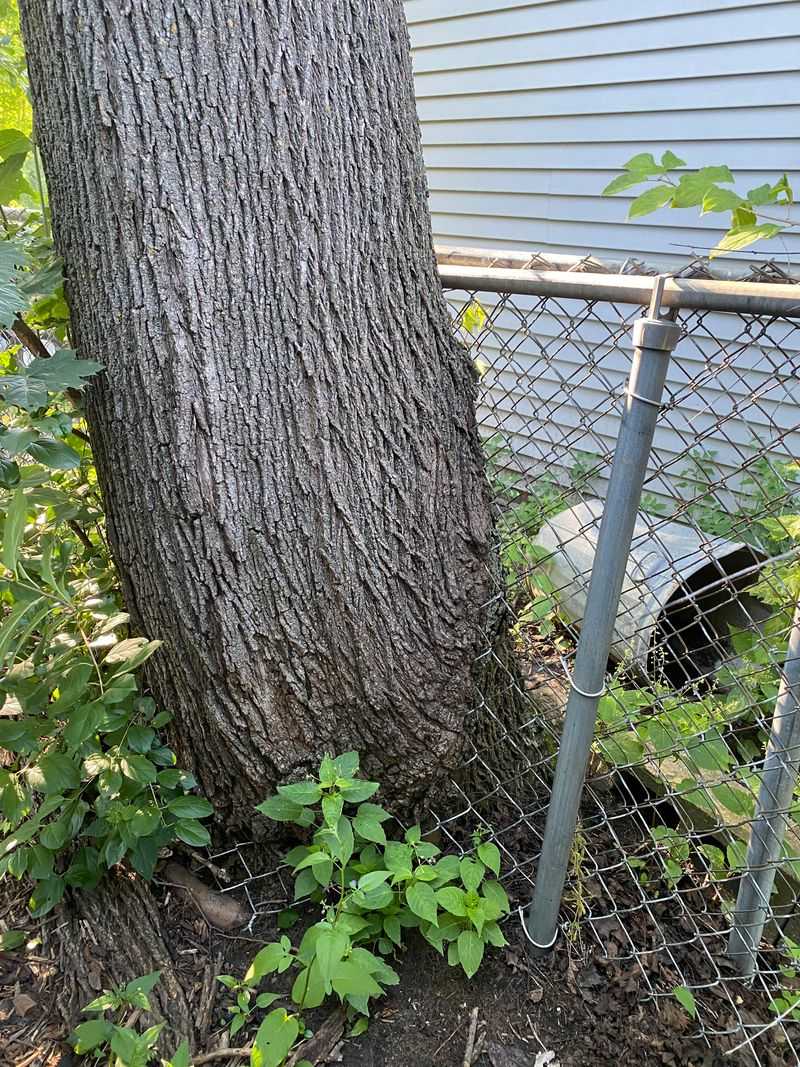
Some trees refuse to pick a side. Their trunks sit right on the property line, as if planted to test neighborly patience.
In Virginia, ownership depends on where the trunk stands. A trunk fully on one lot belongs to that owner, no matter where branches wander.
A trunk straddling the line creates a boundary tree. Both property owners share ownership, along with the leaves it drops.
Shared ownership means shared responsibility for care. Pruning, health checks, and maintenance become a joint project between neighbors.
Removal gets trickier too. One co-owner typically cannot cut down a healthy boundary tree without the other owner’s permission.
Not sure where your tree stands? A licensed surveyor can mark the line and show exactly where the trunk sits.
Write down any agreement you make about a shared tree. A simple signed note covering costs and duties can prevent future arguments.
Splitting arborist bills often feels fair for both sides. Each household benefits from a healthier, safer tree.
Here is a quirky bit of history for you. Old English law called these line trees, and neighbors argued about them centuries ago.
Treat a boundary tree like a shared driveway or fence. Open communication keeps it standing strong and keeps both households happy.
HOA Rules And Local Laws May Add Requirements
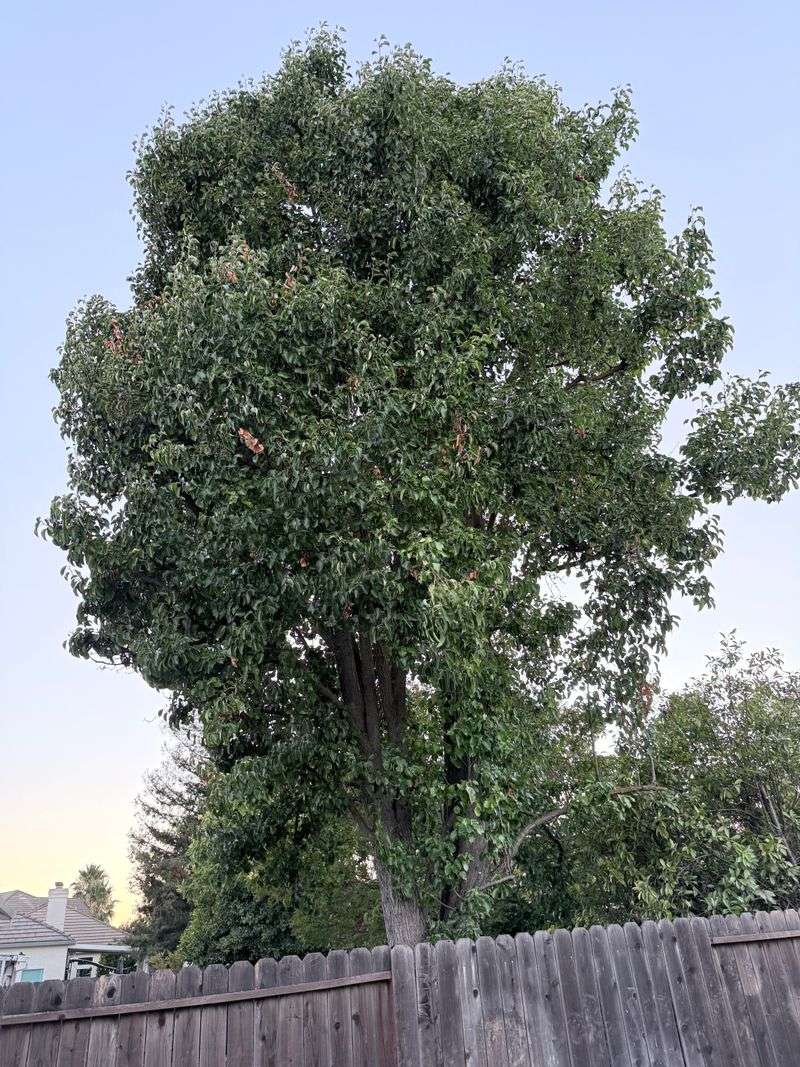
State law tells only part of the story. Your HOA binder and county code might hold the rest of the answer.
Homeowner associations often set their own tree rules. Some require approval before trimming, while others demand regular yard upkeep and leaf removal.
Local governments add another layer. Fairfax County, for example, separates nuisance trees from truly hazardous ones.
Leaves alone rarely trigger action from officials. A hazardous tree threatening homes or sidewalks is a different situation.
For dangerous trees, you can contact county code enforcement. A formal notice from the county may push the owner to finally act.
City governments sometimes step in directly too. They may remove a dangerous tree or require the owner to handle it quickly.
Read your HOA covenants before calling anyone. Rules about yard maintenance might give you a polite, official route to address messy neighbors.
Attending HOA meetings can help as well. Raising leaf concerns there may lead to community cleanup days or shared pickup services.
Bookmark your county website for quick reference. Leaf collection dates, permit rules, and complaint forms are often listed there.
Rules vary from town to town throughout Virginia, so check before acting. A little homework now saves headaches, fines, and fence-line drama later.