7 Native Flowers Michigan Deer Are Less Likely To Browse In Garden Beds
Deer resistance is never a guarantee, and anyone who has watched a supposedly deer-proof plant get stripped overnight knows exactly how quickly that word loses its meaning.
What is reliable is the pattern of preferences deer demonstrate consistently across Michigan landscapes when food options exist and pressure is not extreme.
Seven native flowers show up repeatedly on the passed-over list in real Michigan gardens, not because deer cannot eat them but because something about their scent, texture, or chemistry makes them a consistently lower priority when other options are nearby.
Planting around these patterns does not eliminate deer pressure. It redirects it toward the fence line and away from the beds that took the most effort to establish.
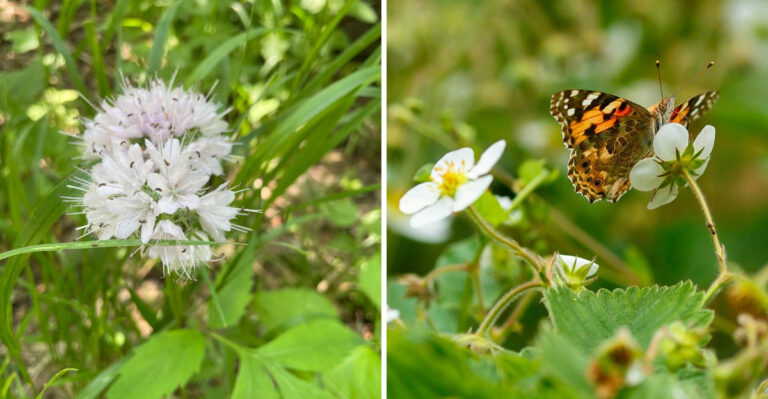
1. Wild Bergamot
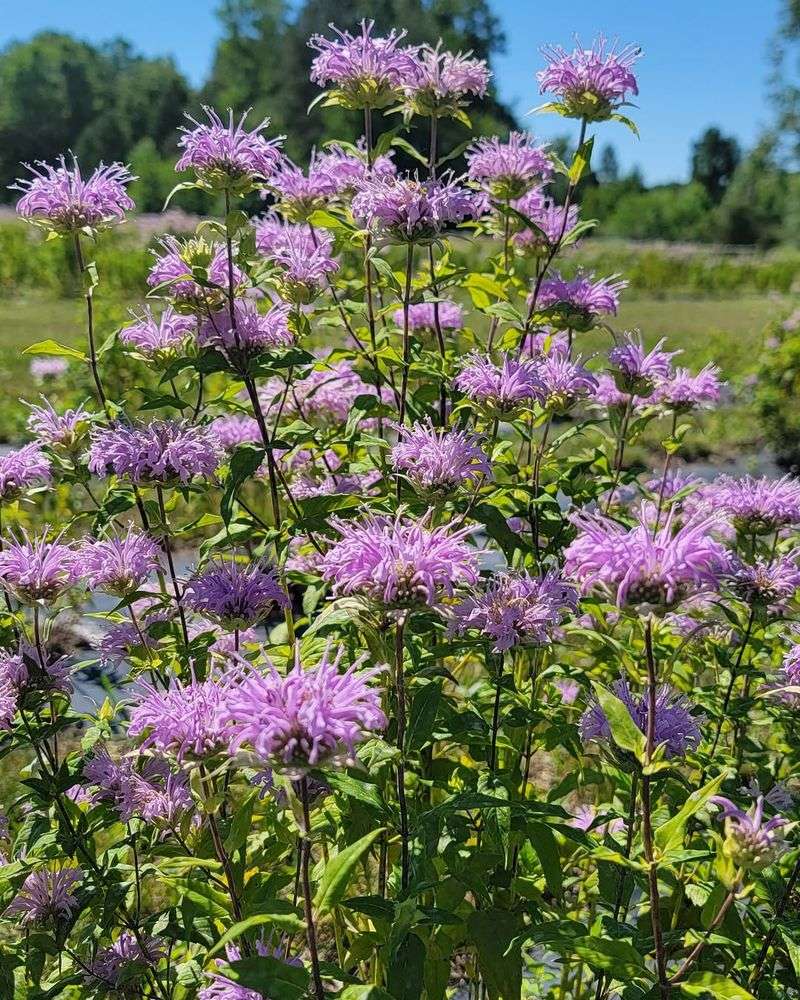
Few native plants bring as much sensory appeal to a garden as wild bergamot.
Its lavender-pink flowers bloom through mid to late summer, creating soft, rounded clusters that look beautiful against green foliage.
The whole plant carries a strong, minty-herbal fragrance that most gardeners love but deer tend to avoid.
That powerful scent is one of the main reasons wild bergamot holds up so well in Michigan garden beds.
Deer rely heavily on smell when choosing what to browse, and aromatic plants often get passed over in favor of something less intense.
Bees, butterflies, and hummingbirds, on the other hand, absolutely love the blooms and will visit your garden in impressive numbers all season long.
Wild bergamot belongs to the mint family, which partly explains its bold fragrance and slightly rough leaf texture.
It grows upright, typically reaching two to four feet tall, and spreads gradually through rhizomes to form fuller clumps over time.
It works beautifully in sunny native borders, meadow-style plantings, and mixed perennial beds. Planting wild bergamot in full sun gives you the best flowering results, though it can handle a little afternoon shade without much trouble.
Well-drained to average soil suits it well, and once established, it handles dry spells with ease. You will not need to water it constantly or fuss over it much at all.
One helpful tip is to divide clumps every few years to keep plants vigorous and prevent them from spreading too aggressively.
Wild bergamot is an excellent low-maintenance choice for Michigan gardeners who want reliable summer color and strong pollinator support with minimal deer pressure.
2. Butterfly Weed
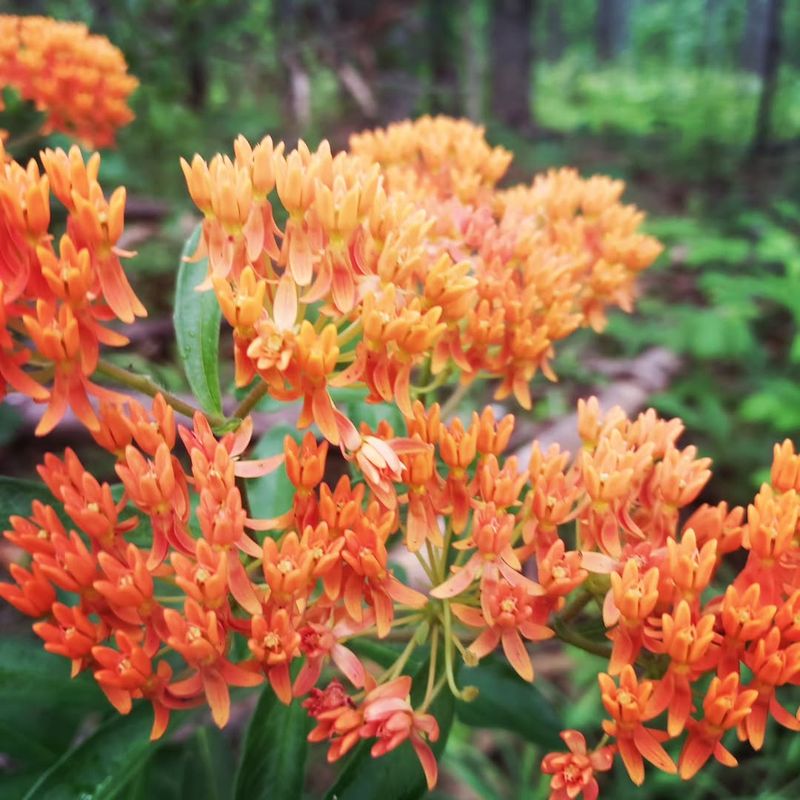
Butterfly weed is one of those plants that immediately grabs attention.
Its clusters of vivid orange flowers practically glow in a sunny garden bed, making it one of the most eye-catching native perennials you can grow in Michigan. And as a bonus, deer tend to leave it alone.
Unlike many milkweed relatives, butterfly weed does not produce the same milky sap in large quantities, but it does share enough of the family’s characteristics to make deer less interested in browsing it.
The foliage has a slightly rough, leathery texture that is not particularly appealing to nibbling wildlife.
Monarch butterflies, however, absolutely rely on plants in the milkweed family for laying eggs and feeding caterpillars, making butterfly weed a true garden hero for pollinator conservation.
Your Michigan Garden Changes Every Week. Your Plan Should Too.
Gardening in Michigan changes quickly throughout the season. Every Friday you’ll receive a simple weekly plan showing exactly what to plant, prune, fertilize, harvest, and protect so you never miss the right timing.
This plant thrives in full sun and well-drained soil, which makes it a natural fit for dry, sunny garden beds where other plants might struggle. Sandy or gravelly soil suits it perfectly.
The biggest mistake gardeners make with butterfly weed is planting it in areas where soil stays wet or heavy, because soggy roots will cause serious problems for this otherwise tough plant.
Butterfly weed takes a season or two to fully establish, so patience is worth it.
Once settled in, it comes back reliably each year with minimal care and no supplemental watering needed during normal rainfall seasons. It typically blooms from late June through August, bringing weeks of rich color.
It grows about one to two feet tall and pairs beautifully with black-eyed Susans, lanceleaf coreopsis, and other sun-loving natives.
For a low-maintenance, monarch-friendly, deer-resistant garden bed, butterfly weed is a must-have Michigan native.
3. Red Columbine
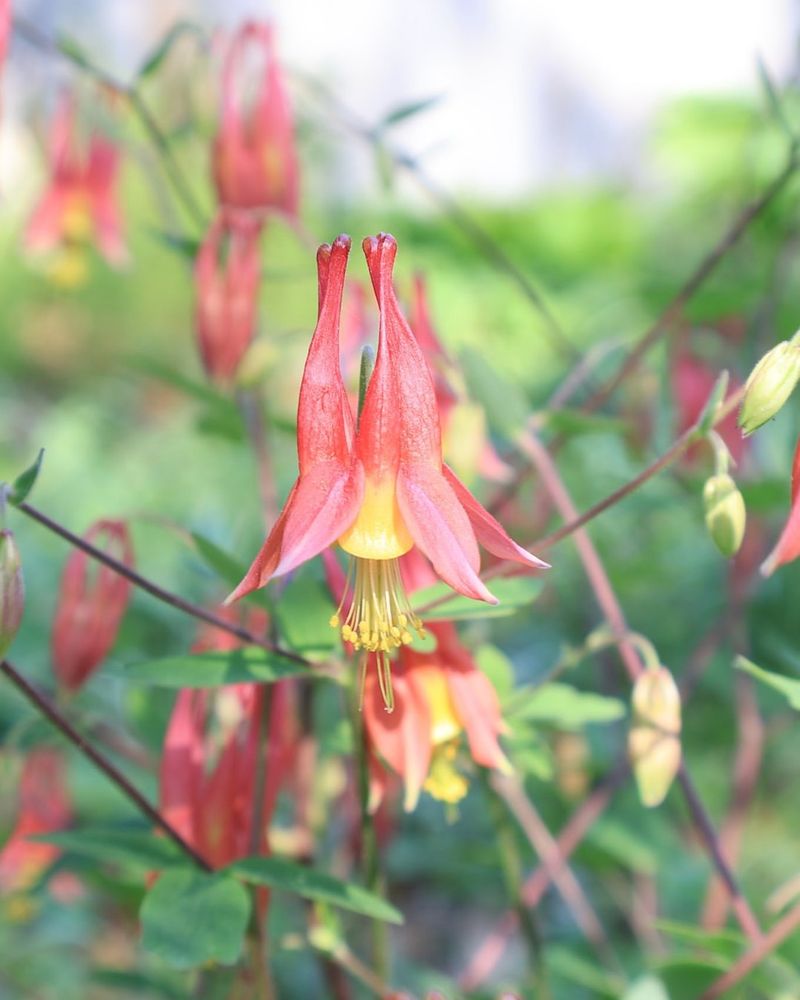
Red columbine has a kind of wild, effortless charm that formal garden plants simply cannot replicate.
Its nodding red and yellow flowers dangle gracefully from slender stems each spring, creating a look that feels both delicate and full of personality.
Hummingbirds are especially drawn to those tubular red blooms, making this plant a seasonal favorite in Michigan gardens.
Deer tend to browse red columbine less frequently than many other spring bloomers, though it is worth noting that younger plants in early spring can occasionally attract some attention.
Once established and growing in a natural setting, columbine generally holds its own. Its ferny, blue-green foliage has a slightly bitter taste that makes it less appealing as a snack for passing deer. Red columbine is wonderfully adaptable.
It grows well in part shade, making it a great choice for spots under open tree canopies, along woodland edges, or near shaded garden paths where many sun-loving plants would struggle.
It handles average to slightly dry soil without complaint and actually prefers good drainage over consistently wet conditions.
One of the most charming things about red columbine is how it self-seeds gently around the garden.
You will often find small seedlings popping up in nearby spots, gradually naturalizing your planting area without becoming invasive. This makes it an easy way to expand a native garden bed over time with very little effort.
It typically blooms in May and June, bridging the gap between early spring bulbs and summer perennials.
Plant it alongside wild ginger, ferns, or Virginia bluebells for a layered woodland-edge look that feels naturally beautiful and deer-smart at the same time.
4. Foxglove Beardtongue
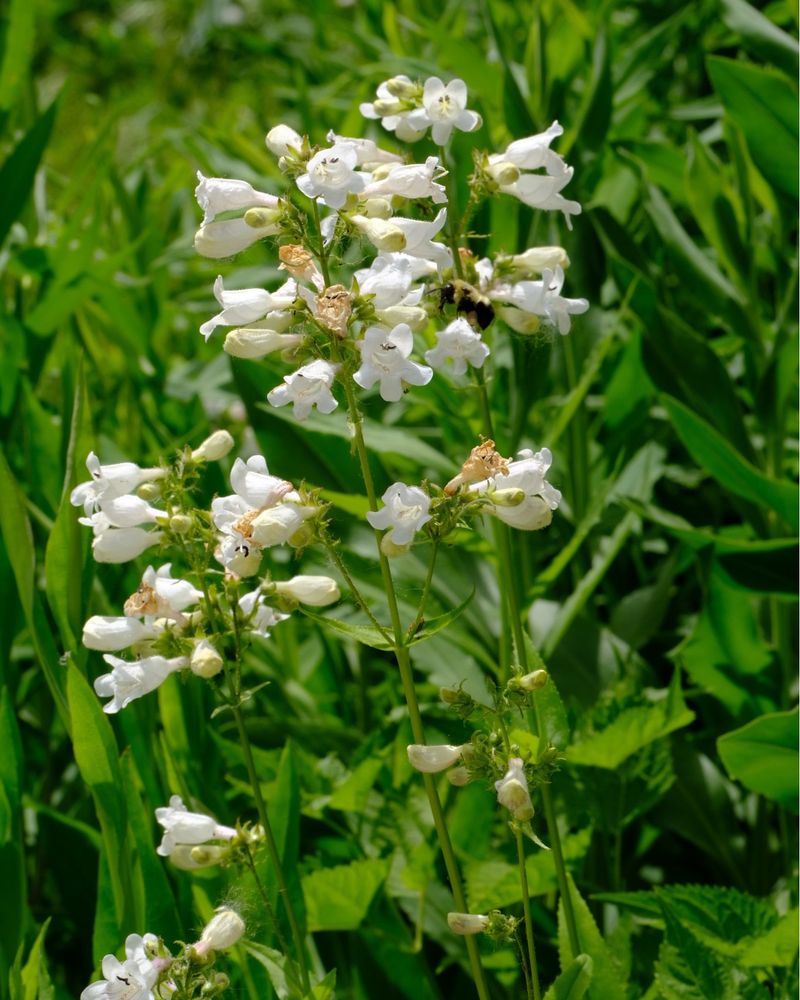
Foxglove beardtongue might not be the most familiar name on this list, but once you see it blooming in a garden bed, you will not forget it.
Tall, upright stems carry clusters of white to pale pink tubular flowers that open in late spring and early summer, giving the planting a clean, elegant structure that works beautifully in both formal borders and relaxed native plantings.
Deer tend to pass right by foxglove beardtongue, likely because of its slightly bitter foliage and the firm texture of its stems and leaves.
It does not offer the soft, tender growth that deer typically seek out when browsing through a garden.
Meanwhile, native bees absolutely love those tubular flowers, which are perfectly shaped for reaching the nectar inside.
Growing foxglove beardtongue successfully in Michigan comes down to one key factor: drainage.
This plant really does not like sitting in wet or heavy clay soil, so raised beds, slopes, or well-amended planting areas suit it best.
In the right spot with full sun to light shade, it is a remarkably low-maintenance perennial that returns reliably each year.
It typically reaches two to three feet in height, which gives garden beds a nice vertical element without overwhelming shorter plants nearby.
After flowering, the seed heads remain attractive and provide some food for small birds into the fall season.
Cutting plants back lightly after blooming can sometimes encourage a second flush of growth.
Pair foxglove beardtongue with wild bergamot, black-eyed Susans, or lanceleaf coreopsis for a sunny native bed that stays colorful from late spring through summer while staying naturally lower on the deer browse list.
5. Great Blue Lobelia
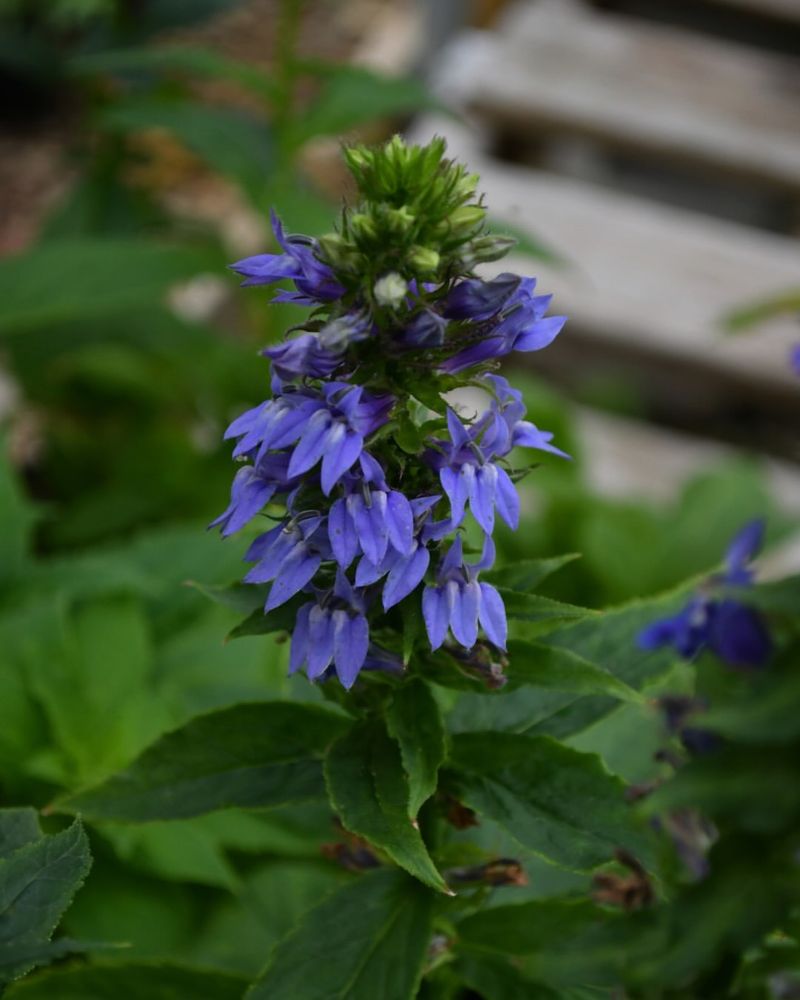
There is something almost electric about the blue of great blue lobelia in late summer.
While most of the garden is winding down or shifting toward warm fall tones, this native perennial throws up tall spikes of rich, vivid blue flowers that stop people in their tracks.
It is one of the most striking native plants you can grow in a Michigan garden bed. Deer tend to browse great blue lobelia far less than many other late-season perennials, partly because the plant contains alkaloids that make it unappealing as food.
That natural defense works in your favor as a gardener, especially in areas where deer pressure is a regular problem through late summer and into fall.
Hummingbirds and bumblebees, however, are frequent and enthusiastic visitors to the blooms. Moisture is the key to growing great blue lobelia well.
This plant genuinely loves consistently moist soil and thrives along pond edges, in rain gardens, near stream banks, and in low-lying areas of the yard where water tends to collect.
Full sun to part shade both work well, with afternoon shade being especially helpful in hotter, drier summers.
It grows upright, typically reaching two to four feet tall, and holds a strong vertical presence in the planting bed.
Great blue lobelia often self-seeds in favorable conditions, slowly naturalizing across a moist garden area over several seasons without becoming aggressive or weedy. For a late-season color boost in a damp garden spot, nothing beats this plant.
Combine it with cardinal flower, swamp milkweed, or native ferns for a lush, wildlife-rich planting that handles Michigan’s wetter areas with ease and keeps deer guessing.
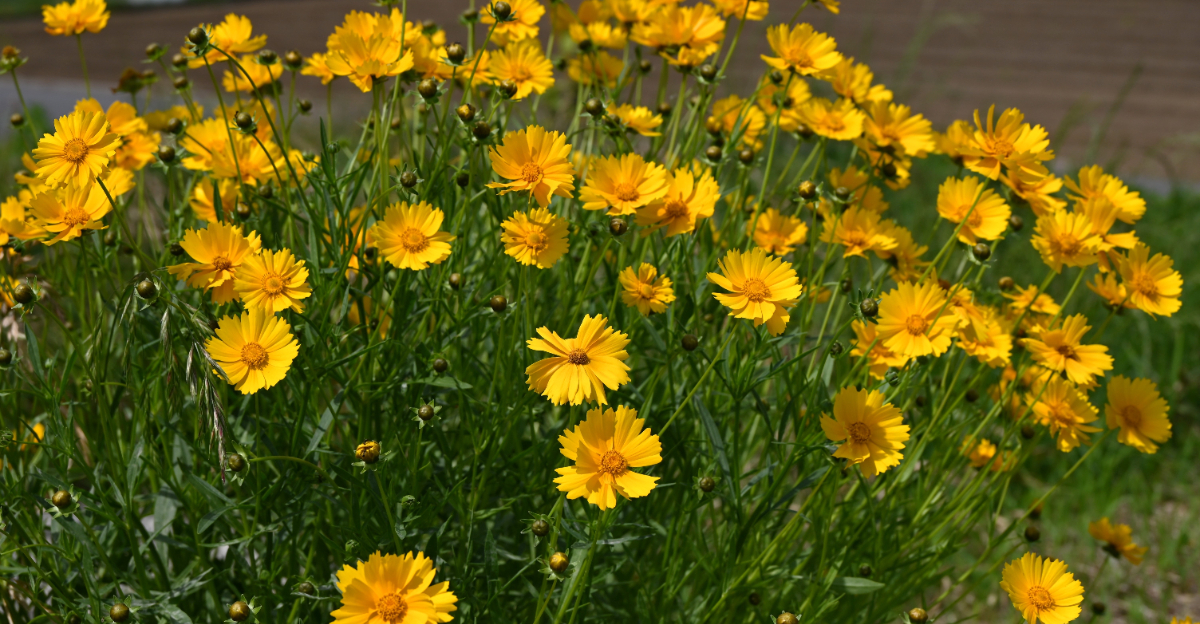
6. Lanceleaf Coreopsis
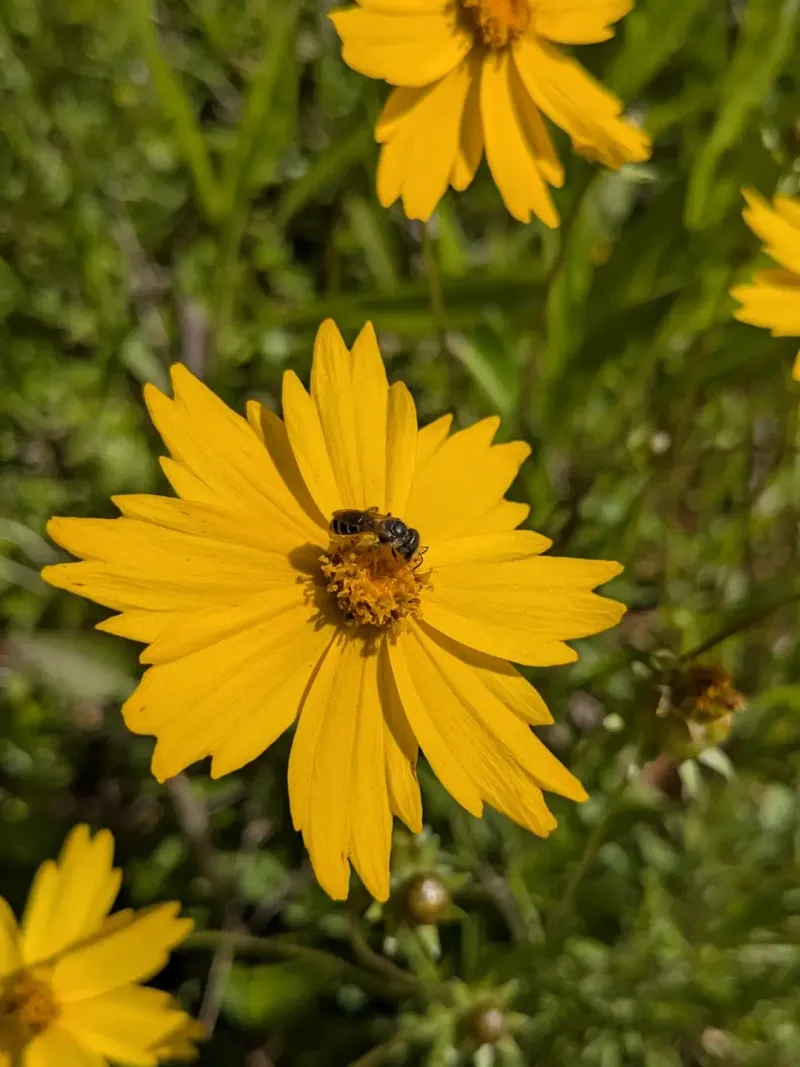
Cheerful, sunny, and almost impossible to stress out, lanceleaf coreopsis is one of those native plants that makes gardening feel easy.
Its bright yellow daisy-like flowers bloom generously from early summer onward, and the plant asks for very little in return.
Deer tend to find it unappealing, which makes it an even smarter choice for Michigan garden beds.
The reason deer are less drawn to lanceleaf coreopsis likely comes down to its narrow, slightly stiff foliage. It simply does not offer the tender, leafy texture that deer prefer when browsing.
Bees and butterflies, by contrast, visit the flowers regularly throughout the blooming season, making this plant a reliable pollinator magnet from June well into August or even September.
Dry, sunny conditions are where lanceleaf coreopsis truly shines. Sandy or gravelly soil, full sun exposure, and good drainage are all this plant needs to thrive.
It handles drought with impressive ease once established, making it a natural fit for low-water garden beds, roadside plantings, and meadow-style borders where irrigation is minimal or nonexistent.
Lanceleaf coreopsis typically grows one to two feet tall, forming neat, upright clumps that fit comfortably into the front or middle of a border.
Removing spent flowers can extend the blooming period, though even without deadheading, most plants will continue producing flowers through much of the summer. The seed heads that follow also attract small songbirds in fall.
For gardeners who want reliable summer color, low maintenance, and natural deer resistance all in one package, lanceleaf coreopsis delivers on every front.
It pairs especially well with butterfly weed and wild bergamot in sun-drenched native plantings.
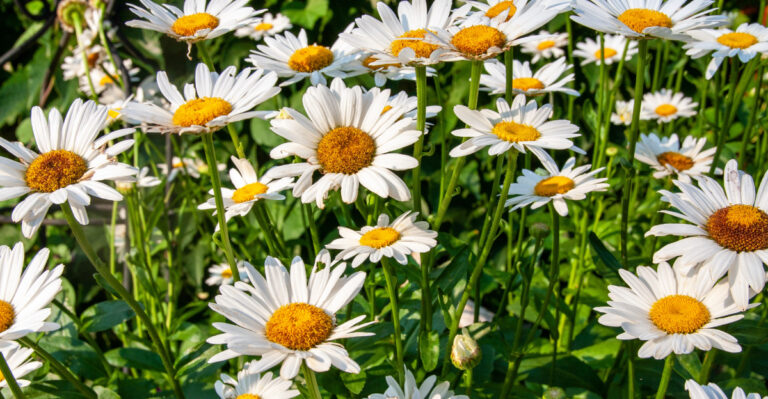
7. Black Eyed Susan
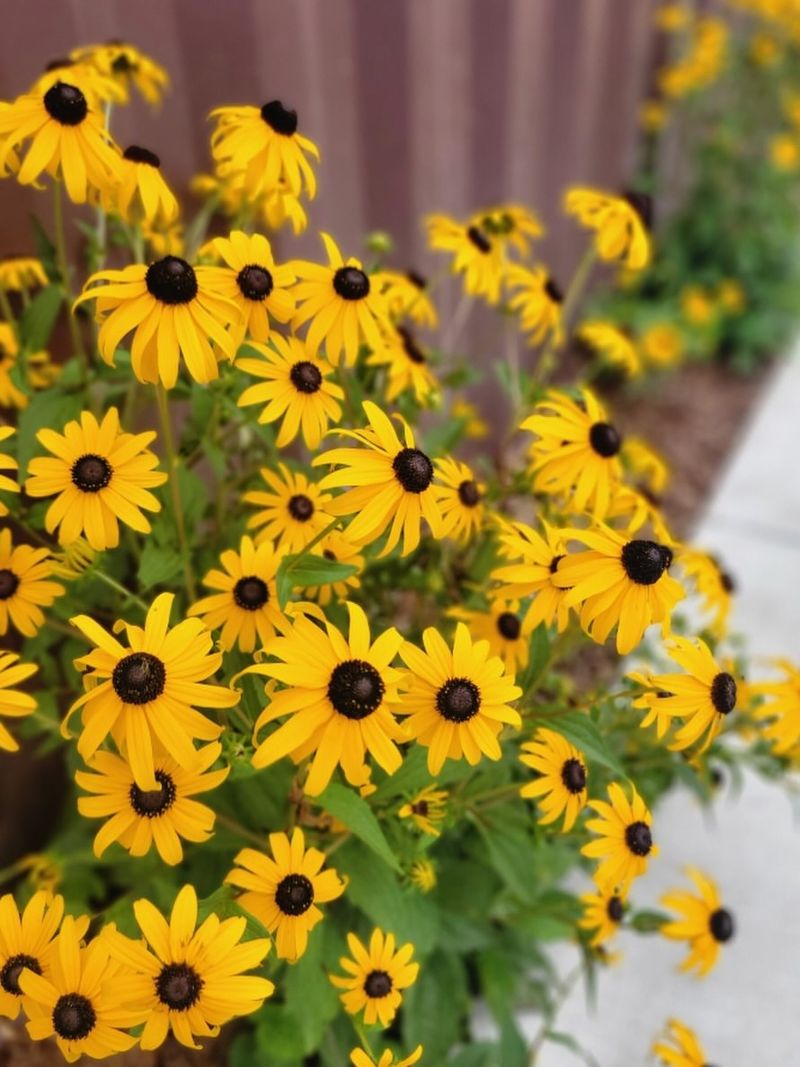
Ask almost any Michigan gardener to name a native wildflower, and black-eyed Susan will come up within the first few answers.
Those golden yellow petals surrounding a rich dark center are as classic as summer itself, and they bring weeks of reliable color to sunny garden beds from July through September.
Beyond the good looks, black-eyed Susan is also a smart choice for gardens where deer are a recurring concern.
Deer tend to browse black-eyed Susan far less than softer, more succulent plants like hostas or daylilies.
The foliage is rough and slightly hairy, which makes it less pleasant to eat compared to many cultivated garden plants.
That said, honesty matters here: when food becomes scarce in late fall or during harsh winters, deer may still sample whatever is available, including young black-eyed Susan plants.
Giving newly planted specimens a temporary wire cage or repellent spray for their first season is a sensible precaution. Once established, black-eyed Susan is genuinely tough.
It handles full sun and average to dry soil without complaint, and it often self-seeds to fill in a bed naturally over time.
Pollinators adore the flowers, and the seed heads that form after blooming provide important food for goldfinches and other small birds heading into fall.
This plant grows about two to three feet tall and looks stunning when massed together or mixed with native grasses, lanceleaf coreopsis, or wild bergamot. It fits beautifully into formal borders, meadow plantings, and naturalistic garden beds alike.
For dependable summer color, strong pollinator support, and natural deer resistance in Michigan gardens, black-eyed Susan remains one of the best native plants you can grow.