Plant Tulips Now With This Easy Egg Carton Trick For A Stunning Virginia Spring
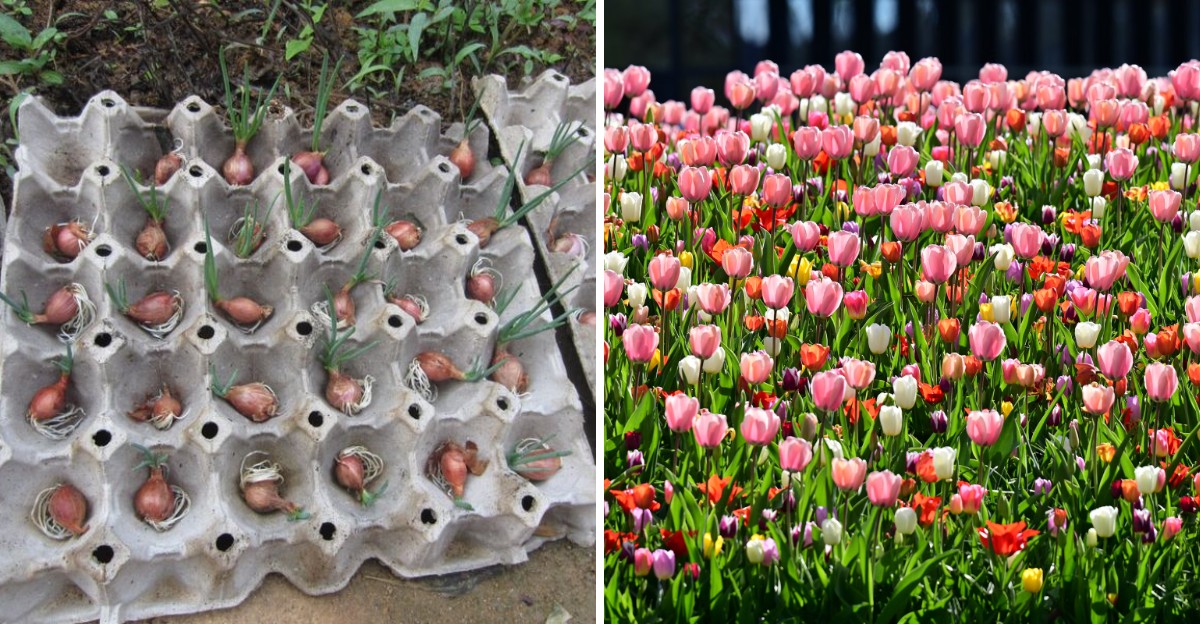
A single cardboard egg carton holds twelve neat little cups, and gardeners online swear those cups make flower bulbs line up like perfect soldiers. I spotted the videos and laughed, then grabbed a carton from my recycling bin.
Turns out the trick has a real upside and a sneaky catch. The cups look tidy, but a standard carton sits only about two inches tall. Most spring bulbs want to rest much deeper than that, closer to the length of your hand.
You might notice the same clips skip a few details, like soggy cardboard and hungry squirrels. Virginia’s wet winters turn untreated cardboard to mush fast, and the squirrels here seem to treat a freshly planted bed like a buffet.
After testing a few setups, I found a version that keeps the neat spacing and still respects what those bulbs need underground.
The planting window is wide open this fall, so if you garden in Virginia, which version of the carton hack earns a spot in your flower bed?
That Viral Egg Carton Tulip Hack Has A Hidden Catch
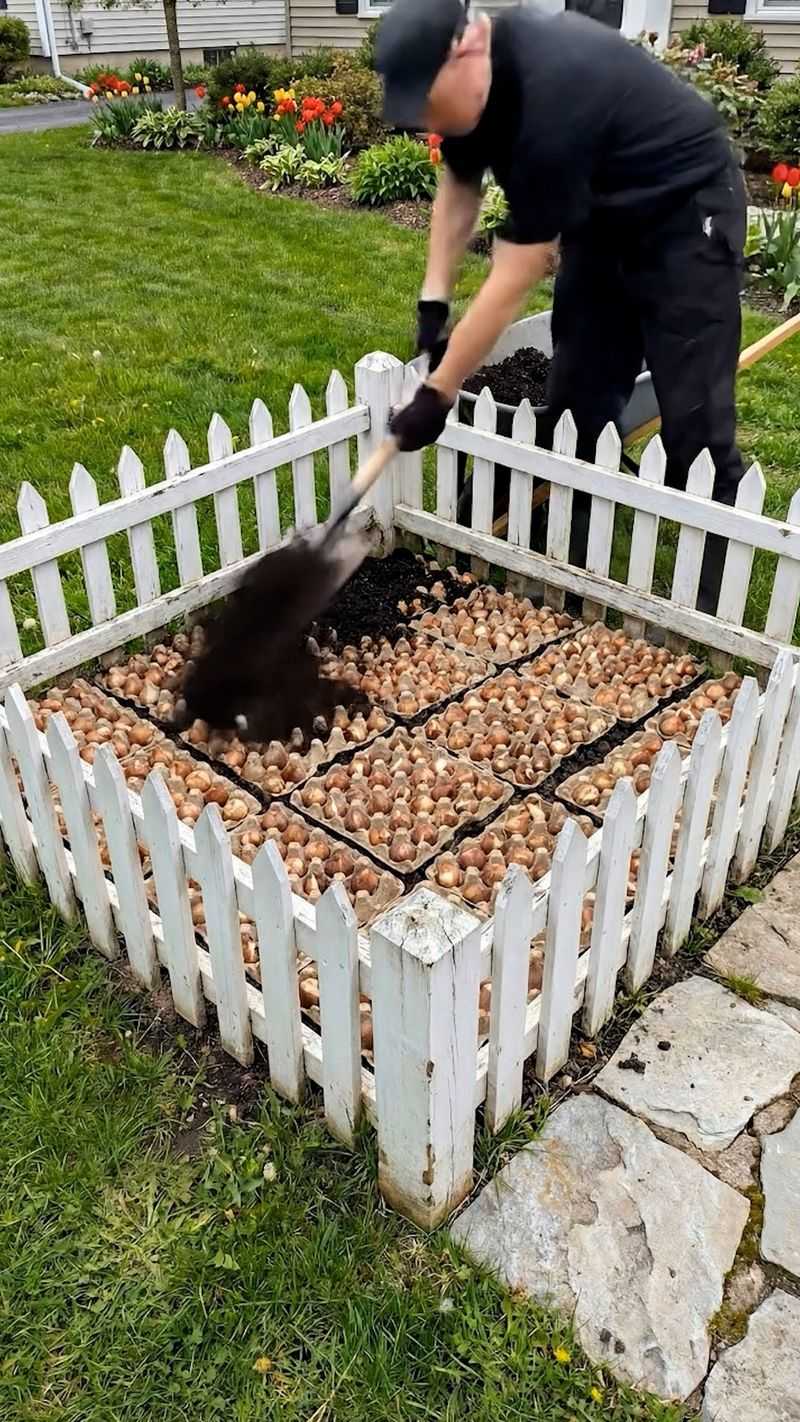
Social media loves a tidy shortcut, and this one looks almost too clever. You tuck one tulip bulb into each cup of a cardboard egg carton, bury the whole thing, and wait for spring.
The appeal makes sense. The carton spaces bulbs evenly, keeps them pointed up, and turns a messy job into a neat little project. Kids love it too, since filling the cups feels like a game.
The catch sits in the numbers. A typical carton is roughly two inches deep, yet tulips grow best with the base of the bulb about 6 to 8 inches below the soil surface.
Many videos show the carton set into a shallow trench, which leaves bulbs far too close to the top.
Shallow tulips face a rough winter. Soil near the surface swings between freezing and thawing, which can heave bulbs upward.
Stems that sprout from shallow bulbs also tend to flop once those heavy blooms open. None of this means the carton is useless. It works fine as a layout guide or a carrying tray.
The trouble starts only when people treat it as the whole planting plan instead of one small helper.
Soggy Cardboard Can Rot Tender Tulip Bulbs
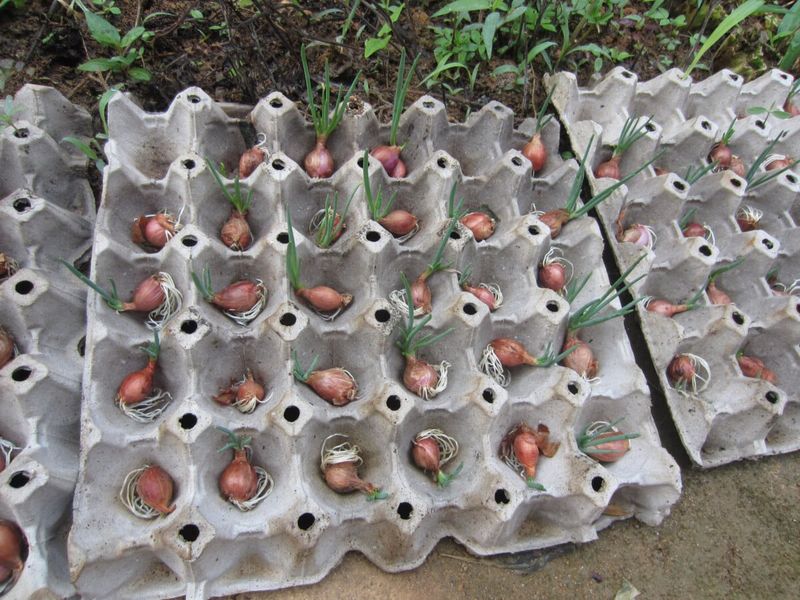
Ever left a cardboard box out in the rain overnight? By morning it turns into a limp, wet sponge, and buried cardboard behaves much the same way.
Tulip bulbs strongly dislike wet feet. Extension experts from Virginia Tech and other universities stress well-drained soil because bulbs sitting in soggy ground are prone to rot and fungal problems.
A carton that soaks up water and holds it right against the bulb can add to that risk, especially in heavy clay.
Cardboard does break down over time, and roots can usually push through softened paper. Still, the material can slow drainage during a wet winter.
Virginia often sees long rainy stretches between November and March, so that extra moisture matters.
A smarter move keeps the carton out of the ground. Use it above the soil to sort and space bulbs, then lift each bulb out and set it straight into its hole.
You still get that neat grid without burying a damp blanket. If you insist on burying it, tear out the bottoms of the cups first. Bare soil under each bulb gives water an easy exit and gives roots a clear path downward.
Dig Tulip Holes About Three Times As Deep As The Bulb
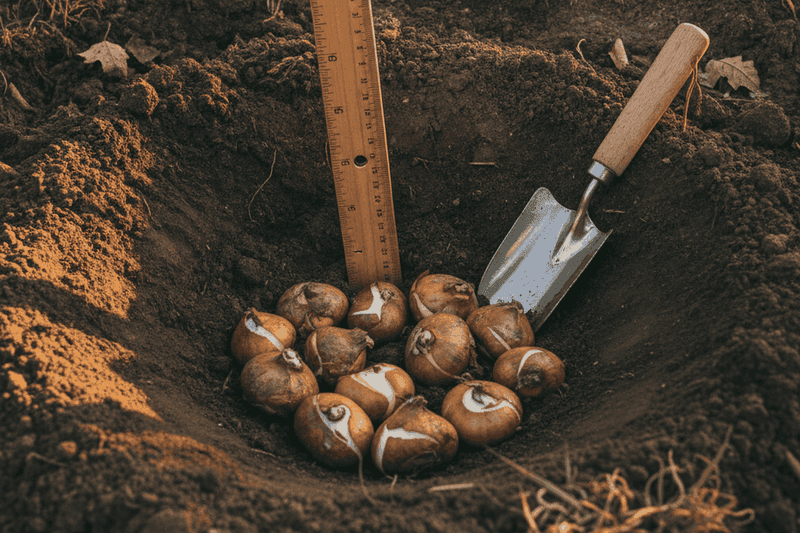
My favorite rule of thumb fits on a sticky note. Plant each bulb about three times as deep as it is tall, which usually lands tulips at 6 to 8 inches down.
That depth does real work. Deeper soil holds a steadier temperature, so roots grow calmly through winter.
It also anchors tall stems, keeps bulbs farther from curious squirrels, and helps them avoid early sprouting during warm spells.
Set each bulb pointy end up, with the flat root plate facing down. If you cannot tell which side is which, plant it on its side, and the stem will find its way. Space bulbs about 4 to 6 inches apart for a full, cheerful look.
Soil prep matters as much as depth. Loosen the ground a few inches below the planting level, and mix in compost if you have heavy red clay. Good drainage gives bulbs the best shot at blooming.
Here is where the carton earns a second chance. Lay it on the surface as a spacing stencil, press a finger into each cup spot, then dig there. You keep the charm and skip the shallow planting.
Cool Soil Tells You When To Plant Tulips In Virginia
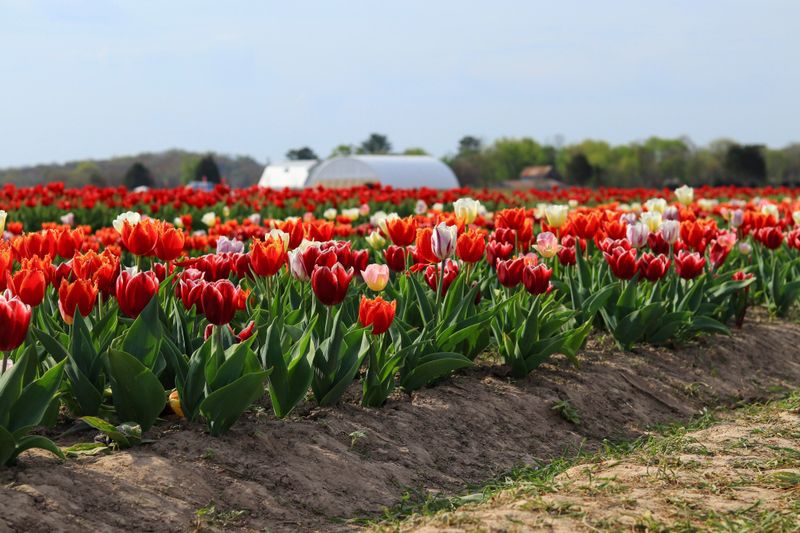
Calendars help, but your soil gives the real green light. Tulips like to go in once the ground about six inches down cools to roughly 55 degrees Fahrenheit or lower.
Across Virginia, that usually happens between late October and December. Planting too early, while soil still feels warm, can coax bulbs into sending up leaves before winter. Waiting for cooler ground lets roots form first, which builds a strong base for spring.
An inexpensive soil thermometer takes the guesswork out of timing. Push it in during the morning a few days in a row and watch for steady readings in the low to mid 50s. That pattern beats any single warm or cold afternoon.
Nighttime air temperatures offer another clue. Many gardeners start planting once nights stay in the 40s for a week or so. Leaves dropping from maples and oaks often line up with that window too.
Do not panic if you run late. Bulbs planted in December, or even early January when the ground stays workable, frequently still bloom. A bulb in the soil almost always outperforms one forgotten in the garage until spring.
Mountain, Piedmont, And Tidewater Tulip Gardens Run On Different Clocks

Virginia stretches from cool mountain hollows to the salty edge of the Chesapeake Bay. That range covers USDA zones from about 5b to 8b, so one planting date cannot fit everyone.
Gardeners in the western mountains, the Shenandoah Valley, and Northern Virginia often see soil cool first. Late October into early November tends to suit those areas well. Higher elevations around Highland County may be ready even sooner.
The Piedmont, including Charlottesville and Richmond, usually hits its sweet spot in early to mid November. Warm spells can linger there, so a quick soil check pays off. Clay soils in this region also benefit from extra compost.
Down in Hampton Roads and the Eastern Shore, nearby water keeps soil warmer longer. Mid November through mid December often works better in those coastal spots. Sandy soils drain fast, which bulbs appreciate.
Not sure about your area? The Virginia Cooperative Extension office in your county can share local advice. Those offices know the quirks of your soil and weather better than any viral video ever could.
Tulip Bulbs Need A Long Winter Chill To Bloom
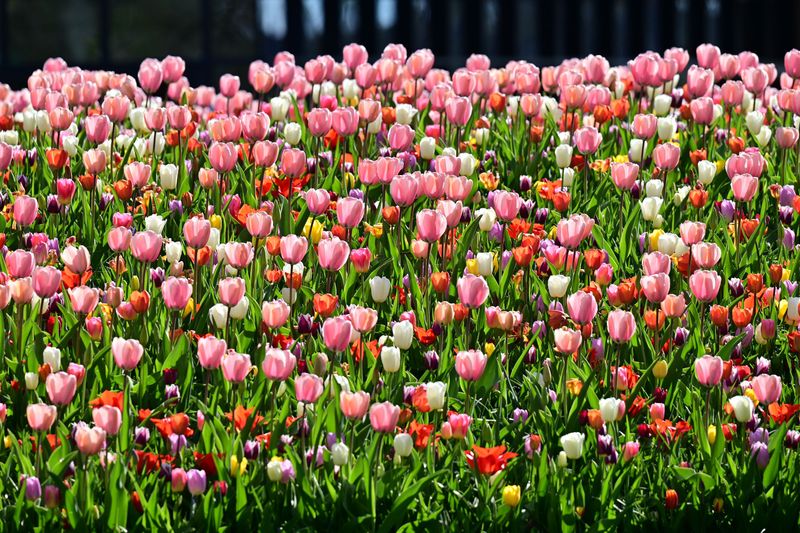
Tulips carry a built-in winter alarm clock. Most need around 12 to 16 weeks of cold, roughly 35 to 45 degrees, before they bloom well.
That chill triggers changes inside the bulb that help stems stretch and flowers open. Without enough cold, you may get short stems, small blooms, or leaves with no flowers at all.
Most of Virginia supplies plenty of winter chill naturally. Gardeners in the warmest coastal pockets sometimes see weaker results after a mild winter, though.
Some choose to pre-chill bulbs in the refrigerator for about 12 to 16 weeks, then plant in December or January.
If you try that, keep bulbs in a paper bag in the crisper drawer. Store them away from apples, bananas, and other ripening fruit. Those fruits release ethylene gas, which can harm the flower bud tucked inside.
Fun fact: the famous Dutch tulip craze of the 1630s centered on flowers that originally came from the cold-winter mountains of Central Asia.
That background explains why these flowers crave a proper cold season. Giving them one, naturally or in the fridge, sets up a far better show.
Hungry Deer And Squirrels Love Fresh Tulip Bulbs
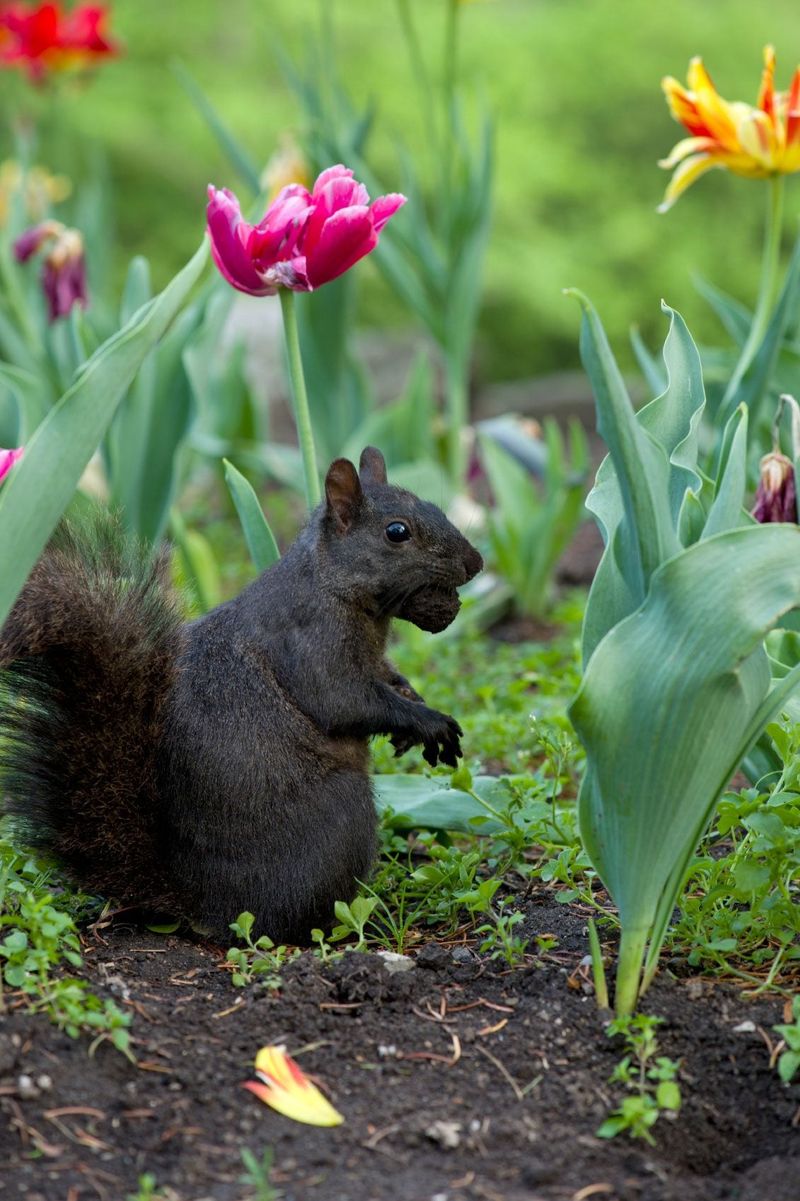
Deer treat tulips like a spring salad bar. Squirrels and voles, meanwhile, happily dig up freshly planted bulbs in fall, especially when loose soil gives away the hiding spot.
Deeper planting is your first line of protection. Bulbs at 6 to 8 inches are harder for squirrels to find. Cleaning up papery bulb skins after planting also removes the scent trail that tempts them.
Hardware cloth works wonders in trouble spots. Lay a piece of wire mesh flat over the planted bed, cover it with soil or mulch, and remove it in late winter before shoots get tall. Some gardeners line planting holes with gravel to discourage voles.
Deer require a different plan. Fencing, repellent sprays applied as leaves emerge, or planting tulips close to the house can help. Mixing in daffodils also makes sense, since deer and rodents mostly avoid those toxic bulbs.
A light layer of shredded leaves or mulch after planting adds another benefit. It evens out soil temperature and hides disturbed ground from curious noses.
Give everything a good soaking right after planting, then let winter rain handle most of the watering.
A Bulb Auger Or Trench Gives You Neat Rows Of Spring Tulips

Want neat spacing without the cardboard? A few old-school tricks deliver that look and save your knees.
For big plantings, a bulb auger attached to a cordless drill feels like magic. It bores clean holes to the right depth in seconds. Mark the auger bit with tape at 7 inches, and every hole matches.
The trench method shines for bold, crowded displays. Dig a wide area to the proper depth, arrange bulbs a few inches apart, then backfill everything at once. Planners love it because you can see the whole pattern before covering it up.
Your egg carton still has a job here. Use it on the surface as a spacing template, or as a sorting tray to keep colors organized. Kids can fill the cups while you dig, which turns planting into a family project.
Plan on fresh bulbs most years, too. Hot, humid Virginia summers often weaken hybrid tulips, so many gardeners treat them like annuals.
Species tulips and Darwin hybrids tend to return more reliably. Buy firm, plump bulbs now, plant them right, and next April your yard will reward every scoop of soil.