Bees Are Choosing These 8 Virginia Flowers And They Are Worth Every Inch Of Your Garden
Somewhere between the first light and the full heat of a Virginia morning, the garden wakes up before you do. The bees are already working.
They found what they needed before you even stepped outside, because they always do. The question is whether your yard is giving them anything worth coming back to. Most gardens are not.
They are full of decorative plants that look good in a nursery photo and do almost nothing for the ecosystem underneath them. Bees are picky in the best possible way.
When they keep returning to the same blooms day after day, that is information worth paying attention to. Virginia gardeners sit on something genuinely rare.
The soil, the seasons, the native plant history of this region, it all lines up to support flowers that pollinators go absolutely wild for.
These are the blooms bees choose above almost everything else in the garden, and once you know why, you will want to plant every single one.
1. Mountain Mint
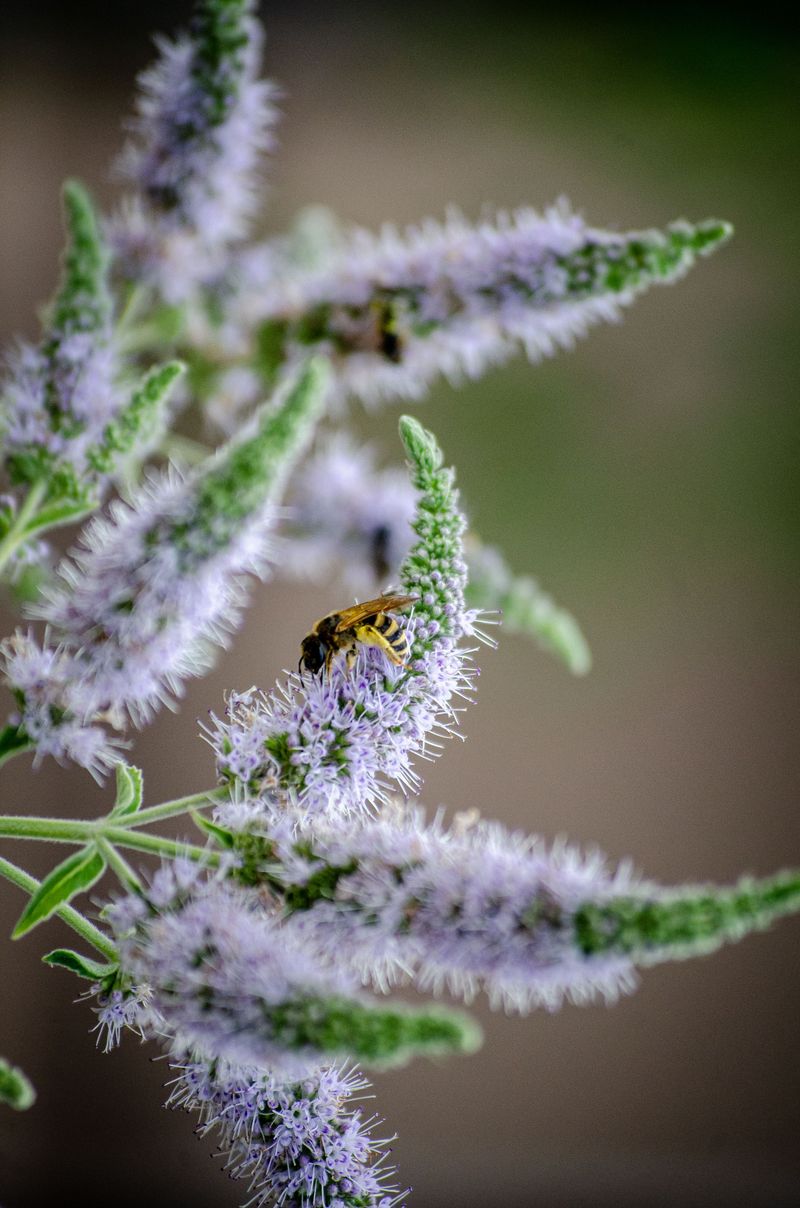
If bees had a favorite restaurant, mountain mint would be the one with a line out the door. This native perennial is absolutely magnetic to pollinators, drawing in dozens of bee species at once.
Mountain mint thrives in full sun and handles dry spells like a champ. It spreads steadily, so give it room to roam in a garden bed or meadow-style planting.
The small white flowers might look modest at first glance. But watch them for five minutes and you will see every type of bee imaginable working those blooms with serious enthusiasm.
One major perk: deer tend to leave it alone. The strong minty scent that bees adore is the same thing that keeps browsing animals moving along.
Mountain mint grows two to three feet tall and blooms from midsummer into early fall. That extended bloom window makes it one of the most valuable plants you can add to a pollinator garden.
It spreads by rhizomes, which means it fills in gaps beautifully over time. If it gets too enthusiastic, simply divide it in spring and share with a neighbor.
Planting it near vegetables or fruit trees can boost your overall garden yield. More bees visiting your garden means more pollination happening across every plant nearby.
This is one of those plants that earns its keep every single season. Once established, it practically takes care of itself and rewards you endlessly.
2. Wild Bergamot / Bee Balm
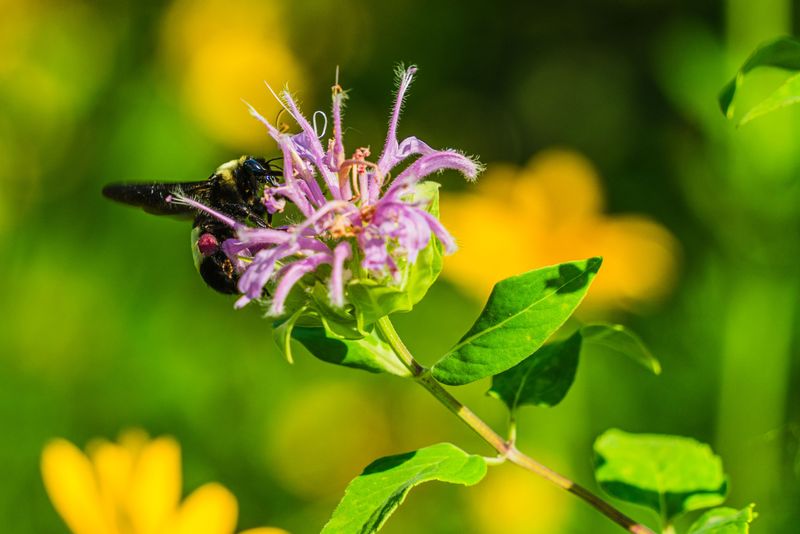
The name says it all: bee balm. This plant was practically named after the creatures that love it most.
Wild bergamot is the native cousin of the showier cultivated varieties, and bees prefer it overwhelmingly.
The lavender-purple flowers bloom in midsummer and create a visual spectacle. Each rounded flower head is actually dozens of tiny individual blooms packed together, giving bees endless places to land.
Wild bergamot grows best in full to partial sun and handles average garden soil without complaint. It is drought-tolerant once established, which makes it ideal for low-maintenance landscapes.
Your Virginia Garden Changes Every Week. Your Plan Should Too.
Gardening in Virginia changes quickly throughout the season. Every Friday you’ll receive a simple weekly plan showing exactly what to plant, prune, fertilize, harvest, and protect so you never miss the right timing.
Hummingbirds also visit, which means planting this gives you a two-for-one deal in the wildlife department. Your garden becomes a living nature documentary right outside your window.
The plant typically reaches three to four feet in height. It forms clumps that spread slowly, giving you a fuller display each passing year without becoming invasive.
One thing gardeners love: the foliage smells amazing when brushed against. That oregano-like fragrance is pleasant for humans but absolutely irresistible to bees flying nearby.
Removing spent flowers encourages a second flush of blooms later in the season. A little effort mid-season extends the feeding window for pollinators significantly.
Bees are choosing these 8 Virginia flowers for good reason, and wild bergamot tops many lists. Plant it once and your garden will never feel quiet again.
3. Black-Eyed Susan
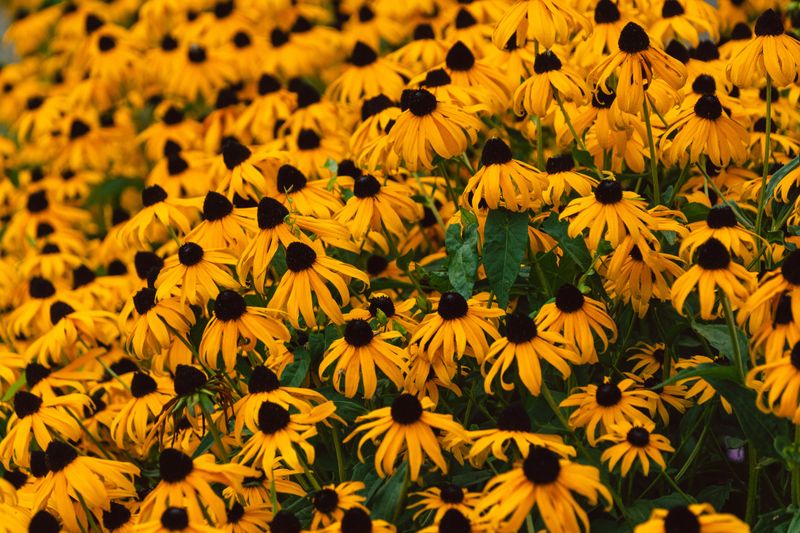
Few flowers are as instantly recognizable as the black-eyed Susan. Those bold yellow petals surrounding a dark chocolate center are practically synonymous with late summer in the mid-Atlantic region.
Bees go absolutely wild for these blooms. The open, flat flower structure makes pollen easy to access, which is exactly what native bees need to feed their colonies efficiently.
Black-eyed Susans are short-lived perennials that self-seed with enthusiasm. Plant them once and they tend to return year after year, often spreading into cheerful natural drifts across a garden bed.
They tolerate poor soil, full sun, and dry conditions without missing a beat. For gardeners who want maximum payoff with minimal fuss, this plant is a genuine gift.
The blooming season runs from June through September, giving pollinators a long and reliable food source. Few other wildflowers offer that kind of consistent bloom time in summer heat.
Goldfinches love the seed heads in fall, so resist the urge to cut them back too early. Leaving the stalks standing through winter supports birds and overwintering insects simultaneously.
These flowers mix beautifully with purple coneflower and lanceleaf coreopsis in a naturalistic planting. The color combinations are stunning and the ecological value is even better.
If you are just starting a pollinator garden, black-eyed Susan is the easiest first step you can take. It grows fast, blooms big, and never lets you down.
4. Purple Coneflower
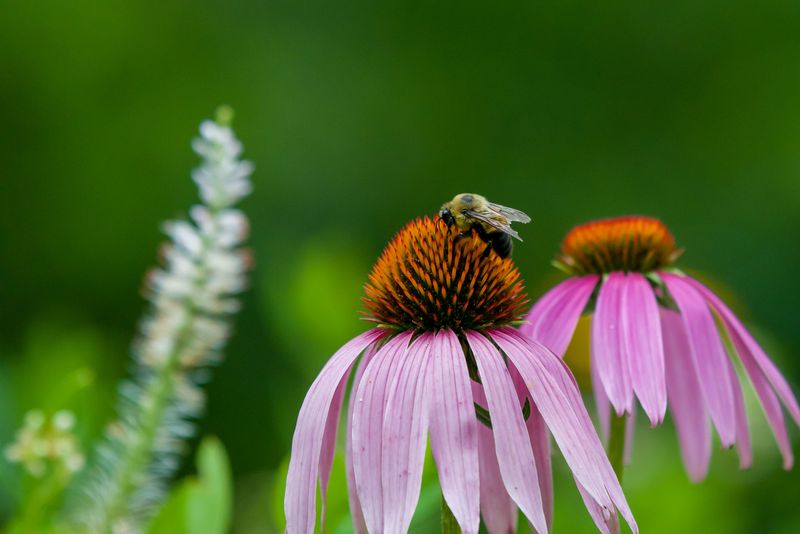
Purple coneflower has earned its place as one of the most beloved native plants in American gardening. It is tough, striking, and practically a bee magnet from the moment it opens.
The spiky central cone is where the magic happens. Bees land on it and work their way around methodically, collecting pollen with a focus that is almost meditative to watch.
Echinacea, its botanical name, is well-known in herbal circles for its immune-boosting properties. But in the garden, its superpower is feeding pollinators through some of the hottest weeks of summer.
These plants prefer full sun and well-drained soil. They are remarkably drought-resistant once their roots settle in, which makes them ideal for gardeners who forget to water occasionally.
Purple coneflower blooms from June through August and sometimes beyond. Removing spent flowers encourages more blooms, but leaving some seed heads standing feeds finches through the colder months.
The flowers age beautifully too. As petals drop, the cones remain architectural and interesting, giving the garden structure even after peak bloom has passed.
Plant them in groups of three or more for the most visual impact. A mass planting creates a landing strip effect that bees simply cannot resist flying past.
Gardeners who grow purple coneflower rarely stop at one. Its reliability, beauty, and ecological value make it a cornerstone plant that earns its spot every single season.
5. Lanceleaf Coreopsis
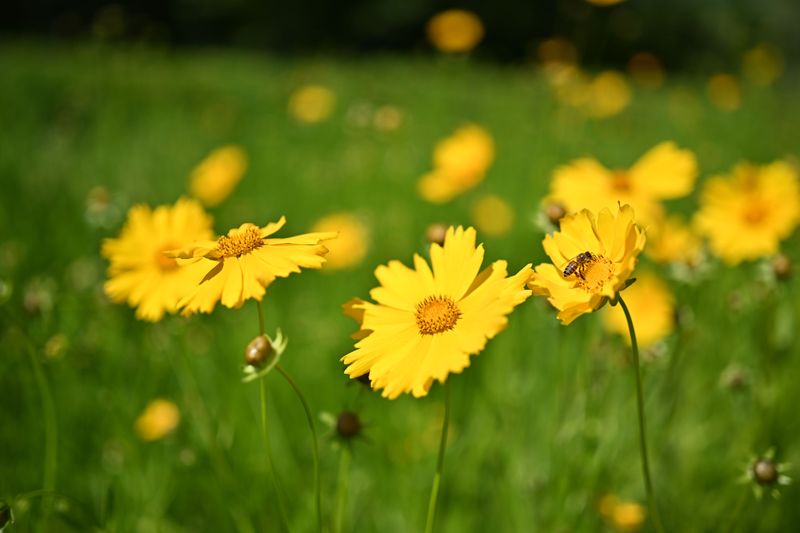
Lanceleaf coreopsis is the overachiever of the native plant world. It blooms relentlessly from late spring through summer, covering itself in cheerful golden flowers that bees cannot get enough of.
This plant is the official state wildflower of Florida, but it thrives just as happily across Virginia. It loves heat, tolerates poor soils, and laughs at drought conditions that would wilt lesser plants.
The flowers are classic daisy-style: open, flat, and easy for bees to land on. That simple structure means small native bees, sweat bees, and bumblebees can all access the pollen without difficulty.
Lanceleaf coreopsis grows one to two feet tall and spreads into cheerful clumps over time. It looks fantastic along garden borders, in meadow plantings, or even in large containers on a sunny patio.
One thing that sets it apart: it blooms earlier than many other native wildflowers. That early start gives bees a critical food source when fewer options are available in late spring.
Cutting plants back by half in midsummer often triggers a fresh flush of blooms. That simple trick can extend your color and pollinator activity well into September.
Pair it with blue wild indigo or purple coneflower for a native garden combination that stops people in their tracks. The color contrast is electric and the ecological benefit is enormous.
Reliable, radiant, and ridiculously easy to grow, lanceleaf coreopsis belongs in every pollinator-friendly yard without question.
6. Passionflower
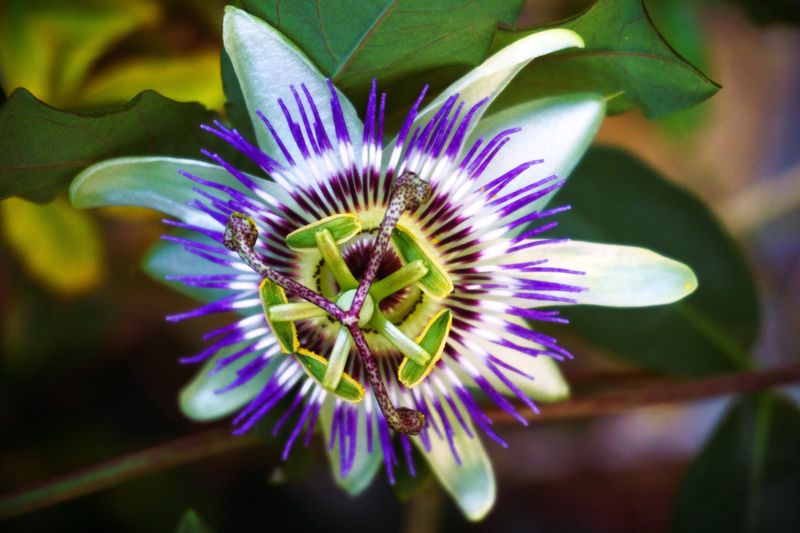
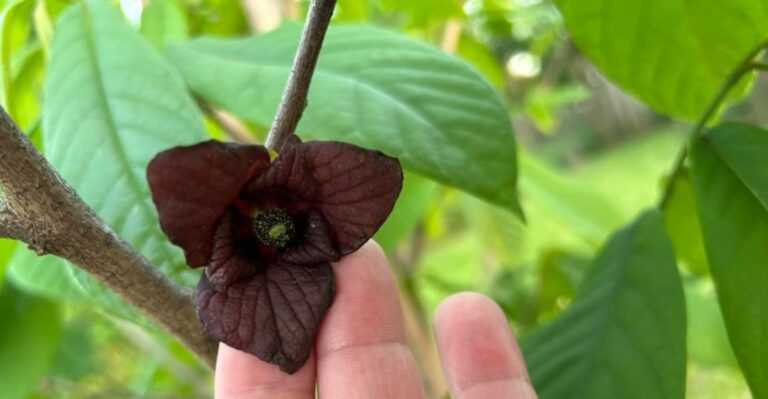
Nothing prepares you for seeing a passionflower bloom for the first time. The flowers look like something from a tropical rainforest, not a Virginia backyard, and bees are absolutely captivated by them.
Passiflora incarnata is the native species here, and it is far tougher than its exotic appearance suggests. It climbs fences, trellises, and shrubs with enthusiasm, reaching up to twenty feet in a single season.
Carpenter bees are particularly drawn to passionflower. The flower is built almost perfectly for them.
Its reproductive parts sit at exactly the right height for a carpenter bee’s body, making pollination precise and efficient.
The plant also serves as the primary native host plant for the zebra longwing and gulf fritillary butterflies.
Planting it means supporting both bees and some of the most spectacular butterflies in the region.
Passionflower spreads by underground runners and can colonize a spot aggressively. Plan for this by giving it a dedicated space or using root barriers if you want to keep it contained.
The fruit it produces, called maypops, is edible and tastes like a mild tropical fruit. Wildlife loves them too, so expect birds and small mammals to join the party in late summer.
It retreats to the ground in winter but returns reliably each spring. That dramatic disappearance and reappearance makes it feel like a garden surprise every single year.
Exotic-looking yet completely native, passionflower is the showstopper your garden has been waiting for.
7. Eastern Rosemallow
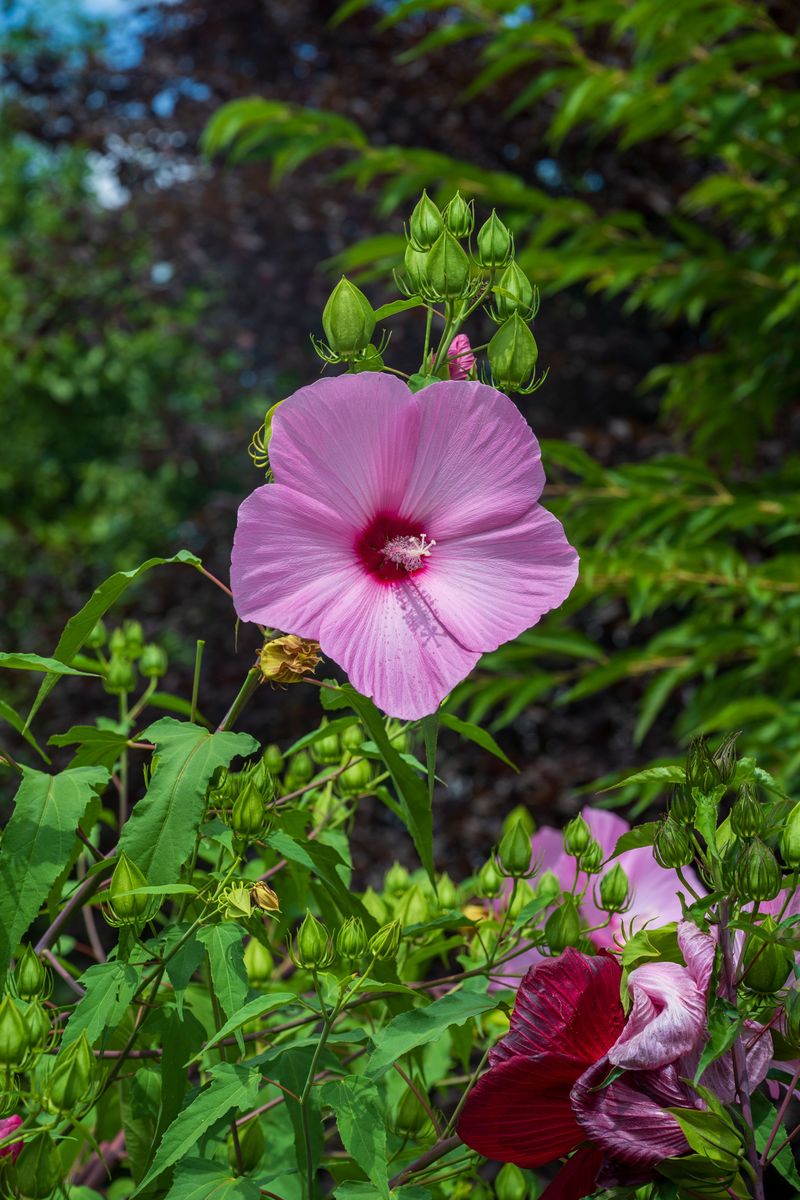
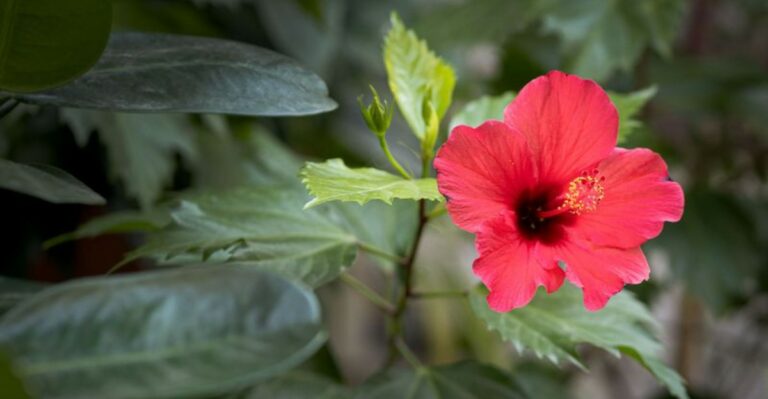
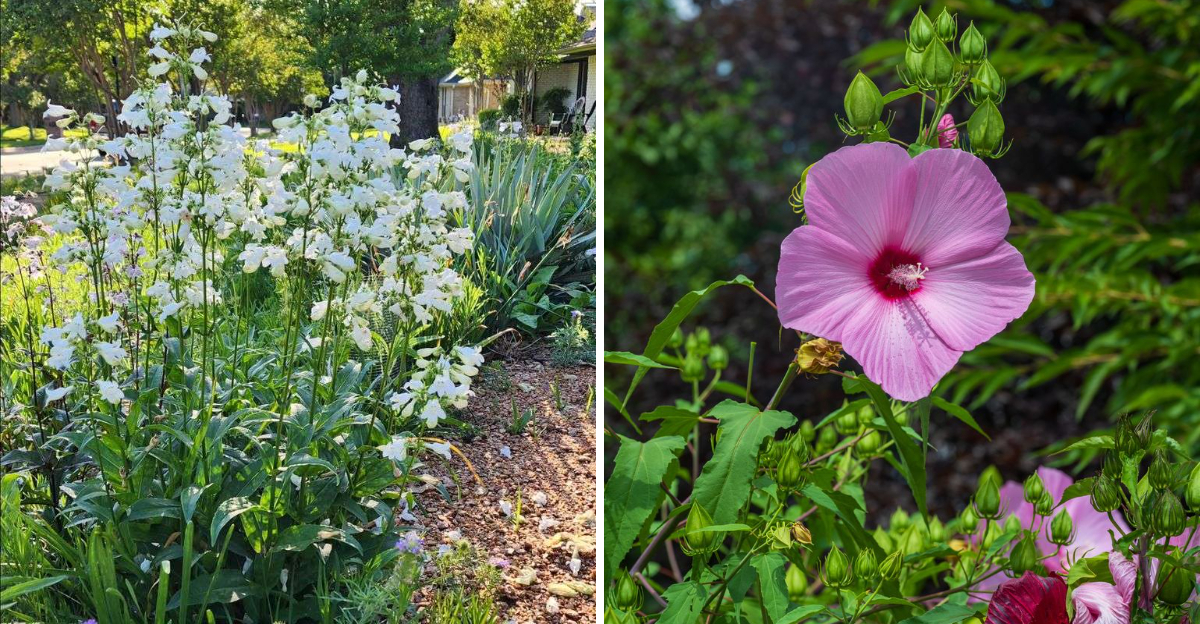
Eastern rosemallow stops traffic. The blooms can reach the size of a dinner plate, flaunting shades of pink and white with a deep crimson center that bees find irresistible from a distance.
This native hibiscus is built for wet spots. Rain gardens, pond edges, and low-lying areas that stay moist are exactly where eastern rosemallow feels most at home and performs its best.
Bumblebees are the primary visitors here, and they work these flowers with impressive dedication. The large open blooms give bees plenty of room to move around and collect pollen efficiently.
Eastern rosemallow is a perennial that retreats to the ground in winter and re-emerges late in spring. Do not panic when it seems slow to appear. It always shows up eventually, and the wait is worth it.
The plants grow four to seven feet tall in good conditions. That impressive height makes them natural focal points in a landscape, drawing the eye and creating bold vertical structure.
Each individual flower only lasts one day, but the plant produces dozens of buds in succession.
The show continues for weeks, giving you fresh blooms and continuous bee activity throughout summer.
Hummingbirds also visit, adding another layer of wildlife excitement to the garden. Position plants where you can see them from a window and enjoy the daily activity from inside.
Bees are choosing these 8 Virginia flowers because of plants like this one. Eastern rosemallow is proof that native and spectacular are not mutually exclusive.
8. Smooth Penstemon
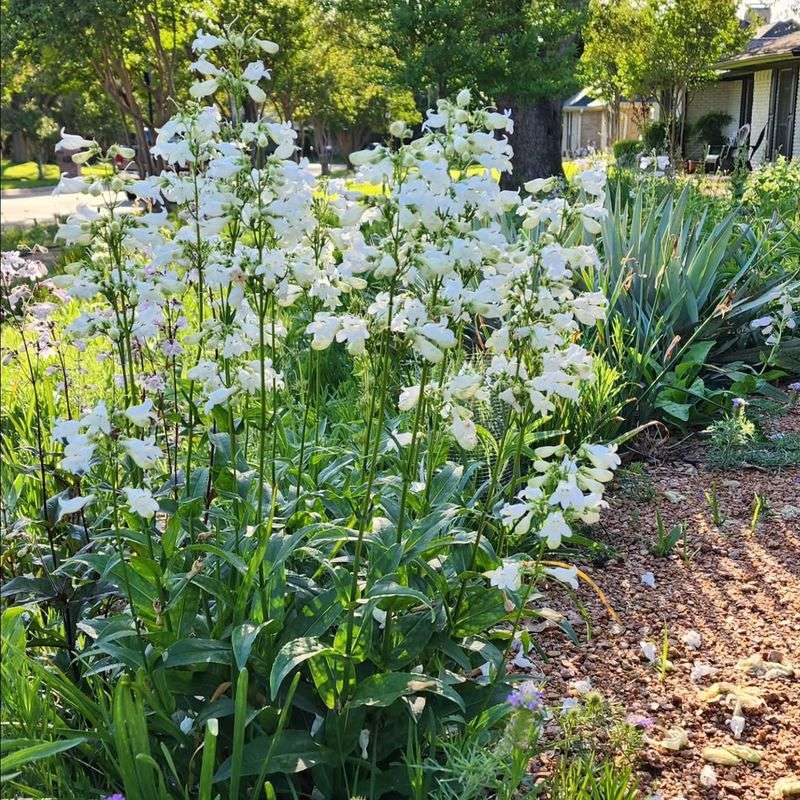
Smooth penstemon is the elegant early bloomer that native bee enthusiasts get genuinely excited about.
It flowers in late spring when many other natives are still just leaves, filling a critical gap in the pollinator calendar.
The tubular lavender-purple flowers are designed almost perfectly for bumblebees. Those fuzzy bodies fit snugly inside each tube, and as they feed, they pick up and deposit pollen with remarkable efficiency.
Smooth penstemon prefers moist, well-drained soil and full to partial sun. It thrives in low fields and meadow-style plantings where moisture is consistent, making it ideal for spots that stay reliably damp through the season.
The plant grows two to three feet tall with an upright, graceful habit. Placed toward the back of a border or in drifts across a meadow garden, it creates a soft, airy effect that feels effortlessly natural.
After blooming, the seed pods are decorative in their own right. Leave them standing and birds will thank you for the extra food source through the leaner months of late fall.
Smooth penstemon pairs beautifully with golden alexanders and wild blue indigo for a native spring garden that looks intentional and stunning. The combination supports a wide range of early-season pollinators.
Unlike some natives, smooth penstemon is not aggressive. It stays where you plant it and slowly forms tidy clumps that expand gradually over several years without taking over neighboring plants.
For a garden that supports bees from the very first warm days, smooth penstemon is the plant that starts the season right.