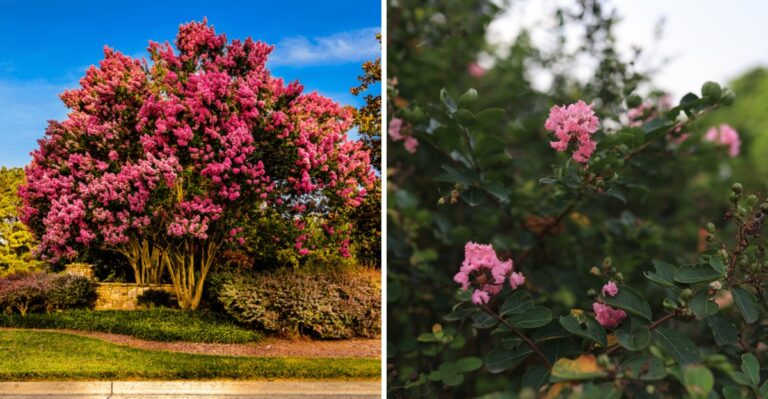
Plant Violas In Georgia This November For Beautiful Blooms Through Winter
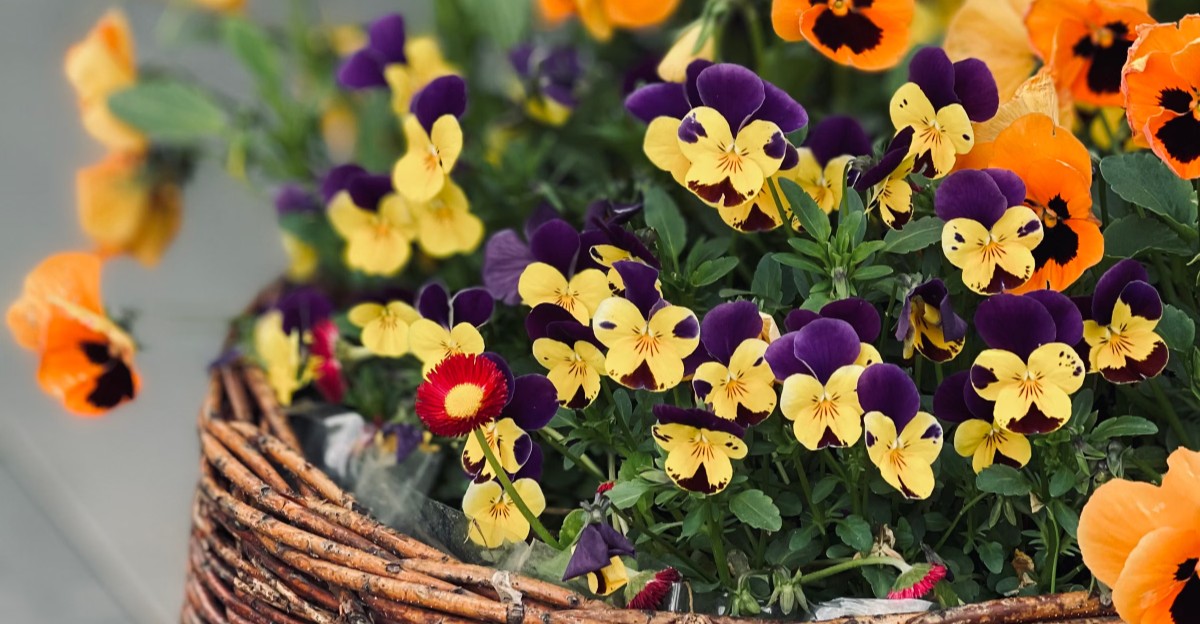
Bright little flowers with cheerful faces can shrug off a night in the low 20s and still bloom the next sunny afternoon. I still find that a bit wild.
Most of my summer flowers quit at the first hint of frost.
This tough little bloom has a famous wild relative nicknamed Johnny-jump-up. Old gardeners gave it that name because it pops up in odd spots all on its own.
Some kinds even carry a light, sweet scent you only notice when you lean in close.
You need a sunny bed, a few weekends, and a trowel this fall in Georgia. I’ve always appreciated how late fall planting gives you more color for your money than spring planting.
You get months of color while your neighbors stare at bare mulch.
The secret to those cheerful blooms through frosty mornings starts with choosing the right cool-season flower and getting it settled before the ground turns cold.
1. Those Tiny Winter Viola Faces Are Tougher Than They Look
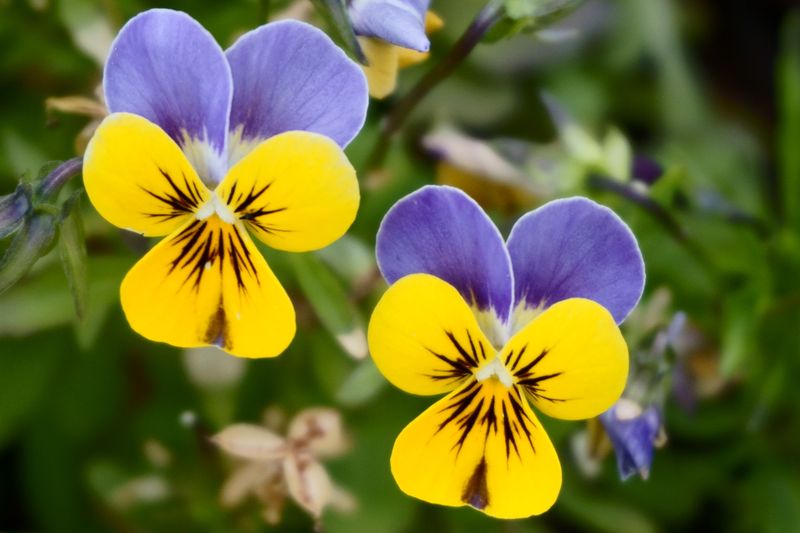
Small flowers often get overlooked, but violas deserve a second glance. Their blooms are about the size of a quarter, and a single plant can carry dozens at once.
University of Georgia Extension lists violas and pansies among the most dependable winter annuals for the state. Both belong to the Viola family, yet violas usually handle cold a bit better than their big-faced pansy cousins.
Smaller flowers and leaves seem to recover faster after a freeze, so the show bounces back sooner.
I like that violas keep producing new buds whenever the weather softens. A warm week in January can bring a fresh flush of purple, yellow, white, or apricot.
Pansies may pause longer after a hard cold snap.
Another plus is their sheer number of blooms. Since each plant spreads into a tidy mound, a small group can fill a border or pot with steady color.
That makes them a smart pick if you want lots of impact for a modest price.
Their wild roots matter too. Many garden violas trace back to Viola tricolor, the plant called Johnny-jump-up or heartsease.
That hardy family history helps explain why these little plants handle cool seasons so well.
2. November Is The Sweet Spot For Setting Out Viola Transplants
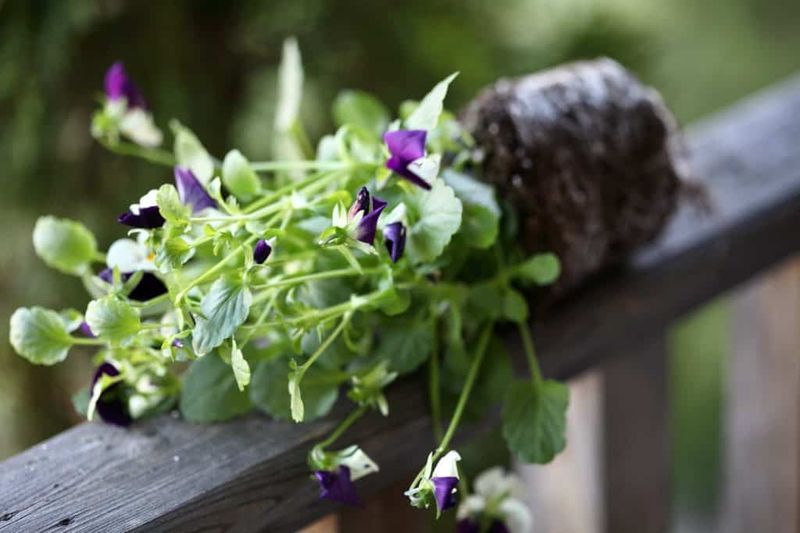
Timing is the secret most folks miss. Violas need a few weeks of cool but not frozen soil so their roots can spread before the coldest days arrive.
Across much of Georgia, October through November is the ideal window. Gardeners in the north Georgia mountains, in zones 7a and 7b, should aim for October or early November.
The Piedmont around Atlanta and Athens does well through mid-November. In south Georgia, where zones reach 8b and 9a, you can plant later in the month and even into early December.
Soil temperature tells the real story. UGA Extension suggests planting once soil cools to roughly 45 to 65 degrees.
If you plant too early in a warm spell, the plants can stretch and get leggy. Wait too long, and roots struggle to settle before January.
Personally, I watch the forecast for a mild, cloudy stretch. Planting on a gray day spares the young plants from sun stress while they adjust.
Buy healthy transplants with green leaves and plenty of buds rather than full open flowers. A compact, sturdy plant usually settles in faster and blooms longer than a tall one already loaded with blossoms.
3. A Sunny, Well-Drained Viola Bed Makes All The Difference
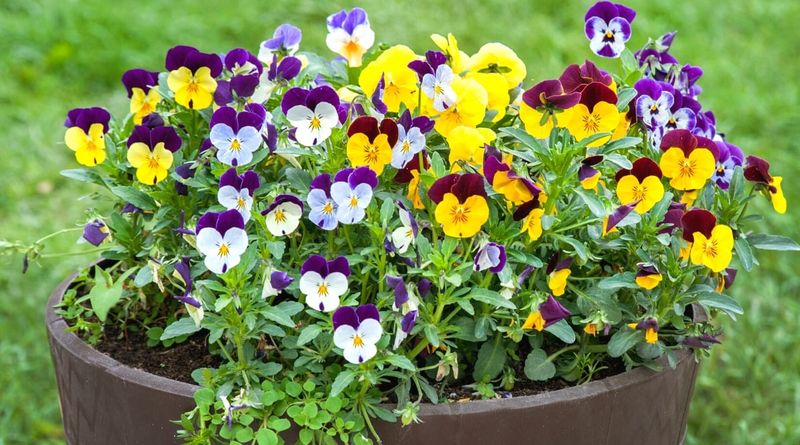
Red clay and soggy roots are not a happy match. If you garden anywhere in the Piedmont, you already know how heavy that clay can feel after a rainy week.
Violas bloom best with at least six hours of sun during winter. Short days mean less light overall, so a bright spot matters even more than it does in spring.
Trees that drop their leaves can make a summer shade spot perfectly sunny in winter, which opens up more planting options.
Drainage is the next big piece. Work two to three inches of compost into the top six to eight inches of soil before planting.
That loosens clay, helps water move through, and gives roots air. Raised beds and containers also work beautifully when your yard stays wet.
A soil test through your county Extension office is a smart, low-cost step. Violas prefer a slightly acidic soil, roughly 5.5 to 6.5 in pH.
The test results also tell you whether you need lime or extra nutrients.
Set each plant so the top of its root ball sits level with the ground. Space plants about six to eight inches apart so air can flow freely and leaves dry quickly after rain.
4. Feeding Your Violas Keeps The Flower Show Going
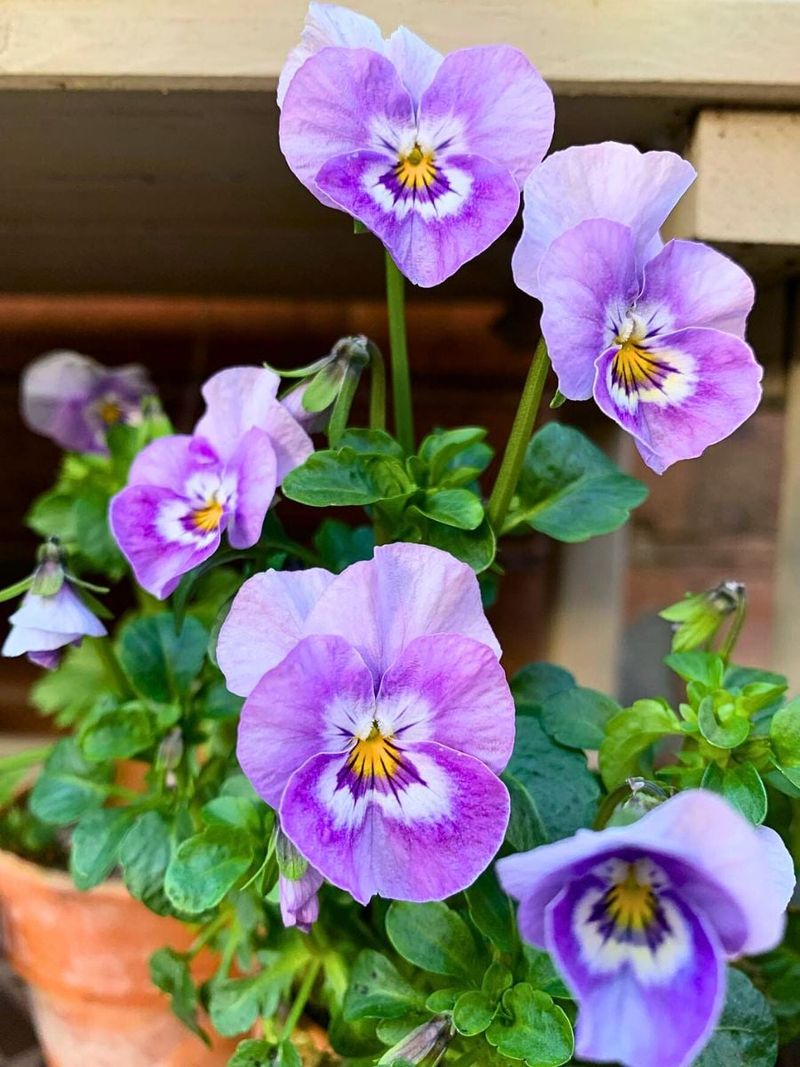
Here is a surprise for many gardeners. Violas look dainty, but they are fairly hungry plants that bloom better with steady nutrition.
Mix a slow-release fertilizer into the soil at planting time. It feeds the roots little by little as they settle in.
Cold soil creates a twist, though. Soil microbes slow down in winter, so they struggle to turn some nitrogen forms into food the plant can use.
For that reason, UGA Extension recommends fertilizers that contain nitrate nitrogen for winter annuals. Check the label before you buy.
Products built for pansies and violas often include nitrate forms for this exact reason.
During mild spells, a light liquid feed every few weeks can perk up pale plants. Yellowing older leaves and slow growth are common clues that your violas want a snack.
Skip feeding during hard freezes, since cold roots cannot use it well anyway.
Late winter is the time to step things up a little. As days lengthen in February, violas begin a growth spurt.
A gentle boost then helps fuel the big spring bloom that makes these plants such a favorite in March and April.
5. Pine Straw Around Violas Works Like A Cozy Blanket
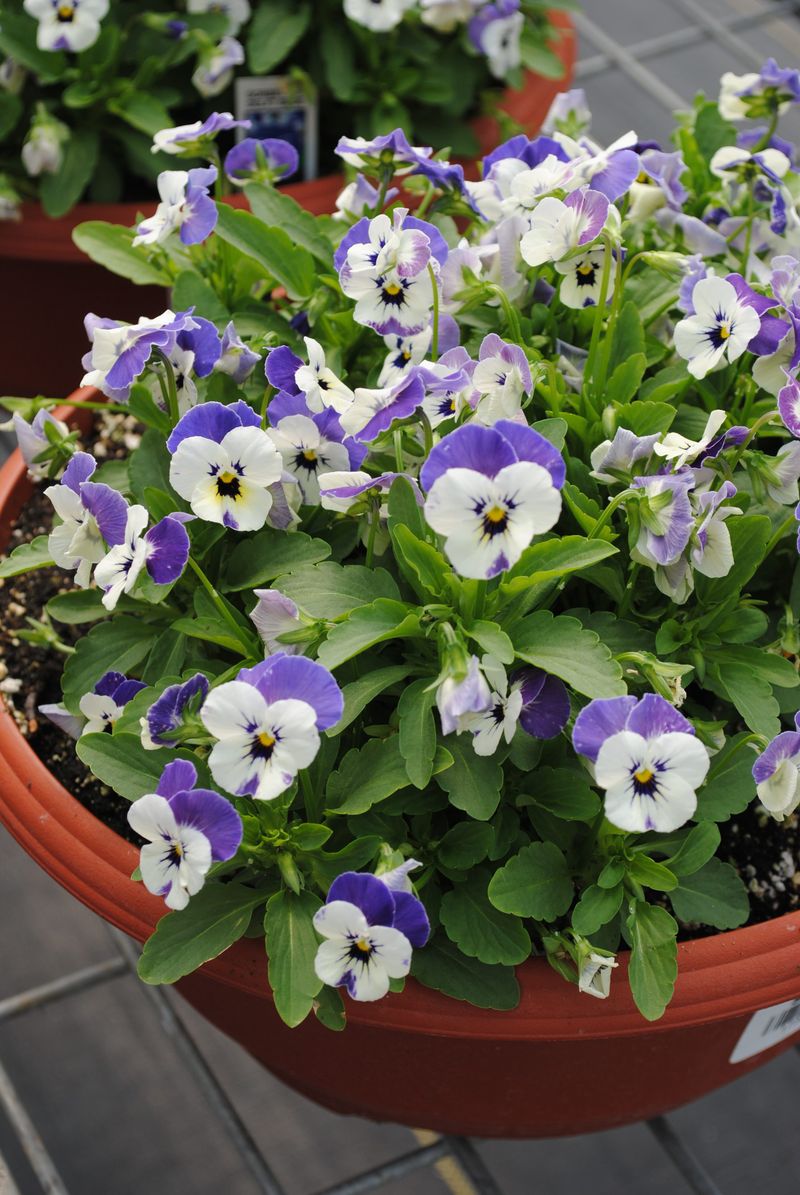
Few things look more Southern than a bed tucked under pine straw. Better yet, it does real work for your violas all winter.
Spread about two inches of pine straw or shredded leaves around the plants after planting. Keep it a little away from the crowns so stems stay dry.
That layer holds moisture, keeps weeds down, and evens out soil temperatures when nights swing from mild to frosty.
Watering is the other half of the comfort plan. Keep soil evenly moist for the first few weeks while roots grow.
After that, let the top inch dry a bit before watering again.
Winter wind can dry plants faster than you expect. If a week passes with no rain and temperatures stay above freezing, give the bed a good soak.
Morning watering lets the leaves dry before evening chill sets in.
One trick surprises many people. Moist soil holds heat better than dry soil, so watering a day before a predicted freeze can actually help protect roots.
Just avoid soaking soggy beds, since wet roots invite rot. A little attention here goes a long way toward strong, colorful plants by spring.
6. Droopy Violas After A Hard Freeze Usually Bounce Back
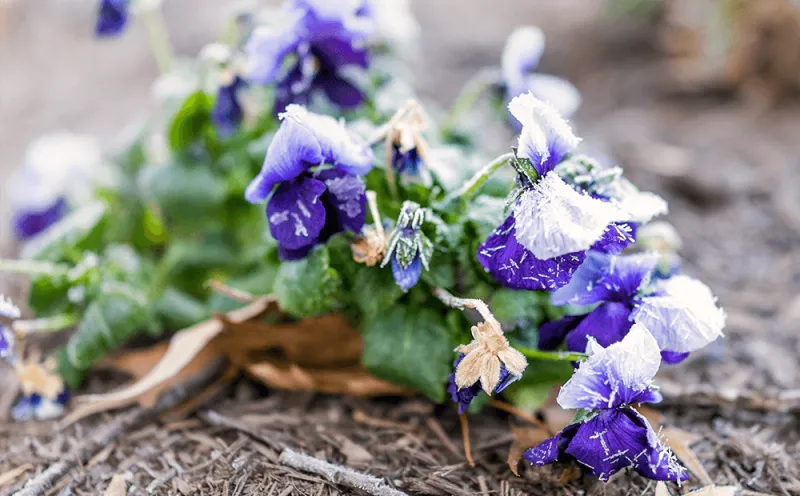
The first time I saw my violas flat on the ground after a frosty night, my heart sank. By lunch, they stood right back up as if nothing happened.
That wilted, gray-green look is a normal cold response. Water inside the plant shifts to protect cells from ice damage.
Once temperatures climb, most violas recover within a few hours.
Still, a deep freeze deserves some planning. When forecasts call for temperatures in the teens or low 20s, cover beds with frost cloth or an old sheet.
Use stakes or hoops so the fabric rests above the leaves. Pull covers off the next morning once it warms so plants get sunlight.
Containers need extra help because their roots sit above ground. Slide pots against a warm wall or into a garage for the coldest nights.
Hands off frozen plants, though. Walking on or touching icy leaves can bruise them.
Give them time to thaw first.
North Georgia gardeners will likely need covers more often than coastal gardeners. Savannah and Valdosta see far fewer hard freezes, so violas there often sail through winter with little fuss.
7. Pinching Spent Viola Blooms Brings On Fresh Flowers
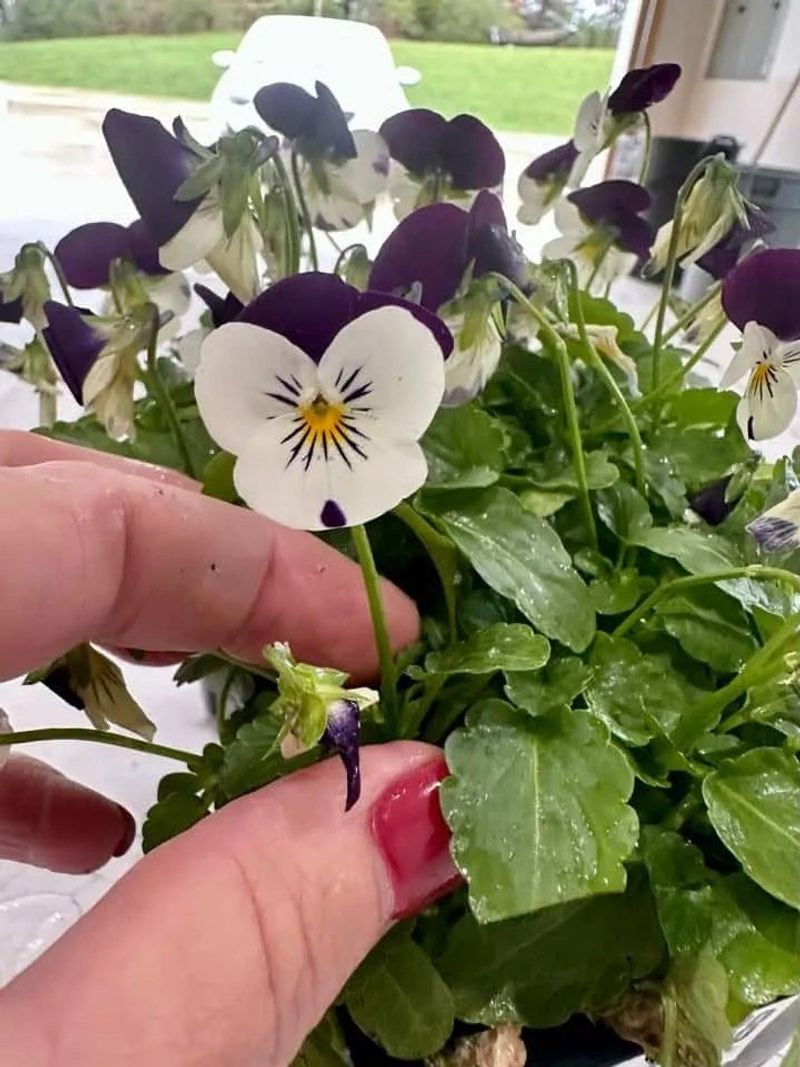
A five-minute stroll with coffee in hand is my favorite winter chore. While admiring the beds, I snap off faded viola blooms and little seed pods.
Deadheading tells the plant its job is not finished. Instead of putting energy into seeds, the viola keeps pushing out new buds.
You will notice fuller, longer-lasting color, especially once spring arrives.
Look for flowers that have shriveled or lost color. Behind them, you may spot small, round green pods.
Pinch the stem just above the next set of leaves. With so many tiny flowers, you do not need to catch every one, so relax and grab what you see.
Leggy plants respond well to a light trim too. Cutting stretched stems back a little encourages bushier, tidier growth.
Some gardeners leave a few pods on purpose late in spring. Johnny-jump-ups and similar violas may reseed and pop up in surprising spots next fall.
I enjoy those little volunteers tucked between pavers.
Watch for slugs and aphids on mild, damp days. Hand-picking slugs and spraying aphids off with water usually keeps problems small without much effort.
8. Viola Containers And Pairings Can Brighten Your Whole Winter Porch
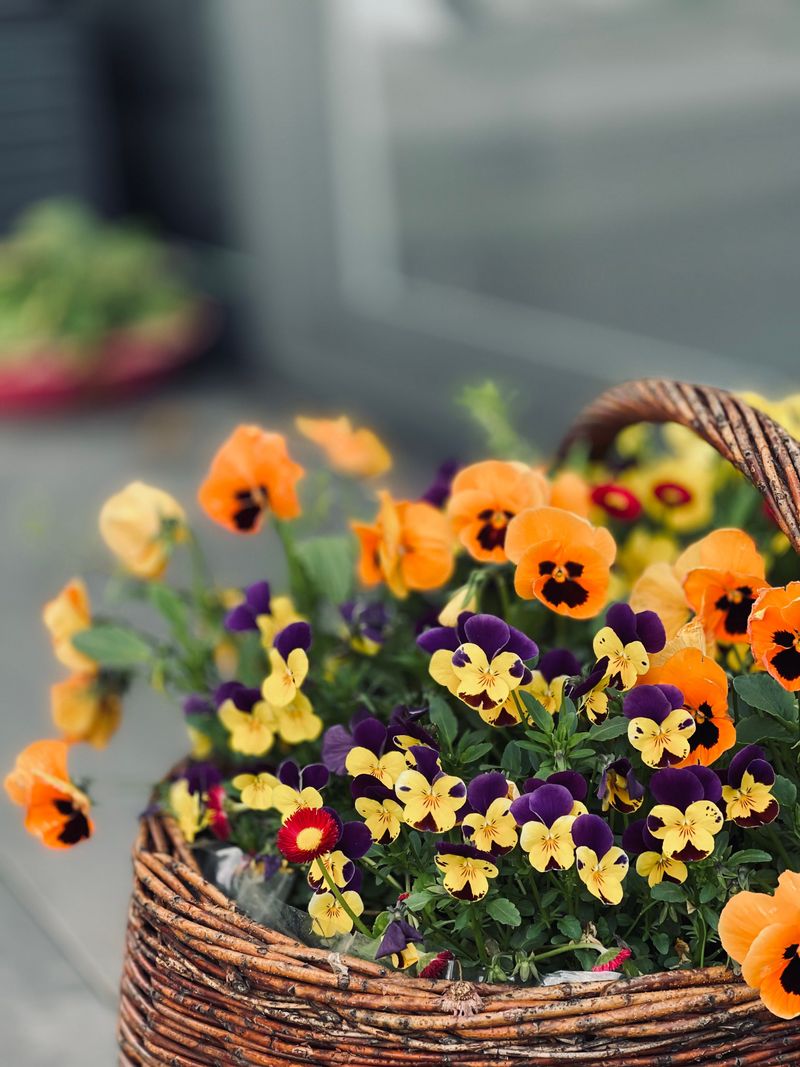
Want a quick, cheerful project for this weekend? Fill a few pots by the front door with violas and watch visitors smile all season.
Choose containers with drainage holes and a quality potting mix rather than garden soil. Violas mix nicely with ornamental kale, snapdragons, dusty miller, and spring bulbs like daffodils.
Tuck bulbs under the violas now, and you get a second wave of color in late winter.
Variety picks make a difference. Series such as Sorbet, Penny, and Endurio are widely sold and known for heavy blooming.
Many fun bicolor and whiskered patterns exist too, so mix shades that match your door or trim.
Violas also have a playful bonus. Their flowers are edible when grown without pesticides, and cooks often use them on salads and cakes.
Only eat blooms you raised yourself and know were not sprayed.
Planting now sets you up for color from late fall into May in much of the state. When summer heat arrives, the plants fade, and that is your cue for warm-season flowers.
Then mark your calendar for next fall, because these little faces tend to become a happy tradition.