Who Pays When A Neighbor’s Tree Falls In Georgia Often Comes Down To A Written Warning
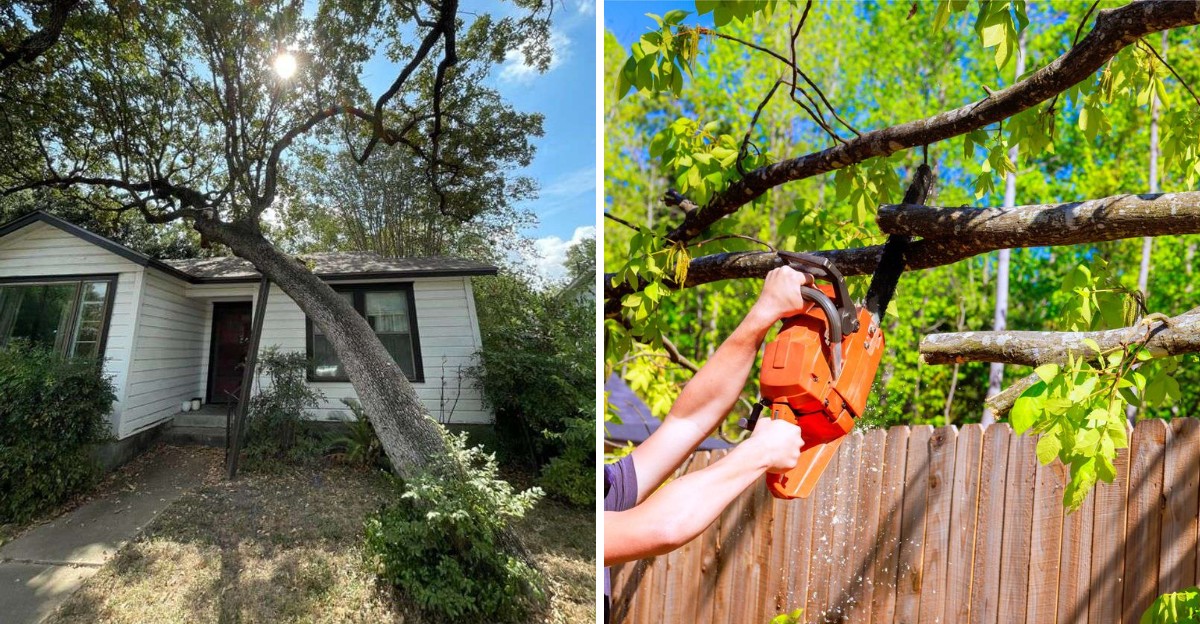
Even a healthy oak can crush your fence in a storm, and your neighbor may owe you nothing at all. Courts often treat that kind of fall as an act of God, so the cleanup bill usually lands with your own insurance.
That surprised me the first time I heard it. I always assumed the tree owner paid, since it was their tree in the first place.
Georgia law tends to look at something else entirely. Judges ask what the owner knew about the tree before it came down, and whether anyone told them.
I love that one small habit can tip the scales. A short note, a dated photo, or a certified letter can change a shrug into real responsibility.
Knowing when and how to document a dangerous tree could make a real difference if it ever comes crashing down.
1. A Healthy Oak Crashing Down In A Storm Plays By Different Rules
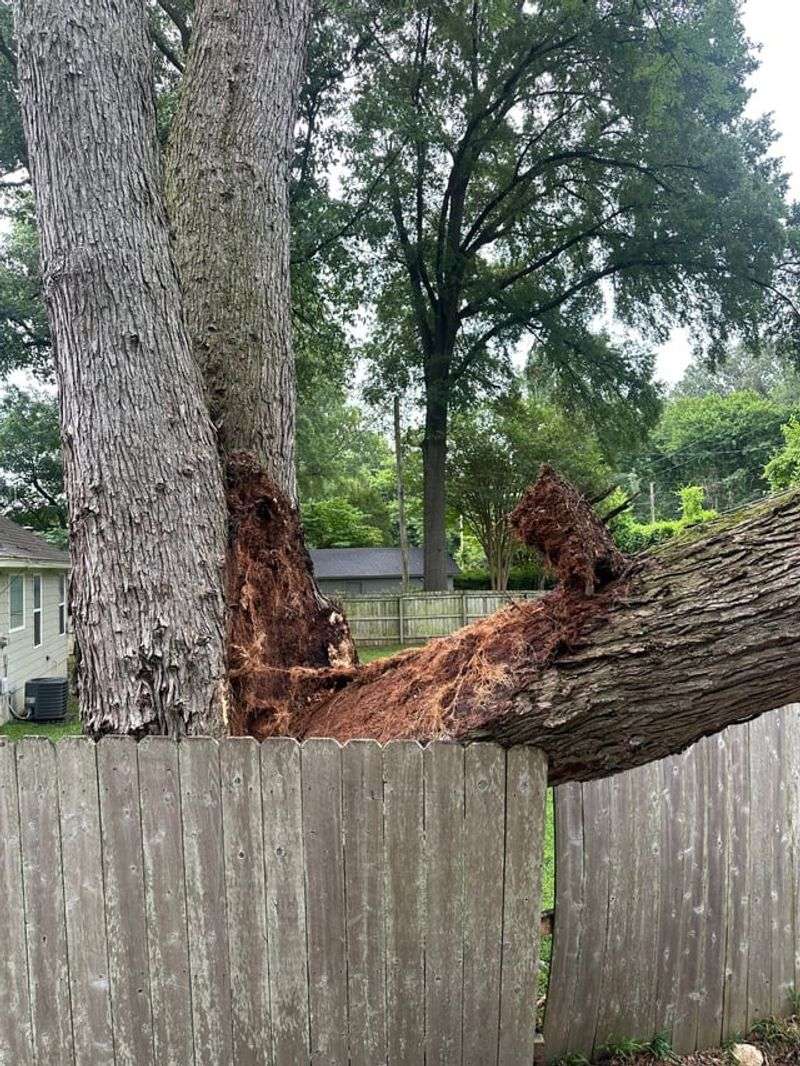
Storm season in the Southeast brings plenty of loud surprises. When a sound, sturdy tree falls during high winds, most Georgia courts call it an act of nature that no one could have prevented.
In plain terms, nobody is at fault. Your neighbor did nothing wrong by owning a healthy tree, so the law usually does not make them pay for your damaged roof, fence, or shed.
That is why your own homeowners policy often becomes the first stop. Most standard policies cover damage to your house and insured structures, minus your deductible, even when the tree started on the other side of the property line.
Tree removal coverage is a different story. Many policies pay only a limited amount to haul away the trunk, often around 500 to 1,000 dollars per tree, and sometimes only when it hits a covered structure.
A tree that lands in open lawn may not qualify at all.
I suggest pulling out your policy on a quiet afternoon and reading the section on fallen trees. Look for removal limits and your deductible amount.
Knowing those numbers before hurricane or thunderstorm season arrives saves a lot of frustration later. It also shows you why the next rule matters so much.
2. A Rotting Trunk Your Neighbor Ignored Changes Everything
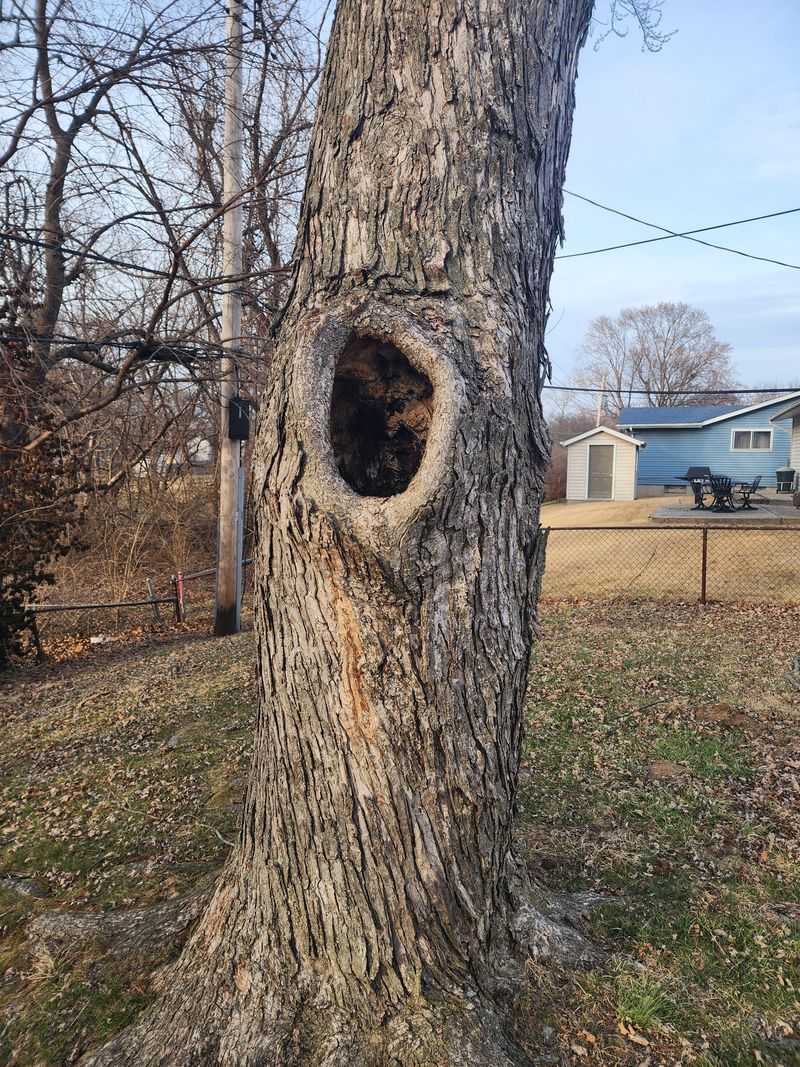
Negligence is the magic word here. Georgia courts have long held that a tree owner can be liable when they knew, or reasonably should have known, that a tree was dangerous and failed to fix it.
Courts often describe these warning signs as visible and obvious decay. A hollow trunk, a big dangling limb, mushrooms sprouting from the base, or a heavy lean toward your house can all count.
Once those signs exist, the act of nature excuse gets much weaker. A storm may still be the final push, but the owner’s inaction becomes part of the story.
There is a catch, though. You usually have to show the owner had notice of the problem, either actual knowledge or the kind of obvious defect anyone should notice.
Rural landowners generally are not expected to inspect every pine on a big wooded tract. In neighborhoods and city lots, expectations tend to run higher because people and homes sit close by.
Hidden internal rot is the tricky part. If a tree looked fine from the outside, a judge may decide nobody could have seen trouble coming.
That gap between hidden and obvious decay explains why a written warning carries so much weight.
3. Your Written Note About That Leaning Pine Creates Proof
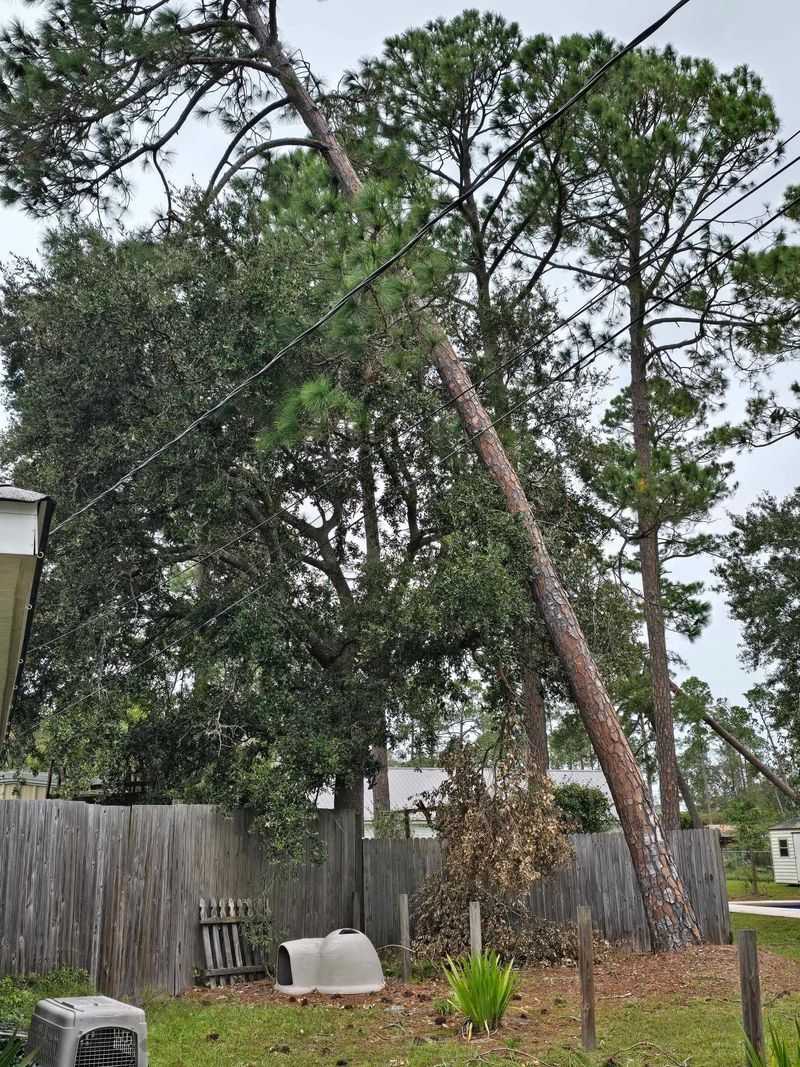
Paper beats memory every time. A friendly chat over the fence about a sickly pine is nice, but it is hard to prove later if your neighbor says it never happened.
A written notice changes that. It shows your neighbor had actual knowledge of the hazard on a specific date, which is often the key fact in a Georgia negligence claim.
Keep your note calm and specific. Describe what you see, such as a split trunk, a heavy lean, or large bare limbs over your roof, and politely ask them to have a certified arborist look at it.
Certified mail with a return receipt gives you the strongest record. An email or text can help too, especially if your neighbor replies and acknowledges it.
Attach a couple of dated photos if you can. Pictures make your concerns clear and show the condition of the tree at that moment.
I like to think of this as neighborly, not hostile. Many owners simply never looked up at that old pine.
Your note might prompt a quick fix, and if it does not, you now hold the proof that can shift who pays after a fall.
4. Damaged Limbs, Cracked Bark And Heaving Soil Are Red Flags
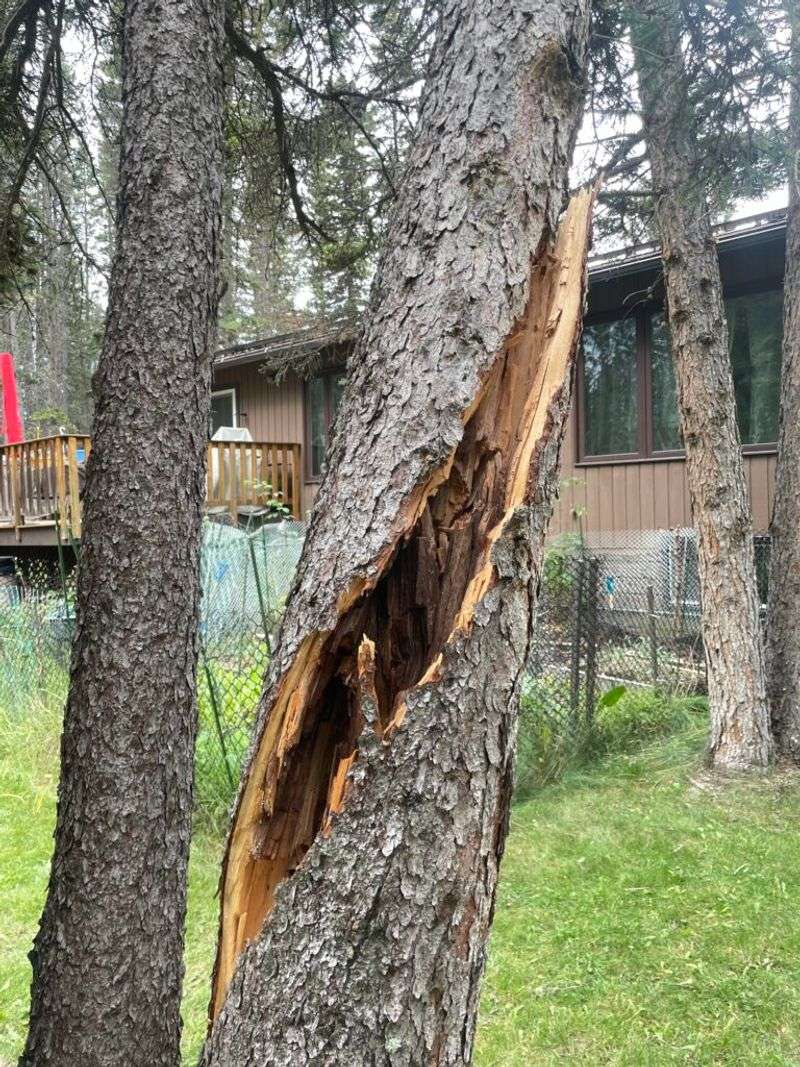
Trees often whisper before they fall. Learning a few warning signs helps you decide whether a note to your neighbor makes sense or whether you are just nervous after a windy night.
Start at the top. Large leafless limbs during the growing season, broken branches hanging in the canopy, and thinning crowns suggest the tree is in decline.
Next, scan the trunk. University of Georgia Extension materials point to deep cracks, cavities, oozing wounds, and fungal growths like shelf mushrooms as signs of internal decay.
Finally, check the ground. Soil that is cracked, mounded, or lifting on one side of a leaning tree can mean the roots are pulling loose, which is a serious concern.
Construction damage is another sneaky factor. Trenching, new driveways, or grade changes within the root zone can weaken a tree for years before it shows trouble.
Pines hit by southern pine beetles may show small pitch tubes on the bark and fading needles. Oaks and water oaks in Georgia are well known for heart rot as they age.
When several signs show up together, call in a certified arborist. Their written report adds even more weight to your notice.
5. Trimming Overhanging Branches At The Fence Line Is Your Right
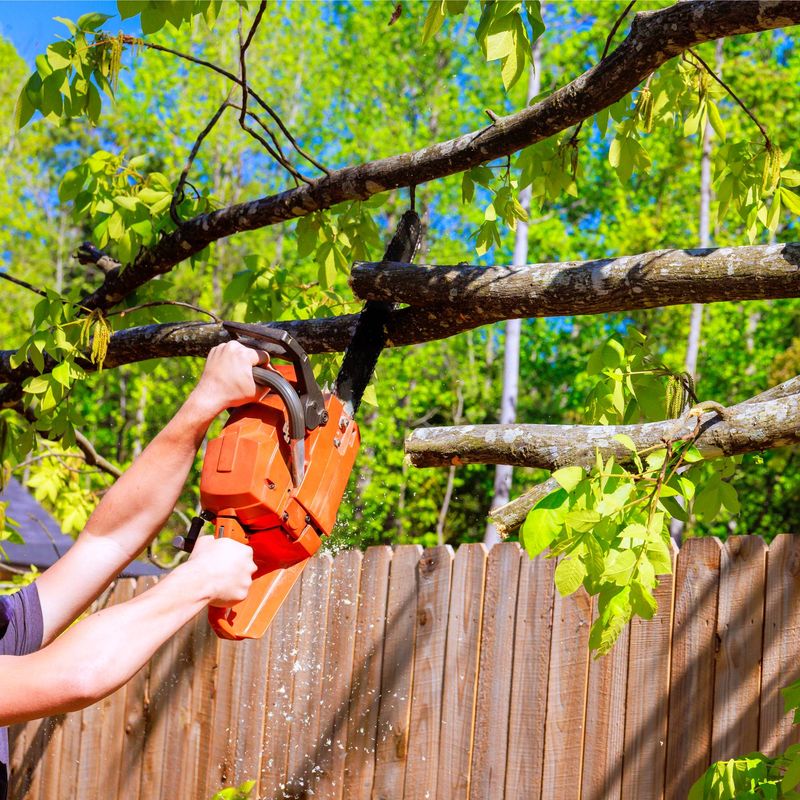
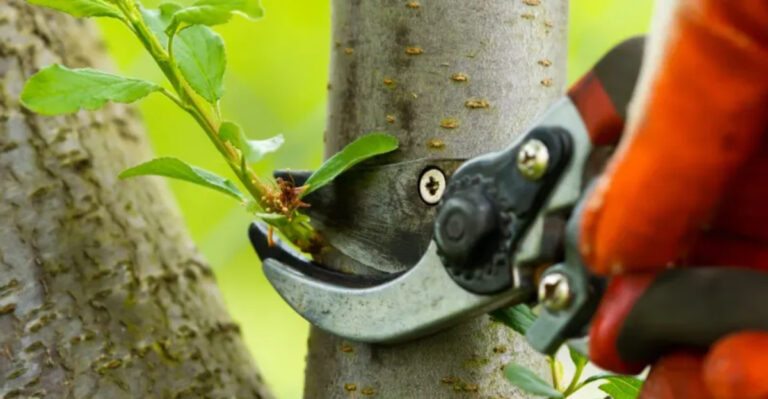
Branches reaching over your fence can feel like an uninvited guest. In Georgia, you generally may trim limbs and roots that cross onto your property, up to the property line.
That right comes with limits. You cannot step onto your neighbor’s land without permission, and you should avoid cuts so heavy that they harm or topple the tree.
Georgia has a timber trespass statute that can make people pay steep damages for cutting another person’s trees without permission. Removing too much canopy or slicing major roots could land you in that kind of trouble.
Your city or county may also have tree ordinances. Places like Atlanta and Athens-Clarke County regulate certain tree removals, so a quick call to your local arborist office can save headaches.
Personally, I give a heads-up before trimming. A short message such as letting them know you plan to prune the oak limbs over your patio Saturday keeps things friendly.
Hire a licensed, insured tree service for big limbs, especially near power lines. Never work around utility wires yourself, since the power company handles those.
Careful pruning reduces risk, but it does not fix a rotten trunk standing on your neighbor’s side.
6. Dated Photos Of That Worrisome Tree Build Your Case Early
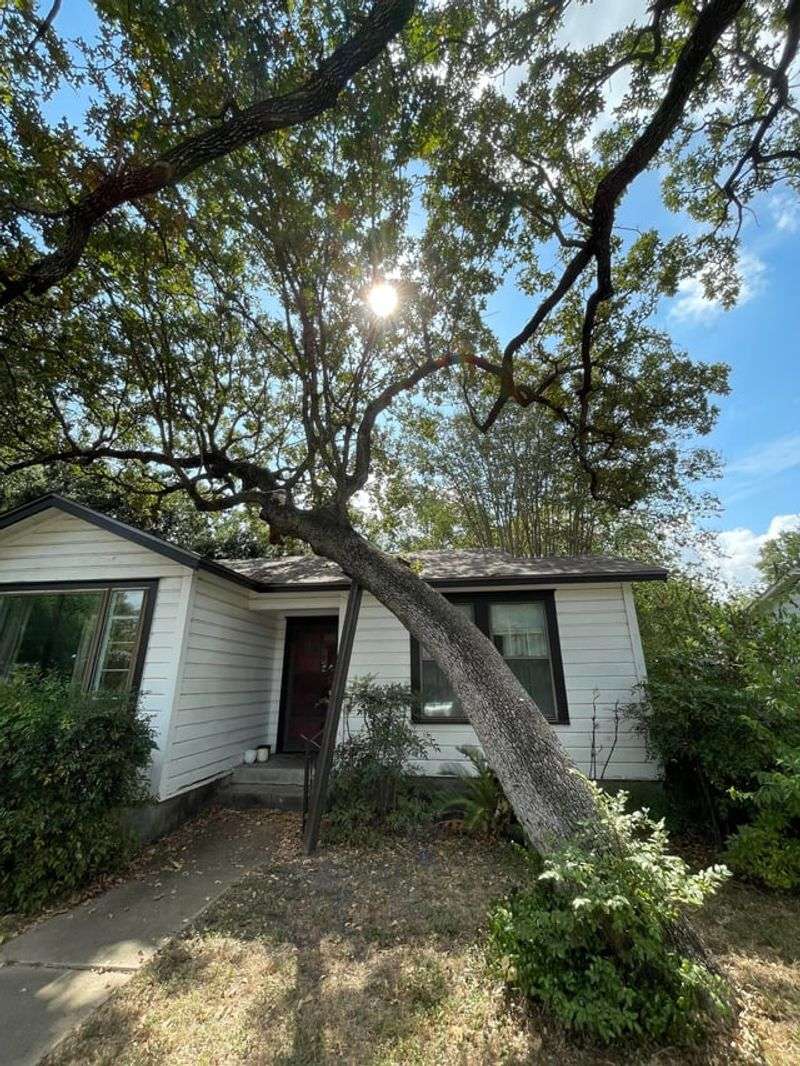
Your phone camera might be your best tool in the yard this year. Before any problem grows, start a simple record of the tree that worries you.
Take photos from several angles, including the trunk, the base, and any limbs hanging over your house. Your phone saves the date automatically, which helps prove when the problem first appeared.
Repeat every few months. A series showing a lean getting worse or bare limbs spreading tells a clear story.
Keep a short log next to the pictures. Note dates you talked with your neighbor, what they said, and copies of any letters, emails, or texts.
Store everything in one folder, ideally backed up to the cloud. After a storm, power outages and stress make hunting for old files much harder.
If the tree sits near a street or sidewalk, it might belong to the city or county instead. Check with local public works, since government trees follow different rules and notice procedures.
I find this habit oddly calming. Instead of lying awake during summer thunderstorms, you know you have done your part.
Records like these help both insurance adjusters and attorneys understand what really happened.
7. Once The Tree Hits Your Roof, Snap Pictures Before Cleanup
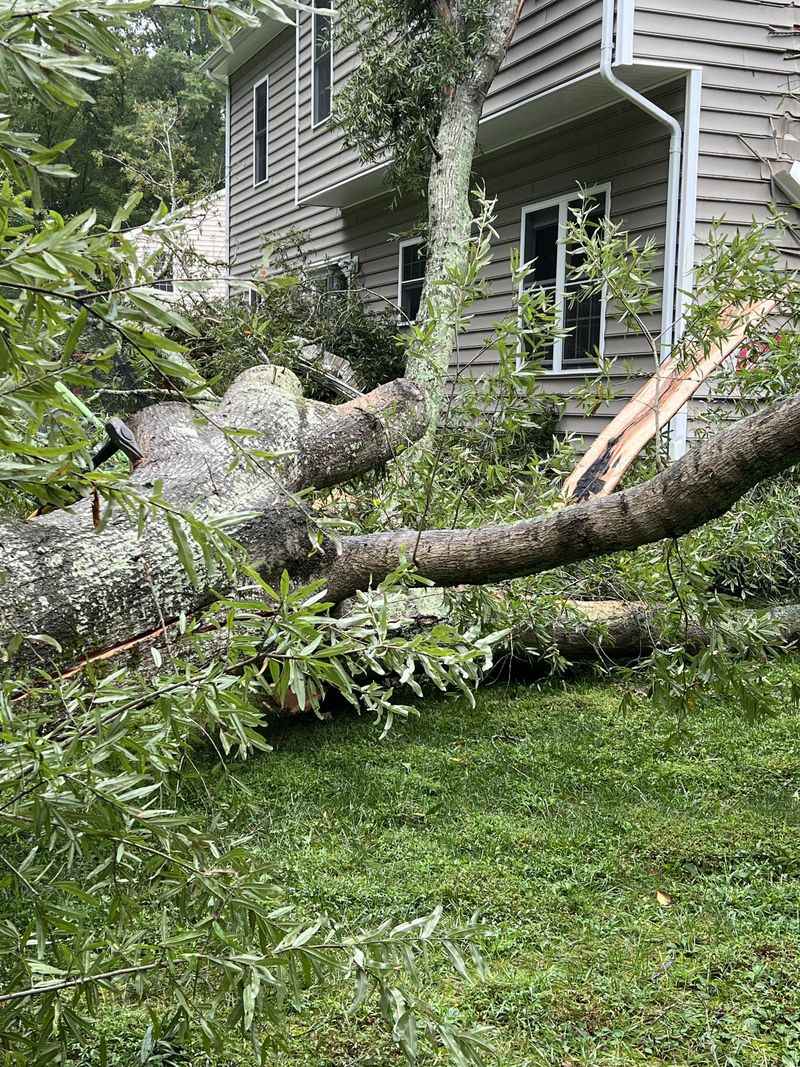
Safety comes first after a tree falls. Stay away from downed power lines, call your utility company, and leave the house if the structure looks unstable.
Once everyone is safe, grab your phone. Photograph the tree, the stump, the broken roots, and every bit of damage before anyone saws or moves anything.
That stump matters more than many people realize. A hollow or rotten base can support a negligence claim, so ask your tree service to set aside a cut section if possible.
Call your insurance company quickly to open a claim. Most policies expect you to prevent further damage, so a tarp on the roof or boarded window is reasonable, and keep the receipts.
Gather a few repair and removal estimates. Your insurer may ask for them, and they help if you later seek money from your neighbor.
Be careful with storm chasers. After big Georgia storms, unlicensed crews often knock on doors asking for upfront payment, so check reviews, licenses, and insurance first.
Finally, find your earlier warning letter and photos. Hand copies to your insurer, since they may pursue your neighbor’s insurance on your behalf through a process called subrogation.
8. A Friendly Arborist Visit Beats A Courtroom Over A Fallen Oak
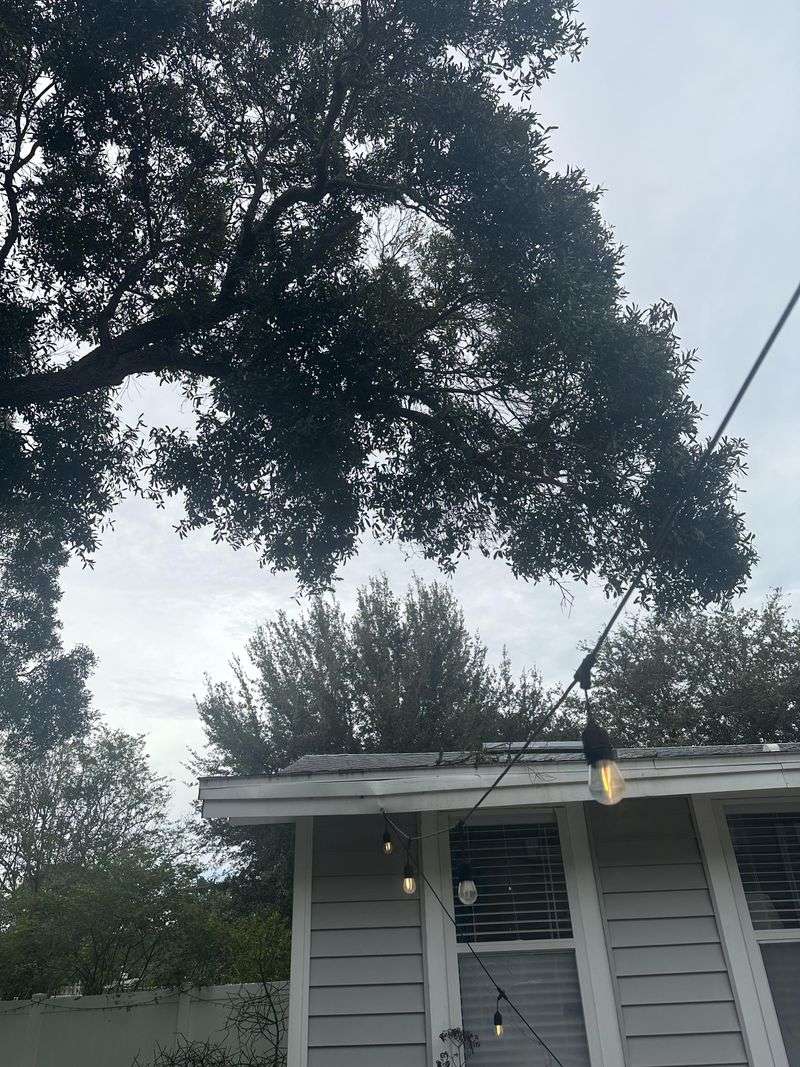
Lawsuits over trees are slow, costly, and hard on neighborhoods. The smartest move is often to solve the problem long before anything falls.
Consider offering to split the cost of an inspection by an ISA certified arborist.
A professional opinion gives you both clear facts instead of guesses, and it may show the tree is healthier than it looks.
If removal is needed, talk openly about shared benefits. Your home stays safer, and your neighbor avoids a future liability claim and a much bigger emergency bill.
When talks stall, a Georgia real estate or personal injury attorney can review your situation. Many offer short consultations, and a formal letter from a lawyer sometimes gets action quickly.
Small claims in Georgia magistrate court handle cases up to 15,000 dollars without needing a lawyer. That can be an option for modest damage when insurance does not cover everything.
The bigger lesson is simple. Healthy trees falling in storms usually mean your insurance pays, while known hazards with a written warning often point back to the owner.
So look up at the trees around your home this week. A few photos and one polite note could save you thousands later.