7 Plants Pennsylvania Gardeners Lose To The First Cold Snap
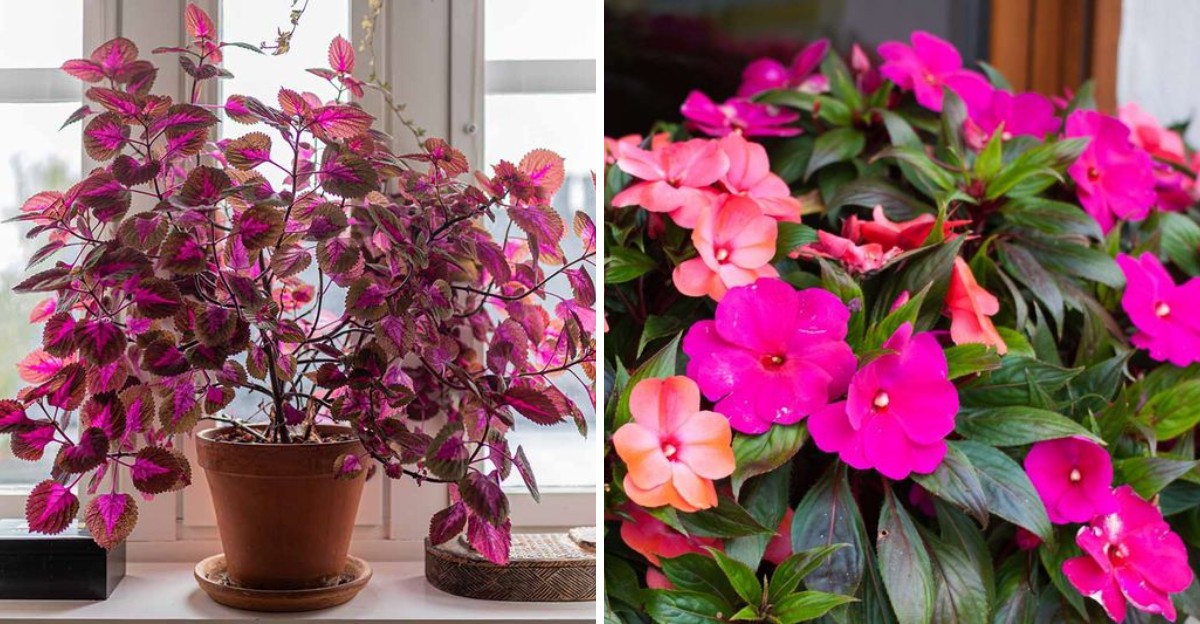
A few garden favorites start showing cold damage near 40 degrees, long before any frost silvers the lawn.
Leaves can blacken overnight, and by breakfast the bed looks like somebody spilled dark ink across it. In Pennsylvania, the first frost usually arrives in early October up north and later near southeast Philadelphia.
That gap matters, because a mountain garden and a city backyard can easily lose plants weeks apart. I have to admit that I lost a whole row of favorites one year after ignoring a clear night.
You might notice the coldest damage shows up in low garden spots where chilly air quietly settles overnight.
Pennsylvania gardeners can save plenty of plants with an old bedsheet and a little smart timing before sunset. So which tender beauties need your help first, when the overnight forecast suddenly drops below freezing tonight?
1. Basil
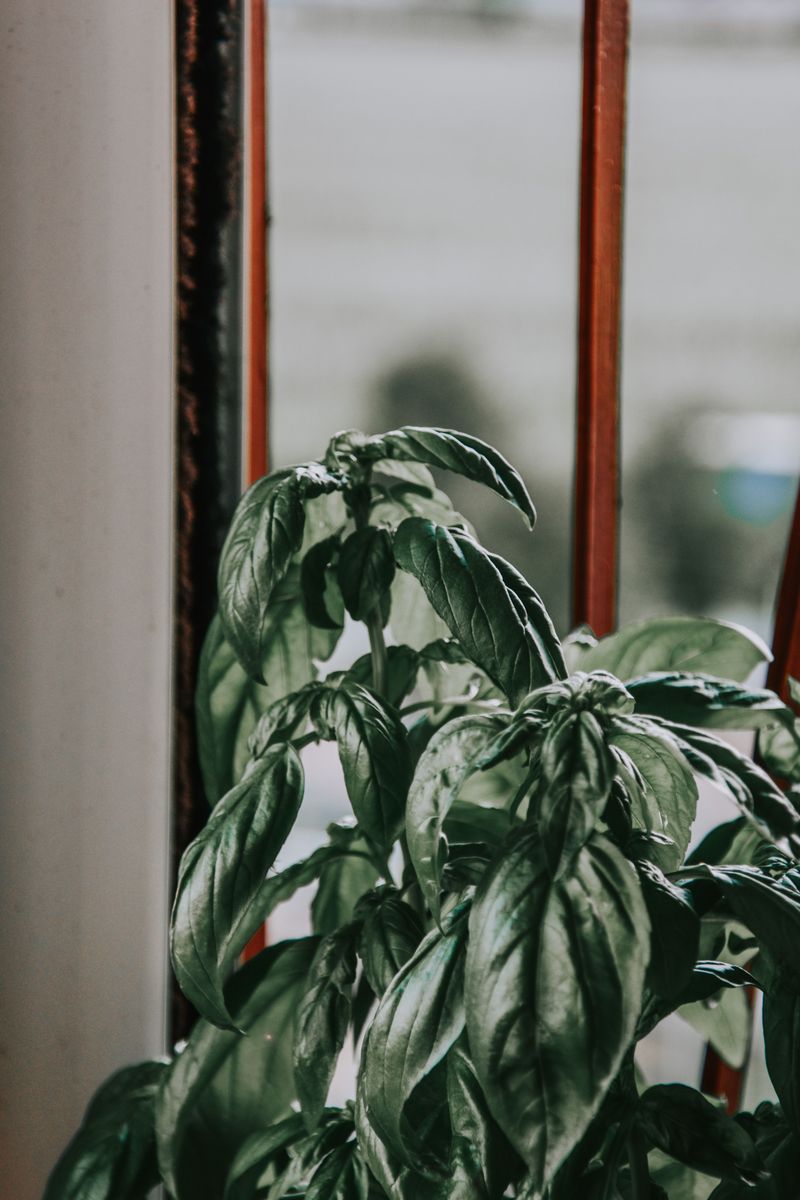
Sweet basil is the drama queen of the herb bed, and it sulks long before frost ever shows up. Once nights slip below 50 degrees, the leaves can develop dark blotches that look like bruises.
Native to warm tropical regions, Ocimum basilicum simply has no built-in defense against chilly air. Personally, I treat the first forecast in the low forties as my signal to start harvesting in earnest.
You can pinch whole stems rather than single leaves, which gives you far more basil for the same effort. Cutting just above a pair of leaves also keeps the plant bushy if warm days return afterward.
A light frost usually turns the whole plant limp and black, so waiting even one extra night is risky. I would rather overharvest on a Tuesday than mourn a blackened row on a frosty Wednesday morning.
Freshly picked basil hates the refrigerator too, because cold storage causes the same dark spotting you saw outside. Keep stems in a glass of water on the counter, like a little bouquet that smells wonderful.
For longer storage, blend leaves with olive oil and freeze the mixture in ice cube trays for winter sauces. Those green cubes taste like July when you toss one into soup during a snowy February evening.
Potted basil can come indoors to a bright sunny window, though growth slows a lot during short winter days. Honestly, a fresh sowing next spring often beats nursing a tired plant through the gray months.
2. Tomato
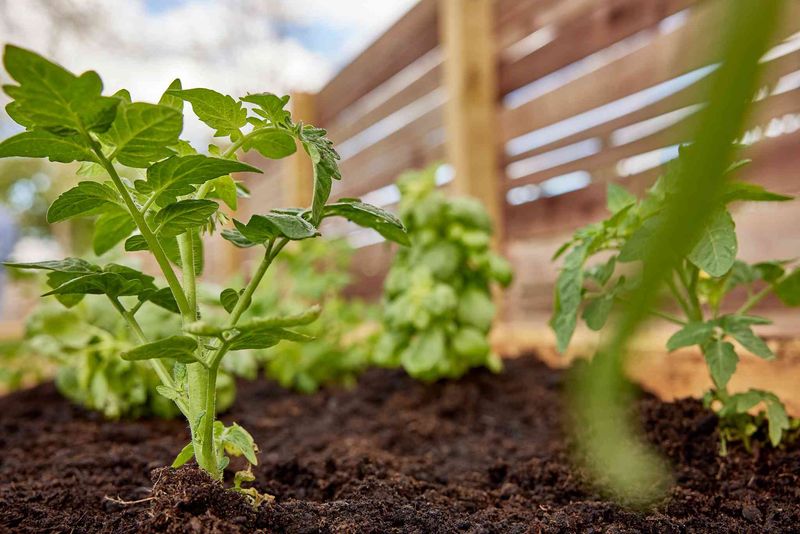
Nothing stings quite like spotting a vine loaded with green tomatoes the evening before the first frost arrives. Tomatoes, known to botanists as Solanum lycopersicum, handle frost poorly and often collapse after one freezing night.
Even before frost, fruit ripening slows dramatically once temperatures stay below about 50 degrees for several days. I learned this the hard way, waiting for color that simply refused to show up in late autumn.
Your best move is picking every tomato showing a slight blush or a glossy, full-sized green look. Mature green fruit can finish ripening indoors on a counter, away from direct sun and chilly drafts.
Small, hard green tomatoes rarely ripen well, though they make a tasty fried treat or a tangy relish. I like slicing them thin, dredging them in cornmeal, and frying them golden for a crunchy autumn snack.
Covering plants with an old sheet or frost cloth can buy a few extra days during a short cold spell. Drape the fabric all the way to the ground, because warmth radiates up from the soil overnight.
Remove covers during sunny mornings so plants do not overheat underneath the fabric once the air warms back up. That simple routine has stretched my harvest by a week or two more than once.
Once the vines blacken, pull them and clear fallen leaves to reduce disease problems in next year’s garden. Rotating tomatoes to a different bed next season also helps keep soil-borne trouble from building up.
3. Coleus
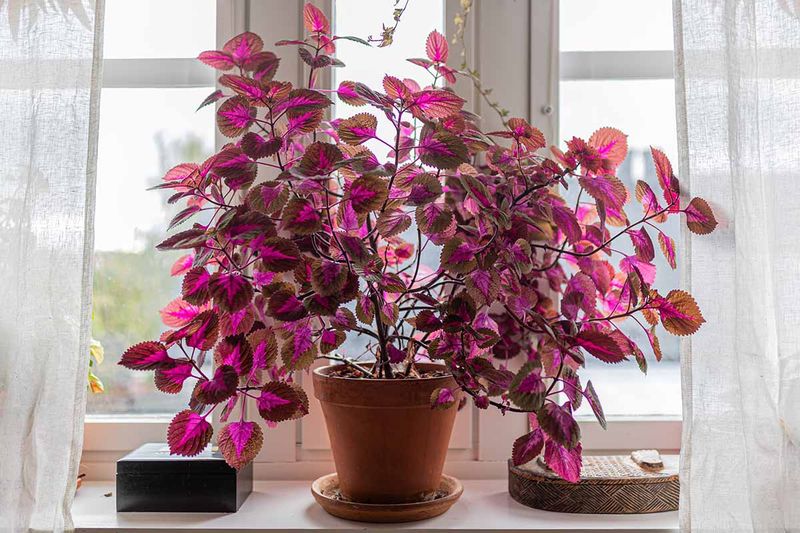
Those fancy leaves splashed with ruby, lime, and chocolate patterns look tough, but coleus melts at the first real chill. A single frosty night can turn a glowing border into a slumped pile of mushy stems.
Coleus, now often listed as Coleus scutellarioides, comes from tropical Southeast Asia and grows here as a summer annual. Leaves can show damage once nights hover around the forties, so I keep a close eye on forecasts.
Here comes my favorite trick, and you will wonder why you did not try it sooner. Snip four to six inch stem tips, strip the lower leaves, and set them in a jar of water.
Roots usually appear within a week or two, sitting on a bright windowsill away from cold glass. Pot them in regular potting mix, and you will have a cheerful houseplant collection all winter long.
Indoor coleus appreciates bright, indirect light and evenly moist soil without sitting in a soggy saucer. Pinch off flower spikes as they appear, because blooming tends to make the plant leggy and less colorful.
Come spring, those same cuttings can produce even more cuttings, giving you free plants for containers and beds. I find it oddly satisfying to replant a whole border from one rescued jar on the kitchen counter.
Wait until nights stay reliably above 50 degrees before moving young coleus back outside next year. Rushing them out too early can stunt growth, and the leaves may fade or curl from the cold.
4. Impatiens
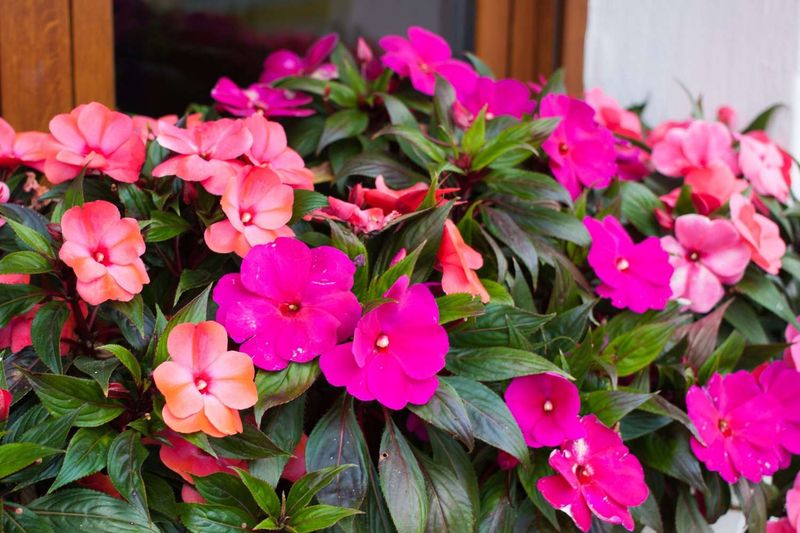
Shady corners glow with impatiens all summer, then one frosty night turns them into translucent, watery mush. Their juicy stems hold so much water that ice crystals damage the plant cells almost instantly.
Common impatiens, Impatiens walleriana, grows as a tender annual across the state and handles no frost at all.
New Guinea impatiens, Impatiens hawkeri, shares that same sensitivity, so both need attention when temperatures drop.
Believe it or not, impatiens root from cuttings nearly as easily as coleus, sitting in a simple glass of water. I have kept a few favorite colors going on a north-facing windowsill through several winters this way.
Hanging baskets and containers are easy to rescue, since you can simply carry them into a garage on chilly nights. Bring them back outside the next morning, and they often keep blooming until a harder freeze arrives.
Bed plants are trickier, but a lightweight frost blanket can protect them during a brief early cold snap.
Prop the cover with stakes when possible, because heavy fabric pressing on stems can bruise those soft tissues.
Pennsylvania gardeners who struggled with impatiens downy mildew in past years now have resistant choices like the Beacon series. Clean out spent plants in fall, because that disease can linger in fallen leaves and soil debris.
Once the bed is cleared, a thin layer of shredded leaves helps protect the soil until spring planting time. Then wait for warm nights before setting new impatiens out, usually after your local last frost date.
5. Sweet Potato Vine
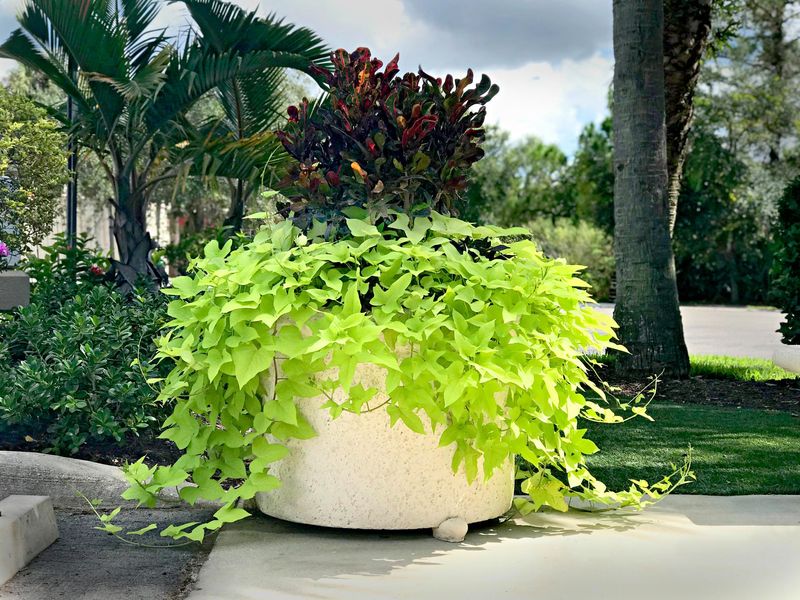
Chartreuse leaves tumbling over a porch pot make sweet potato vine one of the flashiest container plants around. Sadly, it is also one of the first to flop when temperatures drop near freezing.
Ornamental sweet potato vine is Ipomoea batatas, the very same species that gives us the familiar orange vegetable. The ornamental types were bred for leaf color, though many still form tubers hiding underneath the soil.
Here is a fun surprise waiting for you at the bottom of the container after frost darkens the foliage. Tip out the pot, and you might find chunky tubers that can be saved for next year’s display.
Let those tubers dry for a few days in a warm, airy spot before storing them anywhere. Then tuck them into a box of peat or dry sawdust somewhere cool, ideally around 55 to 60 degrees.
Avoid storing them in a chilly basement corner or a cold garage, since sweet potatoes dislike temperatures below 50. Cold storage leads to soft spots and rot, which surprised me the first time I tried it.
In early spring, set a tuber halfway into moist soil, and new shoots will appear with warmth. Those shoots can be snipped and rooted, giving you plenty of vines for every planter you own.
Ornamental tubers are generally not considered tasty, so stick to grocery store sweet potatoes for dinner. I prefer keeping these strictly for show, where their bold foliage truly earns its keep.
6. Zucchini
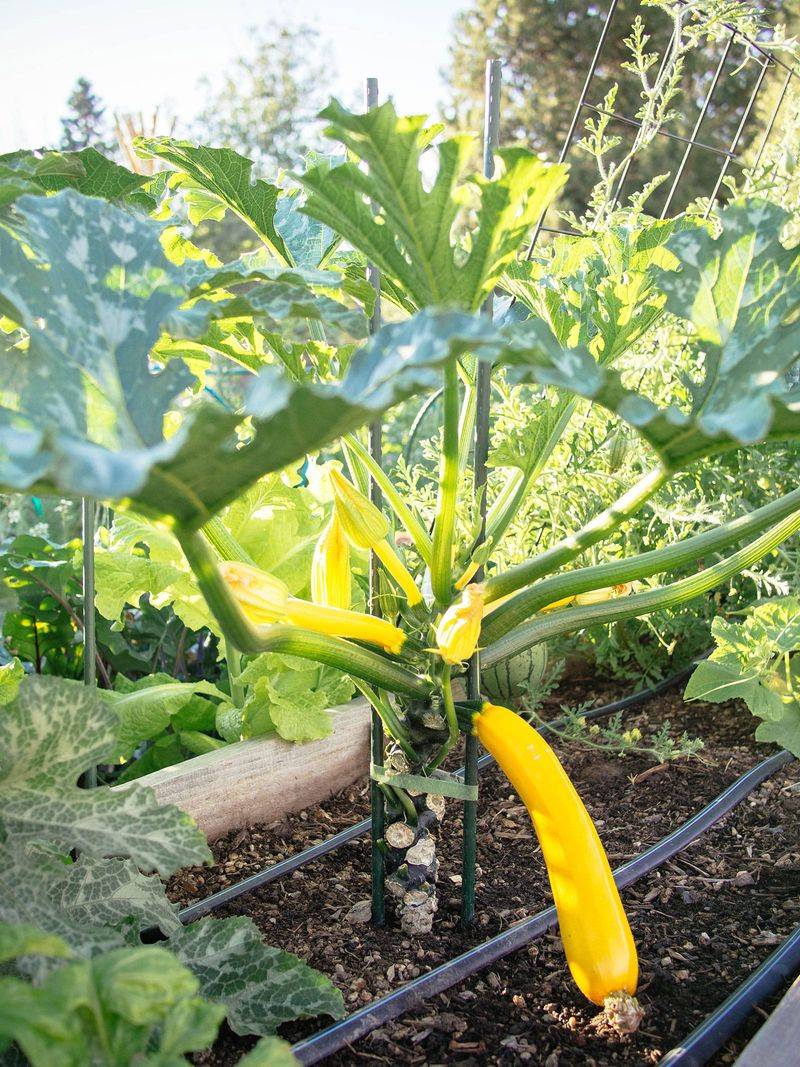
All summer long, zucchini plants hand you more squash than your neighbors can politely accept. Then a single frosty night flattens those enormous umbrella leaves into a soggy, blackened heap.
Zucchini, Cucurbita pepo, belongs to the squash family and grows best when days stay warm and sunny. Production slows sharply once nights turn cool, so late fruit often swells very slowly in autumn.
You need to harvest every usable zucchini before a frost warning, even the small ones hiding near the stems. Frost-damaged fruit turns soft and watery quickly, which makes it disappointing in the kitchen.
Big leaves can act like a natural blanket during a light frost, giving a little shelter to fruit underneath. Still, I would not gamble on that, especially in low garden beds where cold air collects.
Extra zucchini freezes well when shredded and packed into bags, ready for muffins or quick bread later. I portion mine into two cup bags, since most recipes call for roughly that amount.
Once plants collapse, pull them and check the base of stems for squash vine borer holes. Clearing the old vines and turning the soil can help reduce how many pests survive until next season.
Healthy leftover leaves can go into the compost pile, but toss any covered in powdery mildew elsewhere. Starting fresh next year with clean beds gives your new plants a much stronger beginning.
7. Dahlia
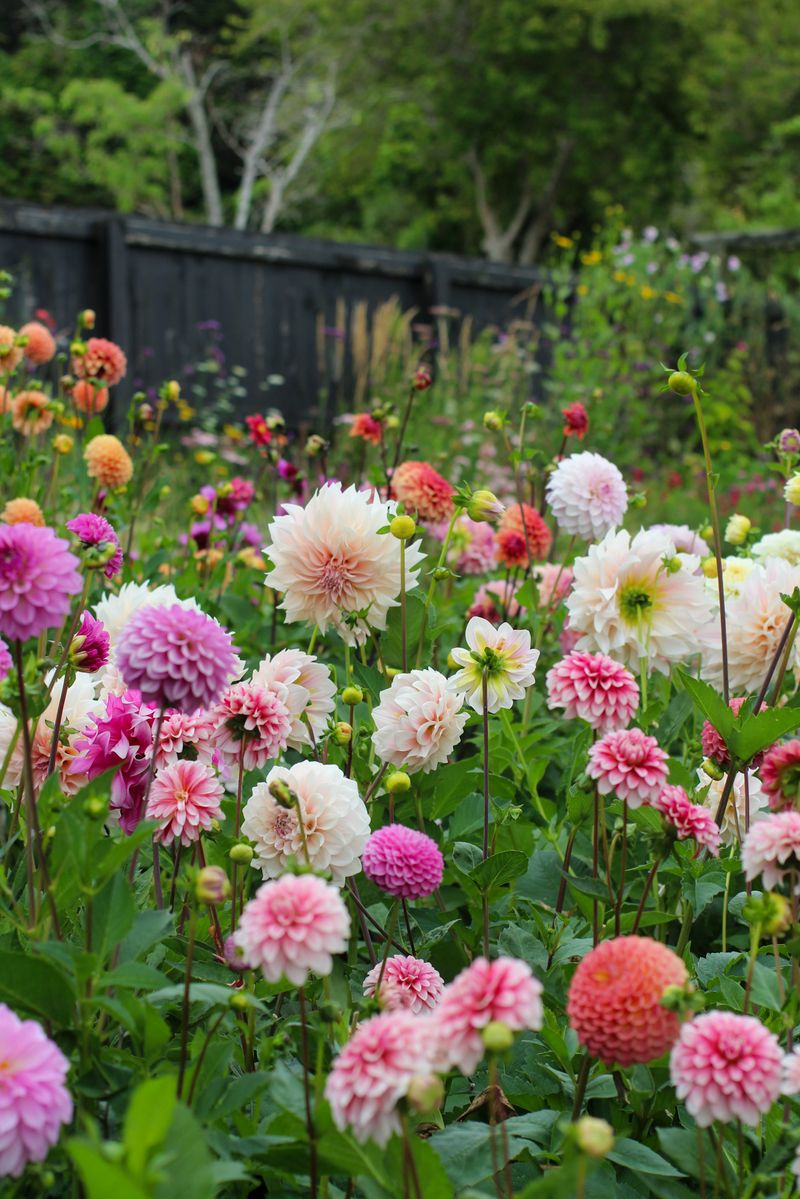
Dahlias save their biggest show for late summer and early fall, which makes the first frost feel especially rude. Dinner plate blooms can glow one evening, then hang limp and brown the very next morning.
Originally from Mexico and Central America, dahlias are hardy only to about zone 8, while most of Pennsylvania sits in zones 5 through 7. That means the tubers usually will not survive our winters left in the ground.
Personally, I let the first light frost blacken the foliage before digging, since many growers recommend that approach. The short wait signals the tubers to toughen up a bit, which can help them store better.
Cut stems back to a few inches, then lift the clump gently with a garden fork to avoid snapping tubers. Rinse off the soil and let the clumps dry in a frost-free spot for a day or two.
Pack them in slightly damp peat, vermiculite, or wood shavings, and store them somewhere cool around 40 to 50 degrees. Check them monthly, tossing anything mushy and lightly misting any tubers that look shriveled.
Label every clump with its variety name, because guessing colors next spring is surprisingly frustrating. I write names directly on tubers with a permanent marker, which has saved me from plenty of mix-ups.
Replant your stored tubers after the danger of frost passes and the soil feels warm. Your reward arrives by midsummer, with blooms that make every bit of storage effort worthwhile.