Rat Poison Set Out Around Georgia Homes Can Also Harm Owls And Hawks That Eat Rodents
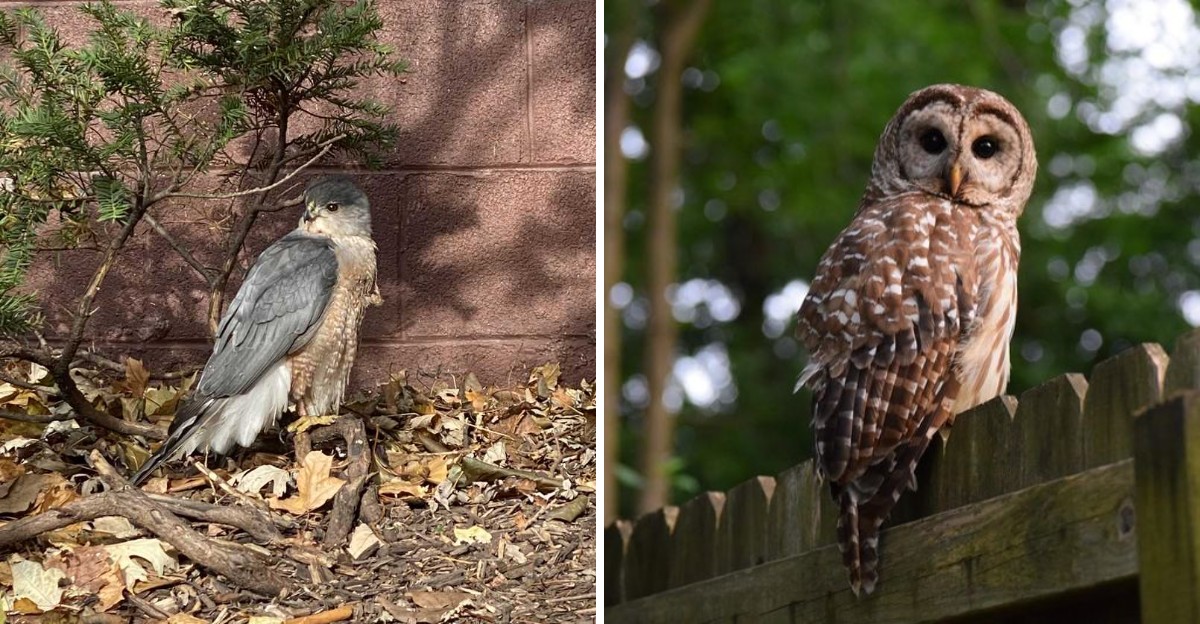
Even a poisoned mouse can keep scurrying around for several days after its last meal of bait. That slow, wobbly mouse becomes the easiest dinner in the neighborhood for a hungry bird with sharp talons.
Researchers have found rodent poison in the bodies of many tested hawks and owls across North America. In some studies, nearly every red-tailed hawk sampled carried traces of it.
I find that both fascinating and a little heartbreaking.
Here in Georgia, scientists at the University of Georgia are studying how these exposures affect birds brought in for care. Even bald eagles treated at rehab centers have shown signs of it.
I love hearing a barred owl call from the pines at dusk. You probably have a favorite backyard hunter too.
But the bait meant for one unwanted pest can travel much further than your yard, putting the very birds that help control rodents at risk.
1. That Sluggish Mouse In The Yard Could Be Carrying A Hidden Problem
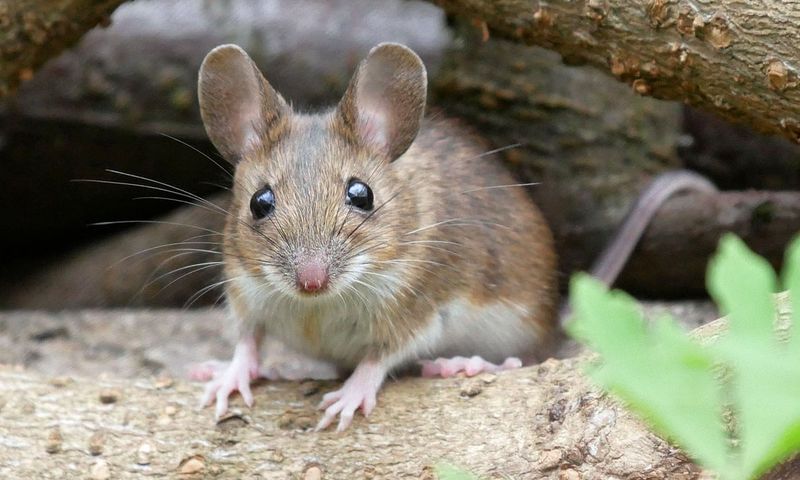
Most folks set out bait and assume the story ends with one less rat. Sadly, that is rarely how it plays out.
The most common rat poisons are called anticoagulants. They stop blood from clotting normally, which leads to internal bleeding.
A rodent that eats the bait often lives for several days before the poison finishes its work.
During those days, the rodent slows down. It wanders into the open, moves clumsily, and acts strangely.
To an owl or hawk scanning the yard, that rodent looks like an easy meal.
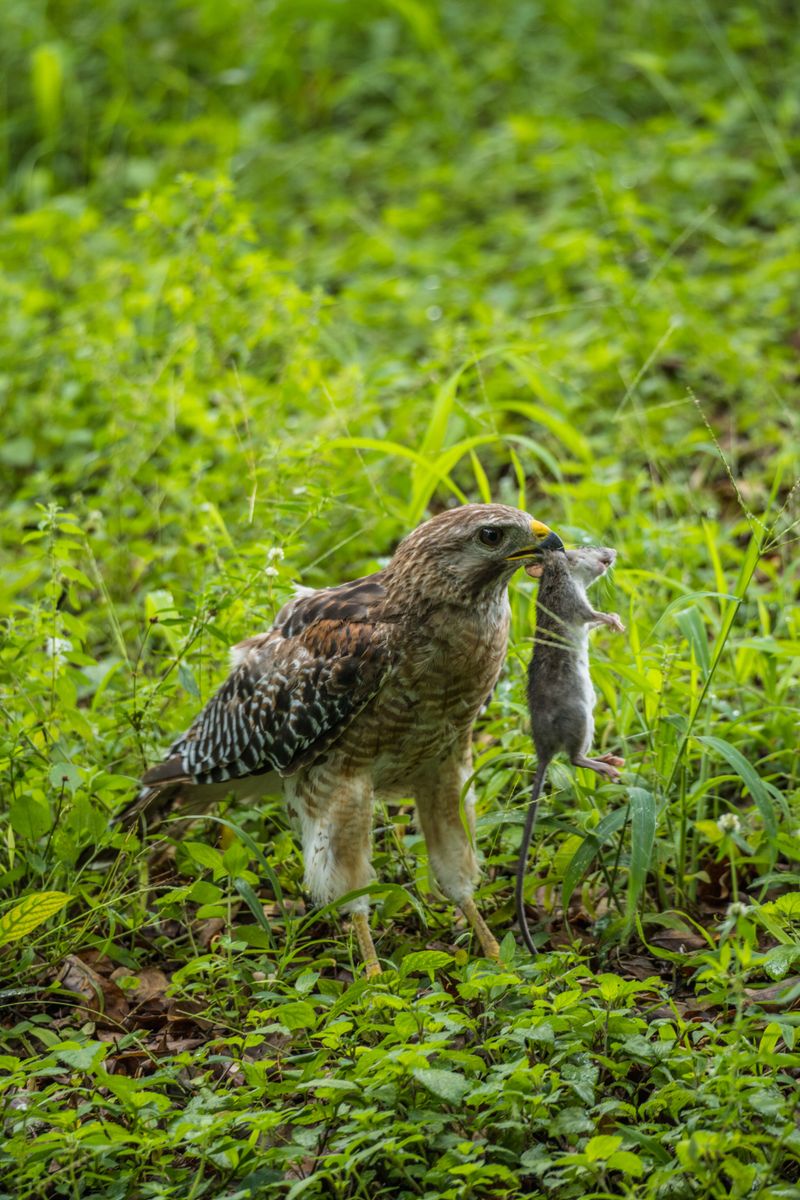
Once the bird swallows it, the poison comes along for the ride. A raptor might eat several poisoned rodents over a week or two, and the toxins can build up inside its body.
Wildlife experts call this secondary poisoning. It means the bird never touched the bait, yet it still gets sick from it.
I find this part the most eye-opening. The very behavior that makes a poisoned mouse easy to catch is what puts our best natural pest controllers at risk.
A single bait box by the garage can quietly reach far beyond its intended target.
2. Second-Generation Rat Baits Are The Biggest Threat To Hawks
Not all rat poisons carry the same risk. Reading the ingredient list on the package tells you a lot.
Second-generation anticoagulant rodenticides, often shortened to SGARs, are the most worrisome for wildlife. Look for names like brodifacoum, bromadiolone, difenacoum, and difethialone.
They are strong enough that a rodent needs only one feeding to get a harmful dose.
They also linger in the body for a long time. That long staying power means a poisoned rodent carries a heavy load when a hawk or owl catches it.
First-generation products, such as warfarin, diphacinone, and chlorophacinone, usually require several feedings. They break down faster, but they can still sicken predators.
Then there are non-anticoagulant baits. Bromethalin affects the nervous system, while cholecalciferol, a form of vitamin D3, can damage kidneys.
Neither has a simple antidote, which worries veterinarians.
You need to flip that box over before buying. The EPA has already limited most consumer sales of SGARs, so they mostly show up in professional products.
Even so, any bait you place outside can enter the food web, so the safest choice is often no poison at all.
3. Sealing Gaps Around Your House Keeps Rats Out Without Poison
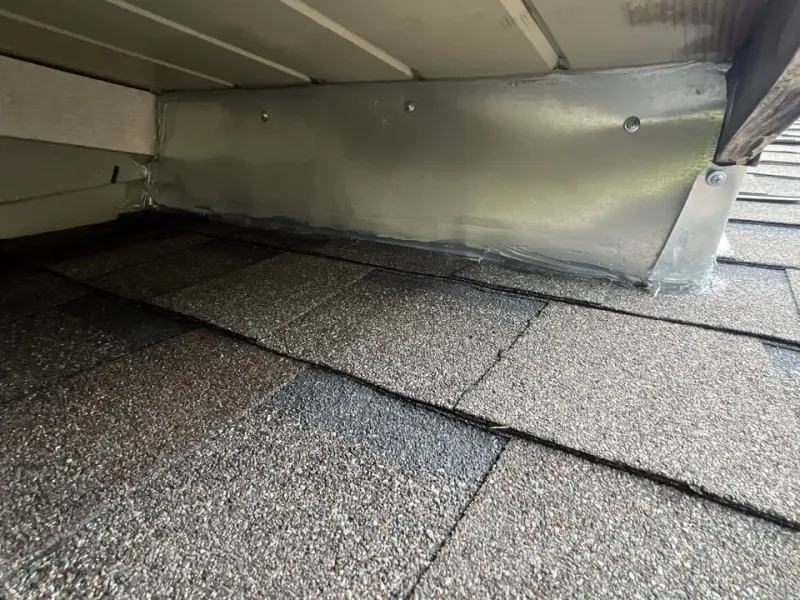
A mouse can squeeze through a hole about the width of a pencil. Young rats can squeeze through openings around half an inch wide, while adult rats generally need larger gaps.
That surprising fact makes exclusion the strongest first step. If rodents cannot get inside, you have far less reason to reach for bait.
Walk around your home with a flashlight on a calm afternoon. Check where pipes, cables, and AC lines enter the walls.
Look at gaps under doors, cracks in the foundation, vents, and spots along the roofline.
Stuff small openings with steel wool or copper mesh, then seal them with caulk. Use hardware cloth for vents and larger gaps.
Door sweeps help a lot on garage and crawlspace doors.
Georgia attics and crawlspaces are favorite hideouts, especially when nights cool off in fall. Doing this work before cold weather arrives gives you a head start.
I like this method because it solves the problem at the source. You stop the invasion instead of fighting it over and over.
Plus, no owl or hawk pays the price for your rodent troubles.
4. Bird Feeders And Pet Bowls Can Be A Rat Buffet
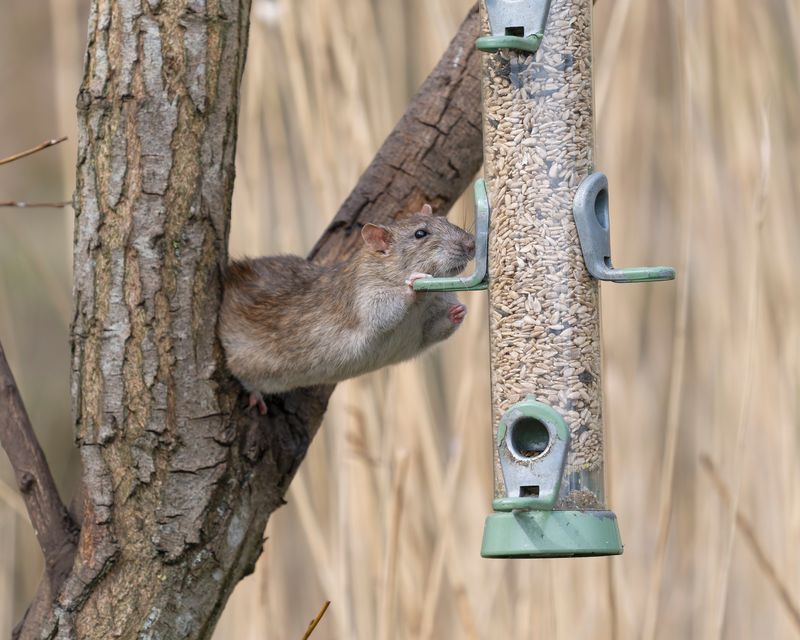
Rats are not picky eaters. Spilled sunflower seeds, a forgotten bowl of kibble, or a loose trash lid can feed a whole crew of them.
Cutting off their food supply is one of the cheapest ways to shrink a rodent problem. Fewer meals mean fewer rats moving in and raising families.
Start with your bird feeders. Sweep up seed hulls under them every few days, or use a tray to catch the mess.
Some gardeners bring feeders in at night when rats are most active.
Store pet food, chicken feed, and birdseed in metal cans with tight lids. Rats chew right through plastic bags and thin bins.
Keep garbage cans closed and away from the back door. Pick up fallen fruit from pecan, fig, or peach trees, since rodents love that windfall.
Water counts too. Fix dripping spigots and empty standing buckets.
Compost bins should sit away from the house and stay free of meat, dairy, and greasy scraps. A closed bin with a wire mesh bottom works nicely.
Small habits like these add up fast, and your yard becomes a lot less inviting to unwanted guests.
5. Snap Traps In Covered Boxes Work Better Than You Might Expect
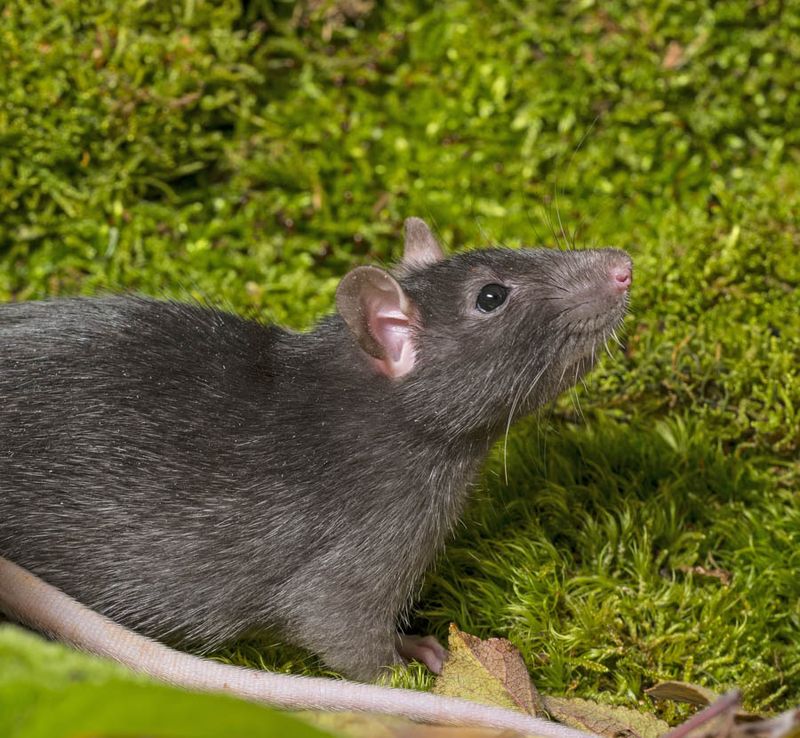
Old-fashioned snap traps still earn their spot in the toolbox. They act fast, cost little, and leave no poison behind for wildlife to find.
Placement matters most. Rats like to run along walls, so set traps flat against the wall with the trigger facing the baseboard.
Peanut butter, a dab of bacon, or nuts make tempting bait.
Outside, put traps inside a tamper-resistant box. That keeps curious pets, kids, and songbirds from getting snapped.
Many hardware stores sell boxes designed just for traps.
Electronic traps are another tidy option. They deliver a quick shock and often have an indicator light, so you know when to check them.
Live traps work too, but plan ahead. Releasing a rat elsewhere often just moves the problem, and you should check local rules before relocating any animal.
Check traps daily and wear gloves when you empty them. Bag the rodent and toss it in the outdoor trash.
Personally, I set out more traps than seems necessary. A handful placed at once usually clears a small problem faster than one trap moved around for weeks.
6. A Barn Owl Family Can Eat Thousands Of Rodents Each Year
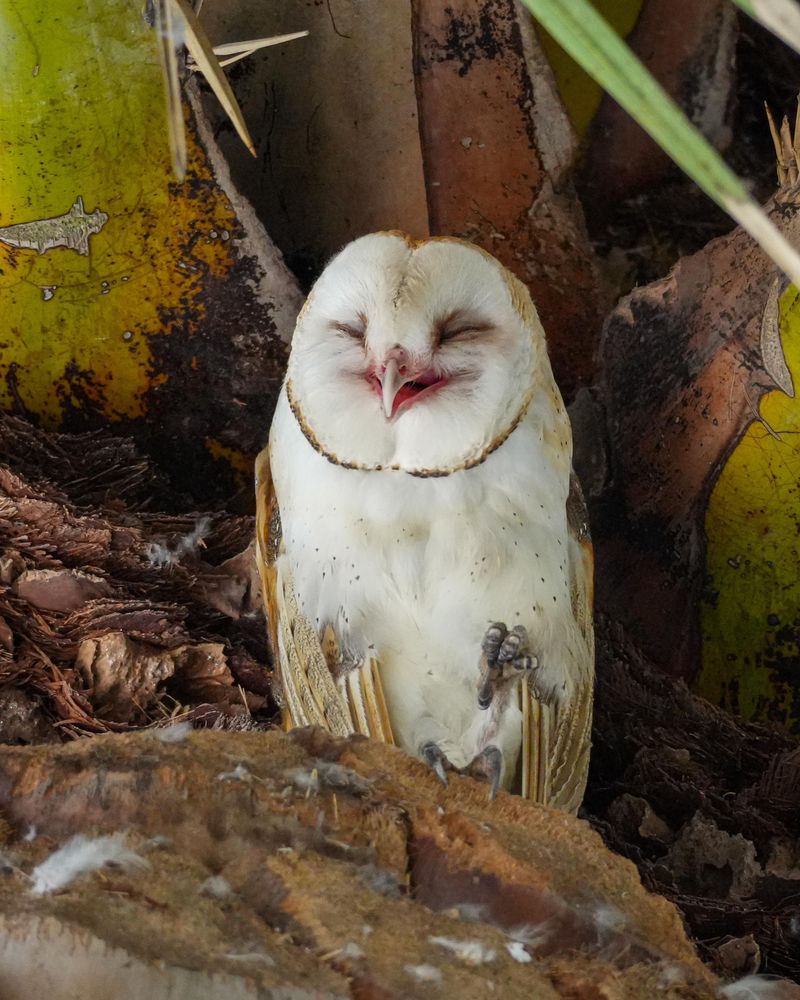
A family of barn owls can gobble up thousands of rodents in a single year. That is a lot of free pest control flying around on silent wings.
Georgia hosts several rodent hunters. Barn owls, barred owls, great horned owls, eastern screech-owls, red-tailed hawks, and red-shouldered hawks all eat mice, rats, and voles.
You can welcome them by putting up a nest box. Barn owl boxes work best in open areas like pastures or large rural lots, mounted high on a pole.
Screech-owl boxes fit nicely in wooded suburban yards.
Leave some mature trees standing when possible. Hawks need tall perches to watch for movement below.
A sturdy tree branch or fence line gives them a lookout.
Of course, owl boxes and poison do not mix. Putting out bait while inviting predators puts those very birds in harm’s way.
I can’t think of a cooler trade. You give the birds a home and a safe food supply, and they patrol your property at night.
Just remember that owls help reduce rodents but rarely solve a big indoor infestation alone.
7. Watch For A Hawk Or Owl Acting Weak Or Easy To Approach
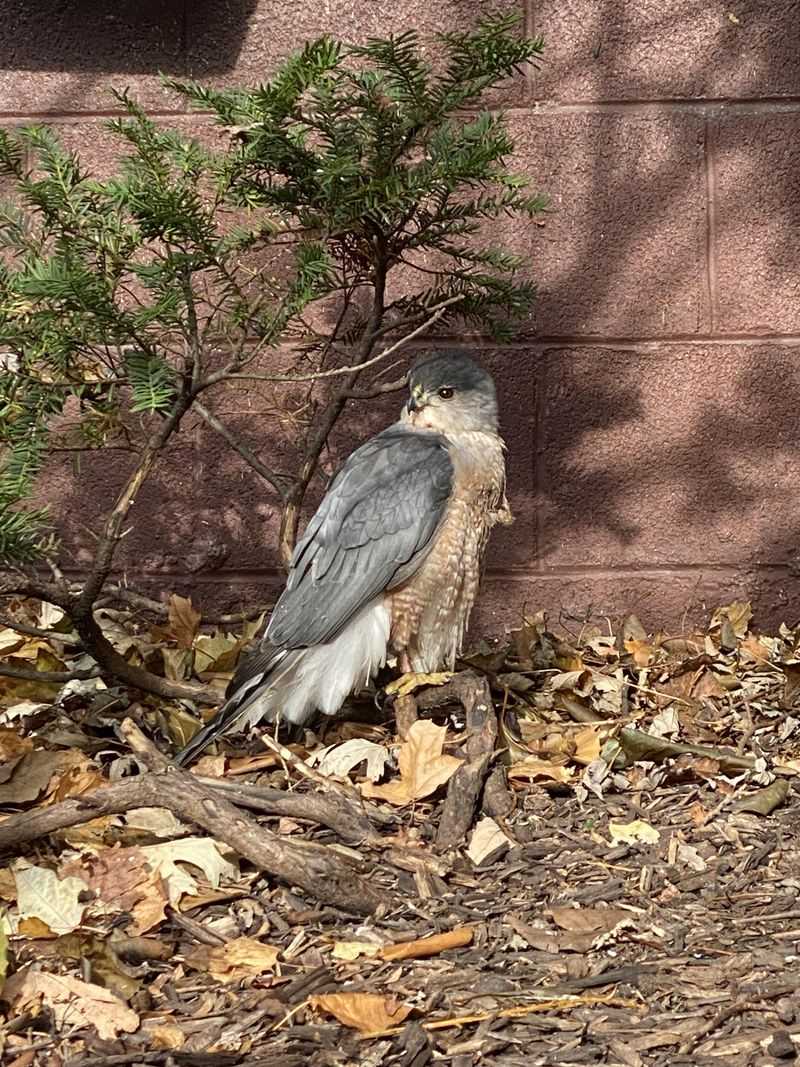
Healthy raptors are wary. If a hawk sits on the ground and lets you walk close, something may be wrong.
Poisoned birds often look weak, sleepy, or confused. Watch for bleeding from the mouth or nostrils, pale gums, bruising, trouble breathing, or shaking.
Some have trouble flying or hunting.
These struggling birds also face extra dangers. They may wander onto roads and get hit by cars, so poisoning can hide behind other injuries.
If you find a bird like this, do not try to feed it or give it water. Call a licensed wildlife rehabilitator or the Georgia Department of Natural Resources for guidance right away.
Raptors are protected under federal law, so trained hands should handle them.
Speed really matters. Vets can treat some birds with vitamin K and supportive care if the problem is caught early.
Testing a live bird for poison can be tricky, so rehabbers often rely on symptoms and history. Your observations help a lot.
Note what you saw, where the bird was, and whether neighbors use bait. Those small details can guide treatment and add useful data for researchers studying this issue.
8. Your Yard Can Become A Safer Hunting Ground For Owls And Hawks
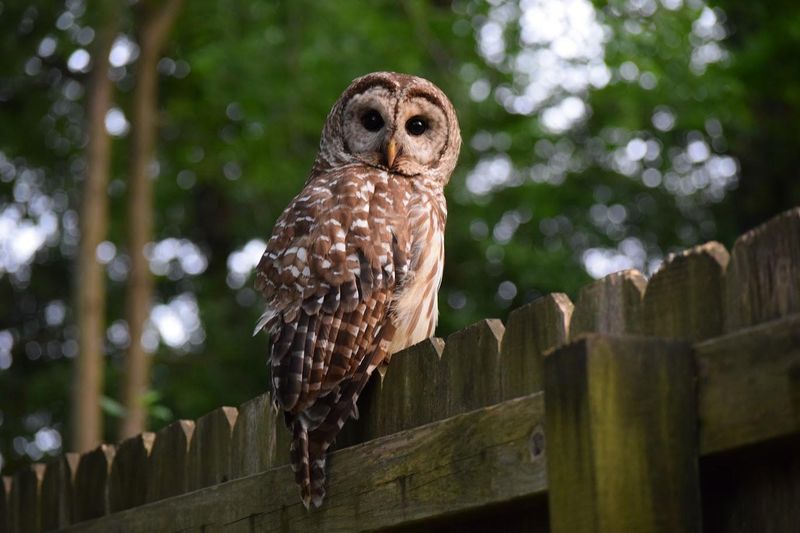
Small changes in one backyard can ripple out to a whole neighborhood of hawks and owls. I love that idea.
Start with a simple plan called integrated pest management. It means preventing problems first, using traps next, and saving chemicals as a last resort.
Trim shrubs and ivy away from your walls. Stack firewood on a rack off the ground and away from the house.
Keep tall grass mowed near buildings so rodents lose their cover.
If you hire a pest company, ask questions. Georgia Department of Agriculture licenses pest control operators, and you can request poison-free methods.
Any product you use must follow its label, which is the law.
Homeowners can legally buy some consumer baits, but legal does not mean harmless. Professional-grade and restricted-use products require a licensed applicator.
Talk with your neighbors too. A hawk hunts across many yards, so one bait box down the street still matters.
The takeaway is simple. Seal, clean, trap, and invite predators.
Your home stays rodent-free, and the owls hooting in the pines keep hunting safely for years to come.