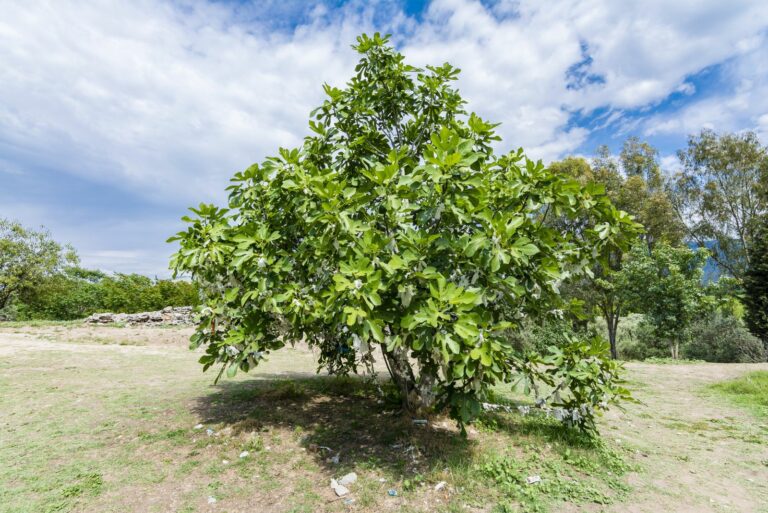
Plants Texas Gardeners Should Watch Closely In May Before They Take Over
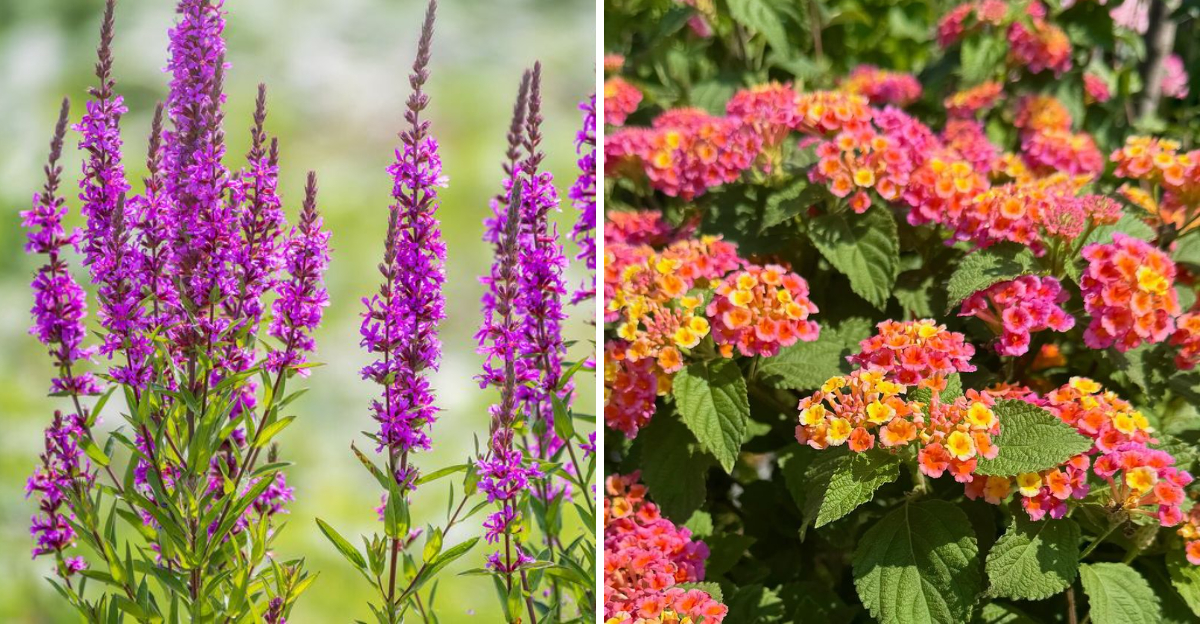
May in Texas has a sneaky side that even experienced gardeners don’t always see coming. Everything looks great, the garden is filling in nicely, and the combination of warming temperatures and spring moisture creates growing conditions that feel like a win across the board.
What’s easy to miss in all that green enthusiasm is that some plants are using those exact same conditions to quietly get out of hand. Certain plants that behave perfectly reasonably in cooler months shift into an entirely different gear once May hits in Texas.
They spread faster than expected, send out runners into neighboring beds, self-seed with zero restraint, or put on so much growth so quickly that they start crowding out everything around them before you’ve had a chance to notice what’s happening.
Keeping an eye on the right plants this month, before things get out of control, is one of the smartest moves a Texas gardener can make heading into summer.
1. Mint
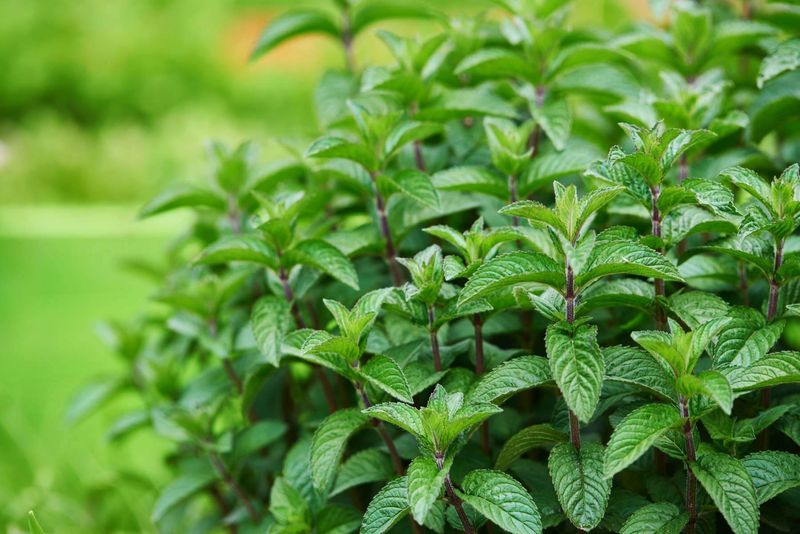
Mint smells amazing, tastes great in drinks, and looks lush in the garden. But do not let that fresh scent fool you.
Mint is one of the sneakiest spreaders in any Texas garden, and May is exactly when it kicks into high gear.
Underground runners called rhizomes travel silently beneath the soil. Before you know it, mint has popped up several feet away from where you originally planted it. In the warm Texas climate, this happens faster than most gardeners expect.
The best way to enjoy mint without losing control of your garden is to grow it in containers. A sturdy pot with drainage holes keeps those runners from escaping into your beds.
Even then, check the pot regularly because roots can sneak out through the drainage holes and find their way into the ground.
If mint is already planted directly in a bed in your Texas garden, consider digging it up and moving it to a container this May. Use a shovel to follow the runners as far as they go. Missing even a small piece of root means mint will be back in no time.
Mint also reseeds, adding another way it spreads. Pinching off flowers before they go to seed helps slow things down.
Regular trimming keeps the plant bushy and productive while reducing its chances of taking over. Staying on top of mint now means you get to enjoy it all summer without it becoming a garden nightmare.
2. Bermuda Grass
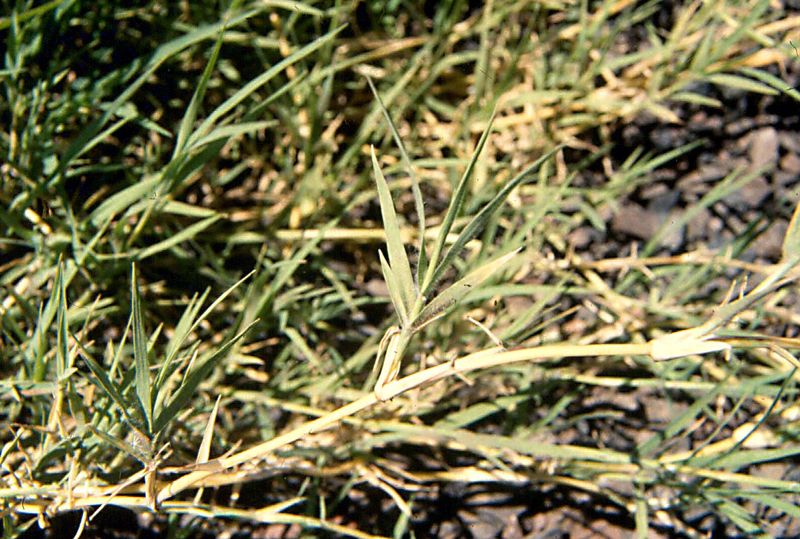
Bermuda grass is one of the toughest plants in Texas. It handles heat, drought, and foot traffic like a champ, which is exactly why it is so popular for lawns. The problem starts when it decides your garden beds look like a great place to move in.
This grass spreads two ways at once. Stolons creep along the surface of the soil while rhizomes tunnel underground.
That double attack makes it incredibly hard to stop once it gets a foothold in your beds. By the time you see it popping up near your tomatoes or roses, it has already been spreading underground for weeks.
Your Texas Garden Changes Every Week. Your Plan Should Too.
Gardening in Texas changes quickly throughout the season. Every Friday you’ll receive a simple weekly plan showing exactly what to plant, prune, fertilize, harvest, and protect so you never miss the right timing.
May is a critical month for Bermuda grass in Texas because warming soil temperatures signal it to grow aggressively. Gardeners across the state, from Dallas to Corpus Christi, deal with this grass creeping into their carefully planted spaces every spring.
Physical removal works best when the grass is young and roots are shallow. Use a hand fork to dig out as much of the root system as possible.
Leaving behind even tiny pieces of rhizome means it will sprout again quickly. Repeat removal every week or two to gradually exhaust the plant.
Installing a deep edging barrier between your lawn and garden beds also helps slow the spread. Barriers need to go at least six inches into the soil to block underground rhizomes.
Mulching heavily on top of bare soil in garden beds adds another layer of defense against this relentless Texas grass.
3. Trumpet Vine
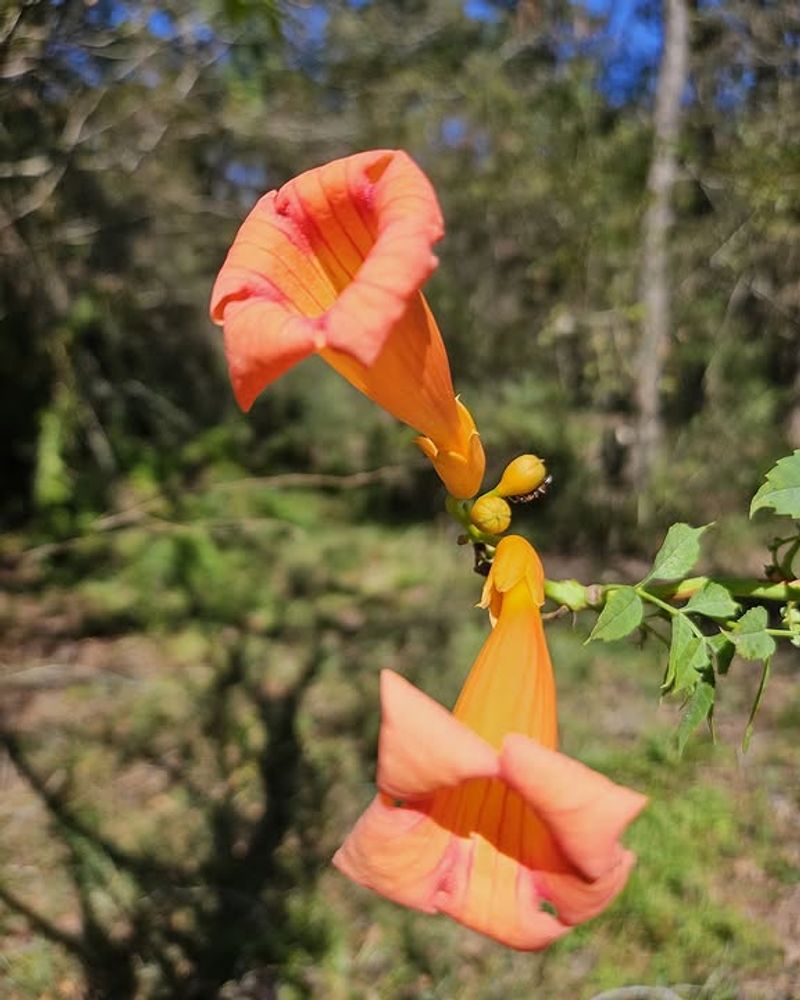
Few plants put on a show quite like trumpet vine. Those bold orange and red blooms attract hummingbirds and look spectacular climbing a fence or trellis.
Native to the eastern United States, including parts of Texas, it has earned its place in many gardens. But calling it easygoing would be a serious mistake.
Trumpet vine spreads through underground suckers that can pop up several feet away from the main plant. Once established in a Texas garden, it can send shoots through cracks in sidewalks, under fences, and into neighboring yards.
Gardeners in the Hill Country and East Texas know this plant well and respect its stubborn nature.
May is when trumpet vine wakes up fast after winter. New growth appears quickly, and any suckers that went unnoticed will suddenly be visible. This is your best window to act before those shoots get woody and harder to remove.
Pull young suckers by hand as soon as you spot them. Getting the root attached is key, so use a narrow trowel to dig a few inches down before pulling. Suckers that snap off at the surface will regrow from the root piece left behind.
Planting trumpet vine in a large container is one way to enjoy it without the spread. However, even containerized plants need regular root checks.
If you love this vine in the ground, plan to do regular patrol around it every week during the growing season. Staying consistent is the only way to keep this Texas native from claiming more territory than you planned to give it.
4. Morning Glory
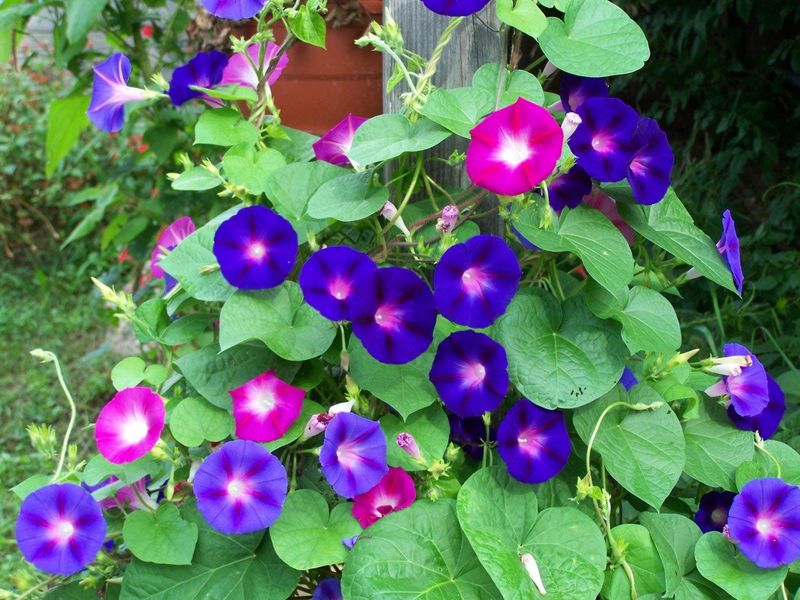
Walk past a morning glory in full bloom and it is hard not to stop and stare. Those swirling purple, pink, and blue flowers open fresh every morning and look absolutely beautiful. But underneath all that charm, morning glory is quietly plotting a garden takeover.
As a fast-growing annual vine, morning glory can cover a surprising amount of ground in just a few weeks. In Texas, where spring warmth comes early and strong, vines can climb fences, wrap around other plants, and block sunlight from reaching your vegetables and flowers.
Smothering neighboring plants is one of its favorite tricks. The biggest concern with morning glory is how freely it reseeds. One plant can drop hundreds of seeds before summer ends.
Those seeds stay viable in the soil for years, meaning you could be pulling morning glory seedlings long after you thought you got rid of the parent plant.
May is the time to catch seedlings while they are small and easy to remove. Young morning glory plants have a pair of distinctive heart-shaped seed leaves that make them easy to identify. Pull them out root and all before they get a chance to climb or flower.
If you love the look of morning glory, growing it in a contained area with regular deadheading is a reasonable compromise. Remove spent flowers before they form seed pods to cut down on reseeding dramatically.
Texas gardeners who stay on top of this task in spring will have a much easier time keeping this beautiful but bold vine from running wild across their garden space.
5. Purple Loosestrife
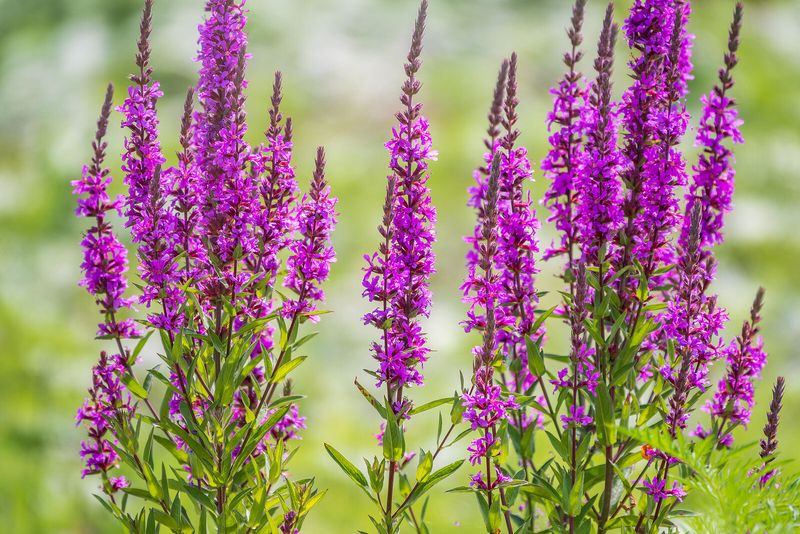
Purple loosestrife looks like something out of a fairy tale. Tall spikes covered in magenta flowers rise above wet areas and pond edges, making it one of the most visually striking plants you might come across.
That beauty is exactly what made it popular as an ornamental plant in the first place. Unfortunately, it is also one of the most problematic invasive plants in North America.
In Texas, purple loosestrife is a serious concern near wetlands, drainage ditches, and low-lying areas that stay moist. It spreads rapidly and crowds out native plants that local wildlife depend on for food and shelter.
A single mature plant can produce more than two million seeds in one season, which gives you a sense of just how quickly it can take over a wet area.
Many regions have restrictions on selling or planting purple loosestrife, so check local Texas regulations before considering it for any water garden or rain garden feature.
If you already have it on your property, May is a good time to start removal before it flowers and sets seed.
Pulling young plants by hand works well when the soil is moist. Getting the full root system out is important because leftover roots can resprout.
Larger infestations may need repeated removal over several seasons to bring under control.
Replacing purple loosestrife with native Texas wetland plants like swamp rose mallow or native sedges is a smart move. Native plants support local birds, bees, and butterflies while staying in balance with the surrounding environment naturally.
6. Johnsongrass
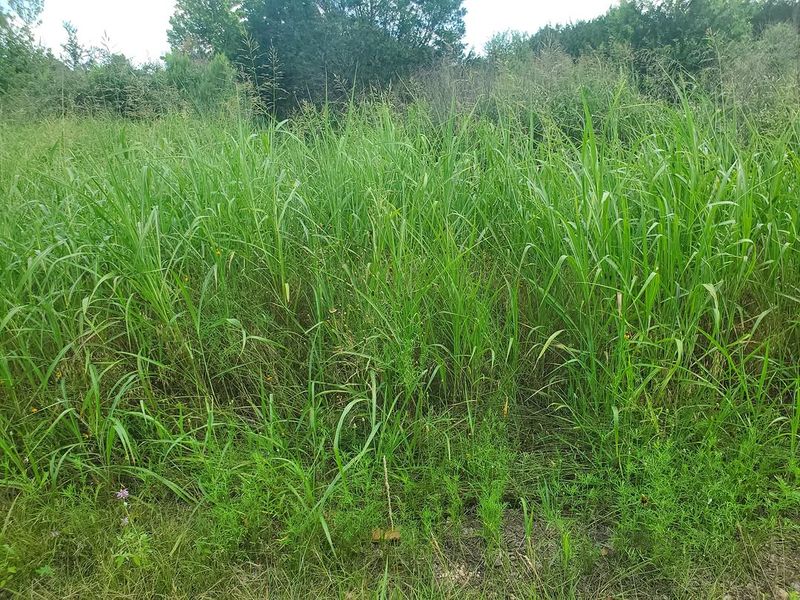
Johnsongrass has a reputation in Texas that most gardeners know all too well. It is classified as a noxious weed across the state, and for very good reason. This grass grows tall, spreads fast, and is remarkably hard to get rid of once it settles in.
Originally brought to the United States as a forage crop in the 1800s, Johnsongrass quickly escaped cultivation and became one of the most widespread agricultural weeds in the country.
In Texas, it thrives in warm weather, which means May is prime time for explosive growth. Plants can reach six feet tall or more by midsummer if left unchecked.
It spreads two ways, making it doubly difficult to manage. Underground rhizomes travel through the soil and send up new shoots, while seeds spread by wind and water to new areas.
A single plant can produce thousands of seeds, and those seeds can remain viable in the soil for many years.
Catching Johnsongrass early in May gives Texas gardeners the best chance of getting it under control.
Young plants are easier to pull, and removing them before they produce seed stops the next generation from establishing. Use a sturdy garden fork to dig out as much of the rhizome network as possible.
Repeated removal every two to three weeks through the growing season gradually weakens the root system. Letting the area dry out between waterings also stresses the plant.
Staying persistent with removal efforts through spring and early summer is the most effective strategy Texas gardeners have against this stubborn weed.
7. Lantana
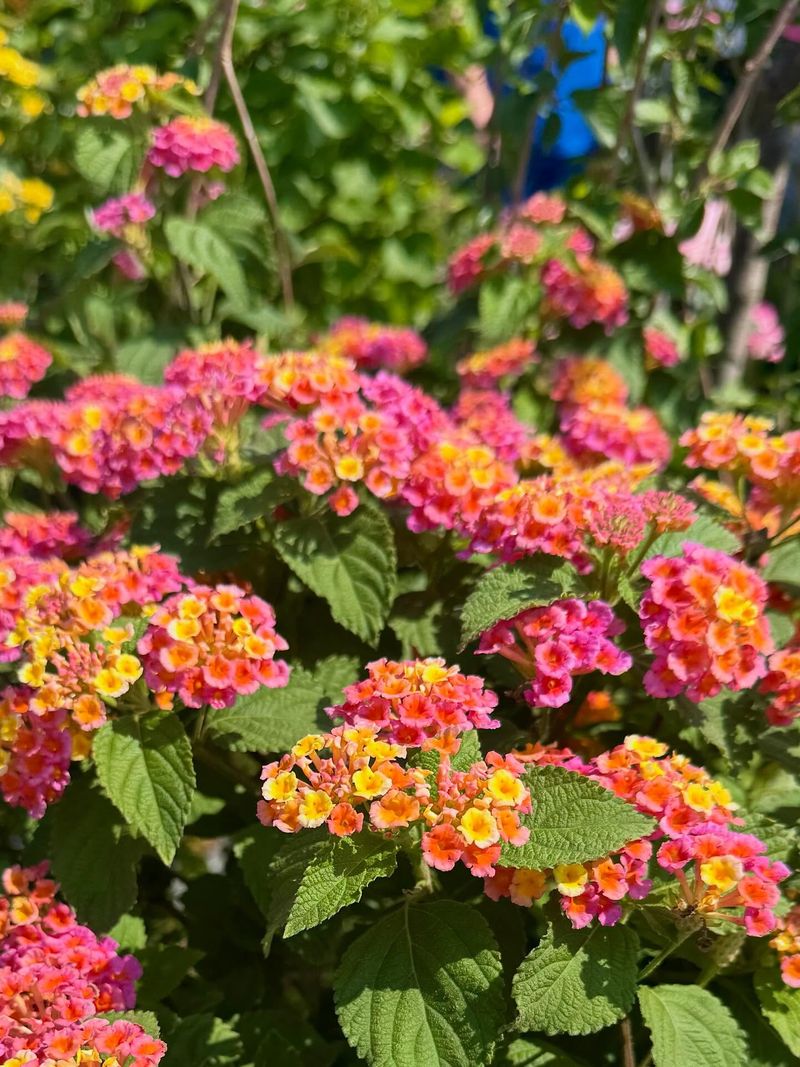
Lantana is a Texas garden favorite for good reason. It handles blazing summer heat without complaint, attracts butterflies and hummingbirds by the dozens, and blooms in cheerful clusters of yellow, orange, red, and pink.
Drive through any Texas neighborhood in summer and you will likely spot lantana spilling over garden walls and lining driveways.
Here is the part that surprises many gardeners: some varieties of lantana can spread more aggressively than expected, especially in the warm southern regions of Texas. Lantana camara in particular reseeds readily and can establish itself in spots you never intended.
Birds eat the small dark berries and spread seeds across a wide area, helping the plant colonize new ground quickly.
In frost-free parts of Texas, lantana can behave almost like a perennial shrub, growing larger and woodier each year.
Without regular pruning, it can crowd out nearby plants and take up far more space than originally planned. May is a good time to cut plants back hard and remove any seedlings sprouting nearby.
Deadheading spent blooms before berries form is one of the most effective ways to reduce reseeding. This also encourages the plant to push out more flowers instead of putting energy into seed production. A win for your garden and for the pollinators visiting it.
Choosing sterile or low-seed varieties when shopping at Texas nurseries is a smart long-term strategy. Ask specifically for cultivars labeled as non-invasive.
Enjoying lantana responsibly means you get all the beauty and pollinator benefits without giving it the chance to spread beyond its welcome.