Why Michigan Gardeners Are Burying Pine Cones In Their Soil And What It Actually Does
Burying pine cones in garden soil sounds like something that belongs in a folklore remedy thread rather than a serious gardening conversation, but the practice has been spreading among Michigan gardeners and the reasoning behind it is worth examining honestly.
Michigan has no shortage of pine trees, which means free cones are available to just about anyone with a yard, and gardeners dealing with sandy, compacted, or nutrient poor soil are always looking for low cost ways to improve what they are working with.
The idea that something you would normally rake up and toss could actually benefit your garden beds is an interesting one.
Some of what gets claimed online goes well beyond what the evidence supports, but there are real things that happen as pine cones break down underground that are worth understanding.
Here is an honest look at what burying pine cones actually does to Michigan soil, what is exaggerated, and whether it is worth trying in your own garden.
1. They Add Organic Material Very Slowly
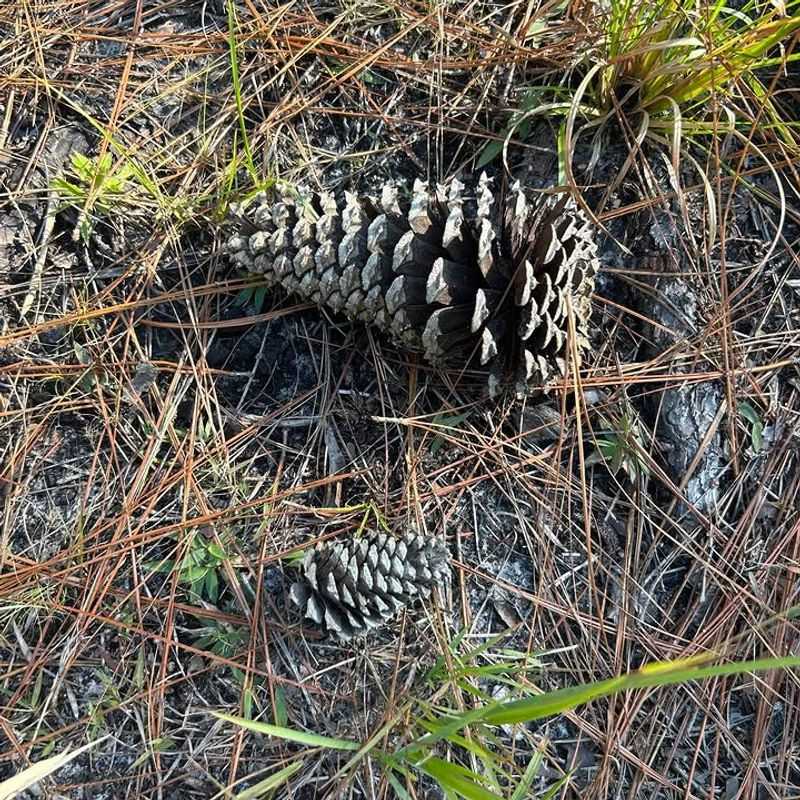
Pine cones are tough little things. Anyone who has stepped on one barefoot knows just how solid and woody they really are.
That toughness is exactly why burying them in your Michigan garden soil is not the quick fix many people hope for.
When you bury a pine cone, it does not break down in a season or even two. The woody scales are packed with lignin, a material that resists decomposition for years.
Soil microbes in Michigan gardens work hard, but they work slowly when it comes to material this dense and fibrous.
Over many years, pine cones do eventually contribute small amounts of organic matter to the surrounding soil. That organic matter can improve soil texture and support microbial life in a modest way.
However, the timeline is long, and the payoff is not dramatic enough to replace other soil-building strategies.
If you want to build rich, organic soil faster in Michigan, finished compost is a far better investment of your time and energy. A layer of compost worked into your beds each spring delivers nutrients and improves structure within the same growing season.
Pine cones are not worthless, but patience is absolutely required if burying them is part of your plan.
2. They Do Not Meaningfully Change Soil pH
Many Michigan gardeners assume that anything related to pine trees must make soil more acidic. It is a very common belief, and it makes sense on the surface since pine needles are known to be slightly acidic.
However, pine cones tell a different story once they are in the ground.
Research shows that decomposing pine cones have little to no measurable effect on soil pH. The amount of acidic compounds they release during breakdown is so small that your soil barely registers a change.
Michigan soils already vary widely in pH depending on region, and buried pine cones are not going to shift that balance in any meaningful direction.
If you are growing blueberries, azaleas, or other acid-loving plants in your Michigan yard, do not count on pine cones to create the right conditions. You would need to use sulfur amendments or acidic fertilizers specifically designed to lower pH.
Your Michigan Garden Changes Every Week. Your Plan Should Too.
Gardening in Michigan changes quickly throughout the season. Every Friday you’ll receive a simple weekly plan showing exactly what to plant, prune, fertilize, harvest, and protect so you never miss the right timing.
A simple soil test from your local Michigan State University Extension office can tell you exactly where your soil stands and what it actually needs.
Gardening based on myths can waste a lot of time and effort. Knowing the truth about pine cones and pH helps you focus your energy on strategies that genuinely work for your specific Michigan garden conditions.
3. They Can Create Temporary Air Pockets
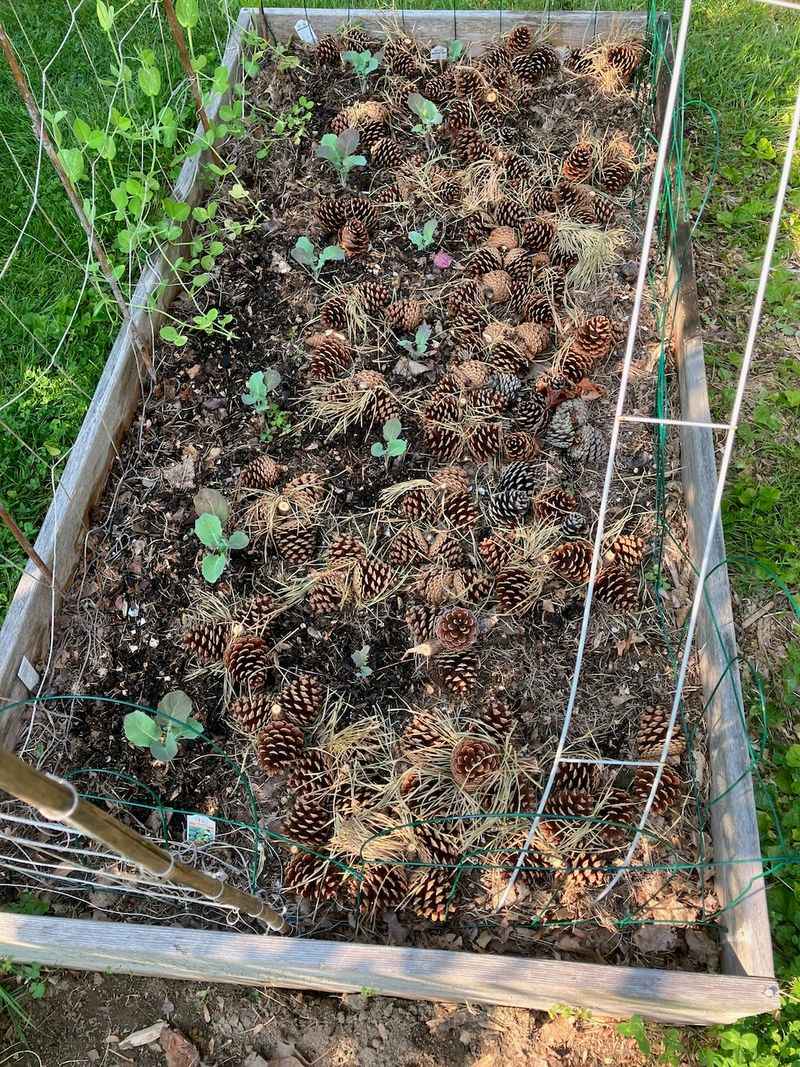
Imagine pushing a pine cone into dense, compacted soil. It does not just disappear smoothly into the earth.
Instead, it creates little gaps and spaces around its irregular shape, and those gaps can actually do something useful, at least for a while.
When pine cones are buried in Michigan garden beds, they temporarily improve aeration in the area directly around them. Roots love oxygen, and any extra space in compacted soil gives them room to spread and breathe more freely.
In clay-heavy Michigan soils, this kind of structural help can feel like a welcome relief for struggling plants.
The catch is that this benefit does not last very long. As the pine cones slowly compress under the weight of the soil above them, those air pockets gradually collapse.
Rain, foot traffic, and frost cycles all speed up the process, especially through Michigan winters, which are tough on soil structure in general.
You can get a similar and more lasting benefit by adding perlite, coarse sand, or aged wood chips to compacted soil. Those materials maintain their structure far longer than pine cones and provide consistent drainage improvements.
Still, if you have pine cones on hand and compacted soil that needs a short-term boost, burying a few is not going to hurt anything in your Michigan garden.
4. They Do Not Replace Compost Or Fertility Inputs
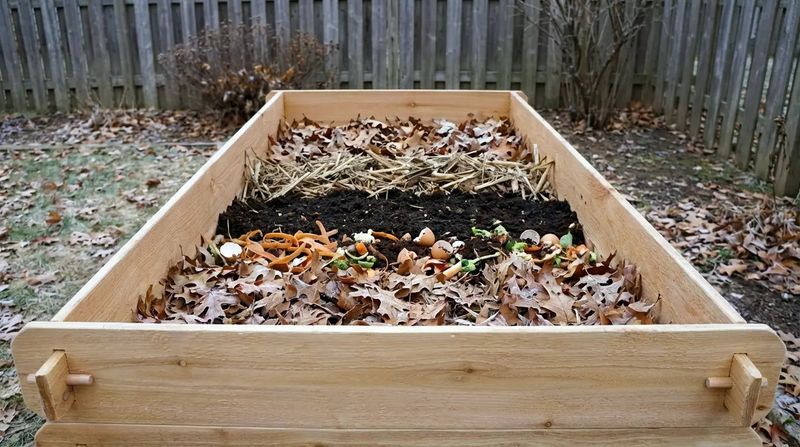
Here is something that surprises a lot of Michigan gardeners when they first hear it. Pine cones contain almost no available nutrients that plants can actually use.
They are made mostly of cellulose and lignin, which are structural materials, not food for your garden beds.
Nitrogen, phosphorus, and potassium are the three main nutrients that vegetables, flowers, and shrubs need to grow well. Pine cones deliver none of these in any meaningful quantity.
A Michigan tomato plant or a bed of perennials is not going to pull anything useful from a buried pine cone sitting three inches below the surface.
Finished compost, on the other hand, is absolutely packed with available nutrients and beneficial microorganisms.
Spreading two to three inches of compost across your Michigan garden beds each spring feeds your plants, improves drainage, and supports the entire underground ecosystem that makes healthy gardens possible.
The difference in results between compost and buried pine cones is dramatic and very noticeable by midsummer.
Balanced fertilizers and well-aged manure are also far more effective fertility inputs than pine cones could ever be. Michigan gardeners who want lush, productive gardens should focus their energy on proven soil-building methods.
Pine cones have their place, but acting as a nutrient source is simply not one of them, no matter how appealing the idea sounds online.
5. They May Temporarily Tie Up Nitrogen
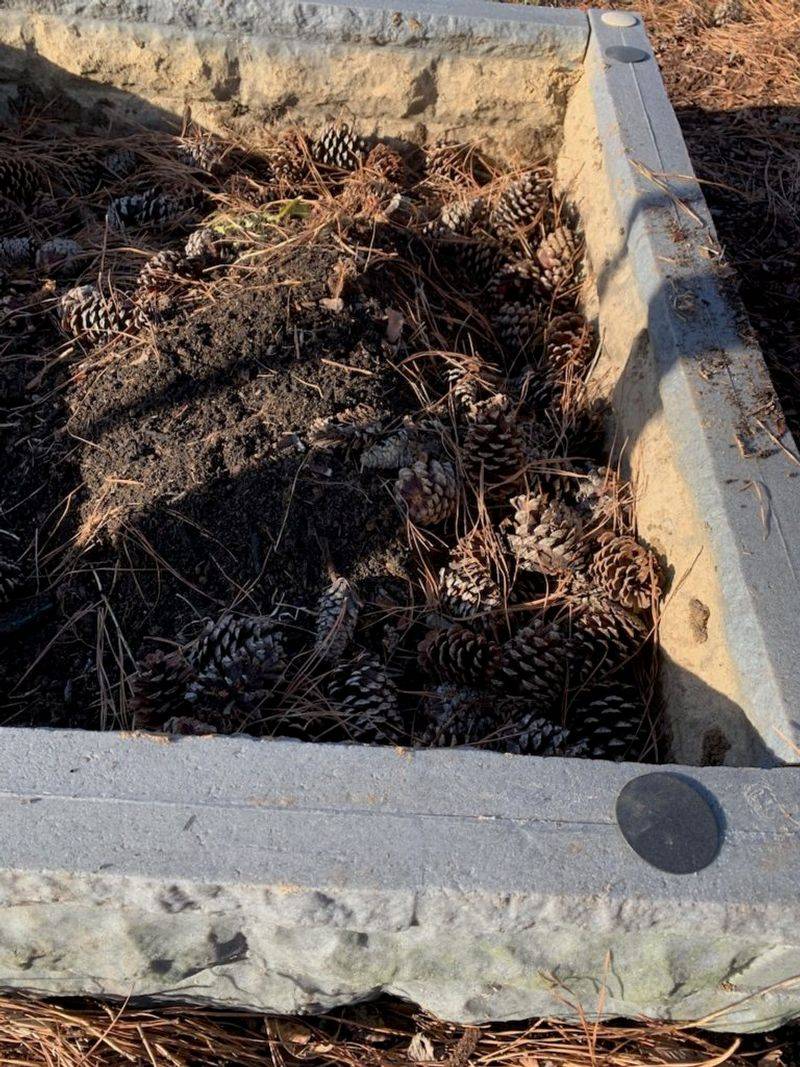
Here is a garden science fact that catches people off guard. When woody material like pine cones starts breaking down in the soil, it does not just quietly disappear.
The microbes responsible for decomposition need nitrogen to do their work, and they pull it straight from the surrounding soil.
This process is called nitrogen immobilization, and it can create a temporary shortage of available nitrogen for your plants.
In a Michigan vegetable garden or a bed of annual flowers, even a short nitrogen dip can slow growth, cause yellowing leaves, or reduce fruit production during the critical summer months.
The effect is temporary and eventually reverses once the pine cones break down far enough. However, during that in-between period, your plants may show signs of stress that leave you puzzled and searching for answers.
Michigan gardeners dealing with yellowing plants near buried woody material should consider nitrogen immobilization as a likely cause worth investigating.
To counteract this effect, you can add a nitrogen-rich fertilizer like blood meal or a balanced granular fertilizer near areas where you have buried pine cones or other woody debris.
Keeping an eye on your plants through the growing season is always smart gardening practice.
Michigan summers move fast, and catching a nutrient issue early makes a big difference in your final harvest or bloom season results.
6. They Are More Practical As Surface Mulch
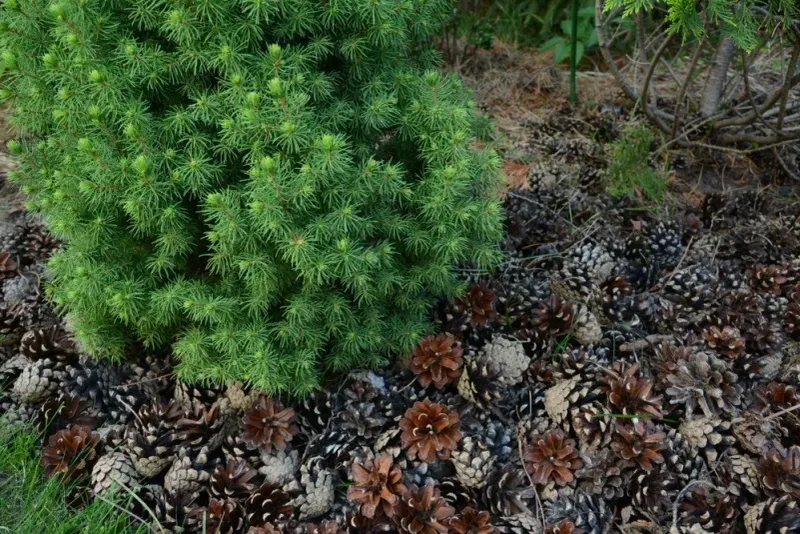
So if burying pine cones underground has limited benefits, what should you actually do with them? Spread them on top of the soil.
Using pine cones as surface mulch is where they genuinely earn their place in a Michigan garden, and the results are easy to see.
Laid across the surface of a garden bed, pine cones act as a natural barrier against rain erosion. Michigan gets plenty of heavy spring and summer rainstorms that can wash away loose topsoil and expose plant roots.
A layer of pine cones slows that water down, letting it soak in gradually rather than rushing across the surface and carrying your best soil with it.
Pine cones also help protect soil structure during windy Michigan days, which are common especially in fall and early spring.
They add a rustic, natural look to garden beds that many Michigan gardeners find appealing, and they cost absolutely nothing if you have pine trees on your property or nearby trails.
As surface mulch, pine cones also suppress some weed growth and help the soil retain a bit of moisture between watering sessions. They are not as effective as wood chip mulch or straw for moisture retention, but they still contribute in a real and useful way.
For Michigan gardeners looking for a free, low-effort mulch option, pine cones on top of the soil are a genuinely smart and practical choice.