Plants That Actually Taste Better After A Frost
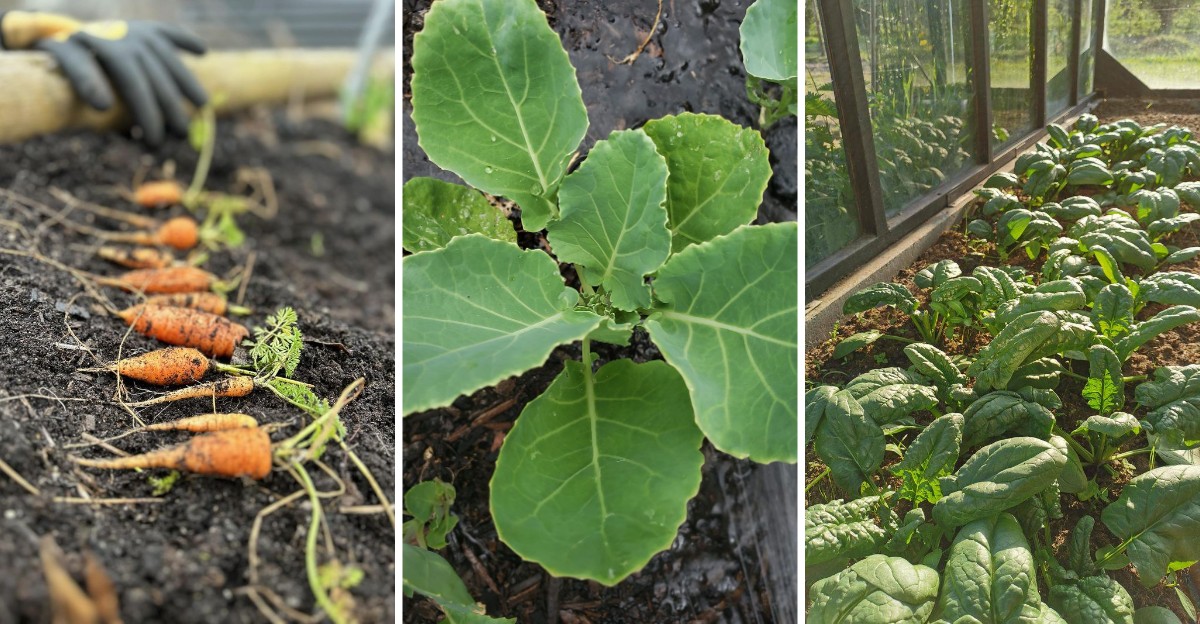
Many garden vegetables turn sweeter after a frost because their cells change stored starch into sugar for protection. That sugar works like a natural antifreeze, lowering the freezing point of the water inside each leaf or root.
Some root crops can stay in the ground into winter if you cover them with thick straw. I like how gardeners in cold states dig them up in late fall, long after the tomatoes are finished.
A light frost usually means air temperatures around 29 to 32 degrees, which many hardy crops handle with ease. Extension experts note that several cool nights matter more than one single frost, so timing is a bit flexible.
You can taste the difference yourself by picking a leaf before a cold snap and another one a week later. It is a simple reminder that the first chilly mornings of fall can quietly improve the flavor of your garden crops.
1. Cold Nights Give Your Kale A Sugar Boost
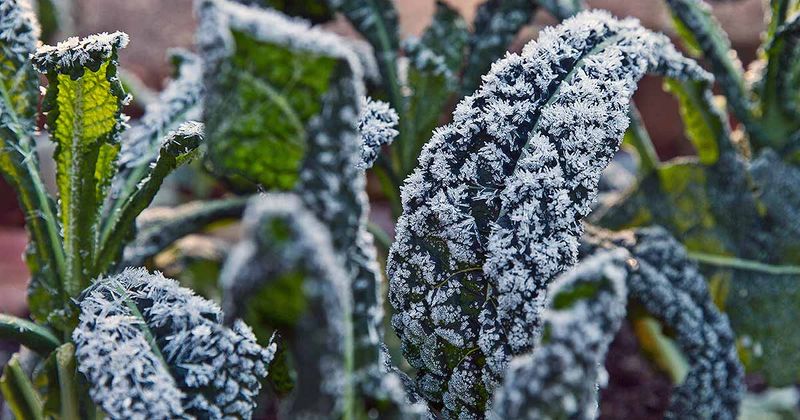
Kale is one of the crops gardeners mention most often when they talk about frost making vegetables taste better. Cold weather pushes the plant to turn stored starch into sugar, and that change softens its bitter edge.
Scientists explain that sugar dissolved in plant cells lowers the freezing point, a bit like salt on an icy sidewalk. The sweeter taste you notice is mostly a side effect of the plant protecting its own leaves.
Many university extension services say kale handles temperatures down to about 20 degrees without much trouble at all. Some varieties, such as Winterbor and Lacinato, can hold up even longer under a light row cover.
Research on flavor shows the change builds over several cool days, not just one frosty night in October. A week of nights in the 30s often gives you better results than a single sudden cold snap.
Harvest the lower, older leaves first and let the center bud keep growing new ones through the fall season. Picking this way lets one plant feed your family for many weeks, sometimes well past Thanksgiving dinner.
Wait until the leaves thaw before cutting them, since frozen leaves bruise easily and turn mushy in the kitchen. Late morning is usually a smart time, once the sun has warmed the garden for a few hours.
Try a simple taste test by tearing off one raw leaf now and another after the next frost arrives. I believe many people notice the milder, nuttier flavor fairly quickly, even if they usually push greens aside.
2. Your Collards Can Handle More Cold Than You Expect
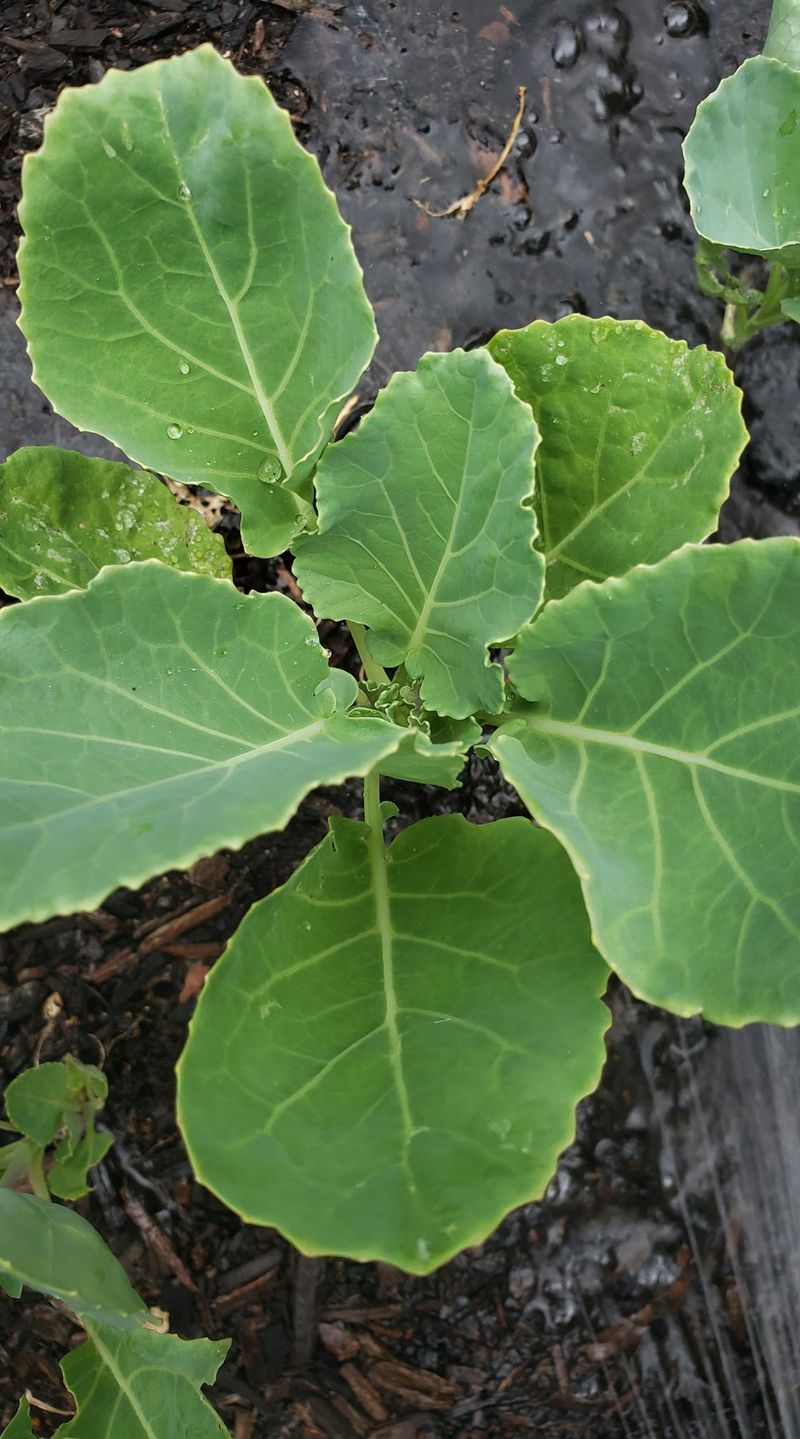
Ask almost any Southern grandmother, and she will tell you collards are not worth picking until after a frost. Old garden wisdom and modern plant science agree on this point more often than you might guess.
Collards belong to the same plant family as kale, so they make the same starch to sugar switch. Their broad, waxy leaves turn noticeably less bitter once nights stay chilly for a stretch of several days.
Extension guides from states like Georgia and North Carolina note that collards can tolerate temperatures into the upper teens. That toughness makes them one of the longest lasting greens in many fall and early winter gardens.
October is a great month to keep plants healthy with steady watering, since dry soil makes leaves tough and stringy. Spread a few inches of mulch around the base to hold moisture and keep roots a little warmer.
Pick the biggest outer leaves when they are about the size of your hand or slightly larger. Leave the top cluster alone so the plant keeps producing fresh growth through the cooler weeks of the season.
Frost sweetened collards taste milder than summer leaves, so they pair well with onion and a splash of vinegar. Simmering them this way brings out their mellow, earthy flavor very nicely.
Fun fact, collards have been grown for more than two thousand years, going back to ancient Greek and Roman gardens. That long history shows just how dependable these cold friendly greens have been for gardeners across many centuries.
3. Brussels Sprouts Earn Their Sweet Reputation Late
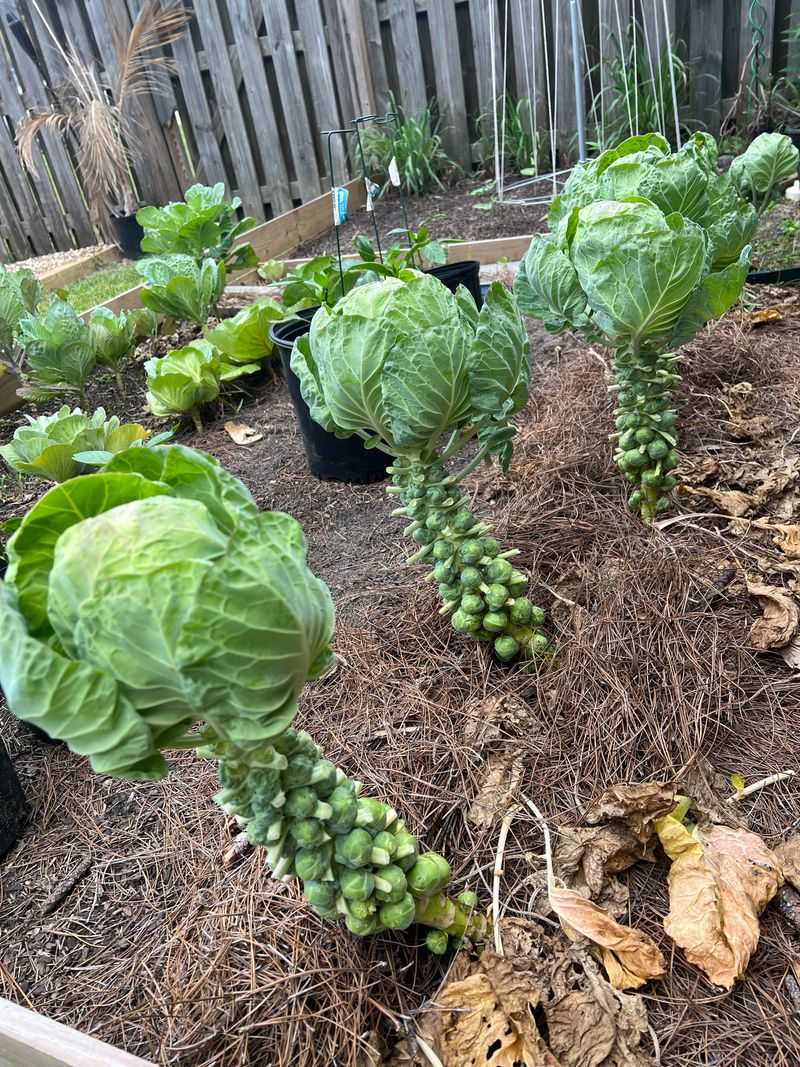
Plenty of people grew up disliking Brussels sprouts, but many of those memories come from sprouts picked in warm weather. Sprouts harvested after a few frosts often taste sweeter, nuttier, and far less like bitter cabbage.
The plant needs a long season, usually around 90 to 110 days, so fall is when it finally shines. Cool temperatures between 45 and 65 degrees help the little heads form firm and tight along the stalk.
Cornell and other university programs recommend waiting until after a light frost to begin your main harvest. Sprouts can handle temperatures in the low 20s, and many gardeners keep picking them well into November.
A handy trick is topping the plant, which means pinching out the growing tip a few weeks before harvest. That step pushes energy into the sprouts, so they grow larger and more even in size along the stem.
Start picking from the bottom of the stalk, where sprouts mature first, and work your way upward over time. Twist each sprout gently or snap it off with a downward push once it reaches about one inch wide.
Some gardeners pull the entire stalk before a hard freeze and hang it in a cool garage or shed. The sprouts can stay fresh on the stalk for a few weeks, which makes holiday meals a little easier.
Roasting brings out the frost sweetened sugars beautifully, giving the outer leaves crispy, caramel colored edges in the oven. You might find yourself grabbing seconds of a vegetable you once tried hard to avoid at dinner.
4. Leave Your Parsnips In The Ground A Little Longer
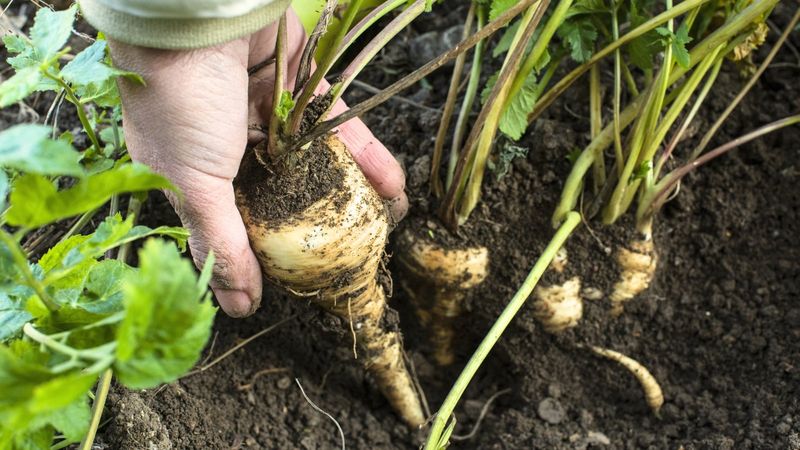
Patience pays off with parsnips more than almost any other vegetable in the fall garden. Many growers say these pale roots taste bland and starchy until they spend a few weeks in cold soil.
Extension specialists explain that temperatures near freezing convert much of the root starch into sweet sugars over time. Most guides suggest waiting until after several hard frosts before you start digging parsnips for the kitchen table.
Parsnips are planted in spring and take around 120 days or more to reach full size underground. By October, the roots are usually ready, but their flavor keeps improving as the soil keeps cooling.
You can leave them in the ground through much of winter in many areas if you add mulch. A layer of straw or shredded leaves about a foot deep helps keep the soil from freezing too solid.
Dig carefully with a garden fork, starting several inches away from the plant to avoid snapping the long root. Parsnips can grow ten inches or longer, so loosening the soil first makes the job much easier.
Wear gloves when working around the leaves, since the sap can irritate skin when combined with bright sunlight. Several university extension services mention this caution, so long sleeves are a smart choice during harvest time.
Roasted parsnips taste a little like a mix of carrots and sweet nuts with a hint of spice. I like tossing them with olive oil and a pinch of salt for a cozy fall side dish.
5. Carrots Love A Chilly Bed Of Soil
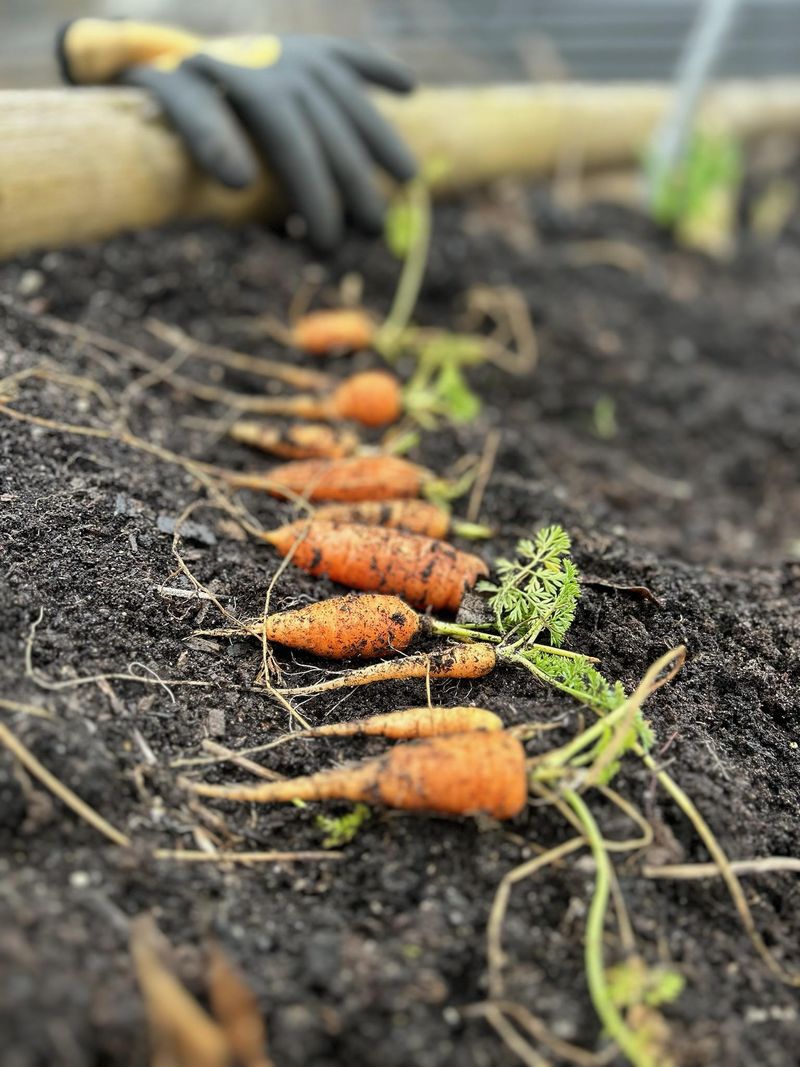
Gardeners in colder regions sometimes call fall carrots candy carrots, and the nickname is well deserved for good reason. Roots that mature in cool soil often taste much sweeter than the same variety grown in summer heat.
Cold temperatures trigger the familiar starch to sugar change, while also reducing compounds that can taste harsh or soapy. Research from university programs shows sugar levels in carrots tend to climb as soil temperatures drop in autumn.
Carrot tops can survive light frosts, and the roots stay protected underground where the soil changes temperature slowly. Many growers keep harvesting until the ground starts freezing hard, which may be December in milder places.
A thick layer of straw or leaves over the row can stretch your harvest by several weeks. Mark the row with stakes, so you can find the carrots later if snow covers the bed this winter.
Water the bed a day before harvest, since moist soil lets roots slide out without breaking in half. Grab the leaves close to the crown and pull straight up with a slow, steady motion for best results.
Twist off the green tops right after harvest, because leaves keep pulling moisture from the root while in storage. Stored in a refrigerator crisper drawer, fall carrots can stay crunchy for several weeks or even longer.
Varieties such as Bolero, Napoli, and Danvers are popular for fall planting and winter sweetness in many regions. Ask your local extension office which ones do best in your area before ordering seeds for next year.
6. Your Cabbage Heads Get Milder After A Cold Snap
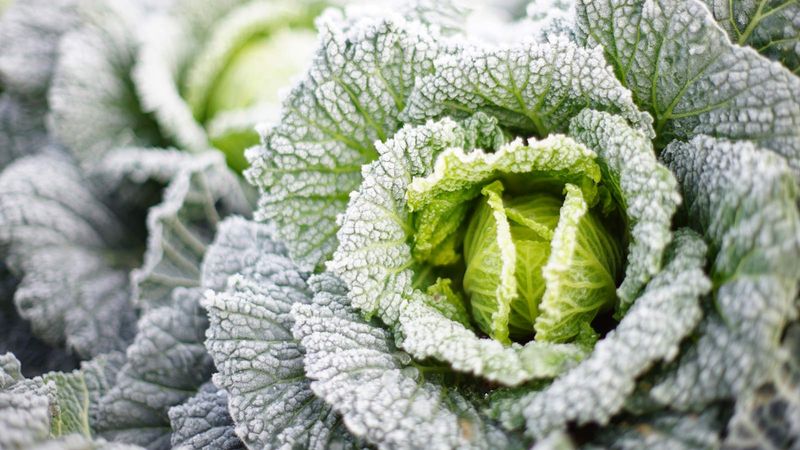
Crunchy, round, and surprisingly tough, cabbage is one of the easiest cold weather crops for beginners to grow well. Heads that mature during chilly fall weather usually taste milder and sweeter than summer grown cabbage.
Like its relatives kale and collards, cabbage builds up sugars when nights cool down in October and November. Those sugars balance the sharp, peppery compounds that give raw cabbage its strong bite in hot weather.
Most extension guides say mature cabbage can handle temperatures down to about 25 degrees without serious harm. Savoy types, with their crinkly leaves, are often listed among the most cold tolerant choices for late season harvests.
Check heads by pressing gently with your hand, since a firm, solid feel means the cabbage is ready. Loose or puffy heads usually need more time, and fall weather often gives them that extra growing window.
Cut the head with a sharp knife, leaving the outer leaves and stem in place in the ground. Some plants will grow several smaller heads from the stem, which makes a fun bonus harvest later on.
Wet weather can sometimes cause mature heads to split, especially after heavy rain follows a dry spell. Harvesting ripe heads promptly, or twisting the plant slightly to break some roots, can help reduce splitting problems.
Frost sweetened cabbage makes a fantastic coleslaw because the raw leaves taste less sharp and more refreshing. You could also try sauteing thin slices in butter until golden for a quick, cozy fall side dish.
7. Spinach Leaves Turn Thicker In Cool Fall Weather
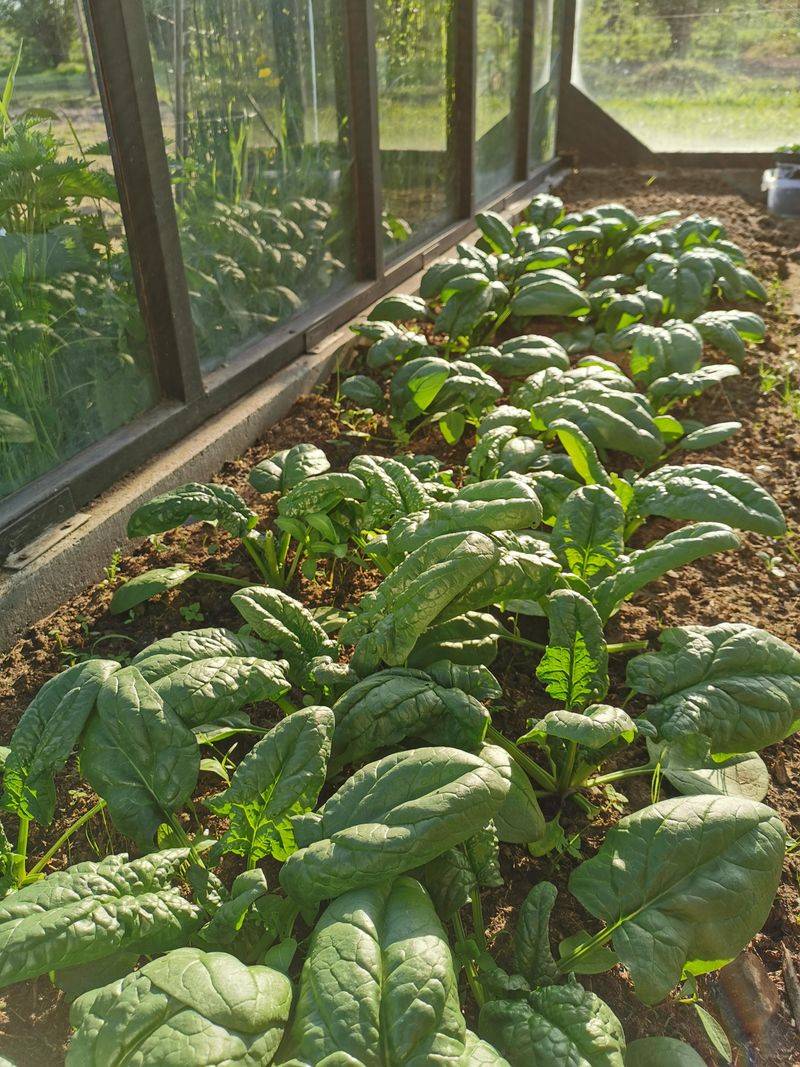
Here in fall, spinach becomes a totally different plant compared to the quick bolting crop you see in spring. Cool days help keep it from sending up flower stalks, so the leaves stay tender and full of flavor.
Researchers have found that spinach leaves collect more sugar as temperatures fall toward freezing during autumn nights. Many gardeners also notice the leaves grow thicker and crinklier, which gives them a sweeter, almost buttery taste.
University extension services report that established spinach plants can handle temperatures around 20 degrees with little damage. With a simple cold frame or row cover, some gardeners harvest fresh spinach through much of the winter.
October is not too late to sow a small patch in many areas, especially for an early spring harvest. Seeds planted now may sprout, rest during the coldest weeks, and then grow quickly once March warms the soil.
Pick the outer leaves when they reach about three inches long, leaving the center to keep producing more. Avoid harvesting while leaves are frozen, since icy leaves bruise easily and turn slimy after they thaw indoors.
Savoy varieties such as Bloomsdale and Winter Giant are popular picks for cold season growing in many regions. Their crinkled leaves are often listed among the more cold hardy choices for fall and winter growing.
Fresh fall spinach tastes amazing raw in salads, but it also wilts beautifully into soups and pasta dishes. I believe once you try a frosty October leaf, grocery store spinach may start tasting a little plain.
8. Turnips Make A Sweet Finish To Your Fall Harvest
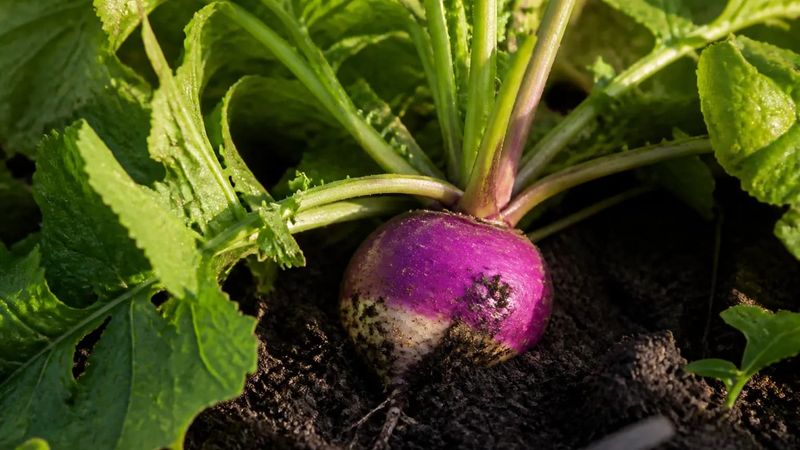
Purple tops, white bottoms, and a peppery bite make turnips easy to spot in any late season garden bed. After a few frosty nights, that sharp flavor mellows into something gentler and pleasantly sweet on the tongue.
Turnips grow fast, often reaching harvest size in about 45 to 60 days from seed in cool weather. That speed makes them a smart choice for gardeners who planted late summer seeds hoping for one more crop.
Most extension sources say turnip roots handle light frosts well, but a hard freeze in the low 20s can cause damage. Harvest the bulk of your crop before the coldest weather arrives, or protect the bed with a thick mulch.
Pick roots when they are about two to three inches wide for the most tender texture and best flavor. Larger turnips can turn woody or spongy, especially if they sit in the ground too long past maturity.
The leafy greens are edible too, and frost sweetens them in much the same way it sweetens kale. Many Southern cooks simmer turnip greens alongside the roots for a hearty, budget friendly fall supper.
Store trimmed roots in a cool, humid spot like a refrigerator drawer, where they usually keep for several weeks. Leave about half an inch of stem on each root to help it hold moisture during storage.
Keep in mind that flavor depends on variety, soil, and weather, so results can differ from garden to garden. Trying a few types side by side is a fun way to discover your own frost sweetened favorite.