12 Plants That Keep Virginia Slopes From Washing Away After Heavy Rain
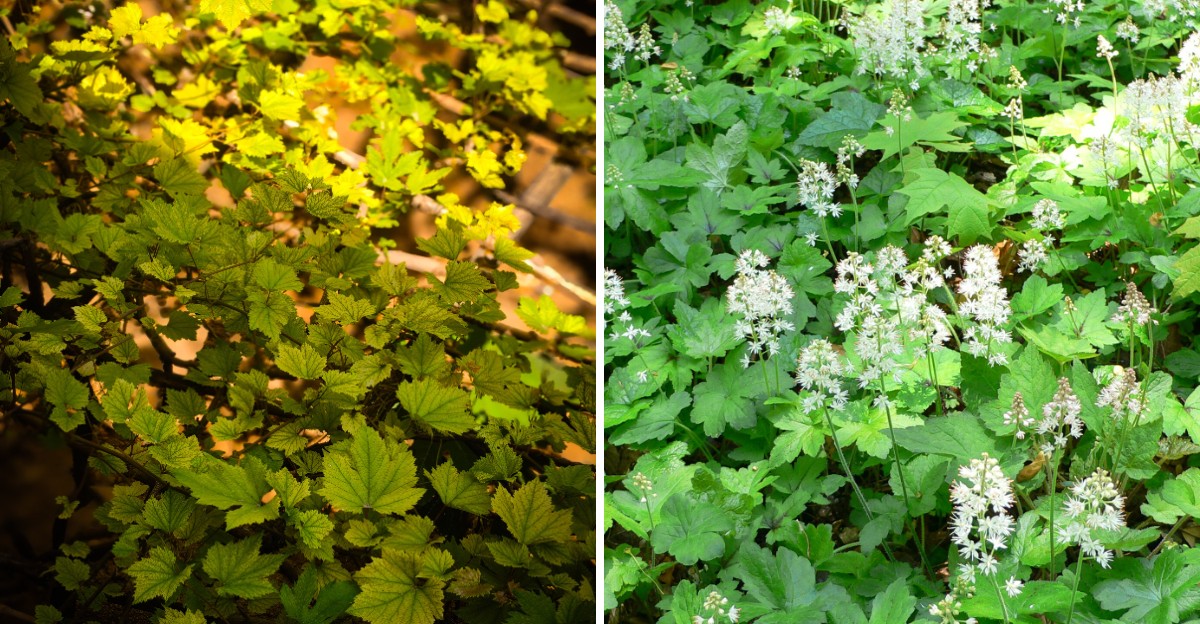
One summer night in 1969, Virginia’s Nelson County hillsides slid after Hurricane Camille dropped roughly 27 inches of rain.
Whole slopes peeled away like wet wallpaper, and the scars stayed visible on mountainsides for many years afterward.
Your backyard slope probably faces nothing that dramatic, yet ordinary storms still steal topsoil a little at a time. Exposed clay sheds water fast, while living roots act like rebar and hold the soil in place as water runs across the ground.
I watched my own sloped bed lose a full inch of mulch during one August thunderstorm last year. After I tucked deep-rooted natives along that bank, the next downpour barely moved a single crumb of soil.
October is a sweet spot for planting here, since warm soil and cool air help roots settle before winter. Which tough Virginia natives deserve a spot on your slope, and which one surprised me the most?
1. Fragrant Sumac
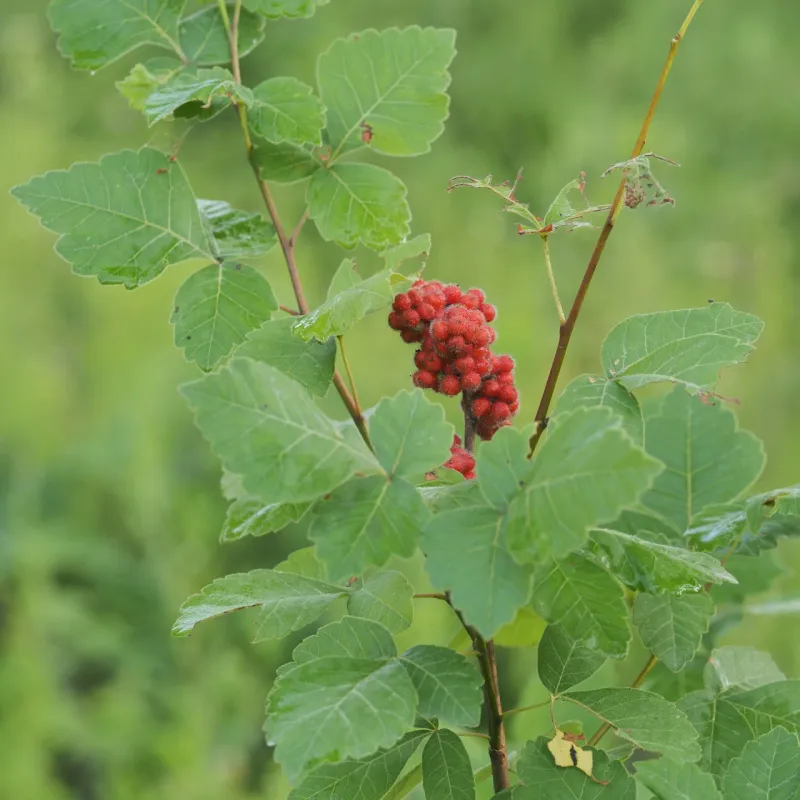
Crush a leaf of fragrant sumac and a citrusy scent pops out, surprising nearly every visitor I show. Rhus aromatica stays low and spreads wide, so it blankets banks where taller sumacs look awkward.
Its roots send up new stems that knit into thickets, gripping loose soil during summer storms. The cultivar Gro-Low stays about two feet tall yet stretches six feet or more across a slope.
In October the foliage flashes orange and red, ranking among the showiest fall shrubs you can grow. Tiny yellow flowers open in early spring before leaves appear, and fuzzy red berries feed birds later.
I love how forgiving it is, handling rocky banks and heavy clay as long as water drains. Give it full sun or light shade, and water weekly during its first year in the ground.
Deer mostly ignore it, which matters on rural properties where hungry herds wander through each night. Space shrubs about four feet apart this fall, and gaps usually close within two growing seasons.
2. Virginia Sweetspire
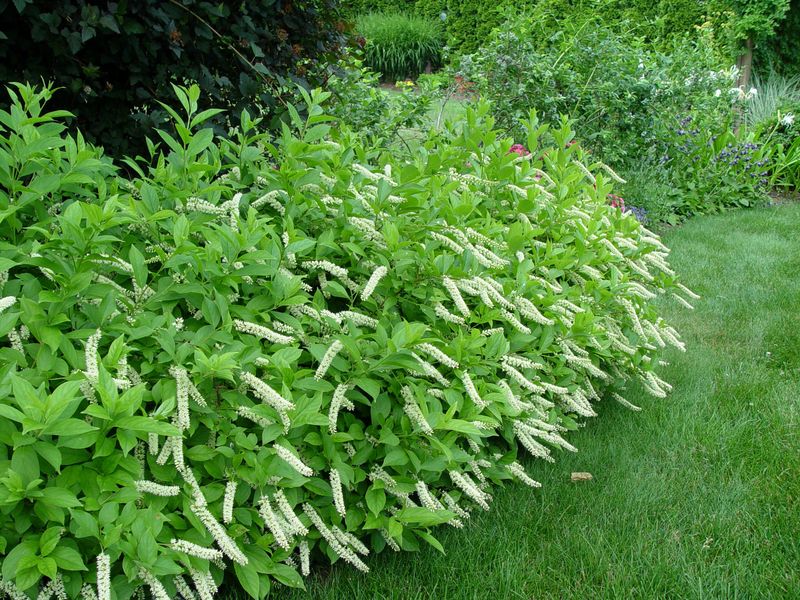
Honey-scented white wands drip from sweetspire each June, and the bees sound like a tiny engine. Itea virginica grows wild along stream banks, so soggy slopes and drainage swales feel like home to it.
New shoots pop up from spreading roots, slowly forming an arching colony that holds wet soil in place. Most plants reach three to six feet tall, though compact Little Henry stays near three feet.
Fall color steals the show right now, with leaves turning wine red and holding on deep into winter. In milder areas, some foliage clings until January, giving a bare bank a welcome splash of warmth.
Full sun brings the richest color, but this shrub still blooms decently in partial shade under tall trees. It shrugs off heavy clay and brief flooding, which makes it handy at the soggy bottom of a hill.
I plant mine in groups of five, about three feet apart, so they merge together. Mulch lightly after planting in October, then let the colony spread over the next few years.
3. Wild Hydrangea
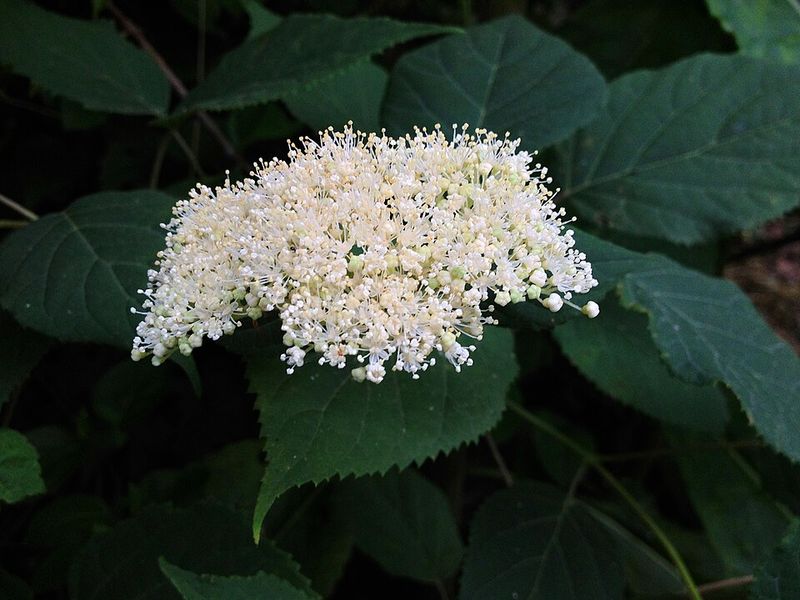
Wild hydrangea is the scrappy ancestor of the famous Annabelle, and it handles shady hillsides with surprising grit. Hydrangea arborescens grows naturally on rocky stream banks and woodland slopes across much of the eastern states.
Your Virginia Garden Changes Every Week. Your Plan Should Too.
Gardening in Virginia changes quickly throughout the season. Every Friday you’ll receive a simple weekly plan showing exactly what to plant, prune, fertilize, harvest, and protect so you never miss the right timing.
Suckering roots let one plant widen into a clump, which helps pin soil down beneath leafy shade. Flat white flower clusters show up in early summer, drawing small bees and butterflies by the dozen.
By October the dried flower heads turn tan, and I leave them standing for a little winter texture. Expect a shrub three to five feet tall, happiest with morning sun and shelter from harsh afternoon heat.
It wants steady moisture, so a shady slope that stays damp after rain suits it nicely. During long dry spells, leaves wilt dramatically, yet a deep soak usually perks them right back up.
Blooms form on new wood, so you can cut stems back hard in late winter without losing flowers. Plant it this fall while soil stays warm, and roots will settle in long before spring storms arrive.
4. Maple Leaf Viburnum
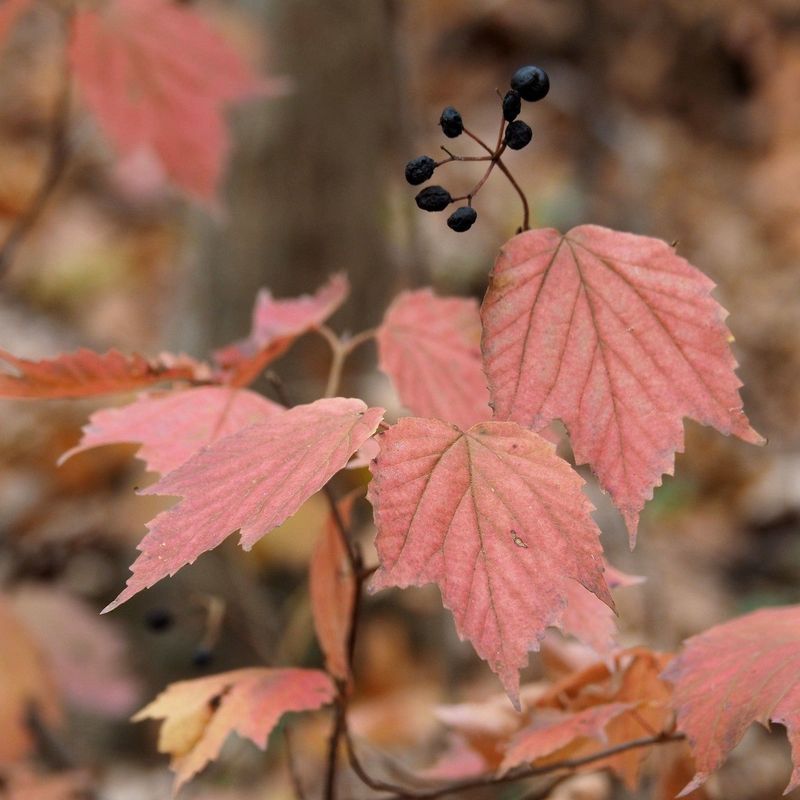
Plenty of shrubs sulk in dry shade under oaks, but maple-leaf viburnum seems to enjoy that rooty mess. Viburnum acerifolium has three-lobed leaves that look so much like maple foliage that visitors often get fooled.
It spreads slowly by underground runners, building low thickets that hold woodland soil on steep ground. Most plants reach four to six feet tall, staying slim enough to tuck between larger trees on a bank.
October is its big moment, as leaves fade into soft pink and dusky purple shades unlike anything else nearby. Dark blue berries ripen by early fall and feed hungry songbirds that forage through the shady understory.
Creamy flower clusters open in late spring, attracting native bees and small butterflies looking for nectar. I like that it rarely needs watering once established, which helps on slopes far from the hose.
Plant several about three feet apart, and add shredded leaf mulch to mimic its natural forest floor. Deer occasionally nibble young plants, so a simple wire cage for the first winter is cheap insurance.
5. Shrubby St. John’s Wort
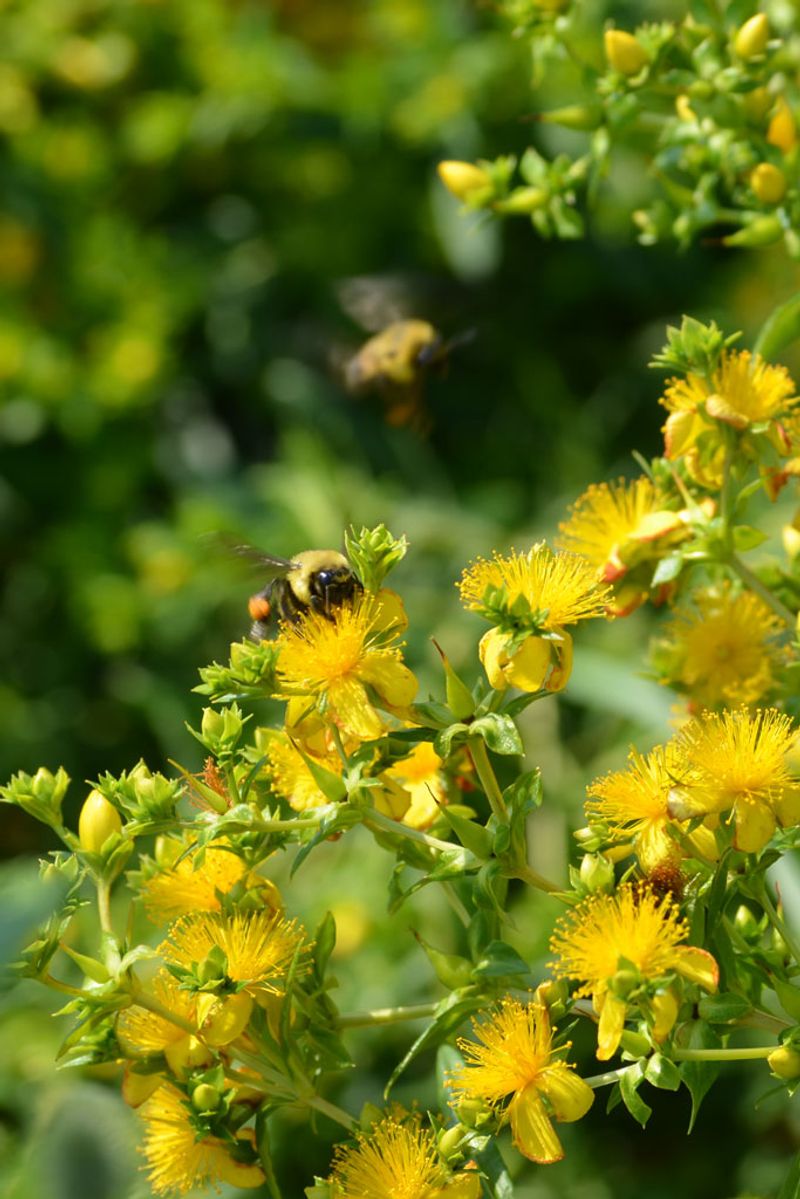
Fuzzy golden flowers packed with stamens make shrubby St. John’s wort look like it’s covered in tiny pom-poms. Hypericum prolificum is a tough native shrub that thrives on dry, rocky banks where fussier plants give up.
Its dense, branching roots help anchor gravelly soil, and the rounded shape shades the ground below it. Plants usually stay one to four feet tall, so they fit neatly along driveways and low retaining walls.
Bumblebees go wild for the pollen-rich blooms that open from early to midsummer for several weeks. By October, seed capsules turn brown, and older stems show peeling reddish bark that looks great in winter.
Full sun gives the best flowering, though a few hours of afternoon shade is fine in hotter spots. Once established, it handles drought surprisingly well, and lean clay soil does not seem to bother it.
Deer and rabbits mostly pass it by, which I deeply appreciate on my own heavily nibbled hillside. Plant it now, about three feet apart, and trim lightly in late winter to keep it bushy.
6. Inland Sea Oats
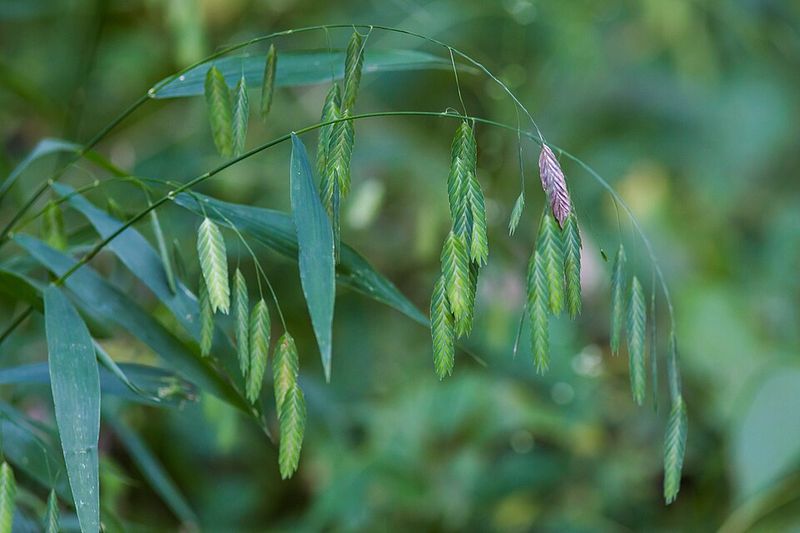
Flat, dangling seed heads on inland sea oats rattle softly in a breeze, and they catch light beautifully. Chasmanthium latifolium is a native grass that handles shade better than most, making it ideal under trees.
Fibrous roots form tight clumps that hold creek banks and shady slopes when stormwater rushes downhill. Clumps grow two to four feet tall, with wide bamboo-like leaves that arch gracefully over the edges.
Right now the seed heads are shifting from green to warm bronze, which looks gorgeous against autumn leaves. Many gardeners cut them for dried arrangements, and they keep their shape indoors for months on end.
One honest warning is that this grass reseeds freely and can pop up all over nearby beds. On a slope, that spreading habit actually helps, since new seedlings fill gaps and cover bare soil.
If you prefer tidier clumps, snip seed heads in late fall before they drop their seeds. Plant divisions in October, water them through dry weeks, and expect fuller clumps by next summer.
7. Little Bluestem
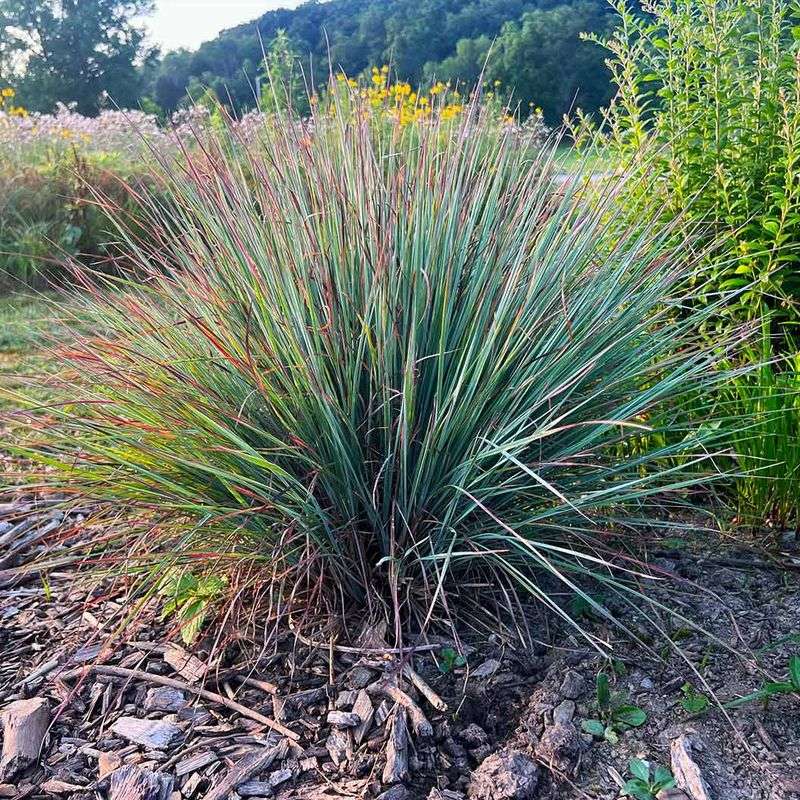
Little bluestem changes outfits more than any grass I grow, from blue-green summer blades to copper fall stems. Schizachyrium scoparium is a native bunchgrass whose roots can reach about five feet deep in good conditions.
Those deep roots make it a champion for sunny banks, holding soil long after rain soaks the ground. Clumps usually stand two to three feet tall, staying upright and neat without staking or much fuss.
October brings the best show, as stems glow reddish orange and fluffy silver seed tufts sparkle in sunlight. Sparrows and juncos pick through those seeds in winter, so leave the clumps standing until early spring.
Full sun is a must, because shade makes the stems floppy and dulls that lovely autumn color. Skip rich compost and heavy fertilizer, since lean, well-drained soil keeps it sturdy and upright on a slope.
I grew mine from plugs, and they filled a bare bank within two seasons with little watering. Plant plugs about eighteen inches apart this fall, and cut old stems back to six inches in March.
8. Switchgrass
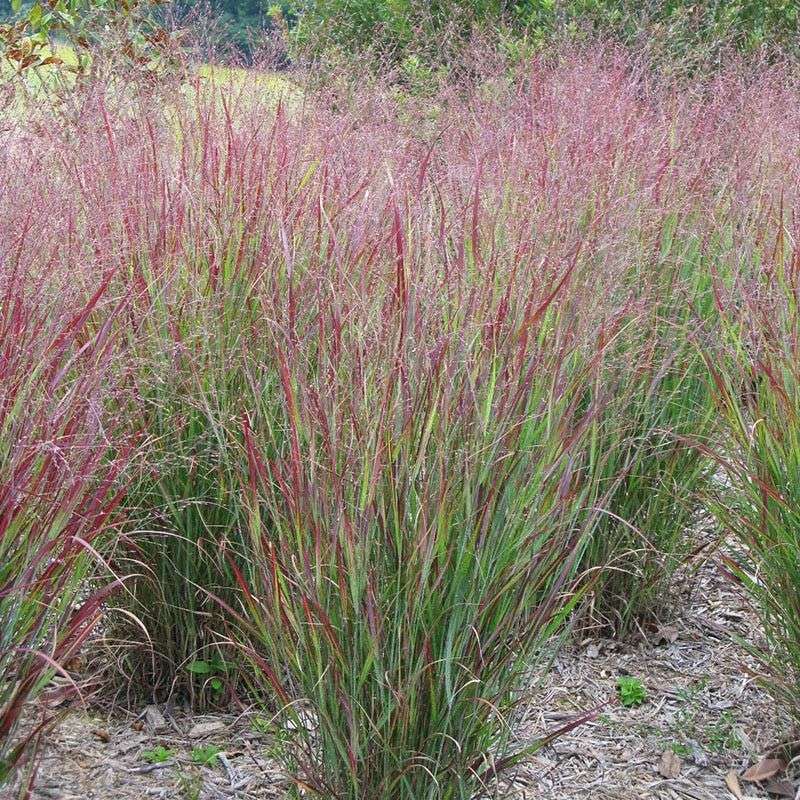
Switchgrass roots can plunge roughly ten feet deep, which explains why prairie soils held together for centuries. Panicum virgatum is a warm-season native grass that grows naturally in meadows and along marsh edges.
That massive root system makes it one of the strongest choices for big, sunny banks with serious runoff. Depending on the cultivar, it ranges from three to seven feet tall, so choose height carefully for smaller yards.
Airy flower clouds float above the leaves in late summer, and they look like pink mist at sunrise. Right now foliage turns gold or burgundy, depending on the variety, and stays upright through snowy months.
Northwind grows stiff and blue-green, while Shenandoah offers deep red fall tones that stop people on walks. It thrives in full sun and handles both drought and occasional flooding once its roots are established.
I suggest mixing it with shorter grasses so the slope looks layered rather than like a tall wall. Set plants about three feet apart this fall, and cut them down to a few inches each March.
9. Pennsylvania Sedge
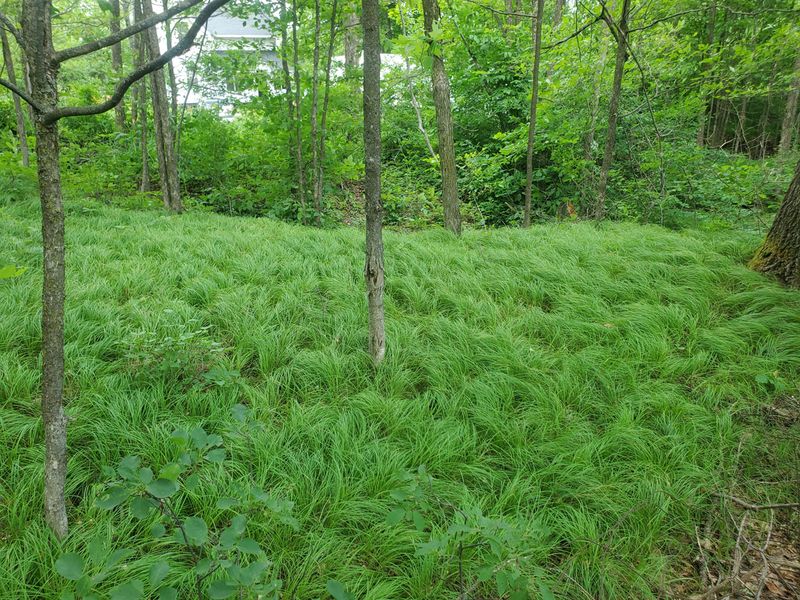
Lawn grass struggles in dry shade, yet Pennsylvania sedge spreads happily there like a soft green ponytail carpet.
Carex pensylvanica is a native woodland sedge that slowly creeps by underground rhizomes into dense, low patches.
Those tight mats hold topsoil on shaded slopes where turf grass struggles and bare dirt washes away. Leaves stay about six to ten inches tall, flopping over gently so the planting looks windswept and natural.
It stays green into late fall and greens up early, giving slopes cover through much of the year. Tiny flower spikes show up in early spring, though most people barely notice them among the leaves.
I treat it as a mow-free lawn, trimming once in spring if the old blades look tired. Dry shade under oaks suits it best, and established patches rarely need extra watering during summer.
Plugs cost more than seed, but they establish far more reliably, so I stick with plugs every time. Plant them about a foot apart in October, and water weekly until the ground freezes or rain returns.
10. Golden Ragwort
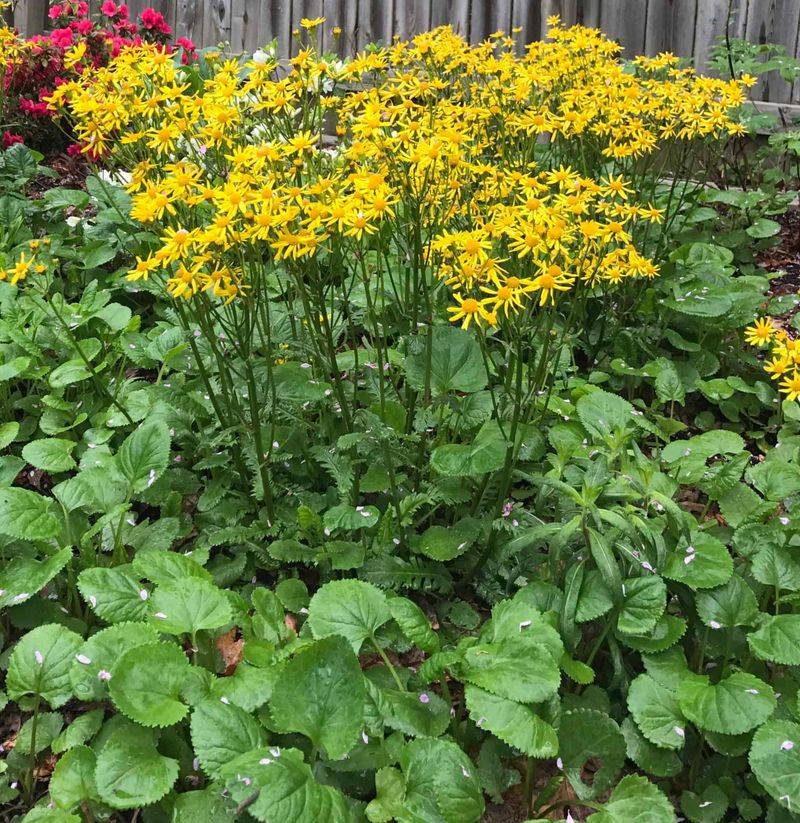
Golden ragwort throws one of the earliest flower parties of the year, lighting up shady slopes by April. Packera aurea is a native perennial that spreads by short runners and seeds into low, leafy mats.
Those mats of rounded basal leaves cover bare ground and help keep soil from sliding downhill. The leaves often stay green through winter, with purplish undersides that add a little surprise when flipped over.
Bright yellow daisies rise on stems one to two feet tall, feeding early native bees and small flies. It loves moist soil, so the damp foot of a slope or a shady creek bank suits it well.
Be warned that it spreads with enthusiasm, which is perfect for erosion control but tricky in tidy borders. Snipping faded flower stems in late spring reduces reseeding if you want to keep things a bit tamer.
Right now is a great time to plant, since cool weather lets young rosettes settle without stress. I tucked a dozen plants along a soggy edge, and they formed a solid carpet within two years.
11. Green And Gold
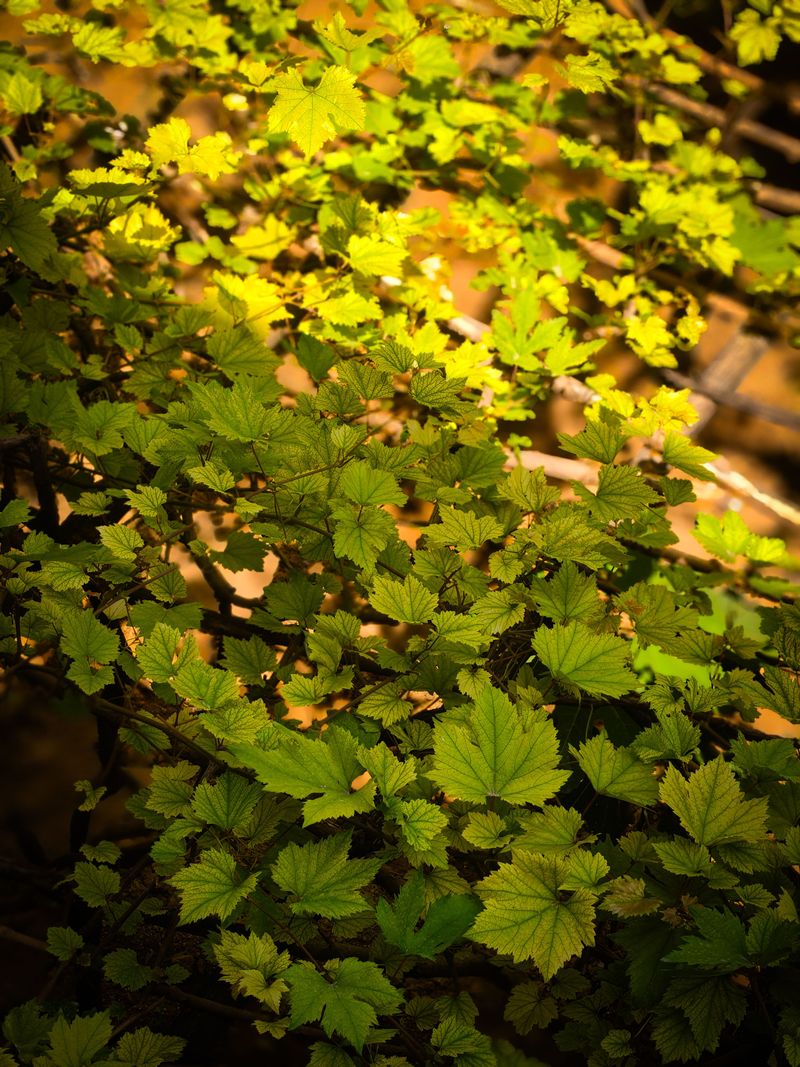
Green and gold earns its name honestly, with sunny star-shaped flowers floating over a low mat of leaves. Chrysogonum virginianum is a native groundcover found in woodlands across the Southeast, including much of the Piedmont.
Spreading stems and runners root as they go, slowly weaving a living blanket over shady soil. Plants usually stay under eight inches tall, so they work beautifully along the front of a sloped bed.
The main bloom arrives in spring, but scattered flowers often keep appearing into fall during cool weather. Spotting a few golden blooms in October feels like a small bonus after a hot summer.
Partial shade with rich, moist soil suits it best, though it handles some sun with steady watering. Good drainage matters, because soggy winter soil can cause crown rot and thin out the patch.
I like pairing it with ferns, since the fine fronds contrast nicely with its rounded fuzzy leaves. Space plants about a foot apart this fall, and mulch between them until the mat fills in.
12. Foamflower
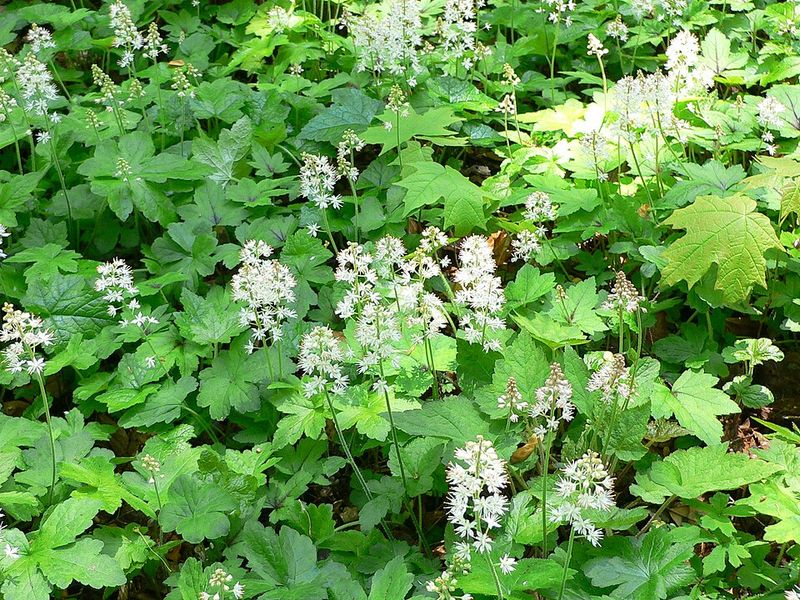
Foamflower blooms look like frothy white spikes of sea foam, and they brighten dark corners in mid-spring. Tiarella cordifolia is a native woodland perennial that spreads by surface runners into soft, leafy colonies.
Those runners root wherever they touch soil, creating a dense cover that slows water across shady slopes. Heart-shaped leaves stay low, usually under a foot tall, and some selections show dark burgundy veins.
Cooler weather in October often tints the foliage bronze or reddish, and many leaves hang on through winter. Early bees and small flies visit the flowers, which appear well before most garden perennials wake up.
Rich, moist soil with plenty of leaf litter makes it happiest, much like a natural forest floor. Hot afternoon sun scorches the leaves, so choose a spot with morning light or bright filtered shade.
I love planting it beside stepping stones, where runners creep between gaps and soften hard edges. Set plants about a foot apart now, and keep them watered until autumn rains settle into a rhythm.