Virginia Gardeners Urged to Do This 3-Step Flower Bed Job Now, or Risk Losing Next Summer’s Blooms
A pea-sized bud for next summer’s flower is often already hiding inside a perennial’s crown before the first frost even arrives. That tiny bud spends all winter waiting underground, and it is surprisingly easy to ruin.
In my own yard, I learned this the hard way. One sloppy fall cleanup left my coneflowers sulking the next June. Let’s just say the bees were not impressed.
Virginia soil plays its own tricks, too. Heavy red clay holds winter rain like a sponge, and roots sitting in cold, soggy ground tend to rot quietly. Freeze and thaw cycles can also push young plants right out of the dirt.
The fix takes one weekend and three simple moves. Most of us already own every tool needed. So why do so many gardeners skip it and blame the weather next July?
Next Summer’s Coneflowers Are Already Tucked Inside Those Crowns
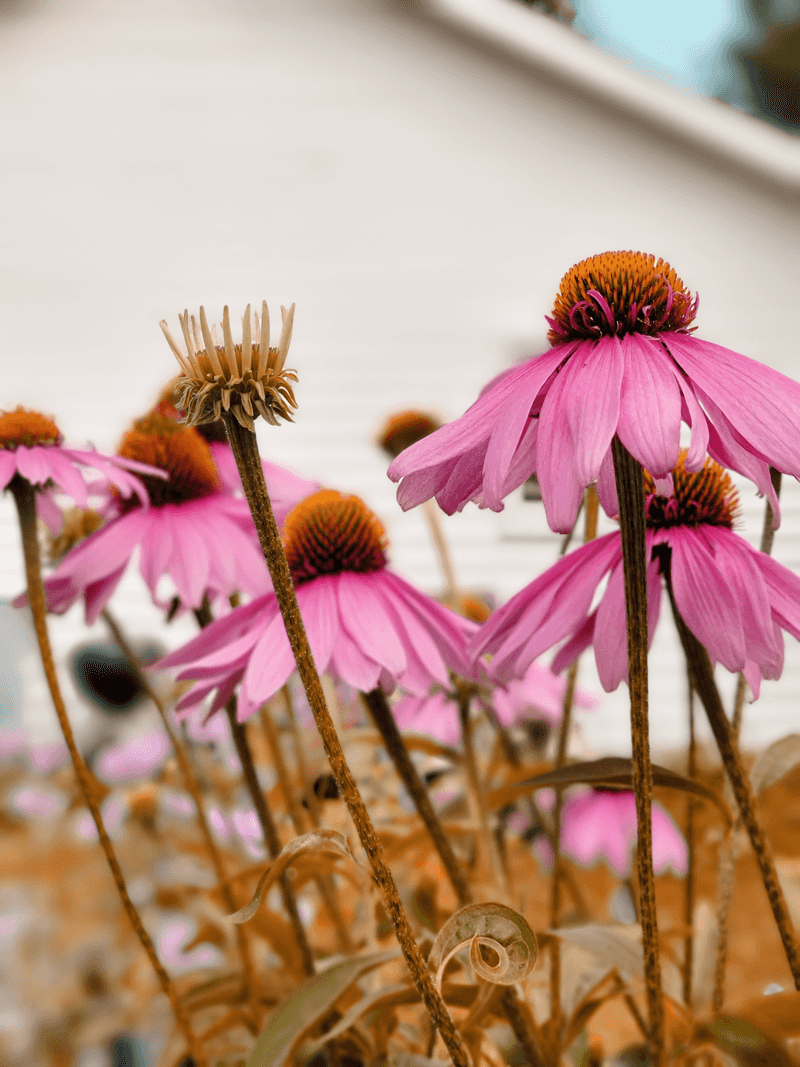
Those tired, brown flower stalks fool a lot of us. Below them, at the soil line, most perennials have already formed the buds that will grow into next year’s stems and flowers.
Coneflowers, black-eyed Susans, phlox, and daylilies all store energy in their roots and crowns over winter. Virginia Cooperative Extension notes that fall is the season when perennials focus on root growth while the soil stays warm.
The top of the plant looks finished, but the bottom is busy.
So what can go wrong? Three things mostly.
Weeds and sick foliage can shelter pests and disease right next to those buds. Bare, compacted clay can hold water and rot the crown.
Freeze and thaw swings can heave shallow roots out of the ground.
The three-step job targets each problem in order. First comes a smart cleanup, then soil feeding, then a protective layer of mulch.
None of it requires fancy gear or a big budget.
Between you and me, the biggest mistake is waiting until the beds look frozen and miserable. By then, the soil is cold, the ground is hard, and the plants have less time to settle in.
Getting it done from mid-October through November, depending on where you live, gives those crowns the best shot at a full, colorful show next summer.
Step One Starts With a Picky Cleanup of Spent Stems and Diseased Leaves
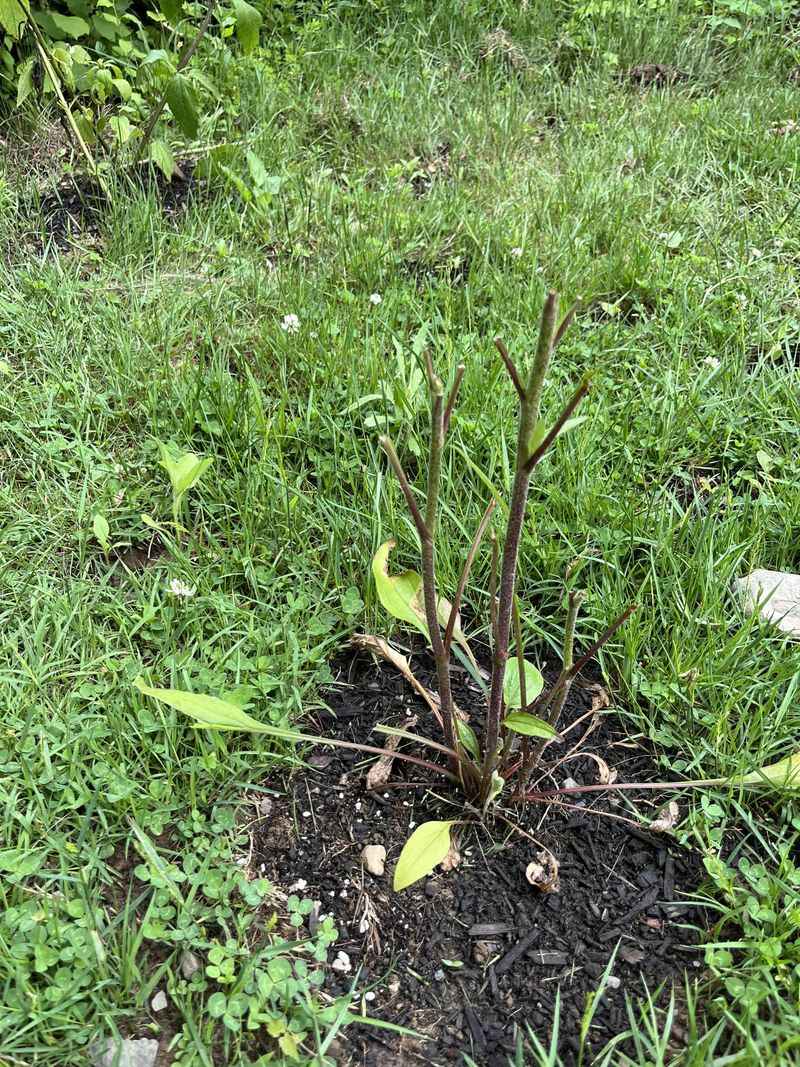
Grab the pruners, but hold off on the buzz cut. A good fall cleanup is selective, not a scorched-earth mission.
Start with anything that looked sick this year. Peonies with leaf blotch, bee balm or phlox covered in powdery mildew, and irises with leaf spot should be cut back and bagged.
Fungal spores can spend winter on that old foliage and splash back onto new growth in spring.
Hostas and daylilies that have turned to mush can go too, since slugs love hiding in the soggy leaves. Pull weeds while you are down there, especially cool-season ones like chickweed and henbit, which grow happily all winter.
Now for the fun part. Healthy stems with seed heads can stay standing.
Goldfinches snack on coneflower and black-eyed Susan seeds, and many native bees nest inside hollow stems. Extension specialists often recommend leaving some structure for wildlife.
If you ask me, a tidy-but-wild bed looks charming in frost. Just leave healthy stems at about 6 to 12 inches tall if you prefer a neater look, which also helps you remember where plants are hiding.
Toss diseased material in the trash, not the compost pile, because home piles rarely get hot enough to clean up those pathogens.
Compost on Top Turns Stubborn Red Clay Into Root-Friendly Soil
Anyone who has dug a hole in Piedmont red clay knows the feeling. The shovel bounces, the soil sticks, and water sits there for days.
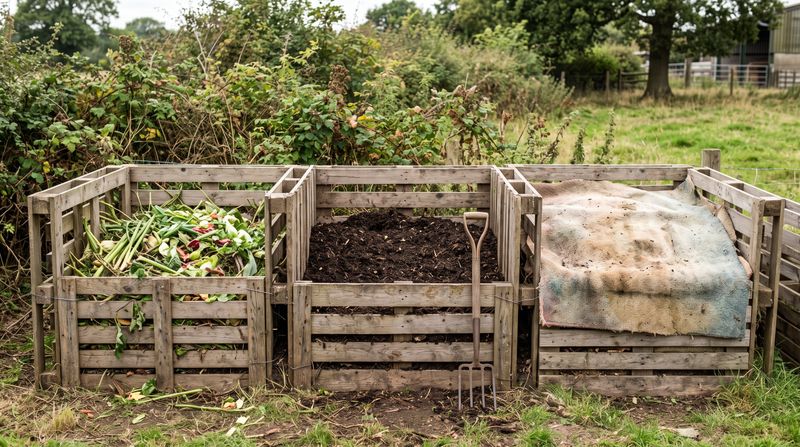
Step two fixes that slowly but surely. Spread about one to two inches of finished compost across the bed, keeping it a little away from plant crowns.
Worms and winter weather will pull it into the soil for you, so heavy digging is not needed around established perennials.
Compost improves drainage in clay and helps sandy coastal soils hold moisture. It also feeds the soil life that keeps roots healthy.
That matters in fall, because roots keep growing until the ground gets truly cold.
Thinking about fertilizer? Go easy.
Virginia Cooperative Extension recommends a soil test before adding nutrients, and test kits are available through local extension offices for a small fee. Many Virginia soils lean acidic, and the results will tell you if lime is needed.
Don’t make my mistake of dumping high-nitrogen fertilizer in October. Fast, soft growth late in the season gets zapped by frost.
If your test shows low phosphorus or potassium, add only what it suggests. Fall is also a great time to apply lime, since it needs months to work before spring growth begins.
Shredded Leaf Mulch Is the Winter Blanket Your Perennials Want
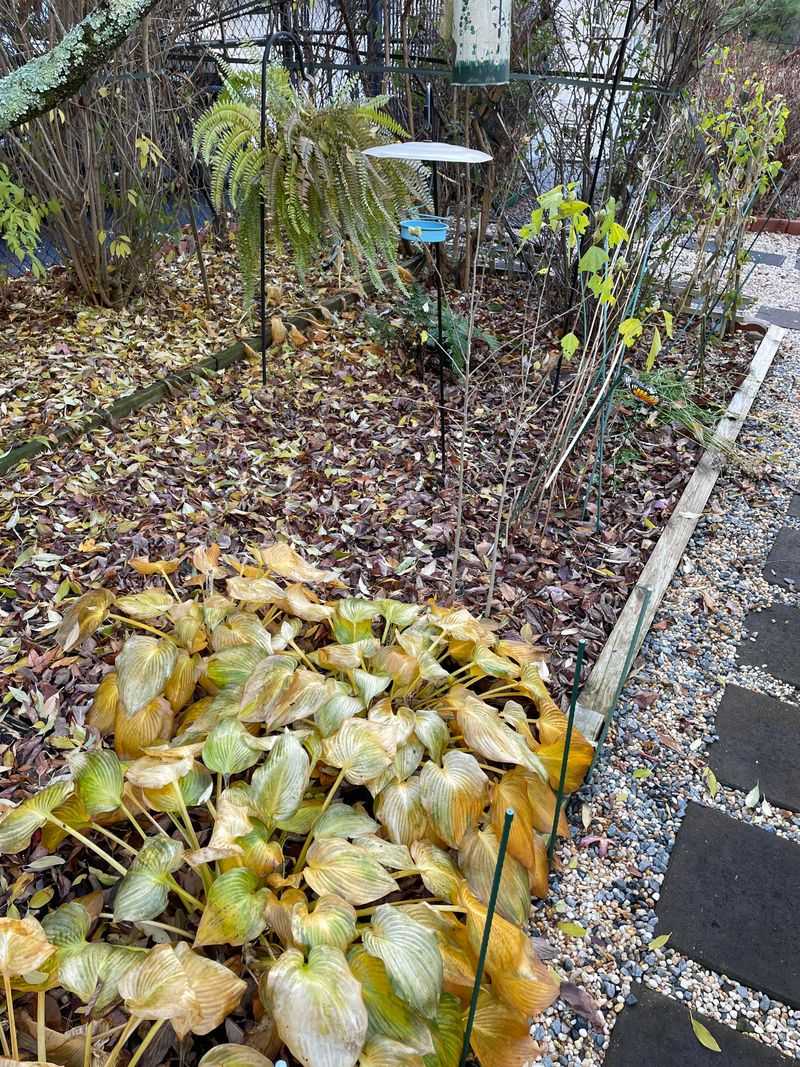
Mulch is not about keeping plants warm. Its real job is keeping soil temperatures steady.
Virginia winters bounce around a lot. A frosty night in the twenties can be followed by a sunny 60-degree afternoon.
Those swings freeze and thaw the soil, which can push shallow-rooted plants like coral bells and newly planted perennials right out of the ground. Gardeners call this frost heaving.
For step three, spread two to three inches of mulch after the ground has cooled, usually after a few hard frosts. Shredded leaves, pine straw, and shredded hardwood all work well.
Mulching too early can invite voles to move in and snack on roots.
Fallen leaves are free and fantastic. Run them over with a mower first, because whole leaves can mat into a soggy layer that blocks air and water.
Shredded leaves break down by spring and add organic matter too.
Here’s what caught my attention years ago. Mulch piled against stems causes more harm than help.
Keep a small ring, about an inch or two, clear around each crown so moisture does not rot it. Think of it as a blanket pulled up to the shoulders, not over the head.
Pine straw is handy for slopes since it stays put.
Mountain and Coastal Gardens Run on Different Calendars

A gardener in Blacksburg and one in Virginia Beach could be living on different planets come November. The state stretches roughly from USDA zone 5b in the higher mountains to zone 8b along parts of the coast.
That gap changes the timing of this job. In the western mountains and Shenandoah Valley, first frosts often arrive in October, so cleanup and composting should happen early.
Mulch can go down by mid to late November.
The Piedmont, around Charlottesville and Richmond, usually sees frost from late October into early November. Most of that region can work through the steps in November.
Coastal and Tidewater gardens often have until December before mulching makes sense.
For what it’s worth, your local weather beats any calendar. Watch for a string of nights below freezing and a soil that feels cold to the touch.
Those signs tell you plants have slowed down and are ready for their winter cover.
Soil type also shifts by region. Mountain soils can be rocky and thin, Piedmont soils lean clay, and coastal soils are often sandy.
Compost helps all three, but sandy beds may need a bit more mulch to hold moisture during dry winter spells. A quick call to your county extension office can clear up local timing questions.
Daffodil Bulbs Can Join the Party While the Soil Is Open
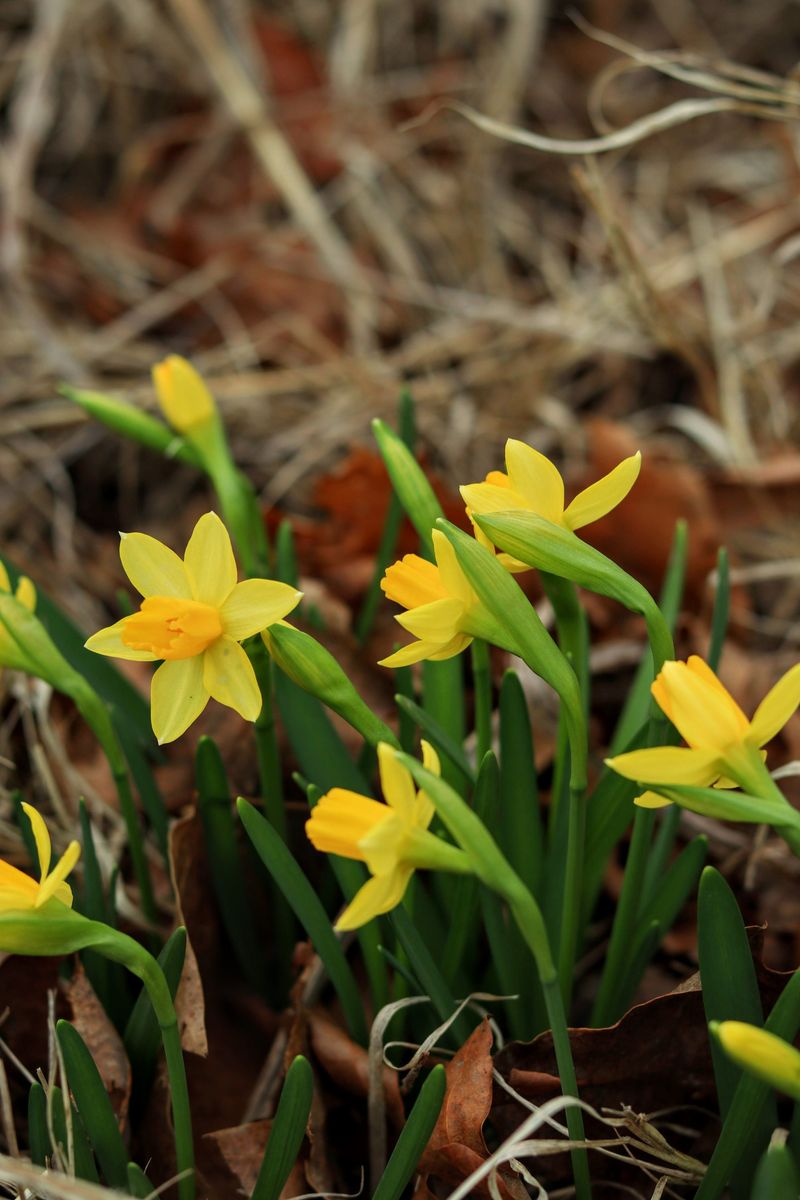
Already have the soil loosened and compost spread? That makes it the perfect moment to tuck in a few spring bulbs.
Fall is planting season for daffodils, tulips, crocus, and alliums in Virginia. Most areas plant from October through November, and warmer coastal spots can go into early December.
Bulbs need a long chill to bloom, so they belong in the ground before winter, not in a garage.
A simple rule works for nearly all of them. Plant each bulb about two to three times as deep as it is tall, pointy end up.
Daffodils and tulips go roughly six to eight inches deep, while crocus sit around three to four inches.
Let’s just say deer have opinions. Tulips and crocus are deer and squirrel favorites, while daffodils and alliums are rarely bothered because they taste bitter or oniony.
If deer stroll through your yard, daffodils are the smart pick.
Bulbs also fill the gap before summer perennials wake up. By the time daffodil leaves fade in late spring, coneflowers and daylilies are rising to hide them.
Water bulbs once after planting to settle the soil, then cover the area with the same mulch layer protecting your other plants. One weekend now pays off twice next year.
A Deep Watering Before the Ground Freezes Seals the Deal
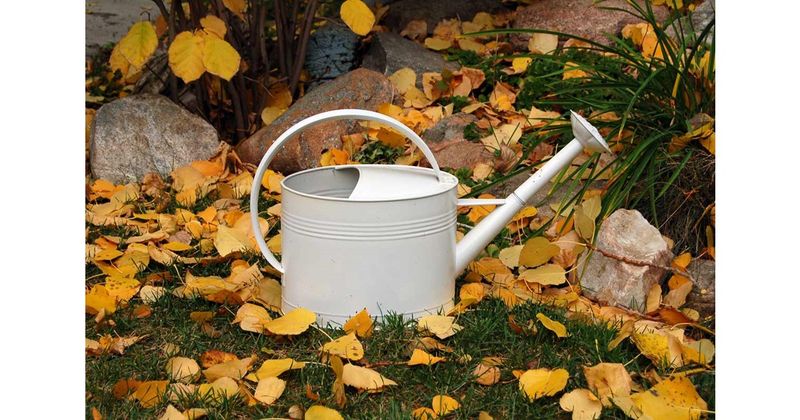
Thirsty roots head into winter at a disadvantage. That surprises plenty of gardeners, since cold weather rarely feels like a time to drag out the hose.
Fall in the state can be oddly dry, especially in October. Perennials and new transplants still need moisture to grow roots.
Evergreen plants like hellebores and creeping phlox also lose water through their leaves all winter long.
If rain has been scarce, give beds a deep soak, about one inch of water per week, until the ground starts to freeze. Water in the late morning or early afternoon so the soil can absorb it before nighttime temperatures drop.
Skip watering if the bed already feels damp a couple inches down.
My garden taught me that soggy is just as harmful as parched. Heavy clay can stay wet for weeks, so check before you pour.
Push a finger into the soil and trust what it tells you.
Once the watering is done, your fall bed work is complete. Snap a few photos or jot notes about what bloomed well and what struggled this year.
Next spring, pull the mulch back slightly as shoots appear, and you will be greeted by healthy crowns ready to grow. Those summer flowers will owe you one.