8 Plants That Turn Bare Iowa Tree Beds Into Garden Showstoppers
Bare dirt under your trees? Iowa gardeners know that feeling all too well.
I spent three summers staring at a sad, patchy ring beneath my old oak before I finally figured out what actually works. Tree beds are tricky territory.
The shade runs deep, the roots drink up every drop of moisture, and the soil gets packed down hard over time. But the right plants change everything.
Hostas bring bold, lush texture to even the darkest corners. Ostrich ferns unfurl like living sculptures through spring and summer.
Native groundcovers weave in quietly and hold beautifully through Iowa’s unpredictable seasons. You do not need a landscape degree or a big budget to pull this off.
You just need to know which plants are built for the challenge. Get ready to turn those sad dirt patches into the garden beds your neighbors will not stop asking about.
1. Hostas
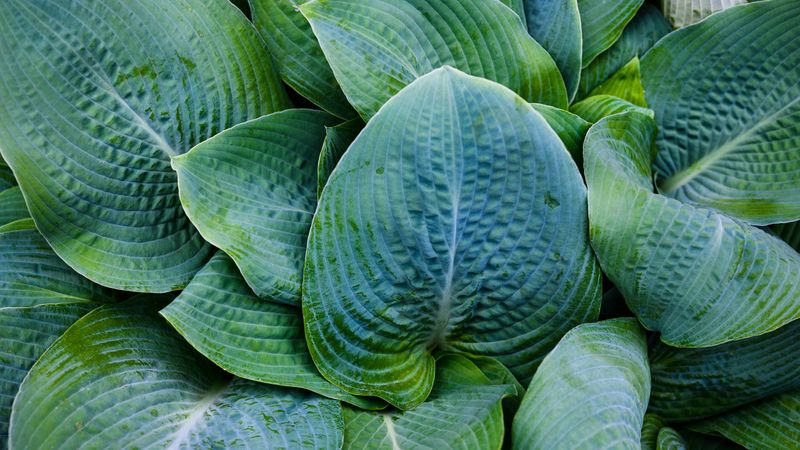
Few plants on earth are as forgiving, bold, and downright beautiful under a tree as the hosta.
Gardeners across the Midwest have leaned on these leafy legends for decades, and for good reason.
Hostas practically thrive on neglect, making them the ultimate secret weapon in any shaded tree bed. The leaves come in an almost shocking range of sizes, colors, and textures.
You can find hostas with deep blue-green foliage, creamy white edges, golden centers, or even rippled margins that catch every passing breeze.
Planting a mix of small and large varieties creates a layered, lush look that feels almost tropical despite Iowa’s tough climate. Hostas prefer moist, well-drained soil and do best with morning sun and afternoon shade.
Amending your tree bed with compost before planting gives them the nutrient boost they need to fill in fast.
Once established, a single hosta clump can spread to nearly three feet wide, filling gaps with gorgeous texture.
Slugs are the one real headache with hostas, so keep an eye out for ragged leaf edges after a rainy stretch.
A sprinkle of diatomaceous earth around the base works wonders without harming other garden visitors.
With just a little attention, hostas reward you with years of stunning, carefree beauty that anchors the entire tree bed design.
One thing worth knowing: hostas are toxic to dogs and cats if ingested, so plant with care in households with free-roaming pets.
2. Christmas Fern
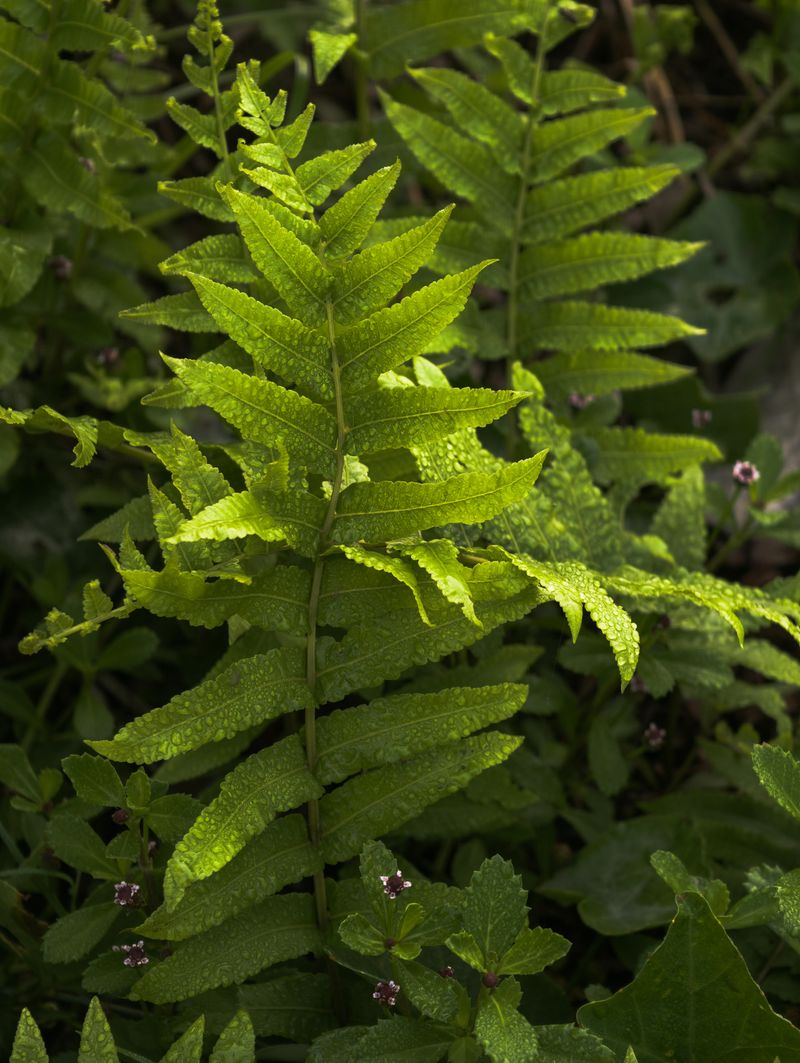
Christmas fern earned its festive name because its glossy, deep green fronds stay evergreen straight through the holiday season.
When every other plant in your tree bed has gone brown and brittle, this tough native fern still looks sharp.
For Iowa gardeners craving year-round structure in a shaded space, that quality is practically priceless.
Native to eastern North America, Christmas fern has adapted to exactly the kind of conditions found under large shade trees.
It handles dry shade, rocky soil, and even sloped ground where erosion can be a real problem.
Planting it along tree bed edges or slopes gives you both beauty and practical ground-holding power. Each frond can reach up to two feet long, arching outward in a graceful fountain shape.
Your Iowa Garden Changes Every Week. Your Plan Should Too.
Gardening in Iowa changes quickly throughout the season. Every Friday you’ll receive a simple weekly plan showing exactly what to plant, prune, fertilize, harvest, and protect so you never miss the right timing.
The individual leaflets have a slightly leathery texture and a reflective sheen that catches filtered light beautifully.
Grouping three to five plants together creates a bold, cohesive mass that looks intentional and polished.
Spring brings fresh, bright green fiddleheads that unfurl slowly and add a playful, sculptural element to the bed.
Christmas fern pairs brilliantly with hostas and wild ginger, creating a layered woodland scene right in your backyard.
Once it settles in, this fern asks for almost nothing and delivers season after season with quiet, dependable confidence that will make you wonder why you waited so long to plant it.
3. Wild Ginger

Imagine a plant so good at spreading that it essentially carpets the ground beneath your tree without any help from you.
Wild ginger is exactly that plant, and it is one of the most underrated ground covers in the Midwest gardening world.
Its heart-shaped, glossy leaves form a dense, weed-smothering mat that looks elegant and stays tidy all season.
This native woodland plant grows low to the ground, usually only about six inches tall, making it a perfect front-of-bed filler.
It moves slowly but steadily, filling in bare patches over a few seasons without ever becoming aggressive or invasive.
Gardeners who are patient are richly rewarded with a seamless, lush green carpet that requires almost zero maintenance.
Wild ginger prefers moist, humus-rich soil and deep shade, which means it genuinely loves the tough spots where most plants struggle.
It even tolerates the dry, root-filled soil found directly beneath mature oaks and maples, which is truly impressive.
Top-dressing the bed with shredded leaf mulch each fall mimics the forest floor and keeps the soil moisture right where wild ginger wants it.
A hidden surprise waits beneath those leaves each spring: tiny, reddish-brown, jug-shaped flowers that bloom right at soil level.
Most people never notice them, but knowing they are there adds a delightful secret-garden quality to your tree bed.
Wild ginger transforms forgotten shady corners into something that feels genuinely wild, alive, and wonderfully intentional. Keep in mind that this plant is ornamental only, all parts should be kept away from children and pets, as ingestion can be harmful.
4. Wild Columbine
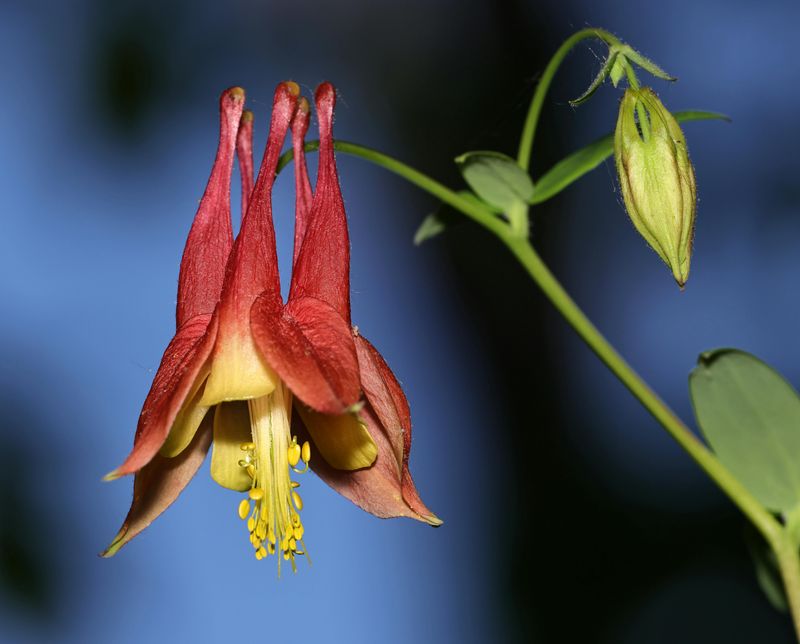
Red and yellow blooms dangling like tiny lanterns from slender stems make wild columbine one of the most joyful sights in any spring garden.
This native wildflower brings a burst of color to tree beds at exactly the moment when gardeners are desperate for it after a long Iowa winter.
Hummingbirds absolutely cannot resist those spurred, nectar-packed flowers, so planting columbine is like hanging a welcome sign for wildlife.
Wild columbine thrives in partial to full shade, especially when planted beneath open-canopy trees that allow some dappled light through.
It prefers well-drained soil and actually handles dry, rocky conditions far better than most flowering plants.
That toughness makes it an excellent choice for tree beds where soil tends to be thin and root-competitive.
Growing to about one to two feet tall, wild columbine works beautifully as a mid-layer plant between low ground covers and taller ferns.
Its blue-green, lobed foliage is attractive even when the plant is not blooming, giving the bed visual interest across the full season.
Like many native wildflowers, wild columbine contains mild compounds that can cause stomach upset if eaten. It is best admired rather than tasted, especially in gardens frequented by young children or curious pets.
Self-seeding is one of columbine’s best traits, meaning a small planting gradually expands into a generous, naturalistic colony over time.
Let the seed heads ripen and scatter naturally rather than cutting them back, and the plant essentially replants itself for you.
Few things in gardening feel as rewarding as watching a self-sustaining wildflower community take hold right beneath your favorite tree.
5. Coral Bells
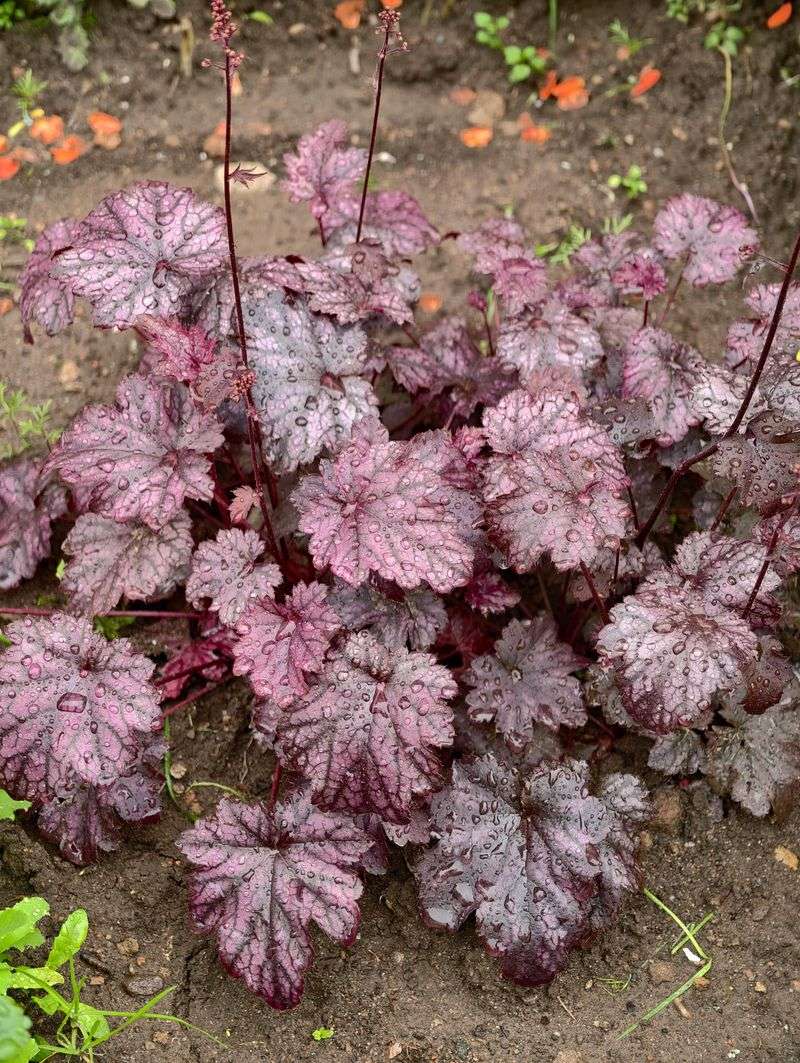
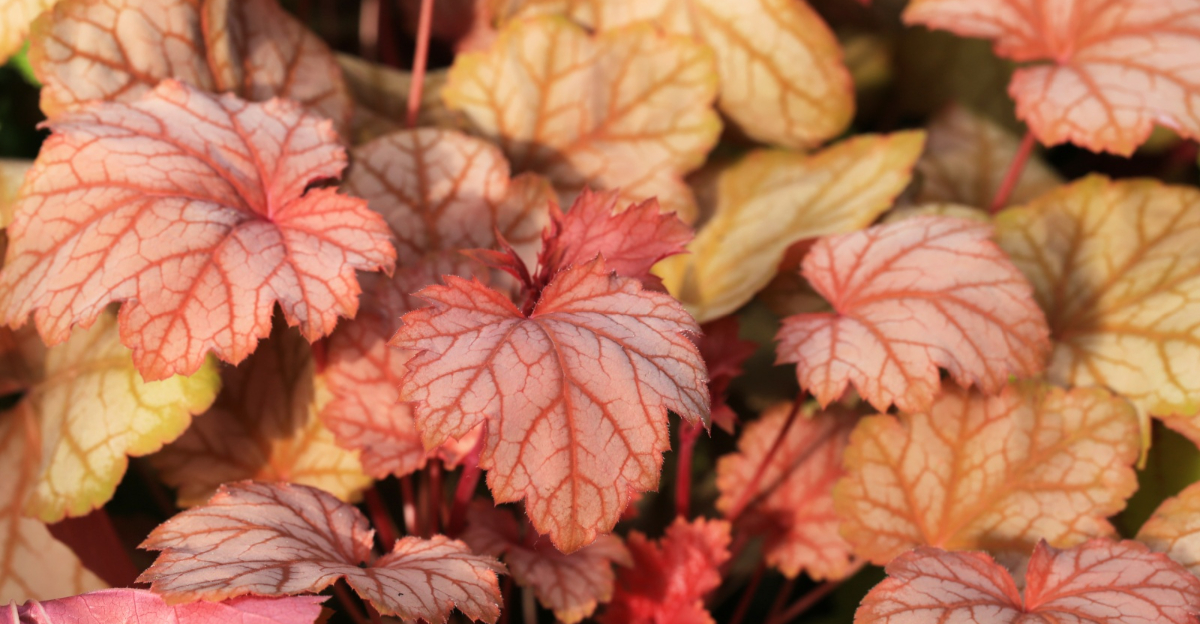
Coral bells might just be the most dramatically colored plant you can grow in a shaded tree bed.
The foliage alone comes in shades of deep burgundy, caramel, lime green, silver, and even near-black, depending on the variety you choose.
These plants bring the kind of rich, jewel-toned contrast that makes a tree bed look professionally designed rather than casually assembled.
Known botanically as Heuchera, coral bells are native to North America and have been extensively bred into hundreds of stunning cultivars.
Varieties like ‘Palace Purple,’ ‘Caramel,’ and ‘Obsidian’ perform especially well in Midwest conditions and hold their color through heat and humidity.
Choosing two or three contrasting varieties and planting them in clusters creates a tapestry effect that looks incredible from any angle.
Beyond the foliage, coral bells send up tall, airy wands of tiny flowers in late spring and early summer.
Those blooms attract hummingbirds and pollinators, adding movement and life to the bed during the warmer months.
Even after the flowers fade, the mounding foliage keeps the space looking full and intentional right through frost.
Coral bells prefer partial shade with good drainage and benefit from being divided every three to four years to stay vigorous.
Mulching around the crowns helps protect them through Iowa’s unpredictable freeze-thaw cycles in late winter and early spring.
Once you see how effortlessly they elevate a tree bed’s color palette, adding more varieties each season becomes a very satisfying habit.
6. Astilbe
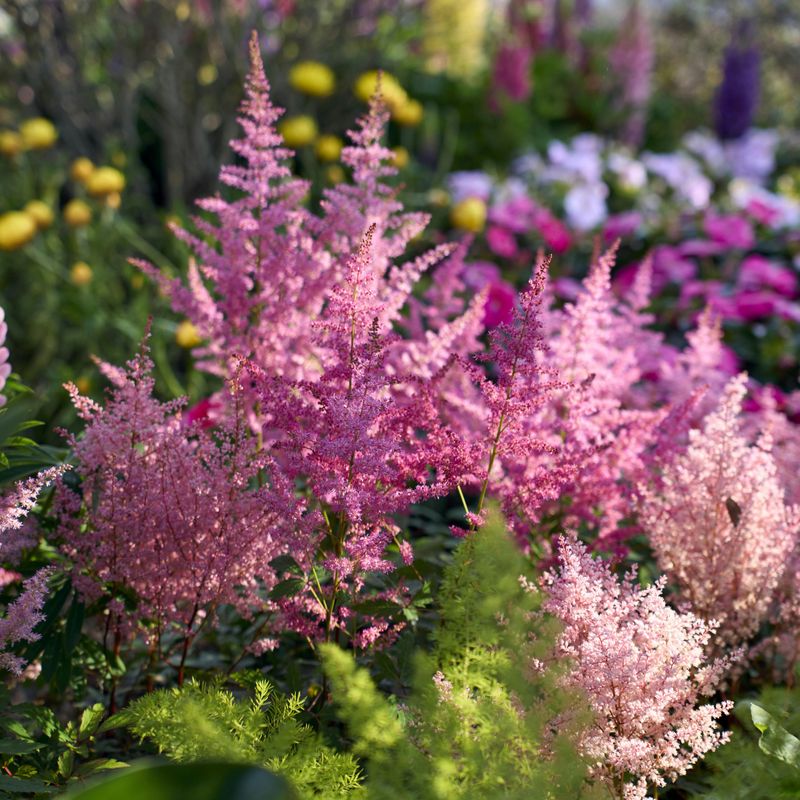
Nothing signals midsummer magic in a shaded garden quite like astilbe’s feathery, cloud-like plumes rising above ferny green foliage.
These showstopping blooms come in shades of white, pink, red, lavender, and coral, creating a soft, romantic look that feels almost too good to be true.
For Iowa tree beds that sit near downspouts or low-lying areas where moisture collects, astilbe is nothing short of a perfect fit.
It is worth noting that astilbe can struggle when planted directly beneath trees with very competitive root systems, like silver maple. Siting it where moisture naturally collects, or amending the soil generously, makes a meaningful difference.
Astilbe genuinely loves consistently moist soil, which sets it apart from many other shade plants that prefer drier conditions.
Planting it in spots where water tends to linger after rain gives it exactly the moisture-rich environment it craves.
Amending the soil with compost at planting time helps retain that moisture and keeps the roots cool even during hot summer stretches.
The foliage is as beautiful as the blooms, with deeply cut, glossy leaves that resemble a fancy fern and stay attractive all season.
After the plumes fade, leaving the dried flower heads in place adds a rustic, textural element to the bed through fall and into winter.
Birds occasionally visit the dried stalks, adding another layer of life and movement to the garden space.
Dividing astilbe clumps every three to four years keeps them blooming vigorously and prevents the center of the plant from thinning out.
Planting early, mid, and late-blooming varieties together extends the color show across nearly two full months of summer.
Astilbe is the kind of plant that makes guests stop mid-conversation to ask what on earth that gorgeous thing is.
7. Lungwort
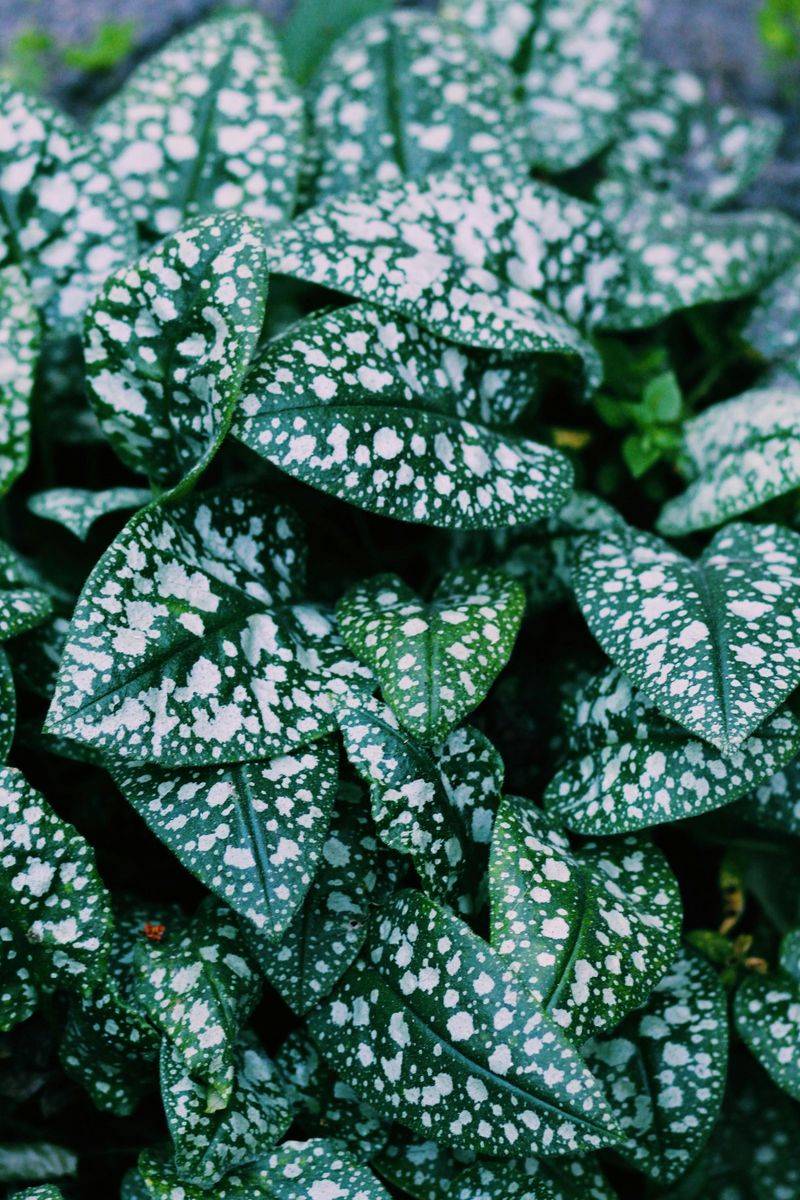
Spotted, speckled, and splashed with silver, lungwort is one of the most visually distinctive plants you can tuck into a tree bed.
Long before most shade plants even think about waking up, lungwort is already in full bloom, pushing out clusters of pink and blue flowers in early spring.
That early-season color is genuinely precious after a long gray Iowa winter, and pollinators emerging on warm March days are grateful for it too.
Worth noting: lungwort is native to Europe rather than North America, though it has grown reliably and without invasive tendencies in Iowa gardens for many years.
The leaves are the real long-term attraction, covered in bold silver spots and splashes that brighten dark corners dramatically.
Different varieties offer different spot patterns, ranging from lightly freckled to almost entirely silver, so there is plenty of room to collect and compare.
Planting several varieties together creates a mosaic of leaf patterns that keeps the bed visually interesting long after the flowers have faded.
Lungwort prefers evenly moist, humus-rich soil and performs best in full to partial shade beneath deciduous trees.
It can struggle with powdery mildew during hot, humid summers, but cutting the foliage back hard in midsummer encourages a fresh flush of clean new leaves.
That simple trick keeps the planting looking sharp and healthy straight through to fall. Lungwort pairs especially well with hostas and ferns, creating a layered, woodland-inspired composition with rich textural contrast.
Its compact, clumping habit makes it easy to tuck between larger plants without crowding or competition.
For tree beds in Iowa, lungwort is one of those quiet overachievers that earns far more admiration than it ever gets credit for.
8. Ostrich Fern
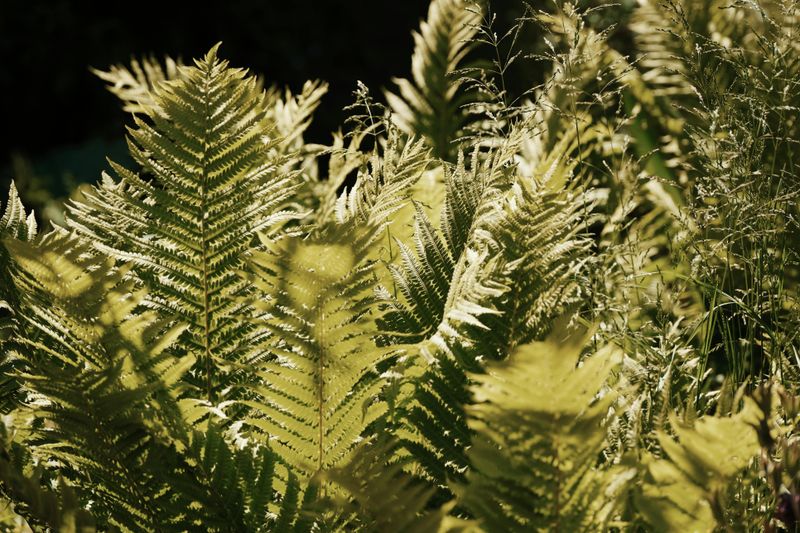
A mature ostrich fern in full summer growth stops you in your tracks. Those enormous, arching fronds can reach five to six feet tall, creating a bold, architectural statement that transforms a simple tree bed into a genuine focal point.
For Iowa gardeners wanting dramatic impact with minimal fuss, ostrich fern delivers on both counts in the most satisfying way possible.
This native fern earned its name because the tall, upright fronds resemble the feathery plumes of an ostrich in full display.
It spreads by underground runners, gradually forming large colonies that fill in bare soil and suppress weeds.
In smaller beds, this can become overwhelming, so it is best suited to larger spaces where it has room to grow. Dividing it every few years keeps it manageable.
Giving it a moist spot near a downspout or at the base of a slope where water collects helps it reach its most spectacular size.
Spring brings the famous fiddleheads, tightly coiled spirals that push up through the soil with an almost prehistoric energy.
Many people harvest these fiddleheads for cooking, as they have a mild, nutty flavor. They must be thoroughly cooked before eating, either boiled for at least 15 minutes or steamed for 10 to 12 minutes.
Eating them undercooked has been linked to gastrointestinal illness. Even if you never eat a single one, watching them unfurl over the course of a few weeks is one of gardening’s most purely delightful experiences.
Ostrich fern pairs beautifully with hostas, astilbe, and lungwort in a layered tree bed planting for stunning tree beds that shift through seasons.
Cutting back any damaged fronds in midsummer encourages fresh new growth that carries the bed through fall.
Once established, this fern becomes the bold backbone of your tree bed design, the kind of plant that makes everything around it look better.