12 Plants You Can Grow Year-Round In Southern California
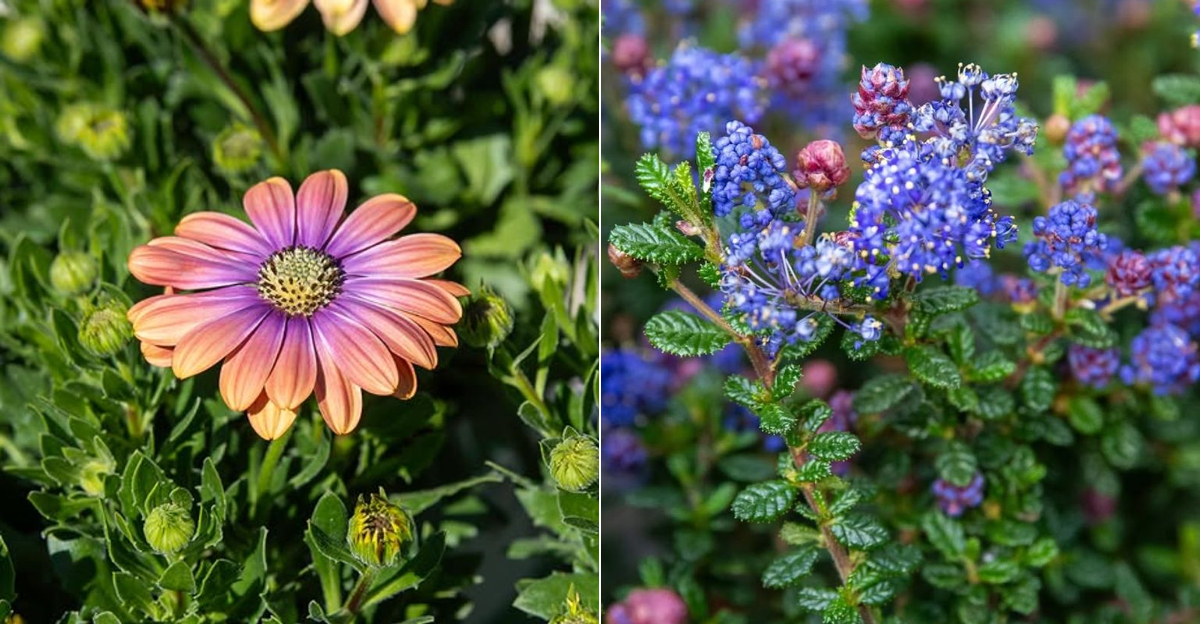
Southern California gardens do not really follow the same rulebook as colder places. While other gardeners pack things away for winter, many SoCal yards just keep the show going.
Lucky? Absolutely. A little unfair? Also yes. Mild winters, long sunny stretches, and warm pockets near patios can make year round growing possible for the right plants.
The trick is not planting anything just because the weather seems friendly. Some plants still struggle with summer heat, dry winds, or chilly nights in certain inland areas.
Others handle the rhythm beautifully and keep giving color, leaves, fragrance, or harvests through much of the year.
That makes them especially useful for gardeners who want a yard that never feels empty. A Southern California garden can stay active in every season, but the plant choices matter.
Pick the steady performers, and the yard feels alive even when the calendar says winter.
1. Bougainvillea
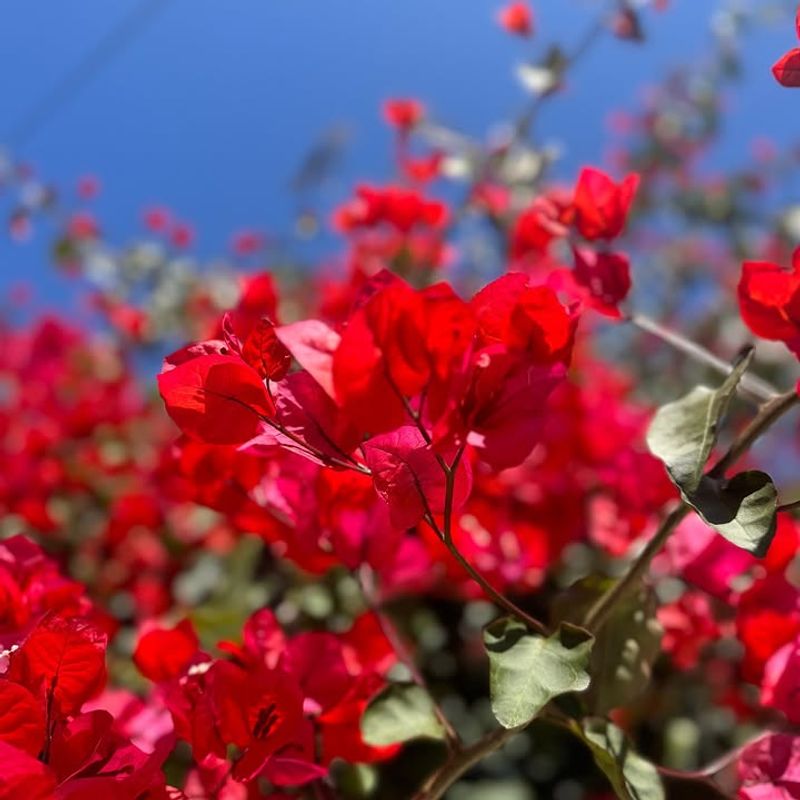
Few plants put on a show quite like bougainvillea. Walk through almost any neighborhood in Southern California, and you will spot those brilliant bursts of pink, purple, orange, or red cascading over fences and walls.
It is one of the most eye-catching plants you can grow, and the best part is that it loves the warm, dry climate here.
Bougainvillea is surprisingly tough once it gets established. It handles drought really well, which makes it perfect for Southern California gardens where water conservation matters.
Plant it in a spot with full sun, and it will reward you with color almost all year long. Avoid overwatering because soggy roots are its one weakness.
You can train bougainvillea to climb a trellis, spill over a wall, or even grow as a shrub. Pruning it after each bloom cycle encourages even more flowers to pop up.
Give it a balanced fertilizer a few times a year, and you will keep those vibrant colors coming season after season.
This plant is truly a Southern California classic that never gets old.
2. Swiss Chard
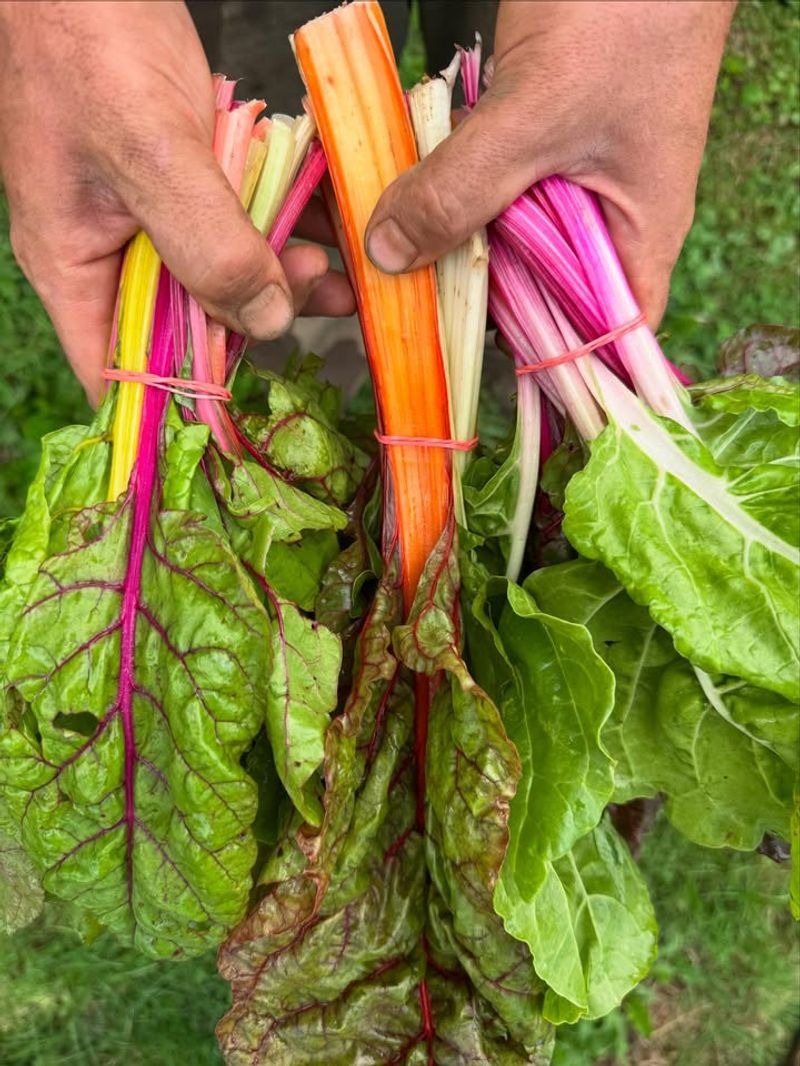
Not many vegetables are as forgiving and colorful as Swiss chard. The stems come in shades of red, orange, yellow, and white, making your vegetable garden look almost as pretty as a flower bed.
In Southern California, you can plant Swiss chard in spring, summer, fall, and even through most of winter without much trouble at all.
Swiss chard grows fast and produces a lot of leaves for the space it takes up. You can harvest the outer leaves while the plant keeps growing from the center. That means one planting can feed you for weeks.
It handles both warm and cool temperatures well, which is a huge bonus in a region where the weather can shift between seasons without much warning.
Plant Swiss chard in rich, well-drained soil and water it regularly. It likes full sun but can handle some afternoon shade during the hottest months. Add a layer of mulch around the base to help keep moisture in the soil.
Whether you saute it, add it to smoothies, or toss it into soups, Swiss chard is one of the most useful and rewarding plants you can grow year-round in Southern California.
Your California Garden Changes Every Week. Your Plan Should Too.
Gardening in California changes quickly throughout the season. Every Friday you’ll receive a simple weekly plan showing exactly what to plant, prune, fertilize, harvest, and protect so you never miss the right timing.
3. California Lilac
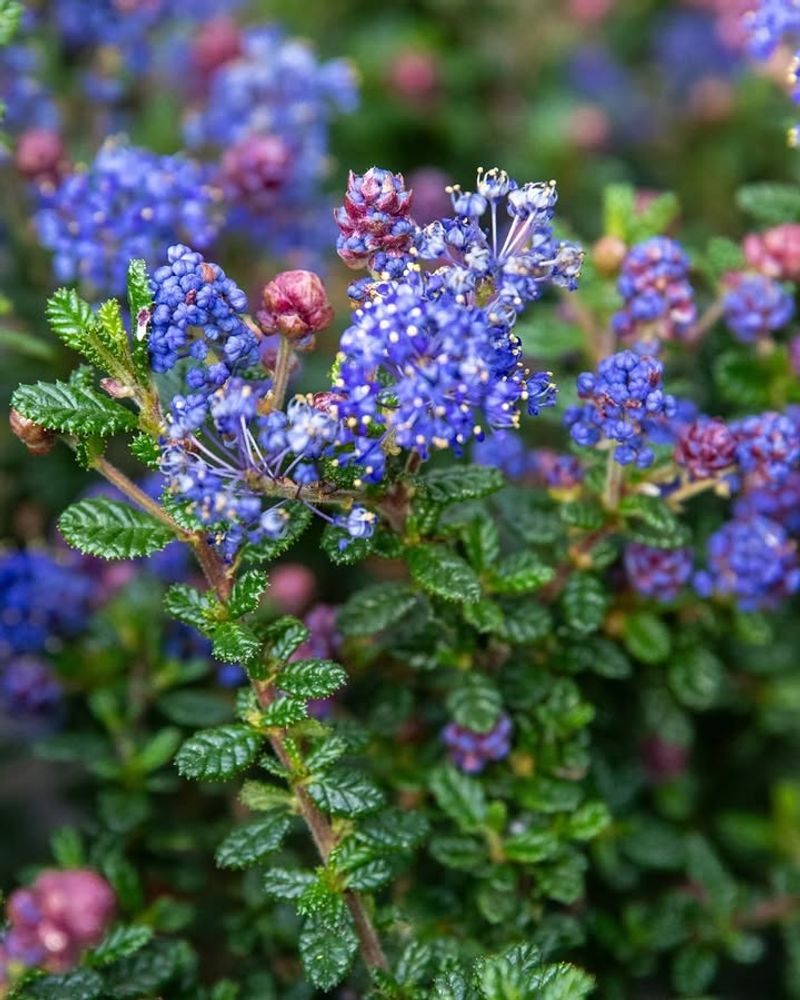
California lilac, also known as Ceanothus, is one of those plants that feels like it was made specifically for this region.
It is native to California, which means it has adapted perfectly to the dry summers and mild winters that define Southern California gardening. Once established, it practically takes care of itself.
The flowers are absolutely stunning. Clusters of tiny blue, purple, or white blooms appear in late winter and spring, but the plant stays green and attractive all year long.
Bees and butterflies absolutely love it, so planting California lilac is also a great way to support local pollinators.
It grows well on slopes, making it a smart choice for erosion control too. One of the best things about California lilac is how little water it needs once it settles in.
Overwatering is actually a common mistake, so give it well-drained soil and resist the urge to water too often. It prefers full sun and grows best when it has room to spread out.
With very little maintenance, California lilac brings natural beauty and wildlife activity to your garden every single month of the year in Southern California.
4. Bird Of Paradise
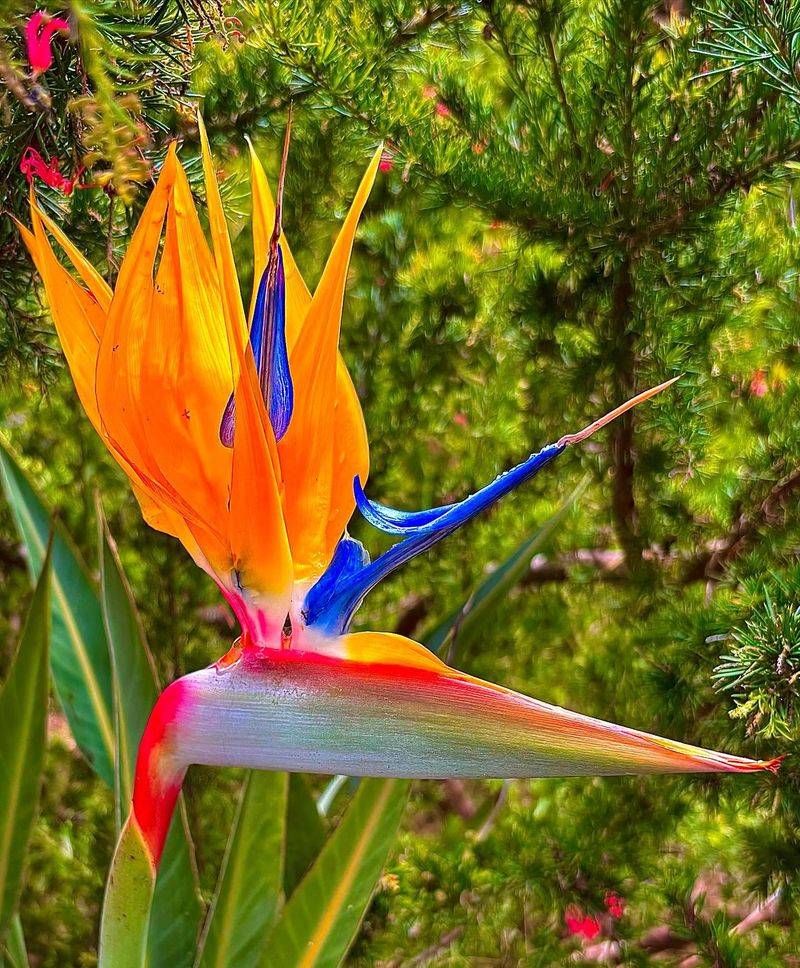
There is something almost tropical and dramatic about a bird of paradise in full bloom. Those bold orange and blue flowers look like exotic birds perched on tall green stems, which is exactly how this plant got its name.
Southern California’s warm climate is just about perfect for keeping this stunning plant happy all year long.
Bird of paradise grows well in full sun and handles the heat that comes with Southern California summers.
It is also pretty drought-tolerant once established, making it a low-maintenance option for busy gardeners. The large, paddle-shaped leaves add texture and structure to any garden space even when the plant is not in bloom.
Plant it in well-draining soil and give it regular watering during the first year while roots develop.
After that, you can cut back on watering significantly. Bird of paradise grows slowly, but it is worth the wait because it can live for many years and get more beautiful with age.
Fertilize it a couple of times a year with a balanced fertilizer to encourage strong growth and more blooms. It also works beautifully in large containers on patios and decks throughout Southern California.
5. Kale
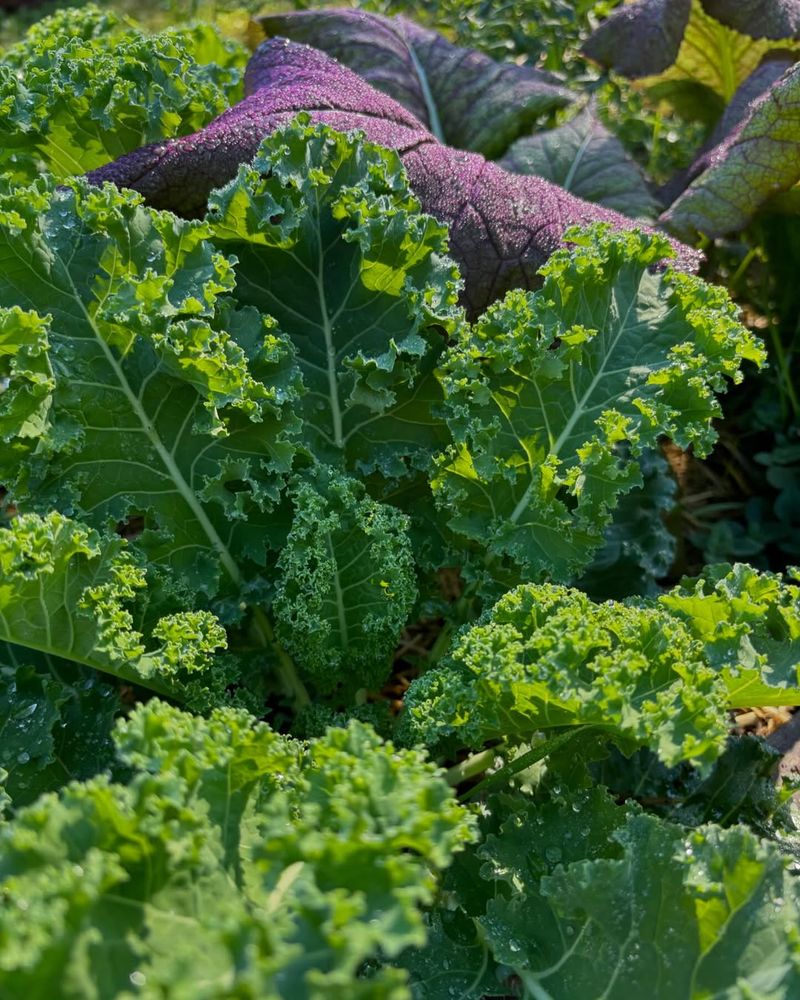
Kale has become one of the most popular vegetables in recent years, and for good reason. It is packed with nutrients, incredibly versatile in the kitchen, and surprisingly easy to grow.
In Southern California, kale thrives during the cooler months of fall and winter, but with a little care it can keep producing through warmer stretches too.
There are several varieties worth trying. Curly kale is the most common, but Lacinato kale, sometimes called dinosaur kale, has a darker color and a slightly more tender texture. Both grow well in Southern California gardens.
Plant them in a spot that gets full sun or light partial shade, especially during warmer months when some afternoon shade helps prevent the leaves from getting bitter.
Water kale consistently and feed it with a nitrogen-rich fertilizer to keep the leaves lush and green.
Harvest the outer leaves first and leave the center to keep growing. Kale actually tastes sweeter after a light frost, which occasionally happens in inland parts of Southern California during winter.
Try growing it in raised beds or containers if your garden space is limited. It is one of those plants that earns its place in any Southern California garden without demanding too much from you.
6. Lantana
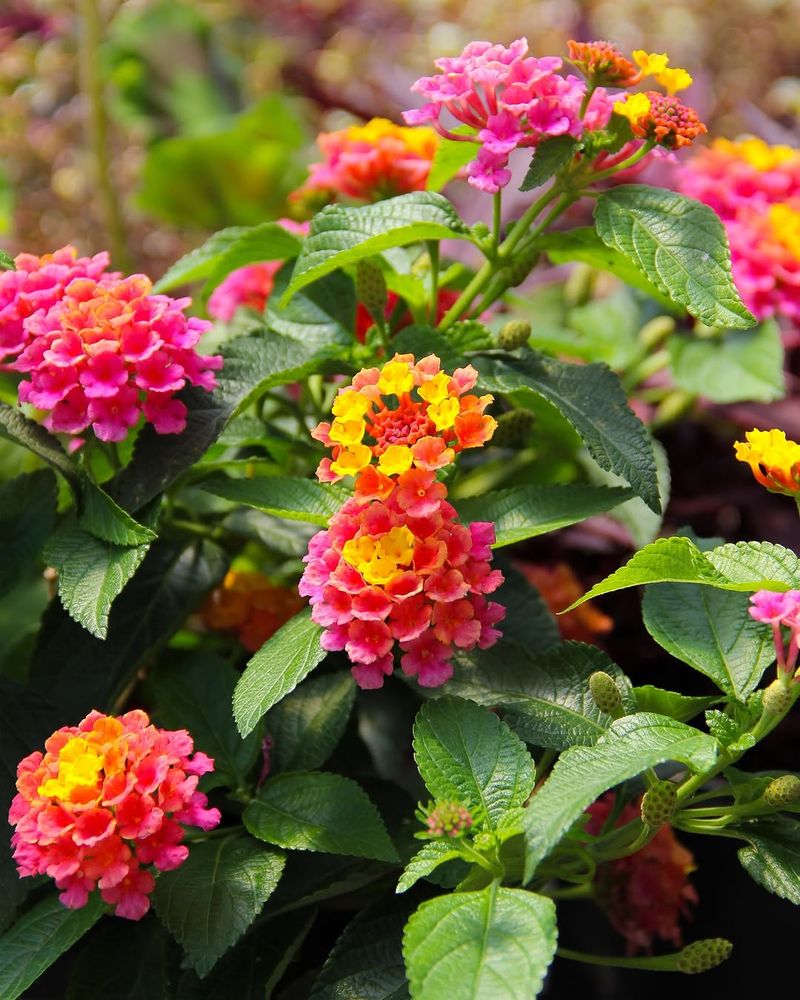
Lantana is the kind of plant that just keeps going. It blooms and blooms through heat, drought, and humidity without missing a beat.
In Southern California, where warm sunny days stretch through most of the year, lantana is practically unstoppable.
The flower clusters shift colors as they age, creating a multicolored effect that is genuinely beautiful.
Butterflies and hummingbirds are huge fans of lantana, so planting it brings a lot of life to your garden.
It grows well in full sun and actually performs better when the soil is not too rich or moist. Think of it as a plant that prefers a little neglect over too much pampering.
That makes it ideal for Southern California gardeners who want beauty without constant upkeep.
Lantana spreads fairly quickly, so give it some room or plan to trim it back occasionally to keep it tidy. It works beautifully as a ground cover, in hanging baskets, or spilling over the edges of raised beds.
One important note is that the berries are toxic to pets and small children, so plant it in areas where that is not a concern.
Overall, lantana is one of the most reliable and rewarding plants you can grow year-round in Southern California.
7. Toyon
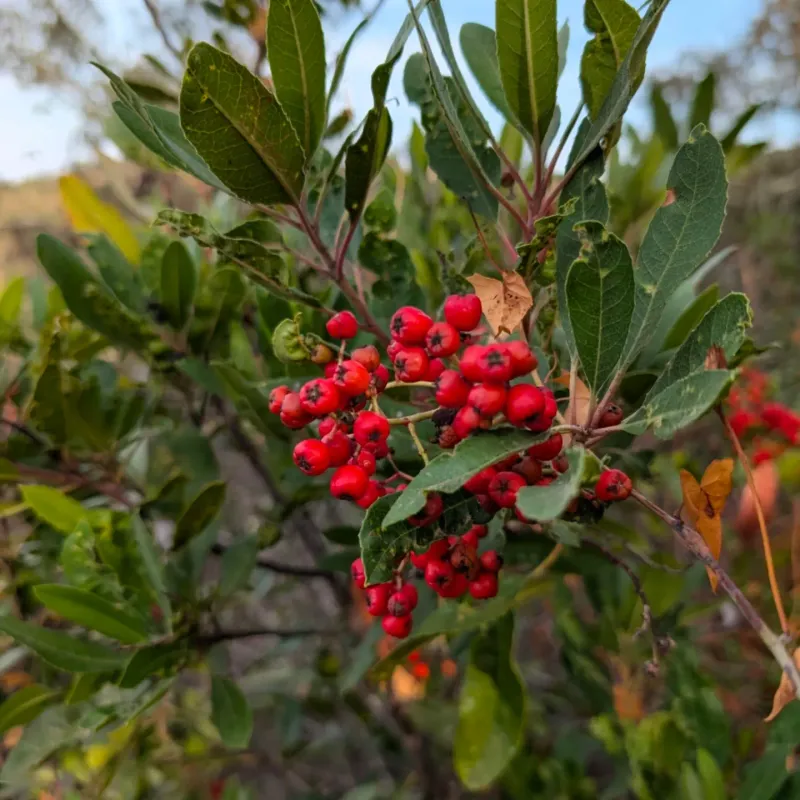
Toyon is a true California native that deserves far more attention than it gets.
Also called California Holly or Christmas Berry, this tough shrub produces clusters of bright red berries in late fall and winter that are absolutely striking.
Birds flock to it for the berries, and the dark green leaves stay attractive throughout the entire year in Southern California.
One fun historical tidbit is that Toyon is actually the plant that gave Hollywood its name. Early settlers saw the berry-covered hillsides and were reminded of holly, leading to the name Holly-wood.
That local connection makes growing Toyon feel like a small nod to Southern California history.
Toyon is extremely drought-tolerant and thrives in the kind of dry, well-drained conditions that are common across Southern California.
It grows well in full sun to partial shade and needs very little fertilizer or special care once established. It can grow into a large shrub or small tree, making it useful as a privacy screen or a focal point in a native garden.
If you want a plant that supports local wildlife, connects to California’s natural landscape, and looks great all year, Toyon is an outstanding choice for any Southern California garden.
8. Sweet Alyssum
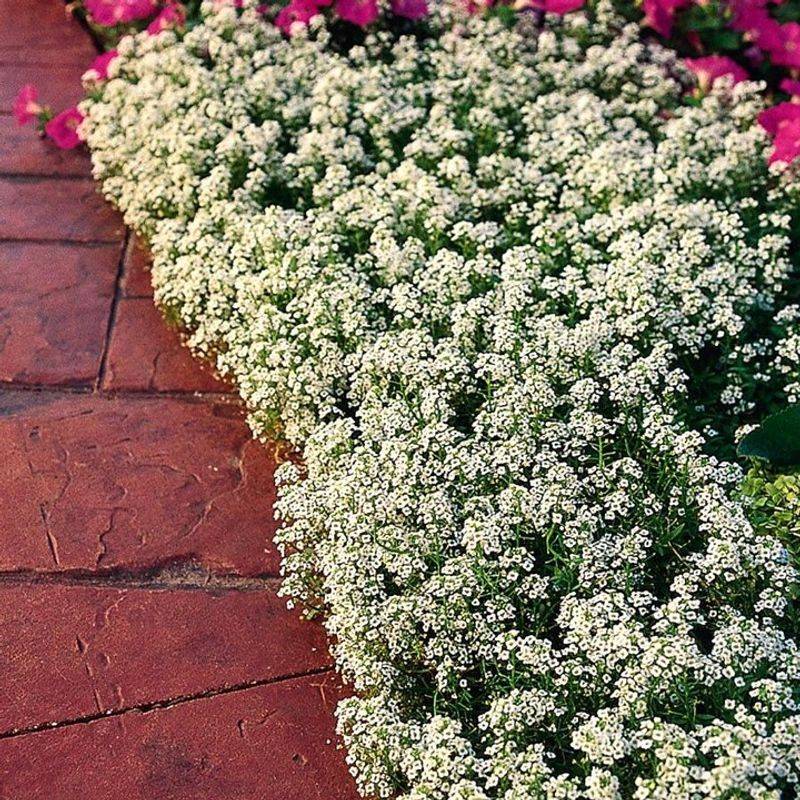
Sweet alyssum is small but mighty. Those tiny clusters of white, pink, or purple flowers may look delicate, but this plant is surprisingly hardy and grows well in Southern California through all but the hottest summer weeks.
It has a light honey-like fragrance that fills the air around it, making it a delightful addition to garden borders and pathways.
One of the best uses for sweet alyssum is as a ground cover or border plant. It fills in gaps between other plants, softens the edges of garden beds, and even suppresses weeds when it grows thick enough.
It also attracts beneficial insects like hoverflies and parasitic wasps, which naturally help keep pest populations in check.
That makes it a smart companion plant for vegetable gardens across Southern California. Sweet alyssum grows best in full sun to light shade and prefers regular watering without being waterlogged.
If it starts looking a little tired during a heat wave, trim it back by about a third and it will bounce back with fresh growth and new blooms. You can start it easily from seed or buy small transplants from a local nursery.
Either way, it is one of the easiest and most charming plants you can add to a Southern California garden.
9. Radishes
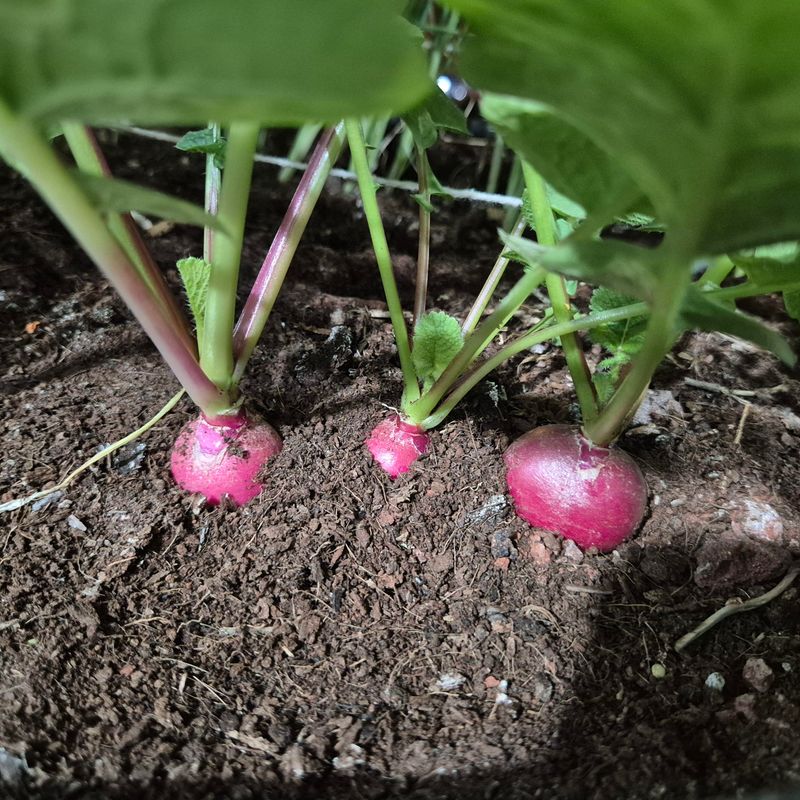
If you have never grown radishes before, you are in for a pleasant surprise. These small root vegetables are one of the fastest crops you can plant, going from seed to harvest in as little as three to four weeks.
In Southern California, you can plant radishes multiple times a year because they prefer cooler weather and those mild fall, winter, and early spring temperatures are ideal.
Radishes are great for beginning gardeners because they are so forgiving and quick to reward your effort.
You can tuck them in between slower-growing vegetables like carrots or lettuce to make the most of your garden space. Varieties like French Breakfast and Cherry Belle are popular choices that do really well in Southern California soil conditions.
Sow radish seeds directly into the ground about half an inch deep and one inch apart. They do not transplant well, so direct sowing is the way to go. Keep the soil consistently moist and they will sprout within just a few days.
Harvest them as soon as they reach the right size because leaving them in the ground too long causes them to become pithy and less flavorful. Radishes are a satisfying and speedy crop for any Southern California garden.
10. Coyote Brush
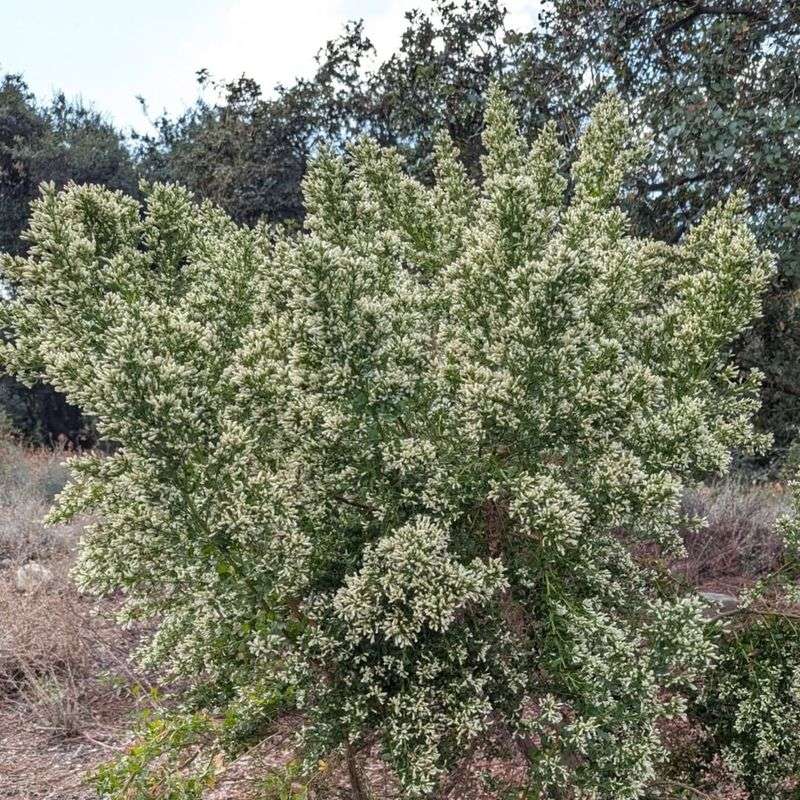
Coyote brush might not be the flashiest plant on this list, but it is one of the most important for Southern California’s native ecosystem.
This rugged shrub grows naturally across coastal and inland areas of California, and it is incredibly well adapted to the heat, drought, and poor soils that challenge many other plants. Once it takes root in your garden, it asks for almost nothing in return.
The plant produces small white flowers in fall and winter, which is actually a huge benefit because most other plants are not blooming at that time.
Those flowers attract bees and other pollinators when food sources are scarce, making coyote brush a valuable addition to any Southern California wildlife garden.
The fluffy white seed heads that follow the flowers add their own kind of visual interest.
Coyote brush grows well in full sun and handles dry summers without supplemental irrigation once established.
It works well on slopes where erosion is a concern and can be used as an informal hedge or background plant. It grows quickly and can reach several feet in height and width.
Occasional pruning keeps it from getting too leggy. For a low-effort, high-impact native plant in Southern California, coyote brush is hard to beat.
11. African Daisy
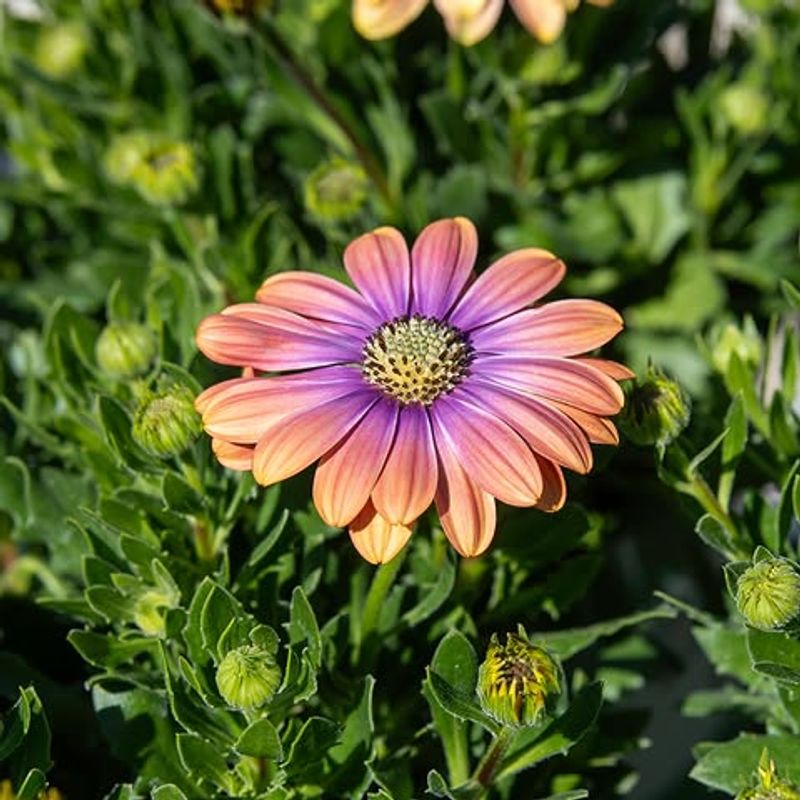
African daisies bring an explosion of color to Southern California gardens, and they do it with very little fuss.
These cheerful flowers come in shades of orange, yellow, purple, pink, and white, often with a contrasting dark center that makes them look almost painted.
They bloom most heavily in spring and fall, but in Southern California’s mild climate they can keep flowering through much of the year.
One thing to know about African daisies is that they open their petals in bright sunlight and close them at night or on cloudy days.
That is just part of their natural behavior and nothing to worry about. Plant them where they will get plenty of direct sun to see their full, vibrant display.
They are also quite drought-tolerant once established, which fits perfectly with Southern California’s water-conscious gardening culture.
African daisies grow well in containers, hanging baskets, and garden borders. They spread nicely and fill in spaces with color quickly. Deadhead spent blooms regularly to encourage continuous flowering throughout the season.
Water them deeply but infrequently, and avoid getting water on the foliage to prevent fungal issues.
A light application of balanced fertilizer in spring gives them a great boost. For easy, reliable color in your Southern California garden, African daisies are a wonderful choice.
12. Rosemary

Rosemary is one of those plants that pulls double duty beautifully. It is both a practical culinary herb and an attractive ornamental shrub that looks great in a garden year-round. In Southern California, rosemary absolutely thrives.
The dry, sunny conditions here mirror its native Mediterranean habitat almost perfectly, which means it is one of the easiest plants you can possibly grow in this region.
The woody stems and needle-like leaves stay green through every season, and small blue or purple flowers appear in late winter and early spring to add extra visual appeal.
The fragrance alone is reason enough to plant it near a walkway or patio where you will brush against it as you pass. That piney, herbal scent is instantly refreshing and is one of rosemary’s most beloved qualities.
Plant rosemary in full sun with excellent drainage and it will grow with minimal care. Overwatering is the biggest mistake people make with rosemary, so let the soil dry out between waterings.
It can be shaped into a hedge, grown as a sprawling ground cover, or kept compact in a pot on a balcony.
Harvest sprigs regularly for cooking, as frequent trimming actually encourages bushier, healthier growth. Rosemary is truly one of the most dependable and useful plants for Southern California gardens.